.png?width=1200&quality=80)
Bayts
Luzern, Lucerne
Restaurant in Lucerne, Switzerland
 Book with Pearl
The Read
Dress
Smart Casual
Why go
Bayts is a good Lucerne pick when the brief is a calm dinner with credible recognition rather than a heavily defined concept. The 2026 MICHELIN Plate gives it useful reassurance, but cuisine, price, and format details are not the reason to choose it. Cross-shop Thai Garden for Thai, Drei Könige for farm-to-table, and Sauvage for a higher-spend international meal.
About Bayts
Bayts is a Lucerne dinner option with a practical profile: it is open Tuesday to Saturday from 6–11 PM, closed Sunday and Monday, and has a smart casual dress code. It also carries a 2026 MICHELIN Plate recognition, which gives first-time visitors a useful external signal without requiring any assumptions about cuisine, price, chef, menu format, or service style. In a city with several possible dinner choices, that combination of basics makes Bayts easier to place in an itinerary.
Bayts is best approached with a simple planning frame: choose it when you want dinner in Lucerne and are comfortable relying on its hours, dress code, and MICHELIN Plate recognition. Do not build the decision around a specific dish, cuisine, price point, or format unless you have confirmed those details directly with the restaurant. This is the most accurate way to evaluate it: not as a fully described restaurant experience, but as a credible dinner candidate with a few firm planning anchors.
A dinner pick with a MICHELIN Plate signal
A main reason to consider Bayts is confidence. Its 2026 MICHELIN Plate marks it as a recognized restaurant in Lucerne, which can be helpful when choosing one dinner during a short stay. The recognition should be treated as a quality signal, not as evidence of a particular dining format or level of formality beyond the stated smart casual dress code. In practical terms, it helps narrow the field without answering every question a diner may have before booking or walking in.
First-timers should treat Bayts as a dinner-only plan based on the listed hours: Tuesday through Saturday, 6–11 PM. Since no cuisine, price, chef, menu format, or seating details are available, the safest approach is to plan around the basics rather than an imagined experience. Bayts makes sense when those basics match the evening you are planning. If the time window, the Lucerne setting, and the smart casual expectation all fit naturally, the restaurant can be considered on that basis alone; if any of those elements are uncertain, confirm them before the final decision.
Who should choose it over other Lucerne options
Choose Bayts if the combination of Lucerne location, Tuesday-to-Saturday dinner hours, smart casual dress code, and 2026 MICHELIN Plate recognition fits your plans. If you need a venue with more details before deciding, compare it with other named Lucerne options such as Drei Könige, Glou Glou Lucerne, Grottino 1313, Sauvage, or Thai Garden, and verify the current details directly. The right choice depends less on a broad ranking and more on how much information you personally need before committing to a dinner.
The main trade-off is information. Bayts has enough detail to support a practical dinner decision, but not enough to support specific claims about cuisine, price, signature dishes, chef, seating, drinks, or dietary accommodations. For a first visit, that means keeping expectations grounded: use the hours and recognition as the basis for planning, then contact the restaurant if any detail is essential. This is particularly important for diners who are choosing around budget, food preferences, accessibility needs, or a specific style of evening, because none of those visit-shaping details should be assumed.
Quick reference: Consider Bayts for a Lucerne dinner Tuesday to Saturday, 6–11 PM, with smart casual dress and a 2026 MICHELIN Plate; confirm any cuisine, menu, price, dietary, or visit-specific questions directly before going.
Planning details
- Location
- Bireggstrasse 24
- Website
- bayts.ch
- Phone
- +41 41 544 95 27
The take
The Take
The Vibe
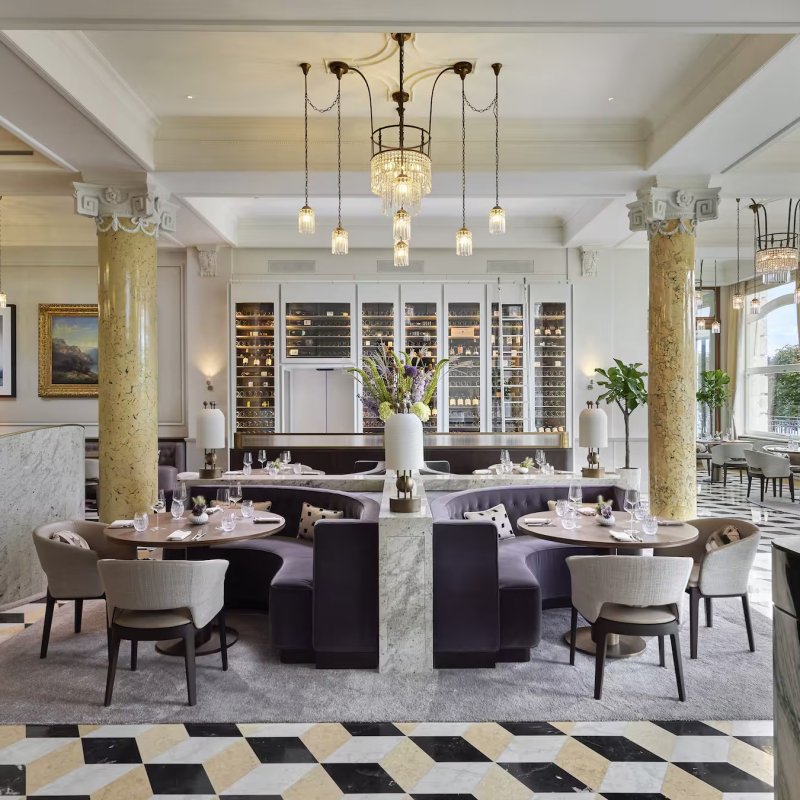
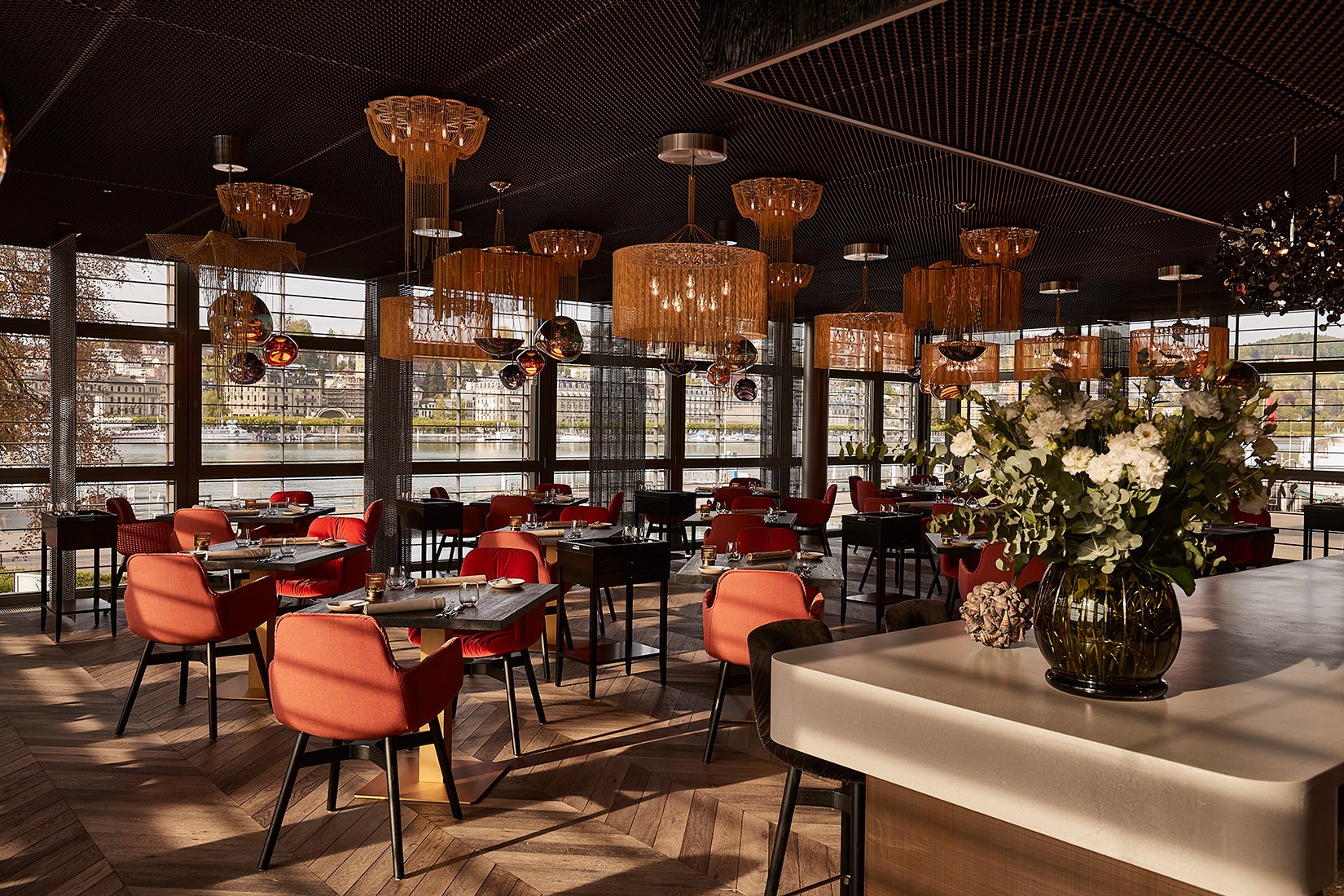
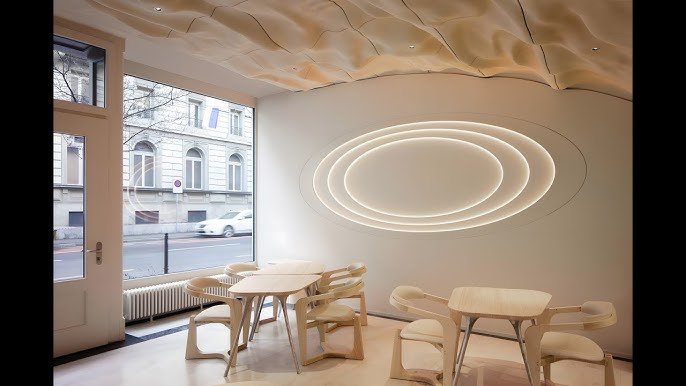
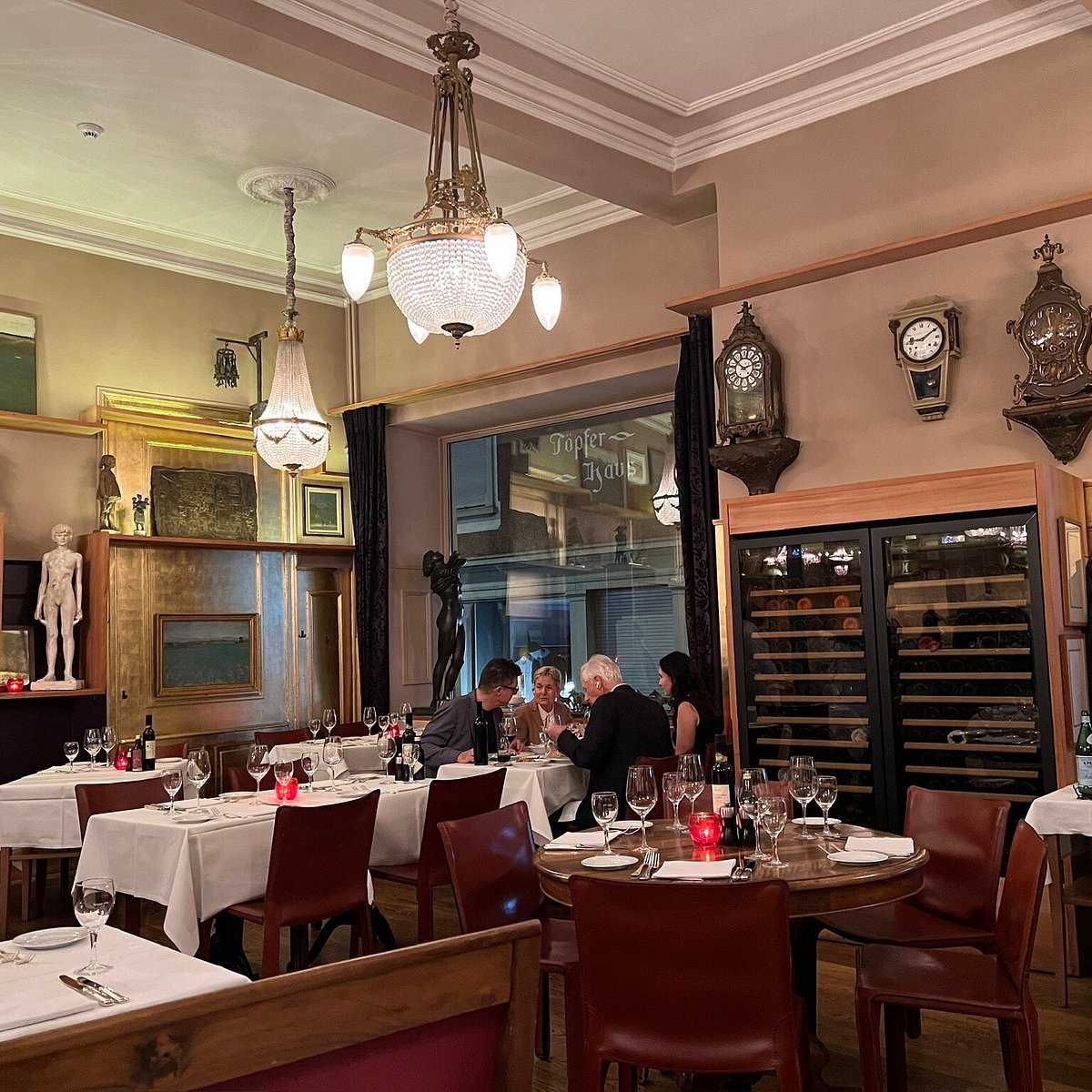
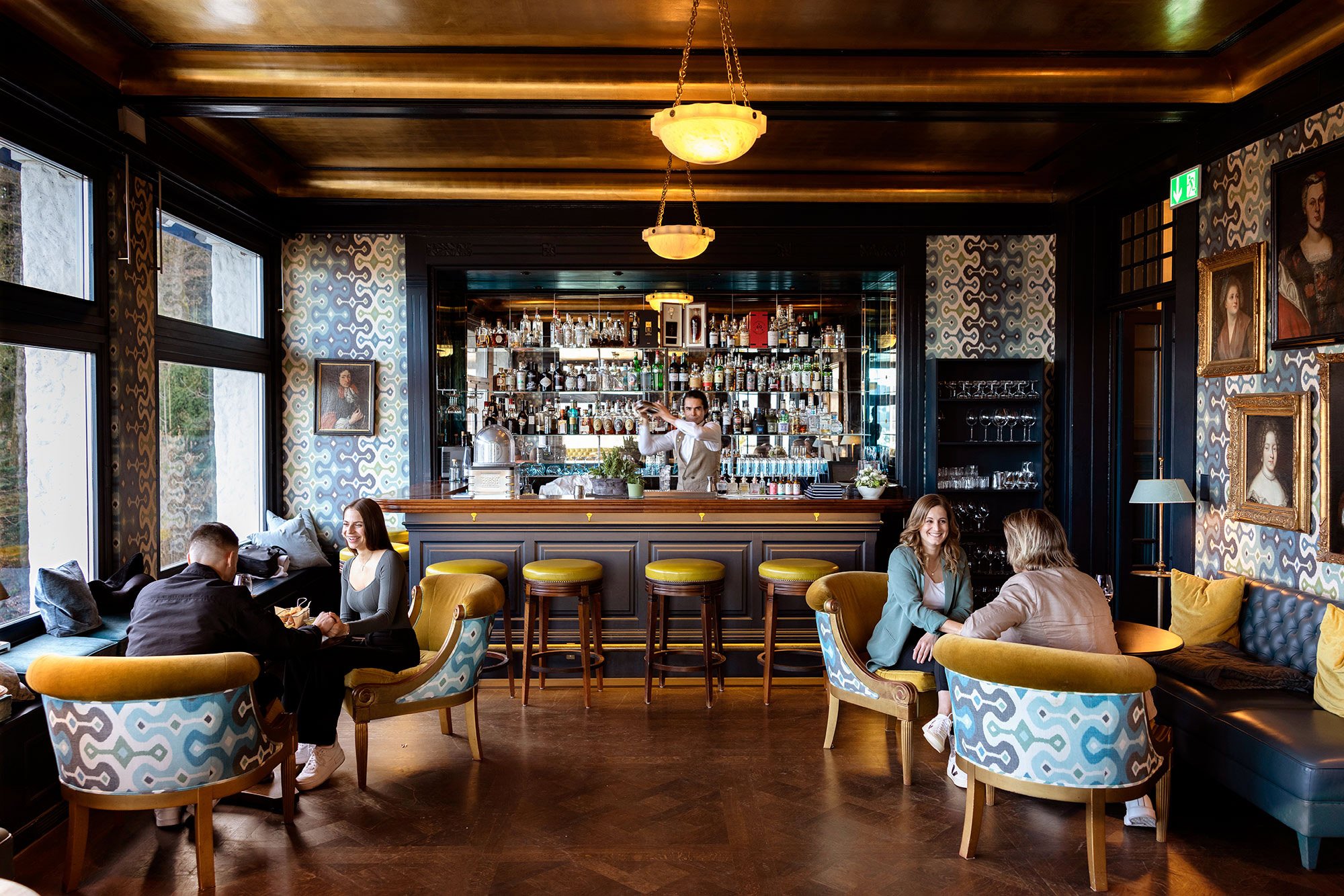
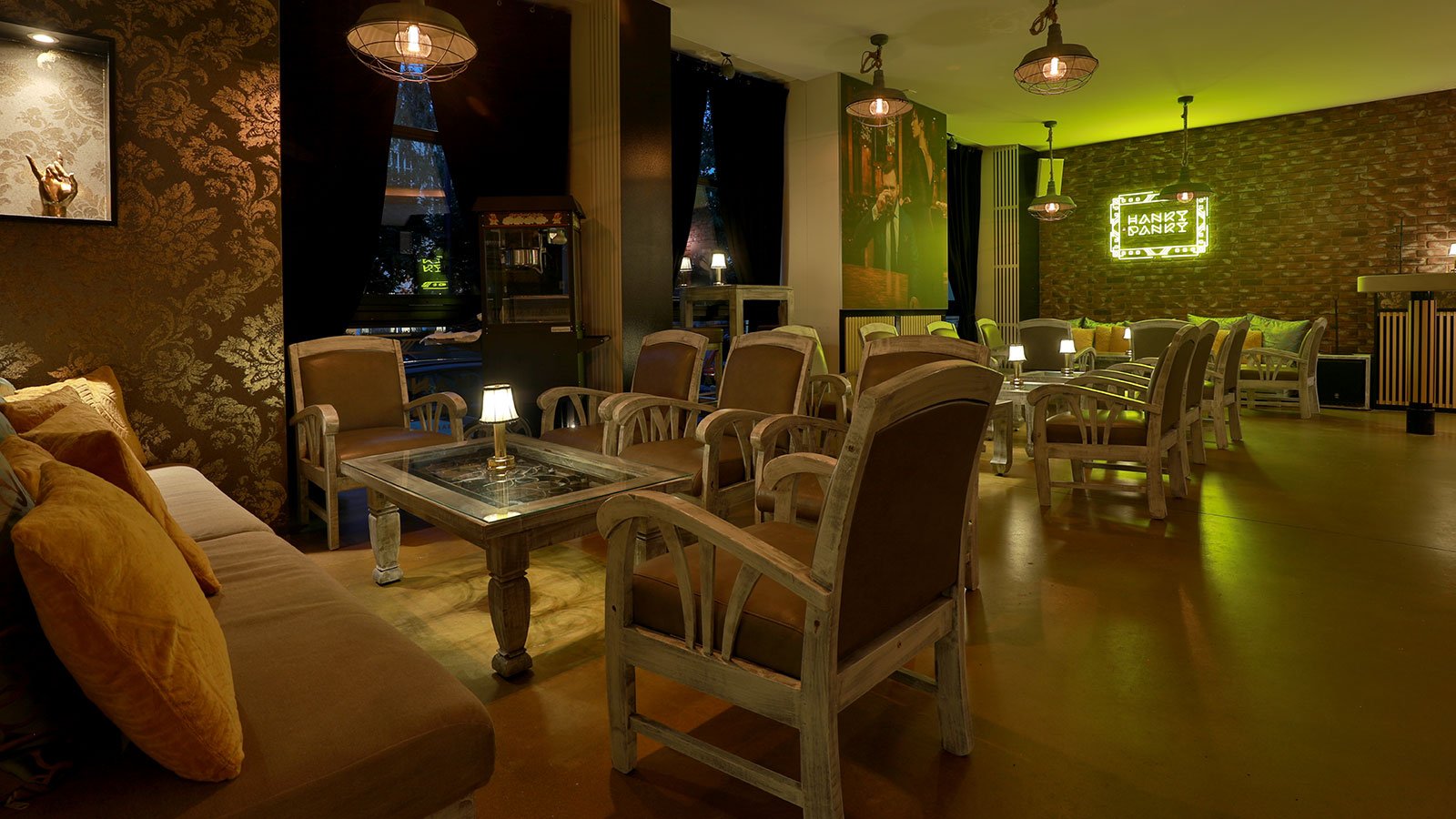
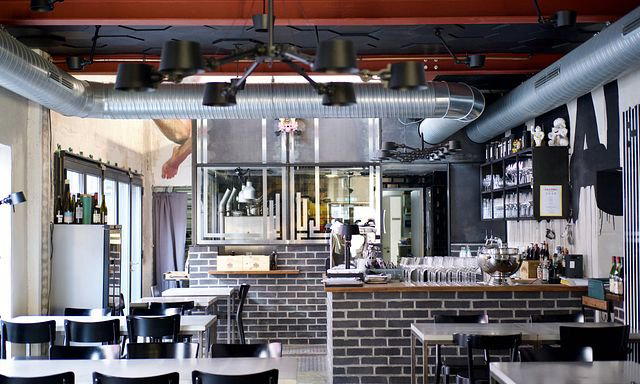
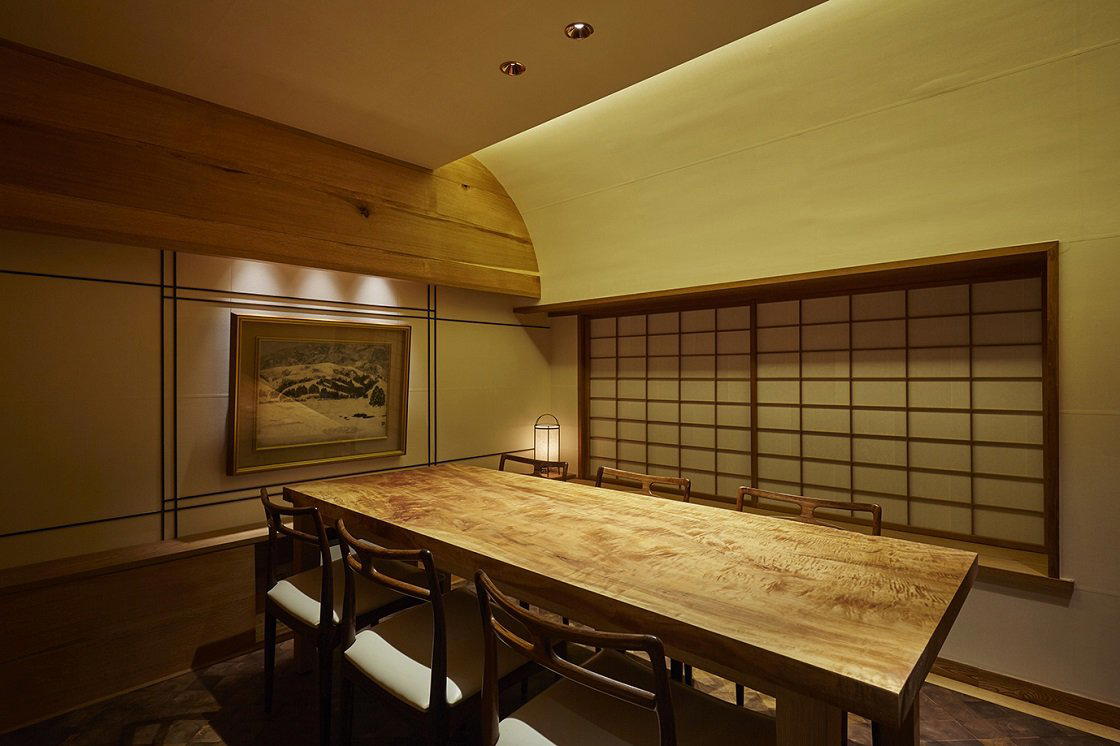
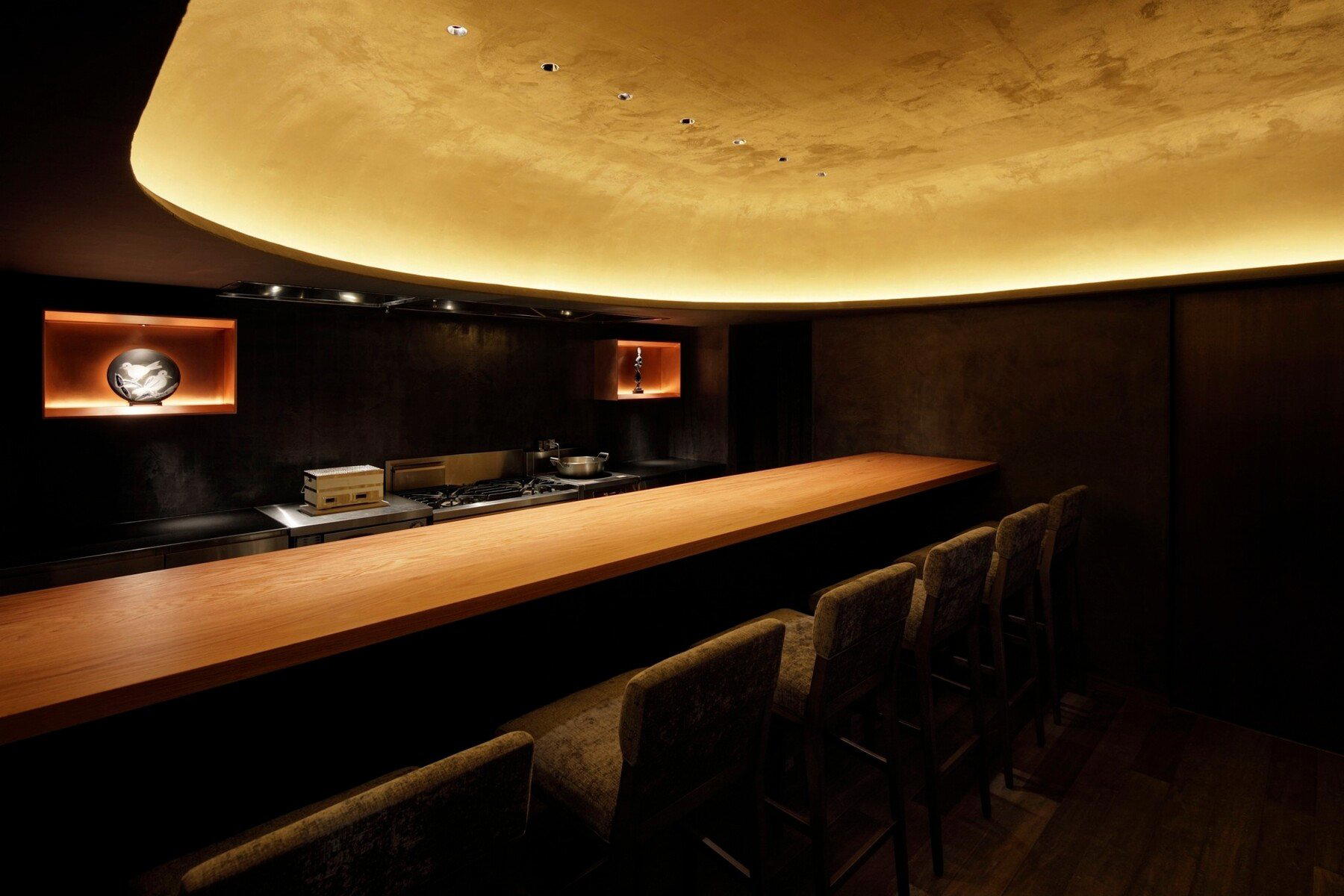
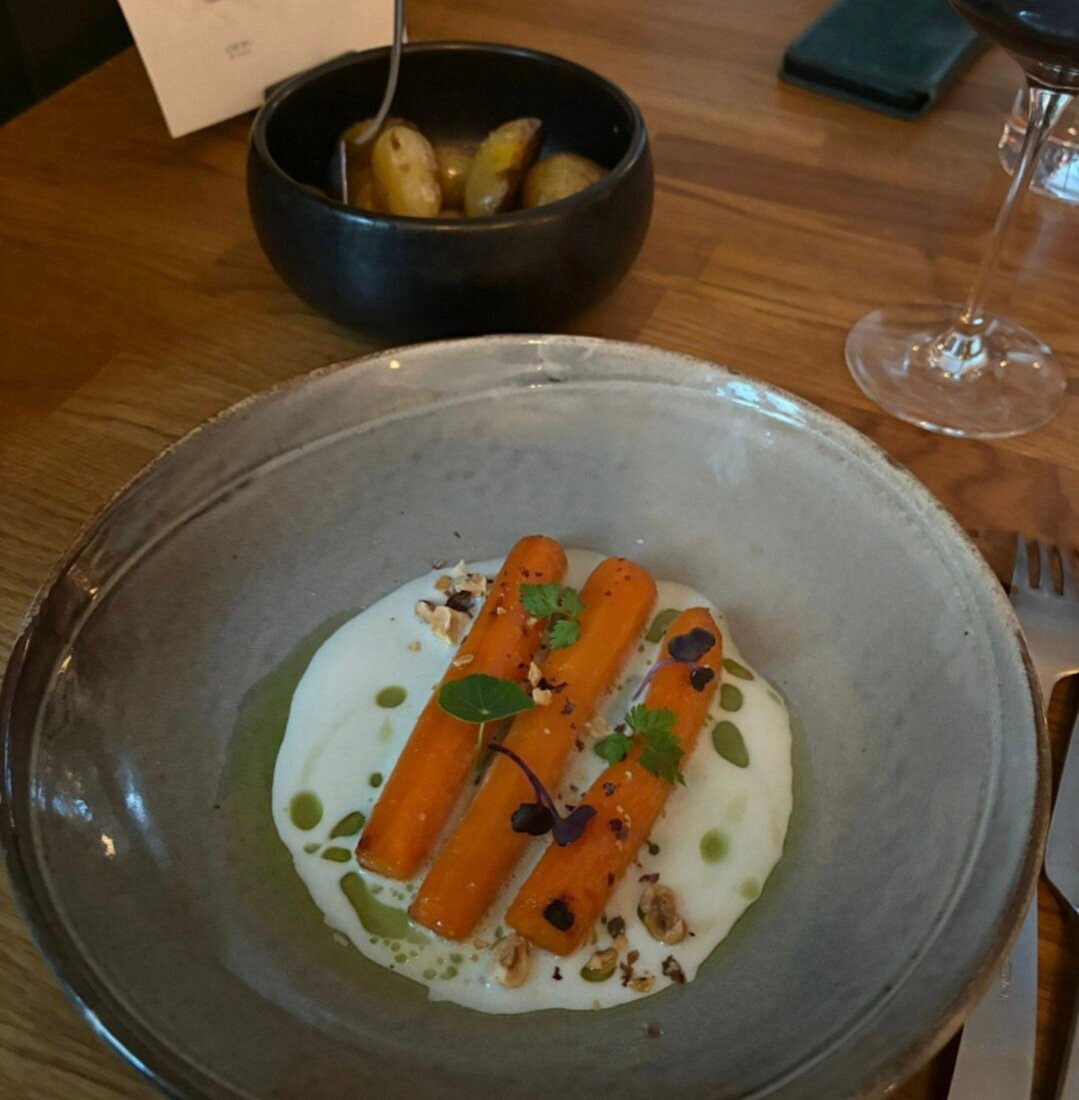
Bayts presents a refined, plant-centred approach in a small, quietly assured dining room. The decor leans minimalist and upscale but deliberately avoids the stiffness that can make such spaces feel distant — there’s a clear warmth to the room and an attentive, unobtrusive service that keeps the mood relaxed. The kitchen’s commitment to vegetables as the main event gives the place a thoughtful, sophisticated edge, and because the restaurant sits away from the tourist-thronged waterfront, the overall impression is intimate and deliberately low-key rather than flashy.
Best For
This is a Lucerne spot for thoughtful dinners and low-key special occasions rather than loud nights out. The focused, format-driven kitchen and upscale-but-relaxed service make it well suited to date nights and celebrations where the food is the centrepiece. Its small scale and location off the waterfront also favour quieter gatherings or a refined evening for two. If you’re seeking an alternative to the city’s more ceremonious tables, Bayts’ plant-forward tasting approach offers a sophisticated, calm environment for an intentional meal.
Ordering Tips
The kitchen prioritizes plant ingredients and tightly composed dishes—expect course-driven plates that showcase vegetable technique. Signature items mentioned in the venue brief give a good sense of the menu: cauliflower wings; mushroom spaetzle; lettuce with macadamia and chives; and cauliflower with chilli and lime. Pronounced like 'bites', the name signals that the cooking takes centre stage: lean into the menu’s composed vegetable preparations and sample a range of the kitchen’s highlights to appreciate the variety and technique on offer.
Venue details
Ambiance
Upscale, trendy, minimalist aesthetic with pleasant and relaxed atmosphere; stylishly decorated with plants and modern furnishings; not overly loud.
Tags
Vibe
Best For
Experience
Sourcing
At the Table
- Dress Code
- Smart Casual
- Noise Level
- Conversational
- Service Style
- Upscale Casual
- Meal Pacing
- Extended Experience
- Capacity
- Small
Signature Dishes
- cauliflower wings
- mushroom spaetzle
- lettuce with macadamia and chives
- cauliflower with chilli and lime
Know before you go
Know Before You Go
- Getting there
- Bireggstrasse 24
Planning details
Location
Recognition and awards
Also consider
Where to book if Bayts is not the right fit
Book Thai Garden if the group wants a clearer Thai brief at a €€ price tier. Choose Drei Könige for farm-to-table cooking at €€, or Sauvage when the evening calls for a more expensive international restaurant.
Restaurant context
How Bayts compares in Lucerne
Bayts is the quieter confidence pick in this Lucerne set: less clearly category-led than Thai Garden, less farm-to-table specific than Drei Könige, and less obviously spend-forward than Sauvage. Choose Bayts when a MICHELIN Plate signal and a neighborhood dinner feel matter more than locking into a named cuisine or a bigger-night format.
For value clarity, Thai Garden and Drei Könige are easier to assess because both sit in the €€ tier and have a defined cuisine angle. Sauvage is the more natural splurge comparison at €€€, especially for diners who want an international restaurant positioned for a more formal evening. Bayts is better for a first-timer who wants credible recognition without making price tier or cuisine the whole decision.
If Bayts is not available, Grottino 1313 and Glou Glou Lucerne are worth checking as nearby alternatives, but the clearer decision splits are Thai Garden for Thai, Drei Könige for farm-to-table, and Sauvage for a higher-spend international dinner.
Explore Lucerne
Around this place
Discover more on Pearl
Unlock the full Bayts guide in Pearl, including awards, comparisons, FAQs, planning details, and nearby places.
Compare Bayts
| Venue | Location | Cuisine | Awards | Price |
|---|---|---|---|---|
| Bayts | Lucerne | , | 2026 Michelin Plate | , |
| Grottino 1313 | Lucerne | No published awards | , | , |
| Glou Glou Lucerne | Lucerne | Star Wine Lists 20262026 Falstaff Wine Bar Guide | , | , |
| Thai Garden | Lucerne | Thai | 2025 Michelin Plate2024 Michelin Plate | €€ |
| Drei Könige | Lucerne | Farm to table | 2025 Michelin Plate2024 Michelin Plate | €€ |
| Sauvage | Lucerne | International | 2025 Michelin Plate2024 Michelin Plate | €€€ |


How Bayts Lucerne compares with similar nearby venues.
FAQ
Frequently Asked Questions
What should I wear to Bayts?
Bayts lists a smart casual dress code. Since it is open for dinner Tuesday to Saturday from 6–11 PM, smart casual evening wear is the safest choice.
What should a first-timer know about Bayts?
Go in expecting a dinner plan, not a lunch stop: Bayts is closed Monday and Sunday and is open Tuesday through Saturday from 6–11 PM. Its 2026 MICHELIN Plate is the main recognition signal.
Is Bayts good for a special occasion?
It can be a reasonable Lucerne choice if the listed dinner hours, smart casual dress code, and 2026 MICHELIN Plate recognition fit the occasion. For details such as menu format, price, or other visit-specific arrangements, confirm directly with the restaurant.
Does Bayts handle dietary restrictions?
Dietary or allergy accommodation details are not available. If you have strict restrictions, contact Bayts directly before planning your visit.
Is lunch or dinner better at Bayts?
Dinner is the option: Bayts is listed as open Tuesday to Saturday from 6–11 PM and closed Sunday and Monday. No lunch hours are available.
What are alternatives to Bayts in Lucerne?
Other named Lucerne options to compare include Drei Könige, Glou Glou Lucerne, Grottino 1313, Sauvage, and Thai Garden. Check each venue directly for current hours, menu, price, and visit details.