
Kamikaze
Fusion · l'Antiga Esquerra de l'Eixample, Barcelona
Restaurant in Barcelona, Spain
 Book with Pearl
The Read
Defiant Japanese artistry, ignited by flame, precision, and whispered indulgence
Price
$50–100per person
Dress
Smart Casual
Why go
A Michelin-starred restaurant in Eixample where a Disfrutar and Mugaritz-trained chef applies serious technique to Japanese-Mediterranean fusion cooking at €€€, well below the city's top creative tier. The seasonal tasting menu rewards repeat visits, booking is easy, and the value case against Barcelona's €€€€ competition is hard to argue.
About Kamikaze
Worth Booking? The Verdict on Kamikaze
Kamikaze is easy enough to book — no months-long waitlist, no lottery system — but that accessibility can be misleading. This is a Michelin Plate-recognised restaurant in Eixample led by a chef who trained at Disfrutar and Mugaritz, two of Spain's most demanding kitchens. At the €€€ price tier, it sits below the city's top-tier creative tasting menu circuit, which makes it the most compelling case in Barcelona right now for serious cooking that doesn't require either a significant financial stretch or a reservation battle. Book it. It earns the effort.
The Space and the Setup
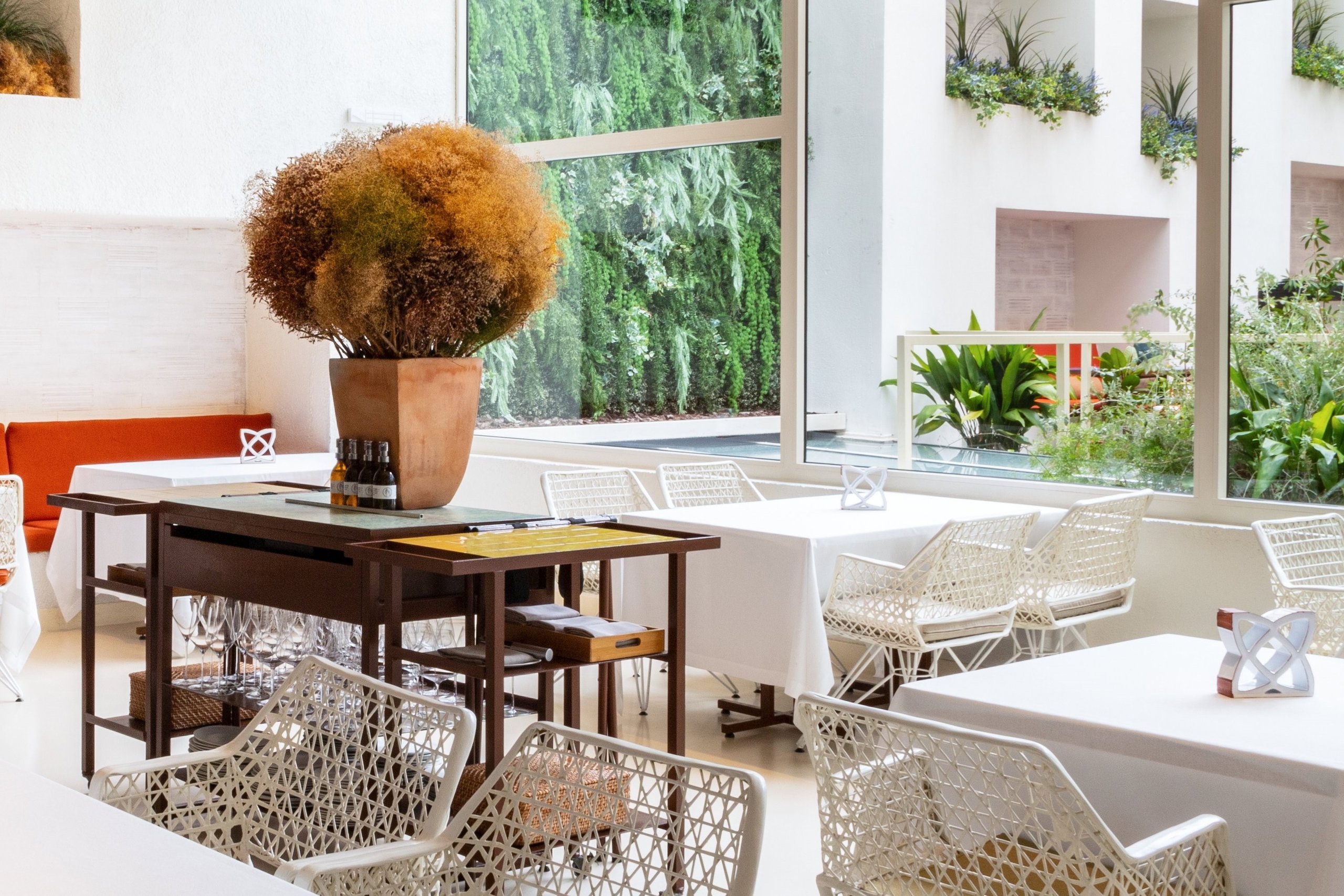
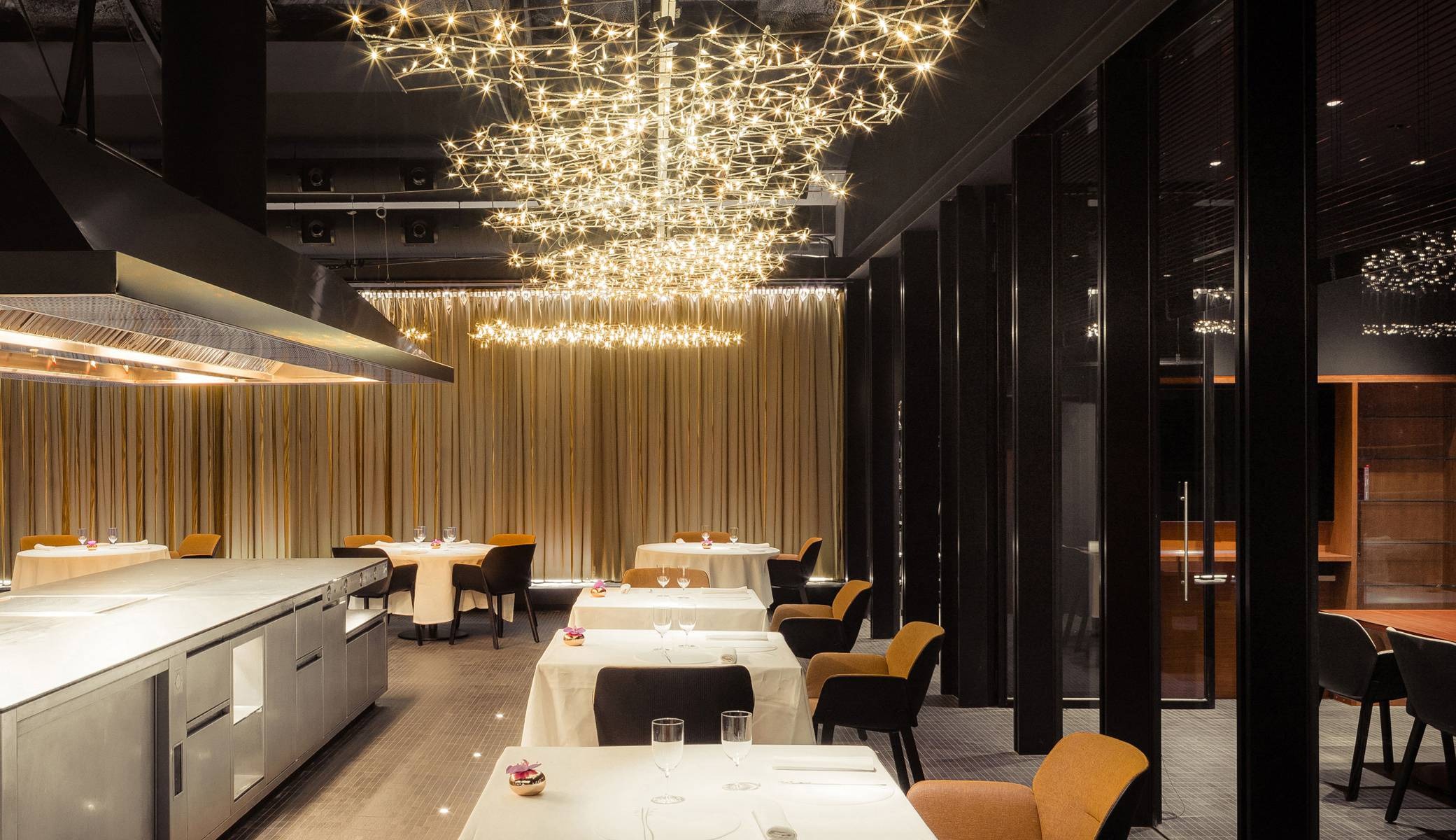
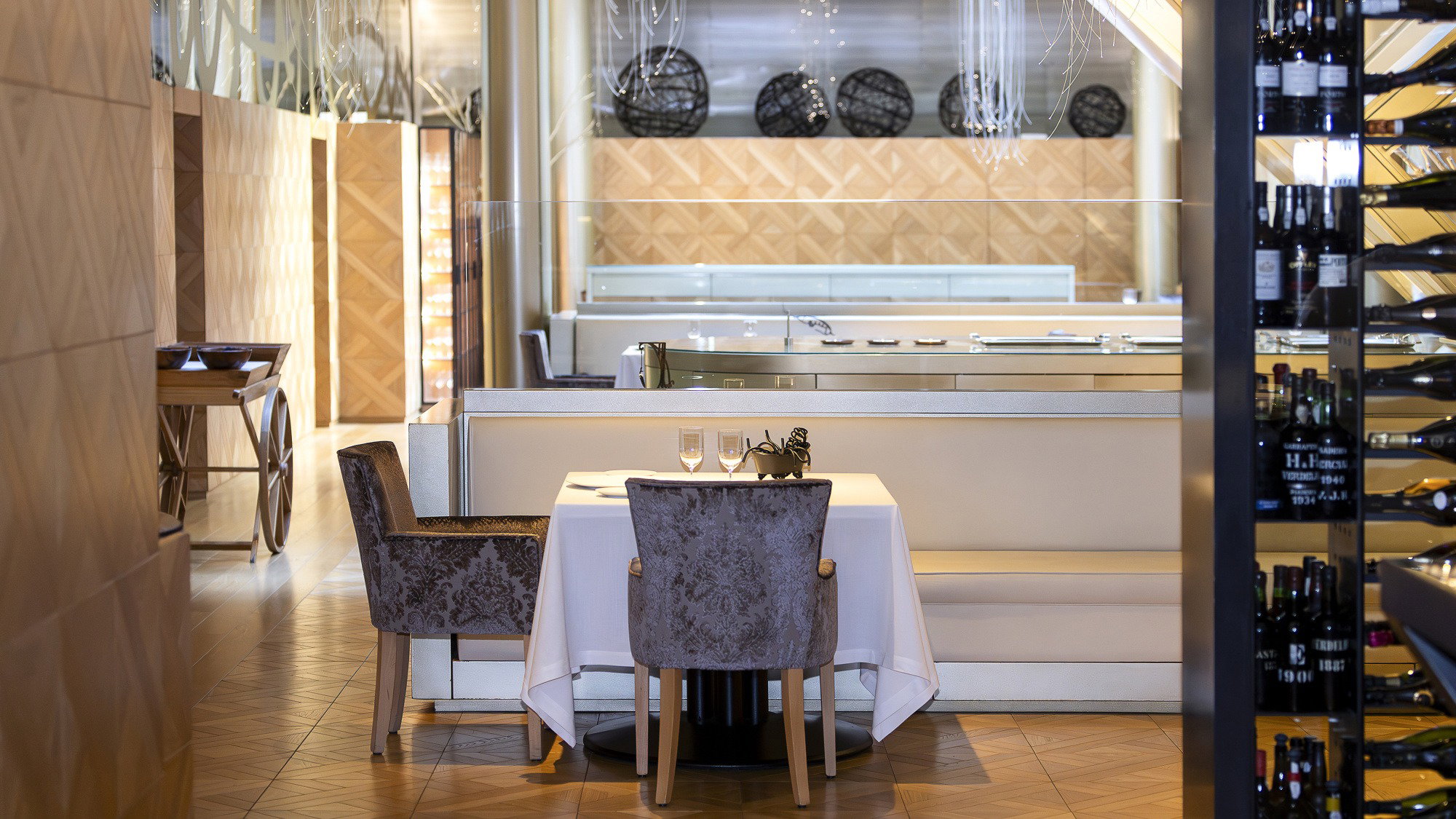
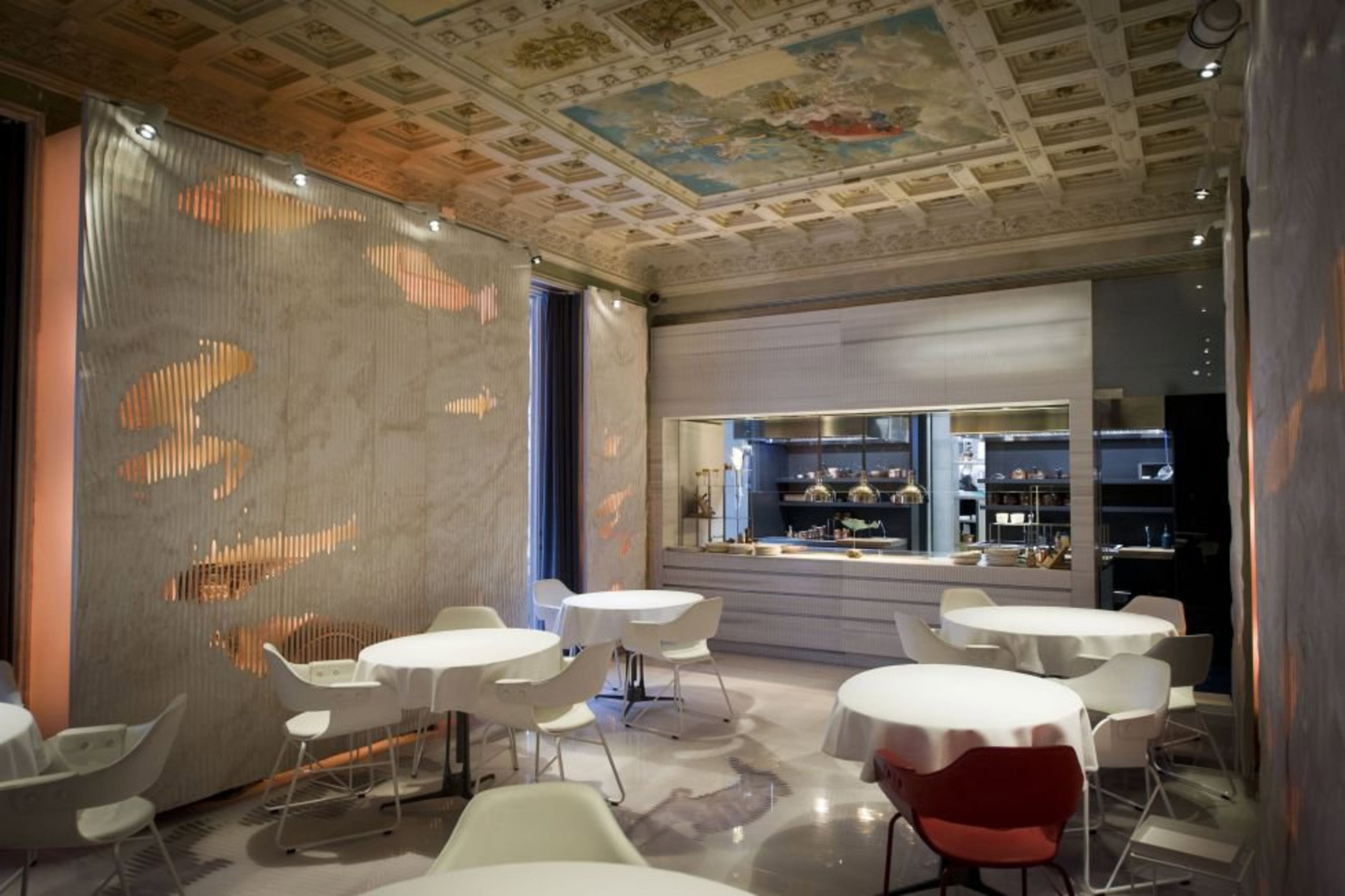
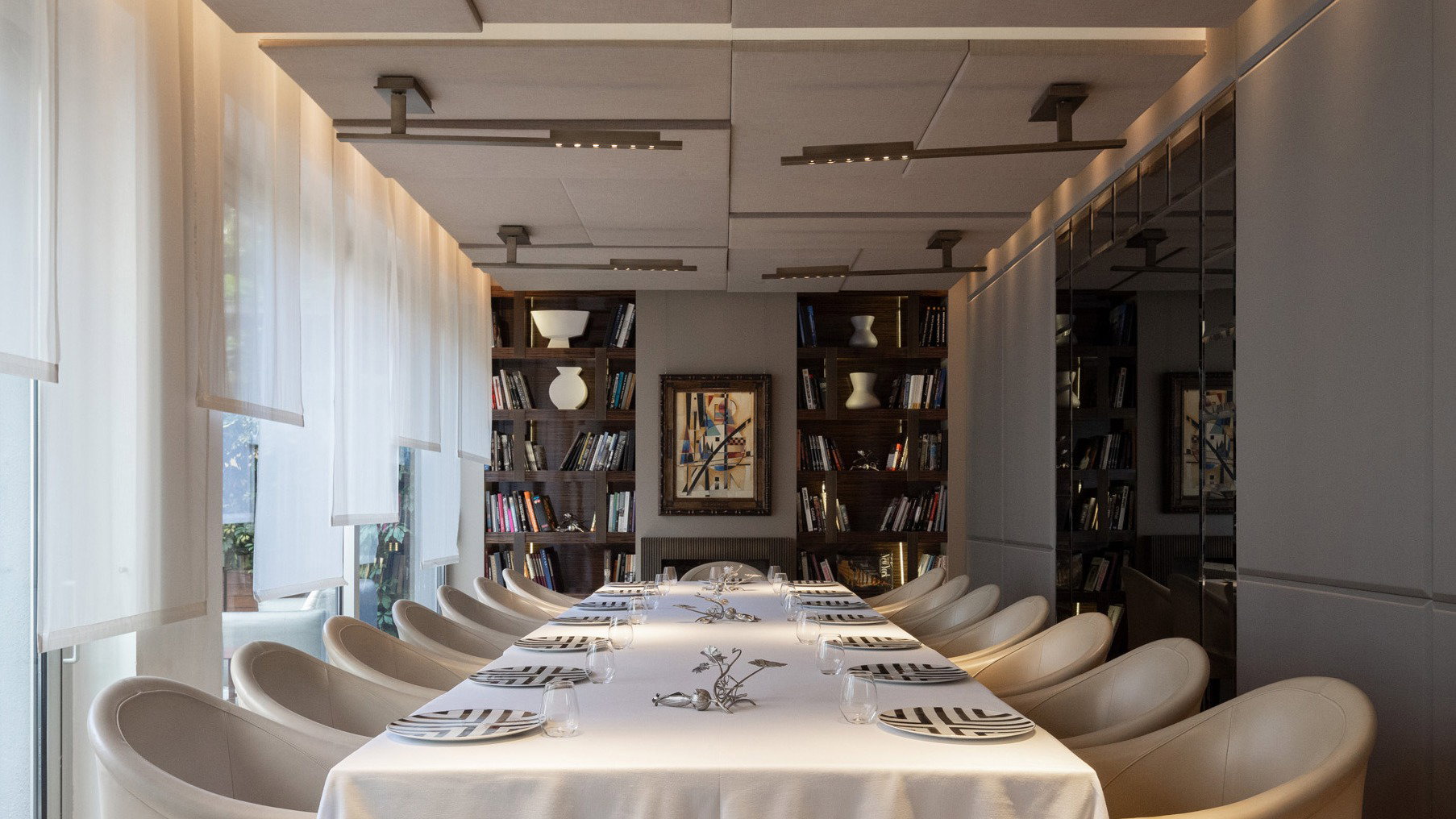
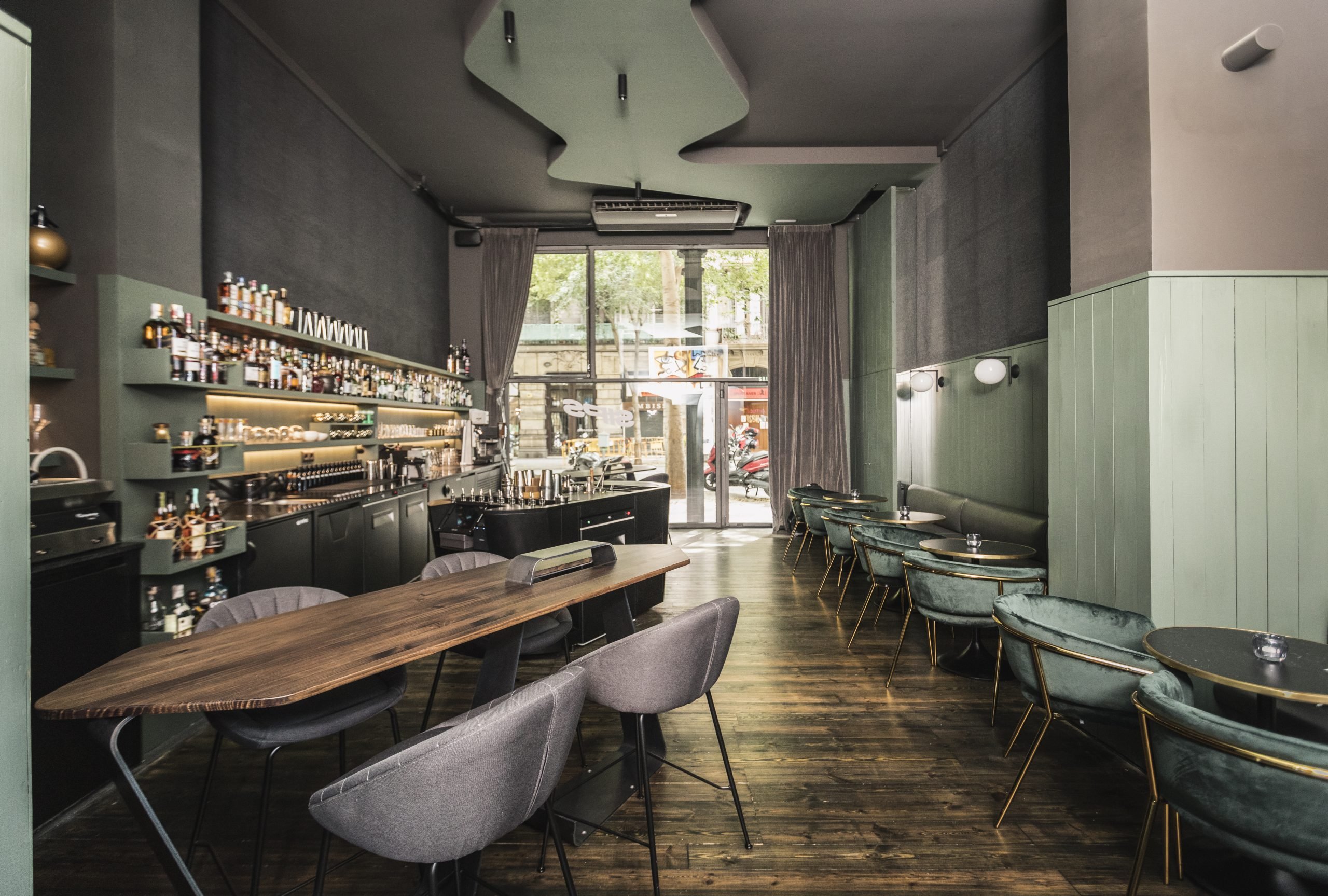
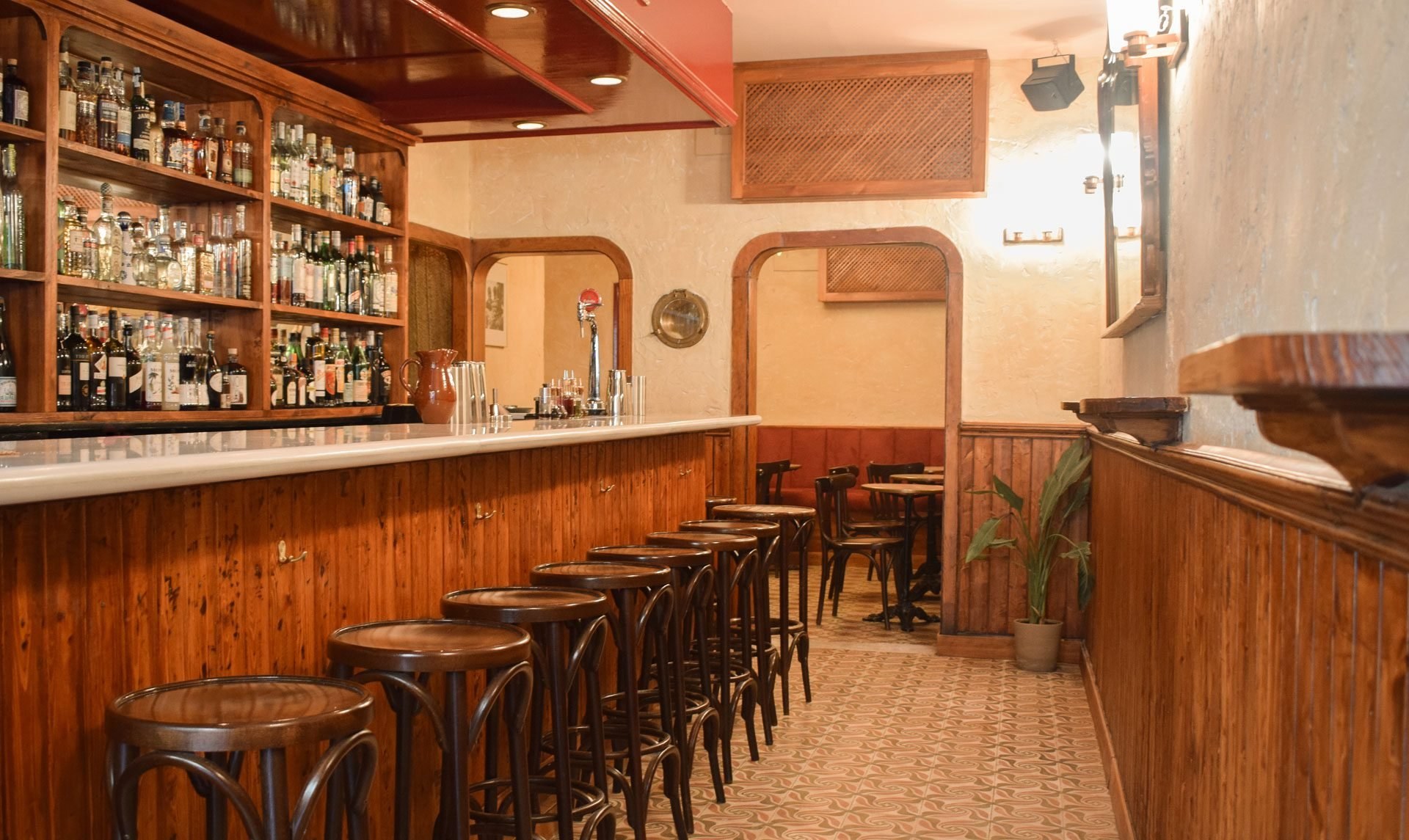
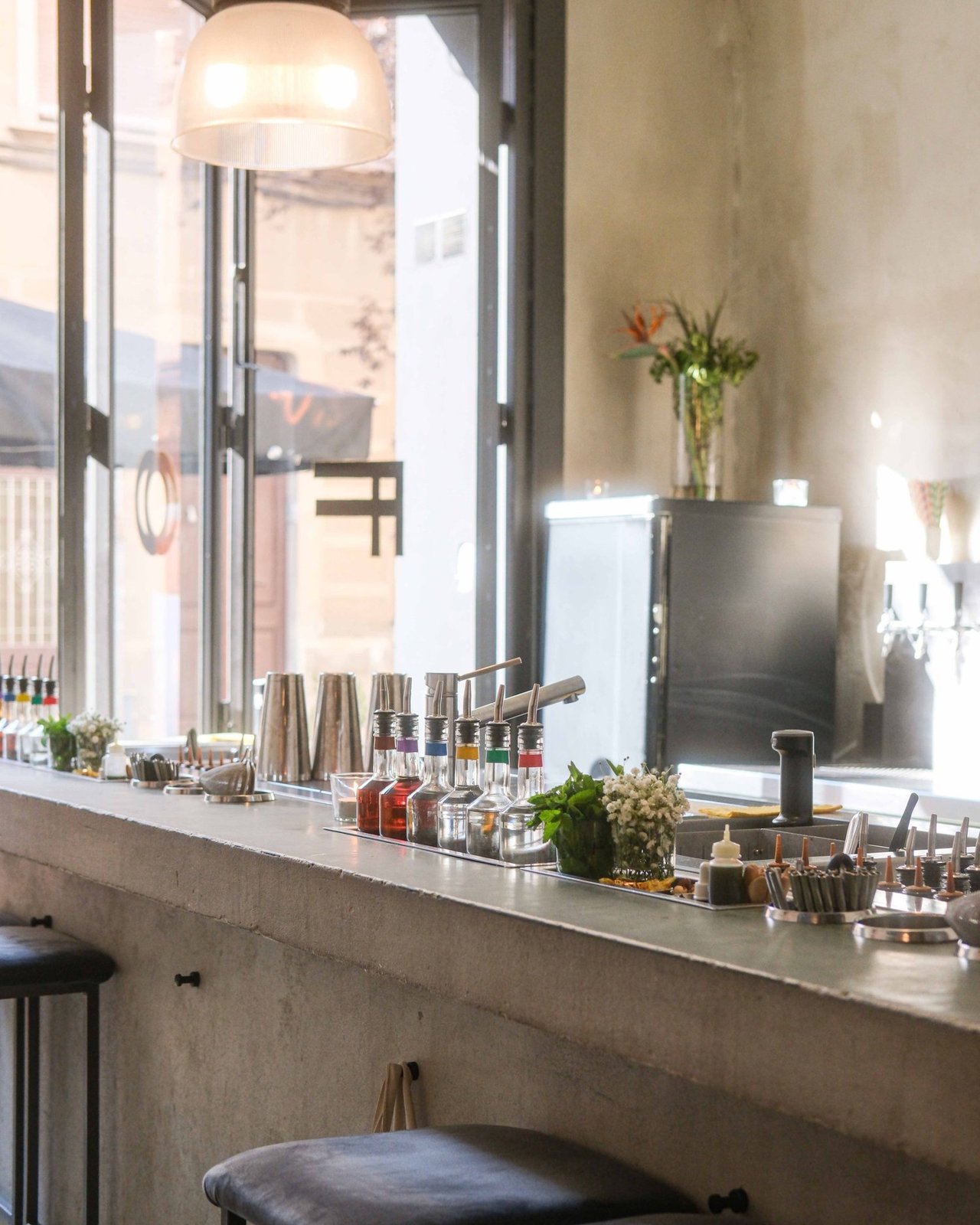
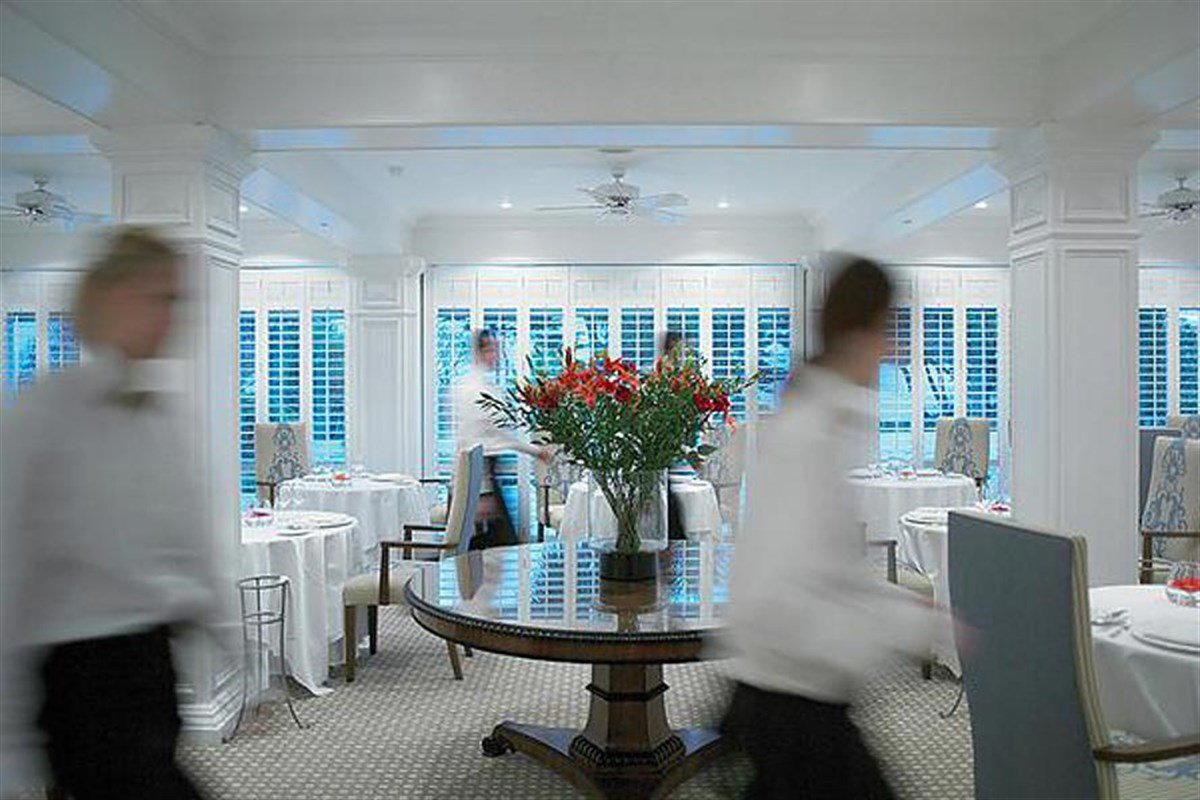
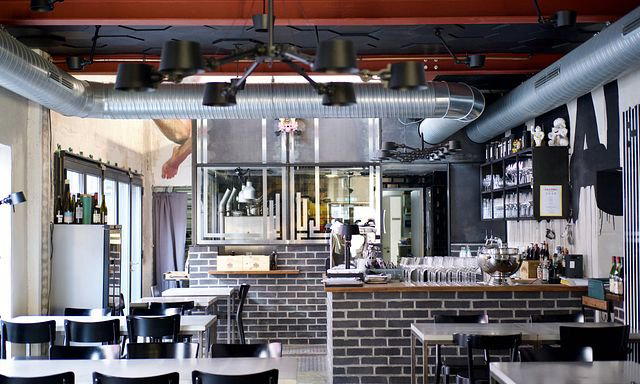
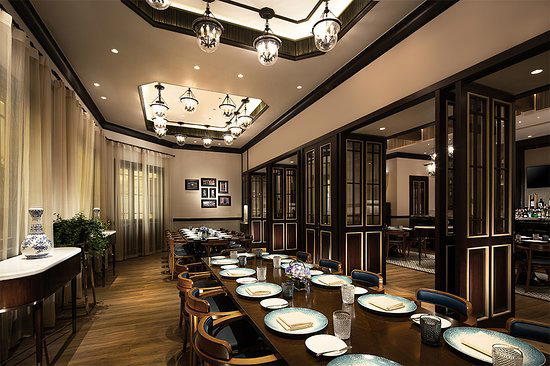
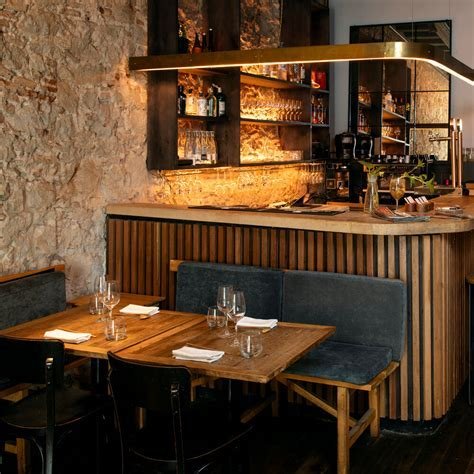
The room matters here. Kamikaze occupies a spot on Carrer del Rosselló in the Eixample grid, Barcelona's orderly, bourgeois backbone, and the physical environment matches the cooking's sensibility: considered, precise, not trying to shout. This is not a large or theatrical space. Seating is intimate enough that the distance between tables gives conversations their privacy, and the scale suits the format: the kitchen's creativity reads leading at close quarters, where presentations land rather than disappear across a cavernous dining room. For a special occasion, a date, or a dinner where the meal is genuinely the event, the room delivers. It does not perform grandeur, but it holds atmosphere well.
Service operates at the register you'd expect from a kitchen with this lineage: informed, attentive without being intrusive. The staff can walk you through the menu's logic, the reasoning behind each dish's fusion of Japanese and Mediterranean influences, which matters more here than at a straightforwardly regional restaurant, where context can be assumed.
The Cooking: What You're Actually Booking
Chef Enric Buendía describes his approach as a "silent revolution", a phrase that makes more sense once you understand his background. Trained at Disfrutar and Mugaritz, both institutions where technique is treated as a tool for ideas rather than an end in itself, Buendía applies that same rigour to a very different cultural register: Japanese cuisine filtered through Catalan ingredients and Mediterranean instincts. The result is neither fusion for its own sake nor a mimicry of Japanese fine dining. Dishes cited in the venue record give a useful picture of the logic: an umeboshi mackerel that places a Japanese pickling technique against oily, assertive Atlantic fish; a Peking mushroom where a Chinese-style osmotic marinade transforms a vegetable into something with the structural weight of meat; and a roasted garlic empanada that lands squarely in Catalan territory but carries Asian seasoning. These are not gimmicks. They're the product of a kitchen that has learned, at considerable depth, what technique can actually change.
The menu runs as both à la carte and a single seasonal tasting menu, also called Kamikaze. The tasting menu evolves with each season, which is the detail that matters most for repeat visits, and for how you plan your first one. If you're choosing between formats, the tasting menu gives you the fullest read on what the kitchen is currently doing. À la carte is the better option if you already know the restaurant or are dining with someone who eats more selectively.
Multi-Visit Strategy
Kamikaze rewards returning, specifically because the tasting menu is seasonal. On a first visit, the tasting menu is the clear call: it shows you the kitchen's full range and seasonal priorities, and at €€€ it's priced accessibly enough that you're not making a one-shot luxury commitment. Come back in a different season and the menu will have shifted materially, not just one or two swapped dishes but a wholesale rethinking of the seasonal ingredients that anchor each course. A second visit in summer versus winter gives you two substantially different experiences from the same kitchen.
By a third visit, à la carte makes sense. You'll have a working understanding of how Buendía thinks about flavour combinations, and you can use the à la carte format to return to specific dishes or test how the kitchen handles different product at a given moment in the year. This is also the visit where you can bring someone who's heard you talk about the restaurant, which, after two good meals here, is likely.
For the leading timing within a visit: weekday evenings tend to be calmer than weekends, and the earlier service allows the room to build gradually rather than arriving already full. There is no documented dress code in the venue data, but the room and price tier suggest smart-casual at minimum.
Booking Kamikaze
Booking difficulty is rated Easy on Pearl's scale. Given the Michelin Plate recognition and the training pedigree behind the kitchen, this is an anomaly worth acting on: you can book with reasonable lead time rather than planning months ahead. That said, weekends fill faster than weekdays, and if you have a specific date in mind, an anniversary, a birthday, a business dinner, give yourself at least a week or two of runway. The phone number and website are not listed in Pearl's current database; check Google or the restaurant's current booking channels directly.
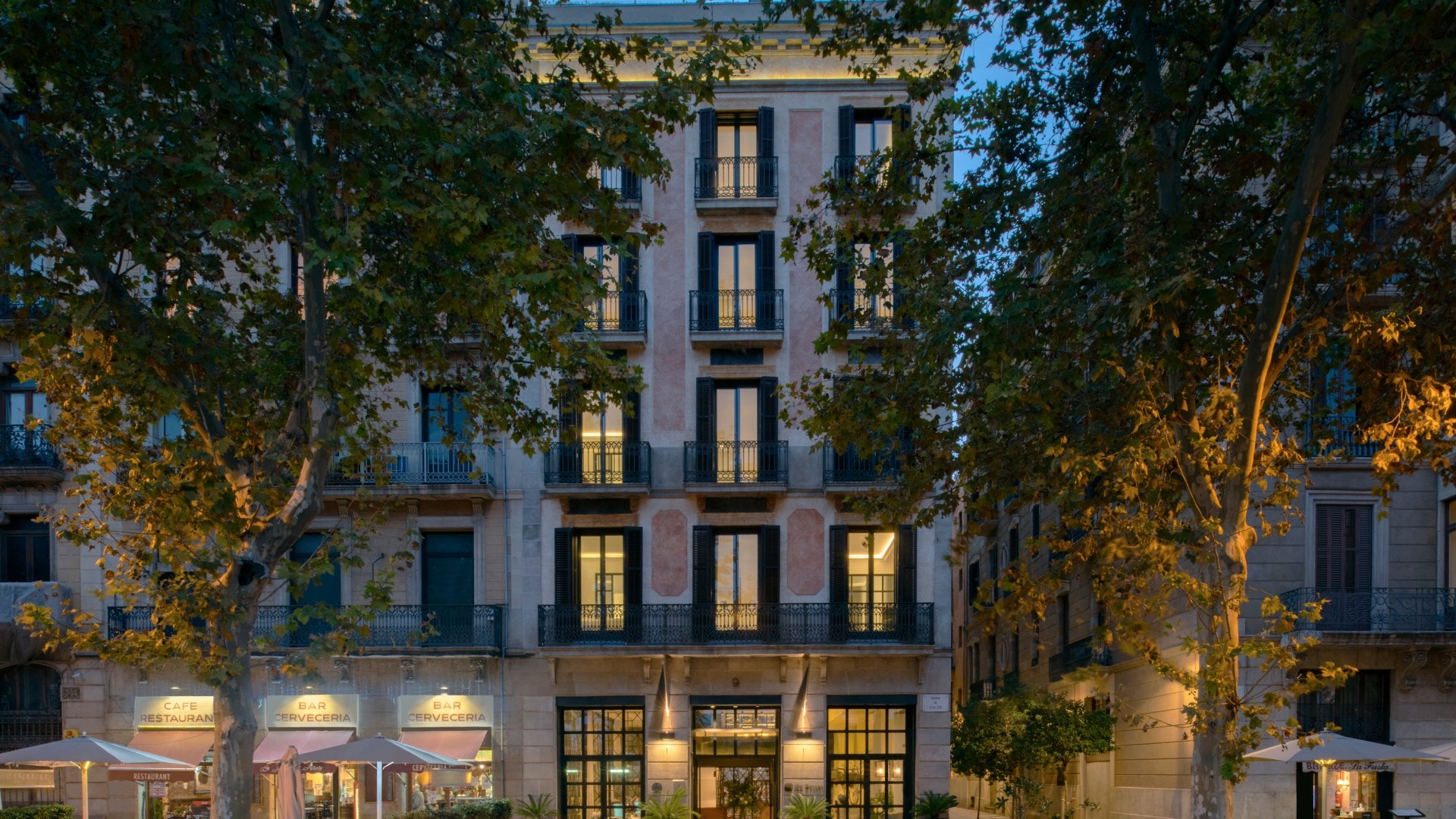
Kamikaze sits in Eixample, one of Barcelona's most walkable and well-connected districts. The location is a practical advantage: getting there from most central hotels or bars is direct, and the neighbourhood has enough pre- and post-dinner options to build a full evening. For broader planning, see our full Barcelona restaurants guide, our full Barcelona bars guide, and our full Barcelona hotels guide.
Where Kamikaze Fits in Barcelona's Creative Dining Circuit
Barcelona's serious creative restaurant scene sits mostly at €€€€, Disfrutar, Lasarte, Cocina Hermanos Torres, Enoteca Paco Pérez. Kamikaze at €€€ is therefore an outlier: genuine technique, a defined culinary point of view, Michelin recognition, and a price tier that doesn't require a full splurge decision. For comparable fusion intelligence at a similar or higher price in Barcelona, Ají and Alapar are worth comparing. SCAPAR and Tunateca Balfegó address different cravings but occupy the same accessibility bracket.
For context on where Kamikaze's creative approach fits within Spain's broader fine-dining map, the reference points are kitchens like El Celler de Can Roca in Girona, Arzak in San Sebastián, Azurmendi in Larrabetzu, and Martin Berasategui in Lasarte-Oria, all of which operate at higher price tiers and greater booking difficulty. Kamikaze's debt to Disfrutar and Mugaritz is real, but the experience it delivers is its own. You're not getting a discounted version of those restaurants. You're getting a chef who has moved on from them and built something with a distinct cultural position.
For fusion thinking elsewhere in Spain, Ajonegro in Logroño and Aponiente in El Puerto de Santa María are useful comparisons, though both operate in very different culinary registers. Internationally, Arkestra in Istanbul addresses a similar East-West synthesis question from a completely different starting point. And if the Madrid circuit interests you after Barcelona, DiverXO in Madrid shows where the most extreme end of Asian-Spanish fusion can go, at considerably greater expense and booking difficulty. Explore more with our full Barcelona experiences guide and our full Barcelona wineries guide.
FAQs: Kamikaze Barcelona
Is Kamikaze worth the price?
Yes, clearly. At €€€, Kamikaze delivers Michelin Plate-recognised cooking from a chef trained at Disfrutar (three Michelin stars) and Mugaritz. Most Barcelona restaurants operating at this technical level sit at €€€€. The value case here is direct: you're getting serious technique and a defined creative point of view at a price tier below the city's top-end creative circuit. The tasting menu in particular represents good value relative to what the kitchen is actually doing.
How far ahead should I book Kamikaze?
Pearl rates the booking difficulty as Easy, which is unusual given the Michelin recognition and chef pedigree. In practice, a week or two of lead time should be sufficient for most weeknight dates. Weekends and specific calendar dates (anniversaries, holidays) will require more planning, two to three weeks is safer. Check current booking channels directly, as Pearl's database does not currently hold the restaurant's website or phone number.
Is Kamikaze good for solo dining?
The à la carte format makes solo dining workable here. You can order at your own pace and depth without committing to the full tasting menu, though the tasting menu is also entirely viable solo if you want the complete picture of what the kitchen is doing. The intimate scale of the room suits solo diners better than a large, loud space would. For context: Barcelona's €€€€ creative circuit (Disfrutar, Lasarte, Cinc Sentits) can feel more transactional for solo diners; Kamikaze's room size and price tier make for a more comfortable solo experience.
What should a first-timer know about Kamikaze?
Book the tasting menu on a first visit. The à la carte option exists, but the tasting menu is how the kitchen communicates its current seasonal thinking, and that's the most direct way to understand what Kamikaze actually does. Come with some appetite for Asian-Mediterranean fusion, the cooking is grounded in Japanese technique with Catalan ingredients, and dishes like the umeboshi mackerel and Peking mushroom reflect that hybrid logic throughout. No dress code is documented, but the room and price tier sit comfortably at smart-casual. Kamikaze is in Eixample, one of Barcelona's most accessible districts, so logistics are easy.
Is the tasting menu worth it at Kamikaze?
Yes, and particularly so given the price tier. The Kamikaze tasting menu is the single seasonal menu offered alongside à la carte, and it evolves with each season, meaning the menu you try in autumn is materially different from the one running in spring. For the price at €€€, you're getting a tasting menu from a kitchen with direct lineage to Disfrutar and Mugaritz, two of Spain's most technically demanding restaurants. Compared to Barcelona's €€€€ tasting menu options (Cocina Hermanos Torres, Lasarte, Cinc Sentits), the gap in price is not matched by a gap in ambition or execution.
Planning details
- Location
- Carrer del Rosselló, 197, Eixample, 08036 Barcelona, Spain
- Reservations
- Book on TheFork
- Website
- kamikazebarcelona.com
- Phone
- +34 931 81 35 70
The take
The Take
The Vibe
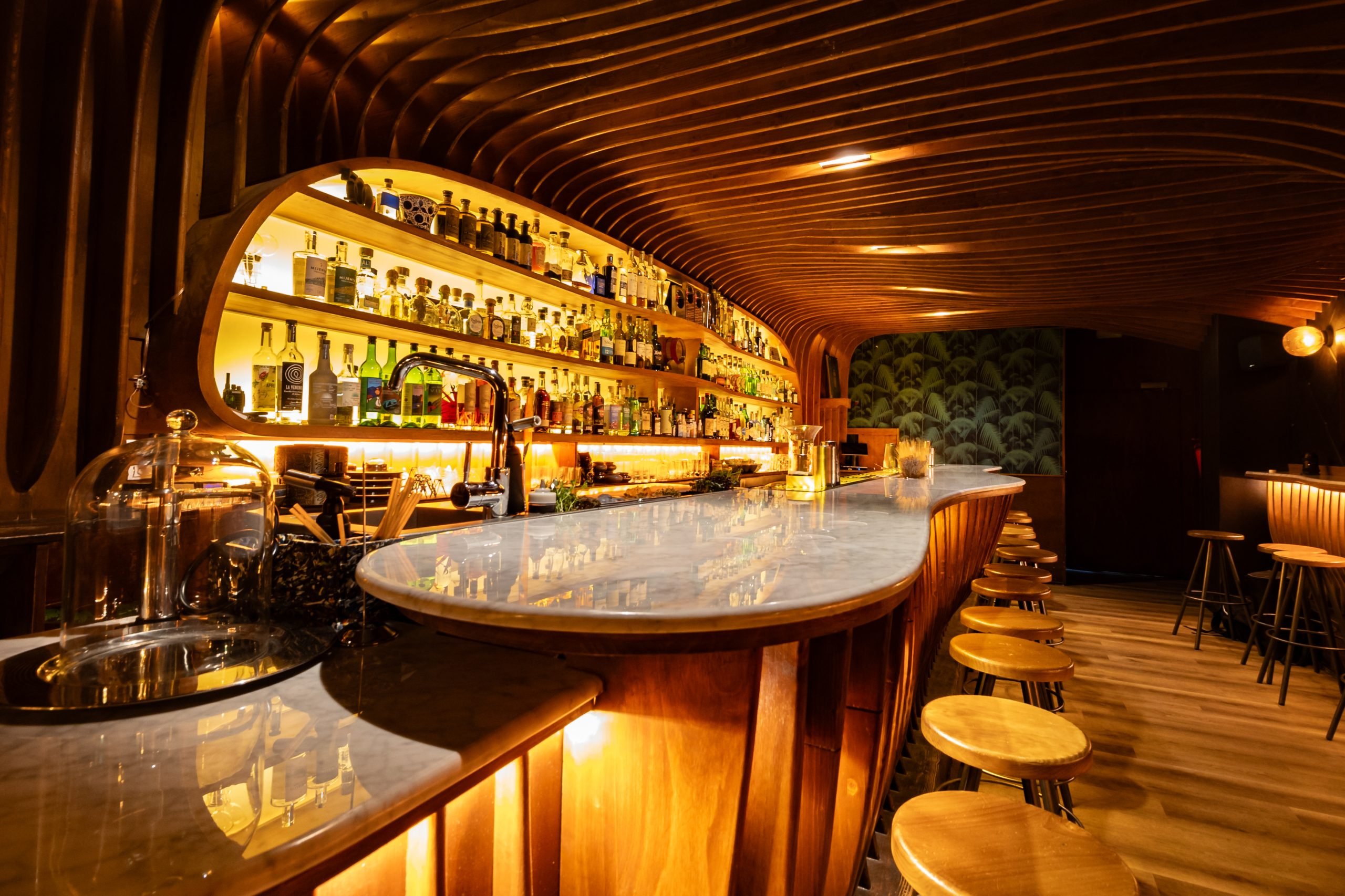
Kamikaze presents a controlled, sensorial hush where obsidian stone and burnished wood shape a rarefied setting. Lighting pools across lacquered surfaces, service moves with silk-like precision, and the room tightens attention to the gestures that matter. The experience leans into contrasts—charcoal and clarity, restraint and the occasional boldness of smoke—creating a sophisticated, quietly romantic atmosphere. It feels intentional and intimate rather than loud or ostentatious: a place for focused conversation where the interplay between discipline and culinary abandon becomes the evening’s central drama.
Best For
This is an omakase destination best for two or very small parties seeking a ceremonial tasting experience. The chef’s counter is the heart of the room, so it’s ideal for diners who want to watch technique and timing up close. The pacing is unhurried and deliberately curated, making Kamikaze well suited to date nights and special occasions when the meal itself is the event. It’s not a casual group spot — expect an attention-driven evening where conversation narrows and the kitchen’s gestures take center stage.
Ordering Tips
Opt for the omakase; the menu is presented as an evolving, seasonal voyage and the description identifies omakase as the restaurant’s true expression. Reserve or request seating at the chef’s counter to be part of the immersive service and to experience binchotan charring and finishing gestures firsthand. Ask about the sake program—pairings range from crystalline junmai to opulent daiginjo—and consider whisky or a restrained cocktail if you prefer. Embrace the unhurried pacing and leave room for the concluding matcha custard or perfumed sorbet.
Venue details
Ambiance
Simply-styled with refined charm, pulsing with energy, and pretty atmosphere as per guest reviews.
Tags
Vibe
Best For
Experience
Sourcing
At the Table
- Dress Code
- Smart Casual
- Noise Level
- Conversational
- Service Style
- Upscale Casual
- Meal Pacing
- Leisurely
- Capacity
- Small
- Kitchen
- Modern
- Menu Format
- Tasting menu
- Wine Program
- Curated
- Drinks Focus
- Sake, Natural wine
- Outdoor Seating
- Yes
Signature Dishes
- cap_i_pota_salty_crème_caramel_with_squid_ink
- What_is_that_sea_urchin_doing_in_my_mochi?
- chocolate_wasabi
Know before you go
Know Before You Go
- Getting there
- Carrer del Rosselló, 197, Eixample, 08036 Barcelona, Spain
Planning details
Location
Carrer del Rosselló, 197, Eixample, 08036 Barcelona, Spain · Directions
Recognition and awards
Also consider
Also Consider
- Cocina Hermanos Torres, Creative, €€€€
- Disfrutar, Progressive, Creative, €€€€
- Lasarte, Progressive Spanish, Creative, €€€€
- Cinc Sentits, Modern Spanish, Creative, €€€€
- Enoteca Paco Pérez, Modern Spanish, Modern Cuisine, €€€€
Restaurant context
Kamikaze's most useful comparison is price. Barcelona's serious creative dining circuit, Disfrutar, Lasarte, Cocina Hermanos Torres, Enoteca Paco Pérez, and Cinc Sentits, all operate at €€€€, with tasting menus that demand both a significant financial commitment and advance planning. Kamikaze, at €€€, sits a tier below all of them on price while carrying comparable training credentials. If budget is a real constraint but you want creative, technique-led cooking in Barcelona, Kamikaze is the most defensible choice in the current field.
On experience quality, the comparison shifts. Disfrutar is in a different category: three Michelin stars, a booking process that requires planning months out, and a price tag to match. If you can get in and want the full statement of what Barcelona's creative cooking can do, Disfrutar is the answer. Lasarte and Cocina Hermanos Torres deliver consistent, high-polish experiences at the €€€€ level, with service infrastructure that comes from operating at scale. Kamikaze's intimacy is a different register, closer and more personal, but without the same service depth. Cinc Sentits is the most natural peer for diners weighing up a Michelin-recognised experience at a more accessible entry point, though Kamikaze's Asian-Mediterranean fusion is a distinct culinary identity from Cinc Sentits' modern Catalan approach.
The clearest recommendation: if this is your only meal in Barcelona's creative tier and budget matters, book Kamikaze. If you're planning a trip around the food and cost is secondary, Disfrutar should be the anchor booking, with Kamikaze as the second meal. For groups that want a formal, full-production tasting menu experience with deep service, Lasarte or Cocina Hermanos Torres will feel more complete. Kamikaze is the right call when the cooking is the priority and the occasion calls for something intimate rather than grand.
Around this place
Discover more on Pearl
Unlock the full Kamikaze guide in Pearl, including awards, comparisons, FAQs, planning details, and nearby places.
Compare Kamikaze
| Venue | Price | Booking Difficulty | Awards |
|---|---|---|---|
| Kamikaze | €€€ | Easy | 2026 Michelin 1 Star2025 Michelin Plate2024 Michelin Plate |
| Cocina Hermanos Torres | €€€€ | Unknown | Star Wine Lists 2026 · #12026 OAD Top Restaurants in Europe Ranked · #40Guía Repsol Soles 20262026 La Liste Top Restaurants2026 Michelin 3 Stars2026 Falstaff Restaurant Guide2025 OAD Top Restaurants in Europe Ranked · #352025 World's 50 Best Restaurants · #78We're Smart World Top Restaurants 2025 |
| Disfrutar | €€€€ | Unknown | 2026 OAD Top Restaurants in Europe Ranked · #8Guía Repsol Soles 20262026 Michelin 3 Stars2026 La Liste Top Restaurants2026 Falstaff Restaurant Guide2025 OAD Top Restaurants in Europe Ranked · #17We're Smart World Top Restaurants 20252025 The Best Chef Three Knives2025 Michelin 3 Stars |
| Lasarte | €€€€ | Unknown | 2026 OAD Top Restaurants in Europe Ranked · #78Guía Repsol Soles 20262026 Michelin 3 Stars2026 La Liste Top Restaurants2026 Falstaff Restaurant Guide2025 OAD Top Restaurants in Europe Ranked · #78We're Smart World Top Restaurants 20252025 Michelin 3 Stars2025 The Best Chef Three Knives |
| Cinc Sentits | €€€€ | Unknown | Guía Repsol Soles 20262026 OAD Top Restaurants in Europe Recommended2026 Michelin 2 Stars2026 La Liste Top Restaurants2026 Falstaff Restaurant Guide2025 OAD Top Restaurants in Europe Ranked · #443We're Smart World Top Restaurants 20252025 La Liste Top Restaurants2025 Michelin 2 Stars |
| Enoteca Paco Pérez | €€€€ | Unknown | Guía Repsol Soles 20262026 OAD Top Restaurants in Europe Recommended2026 La Liste Top Restaurants2026 Michelin 2 Stars2026 Falstaff Restaurant Guide2025 OAD Top Restaurants in Europe Ranked · #243We're Smart World Top Restaurants 20252025 Michelin 2 Stars2024 OAD Top Restaurants in Europe Ranked · #273 |
.png?width=1200&quality=80)












Side-by-side comparison to help you decide where to book.
FAQ
Frequently Asked Questions
Is Kamikaze worth the price?
Yes, at €€€ it significantly undercuts what you'd pay at Barcelona's top creative restaurants like Disfrutar or Lasarte (both €€€€), while delivering cooking from a chef trained at both Mugaritz and three-Michelin-starred Disfrutar. The Michelin Plate recognition confirms it punches above its price tier. If you want serious technique-driven fusion without committing to a €€€€ spend, Kamikaze makes a strong case.
How far ahead should I book Kamikaze?
Pearl rates the booking difficulty as Easy, which is unusual given the Michelin Plate and the kitchen's training pedigree. A week or two of lead time should cover most dates, though weekends and peak tourist season may tighten availability. Unlike Disfrutar, where months-out booking is standard, Kamikaze doesn't require the same planning overhead.
Is Kamikaze good for solo dining?
Likely yes — the à la carte option gives solo diners flexibility to control pace and spend, and the tasting menu format works equally well for one. The Eixample address on Carrer del Rosselló puts it in a well-connected, easy-to-reach neighbourhood. No counter seating is confirmed in available data, but the format doesn't appear to require pairs or groups.
What should a first-timer know about Kamikaze?
Book the tasting menu on your first visit — it's the clearest way to understand what chef Enric Buendía is doing with the Japanese-Mediterranean fusion format. The menu changes seasonally, so dishes listed elsewhere may not reflect what's currently served. Arrive knowing the kitchen is influenced by Disfrutar and Mugaritz, but this is Buendía's own project, not a derivative of either.
Is the tasting menu worth it at Kamikaze?
For a first visit, yes. The single tasting menu, called Kamikaze, evolves each season and covers the full range of Buendía's approach — roasted garlic empanada, umeboshi mackerel, Peking mushroom and similar dishes illustrate how the kitchen blends Catalan, Japanese, and Chinese references. If you've been before, the à la carte option lets you revisit specific dishes without committing to the full menu again.