
Vecchio Ristoro
Cuisine from the Aosta Valley · central Aosta, Aosta
Restaurant in Aosta, Italy
 Book with Pearl
The Read
Alpine Terroir, Express Technique
Price
€€€€
Dress
Smart Casual
Why go
Vecchio Ristoro holds a Michelin star in a converted 17th-century Aosta mill, delivering Aosta Valley regional cooking at €€€€ with less formality than the accolade implies. Book three to four weeks out minimum; the room is intimate, service windows are tight, and dinner consistently outperforms the one-hour lunch slot. The 300-label wine list, available by the glass, is a serious asset.
About Vecchio Ristoro
Should You Book Vecchio Ristoro?
If you are visiting Aosta for the first time and want one meal that earns its place in the trip, book Vecchio Ristoro. A Michelin one-star restaurant operating inside a converted 17th-century mill, it delivers serious Aosta Valley cooking at €€€€ pricing without the formality that would make a first-timer uncomfortable. The room feels like the mountains rather than a dining room, and that gap between ambience and technical precision is exactly what makes this worth the effort to reserve.
Portrait: What to Expect
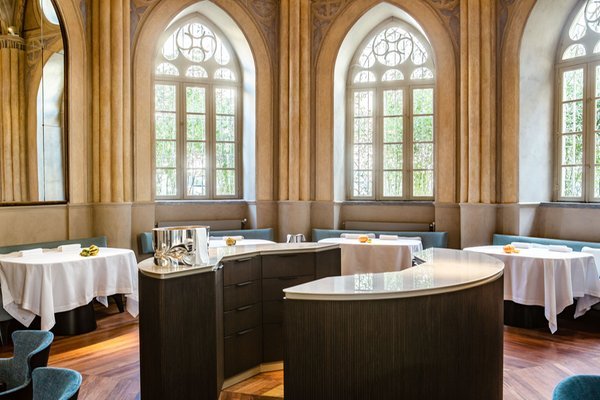
Walk into Vecchio Ristoro and the first thing you register is the scent of the kitchen working in real time. Chef Filippo Oggioni cooks everything express-style, meaning each dish is prepared to order rather than held, and that approach fills the room with the kind of immediate, present aromas that pre-prepared kitchens rarely produce. The mill's original wheel and millstone are still in the dining room, which grounds the space without turning it into a theme park. For a first-timer, this matters: you get a room that feels genuinely considered, not constructed for effect.
The food is rooted in Aosta Valley tradition but drawn forward with a modern hand. Oggioni's reference point is local, with occasional detours toward neighbouring French alpine cooking. The venison cooked in red wine with a splash of grappa, served with smoked potato purée, is the dish the Michelin text singles out by name, and it reads as a fair summary of what the kitchen does consistently: regional ingredients, classical technique, specific flavour decisions rather than generic fine-dining gestures. All dishes are prepared from fresh market ingredients, which matters at this price point.
On the floor, partner Paolo Bariani runs service and manages a cellar of around 300 wines. The list balances well-known names with smaller producers, and wines are available by the glass, which is genuinely useful for first-timers or solo diners who want to explore without committing to a bottle. For a valley as wine-specific as Aosta, this level of curation is where Vecchio Ristoro earns a meaningful part of its Michelin recognition.
Booking and Timing
This is a hard restaurant to book. Vecchio Ristoro holds a Michelin star, seats an intimate room, and operates on tight service windows: lunch runs 12:30 to 1:30 PM and dinner 7:30 to 9:00 PM, Tuesday through Saturday. Monday and Sunday are closed. The one-hour lunch window is among the tightest you will encounter at this standard. Plan at least three to four weeks ahead for dinner; lunch may offer slightly more flexibility but do not count on it. First-timers should target a weekday dinner booking when the room is likely to be at its most settled pace.
In terms of optimal timing, the Aosta Valley's alpine ingredients peak in autumn, when game like venison is in season and the market produce is at its most specific to the region. A visit between September and November puts you closest to the kitchen's strongest material. Winter ski season brings visitors to the area and likely increases booking pressure, so if you are visiting during that window, book further in advance. Spring and early summer offer easier reservation windows but a different seasonal menu profile.
Format Options
Vecchio Ristoro offers both à la carte and three tasting menus, one of which is vegetarian. For a first-timer at €€€€ pricing, the tasting menu is the clearer value position: it gives the kitchen a framework to show what it does across multiple courses and removes the decision paralysis that comes with an unfamiliar regional menu. The vegetarian option is a meaningful signal that the kitchen thinks about its non-meat guests seriously, which is worth knowing if that applies to your group. The à la carte suits diners who have a specific dish in mind or prefer not to commit to a full progression.
How It Compares
Within Aosta's dining options, Vecchio Ristoro sits at the top of the quality tier alongside Paolo Griffa al Caffè Nazionale, which also holds a Michelin star and operates at €€€€. Paolo Griffa leans toward creative Italian seafood and has a more overtly contemporary feel; Vecchio Ristoro is the better choice if you want cooking that is grounded in alpine regional identity rather than Italian fine dining in a broader sense. Both are hard to book. If budget is a factor, Gina at €€€ covers modern cuisine at a step down in price, and Osteria da Nando at €€ delivers Aosta Valley cooking in a more casual, accessible register. For a first-timer who wants to understand what this valley tastes like at its most considered, Vecchio Ristoro is the right call.
Beyond Aosta, this style of mountain-rooted regional Italian cooking at Michelin level has comparators in Atelier Moessmer Norbert Niederkofler in Brunico, which operates at a higher star count but with a similar alpine philosophy. For visitors building an Italian fine dining itinerary, Osteria Francescana in Modena and Le Calandre in Rubano represent the national benchmark, but they serve a different purpose. Vecchio Ristoro is not competing in that conversation; it is doing something more specific and, in its own context, more satisfying for what it is. Elsewhere in the Aosta Valley, Bar à Fromage in Cogne and Café Quinson in Morgex offer regional alternatives worth knowing about if you are spending more than a night or two in the valley.
Pearl Verdict
Book it. Vecchio Ristoro holds a Michelin star without the stuffiness that can make starred dining feel transactional. The mill setting is genuine, the express cooking approach produces food that tastes present rather than plated in advance, and the wine cellar is managed at a level that justifies serious attention. At €€€€ it is a spend, but it is the most coherent argument Aosta makes for itself as a dining destination. Reserve three to four weeks out, eat dinner rather than lunch if your schedule allows, and consider the tasting menu on a first visit.
Explore More in Aosta
- Our full Aosta restaurants guide
- Our full Aosta hotels guide
- Our full Aosta bars guide
- Our full Aosta wineries guide
- Our full Aosta experiences guide
Planning details
- Hours
- Monday: closed · Tuesday: 12:30 PM-1:30 PM 7:30 PM-9 PM
- Location
- Via Tourneuve, 4, 11100 Aosta AO, Italy
- Website
- vecchioristoro.com
- Phone
- +39 0165 33238
The take
The Take
The Vibe
Vecchio Ristoro feels like a piece of lived history that’s been elevated to fine dining. Housed in a 17th-century mill, the dining room keeps the original wheel and millstone as deliberate architectural features, lending an industrial-but-honest character rather than polished nostalgia. The kitchen’s French‑Alpine influences and careful, formal approach to mountain ingredients give the room a refined, serious tone: this is alpine gastronomy presented with precision and restraint, where the building’s material history doubles as part of the restaurant’s aesthetic argument.
Best For
This is a meal for when you want a carefully staged, high-end dining experience. With a Michelin star and top-tier pricing, Vecchio Ristoro suits date nights, special occasions and business dinners that call for formal service and serious cooking. Solo diners who appreciate focused tasting menus will also find it rewarding; the focus on regional game, cured meats and alpine dairy means the kitchen is oriented toward composed, multi-course plates best experienced at dinner.
Ordering Tips
Center your order on the valley’s larder: the menu leans into game, cured meats, high‑altitude dairy and root vegetables. The house signature — venison in red wine with grappa and smoked potato purée — is explicitly highlighted and is a reliable choice to experience the kitchen’s take on Aosta Valley flavors. Given the restaurant’s Michelin status and its explicit focus on regional ingredients, prioritize dishes that showcase game and cured‑meat preparations handled with formal technique under chef Filippo Oggioni.
Venue details
Ambiance
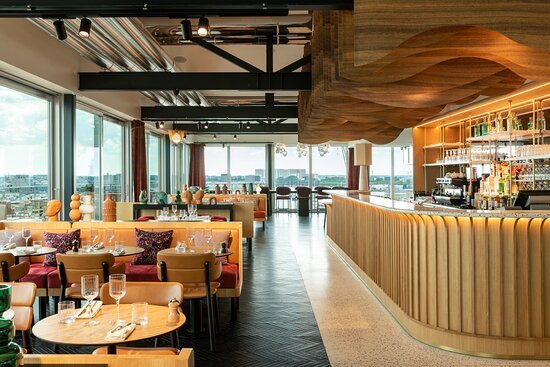
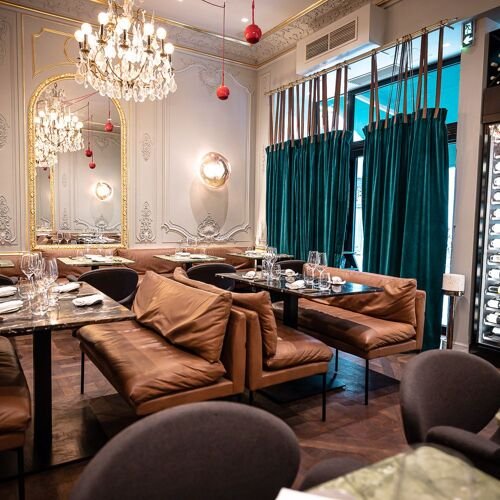
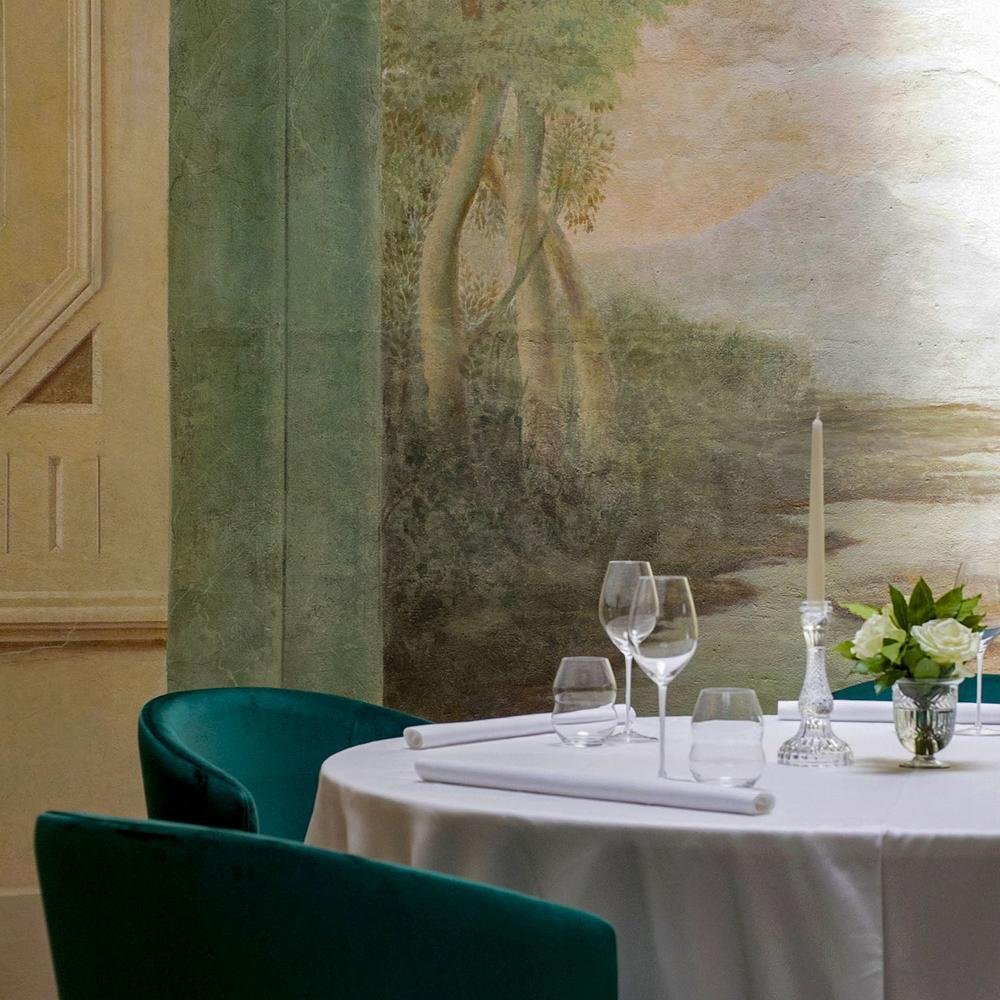
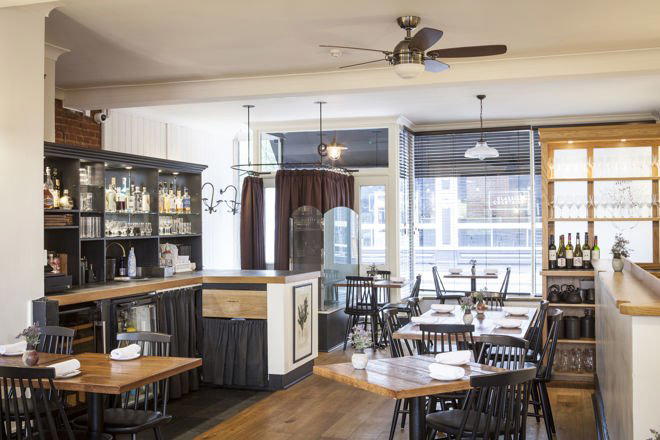
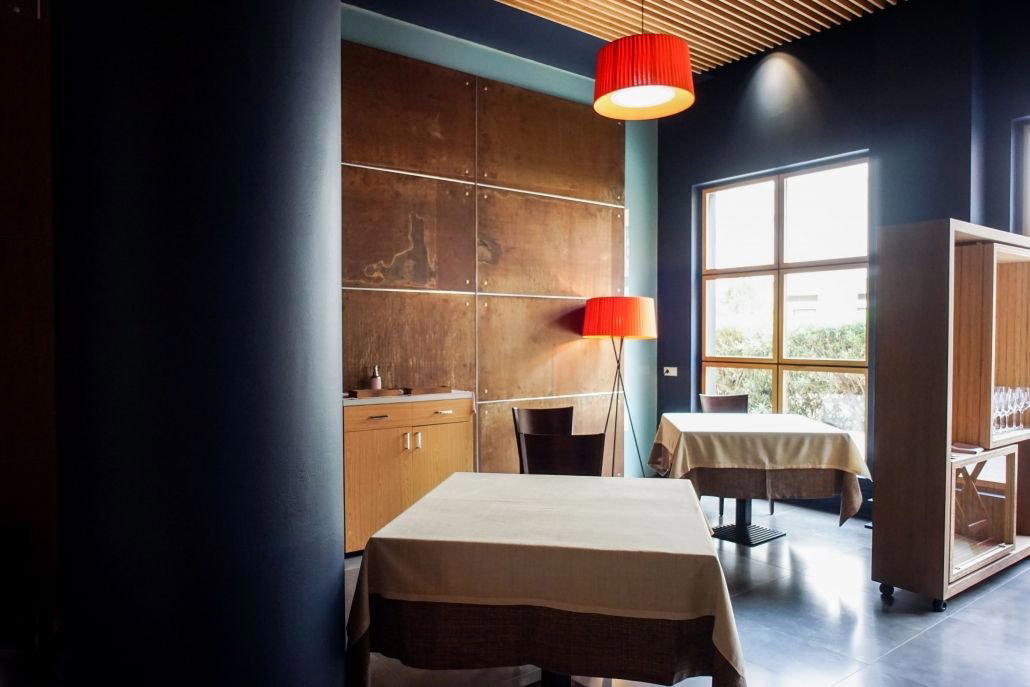
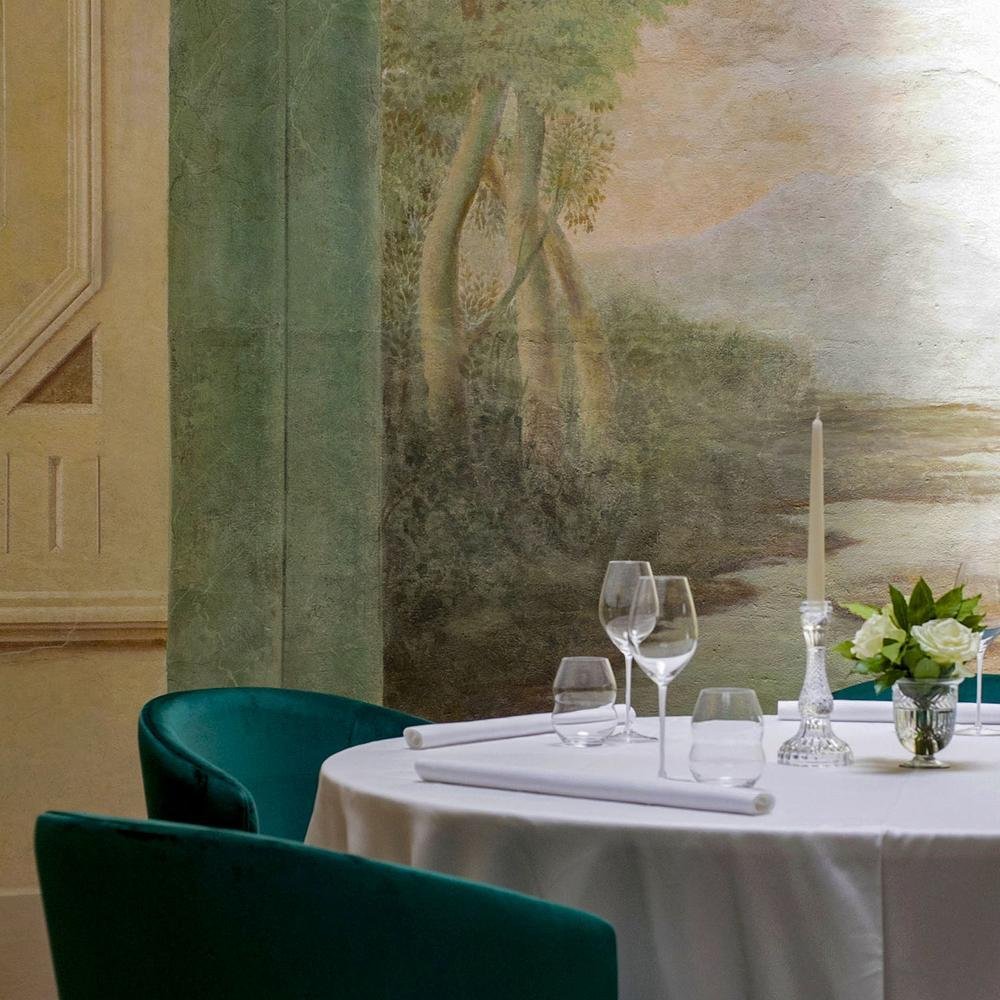
Elegant ambience with a rustic mountain feel, featuring historic mill elements and warm, sophisticated lighting.
Tags
Vibe
Best For
Experience
Sourcing
At the Table
- Dress Code
- Smart Casual
- Noise Level
- Quiet
- Service Style
- Formal
- Meal Pacing
- Leisurely
- Capacity
- Small
Signature Dishes
venison in red wine with grappa and smoked potato purée
Know before you go
Know Before You Go
- Getting there
- Via Tourneuve, 4, 11100 Aosta AO, Italy
Planning details
Hours
- Monday
- closed
- Tuesday
- 12:30 PM-1:30 PM 7:30 PM-9 PM
- Wednesday
- 12:30 PM-1:30 PM 7:30 PM-9 PM
- Thursday
- 12:30 PM-1:30 PM 7:30 PM-9 PM
- Friday
- 12:30 PM-1:30 PM 7:30 PM-9 PM
- Saturday
- 12:30 PM-1:30 PM 7:30 PM-9 PM
- Sunday
- closed
Location
Recognition and awards
Also consider
Also Consider
- Paolo Griffa al Caffè Nazionale, Italian Seafood, Creative, €€€€
- Gina, Modern Cuisine, €€€
- Osteria da Nando, Cuisine from the Aosta Valley, €€
- Stefenelli Desk, Italian Contemporary, €€
- Gina casa con cucina, Notable alternative
Restaurant context
At the top of Aosta's dining tier, Vecchio Ristoro and Paolo Griffa al Caffè Nazionale are the two Michelin-starred options, both priced at €€€€ and both hard to book. The practical difference is in emphasis: Vecchio Ristoro is anchored in alpine regional identity, with Aosta Valley ingredients and occasional French alpine borrowings; Paolo Griffa operates in a more contemporary creative register with a seafood lean. If regional specificity matters to you, Vecchio Ristoro is the stronger argument. If you want a more overtly modern Italian fine dining experience, Paolo Griffa is the alternative. Neither is an easy last-minute reservation.
Gina at €€€ is the most useful middle option for diners who want a serious meal without the full €€€€ commitment. It covers modern cuisine and is the easier booking of the upper tier. For something more casual and considerably more affordable, Osteria da Nando at €€ is the sensible choice for Aosta Valley cooking in a relaxed format, and Stefenelli Desk at €€ adds an Italian contemporary option at the same price tier. Gina casa con cucina rounds out the accessible end of the Aosta dining map.
For a first-timer deciding where to spend one serious dinner in Aosta, Vecchio Ristoro is the most complete single-visit answer: Michelin-recognised quality, a room with genuine character, a wine program worth engaging, and cooking that is specific to where you are rather than generic fine dining applied to a regional setting. Paolo Griffa is the alternative if creative contemporary cooking is your preference over regional grounding. Everything else in the comparison set serves a different purpose at a different price.
Explore Aosta
Around this place
Discover more on Pearl
Unlock the full Vecchio Ristoro guide in Pearl, including awards, comparisons, FAQs, planning details, and nearby places.
Compare Vecchio Ristoro
| Venue | Location | Cuisine | Awards | Price |
|---|---|---|---|---|
| Vecchio Ristoro | Aosta | Cuisine from the Aosta Valley | 2026 Michelin 1 Star2025 Michelin 1 Star2024 Michelin 1 Star | €€€€ |
| Paolo Griffa al Caffè Nazionale | Aosta | Italian Seafood, Creative | 2026 OAD Top Restaurants in Europe Recommended2026 Michelin 1 Star2025 OAD Top Restaurants in Europe Ranked · #4552025 The Best Chef One Knife2025 Michelin 1 Star2024 OAD Top Restaurants in Europe Ranked · #4232024 Michelin 1 Star | €€€€ |
| Gina | Aosta | Modern Cuisine | Michelin Guide Great Britain & Ireland 20262026 Michelin Plate | €€€ |
| Osteria da Nando | Aosta | Cuisine from the Aosta Valley | 2026 Michelin Plate2025 Michelin Plate2024 Michelin Plate | €€ |
| Stefenelli Desk | Aosta | Italian Contemporary | 2026 Michelin Plate2025 Michelin Plate2024 Michelin Plate | €€ |
| Gina casa con cucina | Aosta | No published awards | , | , |



.png?width=1200&quality=80)
How Vecchio Ristoro Aosta compares with similar nearby venues.
FAQ
Frequently Asked Questions
Is the tasting menu worth it at Vecchio Ristoro?
Yes, especially on a first visit. At €€€€ pricing, the tasting menu is the most efficient way to cover Filippo Oggioni's range — Aosta Valley traditions with a modern approach, using fresh market ingredients. Three menus are available, including a vegetarian option. If you prefer to anchor the meal around one dish, à la carte is available too, but the tasting format showcases the kitchen's full scope.
Can I eat at the bar at Vecchio Ristoro?
Bar seating is not documented for Vecchio Ristoro. The restaurant operates within tight service windows — lunch runs 12:30–1:30 PM, dinner 7:30–9 PM — so arriving without a reservation is a risk given the Michelin star and compact room. Book ahead.
What should I order at Vecchio Ristoro?
The venison cooked in red wine and grappa, served with smoked potato purée, is explicitly highlighted in Michelin's own notes on the restaurant and is worth ordering if it is on the menu. Oggioni cooks everything à la minute, so the menu tracks market availability — check what is current when you visit.
Is Vecchio Ristoro good for solo dining?
It is a reasonable solo option at a Michelin-starred restaurant. The intimate room and attentive service overseen by partner Paolo Bariani suit a single diner well. The à la carte format gives solo guests more control over pacing and spend than a full tasting menu, which is worth considering at €€€€ pricing.
Is Vecchio Ristoro good for a special occasion?
Yes. A Michelin one-star set in a 17th-century mill with the original wheel and millstone in the dining room makes a strong case for a celebratory meal. The 300-bottle wine list — curated by Paolo Bariani with pours available by the glass — adds practical flexibility for marking an occasion without committing to a full bottle.
What are alternatives to Vecchio Ristoro in Aosta?
Paolo Griffa al Caffè Nazionale also holds a Michelin star in Aosta and is the closest like-for-like comparison at a similar price tier. For a less formal or lower-cost meal in the same city, Osteria da Nando and Gina offer regional cooking without the tasting-menu commitment. Stefenelli Desk and Gina casa con cucina round out the mid-range options if €€€€ is outside your budget for the evening.
Is lunch or dinner better at Vecchio Ristoro?
Lunch is the harder seat to get — the window is just one hour (12:30–1:30 PM) — but it offers a chance to experience Michelin-starred cooking at a pace that suits shorter visits to Aosta. Dinner runs 7:30–9 PM and gives slightly more time. Both services are equally tight, so either way, book as far ahead as possible.