
Restaurant in Goiania, Brazil
1929 Trattoria Moderna
100ptsModern Trattoria Format
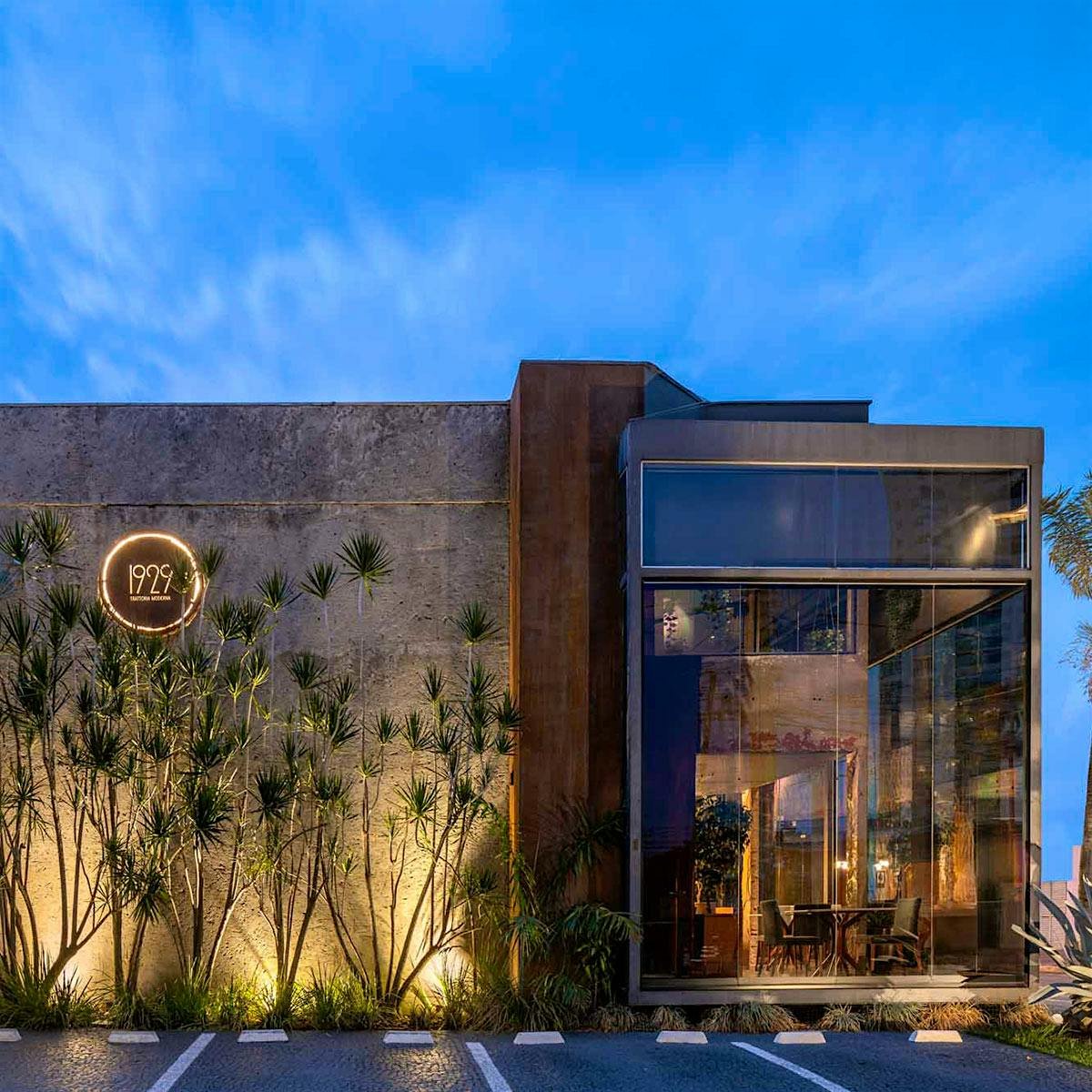
About 1929 Trattoria Moderna
1929 Trattoria Moderna occupies a quietly considered address on Alameda Ricardo Paranhos in Goiânia's Setor Marista, positioning itself within a neighbourhood that has become the reference point for the city's more serious dining scene. The name gestures toward a particular vintage of Italian hospitality while the 'moderna' qualifier signals that this is not a heritage pastiche. For visitors mapping Goiânia's Italian-leaning options, it sits in a different register than the city's pizzerias and casual cantinas.
Setor Marista and the Shape of Goiânia's Dining Scene
Goiânia's restaurant geography has consolidated around a handful of neighbourhoods, and Setor Marista is where the city's more considered dining has settled. The wide, tree-lined streets around Alameda Ricardo Paranhos form a corridor of mid-century residential architecture that has, over the past two decades, given way to restaurants, wine bars, and specialty coffee addresses at street level. This is not São Paulo's Vila Madalena or Rio's Santa Teresa — the scale is more human, the pace slower, and the dining rooms tend toward intimacy rather than spectacle. It is the kind of neighbourhood where restaurants earn regulars rather than tourists, which shapes the ambiance in ways that no interior design budget can manufacture.
1929 Trattoria Moderna sits on Alameda Ricardo Paranhos, 955, inside this residential-commercial fabric. The address places it within walking distance of the neighbourhood's other dining options, and the name itself carries a deliberate editorial tension: 1929 as a historical anchor, trattoria as a form (Italian, communal, unpretentious in origin), moderna as a qualifier that complicates both. That combination of signals — specific year, defined category, modifying adjective , is a shorthand for a particular kind of contemporary Italian-influenced restaurant that has appeared in Brazilian cities over the past decade, drawing on the country's deep Italian immigrant heritage while refusing to be nostalgic about it.
Italian Dining in the Brazilian Interior
Brazil's relationship with Italian cuisine is longer and more layered than most visitors expect. The southern states of Rio Grande do Sul, Santa Catarina, and Paraná carry the most visible Italian immigrant heritage, producing cantina traditions rooted in family-style eating and local wine production , places like Cantina Pozzobon in Santa Maria represent that lineage directly. But Italian culinary influence spread well beyond the southern corridor, arriving in São Paulo's immigrant neighbourhoods and eventually diffusing into Brazil's interior cities as the country urbanised through the mid-twentieth century.
In Goiânia , a planned city founded in 1933, just four years after the date in 1929 Trattoria Moderna's name , Italian restaurants occupy a specific tier of the dining market. They sit above the everyday churrascaria and below the contemporary fine dining projects that have begun to appear in cities like this as Brazil's interior middle class has grown and travelled more. Goiânia's own Italian options include Pitigliano Pizzaria and Pizzaria Brasa Ville Faiçalville, both of which operate in the casual-to-mid-range register where pizza and pasta function as comfort categories. A trattoria that positions itself as 'moderna' is claiming a different space: more deliberate technique, more considered sourcing, Italian form without Italian-immigrant sentimentality.
That positioning is not unusual in Brazil's larger cities. D.O.M. in São Paulo represents the far end of that spectrum , where Brazilian ingredients are filtered through European fine dining structure , while Lasai in Rio de Janeiro works a similar territory with its own ingredient-forward logic. 1929 Trattoria Moderna operates at a different scale and with different ambitions, but it participates in the same broader conversation about what modern European-inflected dining looks like in a Brazilian city that is neither São Paulo nor Rio.
The Neighbourhood as Context for the Experience
The Setor Marista address matters for practical reasons as well as atmospheric ones. The neighbourhood functions as Goiânia's most walkable dining district, which means 1929 Trattoria Moderna exists within a cluster of options rather than in isolation. Grá Bistrô operates in the same general area, representing the French-inflected bistro register that competes for the same evening-out occasion. Carne de Sol 1008 represents the Brazilian-regional tradition, grounding the neighbourhood's dining offer in the cerrado and northeastern culinary heritage that defines Goiás's local identity.
This concentration of dining options in Setor Marista is useful for visitors planning an evening around the neighbourhood rather than around a single reservation. The street-level rhythm on Alameda Ricardo Paranhos supports that kind of browsing , arrivals can assess atmosphere and crowd before committing, which is how most dining decisions actually get made in Brazilian cities. For a fuller picture of where 1929 Trattoria Moderna sits within the city's broader offer, our full Goiânia restaurants guide maps the city's dining geography across neighbourhoods and categories.
Goiânia's dining scene has also developed in ways that connect it to a wider network of mid-sized Brazilian cities building out their restaurant cultures. Comparison points exist across the country: Bistro Fitz Carraldo in Manaus, Casa da Flor Restaurante in Dourados, and Aero Burguer e Grill in Santa Cruz do Sul all reflect how regional cities have developed distinct dining identities outside the Rio-São Paulo axis. Even internationally, restaurants like Le Bernardin in New York City or Atomix in New York City demonstrate how a defined culinary identity and rigorous positioning can anchor a restaurant's reputation over time , a standard that increasingly applies to ambitious restaurants in cities like Goiânia as Brazilian dining culture matures.
Planning a Visit
1929 Trattoria Moderna is located at Alameda Ricardo Paranhos, 955, Setor Marista, Goiânia. The neighbourhood is accessible by car with parking available in the surrounding streets, and the address sits within the more active section of the restaurant corridor. For visitors arriving from outside Goiânia, the Setor Marista area is approximately twenty minutes from the city's interstate bus terminal by taxi or rideshare. Given the current limits of publicly available information on hours, booking methods, and pricing for this address, confirming details directly before visiting is advisable , the venue's booking status and service format are not confirmed in public records at the time of writing. Additional context on comparable addresses in the area, including Casa da Dika Restô e Eventos in Bragança, Casa da Picanha Penedo in Itatiaia, Arte e Café Imperial in Angra dos Reis, Famosa Pizza in Ribeirão Preto, and Fornazzo Pizzaria in Passo Fundo, helps situate the range of dining formats available across Brazilian interior cities at this moment.
Frequently Asked Questions
What's the leading thing to order at 1929 Trattoria Moderna?
Specific menu items for 1929 Trattoria Moderna are not confirmed in available public records. What the name and format suggest , trattoria structure, 'moderna' qualifier, Italian reference , points toward a menu organised around pasta, secondi, and shared plates rather than a single signature dish. In the broader Goiânia dining scene, Italian-format restaurants at this positioning tend to anchor their menus around house-made pasta and regional protein sourcing. Consulting the venue directly or checking current reviews will give the most accurate picture of what the kitchen is producing at any given time.
Can I walk in to 1929 Trattoria Moderna?
Walk-in policy for 1929 Trattoria Moderna is not confirmed in available public records. In Goiânia's Setor Marista neighbourhood, mid-range restaurants of this type typically accept walk-ins on weekday evenings with reservations becoming more relevant on weekends. Given the uncertainty, contacting the venue ahead of a Friday or Saturday visit is the practical course , particularly if you are arriving as part of a larger group.
What does the name '1929' refer to in 1929 Trattoria Moderna?
The year 1929 as a naming device appears frequently in Brazilian restaurants seeking to anchor a contemporary format in a sense of historical continuity, often referencing the founding era of the venue's culinary tradition or local heritage. In Goiânia's case, the city itself was founded in 1933, which makes 1929 a pre-city reference point , possibly evoking Italian immigrant dining culture in Brazil's interior during the late republican period. Whether the date carries biographical or conceptual significance specific to this address is not confirmed in available records, but the combination with 'Moderna' signals a deliberate dialogue between historical form and current practice rather than direct nostalgia.
Related editorial
- Best Fine Dining Restaurants in ParisFrom three-Michelin-star icons to the next generation of Parisian chefs pushing boundaries, these are the restaurants that define fine dining in the world's culinary capital.
- Best Luxury Hotels in RomeFrom rooftop terraces overlooking ancient ruins to Michelin-starred hotel dining, these are the luxury hotels that make Rome unforgettable.
- Best Cocktail Bars in KyotoFrom sleek lounges to hidden speakeasies, Kyoto's cocktail scene blends Japanese precision with global influence in ways you won't find anywhere else.
Save or rate 1929 Trattoria Moderna on Pearl
Keep this venue in your Pearl passport, rate it after you visit, and track it alongside every other place you collect.