
Restaurant in حماه, Syria
Kitaz Restaurant
100ptsOrontes River Table
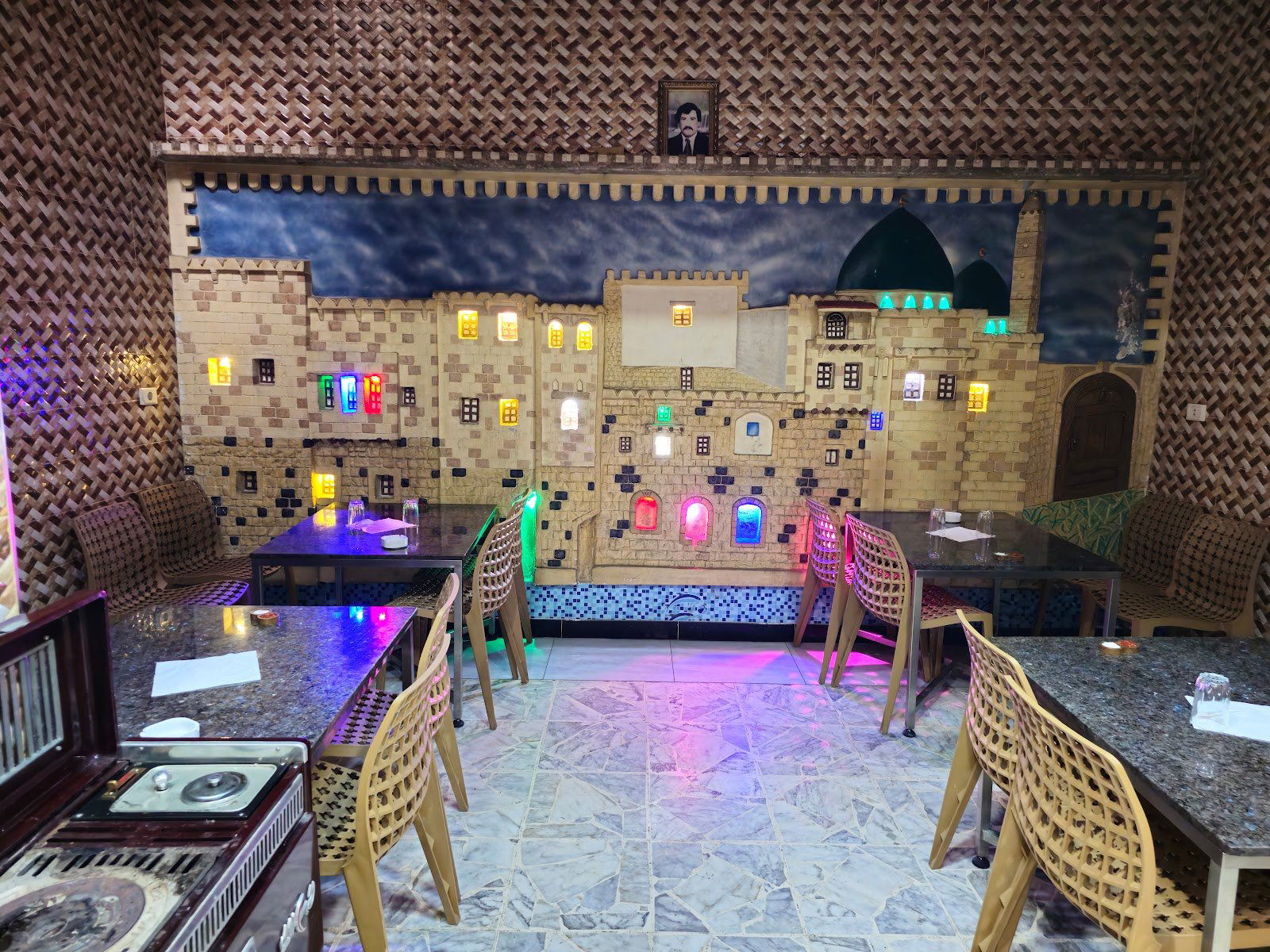
About Kitaz Restaurant
Kitaz Restaurant operates in Hama, one of Syria's most historically layered cities, where the traditions of Levantine cooking remain closely tied to the agricultural land surrounding it. With limited information available through international channels, the restaurant belongs to a local dining culture that values seasonal ingredients and long-established preparation methods over imported culinary frameworks.
Hama's Dining Scene and What Shapes It
Hama sits on the Orontes River in central Syria, a city whose agricultural surroundings have defined its cooking for centuries. The region produces wheat, olives, stone fruits, and vegetables that feed a culinary tradition rooted in availability and season rather than importation. Restaurants in this city, including Kitaz Restaurant, operate within that framework — a local food culture where proximity to ingredient sources is less a marketing point than a structural fact of daily cooking.
Understanding Kitaz Restaurant requires understanding where Hama sits within Syrian dining as a whole. Damascus draws the most international attention, with venues like Naranj Restaurant in Al Qaimarryeh and Bakdash in Damascus anchoring a more visited restaurant circuit. Aleppo carries its own reputation through centuries of spice trade influence, with places like Al Zammar House in حلب representing that city's culinary identity. Hama occupies a quieter position in this geography — a city known to Syrians for its norias, its conservative character, and its produce, rather than for a particular restaurant culture that has filtered outward into travel media.
That relative obscurity from international coverage does not indicate an absence of dining culture. It reflects, instead, that Hama's restaurants have largely served a local clientele, drawing on the rhythms and ingredients of the Orontes valley rather than positioning themselves for external audiences. For the reader consulting our full حماه restaurants guide, that context matters before any single venue is assessed.
Ingredient Geography and Why It Matters Here
The Levantine kitchen is, at its foundation, an agricultural kitchen. What grows in a region determines what appears on the table, and the area surrounding Hama has historically produced in abundance. Olive groves supply oil that carries a distinctly Syrian profile , higher acidity than much of what reaches European markets, with grassy and sometimes bitter notes that come from earlier harvest windows. Stone fruits from the Syrian interior, including apricots and plums, appear both fresh and preserved, informing dishes from slow-cooked meat preparations to pastry. Wheat from the surrounding plains feeds a bread culture that is central, not peripheral, to the meal structure.
This ingredient geography shapes how local restaurants in Hama are likely to operate. A restaurant drawing on what grows and is raised nearby will follow seasonal rhythms that differ significantly from a kitchen supplied by a centralized urban distributor. Spring brings different possibilities than late summer; winter cooking in the Syrian interior reflects a preservation-based logic that has centuries of practice behind it. Whether Kitaz Restaurant operates with explicit attention to these sourcing traditions or reflects them more organically through its supplier relationships, the broader pattern is one that defines Hama's food culture as distinct from the more internationally mediated dining scenes of larger Syrian cities.
This sourcing tradition finds parallels in how ingredient-led restaurants operate globally. The commitment to place-specific produce at venues like Lazy Bear in San Francisco or the marine-sourcing discipline at Aponiente in El Puerto de Santa María reflects a similar structural logic, even if the cultural context and price tier differ entirely. The argument that local agriculture determines kitchen identity is not a modern invention; it is simply how Syrian provincial cooking has always functioned.
What the Levantine Table Looks Like in Practice
Syrian cooking in cities like Hama tends to organize the meal around shared abundance rather than individual plating. Mezze , the array of small dishes that precedes and sometimes replaces a main course , is the dominant format in this tradition. Dishes might include muhammara, the Aleppan red pepper and walnut preparation that travels through the region, alongside kibbeh in its various forms, fattoush, and slow-cooked legume preparations that reflect the agricultural calendar. Grilled meat, when present, is often the centerpiece of a meal that has already delivered considerable substance through earlier courses.
For context within the broader Syrian dining circuit, venues like Julia Palace Restaurant in حمص and Shawrma Sharif in دمشق represent the range of formats that exist across Syrian cities, from full-service dining rooms to the more casual fast-service model. The coastal dining scene, accessible through View Restaurants in لاذقية, reflects yet another regional variation shaped by proximity to the Mediterranean. Kitaz operates within the inland, agricultural version of this spectrum.
Planning a Visit
Hama is accessible by road from both Damascus and Aleppo, and it sits roughly at the geographic midpoint of Syria's western corridor. For travelers moving between the two major cities, it offers a logical stop that international itineraries have historically underutilized. Contact details, current hours, and booking arrangements for Kitaz Restaurant are not confirmed in our current database, which reflects the broader information gap that affects many Hama venues in travel media. Direct local inquiry, or consultation with a Syria-focused travel specialist, is the most reliable approach for current operational details. Dress expectations in Hama trend toward modesty consistent with the city's social character, which is worth factoring into how one arrives at any restaurant in the area.
Frequently Asked Questions
- Is Kitaz Restaurant suitable for children?
- By Hama standards, a local restaurant is generally family-oriented, and the city's dining culture accommodates children without the formality or pricing thresholds that might give pause in a major destination city.
- Is Kitaz Restaurant formal or casual?
- If the restaurant follows the pattern typical of Hama's dining scene, with no internationally recognized awards on record and pricing consistent with a local market, expect a casual to semi-casual format; Hama is not a city where restaurant formality tracks with major award-holding venues in Damascus or internationally, so dress and atmosphere are likely relaxed by those standards.
- What should I eat at Kitaz Restaurant?
- Order according to the seasonal mezze available , in a city with Hama's agricultural surroundings, the vegetable and grain-based preparations are likely to reflect what is actually in season rather than a static menu, and those dishes are where the regional character is most direct; no specific dishes are confirmed in our current data, so ask locally upon arrival.
- How does Kitaz Restaurant fit into Hama's broader food culture, and why does the city receive less attention than Damascus or Aleppo?
- Hama's restaurants have historically served a local rather than tourist-facing clientele, which means the city's food culture is less documented in international travel media than Damascus or Aleppo despite its genuine agricultural richness. Kitaz Restaurant, based in central Hama, sits within that quieter circuit , venues that reflect the Orontes valley's produce and the city's culinary traditions without the external credential systems (awards, international chef profiles, media coverage) that drive visibility elsewhere. For travelers seeking a less mediated version of Syrian provincial cooking, that positioning is an asset rather than a drawback.
Related editorial
- Best Fine Dining Restaurants in ParisFrom three-Michelin-star icons to the next generation of Parisian chefs pushing boundaries, these are the restaurants that define fine dining in the world's culinary capital.
- Best Luxury Hotels in RomeFrom rooftop terraces overlooking ancient ruins to Michelin-starred hotel dining, these are the luxury hotels that make Rome unforgettable.
- Best Cocktail Bars in KyotoFrom sleek lounges to hidden speakeasies, Kyoto's cocktail scene blends Japanese precision with global influence in ways you won't find anywhere else.
Save or rate Kitaz Restaurant on Pearl
Keep this venue in your Pearl passport, rate it after you visit, and track it alongside every other place you collect.