
Restaurant in 別府市, Japan
Ikkyu no Namida (一休の泪)
100ptsResidential Counter Restraint
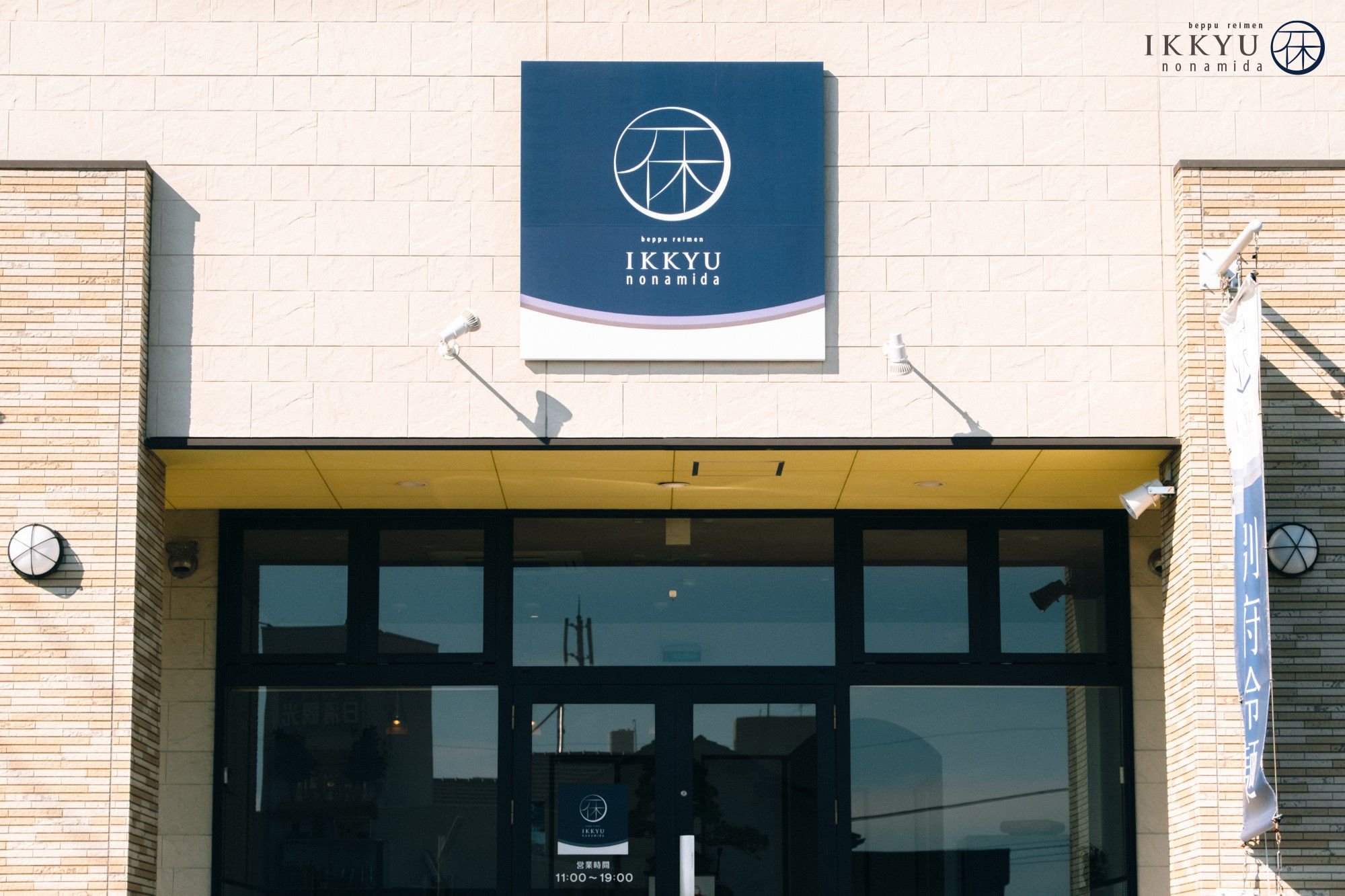
About Ikkyu no Namida (一休の泪)
A small restaurant in Beppu's Ishigaki district, Ikkyu no Namida occupies the ground floor of the Yamanami Building on a city that has quietly built a reputation for serious local dining alongside its onsen culture. With limited public data available, the venue sits at an early stage of international visibility, making it worth tracking for travellers who follow Japan's regional dining circuit.
Beppu's Dining Identity, Beyond the Steam
Most visitors to Beppu arrive for the onsen, and the city's food culture has long played a supporting role to its thermal attractions. That framing has started to shift. Oita Prefecture, of which Beppu is the commercial and hospitality centre, has accumulated enough serious local restaurants over the past decade that the dining scene now draws travellers who might otherwise route through Fukuoka or Kyoto without stopping. The regional logic is direct: proximity to exceptional seafood from Beppu Bay and Bungo Channel, a strong tradition of local produce, and a relatively low-cost operating environment compared to Tokyo or Osaka have allowed independent operators to take risks that larger-city rents rarely permit. Ikkyu no Namida, located at Ishigaki-nishi in the ground floor of the Yamanami Building, is one address in that broader pattern of Beppu restaurants earning attention on their own terms. For our full overview of dining in the city, see our full 別府市 restaurants guide.
The Ishigaki Setting
The Ishigaki district sits west of Beppu's central station grid, in a part of the city that reads more residential than tourist. Arriving on foot from central Beppu, the neighbourhood's low-rise character becomes immediately apparent: this is not the ryokan corridor or the arcade shopping zone that most visitors see first. Ground-floor restaurant spaces in buildings like the Yamanami are common here, often distinguished from the street by little more than a small sign and a lit entrance. That physical restraint is not unusual in Japanese dining culture, where the absence of conspicuous branding frequently signals that the kitchen is where the investment went. Whether Ikkyu no Namida fits that pattern precisely requires visiting to confirm, but the address places it inside a recognisable type of neighbourhood dining environment that has produced some of Japan's most serious regional restaurants.
Reading the Name
The name itself is worth pausing on. "Ikkyu no Namida" translates roughly as "the tears of Ikkyu," a reference most likely to Ikkyu Sojun, the iconoclastic 15th-century Zen Buddhist monk who became one of Japan's most enduring cultural figures. Ikkyu occupies a complicated place in Japanese cultural memory: revered as a religious figure, celebrated in folklore and children's stories, and regarded in more scholarly circles as a poet whose work addressed impermanence, longing, and the limits of institutional authority. A restaurant taking his name and pairing it with "tears" is invoking that complexity deliberately. In Japanese dining culture, names carry significant weight, often signalling the register in which a kitchen wants to be understood. This one leans toward the literary and the introspective, which tends to align with kitchens that prioritise restraint over showmanship.
Beppu in Japan's Regional Dining Circuit
To understand where Beppu sits in the national dining picture, it helps to look at the regional architecture of serious Japanese restaurants. The Michelin-starred tier in Kyushu is concentrated in Fukuoka, where Goh in Fukuoka has built a strong reputation for innovative kaiseki. Beyond Fukuoka, Kyushu's dining recognition becomes patchier but not absent. Oita Prefecture has a distinct culinary tradition built around toriten (tempura chicken), seki aji and seki saba (horse mackerel and mackerel from the Bungo Channel, considered among Japan's premium fish), and a shochu culture tied to local barley and sweet potato production. Any restaurant operating seriously in Beppu has access to those ingredients in their freshest form. In a broader national context, the kind of destination dining that has defined cities like Osaka (home to HAJIME), Tokyo (where Harutaka represents the upper tier of the sushi counter format), Kyoto (where Gion Sasaki anchors the kaiseki tradition), and Nara (where akordu has applied a European lens to local ingredients) has a clear parallel in smaller cities: independent operators working with exceptional local materials, building reputations through word of mouth and repeat visitors rather than awards infrastructure. Ikkyu no Namida appears to occupy that tier.
The Wider EP Club Regional Reference Set
For readers who follow Japan's regional dining circuit beyond the three major cities, EP Club covers a number of comparable addresses. 一本木 石川割烹 in Nanao represents the kind of local kappo tradition that Ishikawa Prefecture has sustained for generations. 北の大地の恵み in Sapporo draws on Hokkaido's exceptional cold-water produce. 湖畔荘 in Takashima operates in a lakeside context with a distinct seasonal logic. Each of these addresses shares a structural characteristic with Beppu's emerging restaurant scene: they are serious kitchens in cities that do not receive the same systematic critical coverage as the major metros. Within Beppu itself, the dining range extends to venues like Avatar Indian Restaurant (アブタール 別府鉄輪店) in the Kannawa onsen district and ぎょうざ 湖月, which represents the kind of gyoza specialist that anchors casual neighbourhood dining across the city.
Planning a Visit
Practical information for Ikkyu no Namida is limited in publicly available sources at this stage. The venue does not appear to have a published website or phone number in current databases, which in Japan often means reservations are handled through word of mouth, through platforms like Tabelog or Hot Pepper, or through direct introduction. For travellers arriving in Beppu with this address on their list, the approach most likely to succeed is checking current listing status on Japanese reservation platforms well ahead of travel, or asking hotel concierge staff at larger Beppu properties for current operational details. The Yamanami Building address on Ishigaki-nishi is in a walkable part of the city, accessible from central Beppu without requiring a taxi. Dress code, pricing, and hours are not confirmed in current data; confirming these directly before visiting is advisable. For international travellers who have used the high-end restaurant booking infrastructure of cities like New York, where venues like Le Bernardin and Atomix operate with detailed online booking systems, Japanese regional restaurants at this level often require more direct and locally-mediated contact.
Frequently Asked Questions
- What should I eat at Ikkyu no Namida (一休の泪)?
- Specific menu details are not confirmed in current public data. Beppu's strongest culinary assets are its bay seafood, particularly seki aji and seki saba from the Bungo Channel, and local Oita produce. Any serious restaurant in this location would logically draw on those materials. Confirm the current menu format directly with the venue before visiting.
- Is Ikkyu no Namida (一休の泪) reservation-only?
- No booking policy is confirmed in available data. Small neighbourhood restaurants in Beppu frequently operate on a reservation-preferred or reservation-required basis, particularly for dinner service. Given the limited international visibility of this address, checking via Japanese reservation platforms (Tabelog, Hot Pepper) or through a local hotel concierge is the most reliable approach for travellers planning from outside Japan.
- What makes Ikkyu no Namida (一休の泪) worth seeking out?
- The venue sits inside a recognisable pattern of independent Japanese restaurants operating in regional cities with exceptional local ingredients and limited critical coverage. Beppu's access to premium Bungo Channel seafood and Oita agricultural produce gives local kitchens material advantages that are not always reflected in international restaurant rankings weighted toward Tokyo and Osaka. The name's literary register and the Ishigaki address both suggest a kitchen with clear intentions. Alongside peers in the regional circuit like Goh in Fukuoka and akordu in Nara, Ikkyu no Namida represents the kind of address that rewards travellers who look beyond the established awards infrastructure.
- Do they accommodate allergies at Ikkyu no Namida (一休の泪)?
- Allergy policy is not confirmed in current data. In Japan, smaller independent restaurants with fixed menus or limited kitchen capacity can find allergy substitutions difficult to accommodate. Contacting the venue directly in advance, ideally in Japanese or with assistance from a Japanese-speaking hotel concierge, is the recommended approach for any dietary requirements.
- How does Ikkyu no Namida fit into Beppu's broader dining scene?
- Beppu's restaurant identity has historically been shaped by its onsen tourism infrastructure rather than destination dining, but a cohort of independent operators has been building more serious local reputations over the past decade. Ikkyu no Namida, with its literary name and non-tourist-district address in Ishigaki-nishi, sits in that independent tier rather than the onsen-adjacent casual dining that most visitors encounter. For travellers building an itinerary around both Kyushu's thermal culture and its food, this venue represents one of the more intriguing Beppu addresses to track as its public profile develops. See also bodai in 那智勝浦町 and 羽根屋 in Nishikawa Machi for comparable regional Japan dining contexts.
Related editorial
- Best Fine Dining Restaurants in ParisFrom three-Michelin-star icons to the next generation of Parisian chefs pushing boundaries, these are the restaurants that define fine dining in the world's culinary capital.
- Best Luxury Hotels in RomeFrom rooftop terraces overlooking ancient ruins to Michelin-starred hotel dining, these are the luxury hotels that make Rome unforgettable.
- Best Cocktail Bars in KyotoFrom sleek lounges to hidden speakeasies, Kyoto's cocktail scene blends Japanese precision with global influence in ways you won't find anywhere else.
Save or rate Ikkyu no Namida (一休の泪) on Pearl
Keep this venue in your Pearl passport, rate it after you visit, and track it alongside every other place you collect.