2026 Conde Nast Traveler Hot List Restaurants
Conde Nast Traveler's 2026 Hot List selection of the best new restaurants in the world.
How many of these have you visited?
Discover on Pearl
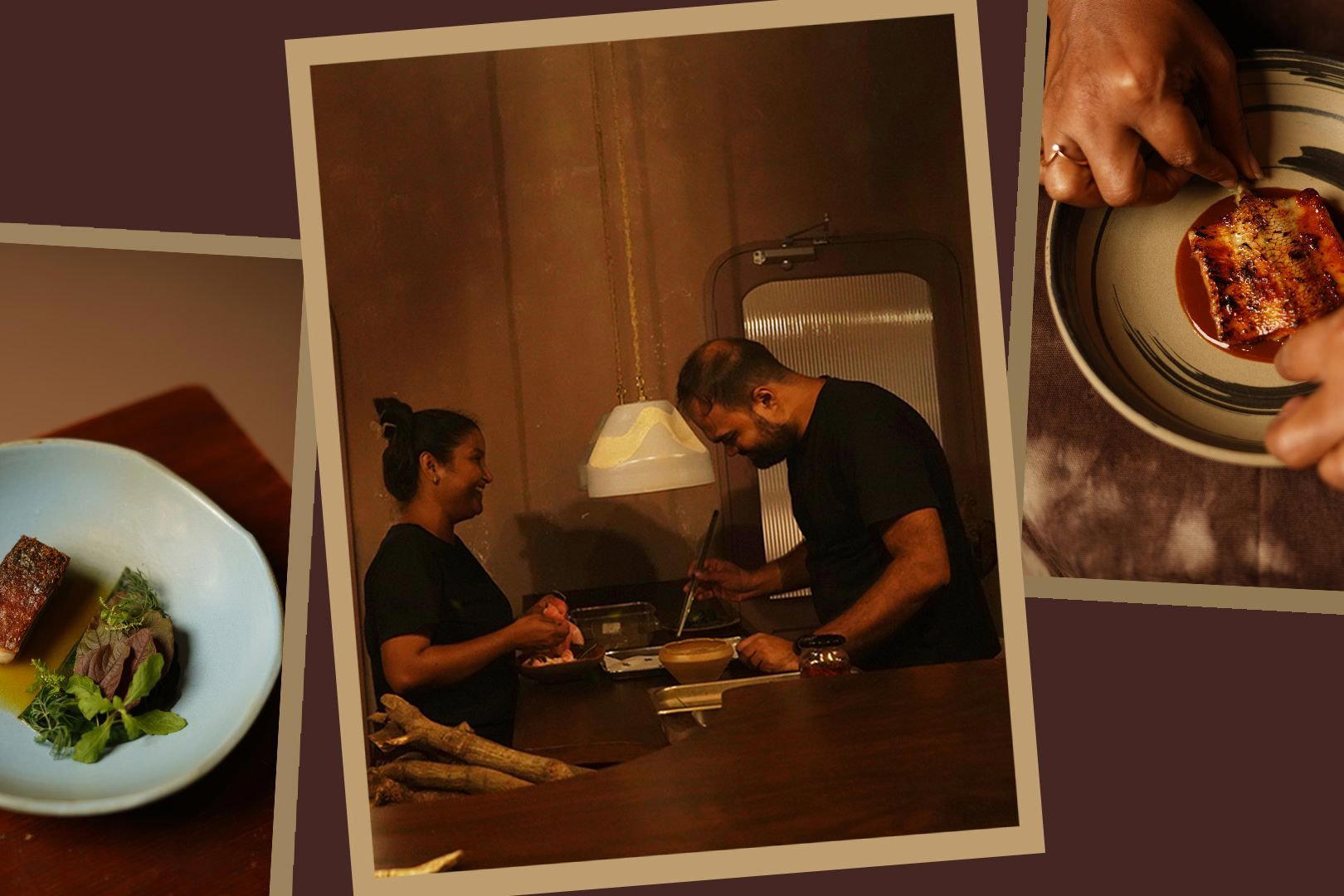
Rannaghor by Sienna
Kolkata, India

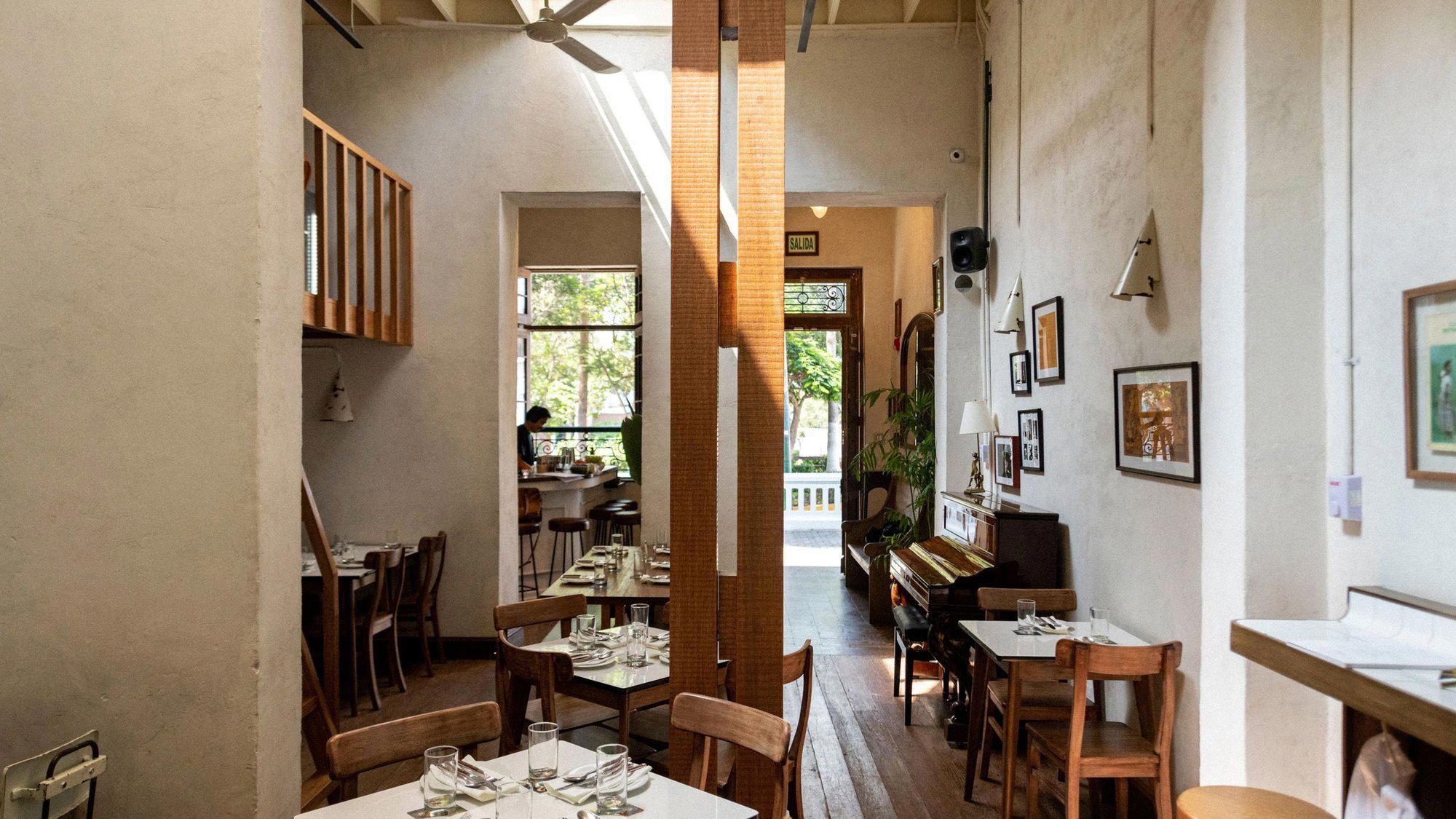
La Perlita
Lima, Peru

EMi
Madrid, Spain
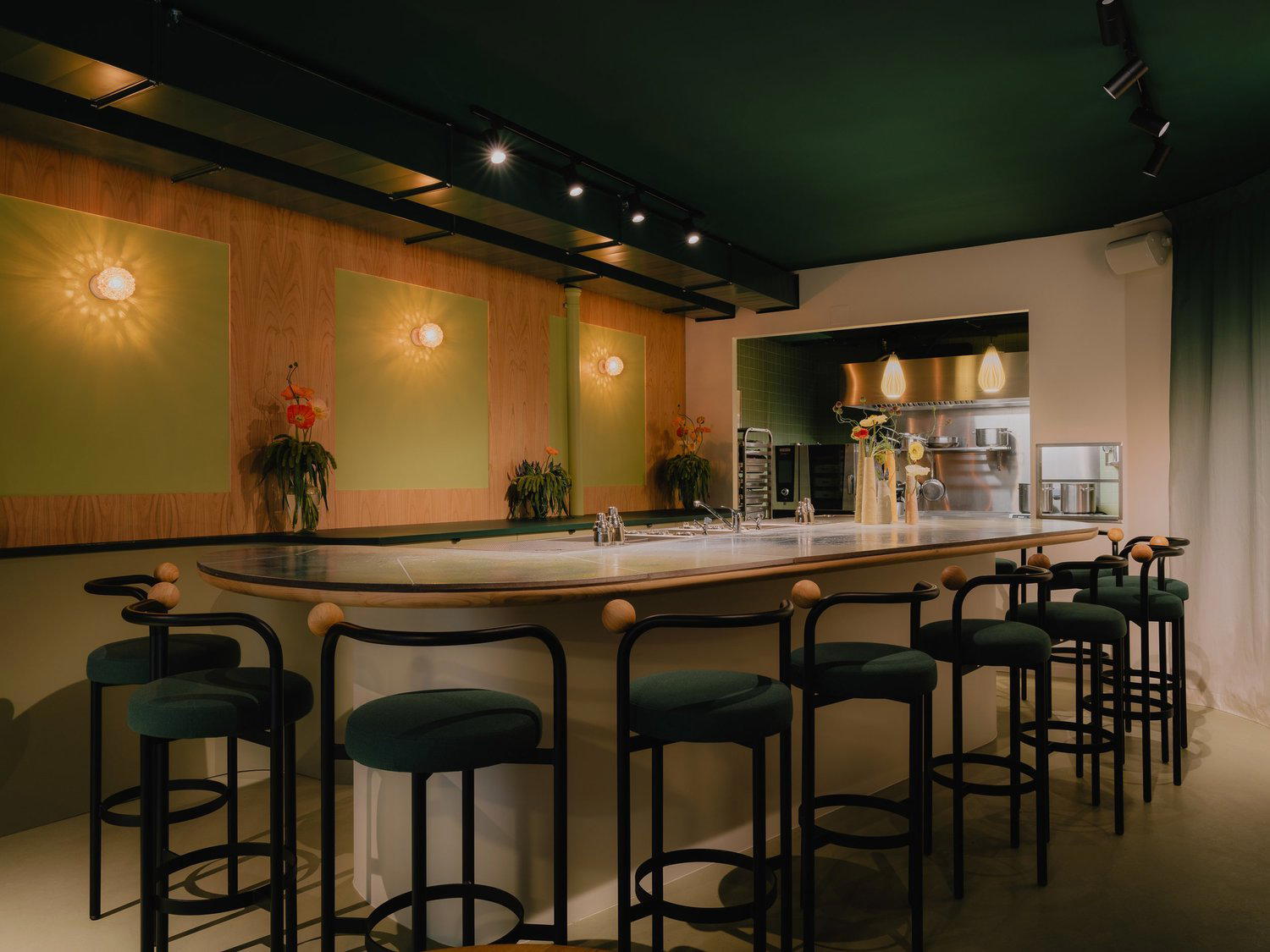
A 12-seat haute cuisine bar on Calle de Gaztambide in Chamberí, EMi runs a single surprise menu shaped by training at Noma, Geranium, Azurmendi, and Atomix. The format is intimate and technically demanding, with Nordic and Korean influences threading through each course. For Madrid's small-counter haute cuisine scene, it occupies a distinct position.

De Vie
Paris, France

logy
Taipei, Taiwan
A two-Michelin-starred counter in Taipei's Neihu District, logy operates at the intersection of Japanese technique and Taiwanese produce, under chef Ryogo Tahara of the Florilège lineage. The menu architecture reflects a dialogue between two culinary traditions rather than a fusion compromise. Ranked 26th among Asia's Best Restaurants in 2025, it occupies the upper tier of Taipei's fine dining circuit.

Jin Ting Wan
Singapore, Singapore
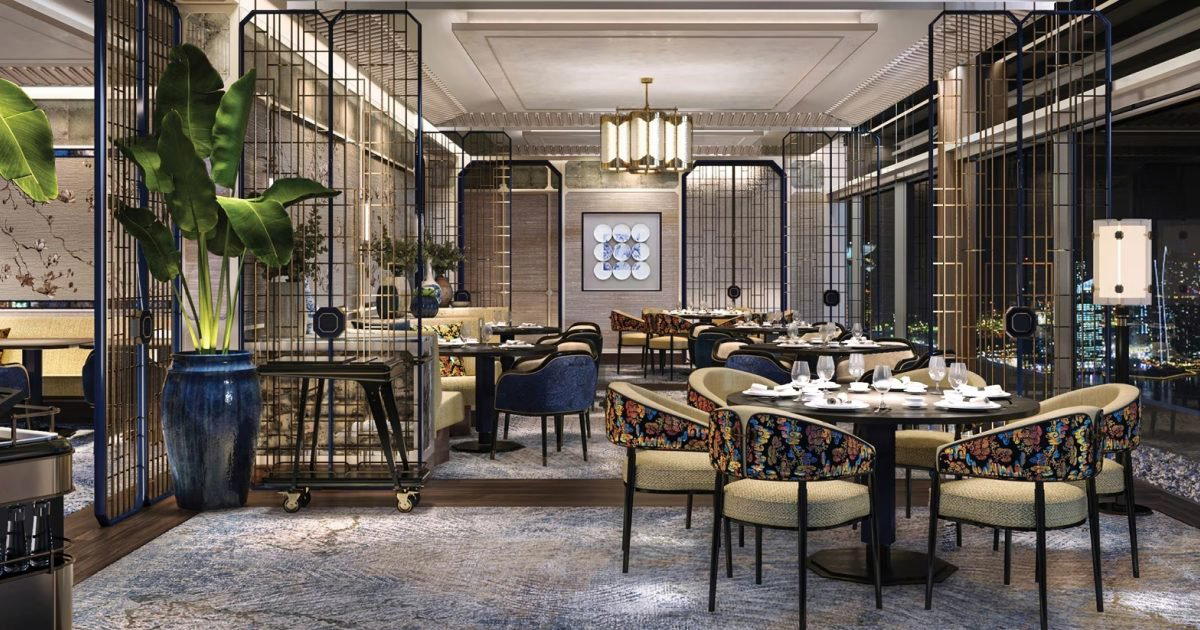
Positioned on Level 55 of Marina Bay Sands Tower 1, Jin Ting Wan occupies one of Singapore's most recognisable dining addresses, where the skyline becomes as much a part of the experience as what arrives at the table. Forbes Travel Guide has the restaurant under active review as part of its expanded Star Ratings programme, signalling wider critical attention on this refined venue. Reservations and current menu details are best confirmed directly with the hotel.

Yakatabune Izanagi
Tokyo, Japan
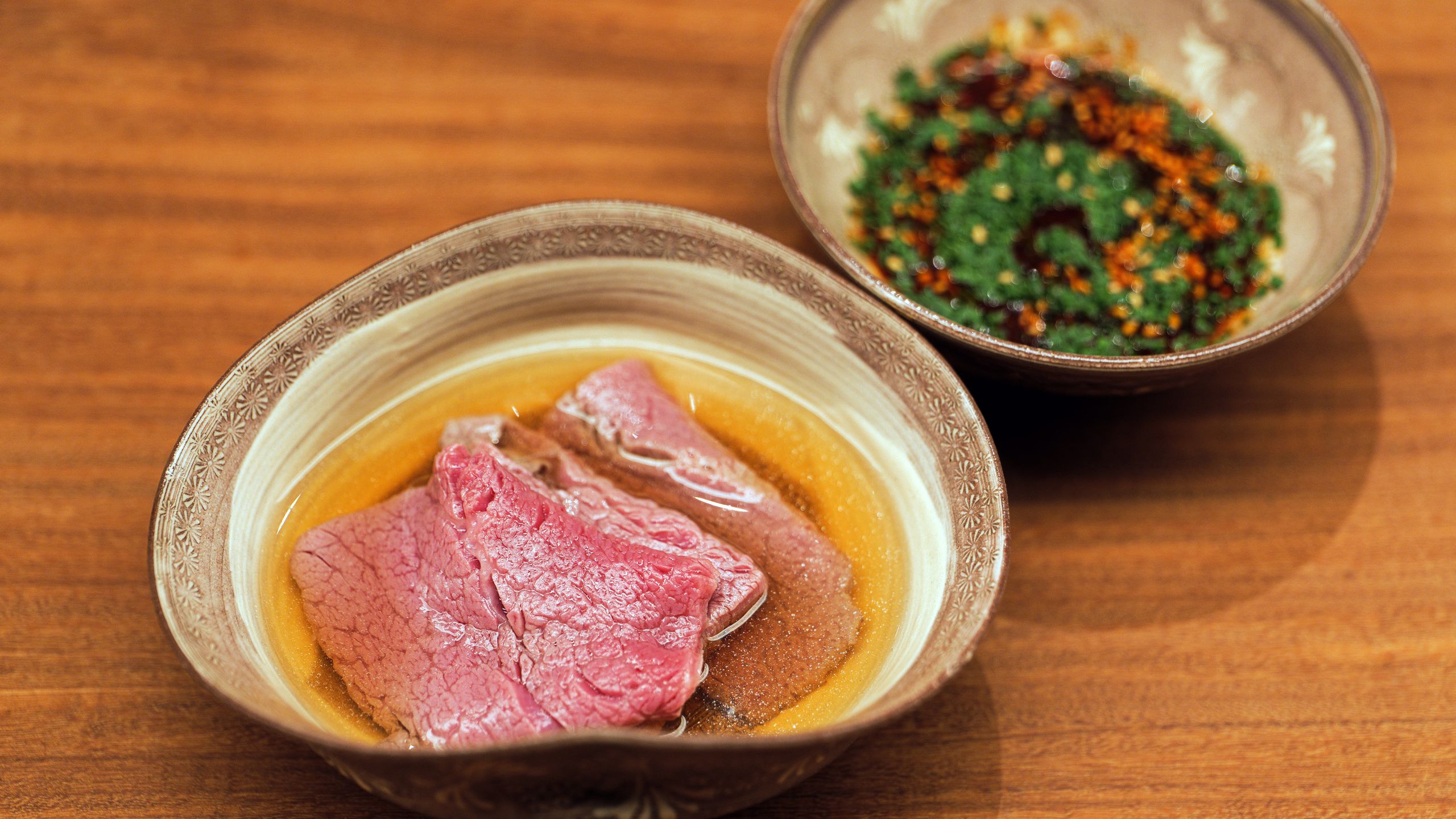
Up-and-coming chef Tatsuro Hirakubo is nothing short of a wagyu wunderkind. After opening Yakiniku Ushimatsu, a sleek wagyu eatery in Tokyo's Nishi-Azabu district, he looked next toward Tokyo Bay and completely reimagined a traditional floating boat restaurant (known as yakatabune, infamously cheap and cheerful) by turning it into the ultimate fine-dining wagyu omakase experience. Inside, Yakatabune Izanagi is acutely intimate, seating just 12 in a sophisticated all-timber interior that honors the elegance of traditional Japanese architecture. As the restaurant glides through Tokyo Bay, guests are treated to views of the city nightscape in rhythm with chef Hirakubo’s omakase course menu centered around premium Japanese Black (kuroge wagyu), notably, the highly prized Tajima cattle beef from Hyogo prefecture. Expect melt-in-your-mouth seared beef sushi—or perhaps the most sumptuous, perfectly grilled wagyu steak you’ve ever had—all served on exquisite Japanese tableware. The trick is to sit back, enjoy the views, and allow the chefs to do their magic with every cut—from tenderloin to tongue, cheek, tail, and all. —Joanna Kawecki

Shwen Shwen
Sevenoaks, United Kingdom
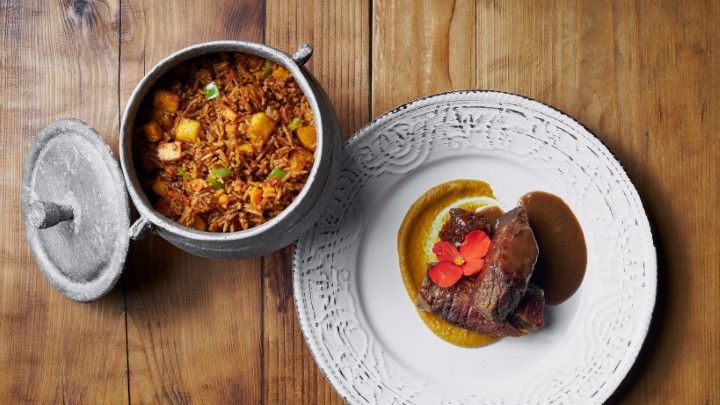
At a Bank Street address in the centre of Sevenoaks, Shwen Shwen brings West African cooking to a corner of Kent where that tradition is conspicuously absent. Maria Bradford draws on Sierra Leonean roots for dishes like beef short rib in groundnut and coconut sauce, served in a room hung with black-and-white photographs of West Africa. The à la carte sharing format offers the clearest value.

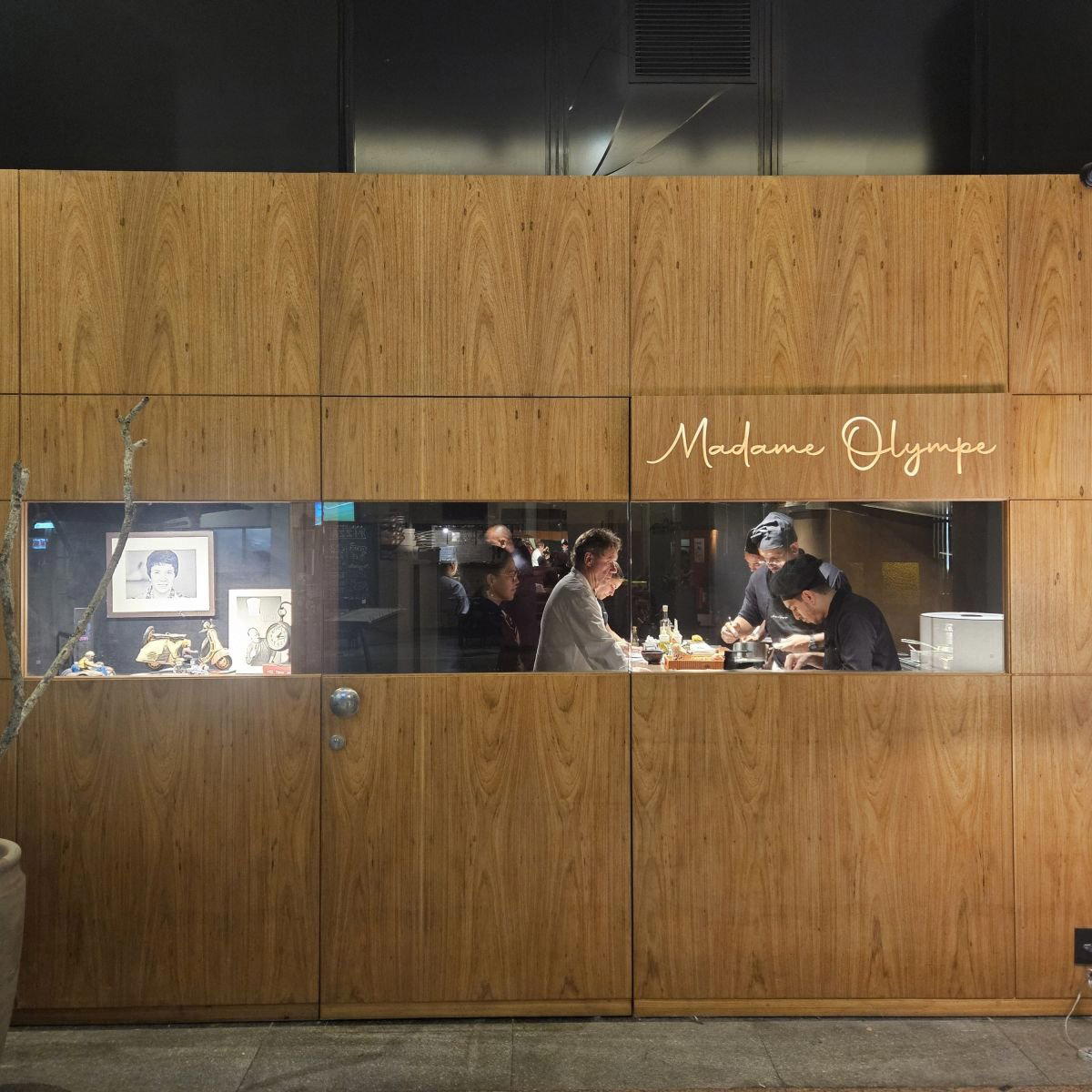
Madame Olympe
Rio de Janeiro, Brazil

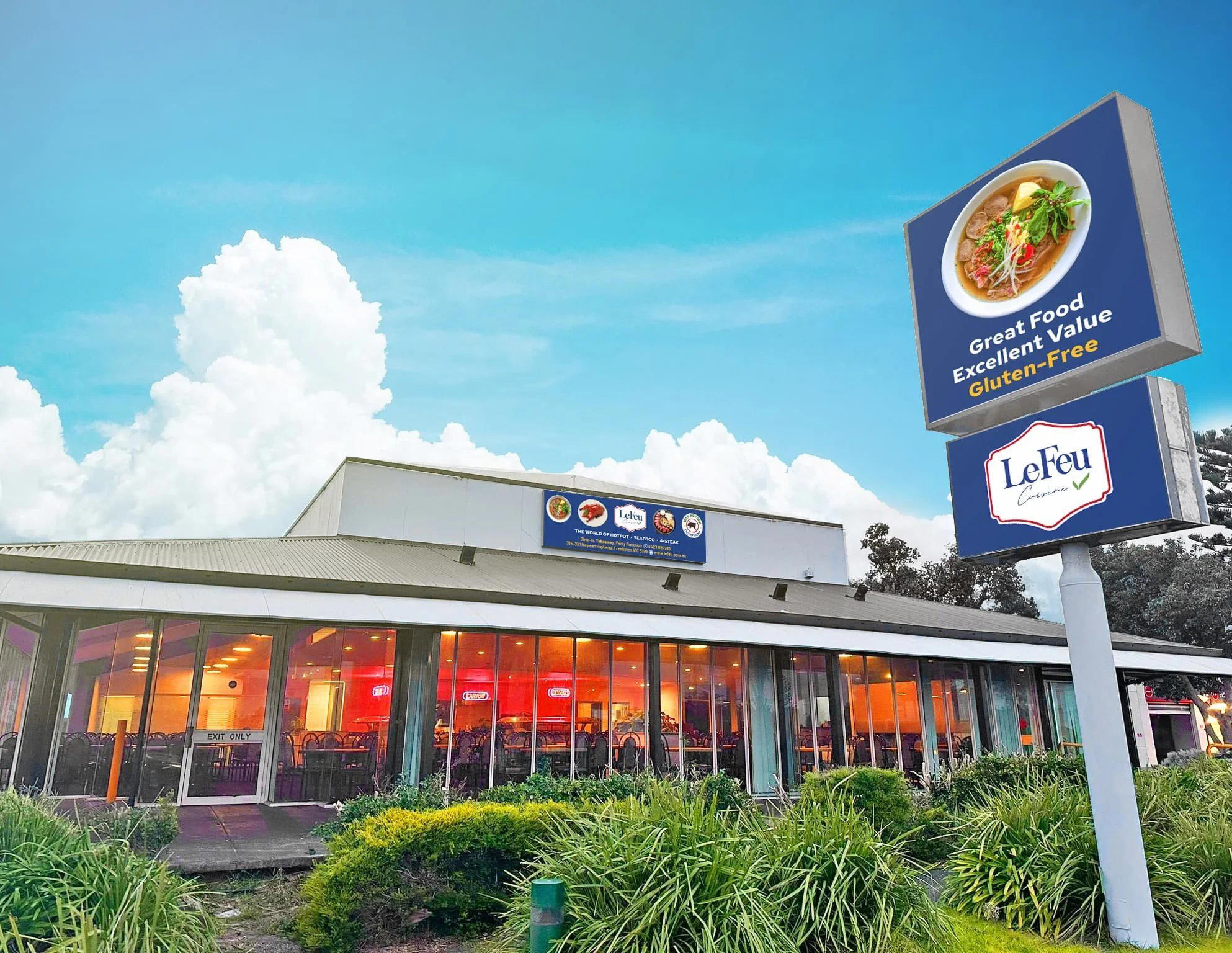
Feu
South Wales, United Kingdom
Feu is a fire-focused restaurant in South Wales operating at the sharper edge of the region's emerging fine dining scene. With a name rooted in the French word for fire, it signals a cooking approach built around heat, char, and technique rather than ceremony. South Wales is producing a more ambitious restaurant tier than its reputation suggests, and Feu is part of that shift.

Soma
Bangkok, Thailand
Soma occupies Siam Patumwan House on Phayathai Road, where three chefs collaborate on a menu that moves across Thailand's regional pantry rather than anchoring to a single tradition. Grilled skirt steak in kailan salad, soulful soups, and aromatic curries share the menu alongside the day's catch. The room is styled for group dining and the staff are informed enough to guide rather than simply serve.
.jpeg?width=3840)
Ilé Eros
Lagos, Nigeria
In Lagos, a city defined by its fast pace, ambition, and larger-than-life energy, Ilé Eros marks a turning point in how traditional Nigerian cuisine is experienced. Chef Tolu “Eros” Erogbogbo, who has styled himself as The Billionaire Chef and has cooked for global figures including Shonda Rhimes and Michael B. Jordan (in addition to starring in the first season of MasterChef Nigeria this year), has long been at the forefront of reimagining West African food for an international audience. His newly relaunched flagship, in Lekki, builds on that reputation, expanding his original concept into a more immersive, design-led space that was conceived as a modern African home with clay textures, earth tones, woven materials, and sculptural lighting. The menu reframes familiar dishes through a refined, contemporary lens. Take the Unity Jollof, a reinterpretation of the classic rice dish traditionally cooked in a tomato and pepper base, here bringing together regional influences by combining the light, perfumed rice associated with Ghana, the smoky spice of Nigerian cooking, and a subtle plantain sweetness inspired by Senegal. The result is layered and balanced, a dish that playfully unites a region long defined by the debate of who does it best. But what makes Ilé Eros compelling is its authenticity, and the fact that it does not dilute Nigerian flavors for accessibility but rather elevates them. In a city already rich with dining options, this feels like a clear evolution, one that signals Lagos’s growing place in the global dining conversation. —Sharon Machira

Must
Abidjan, Ivory Coast
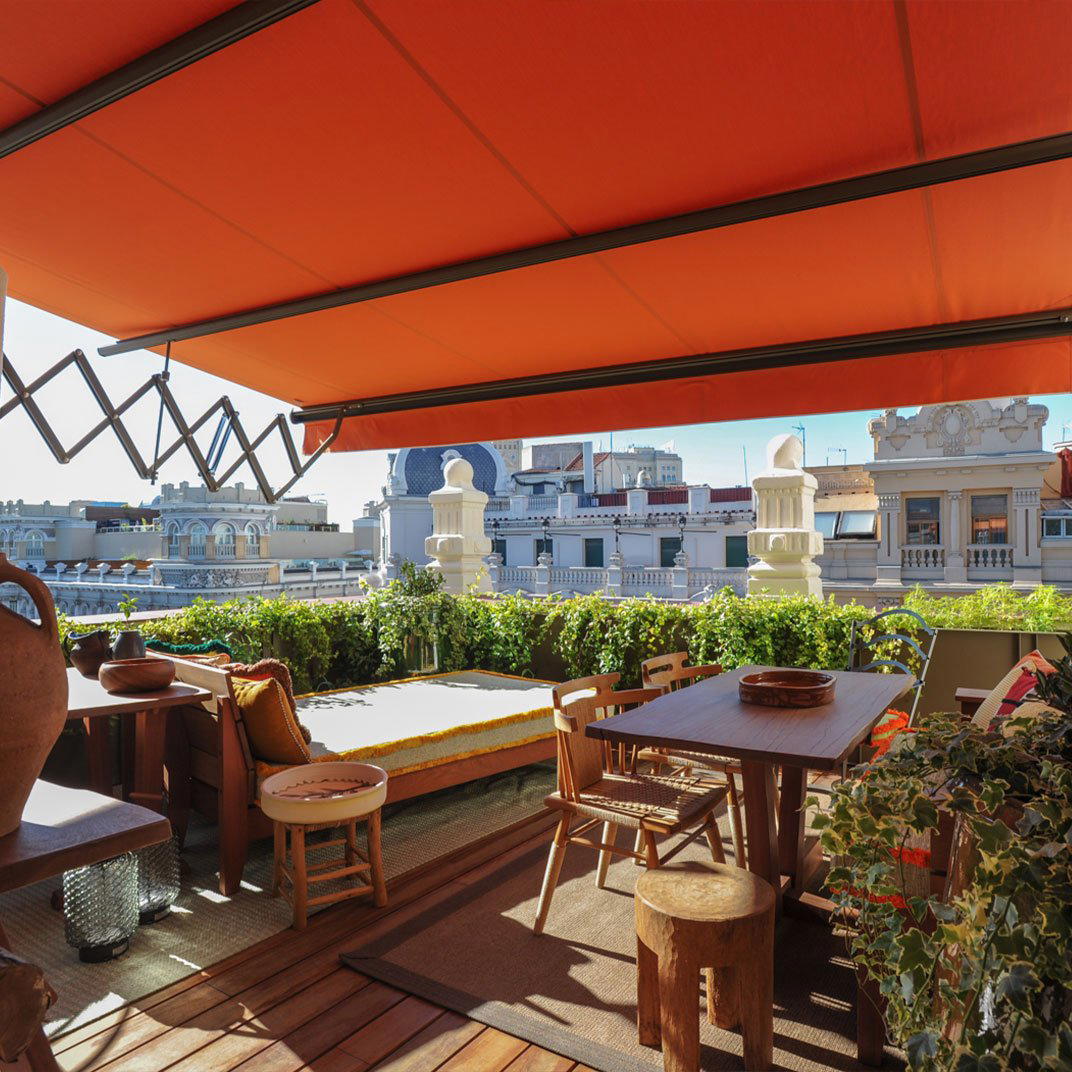
Abidjan is a fast-moving commercial hub set along the Atlantic coastline, where business, culture, and nightlife intersect. In Cocody, one of its busiest districts, Must has quickly become an in-demand table since opening in February 2026. Set on a rooftop with aerial views of the city, right on the Rue des Jardins, Must draws a steady mix of local business leaders, creatives, and visiting internationals, reflecting Abidjan’s blend of business and lifestyle. The interiors combine clean lines with warm materials, and the menu leans Mediterranean, with lots of local seafood. There’s grilled sea bream, lobster in butter sauce, and slow-cooked lamb, all deftly led by Peruvian chef Luis Carranza Marquez. Live music, a pianist or saxophonist perhaps, often plays in the background, just enough to shift the mood as the evening unfolds. It’s early days for Must, but the attention to detail, from service to atmosphere, suggests this is a place set to last. —Sharon Machira

Tales by Chapter
Ho Chi Minh City, Vietnam
Tales unites two chefs from different generations on one single-minded mission: to forge the future of food in Vietnam. Chef-CEO Quang Dung is a celebrated industry veteran with 18 years of experience and Cambridge qualifications in sustainable food production; head chef Quoc Hung, part of a new cohort of talent, brings an obsession with vegetables and innovative cooking techniques. Together they’re building not just fresh recipes but an entire supply chain and infrastructure that has made Tales the country’s first zero-waste, plant-based restaurant. Here crockery is made with recycled materials, produce comes from organic farm partners, and offcuts are transformed into stocks and sauces. “We work with every part of the vegetable, from roots and skins to stems and leaves, to highlight different textures and flavors while minimizing waste,” explains Hung. That education doesn’t stop at the table: Guests are introduced to this philosophy through an exhibition space when they enter, while the restaurant’s fermentation room and rooftop garden are open for exploration. “Through this, we hope to redefine plant-based dining in Vietnam as something thoughtful, engaging, and deeply connected to nature—not just a dietary choice, but an experience,” says the chef. —Audrey Phoon

The Jane
Antwerp, Belgium
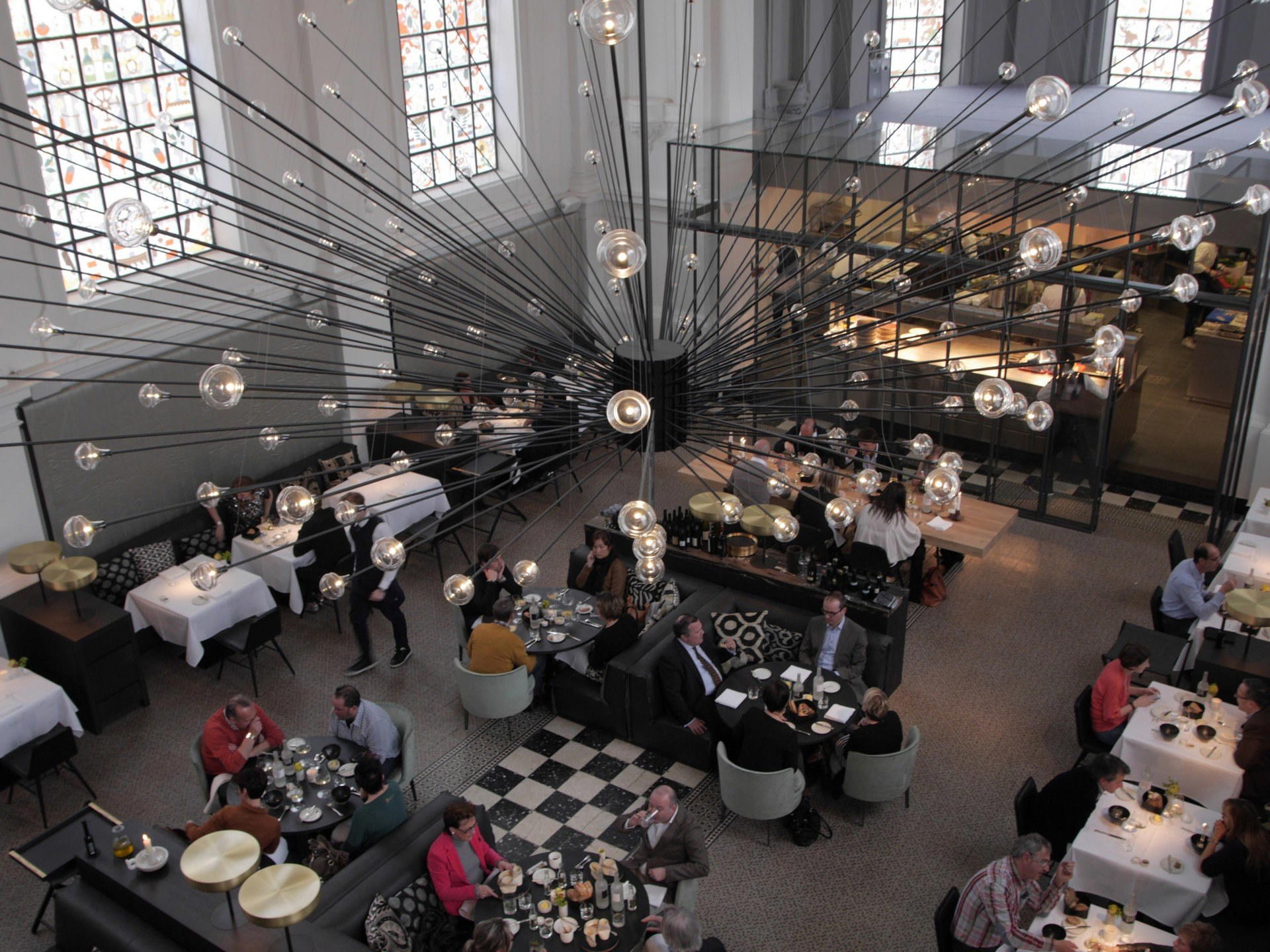
The Jane relocated in October 2025 from its celebrated chapel home to the Montevideo Residence on Het Eilandje, Antwerp's regenerating harbour district. Ranked #36 in the World's 50 Best Restaurants in 2024 and holding 96 points on La Liste, Nick Bril's Modern Flemish kitchen remains one of Belgium's most closely watched tables. The new chapter preserves the restaurant's identity while expanding its ambitions inside a monumental waterfront address.

PAZ
Tórshavn, Faroe Islands
PAZ holds two Michelin stars (2025) and sits at the top of Tórshavn's small but serious fine dining tier. Chef Poul Andrias Ziska builds his creative menus around ingredients sourced from the Faroe Islands' own waters, farms, and fermentation traditions, placing the archipelago's larder at the centre of every course. At the €€€€ price point, it is the reference address for serious dining in the North Atlantic.

Gerbou
Dubai, United Arab Emirates
Gerbou brings Emirati home cooking to Nad Al Sheba at a mid-range price point that makes it one of the more accessible entries into traditional Gulf cuisine in Dubai. A 2025 Michelin Plate recognition confirms its place in the city's growing canon of heritage-focused restaurants. With a Google rating of 4.6 across nearly 500 reviews, it holds consistent standing among the handful of Dubai addresses taking the Emirati dining tradition seriously.

Alteño
Denver, United States
From Michelin-starred chef Johnny Curiel, Alteño brings the highland cuisine of Los Altos de Jalisco to Denver's Cherry Creek neighborhood. Housed in the Clayton Hotel, the menu moves from bright aguachile and raw seafood plates through soulful tacos and shareable mains like bone-in Colorado lamb shank. The price point sits at the top of Denver's Mexican dining tier, with an atmosphere built around statement lighting and a confident regional identity.

Phet Phet
Riyadh, Saudi Arabia
Riyadh’s dining scene has exploded in recent years, with a parade of big-ticket names—Carbone, Wolfgang Puck’s Spago, and Sadelle’s among them—sweeping in since Saudi Arabia first opened its doors to tourists in 2019. Since then, the fickle foodie crowd has been perpetually pulled in the direction of the next big thing—which makes the already-proven staying power of Phet Phet all the more impressive. The stripped-back Thai joint was first founded in Kuwait by lifelong friends chef Shoug Al Sabah and Dalia Behbehani when COVID-19 curbed their Thai travel cravings; they quickly built a cult following for the restaurant’s punchy, frill-free cooking. Now, this subsequent Riyadh opening in Al Takhasoussi, the capital’s de facto restaurant quarter, has been a soar-away success, with the dining room still running at full tilt every day of the week as a virtual queue swells into the hundreds. Diners come for sharp, lime-lashed salads, blistering curries, and stir-fries crackling with chili heat that stay faithfully close to the source in a city so often seduced by spectacle. Must-orders include som tam or the green mango salad, both lime-bright and peanut-studded; pad Thai bundled in a delicate egg parcel with peanuts and dried chili; and palate-cooling mango sticky rice—the only dessert on the menu—best washed down with a tongue-tingling glass of citrus-packed lemongrass lemonade. They don’t take reservations and the line can stretch for hours, but few tables in Riyadh feel more worthy of the wait right now. —Scott Campbell

Pi Sa
Phnom Penh, Cambodia
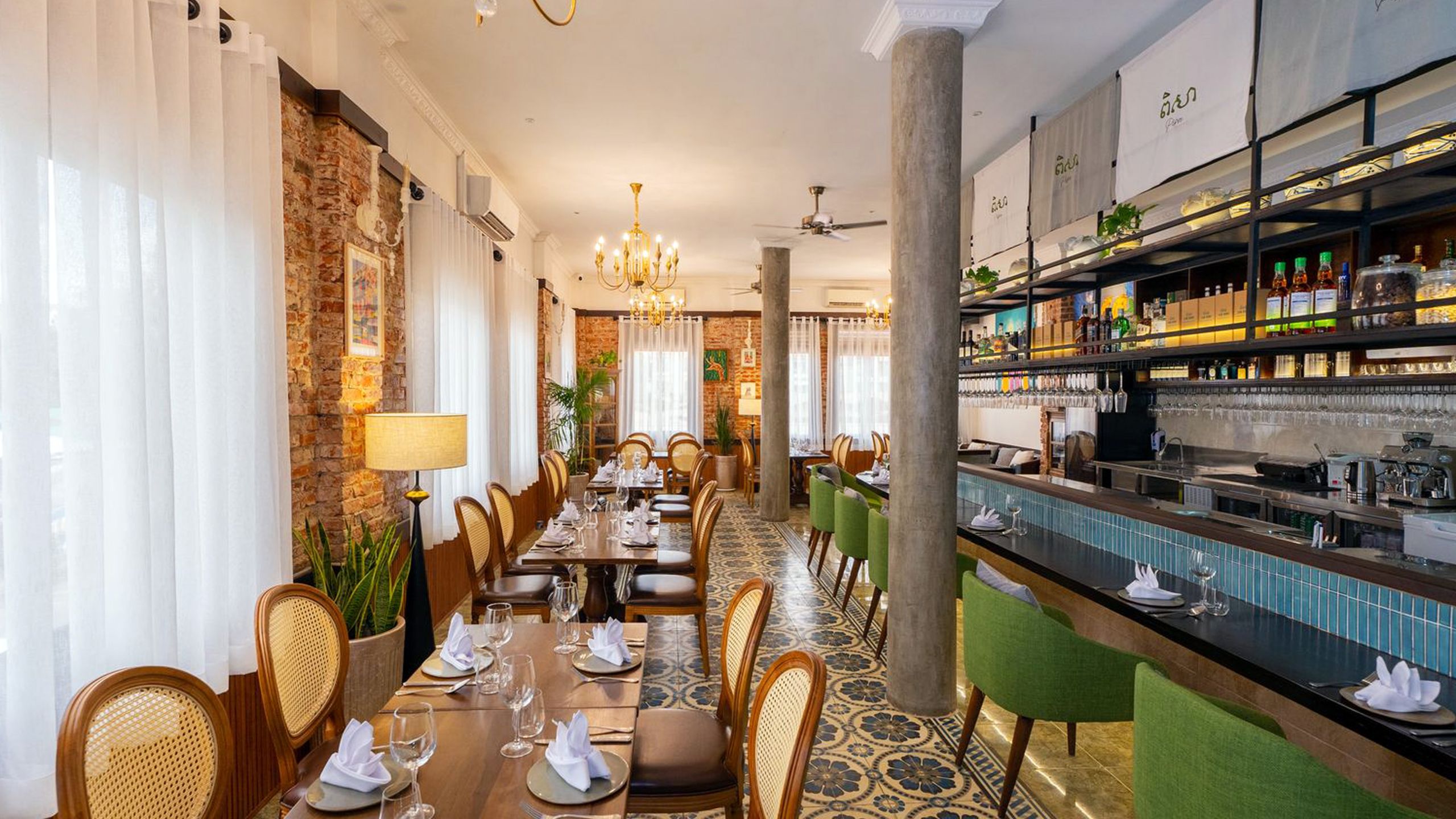
After trailblazing chef Sothea Seng opened Lum Orng, Cambodia’s first (and World’s Best–recognized) farm-to-table restaurant in Siem Reap in 2019, it was only a matter of time before he set his sights on Phnom Penh . Last year he launched Pi Sa—which in Khmer means a respectful invitation to eat—within a century-old colonial building in the capital’s charming French Quarter. It’s steps from the buzzy Old Market, where the restaurant gets its produce daily. Like Lum Orng, Pi Sa focuses on seasonal and sustainable offerings. Depending on the day, the menu may include fresh marble goby fish from the Mekong River, served with vermicelli and a light soy sauce, or lobster sour soup with lemongrass. “I want to preserve our Cambodian culinary traditions but innovate them in a way that can reflect contemporary tastes and preferences,” says the passionate chef. The restaurant’s elegant interiors, designed by the multitalented Seng, are equally a reflection of this vision, with traditional Khmer floor tiles and Cambodian-designed rattan furniture juxtaposed against modern chandeliers and exposed brick walls. —Audrey Phoon

Caprichito
Buenos Aires, Argentina

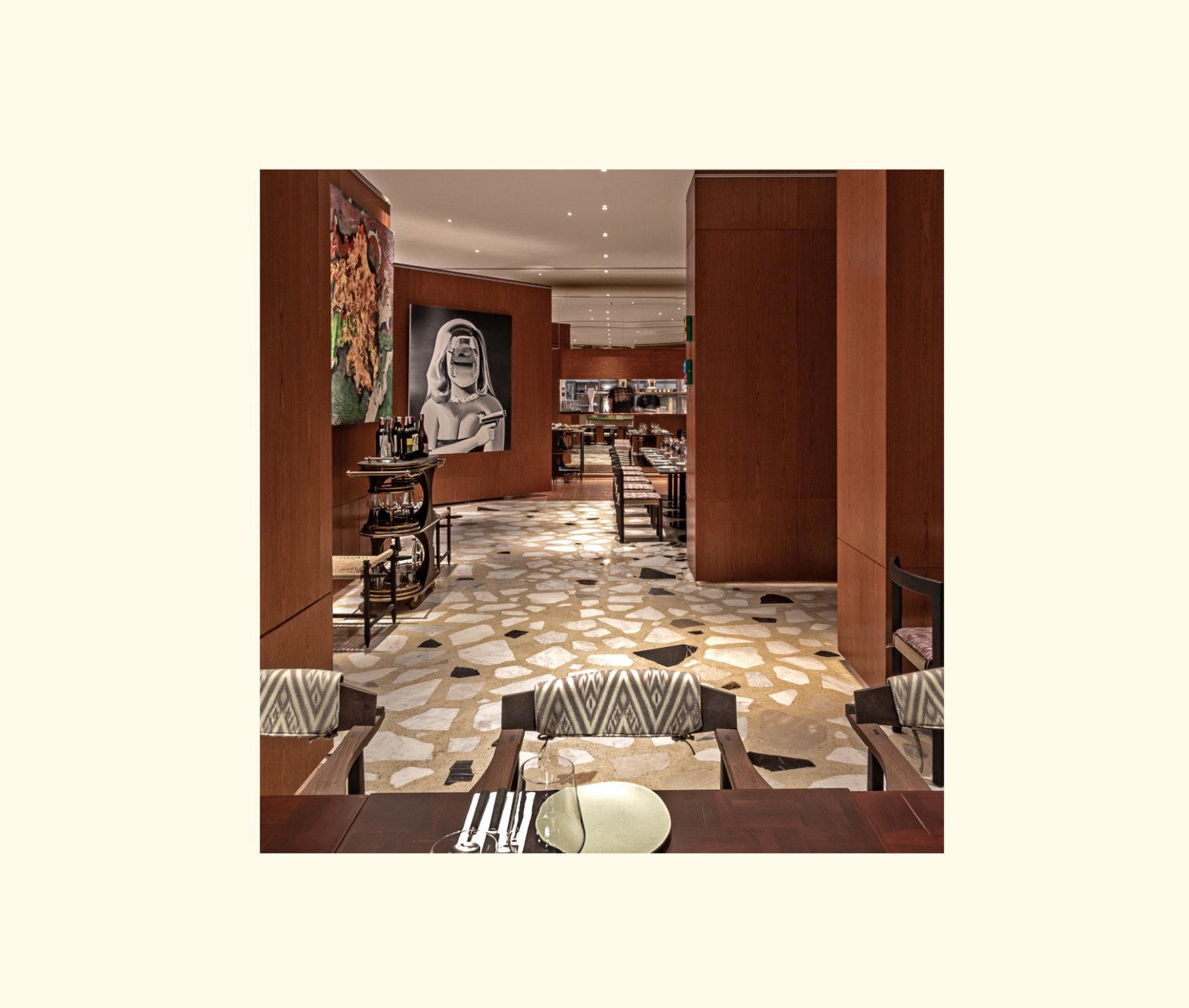
Esca
Mexico City, Mexico
Roma Norte and the Art of the Milestone Meal Córdoba Street in Roma Norte has a particular quality in the early evening: the plane trees filter the last of the afternoon light, the neighbourhood shifts from daytime ease to something more...

Old Tower
Beijing, China
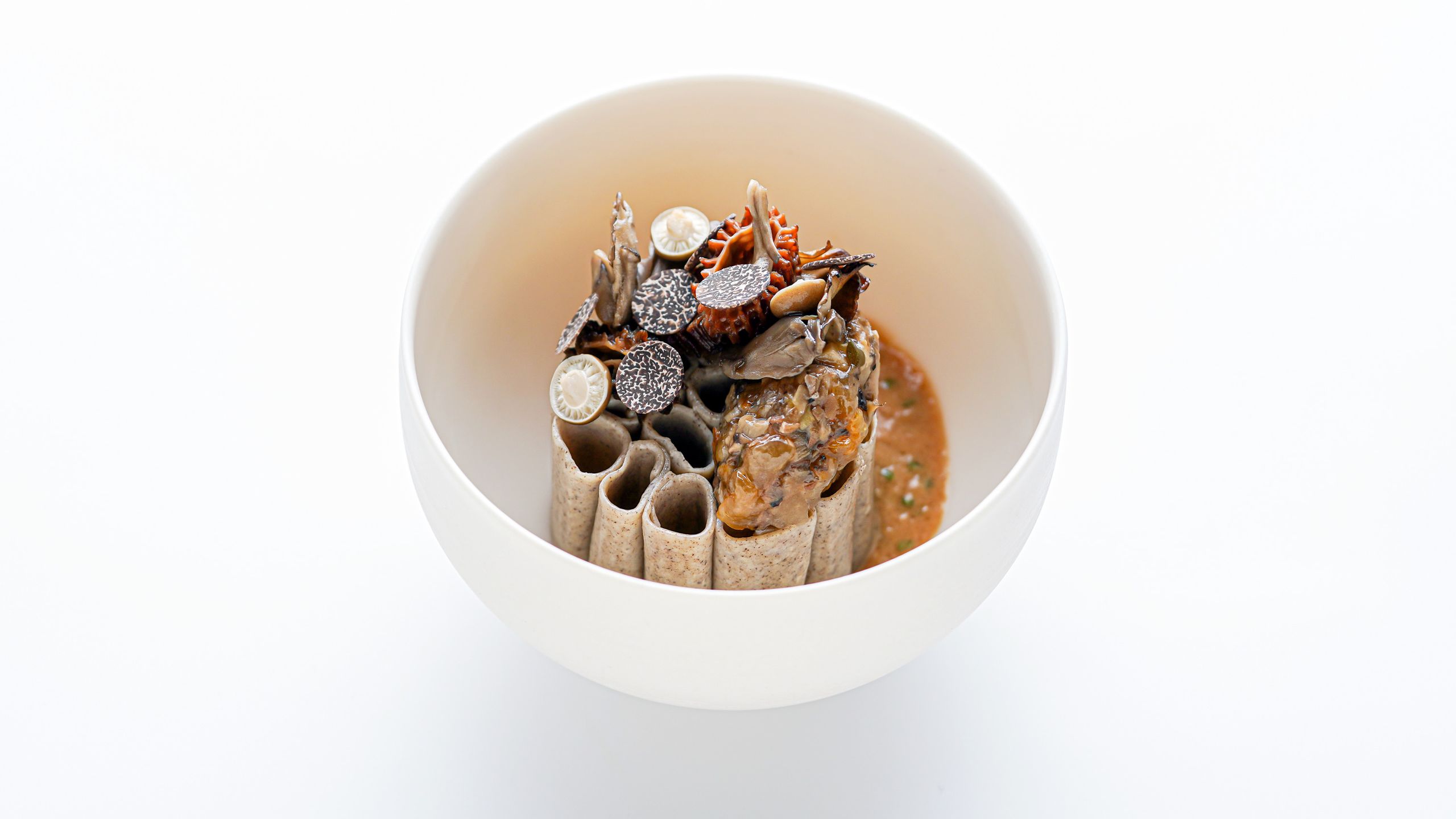
Opened last September, Old Tower is arguably the most ambitious fine-dining pescatarian restaurant in mainland China. It brings a warm yet minimalist vibe to the trendy Taikoo Li Sanlitun shopping district , very much thanks to chef Talib Hudda’s touch. Born in Canada and classically trained in French cuisine, Hudda has spent the past decade immersing himself in Chinese culture—yes, he speaks fluent Mandarin—which allows every dish to feel borderless in the ways he blends ingredients and techniques. The menu at Old Tower, guided by the seasons, spotlights Chinese and Thai ingredients (pristine seafood like black abalone, sting ray, and Mantis shrimp) and rural food traditions alike. The bread service is de rigueur French fine dining but gets a Tibetan twist, courtesy of elements like warm highland barley sourdough served with clotted yak milk. More standout dishes to look out for? A spicy razor clam chili crisp tempered with sweet yellow corn chawanmushi, and blue lobster with sticky rice and Northeast Chinese sauerkraut. Hudda's twists on both Kao Lao Lao, a rustic buckwheat pasta from the Shanxi province, and a delicately earthy mung bean vanilla cream dessert demonstrate innovative finesse and a deep respect for Chinese foodways. (Make sure to look around too: Hudda personally designed all the cabinets, tables, trolleys, and trays, and even sketched the brass detailing of ingredients like eggs, morels, and chestnuts that you see embedded into the floor.) Old Tower is the latest jewel in the crown of Hudda’s budding culinary empire: His previous restaurant, Refer, was the first in Beijing to secure a spot on Asia's 50 Best Restaurants list, and somehow this eponymous endeavor (老塔, meaning “Old Tower” in English, is Talib’s Chinese nickname) is even more refined. ––Amber Gibson

THE CLOUD by Käfer
Munich, Germany
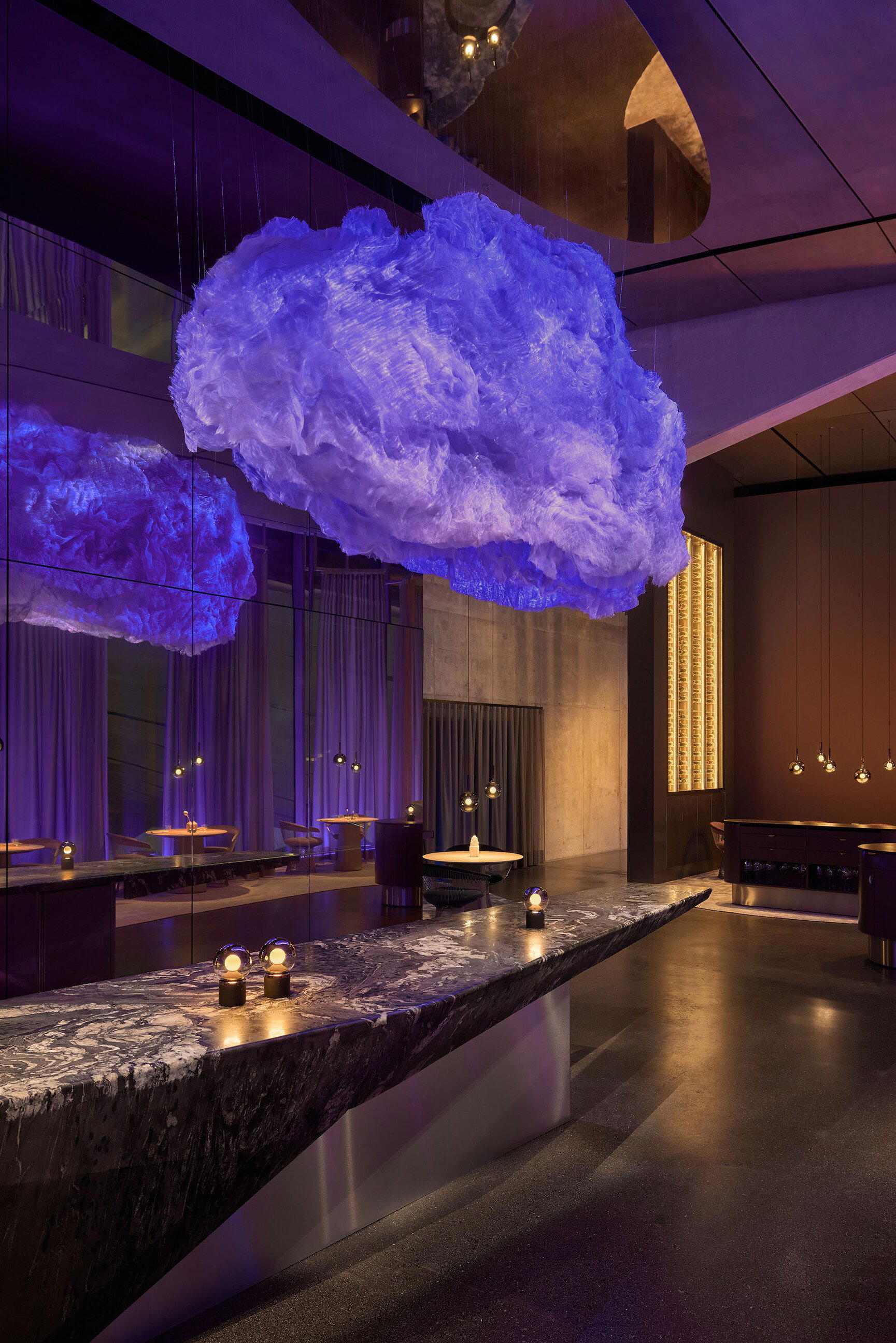
Set inside BMW Welt's striking glass architecture, THE CLOUD by Käfer in Munich operates on a rotating annual concept: each year, Chef Jens Madsen focuses his eight-course tasting menu on a specific region of the world, pairing local Bavarian produce with global culinary traditions. The current season draws from East and South Africa. Alcohol-free pairings are available alongside wine, and front-of-house standards match the ambition of the kitchen.

Norah
Edinburgh, United Kingdom
Norah brings an Irish-inflected sensibility to Edinburgh's all-day dining scene, anchored firmly in Scottish produce. Operating across breakfast, lunch, and dinner, it occupies a distinct position in a city where tasting-menu formality dominates the upper tier. The kitchen's dual heritage — Celtic in spirit, local in sourcing — gives it a character that sits apart from Edinburgh's Michelin corridor.

The Happy Crane
San Francisco, United States
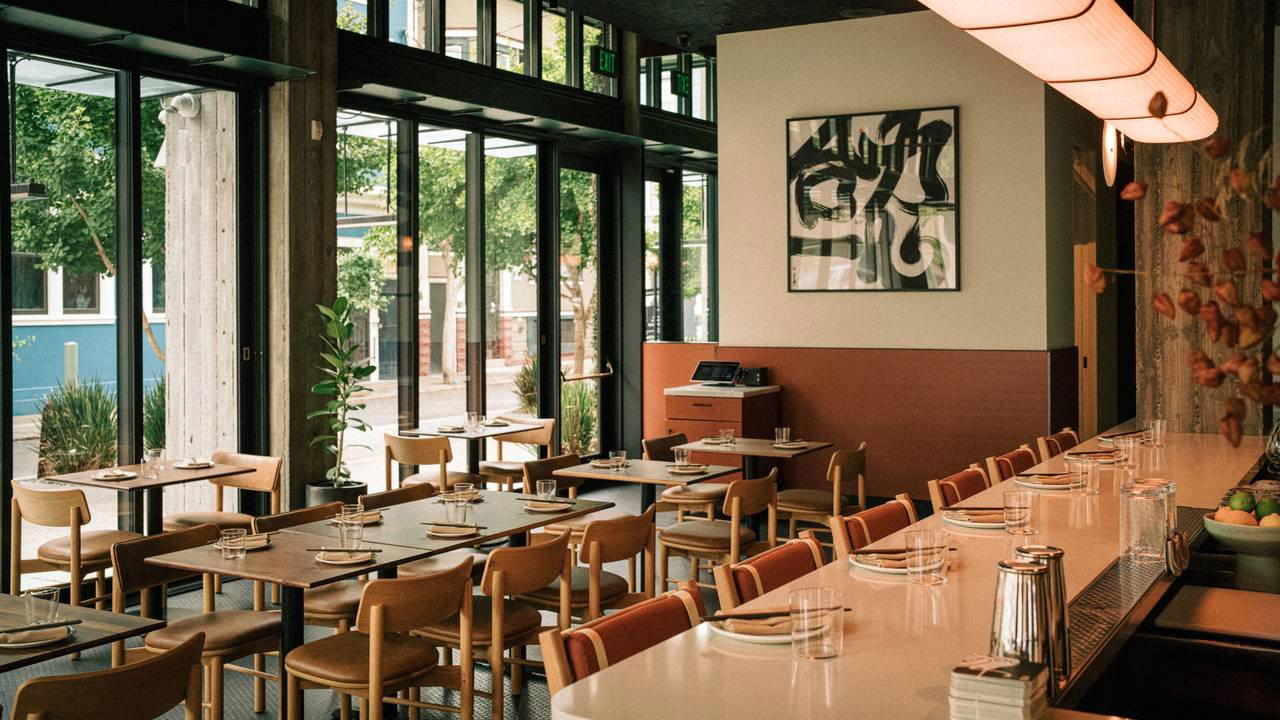
Named one of the San Francisco Chronicle's Best New Bay Area Restaurants for 2025, The Happy Crane at 451 Gough St brings a tradition-rooted approach to Chinese cuisine that sits apart from the city's more familiar Cantonese and dim sum circuits. The kitchen works from time-honored references while applying considered technique, producing a menu that earns its recognition without leaning on novelty for its own sake.

Kabawa
New York City, United States
Opened in March 2025 in the East Village's former Momofuku Ko space, Kabawa brings a three-course Caribbean prix fixe to New York's tasting menu tier. Chef Paul Carmichael, Barbados-born and Momofuku-trained across Má Pêche and Sydney's Seiōbo, builds a menu of roti, braised goat, and coconut turnover that reads as regional memory made precise. New York Magazine named it among the 43 best restaurants in New York for 2025.

Paradox
Mumbai, India
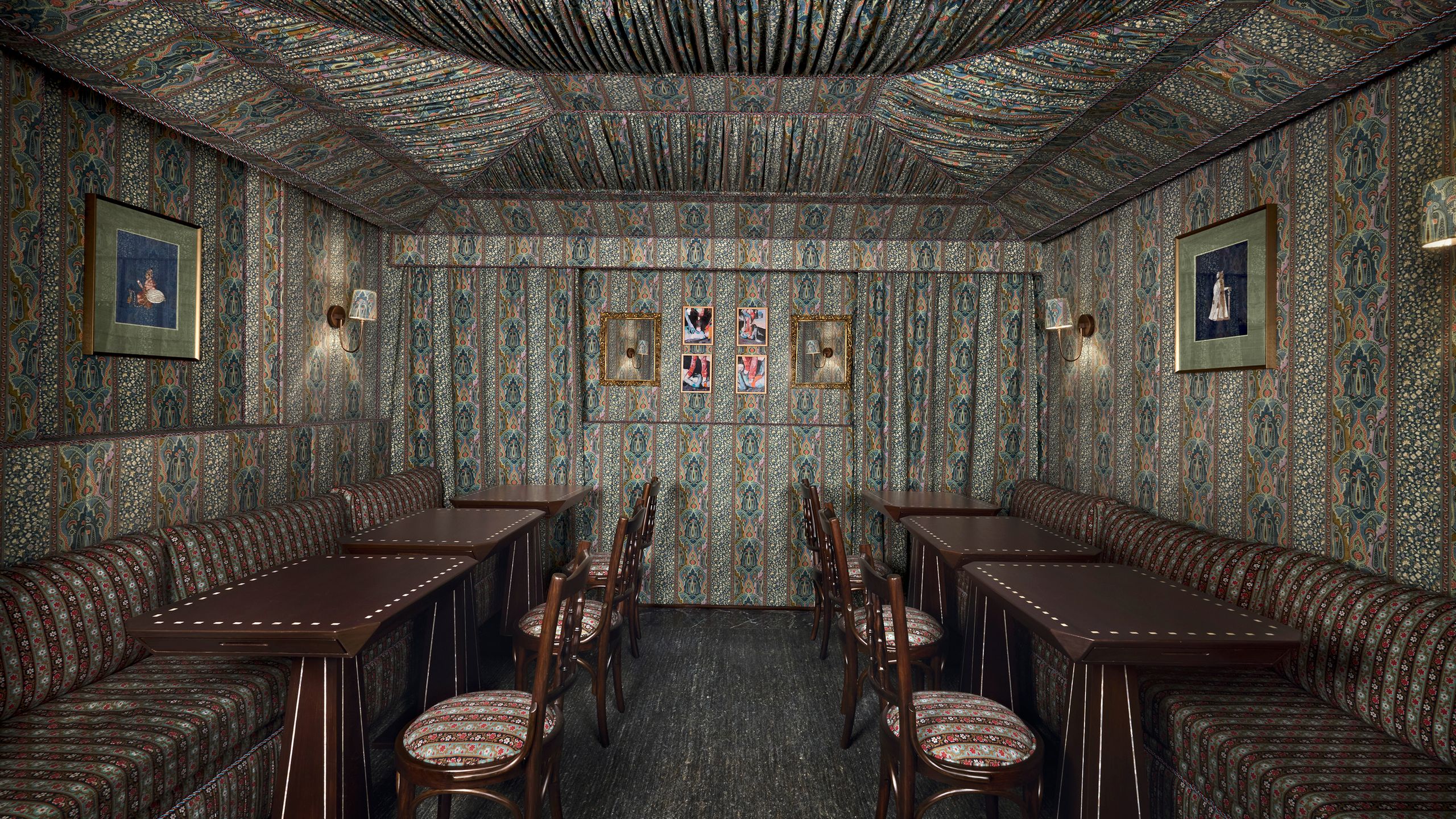
Restaurateurs Aditi and Aditya Dugar have helped shape contemporary Indian dining through their much-lauded fine dining restaurant, Masque. Just a stone’s throw away is the new Paradox—a modern Indian bar that riffs on Mumbai’s Art Deco legacy, with mixologist Ankush Gamre’s fingerprints all over it. After earning his chops behind the bar at Masque (where he currently oversees the drinks program) by pouring some of the most avant-garde cocktails in the city, the Dugars decided to give him his own playground. This new space is split into an intimate dining room below and a bar above. Designer Ashiesh Shah’s interior layers hand-embroidered textiles, deep green leather walls, and a beaded quadriptych into a distinctly subcontinental decadence. Gamre’s audacious but methodical cocktails form the heart of the experience. Named after H.P. Lovecraft’s tentacled fictional creature, Cthulhu folds tequila with squid ink, pandan, and citrus, while Sip Your Greens blends roasted tomato, celery, and kachri (a wild cucumber) with blanco tequila. Garnishes are as bold: Think shishito peppers filled with lemon gel or miniature ice cream cones crowned with butter-popcorn gel and crackling candy. In the kitchen, chef Varun Totlani revels in a more playful approach to food outside the tasting-menu format. He sends out everything from caviar-topped Brazilian cheese bread and mud crab finished with crisp boondi (fried chickpea pearls) to charred snap peas with winter sorghum, and even a staff-meal fried rice. Distinctly Indian ingredients from Rajasthan to Ladakh thread through the menu, making Paradox a creative expression of how India wants to eat and drink today. —Karina Acharya

Amura
Cape Town, South Africa
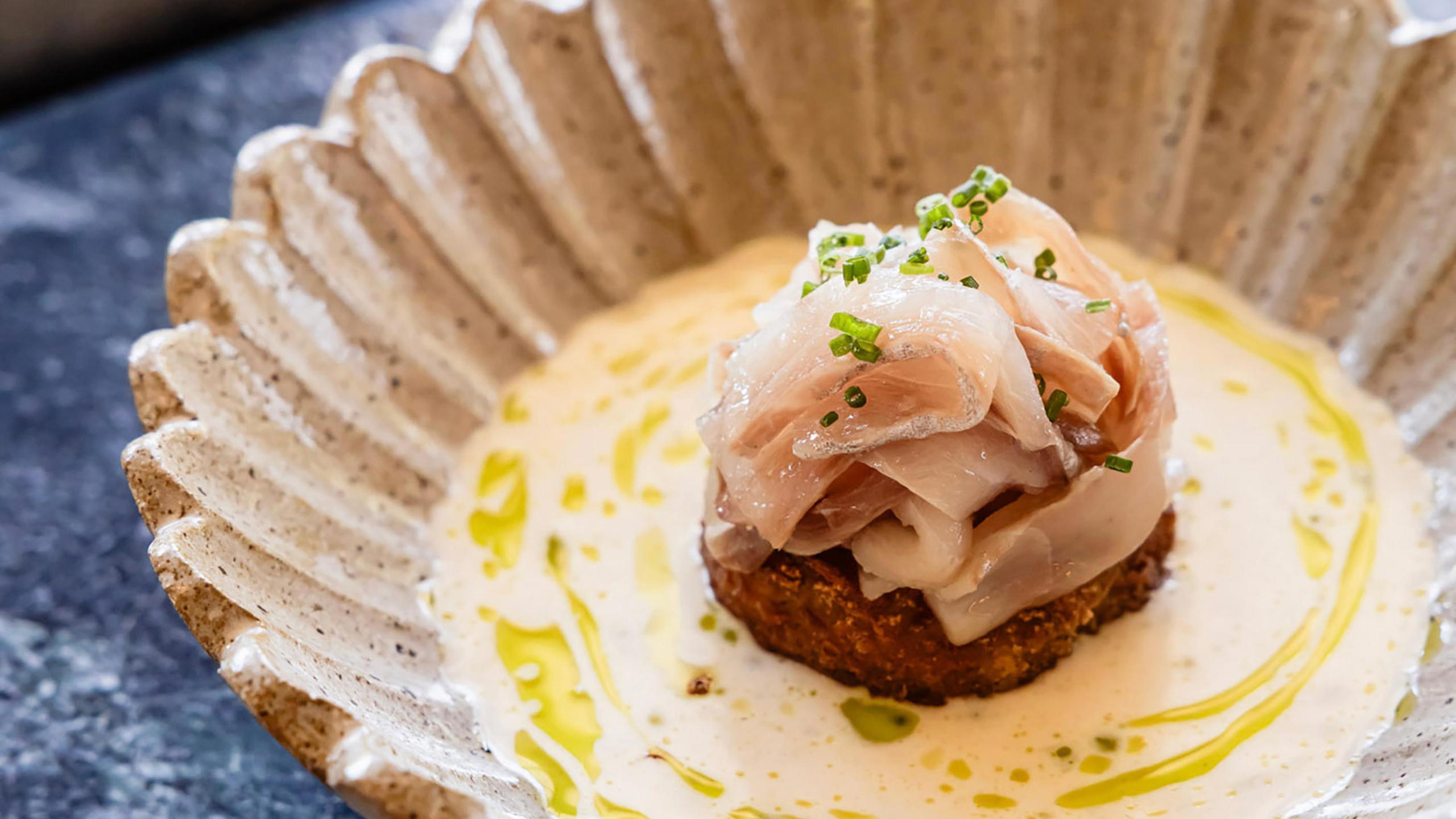
You’ll find Amura at the storied Mount Nelson, A Belmond Hotel, Cape Town , but there’s more to this restaurant than its enviable location. The menu reimagines the seafood-led approach of chef Ángel León (known for his restaurants Aponiente—a three-Michelin-starred institution—and Alevante in Cádiz, Spain) through a South African lens. Drawing inspiration from the Cape’s waters, the menu is concise yet innovative. A compelling introduction to this philosophy is the signature gilda (a classic Basque skewer), which combines smoked local catch, olives, anchovies, sun-dried tomatoes, and tart pickled peppers into one delightfully briny pintxo. Then there’s a palpably fresh yellowtail tartare in a zesty escabeche dressing, with pickled cucumber and emerald-green dots of herb-laden oil, and a juicy, nutty brioche prawn toast, crusted in sesame seeds, glazed in sweet-yet-savory gochujang, and served with a mayonnaise featuring fermented chile. The food is forward-looking and clever, threading global influences and bright flavors with impressive dexterity. Leading the kitchen is head chef Guillermo Salazar, an Aponiente veteran whose résumé includes New York’s Eleven Madison Park and Gramercy Tavern and San Sebastián’s Arzak and Akelare. The interiors—brought to life by Tristan du Plessis, an acclaimed South African designer known for his cinematic style—add to the experience too. The dining room evokes oceanic kelp forests without being overly clichéd: Think deep greens, warm timber, and bronze accents that frame soaring ceilings and a dramatic double-height wine library, all creating a setting that is both regal and a little sexy. It’s a pleasant relief to settle into a buzzy atmosphere that feels inclusive rather than haughty or performative. The setting is oiled by a drinks program that continues the marine theme, with cocktails using kelp infusions and botanicals from the Mount Nelson gardens. My gin-based Sea Salt captured the salinity and freshness of a sea breeze, inviting a deep ahhh after each sip. For oenophiles there are Andalusian sherries and Cape wines too. You may not expect it from a restaurant so focused on coastal heritage, but it all wraps up perfectly with a caramelly flan—accompanied by a dollop of mint green spirulina chantilly, of course. —Toyo Odetunde

Bistro Lolo
Nairobi, Kenya
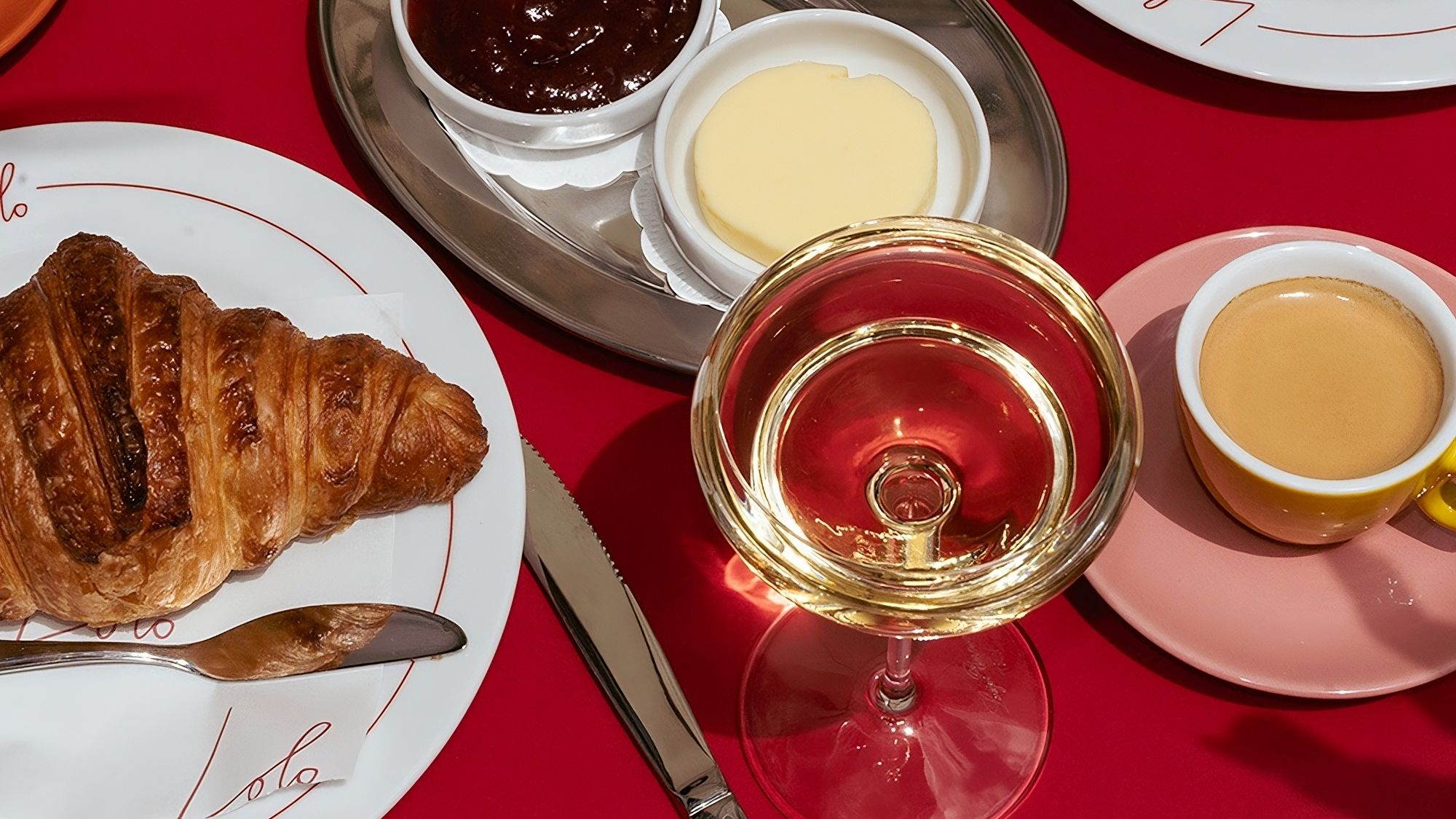
Set inside a restored 1970s villa by the same architect behind Nairobi’s landmark KICC tower (often considered the city’s equivalent of the Eiffel Tower), hotel Céline & Lolo feels like stepping back in time while also capturing the spirit of modern Nairobi. The retro building has been carefully preserved but now houses a design-led boutique hotel. Its restaurant is Bistro Lolo, a brasserie-style spot that channels a “ Mad Men in Paris” but make-it-the-tropics energy, with warm woods, soft lighting, and a dining room that hums with life. At the kitchen’s helm is Dutch chef Richard Loeff, whose classically French menu—think steak frites, croque-monsieur, and œuf mayo—is reimagined with Kenyan produce. The standout dish is the triple-cooked fries, made from locally grown highland potatoes, though there is also bright seafood sourced from the Kenyan coast. At Bistro Lolo, the food is comforting, but the space toes the line between polished and relaxed, with crisp tablecloths, good wine from France and South Africa, and the clink of cutlery signaling a new kind of dining culture in Nairobi. It’s quickly become the city’s most talked-about table, and for good reason. —Sharon Machira
.jpg?width=3840)
Yiaga
Melbourne, Australia
There’s no denying that thirty-something wunderkind chef Hugh Allen is a force to be reckoned with. The Melbourne native is simultaneously steering two three-hatted restaurants (Australia’s equivalent of the Michelin star) in his hometown: sky-high fine dining stalwart Vue de Monde, where he is executive chef; and Yiaga, his first venture as co-owner and chef, which was awarded the prestigious three hats just as many months after opening. It’s exactly where Australia’s who’s who are dining right now. Yiaga sits amongst verdant greenery, nestled in the 64-acre historic Fitzroy Gardens and found within a former pavilion café elegantly re-envisioned by architect John Wardle. It’s an irrepressible ode to craftsmanship, both off and on the plate. Inside, over 15,000 ridge ochre tiles, sustainably sourced Tasmanian Blackwood timber, and leather-formed dining chairs by designer-maker Jon Goulder fill the interior. Plates, cutlery, vases, and lighting are individually custom-made by Allen’s creative peers. Yiaga’s degustation menu is distinctly Australian—meaning, inventive and collaborative. Expect both 100% grass-fed Blackmore wagyu and wild wakame seaweed foraged from the Victorian coast. A standout is coconut tofu topped with roasted macadamia oil, N25 Oscietra caviar, and shavings of makrut lime—best eaten with a pewter-dipped hand-carved Australian cattle horn spoon, naturally. —Joanna Kawecki

Rovello
Milan, Italy
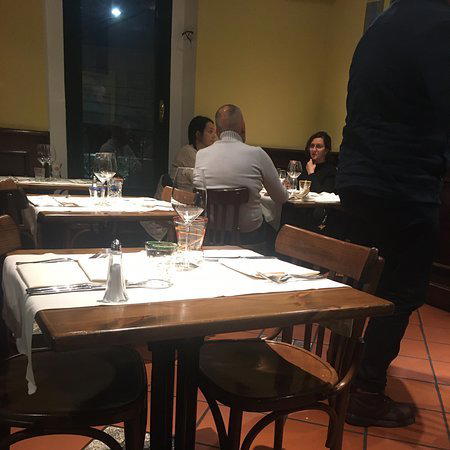
Rovello sits in a different competitive bracket from Milan's €€€€ tasting-menu circuit, offering a classically rooted Italian menu with daily specials, a counter where meat, fish, and vegetables are prepared in front of guests, and a Michelin Plate recognition earned across 2024 and 2025. The atmosphere runs closer to animated neighbourhood bistro than formal dining room, making it one of the more grounded choices at the €€€ price point in central Milan.

Golden Avenue
Brisbane, Australia
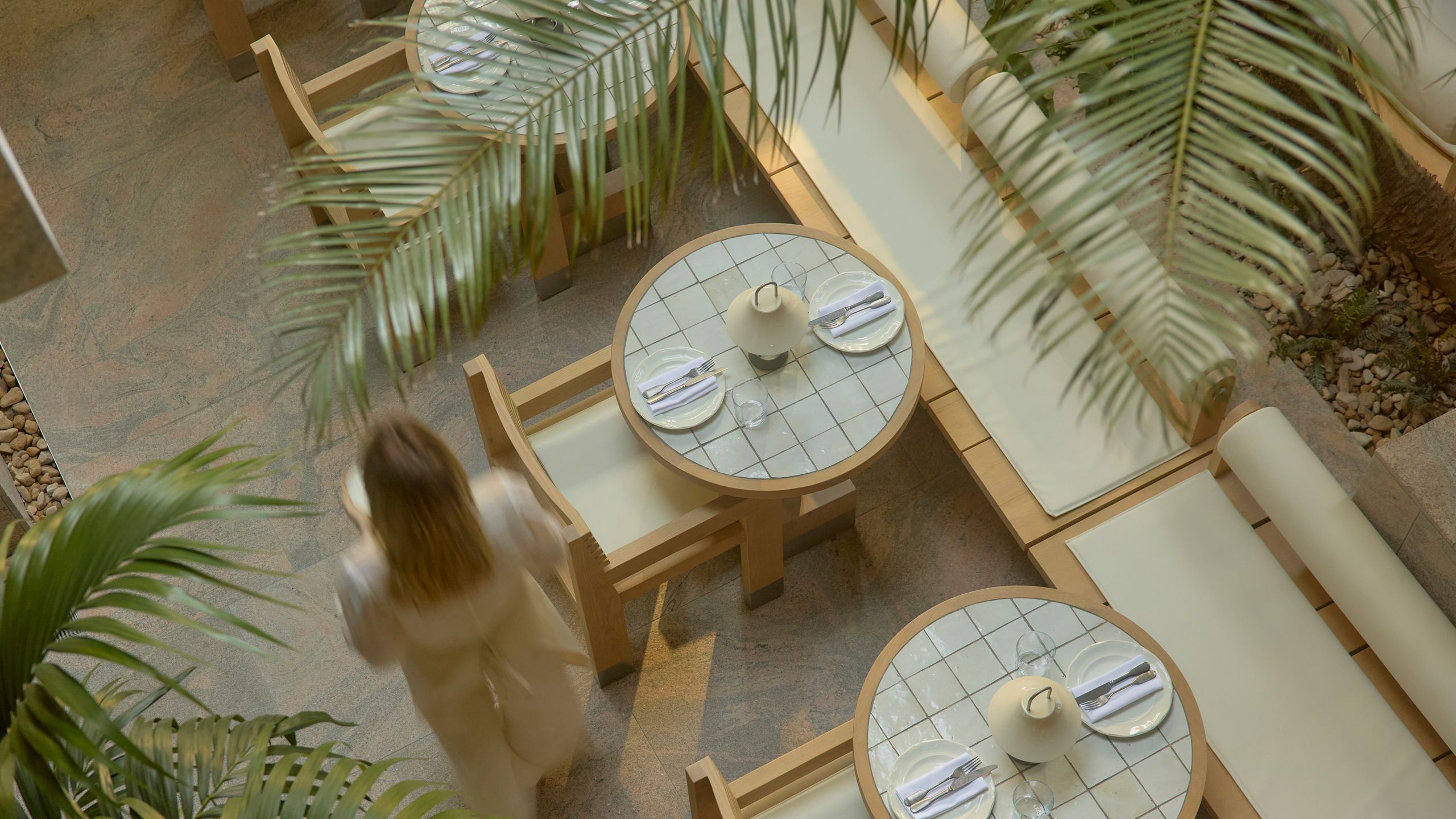
An oasis in the heart of the city, Golden Avenue is Brisbane’s hottest new dining destination and a reflection of the fast-growing city’s appetite for architecture, design, and cuisine—in this case, a Middle Eastern-inspired masterpiece. Converging under arching subtropical palm trees set amongst concrete and Juparana granite pillars, this is design firm J.AR Office’s version of the Gardens of Babylon. It’s fitting, as Golden Avenue celebrates the best of Levantine Australian fare and shared feasting. Freshly delivered Spring Bay Australian blue mussels are wood-grilled, prepared with fennel, roasted rice cream, and lemon, served directly on Grit Ceramics handmade flameware. Housemade labneh, strained for 24 hours, is wrapped in brined vine leaves and served with a clever house-fired potato bread to dip. For dessert, co-owner and culinary director Ben Williamson blends his travels across the world to form his very own sweet creation: dried rose petals atop frozen yoghurt parfait slices (with Iranian pistachios) covered in a thin and stretchy mochi coating. This is the first CBD-based restaurant from trailblazing hospitality group Anyday, and Williamson leads the charge alongside head chef Tim Yates, who meticulously creates these refined dishes that are both vibrant and generous. —Monique Kawecki

Carbone
London, United Kingdom
New York City’s Carbone is synonymous with A-listers and fashionable figures, with mere mortal foodies refreshing their emails over and over again in the hopes of securing a coveted reservation. Now, a palpable sense of excitement—and smugness—hangs in London’s air, as the city has gained its own outpost of the scene-y eatery. Upstairs, tables are laden in crisp tablecloths, and the bar casts a golden light over rich cerulean and scarlet decor; below, a buzzy cocktail lounge flows into a sultry, subterranean dining space with its recognizable checkered floor; diners on the terrace, meanwhile, people-watch over this corner of Grosvenor Square. The front-of-house team struts between banquettes in velvety Zac Posen-designed tuxedos as heaping bread baskets hit tables, and Parmesan wheels are ceremoniously picked at until they crumble in chunks onto side plates. Yes, the signature spicy rigatoni vodka is on the menu, and the gargantuan melt-in-the-mouth meatballs are not to be missed either. Discreet stomach rubbing and wine-swirling often ensue before the main event lands in the center of the table: in my case, the veal Parmesan with its tomato-and-cheese toppings glowing under the light of an Art Deco table lamp. Just when you’re ready to admit defeat, the team will persuade you to indulge one final time with a spread of desserts on a shimmering silver platter beside you. Say yes. This is the kind of restaurant where you can lose hours in a mesmerizing, sweet-scented crimson blur and still not be ready to leave. —Connor Sturges
Overview
Conde Nast Traveler's 2026 Hot List Restaurants highlights 34 notable new restaurants around the world.
This list represents the restaurant portion of Conde Nast Traveler's 2026 Hot List. The source is editorial and unranked, so Pearl preserves membership without assigning rank values.
The 2026 Hot List Restaurants selection surfaces standout new dining destinations across global travel cities.
Quick Facts
- Publisher
- Conde Nast Traveler
- Edition
- 2026 Hot List
- Coverage
- Global restaurants
- List Size
- 34 restaurants
- Released
- April 23, 2026
About This Edition
Released on April 23, 2026, this edition is stored as an unranked list because the source does not publish restaurant ranks.
Frequently Asked Questions
Is the Conde Nast Traveler Hot List Restaurants list ranked?
How many restaurants are included?
How many of these have you visited?
Find out on Pearl and keep score across every place in 2026 Conde Nast Traveler Hot List Restaurants.