

Black Diamond 3 Diamond Restaurants 2025
Black Diamond’s three‑diamond rating denotes extraordinary, destination‑worthy excellence and a top‑tier experience.

Venues on this list
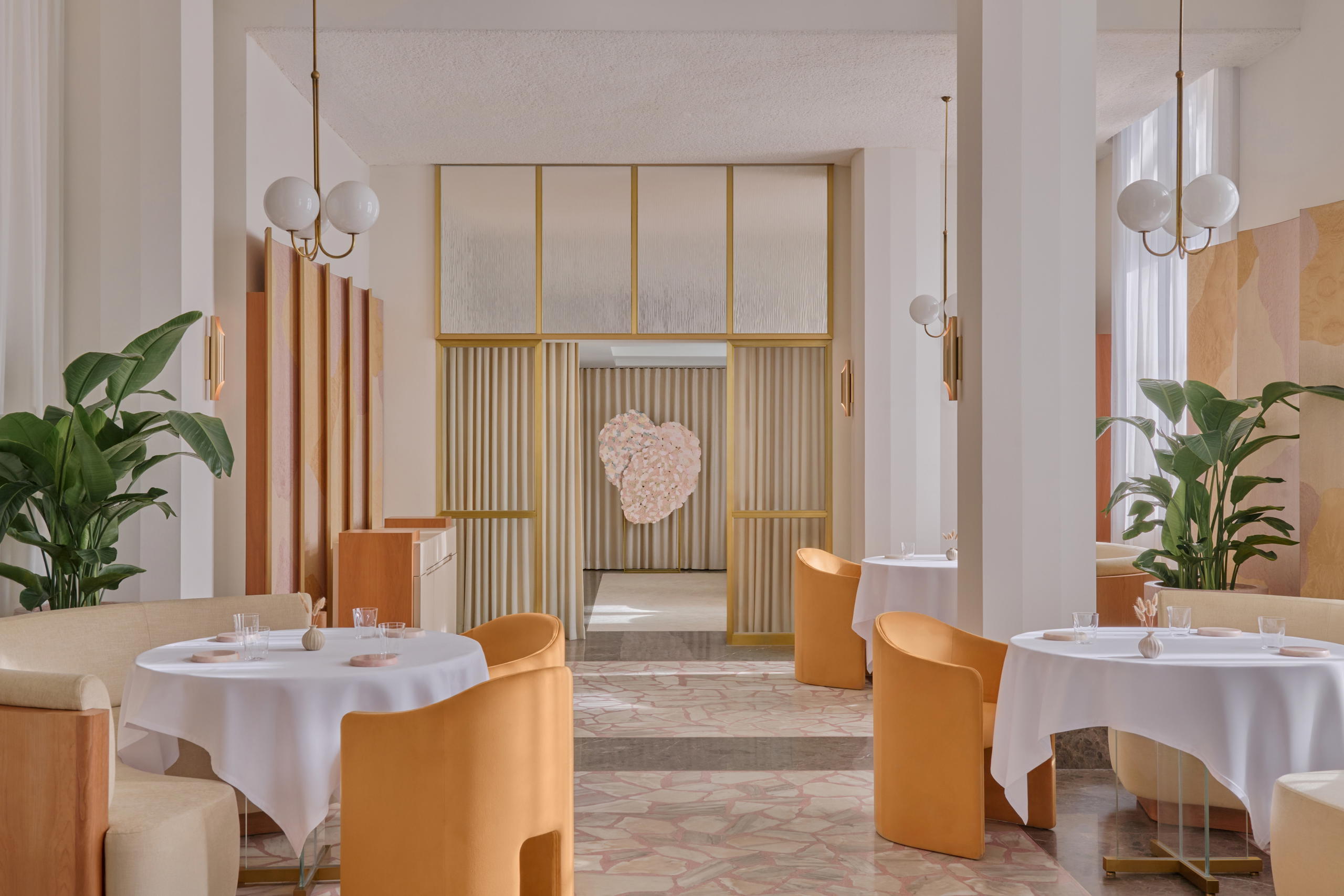
Odette
Singapore, Singapore
Odette is a restaurant at the National Gallery Singapore.
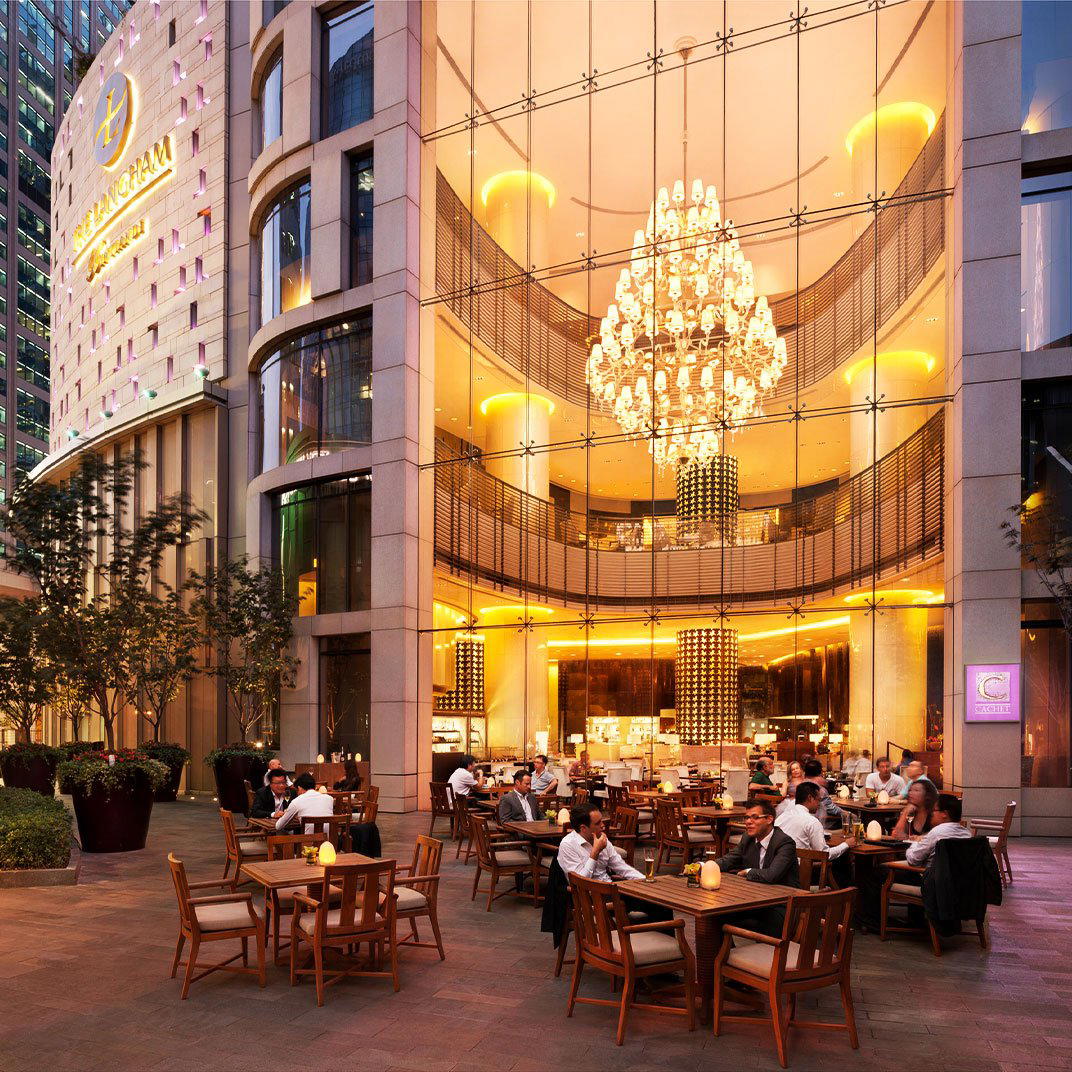
Yong Fu (Huangpu)
Shanghai, China
Yong Fu (Huangpu) holds a Michelin star; making it the most credentialed Ningbo-cuisine restaurant in Shanghai. The kitchen is built around wild-caught seafood shipped daily from Ningbo, with a menu that shifts meaningfully by season. Book three to four weeks out minimum; this is not an easy reservation.
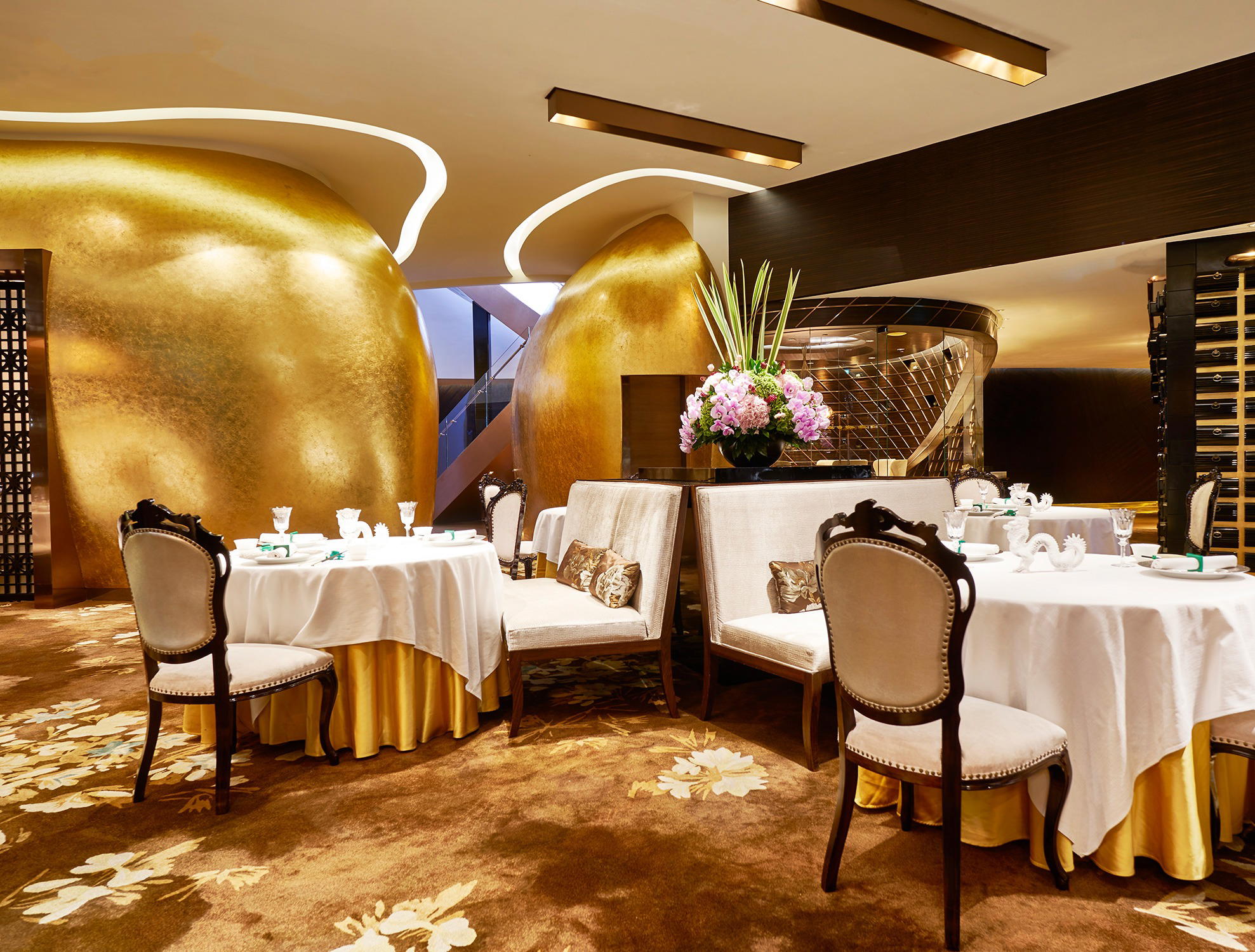
Jade Dragon
Macau, Macau
Jade Dragon is a Cantonese restaurant at City of Dreams Macau.
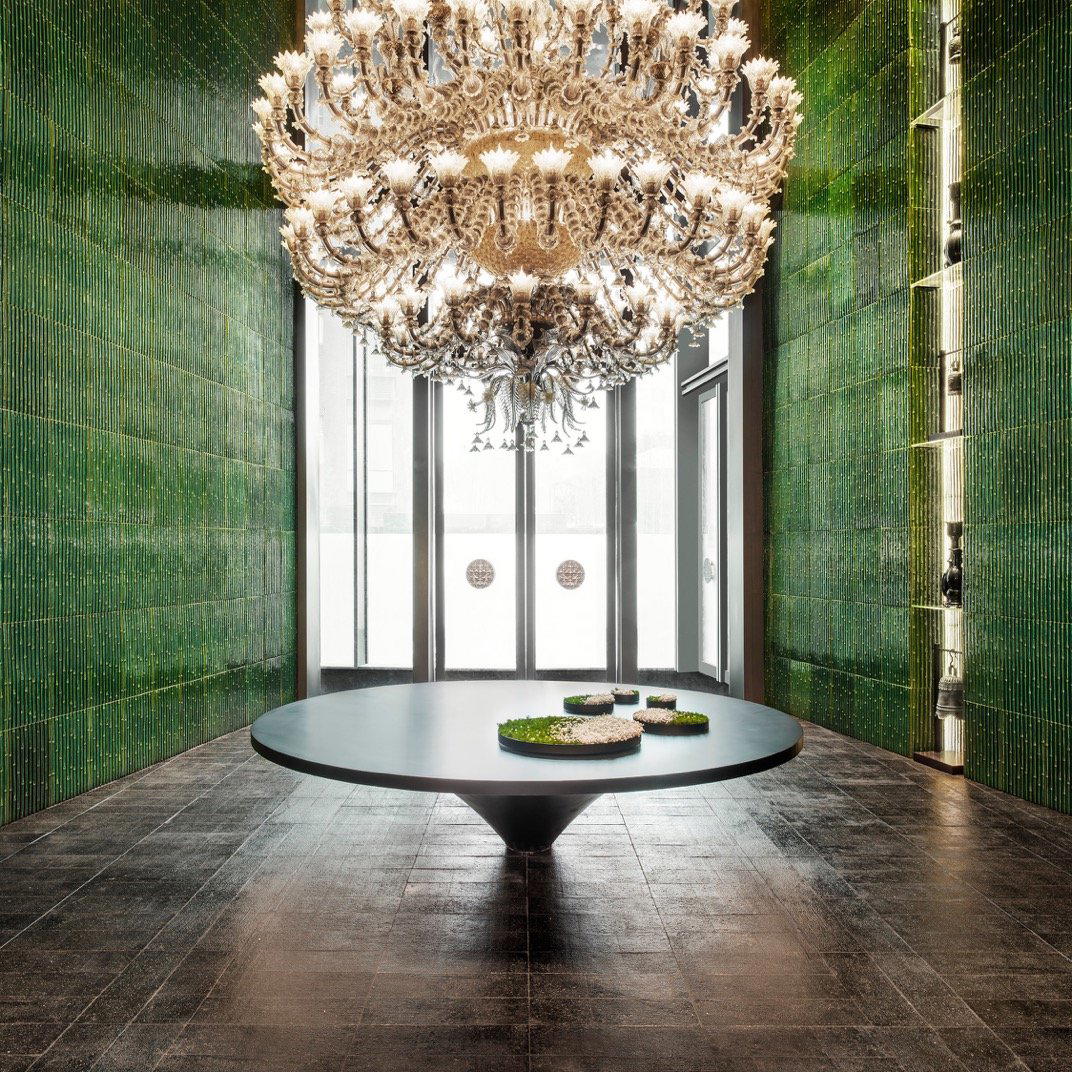
Gastro Esthetics DaDong
Beijing, China
Beijing's most decorated DaDong address, holding a Michelin 1 Star (2024) and Black Pearl 3 Diamond (2025) at ¥¥¥ pricing. The 2021 refitted flagship goes well beyond the signature duck, with tableside sea cucumber and seasonal seafood that reward a return visit. Book three to four weeks ahead; tables at this level move fast.
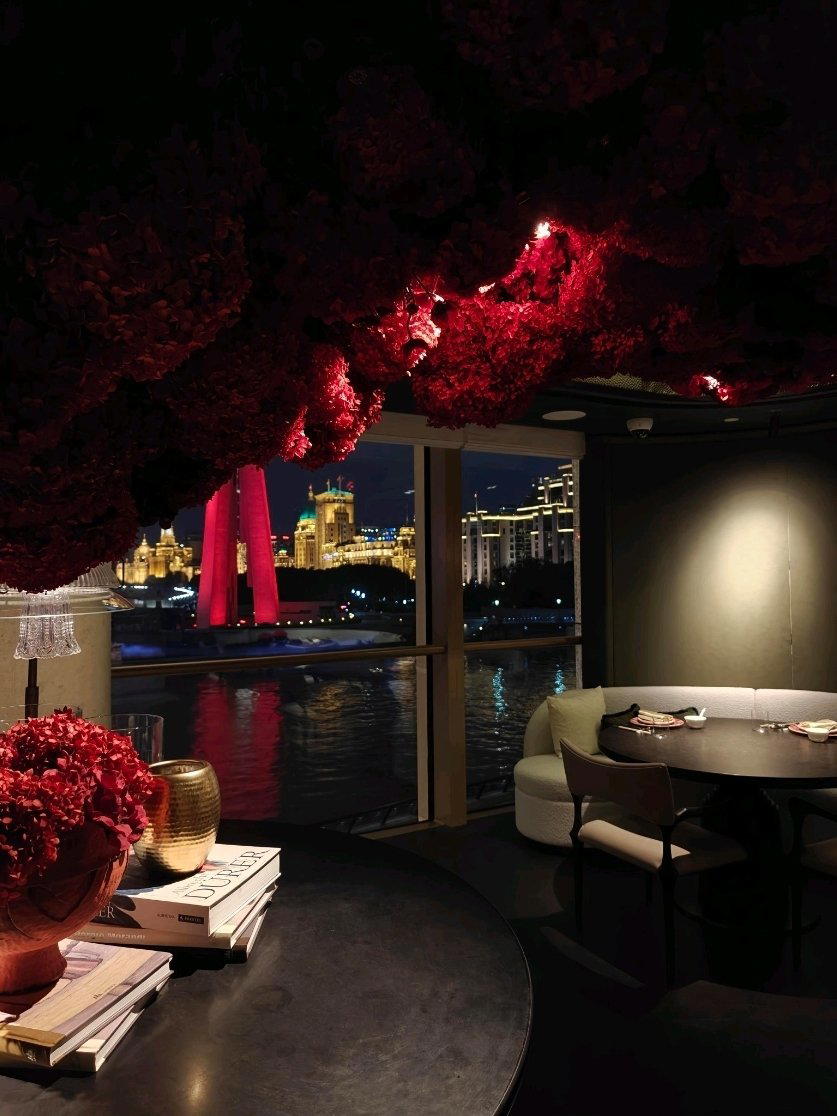
Amazing Chinese Cuisine
Shanghai, China
Amazing Chinese Cuisine is a restaurant in Shanghai's Changning district.
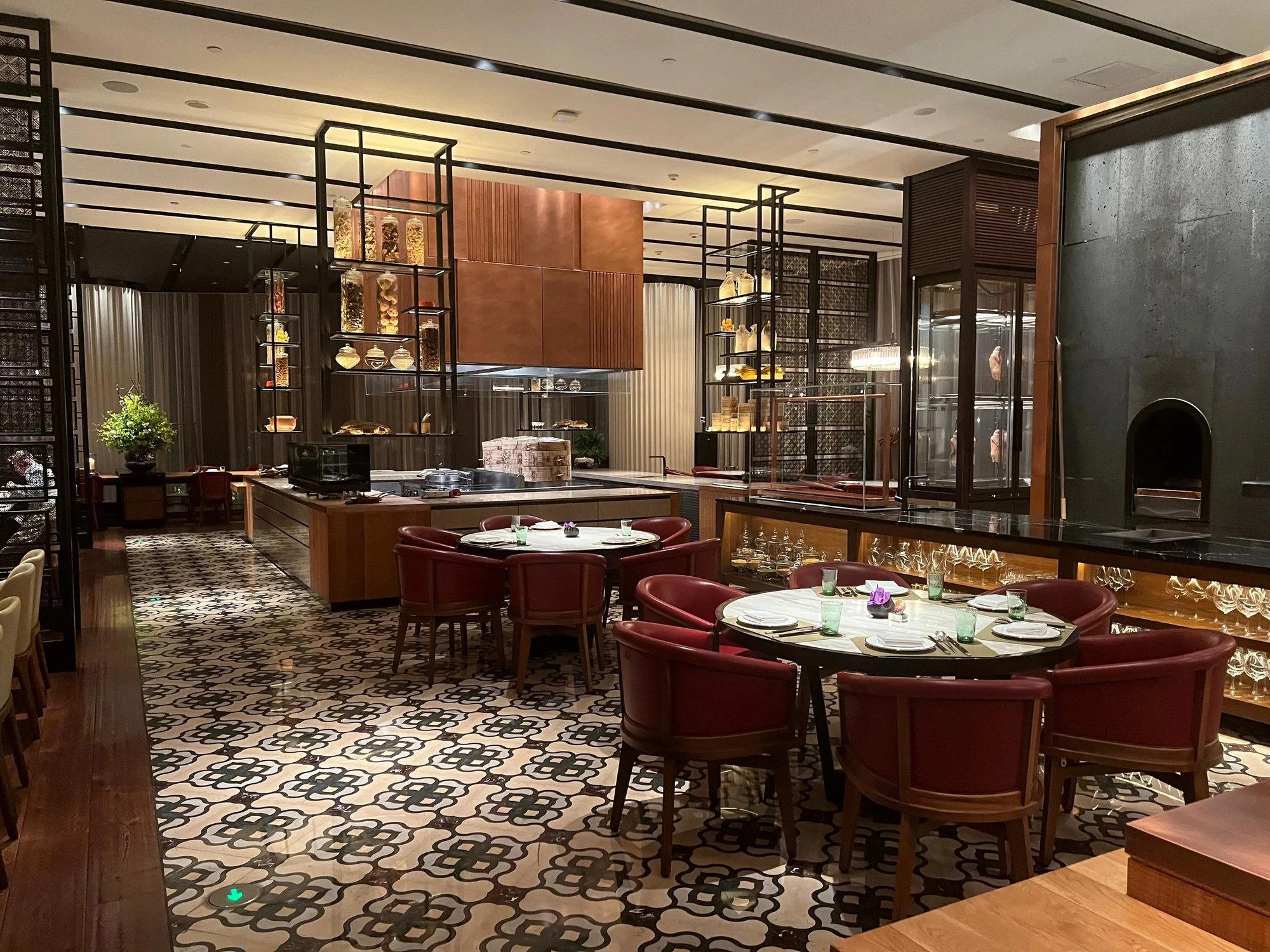
Xinrongji
Taizhou, China
Xinrongji holds a Black Pearl 3 Diamond award for 2025; the highest tier in China's leading fine-dining recognition system; making it the strongest restaurant on record in Taizhou. Booking is easier than comparable restaurants in Beijing or Shanghai, with one to two weeks usually sufficient. A deliberate choice for food-focused travelers moving through Zhejiang province.
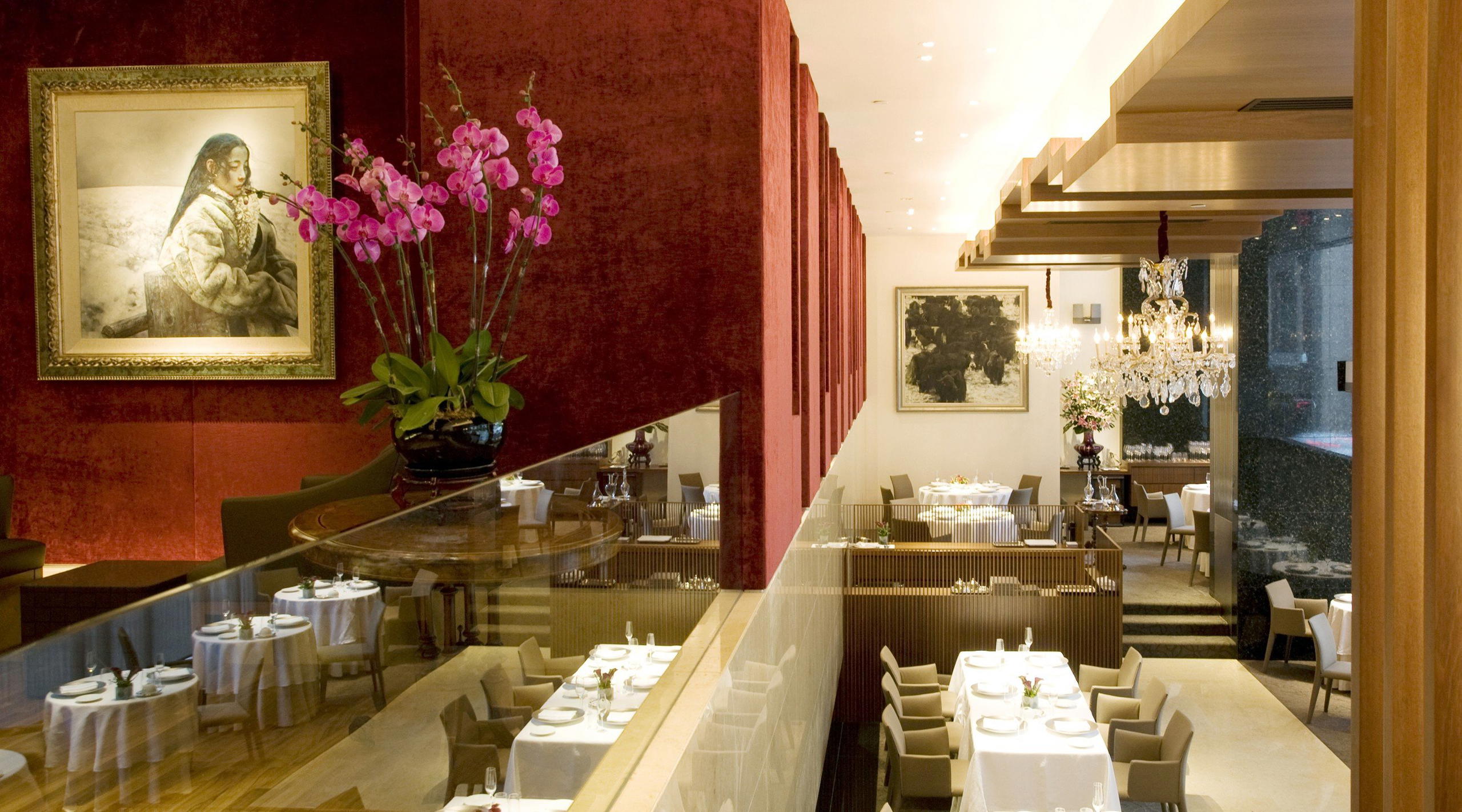
Les Amis
Singapore, Singapore
Les Amis serves French haute cuisine at Shaw Centre in Singapore.
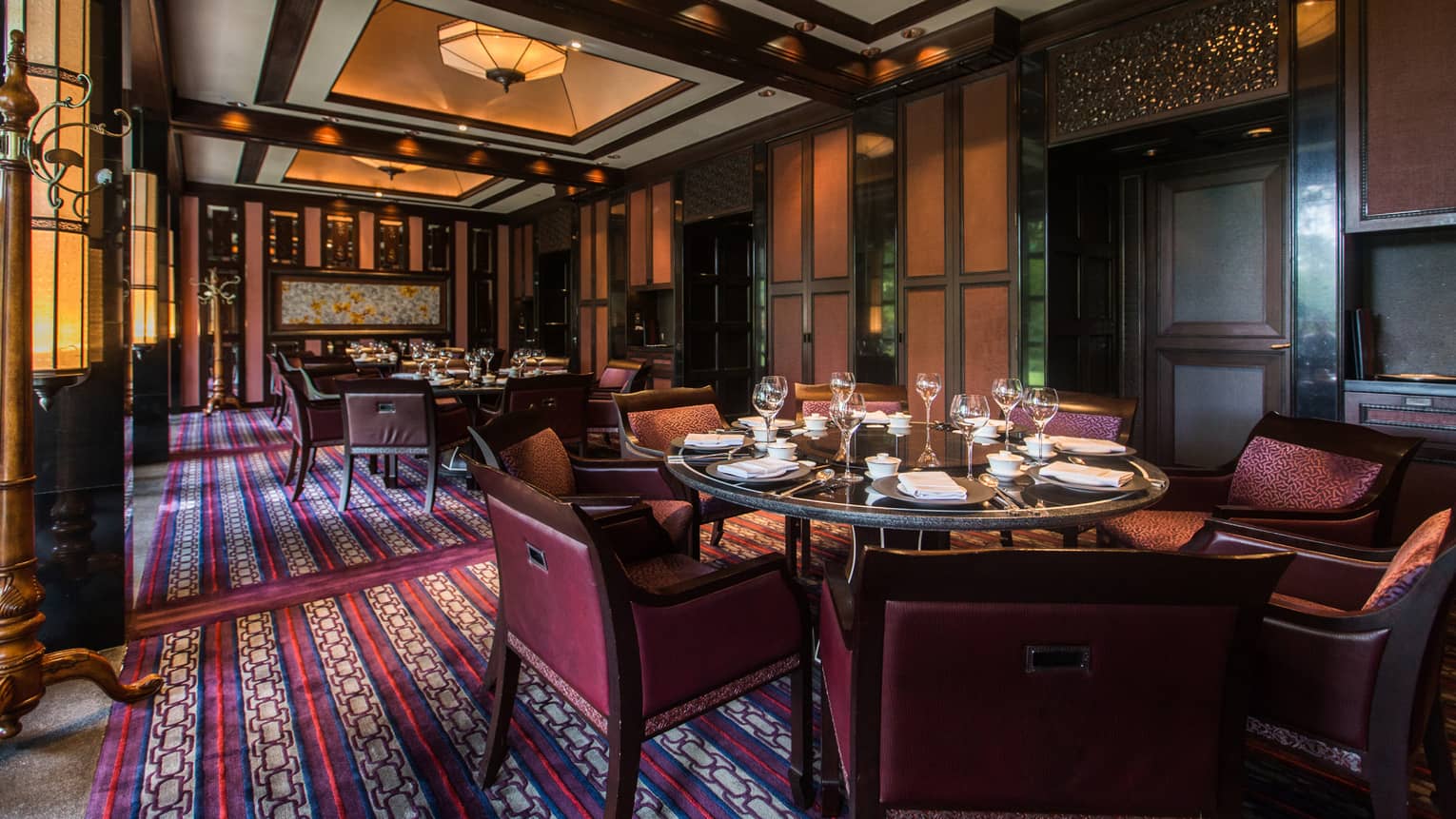
Jin Sha
Hangzhou, China
Jin Sha is a restaurant at Four Seasons Hotel Hangzhou at West Lake.
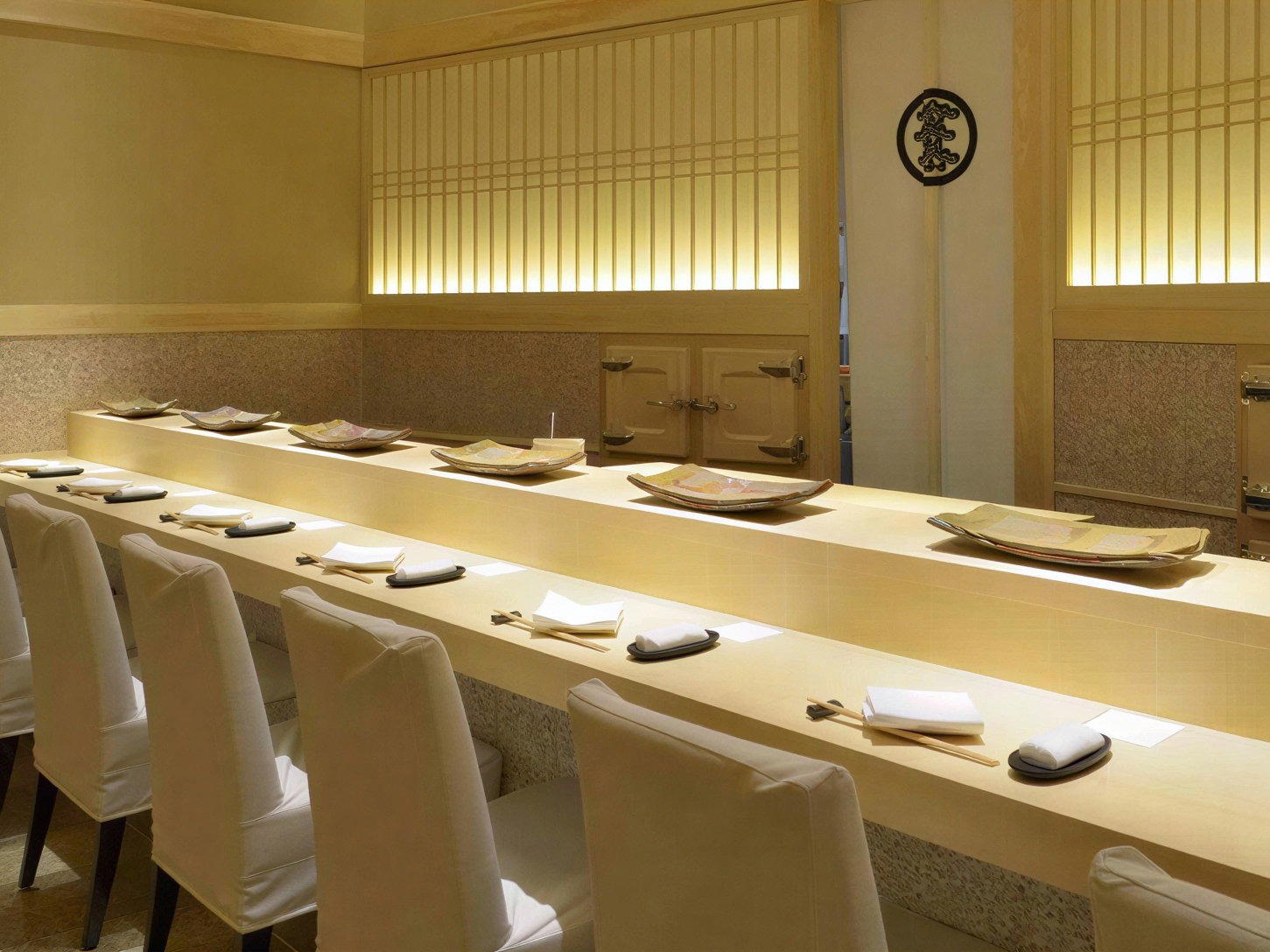
Saito
Tokyo, Japan
Saito is a restaurant in Roppongi, Tokyo.
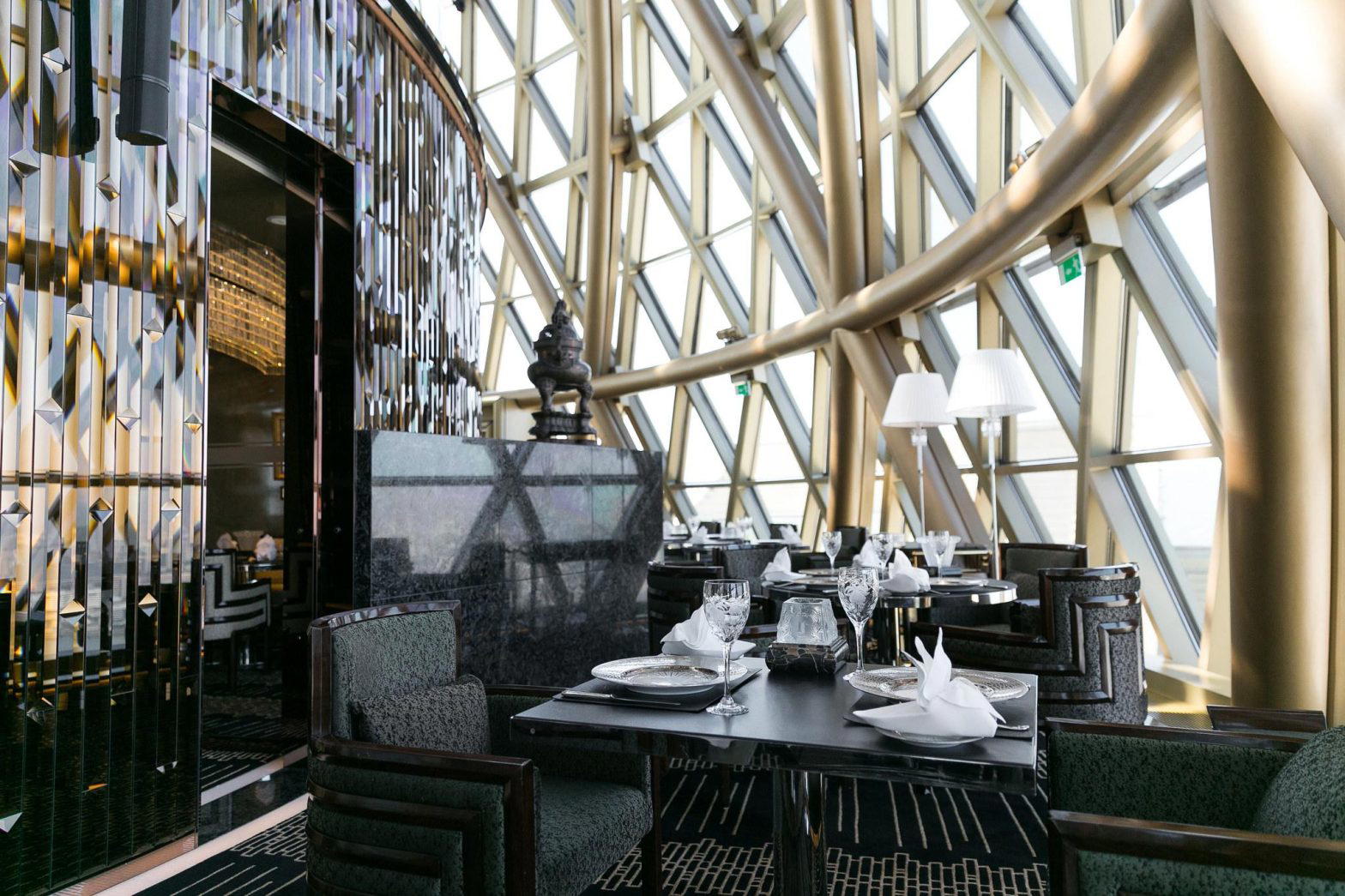
Robuchon au Dôme
Macau, Macau
Robuchon au Dôme is a French restaurant at Grand Lisboa in Macau.
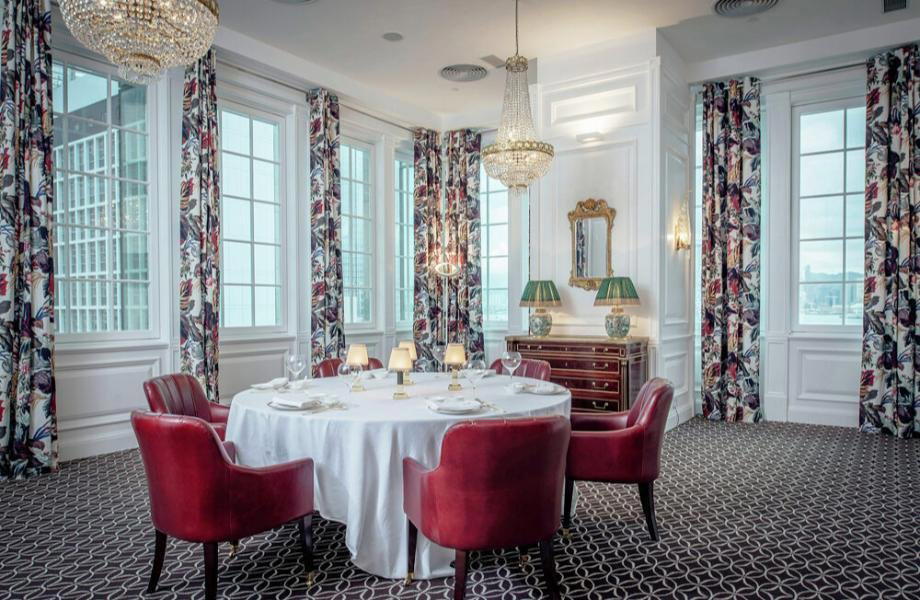
Howard's Gourmet
Hong Kong, Hong Kong
Howard's Gourmet holds La Liste 96 points in both 2025 and 2026 alongside a Black Pearl 3 Diamond, placing it among Hong Kong's most consistently recognised restaurants. Located on the fifth floor of CCB Tower in Central, it is a strong choice for a serious meal in the business district. Booking is rated easy relative to its award tier, which is a genuine advantage.
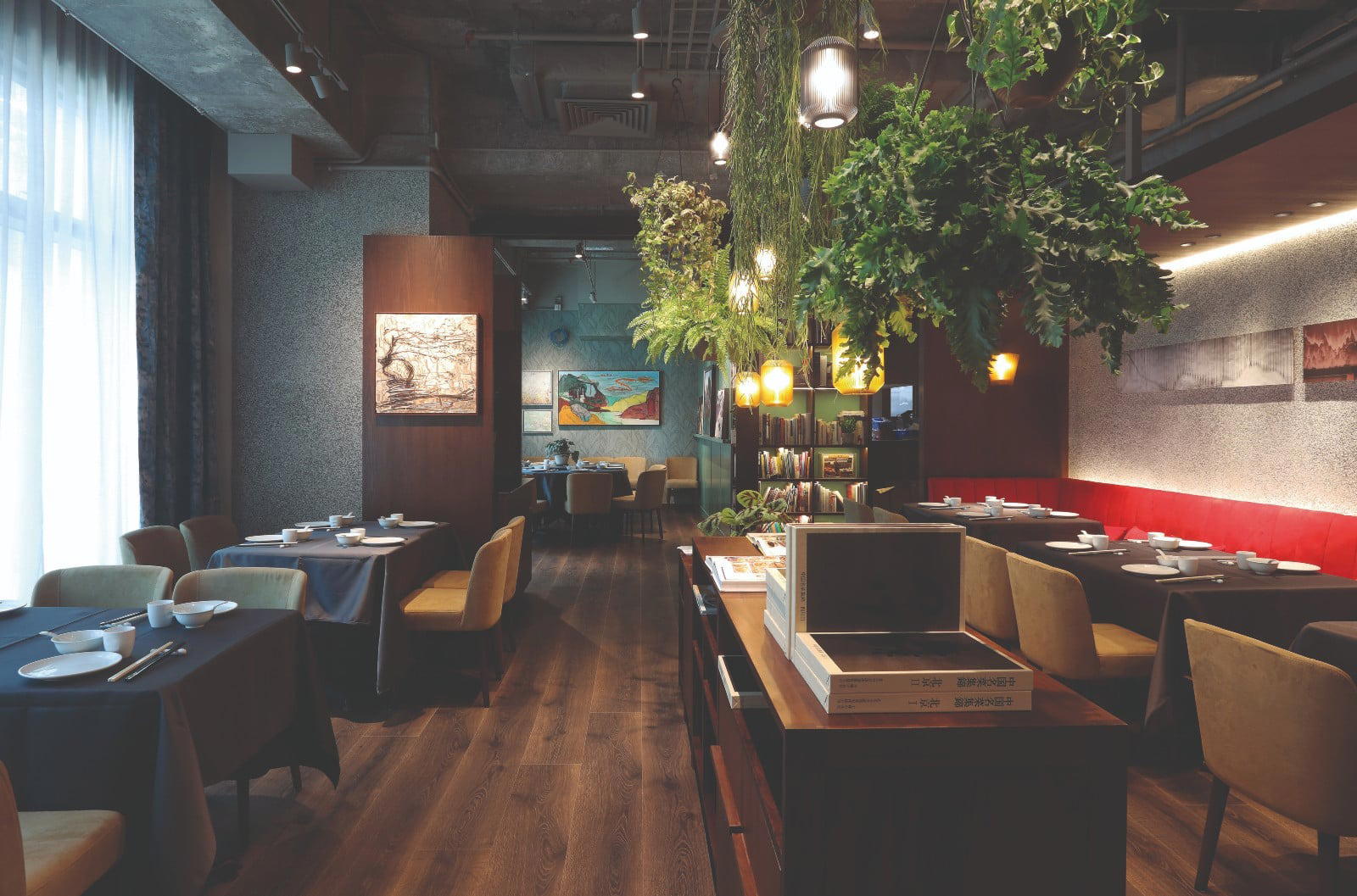
The Chairman
Hong Kong, Hong Kong
The Chairman is a restaurant at 198 Wellington Street in Central, Hong Kong.
Overview
The 2025 Black Diamond 3 Diamond edition recognizes 12 restaurants across 8 cities in 4 countries. The list concentrates heavily on Greater China and Southeast Asia, with representation from mainland China, Hong Kong, Macau, Singapore, and Japan. Half of the awarded restaurants are Chinese-focused establishments, including Jin Sha in Hangzhou and The Chairman in Hong Kong.
This edition spans 8 cities across 4 countries, with the strongest concentration in Greater China. Six restaurants operate in mainland China (Beijing, Hangzhou, Shanghai, Taizhou), while Macau and Singapore each claim two spots. Hong Kong and Tokyo round out the list with one restaurant each. The selection emphasizes Chinese cuisine across multiple regional styles, from Hangzhou's Jin Sha to Taizhou's Xinrongji. Singapore's entries; Odette and Les Amis; represent a departure from the Chinese-dominant theme, as does Tokyo's Saito. Macau's two selections include both Chinese fine dining at Jade Dragon and French haute cuisine at Robuchon au Dôme.
The 2025 Black Diamond 3 Diamond guide awards 12 restaurants across Asia's dining capitals. The list skews heavily toward Chinese cuisine, with establishments in Hangzhou, Beijing, Taizhou, Shanghai, Hong Kong, and Macau representing regional styles from Jiangnan to Cantonese. Singapore contributes two entries; Odette and Les Amis; while Tokyo's Saito represents Japan. The geographic focus is tight: all 12 restaurants operate within East and Southeast Asia, with no representation from Europe, the Americas, or other regions. The concentration in Greater China (9 of 12 restaurants) defines this edition's character.
Quick Facts
- Total Restaurants
- 12
- Countries
- 4
- Cities
- 8
- Greater China
- 9 restaurants
- Singapore
- 2 restaurants
- Japan
- 1 restaurant
- Mainland China
- 6 restaurants
- Hong Kong/Macau
- 3 restaurants
About This Edition
This edition of the Black Diamond 3 Diamond guide concentrates on a specific geographic and culinary corridor. Nine of the 12 restaurants operate in Greater China, spanning mainland cities like Hangzhou and Taizhou alongside the special administrative regions of Hong Kong and Macau. The emphasis on Chinese cuisine is deliberate, with restaurants like Jin Sha, Gastro Esthetics DaDong, Xinrongji, The Chairman, Amazing Chinese Cuisine, and Jade Dragon all specializing in various regional Chinese styles. The three non-Chinese-focused entries provide contrast: Singapore's Odette and Les Amis represent contemporary French and modern European approaches, while Tokyo's Saito adds Japanese perspective. Macau claims two spots with both Chinese fine dining and French haute cuisine, reflecting the territory's dual culinary identity. The selection spans both established international dining hubs (Hong Kong, Singapore, Tokyo) and mainland Chinese cities that have developed strong fine dining scenes (Hangzhou, Taizhou). No restaurants from Europe, North America, South America, Africa, Oceania, or the Middle East appear in this edition. The 12 restaurants represent the guide's assessment of top-tier dining within this specific Asian region, with booking requirements and reservation difficulty varying significantly by location and restaurant profile.
Frequently Asked Questions
How many restaurants are in the 2025 Black Diamond 3 Diamond guide?
Which countries are represented in the 2025 Black Diamond 3 Diamond list?
How many Chinese restaurants are on the 2025 Black Diamond 3 Diamond list?
Which cities have the most Black Diamond 3 Diamond restaurants in 2025?
Are there any Black Diamond 3 Diamond restaurants outside Asia in 2025?
How many of these have you visited?
Find out on Pearl and keep score across every place in 2025 Black Diamond 3 Diamond.