

The 2005 World's 50 Best Restaurants: The Fat Duck Takes the Crown
Globally prestigious annual ranking recognizing the world's leading dining establishments for culinary excellence.

Venues on this list
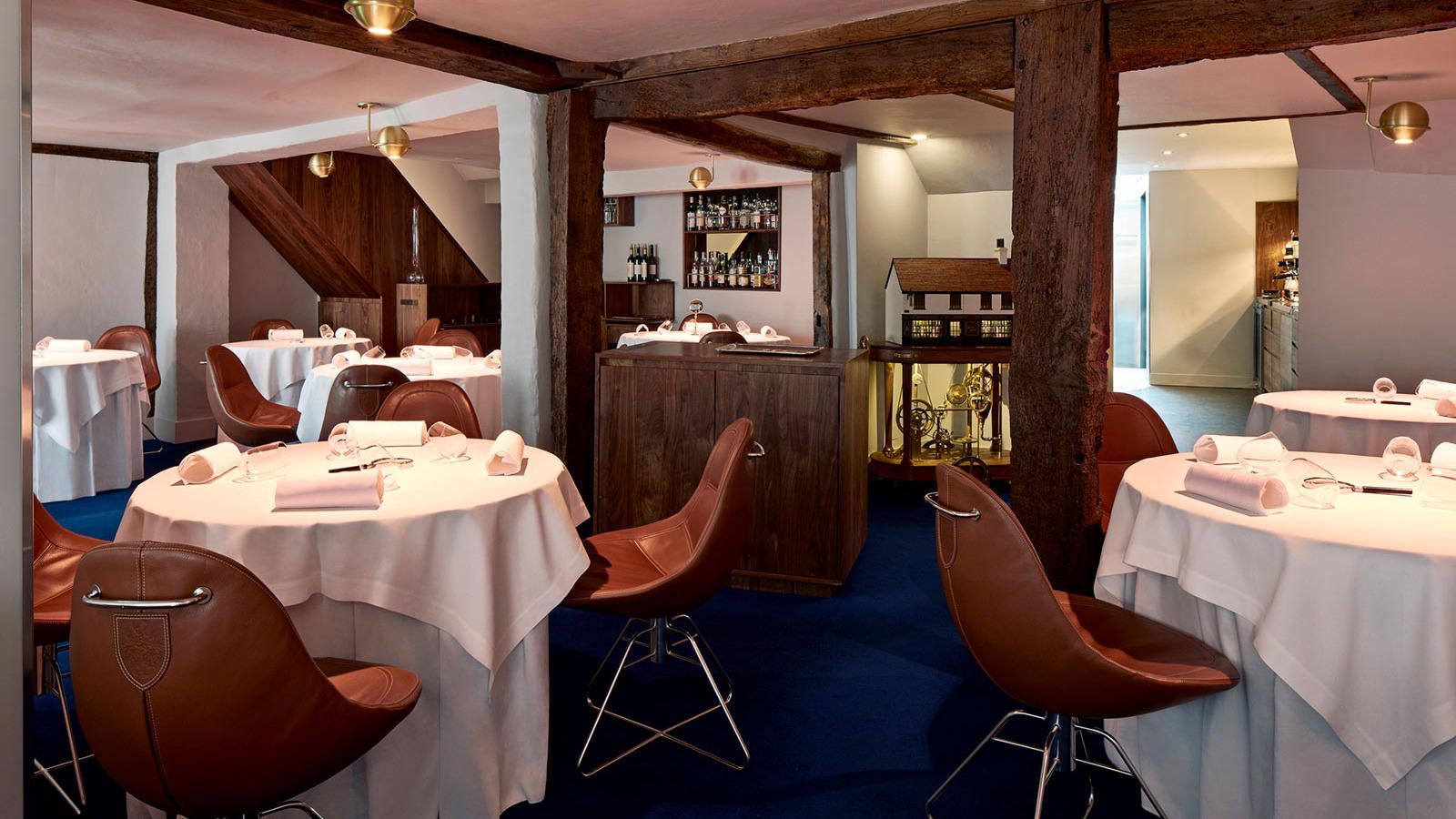
The Fat Duck
Bray, United Kingdom
The Fat Duck is Heston Blumenthal's restaurant in Bray, Berkshire.
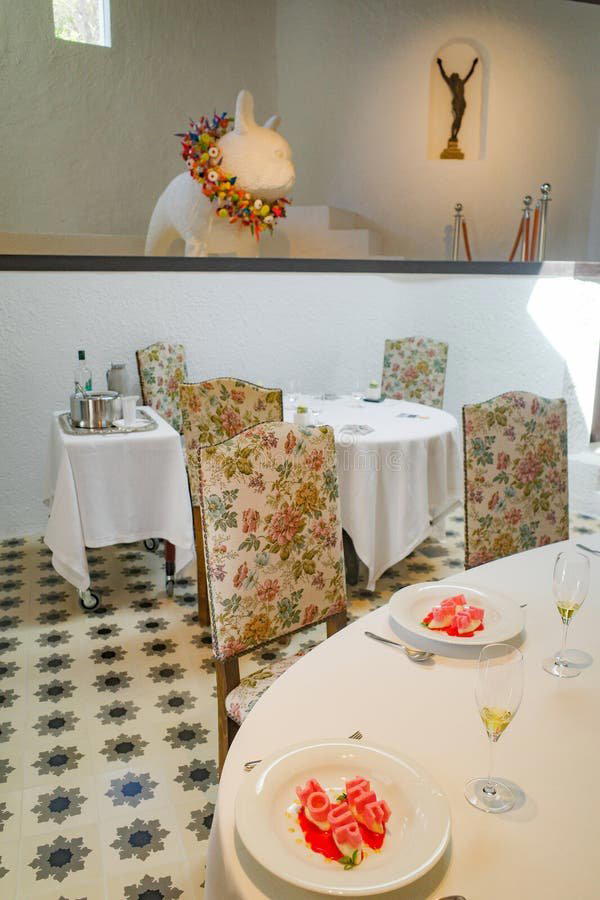
El Bulli
Roses, Spain
El Bulli closed in 2011 and is not bookable; the most important thing to know before you search. Ranked #2 on the World's 50 Best in 2010, Ferran Adrià's Roses kitchen was a landmark of Spanish cuisine. For dining in Roses today, the real options are Rafa, ROM, and Sumac. For avant-garde Spanish tasting menus, El Celler de Can Roca in Girona is the closest active equivalent.
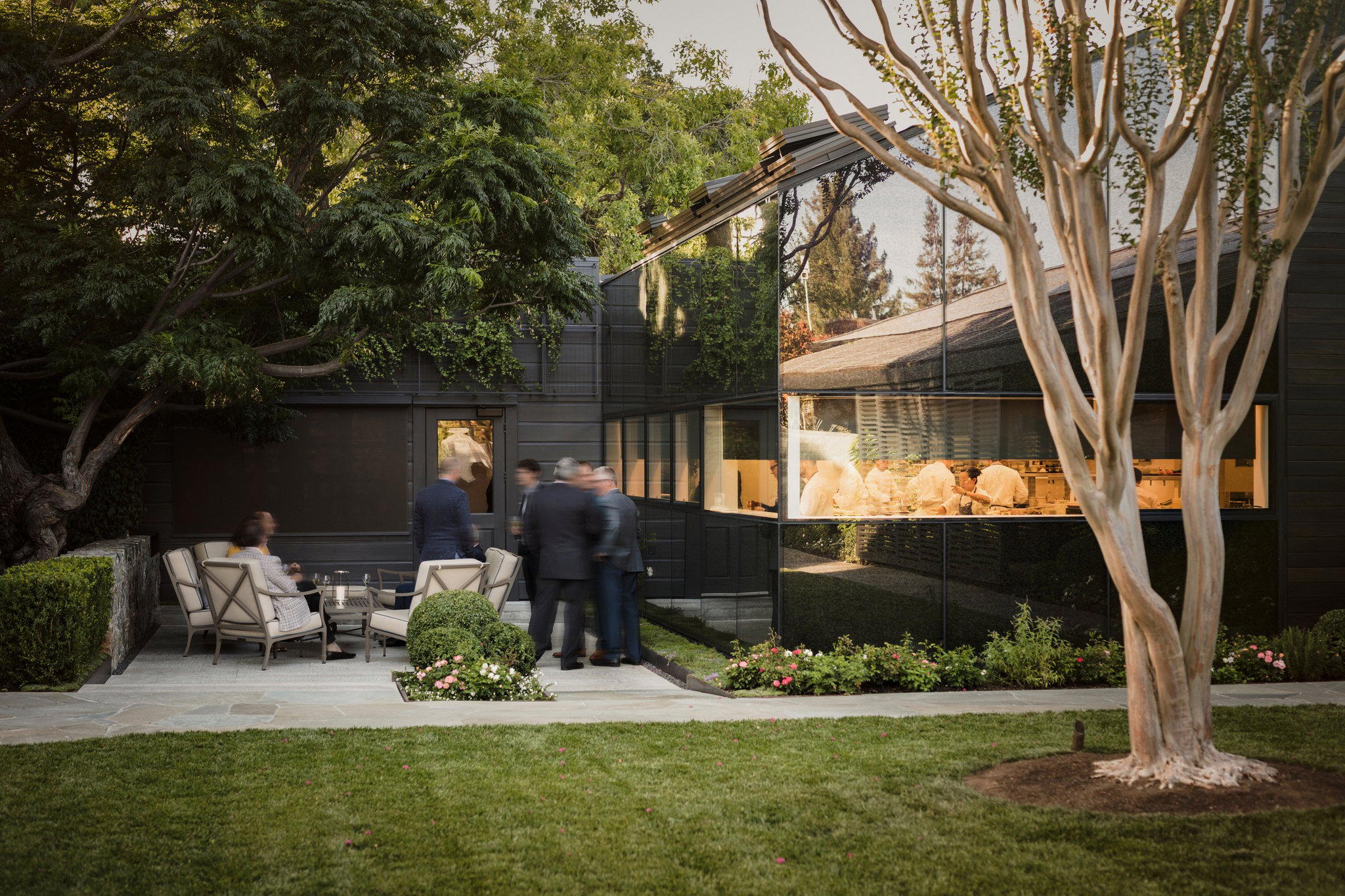
The French Laundry
Yountville, United States
The French Laundry is a restaurant in Yountville, California.
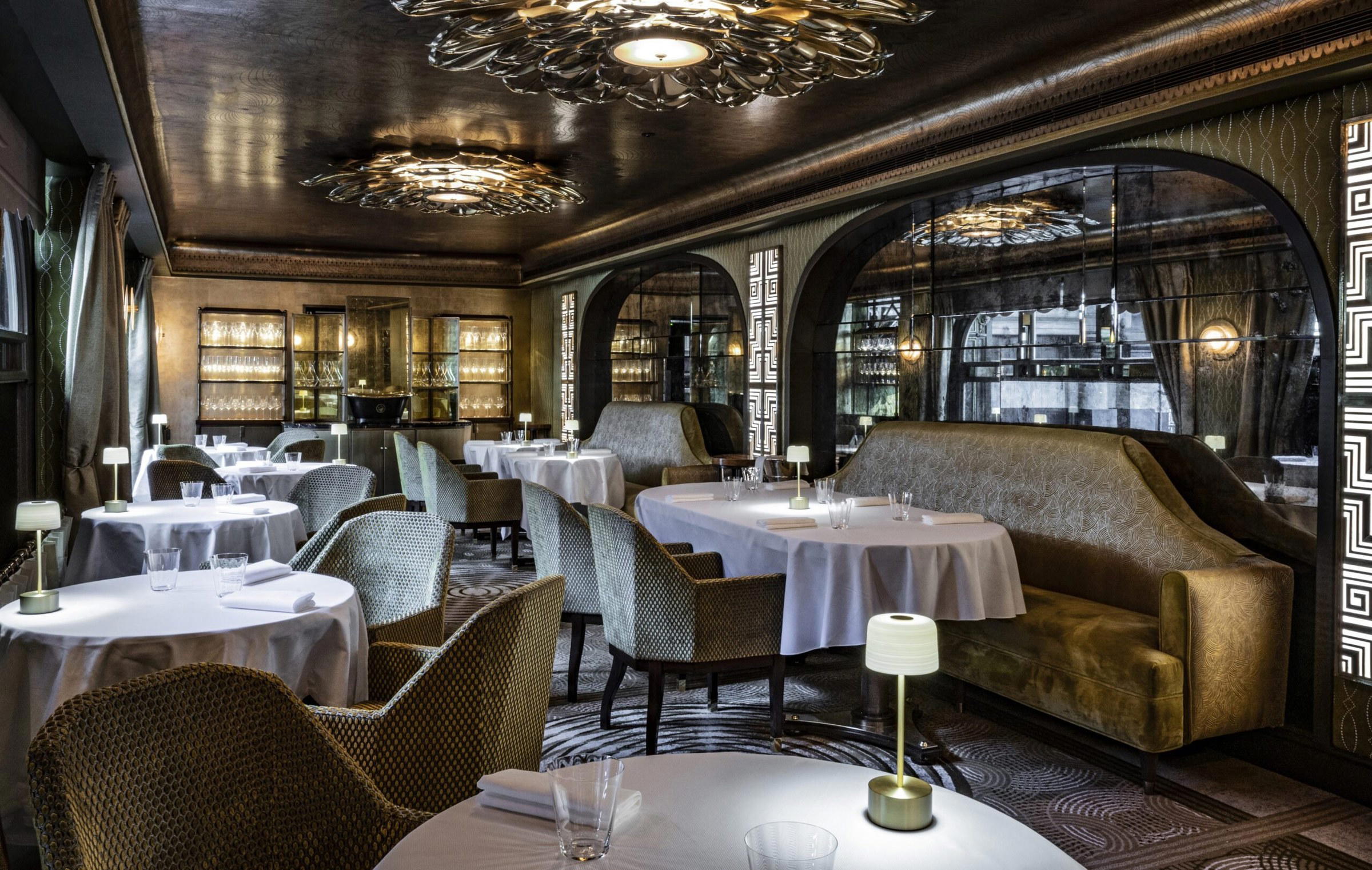
Restaurant Gordon Ramsay
London, United Kingdom
Restaurant Gordon Ramsay is a restaurant on Royal Hospital Road in London.
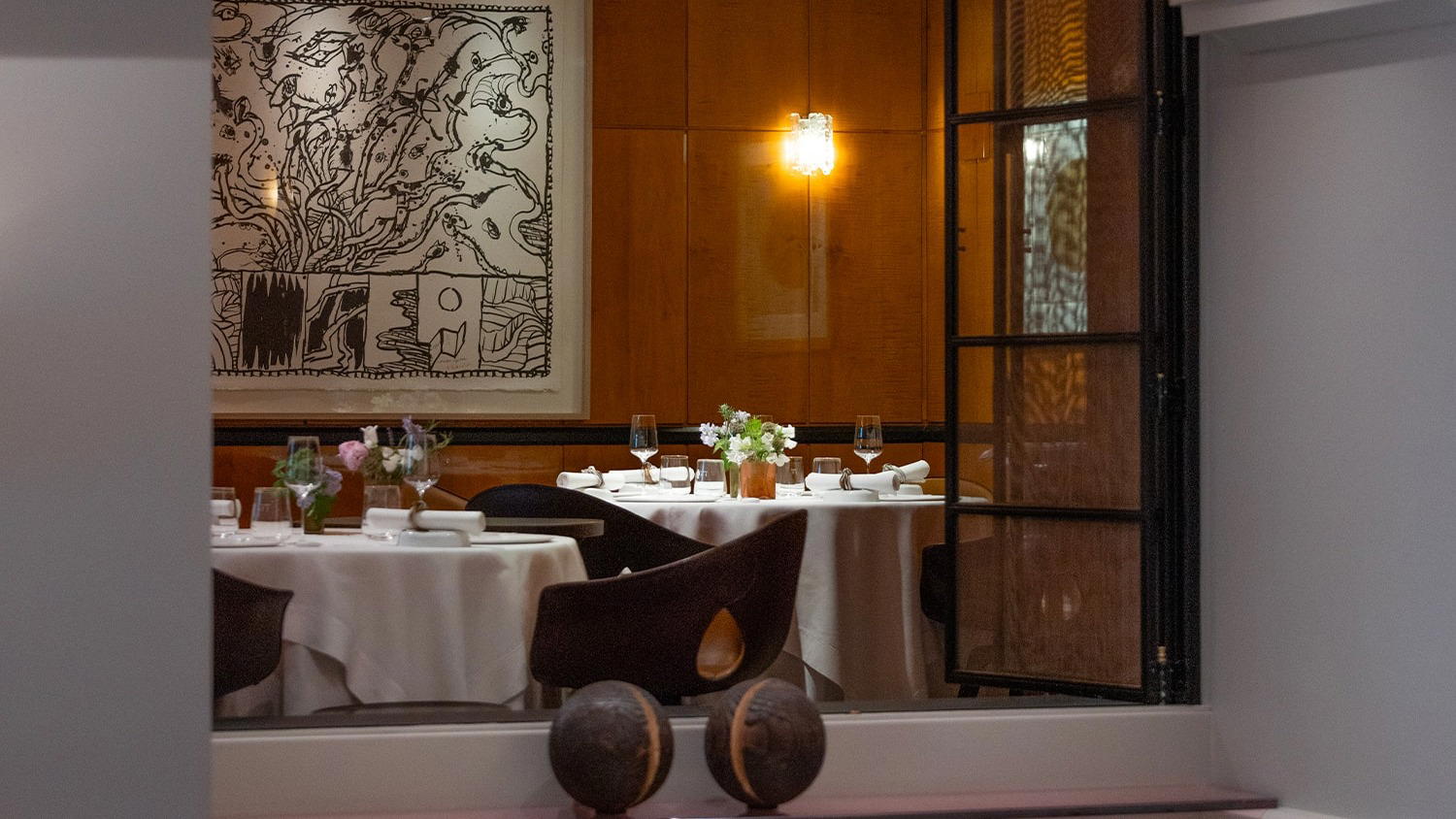
Pierre Gagnaire
Paris, France
Pierre Gagnaire is chef Pierre Gagnaire's restaurant on Rue Balzac in Paris.
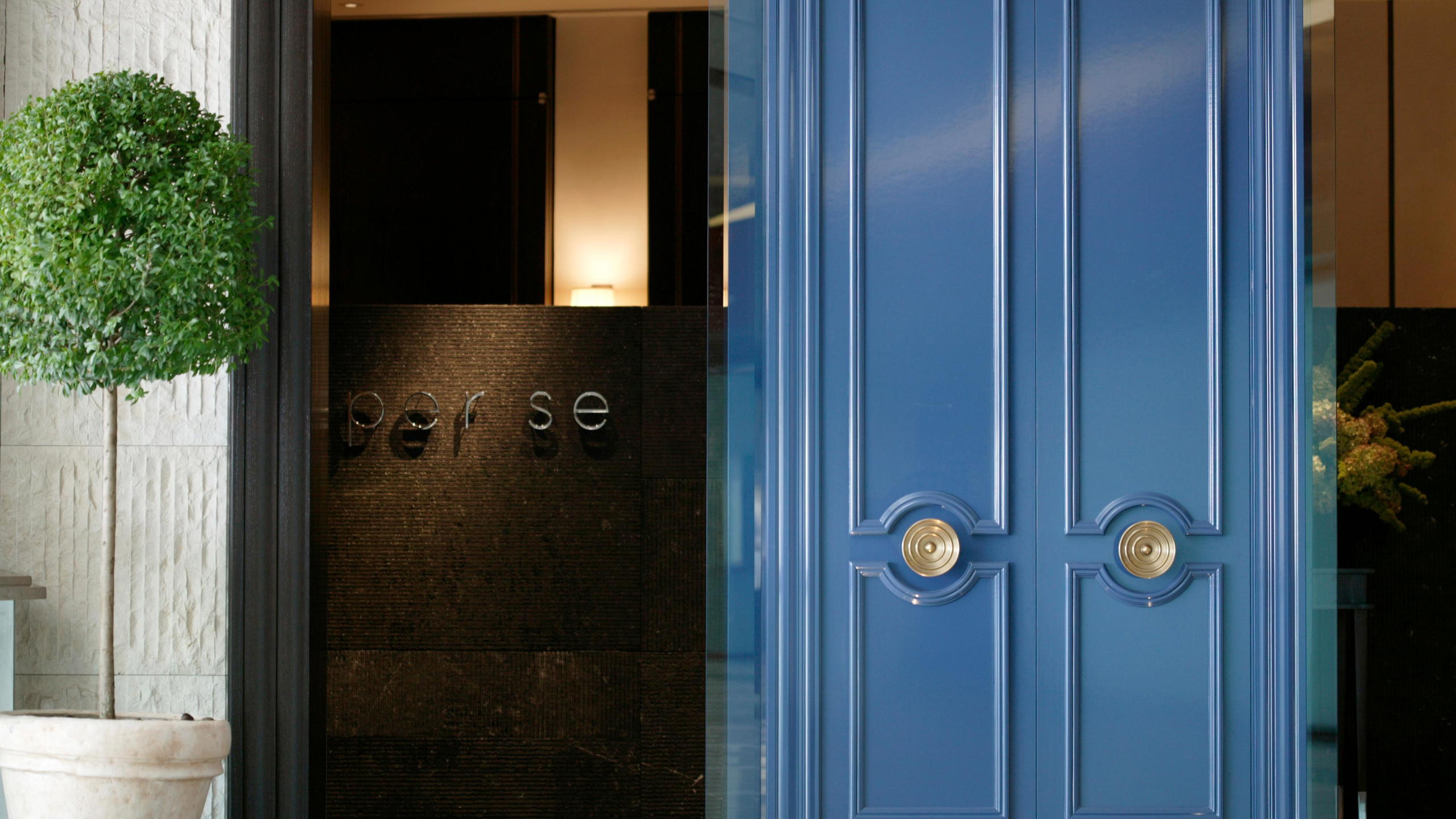
Per Se
New York City, United States
Per Se is a Thomas Keller restaurant at Columbus Circle in New York City.
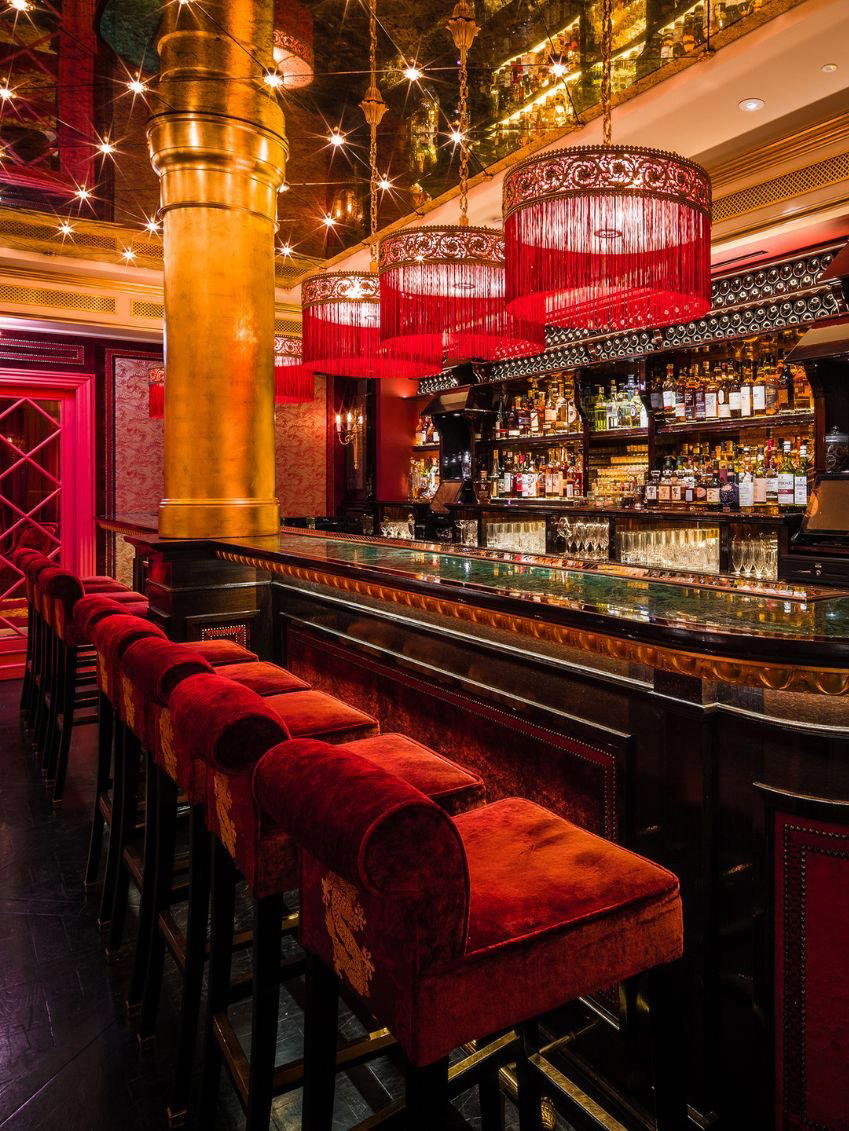
Muse by Tom Aikens
London, United Kingdom
A 23-seat Michelin-starred tasting menu restaurant in a Belgravia Georgian townhouse, Muse by Tom Aikens is one of London's most intimate fine-dining rooms. Booking difficulty is high; aim four to six weeks out minimum. Best for food enthusiasts who want biography-driven creative cooking; less suited to those seeking a la carte flexibility or a lower entry price.
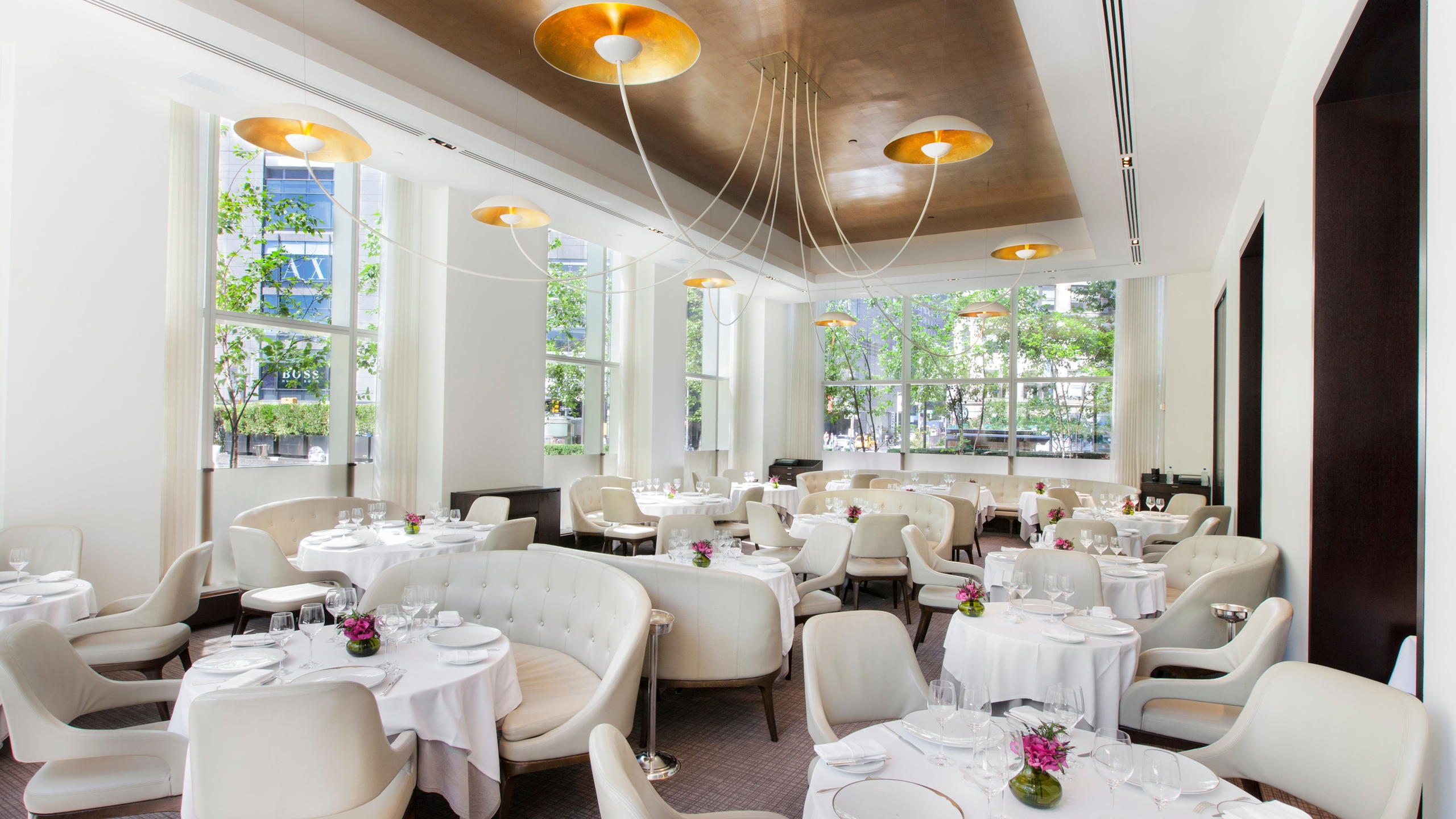
Jean Georges
New York City, United States
Jean-Georges is Jean-Georges Vongerichten's restaurant at One Central Park West in New York City.
St John
London, United Kingdom
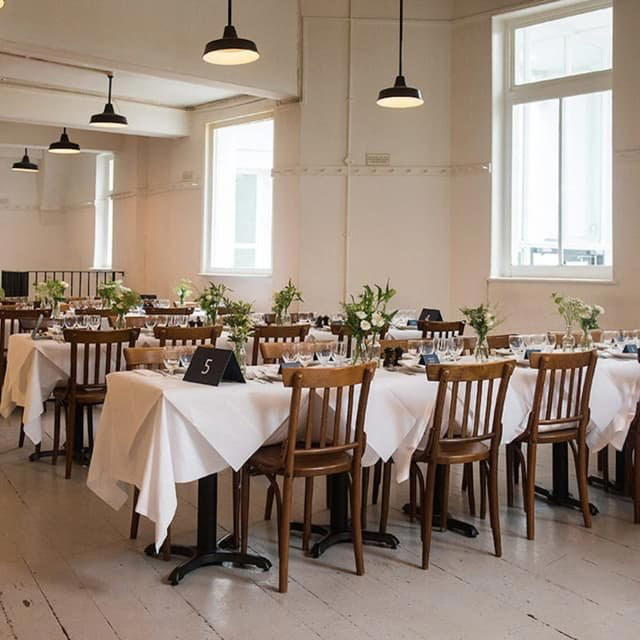
St John is Fergus Henderson's Michelin-starred nose-to-tail restaurant in Smithfield, London, and one of the strongest value propositions at £££ in the city. Book two to four weeks ahead. The daily-changing menu centres on offal, game, and seasonal British produce; the bone marrow is the dish to know. If you want serious cooking without the ceremony of a ££££ room, this is the booking to make.
Bras
Laguiole, France
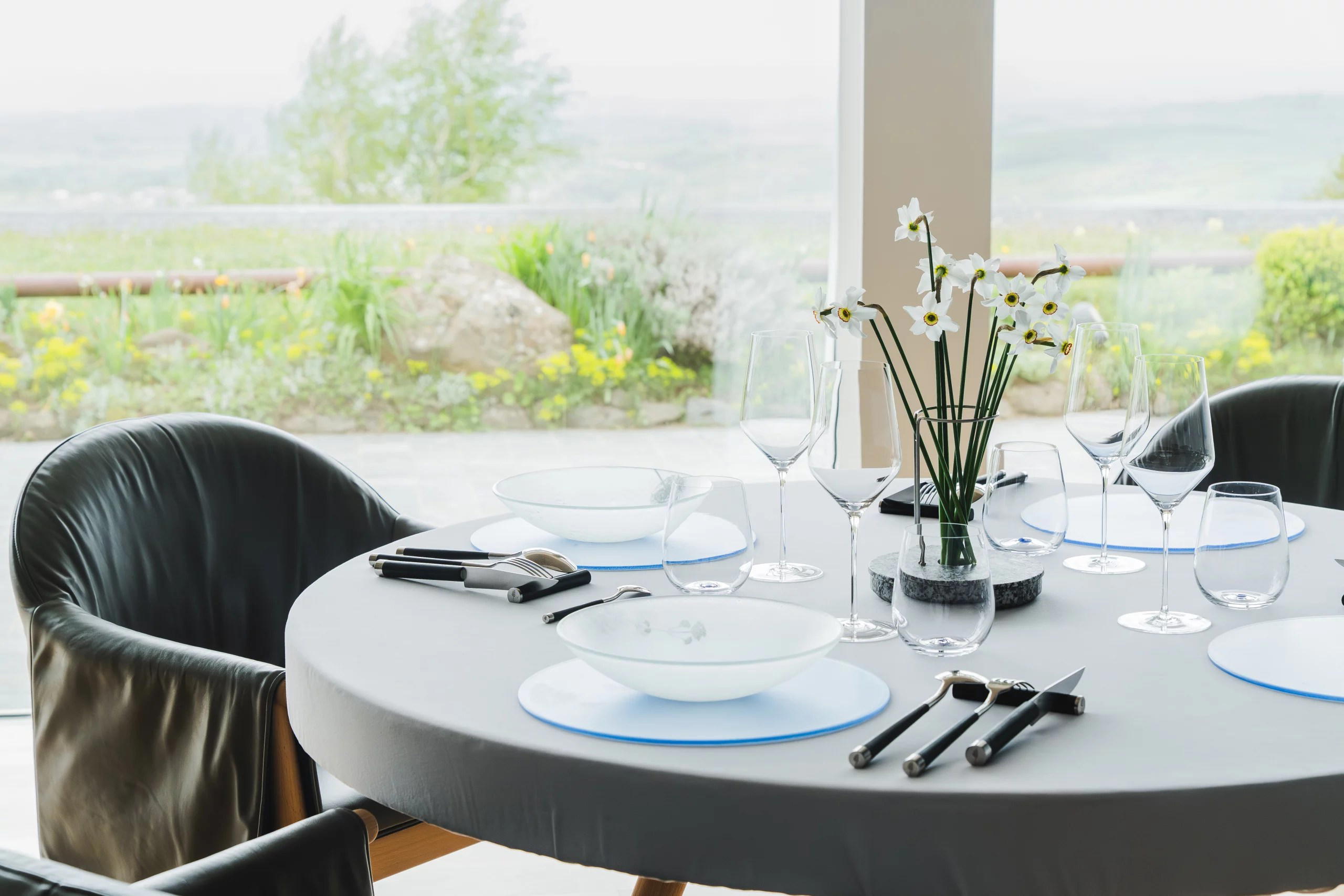
Le Suquet is Sébastien Bras' restaurant on the Aubrac plateau near Laguiole.
Alain Ducasse- Louis XV
Monte Carlo, Monaco
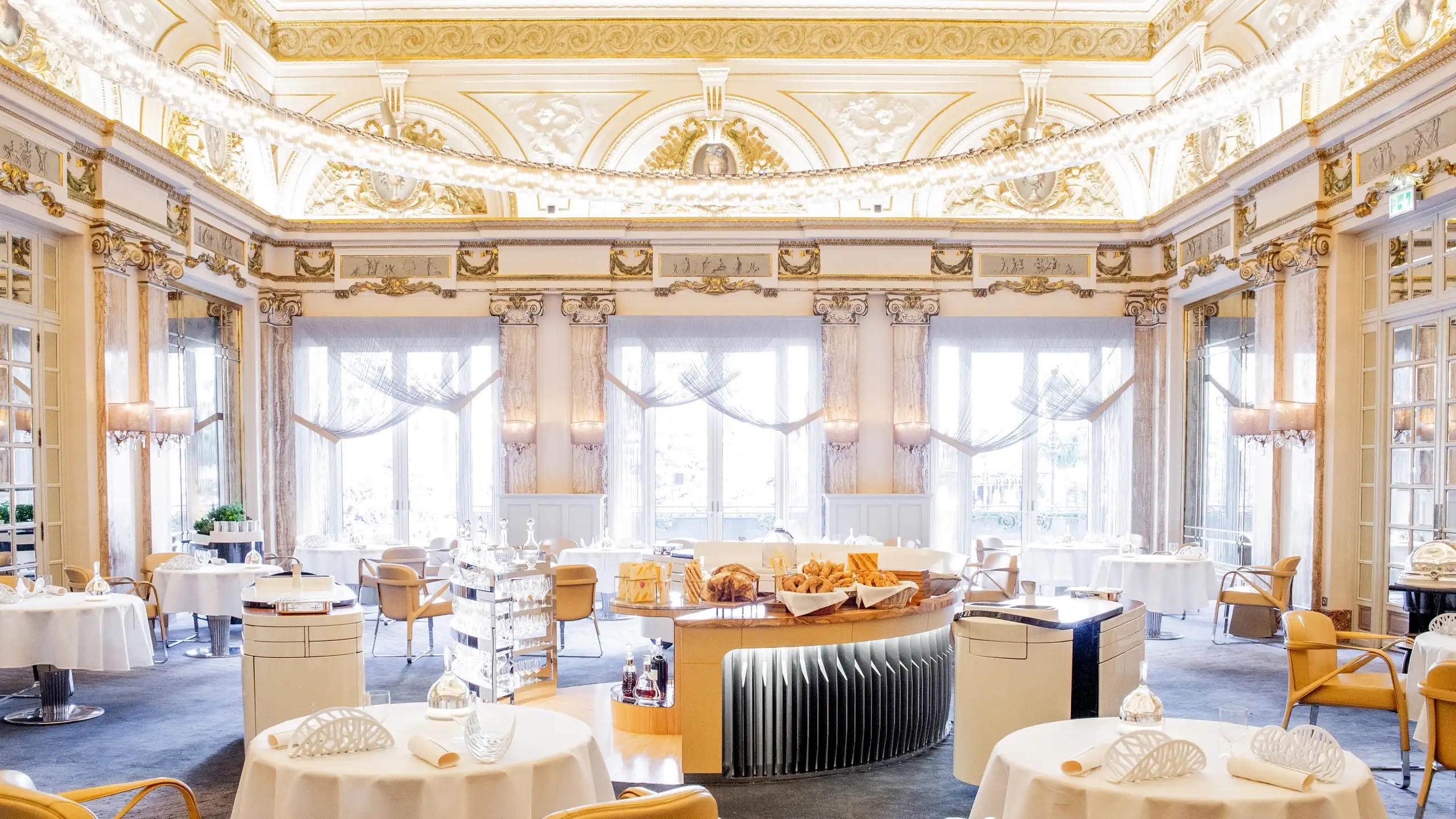
Le Louis XV – Alain Ducasse is a restaurant at Hôtel de Paris Monte-Carlo.
Chez Panisse
San Francisco, United States
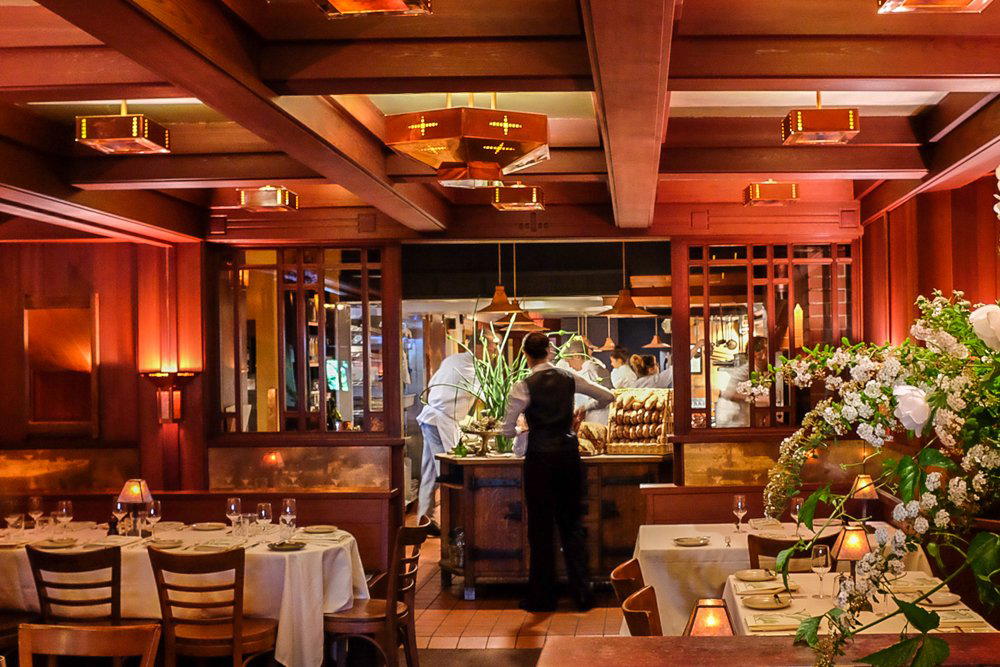
Chez Panisse in Berkeley earns its $$$$ price tag on seasonal sourcing and provenance, not technical complexity. The downstairs fixed-price dinner is a hard booking; plan 4–6 weeks ahead; and the menu changes entirely with the season. Return visitors who found the format rigid should try the upstairs café at lunch for a lower-cost, à la carte alternative that keeps the same kitchen philosophy.
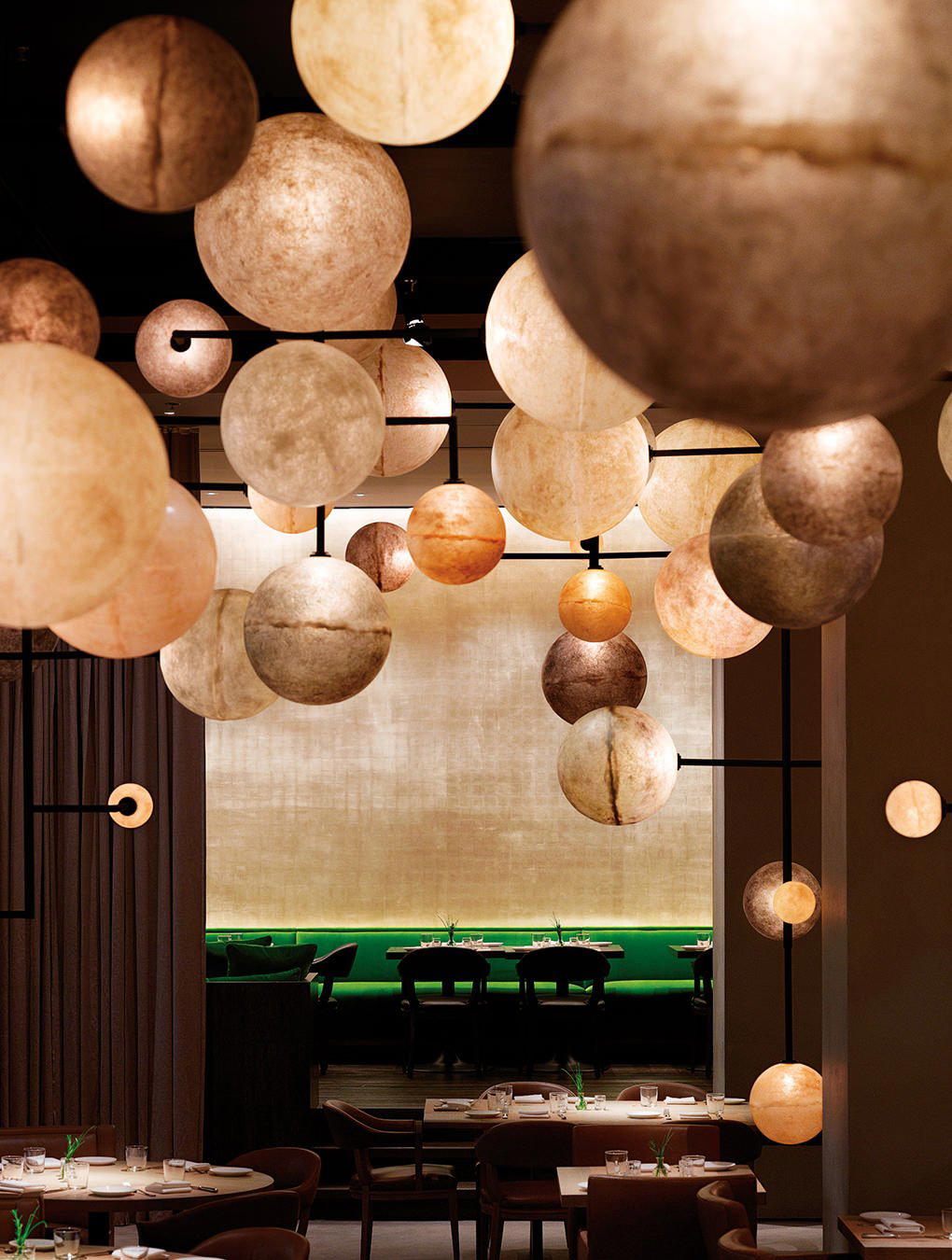
Charlie Trotter's
Chicago, United States
Charlie Trotter's on W Armitage Avenue was one of Chicago's most recognised American fine dining addresses, with a formal, technique-led approach suited to special occasions. It was a realistic choice for a considered dinner in Lincoln Park, for first-timers with time to spare and a clear occasion in mind.
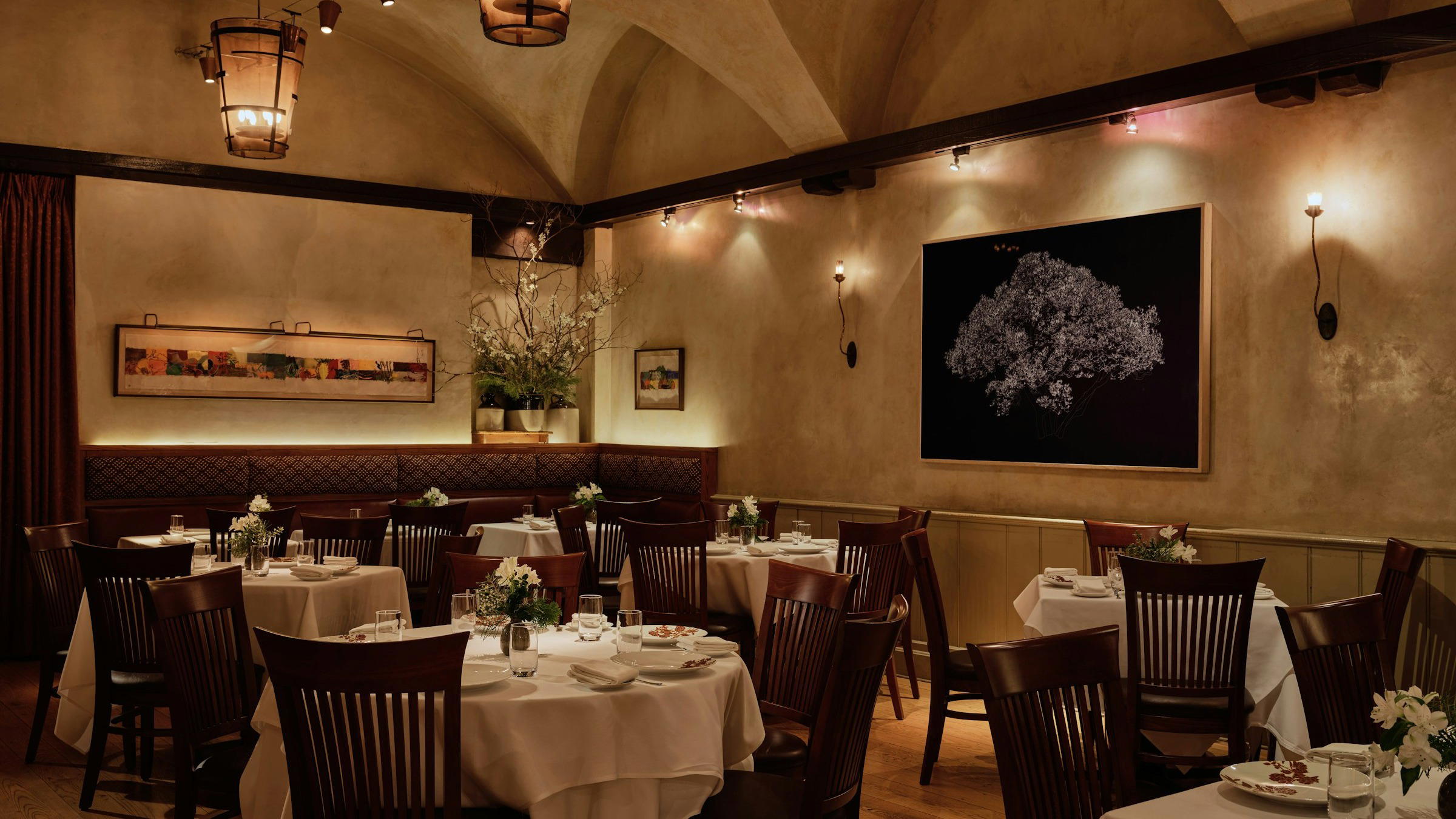
Gramercy Tavern
New York City, United States
Gramercy Tavern is Danny Meyer's restaurant in New York's Flatiron District, serving seasonal American cuisine.
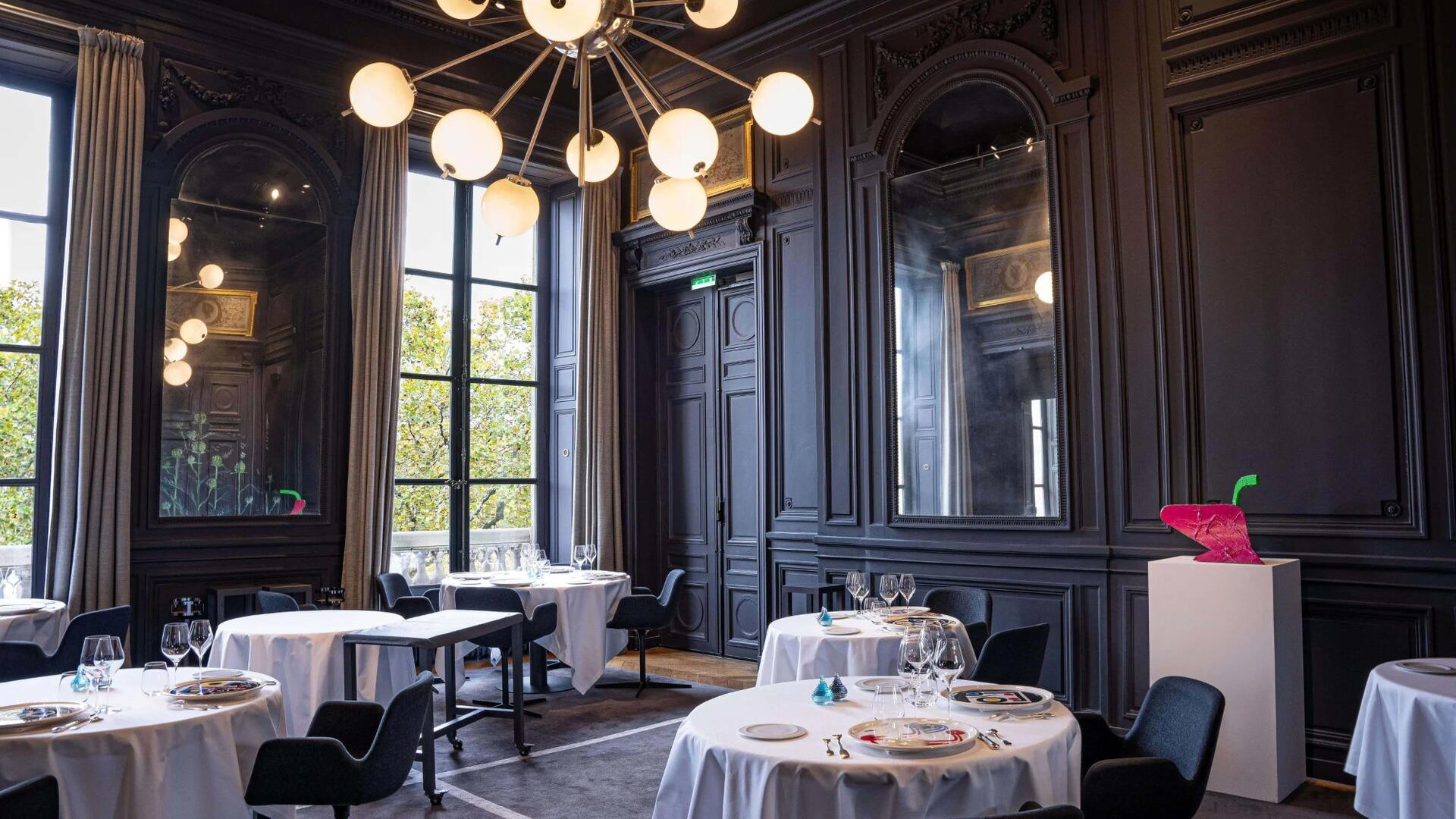
Guy Savoy
Paris, France
Restaurant Guy Savoy is a restaurant at Monnaie de Paris on Quai de Conti.
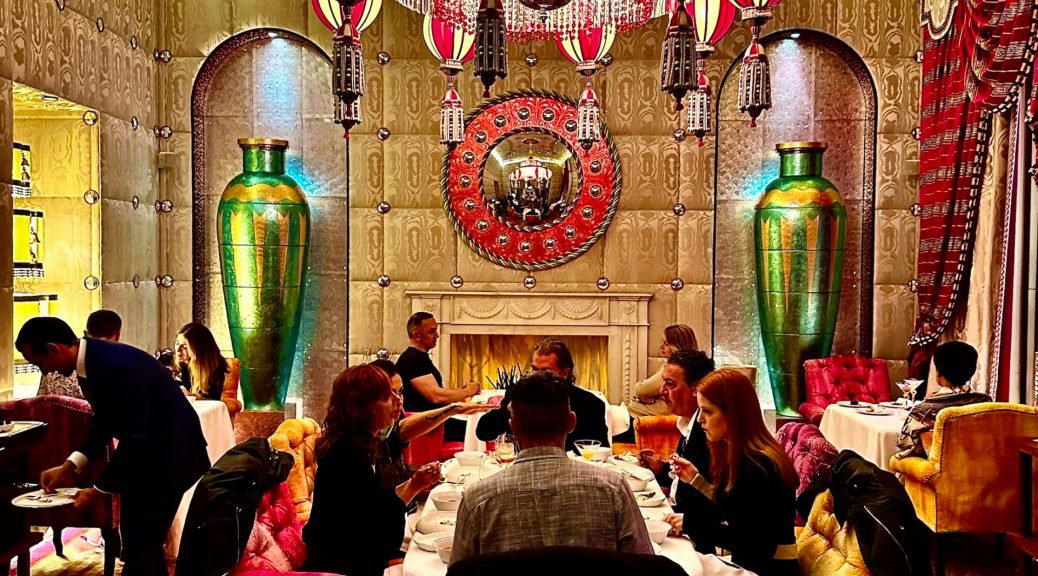
Sketch, The Lecture Room and Library
London, United Kingdom
Sketch, The Lecture Room and Library is a restaurant on Conduit Street in London.
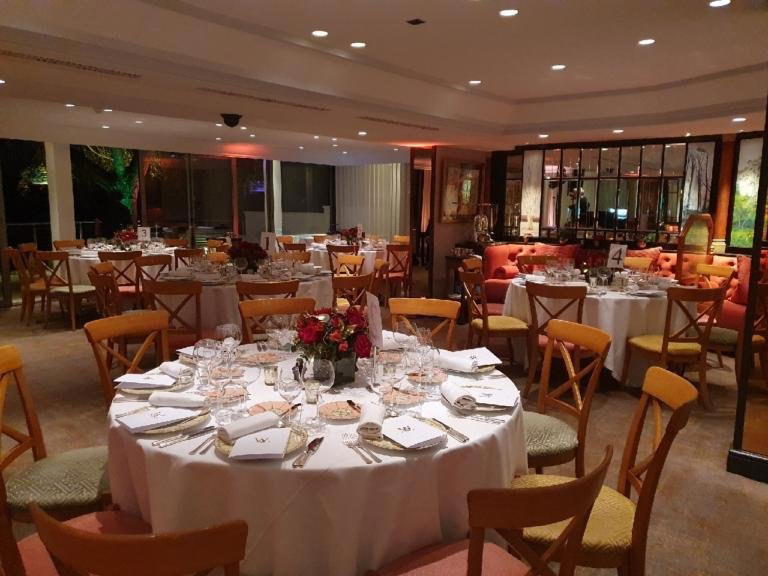
Waterside Inn
Bray, United Kingdom
Waterside Inn is a restaurant on Ferry Road in Bray, Berkshire.
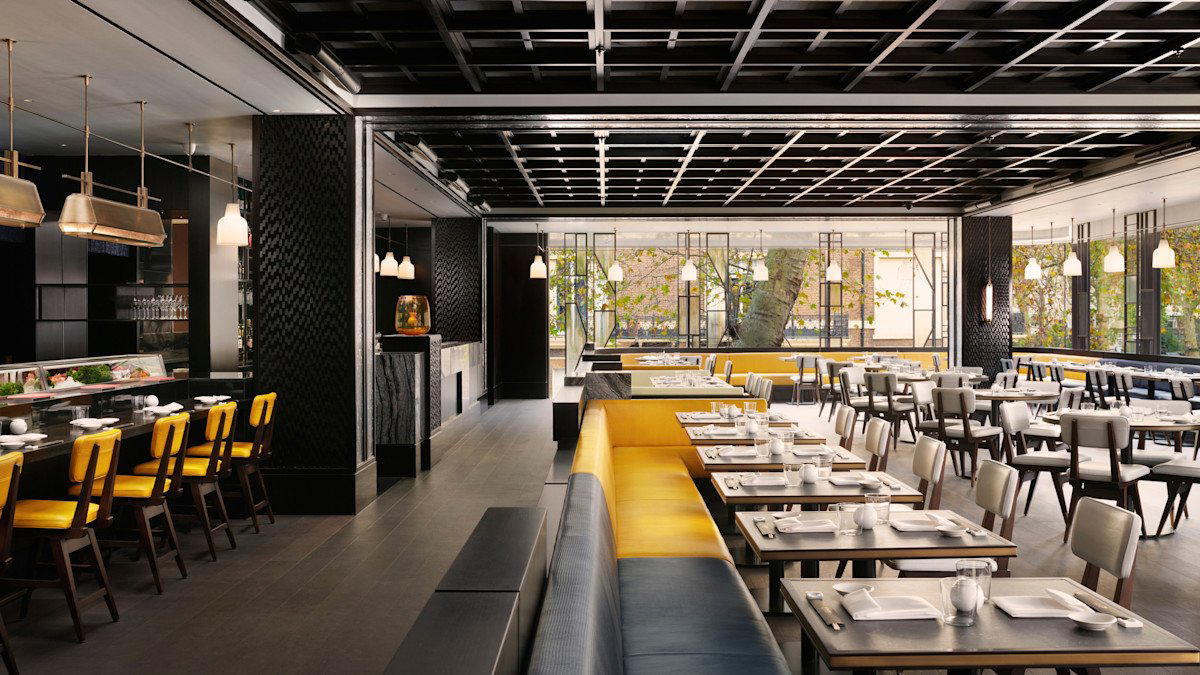
Nobu
London, United Kingdom
Europe's first Nobu, open since 1997 on Old Park Lane, still earns its Michelin Plate on the strength of its Nikkei-fusion classics: black cod miso, rock shrimp tempura, and a 650-bottle wine list. The room is dated, but the cooking is consistent and the weekday lunch menu makes the price easier to justify. A solid booking for food-focused diners who know what they want.
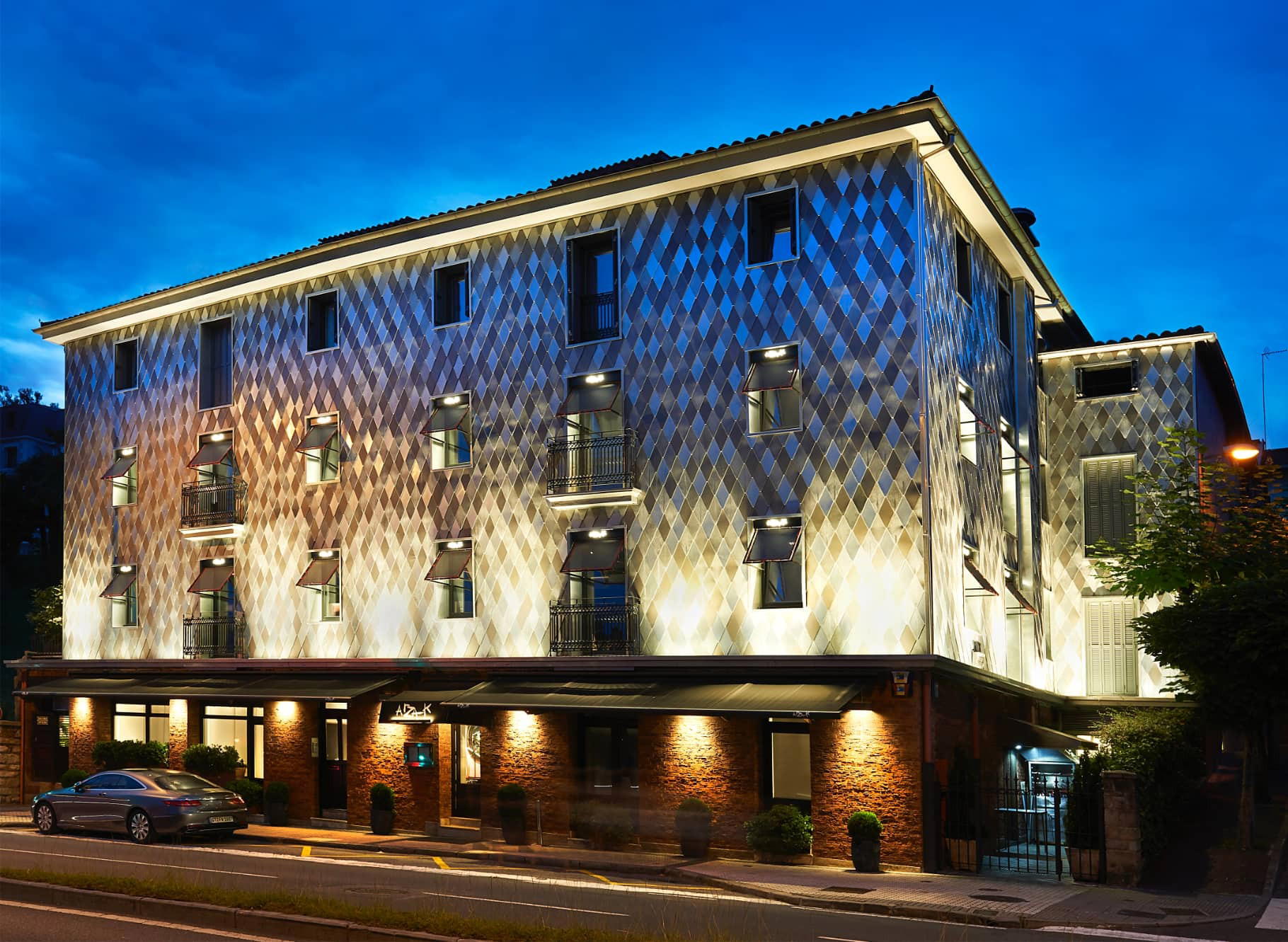
Arzak
San Sebastián, Spain
Arzak serves Basque cuisine developed by Juan Mari Arzak and Elena Arzak in San Sebastián.
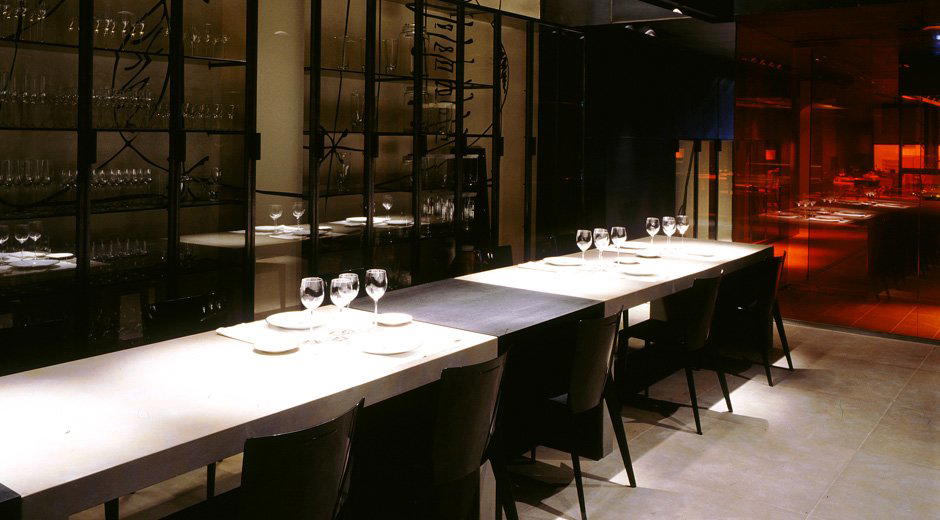
Can Fabes
Barcelona, Spain
Can Fabes brings Catalan Spanish cooking to the Eixample with easy booking; a practical alternative to Barcelona's harder-to-reserve tables. Chef Dean Parker keeps the focus on regional technique rather than theatrical innovation. Book here when you want a grounded, well-regarded Catalan dinner without months of advance planning.
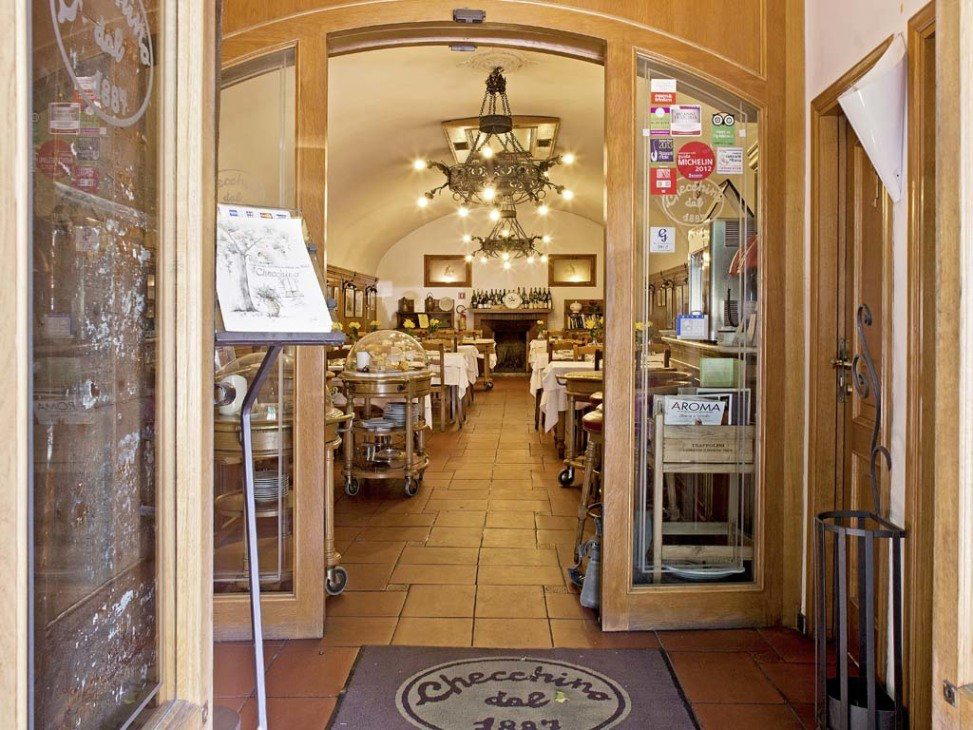
Checchino Dal 1887
Rome, Italy
Checchino Dal 1887 is one of Rome's most committed addresses for traditional Roman cooking, with an OAD-ranked reputation and a serious wine cellar built into Monte Testaccio. Best suited to return visitors, wine-focused diners, and special occasions where the meal itself is the point. Book a few days ahead; the room is not difficult to secure.
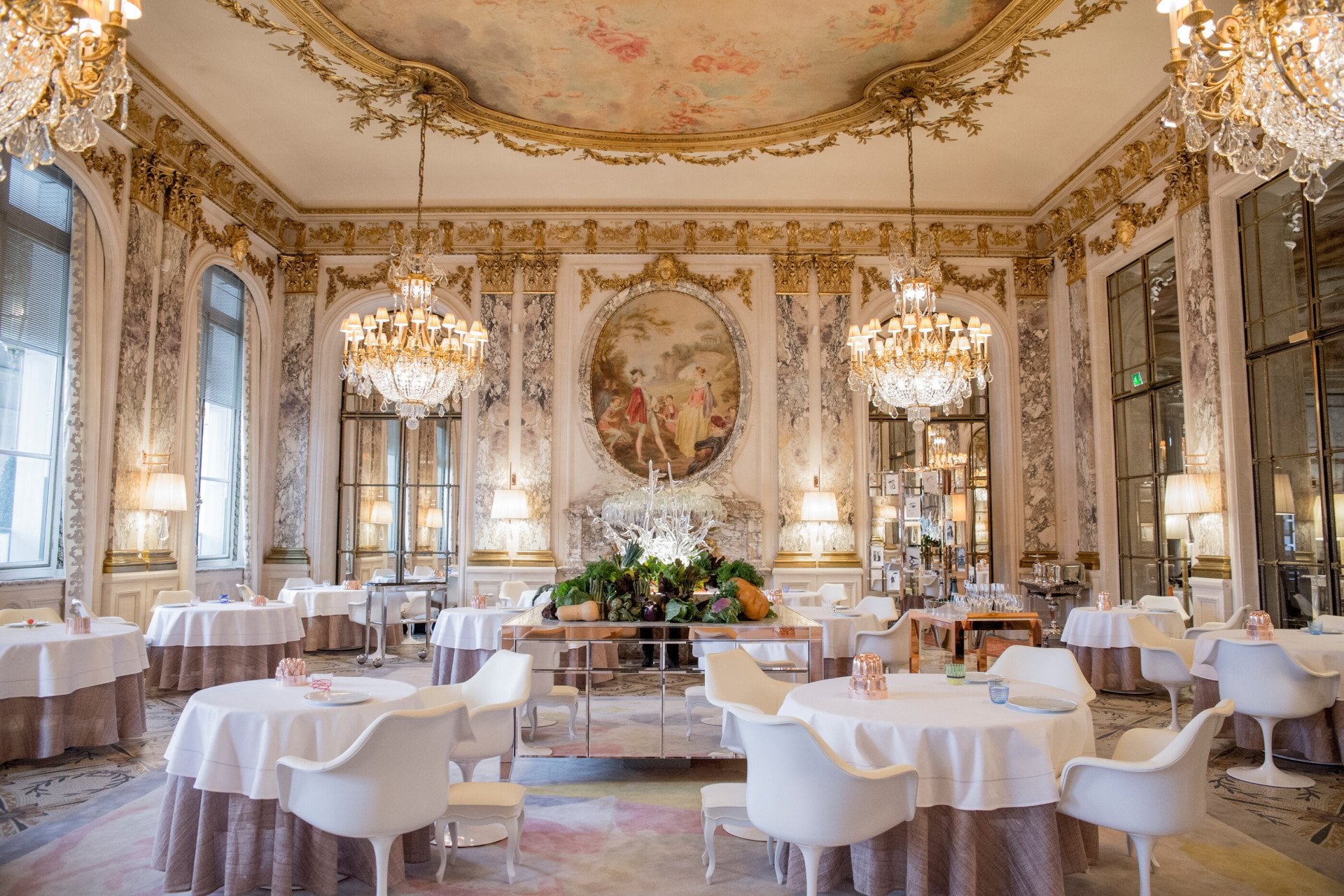
Le Meurice Alain Ducasse
Paris, France
Le Meurice Alain Ducasse is a restaurant at Le Meurice hotel on Rue de Rivoli in Paris.
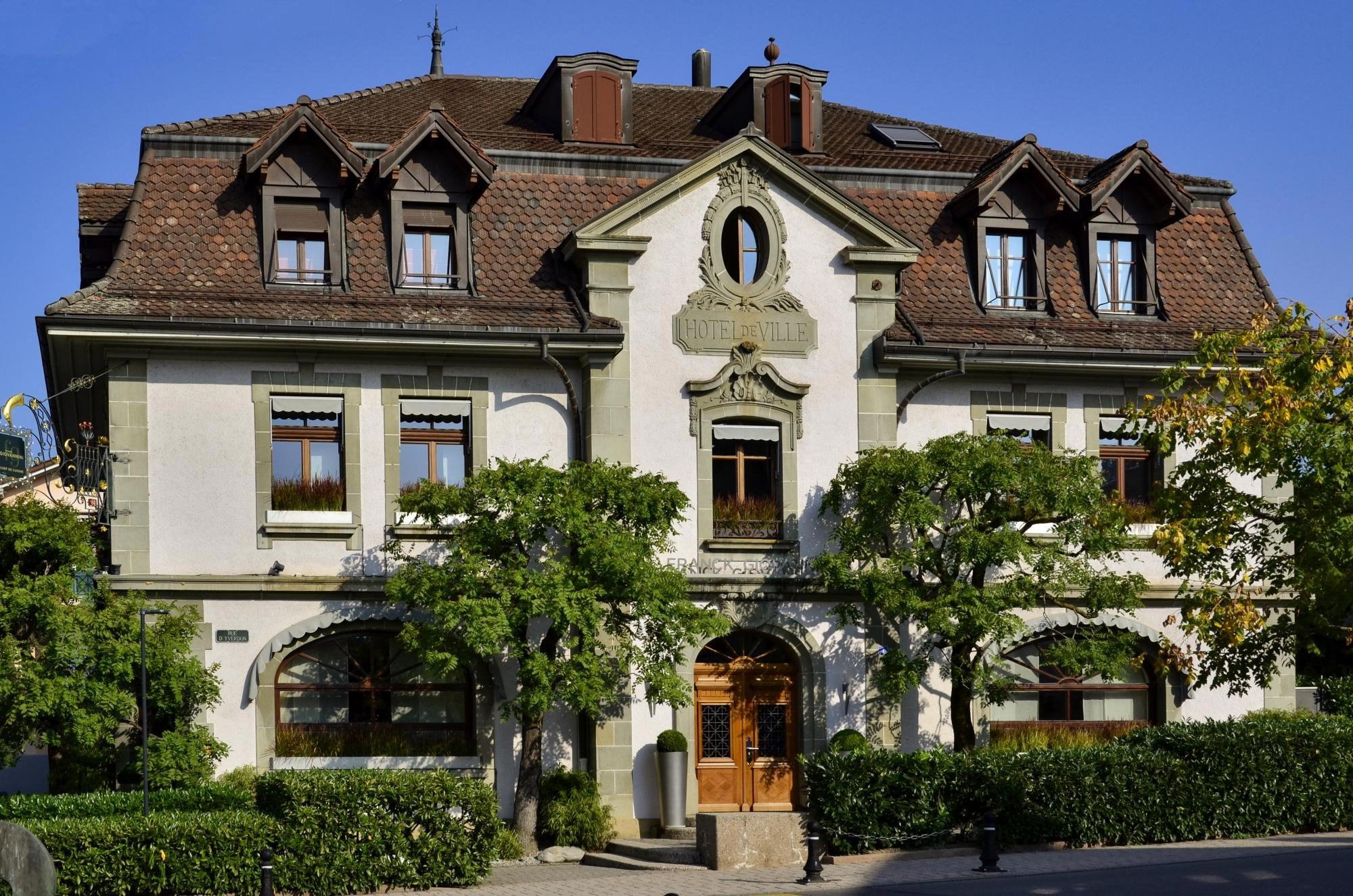
Hotel de Ville Crissier
Crissier, Switzerland
Restaurant de l'Hôtel de Ville de Crissier is Franck Giovannini's restaurant near Lausanne, Switzerland.
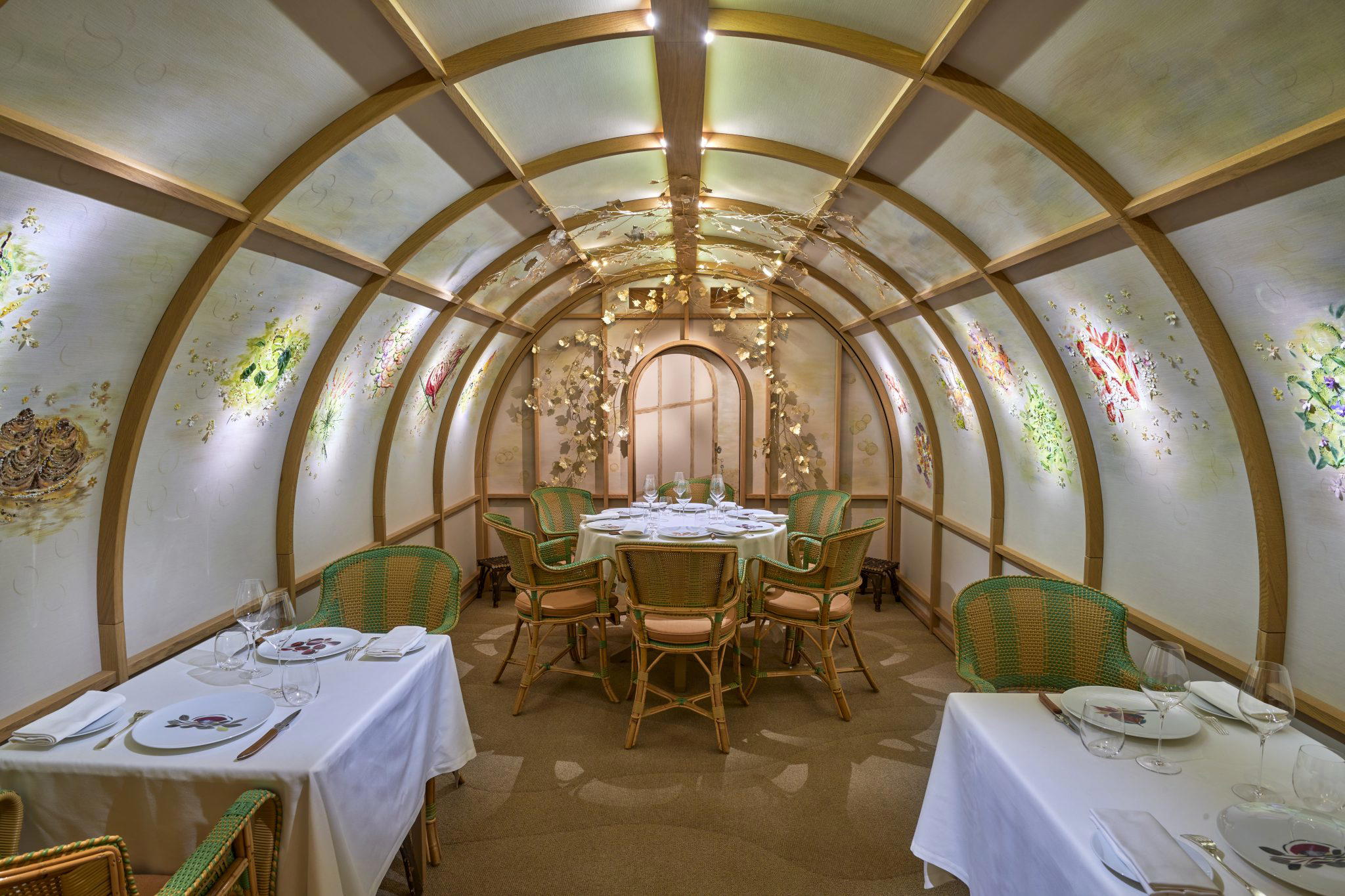
Arpège
Paris, France
Arpège is Alain Passard's restaurant on Rue de Varenne in Paris.
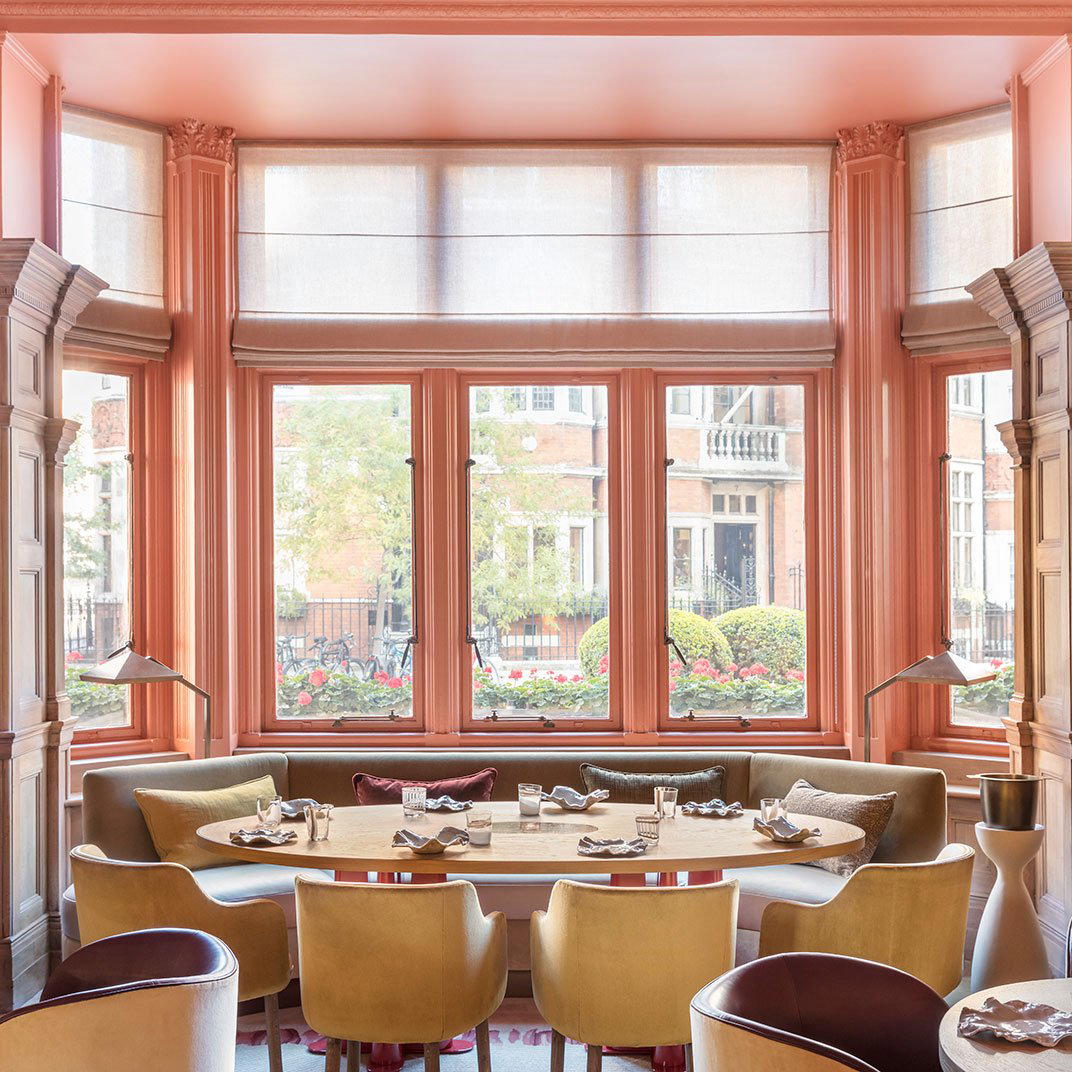
The Connaught
London, United Kingdom
The Connaught is London's definitive grill-room institution; serious meat sourcing, rosewood-panelled atmosphere, and a formal register that has held since 1955. Book if classic British fine dining is your goal; look elsewhere if you want tasting-menu innovation. Booking difficulty is Near Impossible, so plan well ahead.
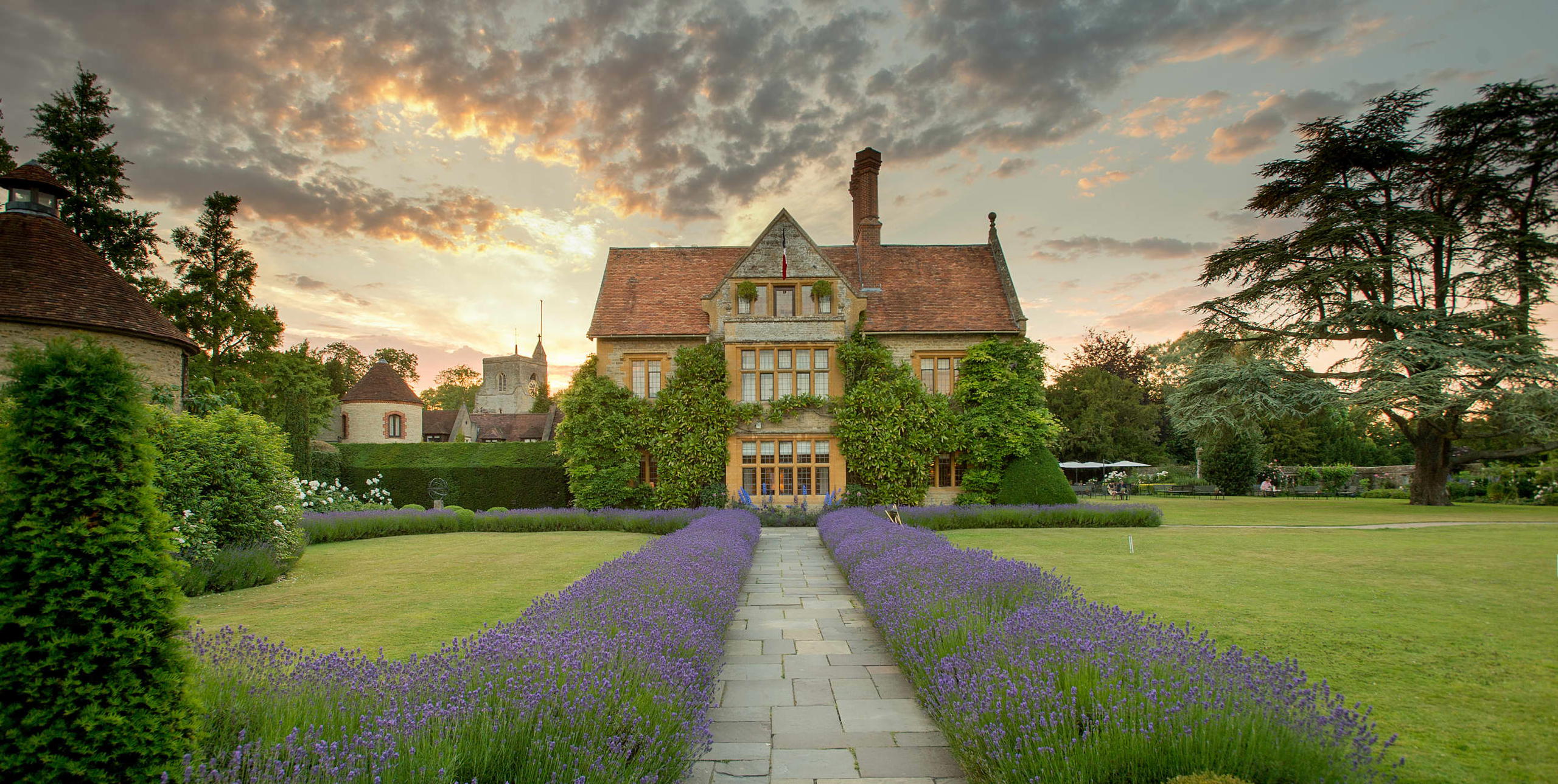
Le Manoir aux Quat'Saisons
Oxford, United Kingdom
Le Manoir aux Quat'Saisons in Great Milton is closed for redevelopment and is scheduled to reopen in 2027.
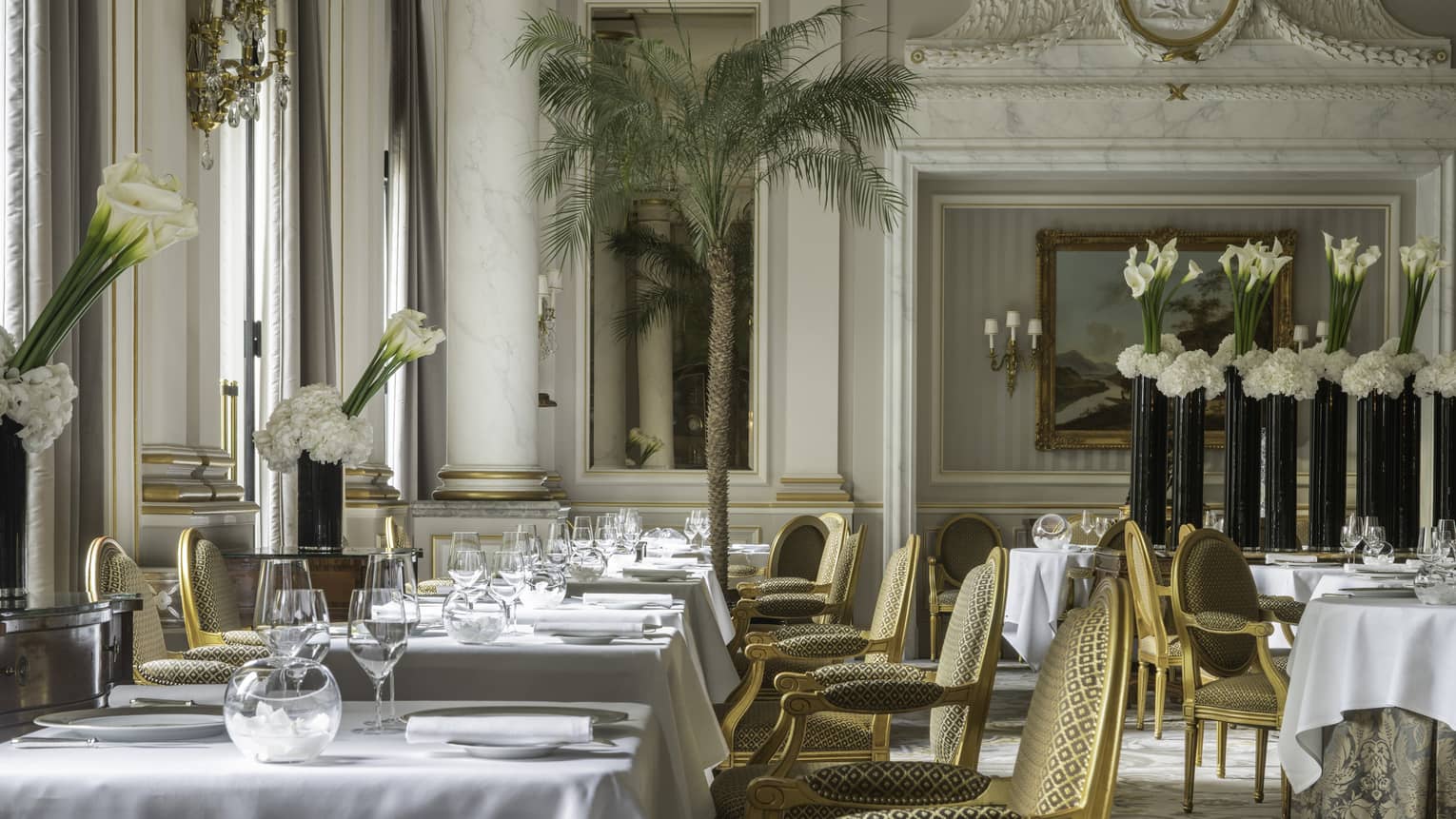
Le Cinq
Paris, France
Le Cinq is a restaurant at Four Seasons Hotel George V in Paris.
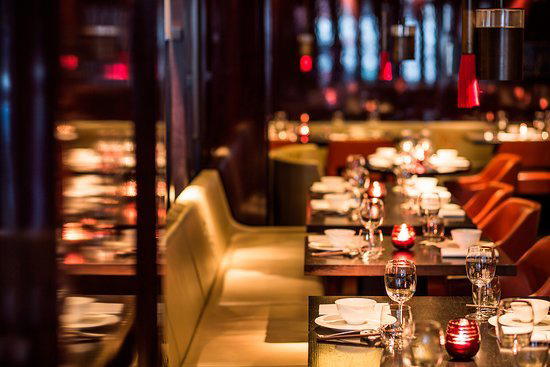
Hakkasan Mayfair
London, United Kingdom
Hakkasan Mayfair is London's flagship address for high-end Cantonese cooking, with consecutive Michelin Plate recognition and across 4,000-plus reviews. The basement dining room is theatrical and noisy; the ground-floor dim sum at lunch is among the better in the city. Book two to three weeks out minimum and ask for the Taste of Hakkasan set menu.
Cal Pep
Barcelona, Spain
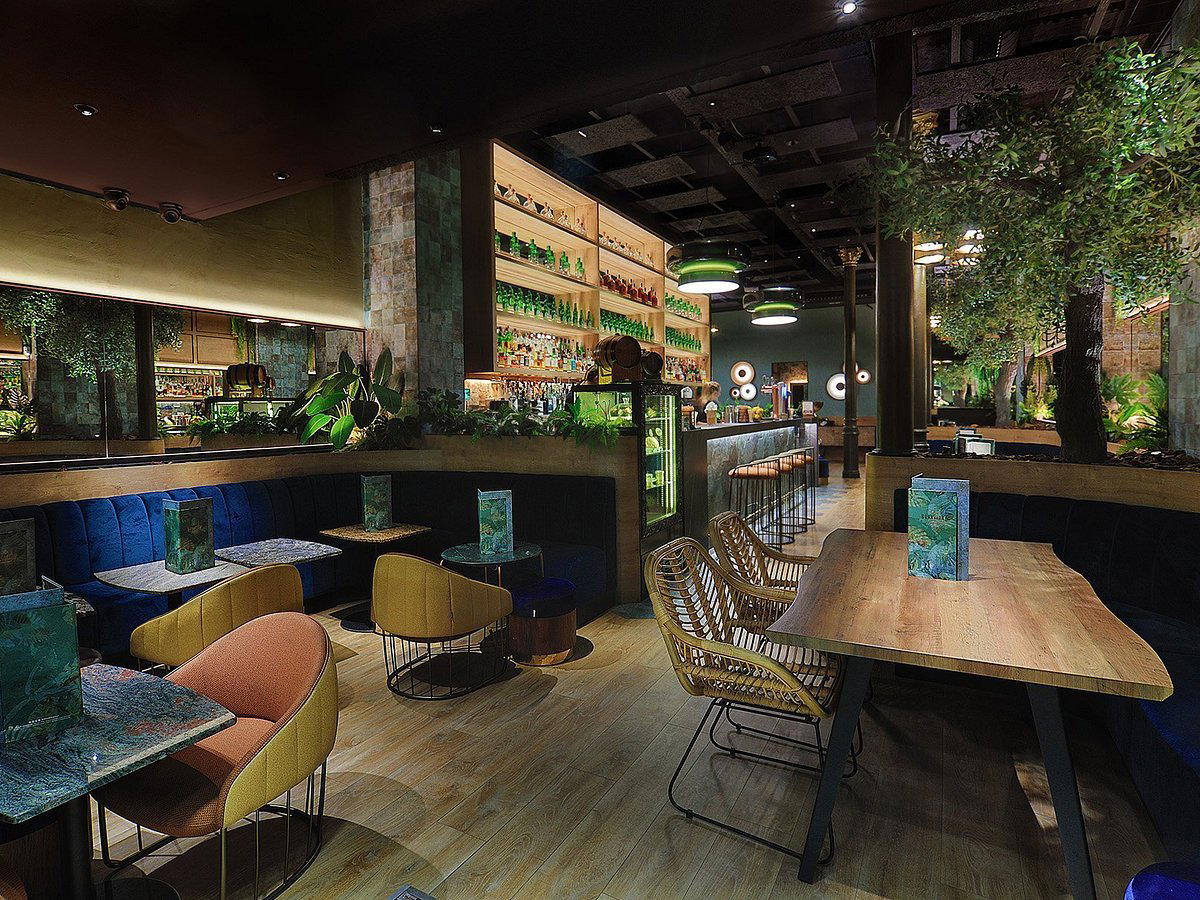
Cal Pep is Barcelona's counter-dining reference point for seafood tapas, ranked #62 on Opinionated About Dining's Casual Europe list in 2024. Located in Born's Plaça de les Olles, it suits solo diners and food-focused travellers who want precise, informal cooking without ceremony. Booking is easy; no months-out planning required.

Masa
New York City, United States
Masa is a restaurant at Columbus Circle in New York City.
Flower Drum
Melbourne, Australia
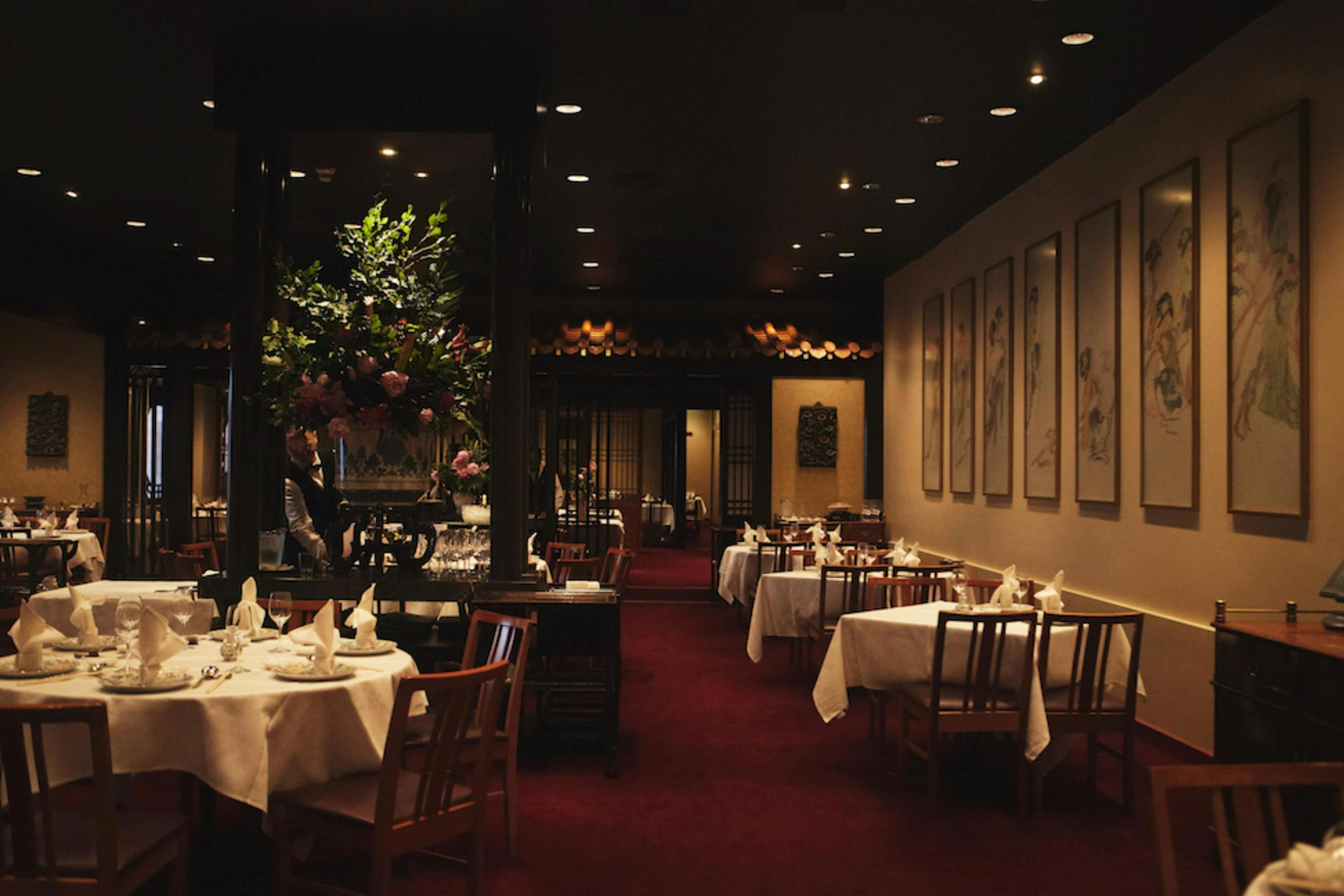
Flower Drum is Melbourne's long-standing benchmark for refined Cantonese dining, recognised on the Tatler Best Restaurants Asia-Pacific 2025 list. Book for a special occasion lunch or dinner when serious cooking and a composed dining room matter more than novelty. Weekday lunch is the optimal session; reservations are recommended and easy to secure.
WD~50
New York City, United States
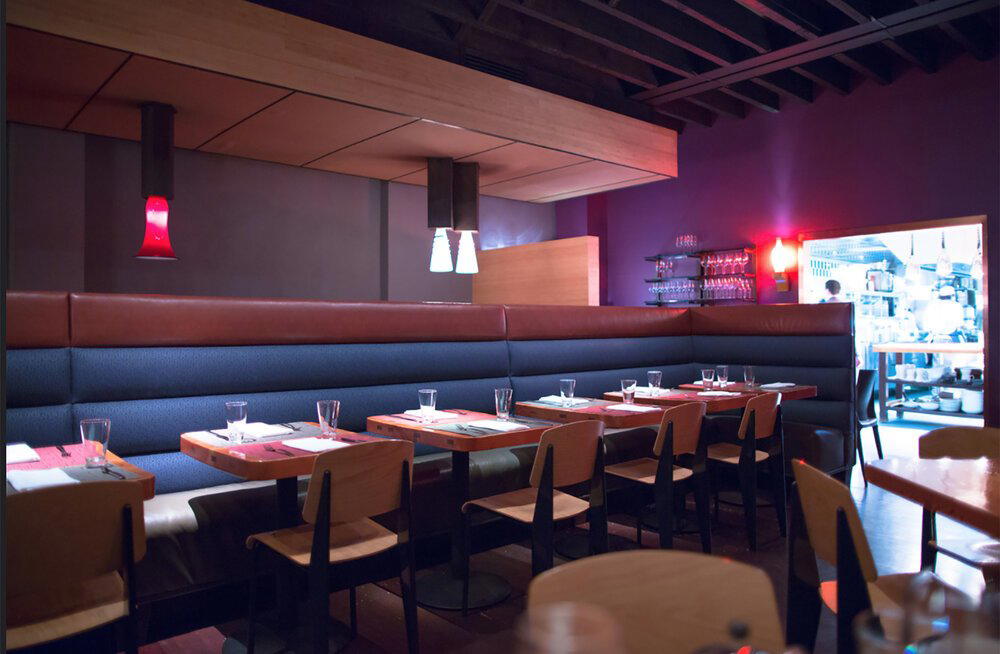
WD~50 is New York's reference point for American molecular cooking, holding. It suits food-focused diners who want technique over theatrical service. Booking is rated Easy, but confirm current hours and pricing before you commit, as details are limited.
Le Quartier Français
Franschhoek, South Africa
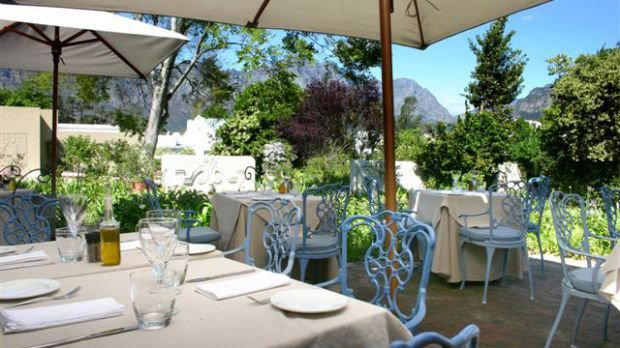
Le Quartier Français is a French-cuisine address in the heart of Franschhoek, no longer led by chef Margot Janse, who left in 2017. It is more accessible than the town's tasting-menu-focused competitors, making it a practical choice for brunch or a daytime meal without the multi-hour commitment. Booking is straightforward, even on weekends.
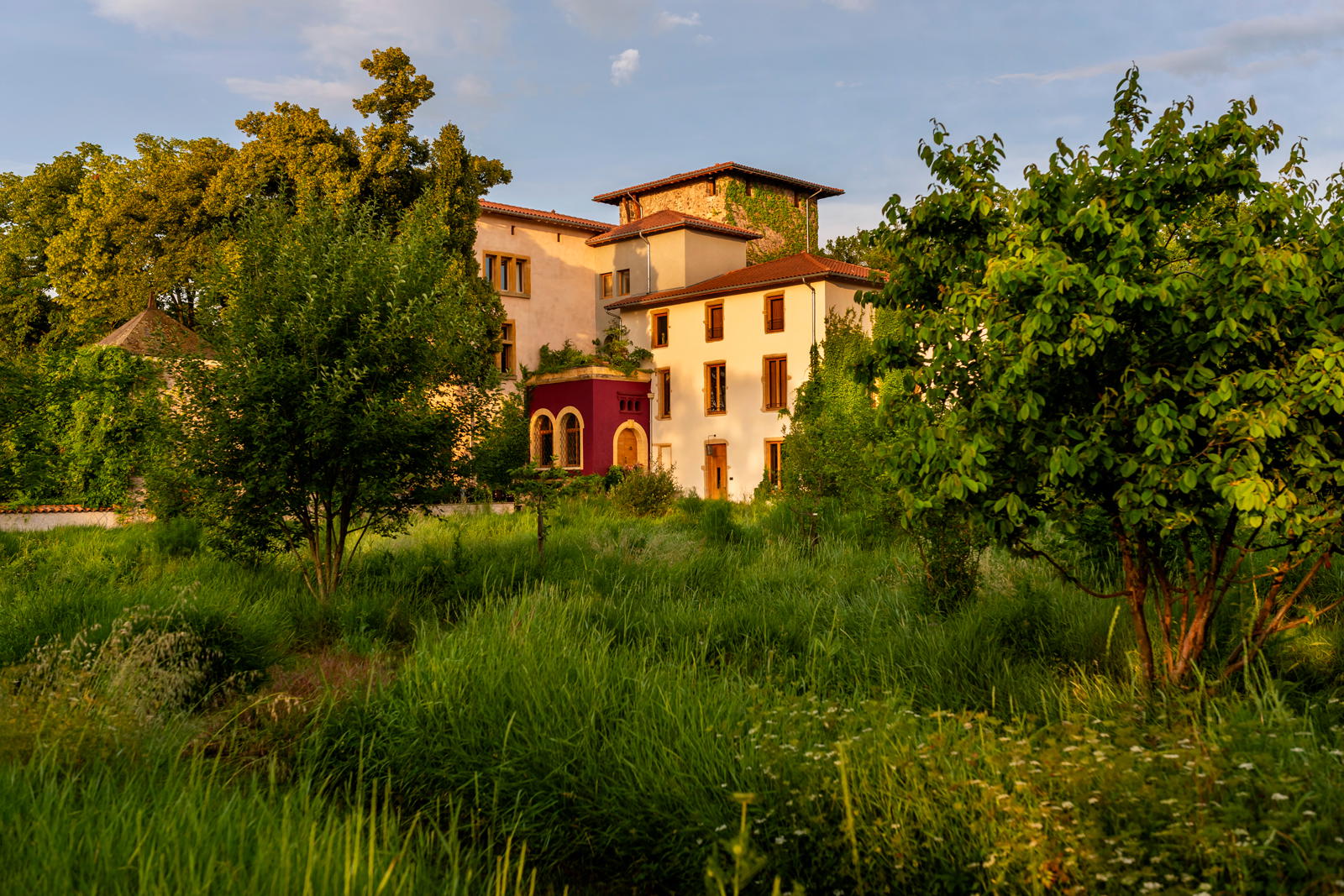
Auberge de l'Ill
Illhaeusern, France
Auberge de l'Ill is a restaurant and hotel in Illhaeusern, Alsace.
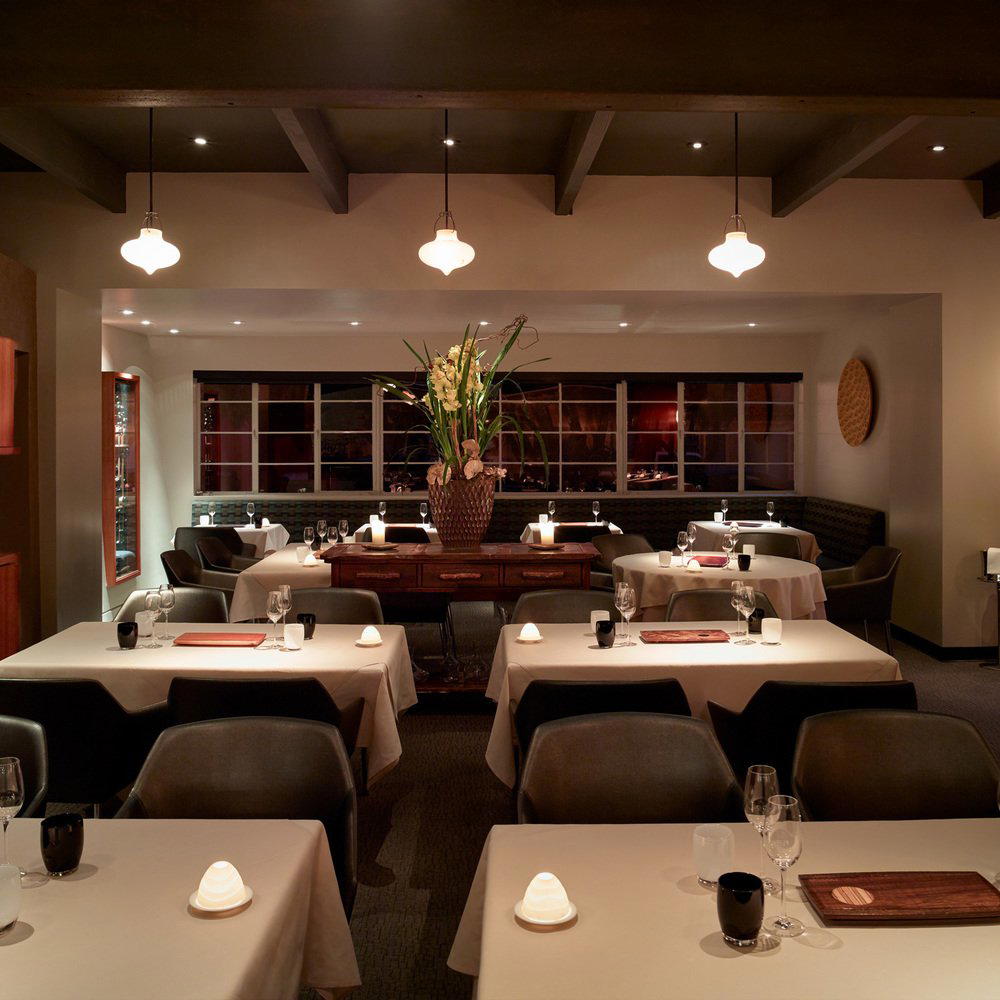
Manresa
Los Gatos, United States
Manresa holds three Michelin stars and a Relais & Château designation in Los Gatos, with a tasting menu that changes every evening based on daily farm delivery. Book four to six weeks out minimum; this is one of the hardest reservations in Northern California. At three-star pricing, it competes with The French Laundry and Single Thread for serious tasting menu travellers in the region.
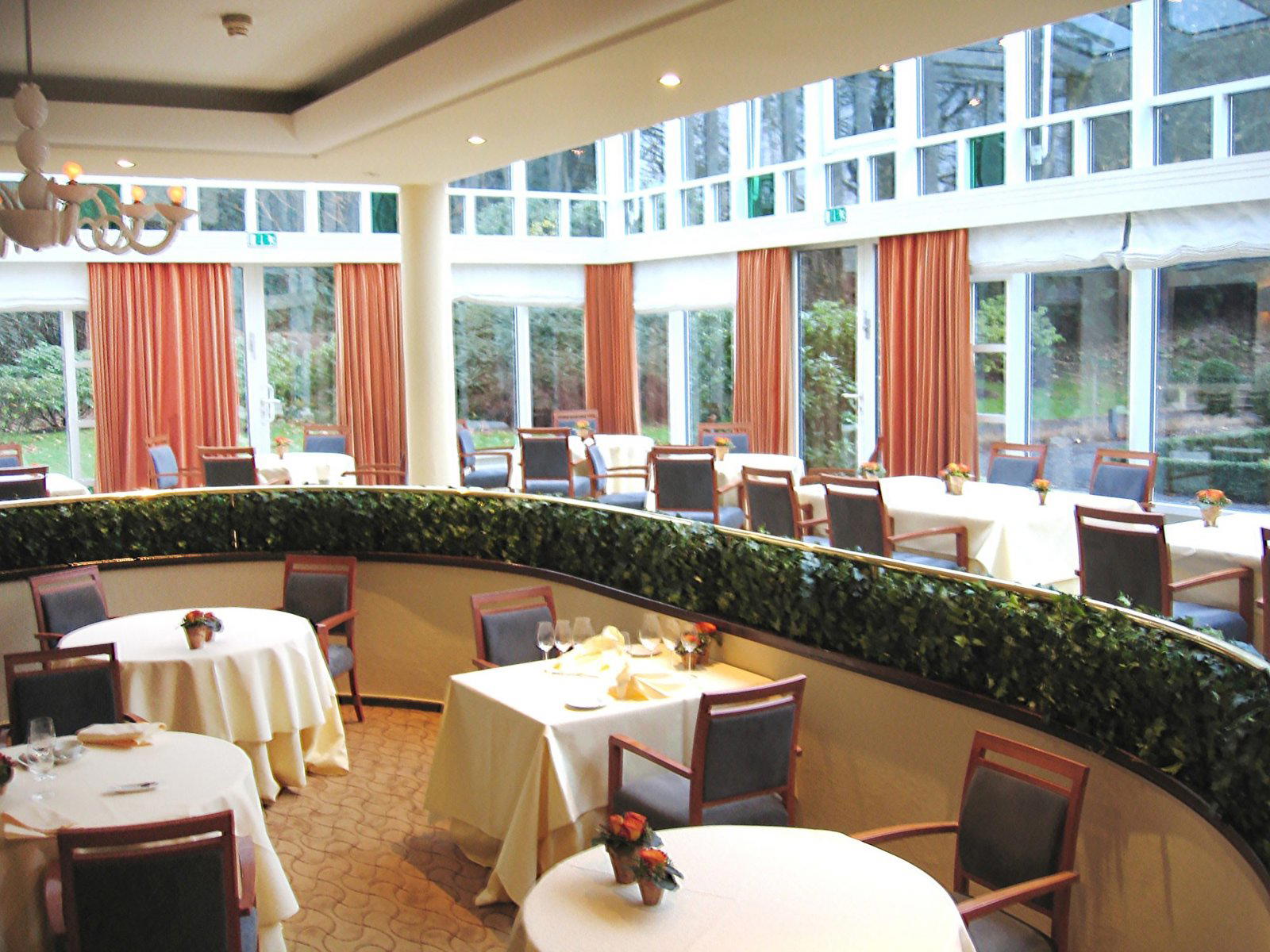
Dieter Mueller
Gladbach, Germany
Dieter Mueller, placing it among Mönchengladbach's most consistent fine dining options. German fine dining at this level is most compelling in the spring asparagus season and autumn game window. Booking is rated Easy, and the central Alter Markt location removes the logistics burden common to comparable out-of-town addresses.
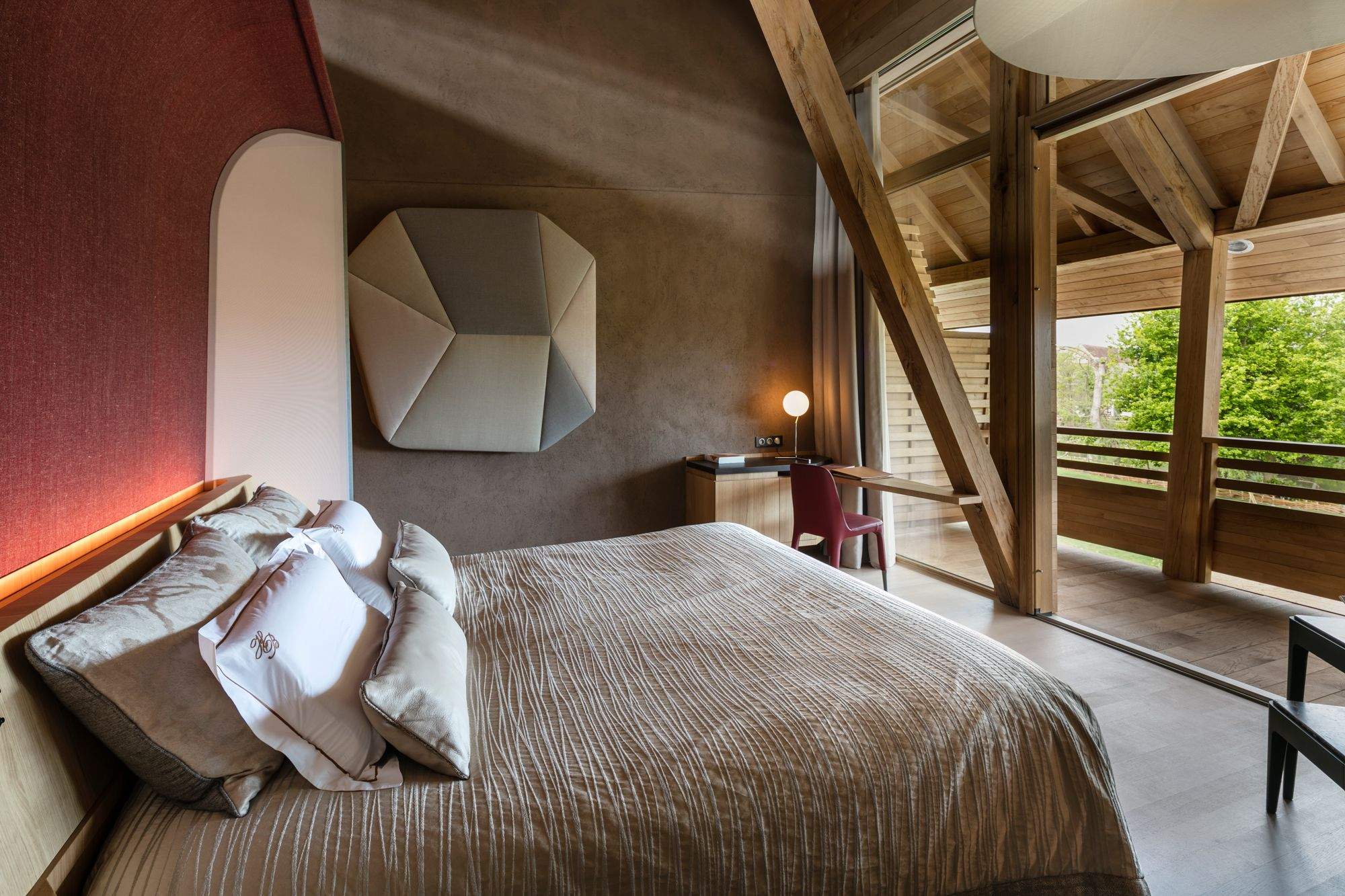
Troisgros - Le Bois sans Feuilles
Ouches, France
Maison Troisgros is a restaurant and hotel in Ouches near Roanne, France.
The Wolseley
London, United Kingdom
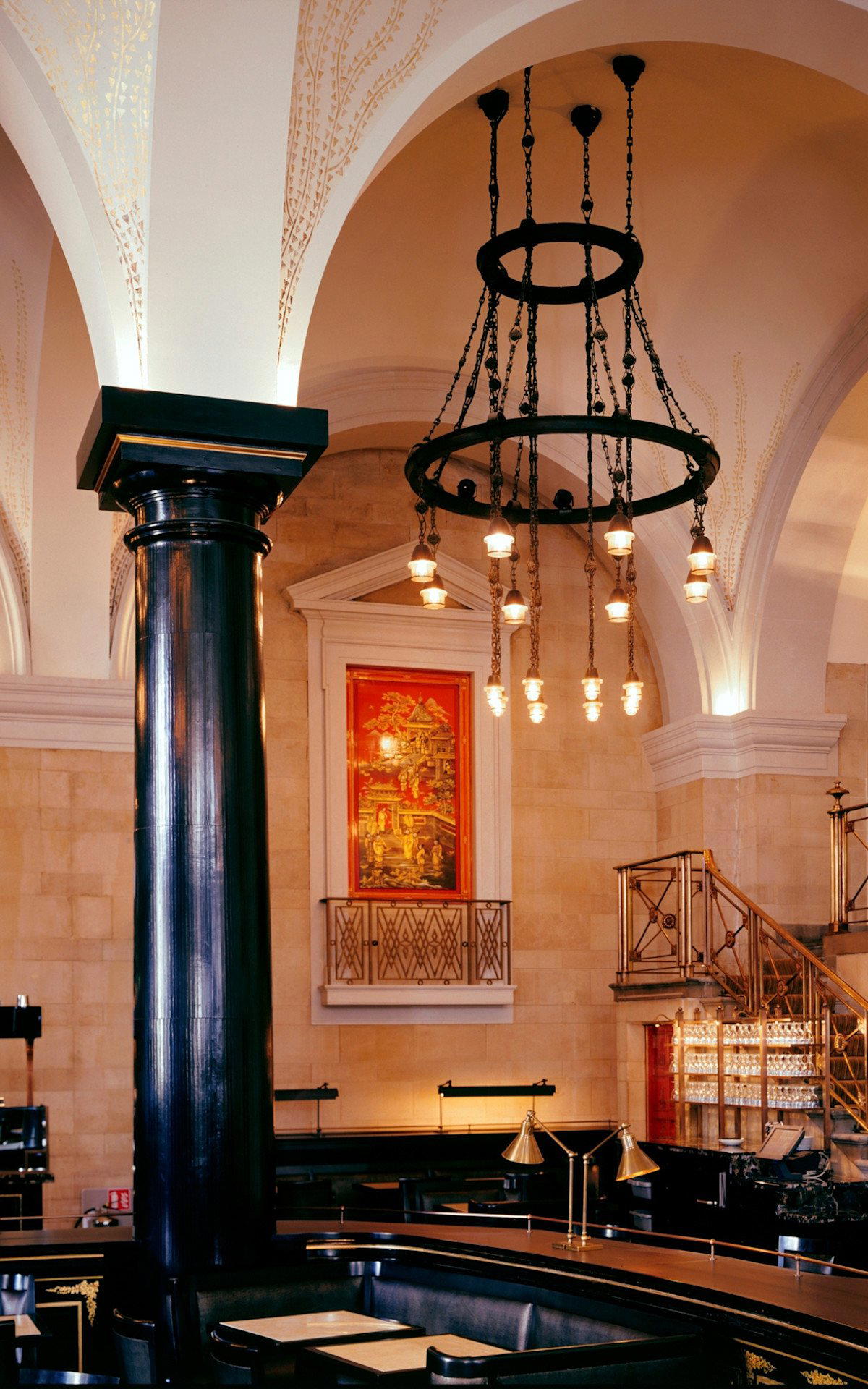
The Wolseley on Piccadilly delivers consistent Modern European cooking in one of London's most atmospheric grand-café rooms at the £££ price point. Michelin Plate-recognised across three consecutive years, it is best approached for weekday lunch when the room is calmer and booking is easier. A reliable choice when atmosphere and practicality matter as much as culinary ambition.
Rockpool
Sydney, Australia
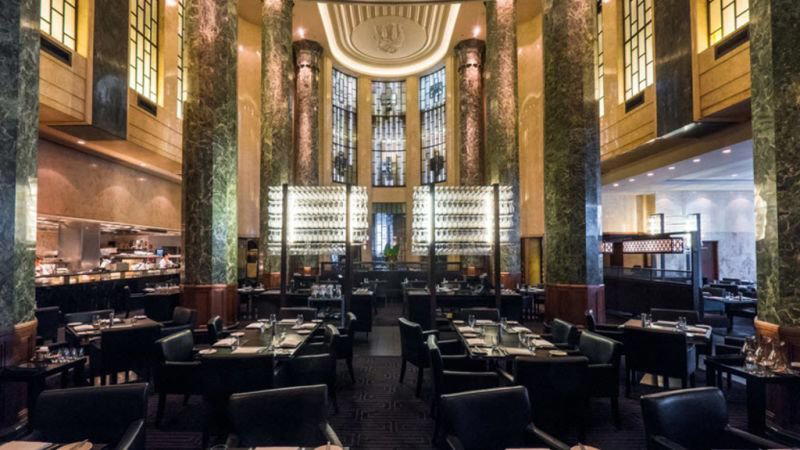
Rockpool Bar & Grill is Sydney's most credentialed steak restaurant: La Liste Top Restaurants 2025 (77.5pts), a place on the World's 101 Best Steak Restaurants list. Book four to six weeks out for peak slots. The art deco room on Hunter Street sets the occasion; the wood-fired grill and dry-aged beef program deliver on it.
Yauatcha
London, United Kingdom
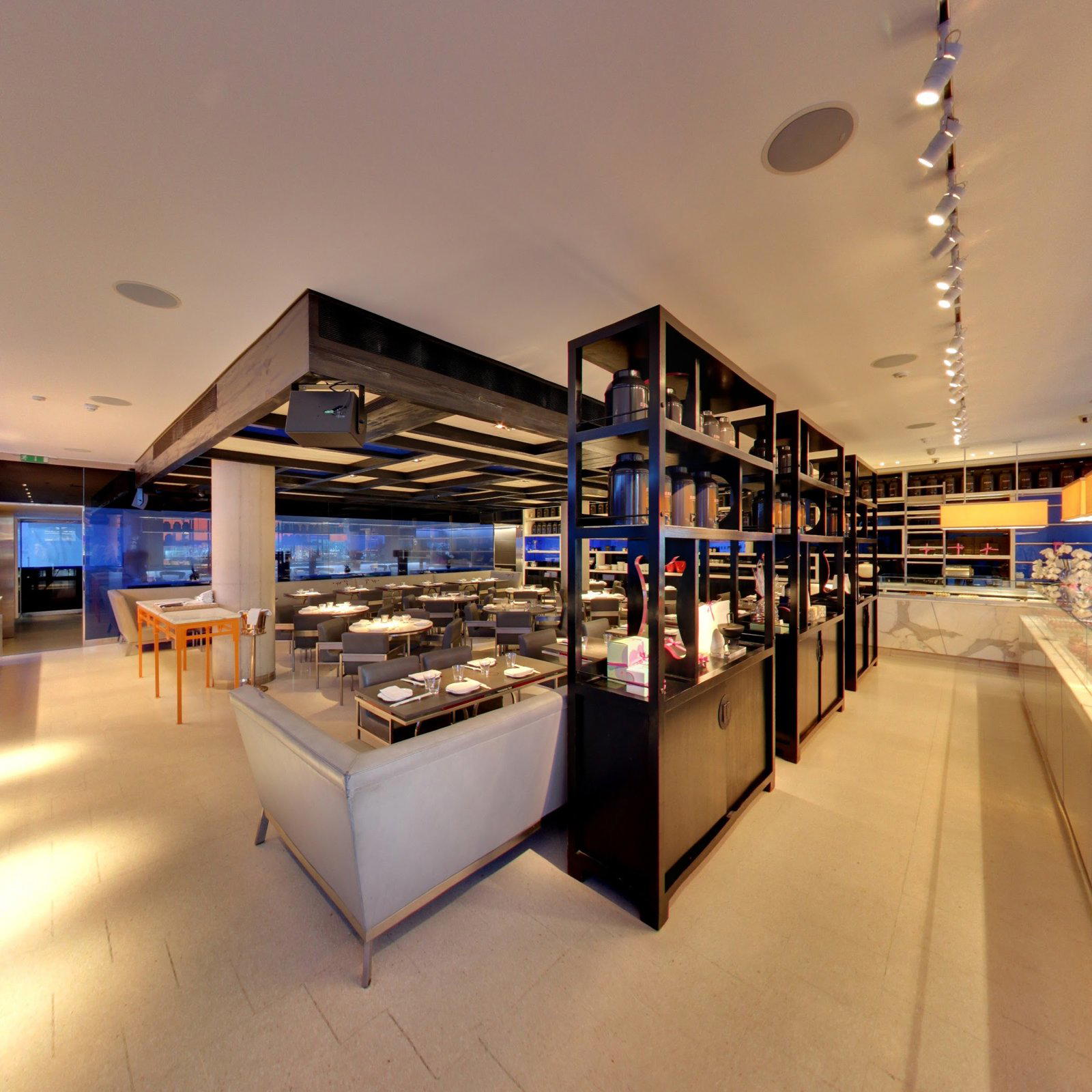
Yauatcha is a Michelin Plate-recognised dim sum restaurant in Soho with a 4.3-star rating across 4,293 reviews. At £££, it delivers one of London's most atmospheric mid-tier Chinese dining experiences; especially in the basement room. Book for groups or special occasions, and reserve at least two to three weeks ahead for weekends.
The Ivy
London, United Kingdom
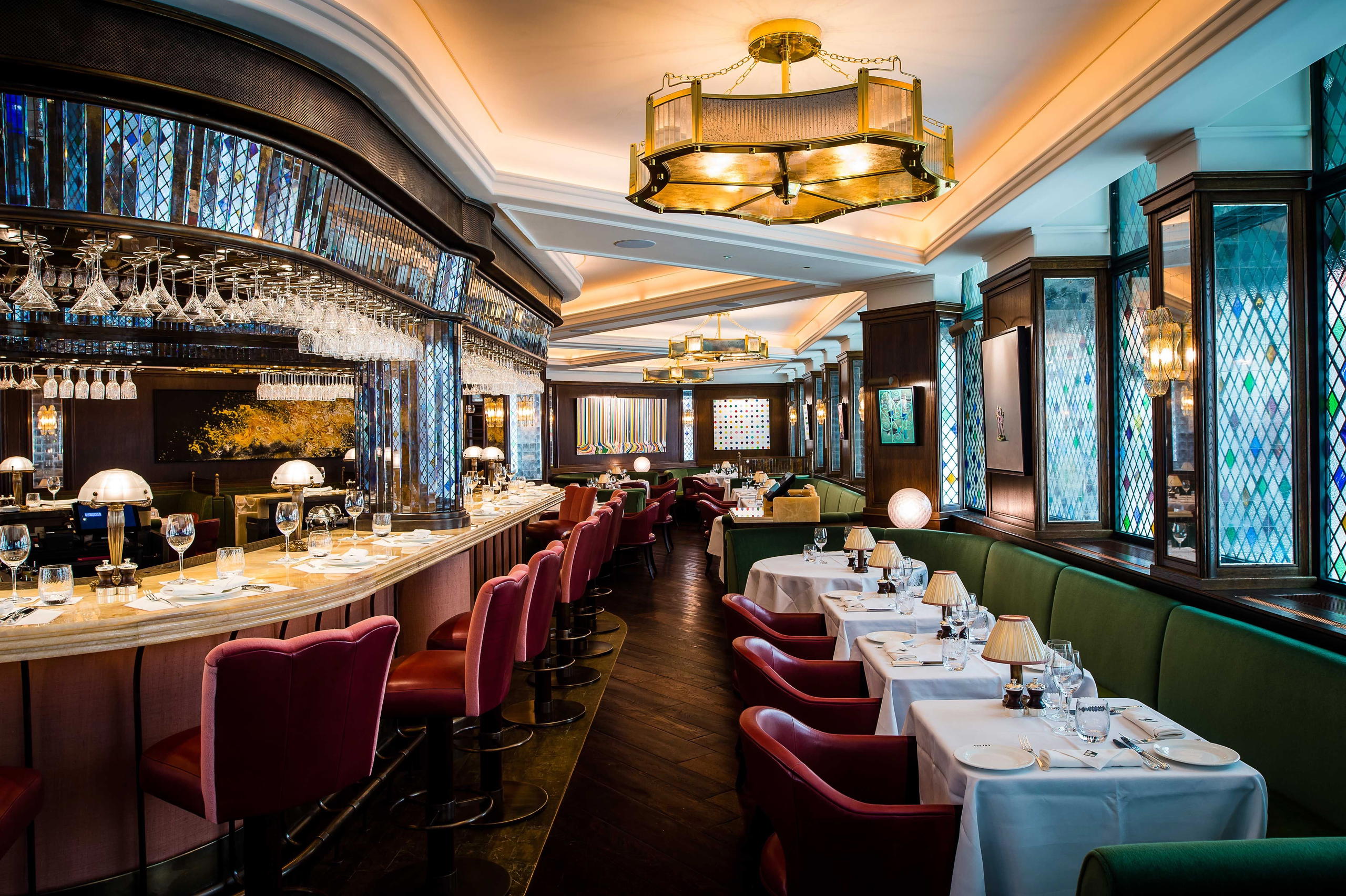
The Ivy at One New Change is not the original Covent Garden institution; it is The Ivy Asia St Paul's, with a Modern European and Californian à la carte menu under chef Alexandre Nicolas. Easier to book than most central London options, open Tuesday to Sunday from breakfast through dinner. A reliable choice for a business lunch or relaxed dinner opposite St Paul's.
Gambero Rosso
Marina di Gioiosa Ionica, Italy
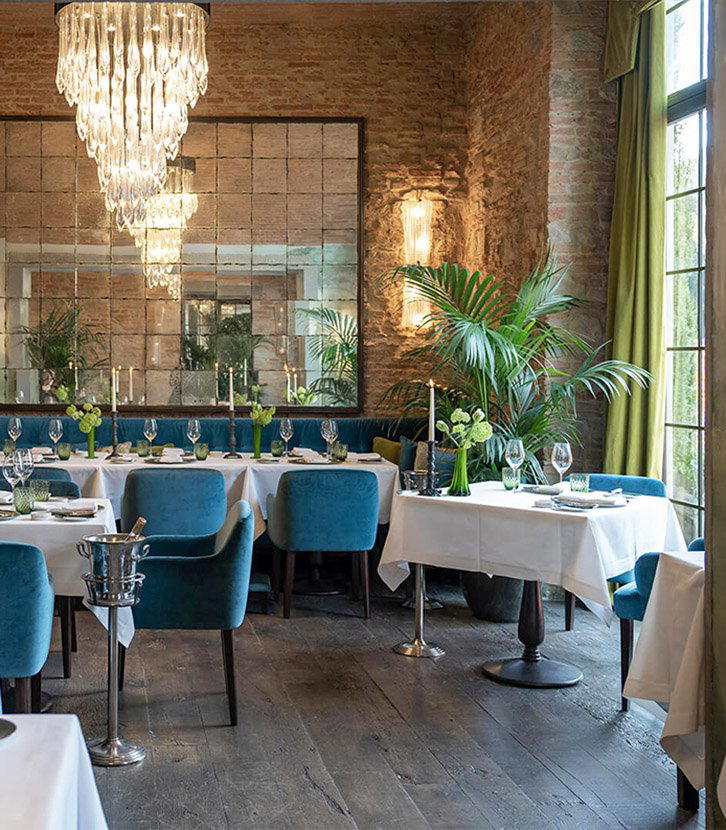
Gambero Rosso holds a Michelin star (2024) for Ionian coast seafood sourced from small-scale fishermen between Marina di Gioiosa Ionica and Reggio Calabria. At €€€, it is a full price tier below most comparable starred tables in Italy. Raw fish courses are the kitchen's signature. Book hard and early; this is not a walk-in restaurant.
The Cliff
Durants, Barbados
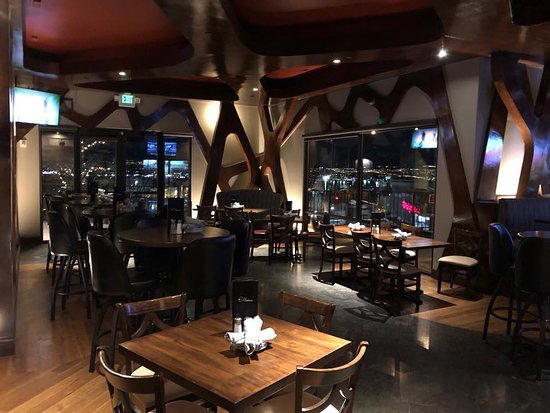
The Cliff is the most occasion-ready seafood restaurant on Barbados's St. James coast, with a 4.5 rating from 714 reviewers and a clifftop setting that does serious work before the food arrives. Book one to two weeks out during peak season (December to April). Best suited to couples and special occasions rather than casual drop-ins.
Le Gavroche
London, United Kingdom
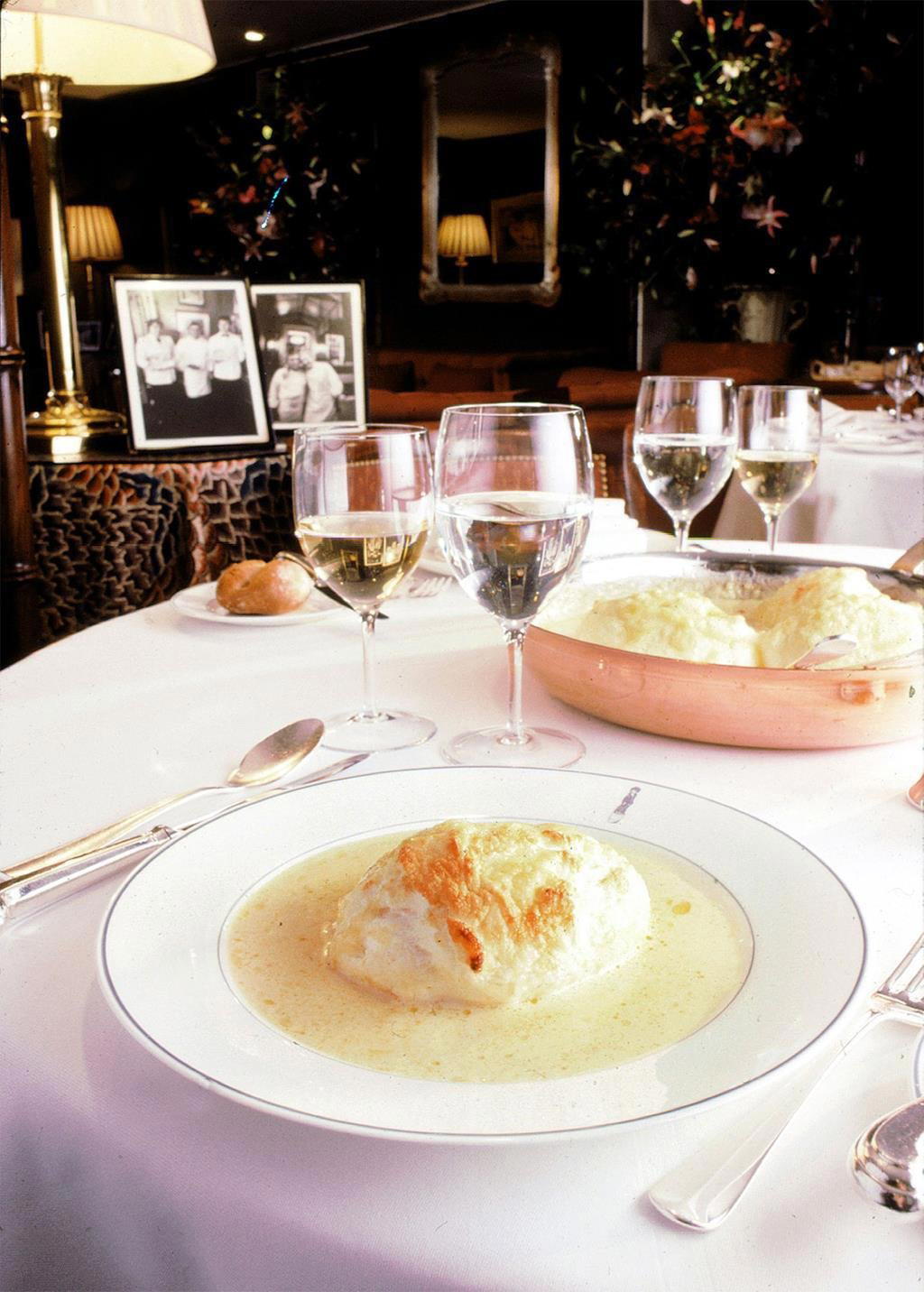
Le Gavroche is London's most historically weighted French dining room; closed in January 2024 after its last service on Upper Brook Street; with a wine cellar that outguns most of the city and service pitched at formal celebration pace. Book six to eight weeks out minimum. Worth it if institutional prestige and serious Burgundy matter to your occasion; consider CORE or The Ledbury if current culinary momentum is the priority.
Enoteca Pinchiorri
Florence, Italy
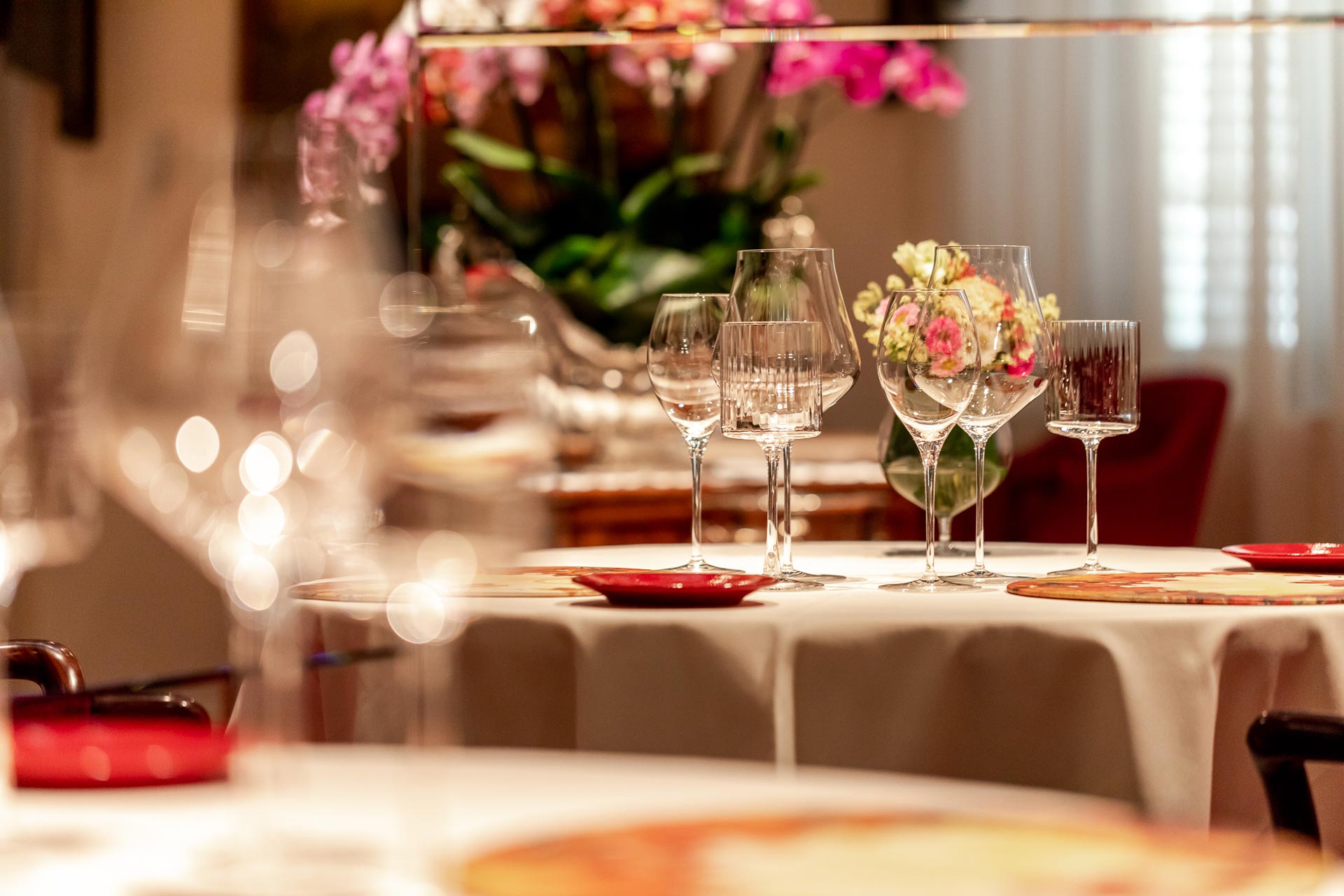
Enoteca Pinchiorri is a restaurant on Via Ghibellina in Florence.
Felix
Hong Kong, Hong Kong
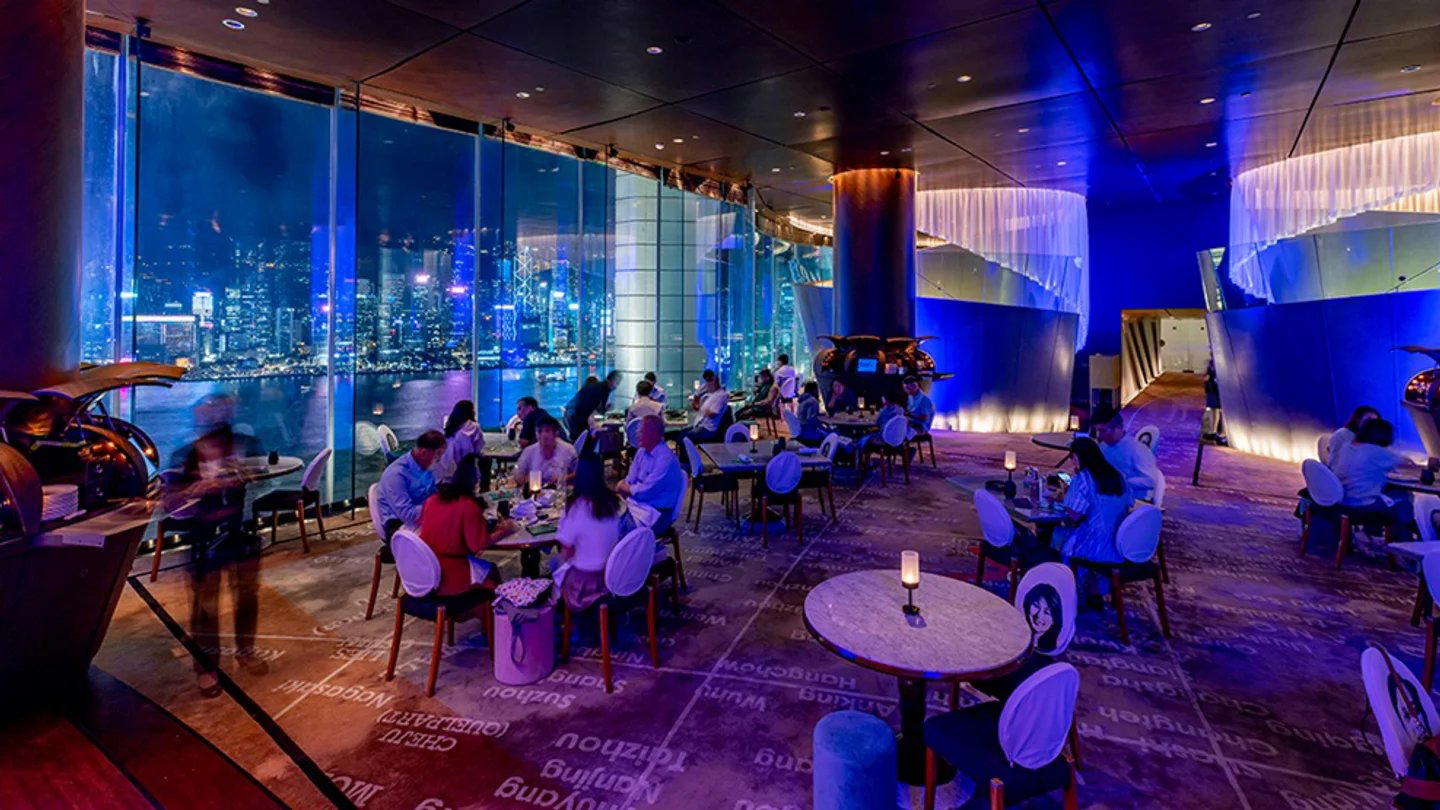
Felix occupies the 28th floor of The Peninsula Tsim Sha Tsui, making it one of Hong Kong's stronger cases for occasion dining with a view. A Pearl Recommended restaurant for 2025 with a Star Wine List White Star, it is worth booking when setting and a credentialled wine programme matter as much as what is on the plate.
La Tupina
Bordeaux, France
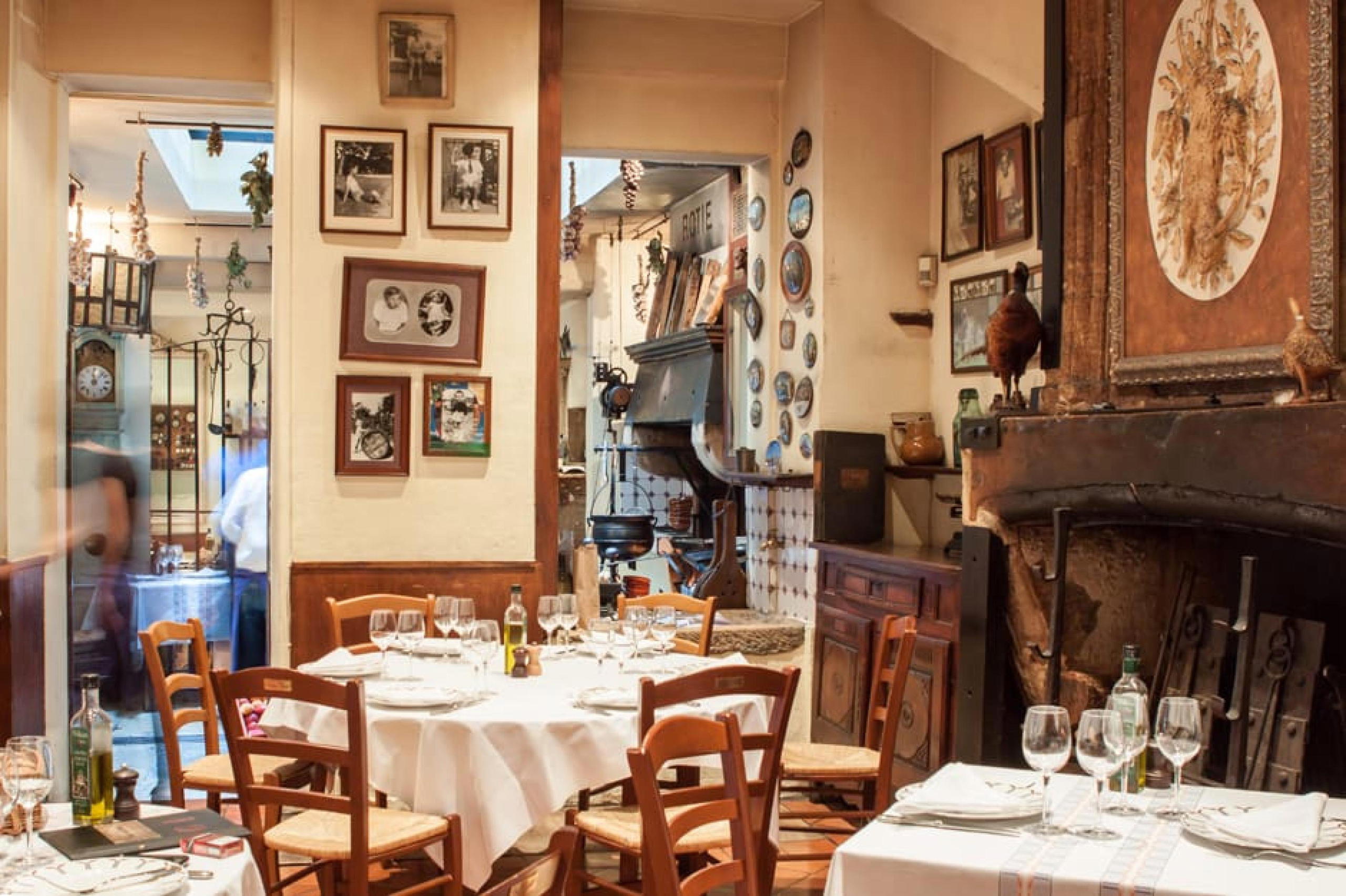
La Tupina is a Bordeaux fire-cooking institution at the €€ tier, earning a Michelin Plate in both 2024 and 2025 and an Opinionated About Dining casual Europe ranking. Book it for hearty Southwest French cooking; duck, foie gras, rotisserie; in a room anchored by a wood-burning hearth. Strong value for the quality; easy to book compared to Bordeaux's more formal addresses.
Overview
The 2005 World's 50 Best Restaurants marked a major shift, with Heston Blumenthal's The Fat Duck in Bray overtaking The French Laundry for the top position. This edition featured 51 restaurants across 12 countries and 27 cities, with London dominating the top 10 with four entries. The list saw significant turnover: 18 new entrants joined while 17 dropped out, though 33 restaurants held their positions from 2004.
This edition represented a pivot toward molecular gastronomy and modern technique-driven cooking. The top three; The Fat Duck, El Bulli, and The French Laundry; all championed experimental approaches over classical French tradition. London's presence was unprecedented, claiming four of the top ten spots (The Fat Duck, Restaurant Gordon Ramsay, Muse by Tom Aikens, and St John). The United States maintained strong representation with The French Laundry, Per Se, and Jean Georges all landing in the top 10. Per Se, Thomas Keller's New York follow-up to The French Laundry, debuted at #7. Australia, France, and Spain rounded out the top tier, with Tetsuya's in Sydney and Pierre Gagnaire in Paris both making the cut. The 33 retained venues from 2004 showed some stability, but the 18 new entrants and 17 exits indicated the list's willingness to shuffle rankings significantly year-over-year.
The 2005 World's 50 Best Restaurants handed Heston Blumenthal's The Fat Duck the top spot, bumping Thomas Keller's The French Laundry to third and keeping El Bulli at second. This was the list's moment for championing experimental cooking; molecular gastronomy, deconstruction, and technique over tradition. London had an unusually strong showing with four restaurants in the top 10, including Gordon Ramsay's flagship and the now-closed Muse by Tom Aikens. The list turned over more than a third of its entries from 2004, with 18 newcomers including Per Se and Alain Ducasse au Plaza Athénée. If you're tracking how fine dining trends shifted in the mid-2000s, this edition captures the peak of the science-driven dining movement.
Quick Facts
- Top restaurant
- The Fat Duck (Bray, UK)
- Total venues
- 51 restaurants
- Countries represented
- 12 countries
- Cities represented
- 27 cities
- London restaurants in top 10
- 4 entries
- Retained from 2004
- 33 venues
- New entrants
- 18 restaurants
- Dropped from 2004
- 17 venues
About This Edition
The 2005 edition reflected a clear preference for chefs pushing technical boundaries. The Fat Duck's ascent to #1 signaled that molecular gastronomy had moved from novelty to establishment acceptance. El Bulli held steady at #2, while The French Laundry dropped two spots despite remaining one of the world's most sought-after reservations. Keller also placed Per Se at #7 in its debut appearance, making him the only chef with two restaurants in the top 10 that year. London's four top-10 placements; The Fat Duck, Restaurant Gordon Ramsay (#5), Muse by Tom Aikens (#8), and St John (#10); gave the UK more representation in the upper tier than any other country. St John's inclusion was notable for championing nose-to-tail cooking in a list otherwise dominated by fine-dining tasting menus. Paris managed only one top-10 entry with Pierre Gagnaire at #6, a surprisingly modest showing for French cuisine. The 18 new entrants included high-profile names like Alain Ducasse au Plaza Athénée and Alinea, while 17 restaurants dropped off entirely, including Daniel and L'Atelier Saint Germain. The 33 retained venues showed that while the list had some consistency, rankings shifted considerably; what placed #15 in 2004 might land at #40 in 2005, or vice versa.
Frequently Asked Questions
Which restaurant was #1 in 2005?
How many restaurants from 2004 stayed on the 2005 list?
Which city had the most restaurants in the 2005 top 10?
Did any chef have multiple restaurants in the 2005 top 10?
What happened to The French Laundry in 2005?
How many of these have you visited?
Find out on Pearl and keep score across every place in 2005 World's 50 Best Restaurants.