

Schweizerhof Zermatt
Zermatt City Centre, Zermatt
Hotel in Zermatt, Switzerland
 Book with Pearl
The Read
Matterhorn-Foot Haute-Luxe
Why go
Schweizerhof Zermatt is worth shortlisting if location, ease, and recognized hotel quality matter more than old-palace formality. Its Michelin 1 Key and Small Luxury Hotels of the World status make it a safer central pick for peak-season Zermatt, especially when direct-booking perks or upgrade potential improve the total value.
About Schweizerhof Zermatt
Schweizerhof Zermatt is a Zermatt hotel with two clear signals for travelers building a premium shortlist: Michelin 1 Key recognition in 2025 and membership in Small Luxury Hotels of the World in 2025. Beyond those points, the safest way to evaluate it is by comparing those accolades with the needs of your own trip.
The case for considering Schweizerhof Zermatt is therefore direct. It belongs on a Zermatt hotel shortlist when recognized hotel quality matters and when guests want a premium stay. The dress code is smart casual, which gives a useful sense of tone without implying a formal resort experience.
Choose it for recognition, not assumptions
The right guest is someone who wants a Zermatt stay backed by clear third-party recognition. Michelin 1 Key status and Small Luxury Hotels of the World membership are the strongest reasons to keep Schweizerhof Zermatt in the conversation. If you are comparing several Zermatt options, Grand Hotel Zermatterhof, Backstage Hotel Vernissage, Mont Cervin Palace, Monte Rosa Boutique Hotel, and Hotel ZERMAMA Zermatt are natural names to consider alongside it.
That positioning also matters for value. In Zermatt, the best choice can depend heavily on dates, availability, cancellation terms, and the specific inclusions attached to a booking. For Schweizerhof Zermatt, compare the total stay rather than assuming that any one feature will define the experience. If the package includes benefits that matter to you, the recognition may strengthen the case; if not, compare it carefully with other Zermatt hotels before deciding.
Loyalty value comes from booking strategy, not points chasing
The loyalty angle should be approached carefully. Schweizerhof Zermatt is a Small Luxury Hotels of the World member, but that does not by itself define a particular points structure, upgrade policy, breakfast inclusion, or late-checkout benefit. The practical move is to compare the terms of the booking channel you plan to use against the hotel's direct offer, then decide based on the inclusions that matter to you.
For travelers building a wider Zermatt shortlist, use the full Zermatt hotels guide before committing. Schweizerhof Zermatt is best assessed on the basis of its recognition, its Zermatt setting, and its smart-casual tone. Check more specific details about dining, room categories, views, facilities, or service extras directly before booking.
Inside Schweizerhof Zermatt
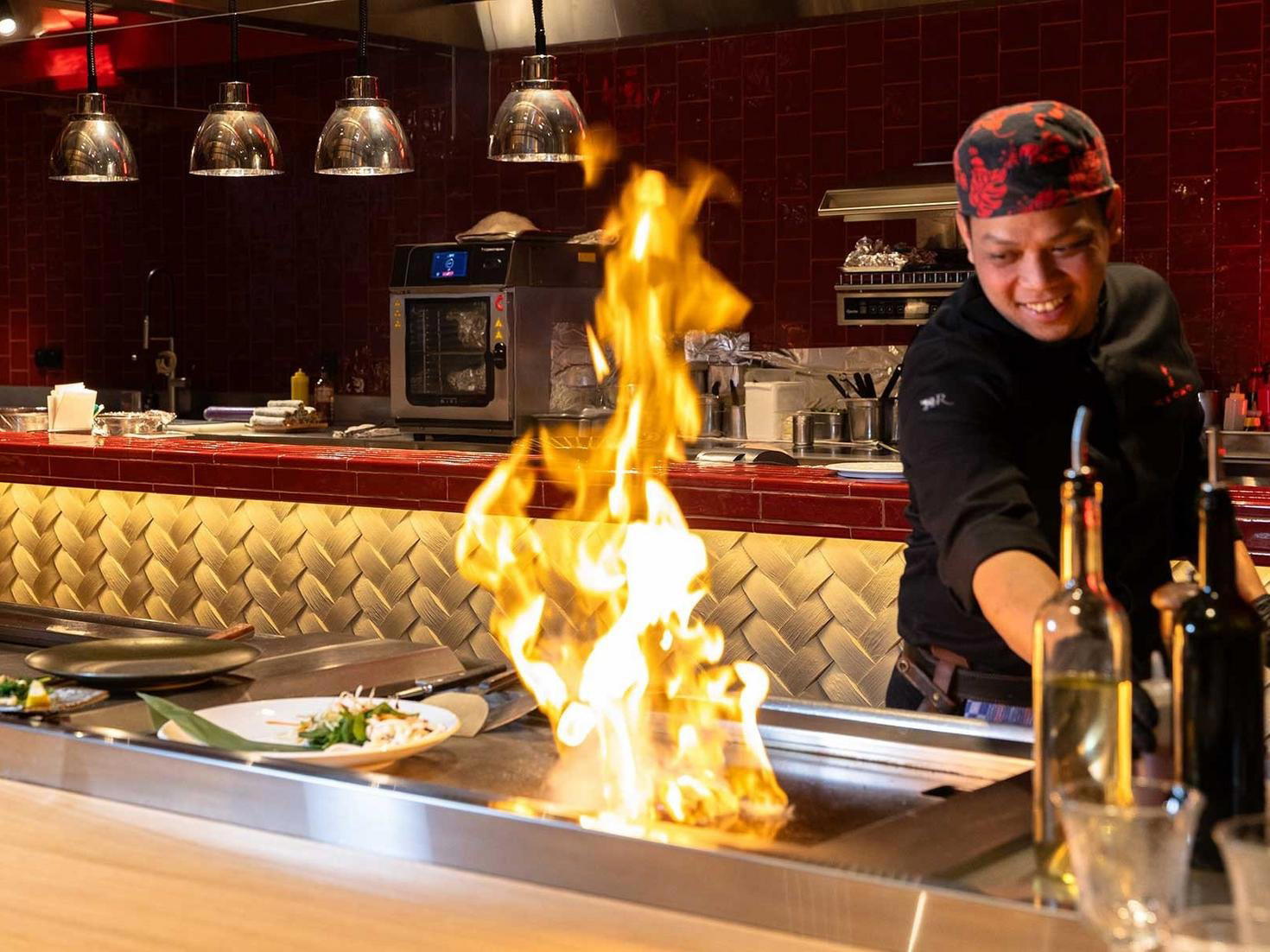 restaurantMyokoIn a resort town where cheese fondue and alpine raclette dominate the après-ski rotation, Myoko brings a different register to Zermatt's dining scene: sushi and teppan-yaki under one roof on Bahnhofstrasse, the main pedestrian artery running through the village. The dual-format menu signals a deliberate architectural choice, splitting the room's energy between counter-style raw preparation and live-fire theatrics at the iron griddle.
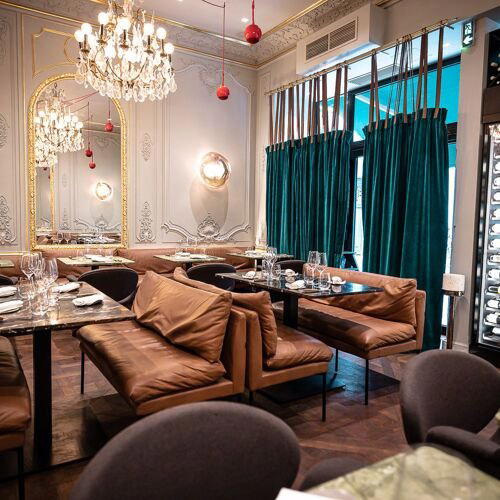 restaurantLa MuñaLa Muña brings Peruvian cooking to Zurich's Seefeld lakefront, holding consecutive Michelin Plate recognition in 2024 and 2025. At the €€€ tier on Utoquai 45, it occupies a distinct position in a city where South American kitchens remain a small minority among the Michelin-tracked dining scene. A 4.4 Google rating across 363 reviews points to consistent execution rather than novelty appeal.
Planning details
- Location
- Bahnhofstrasse 5, 3920 Zermatt
- Website
- schweizerhofzermatt.ch
- Phone
- +41 27 966 00 00
The take
The Take
The Vibe
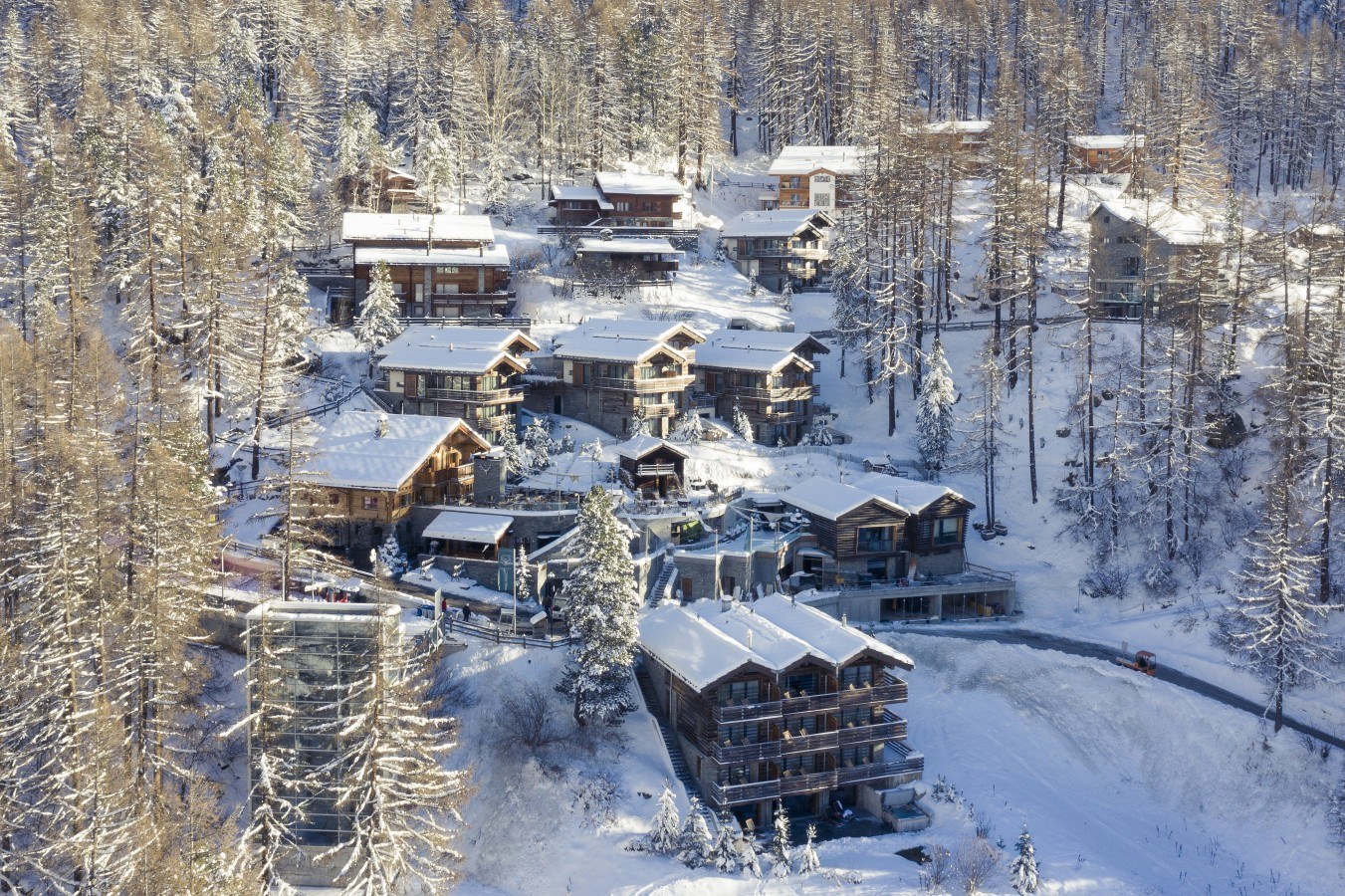
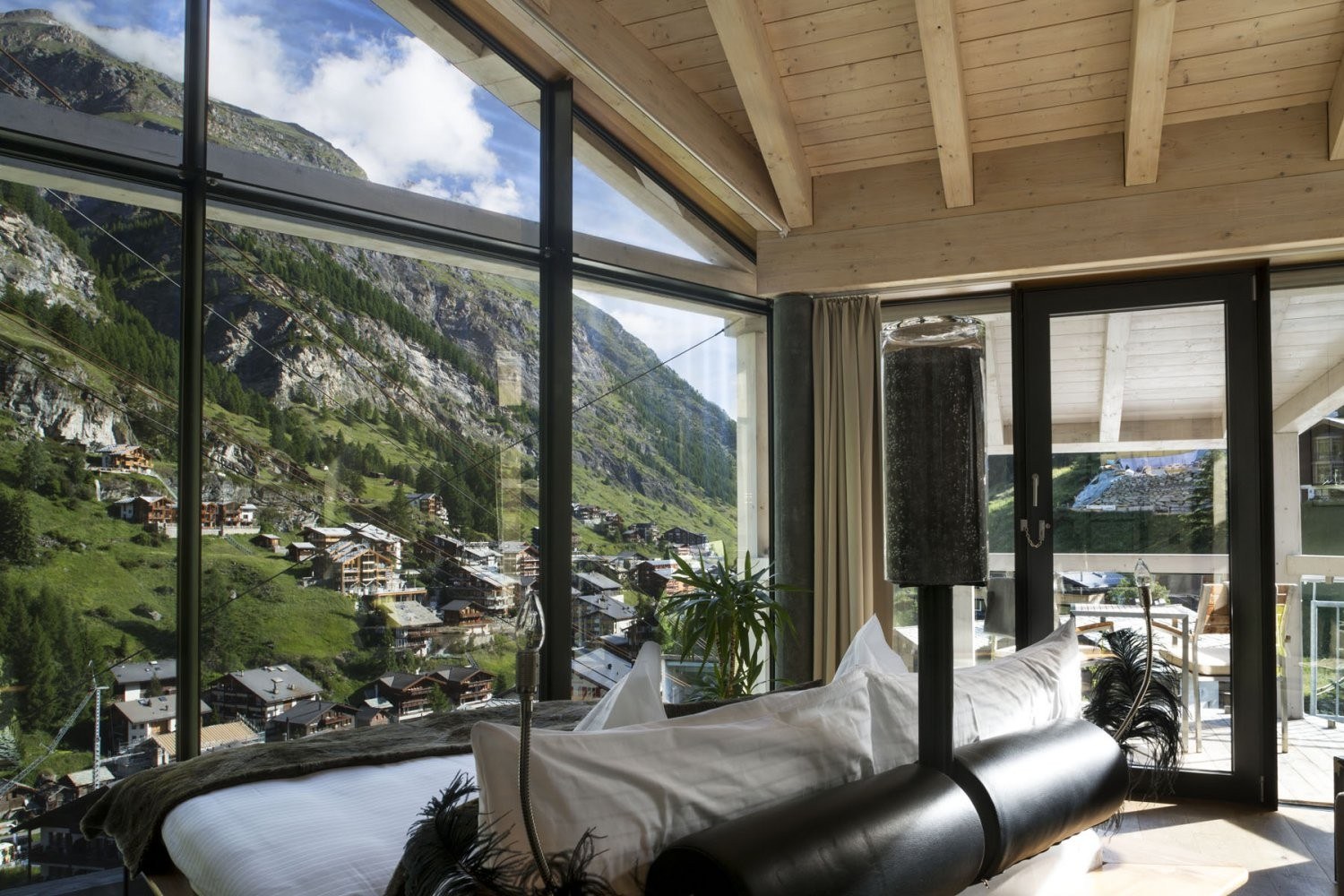
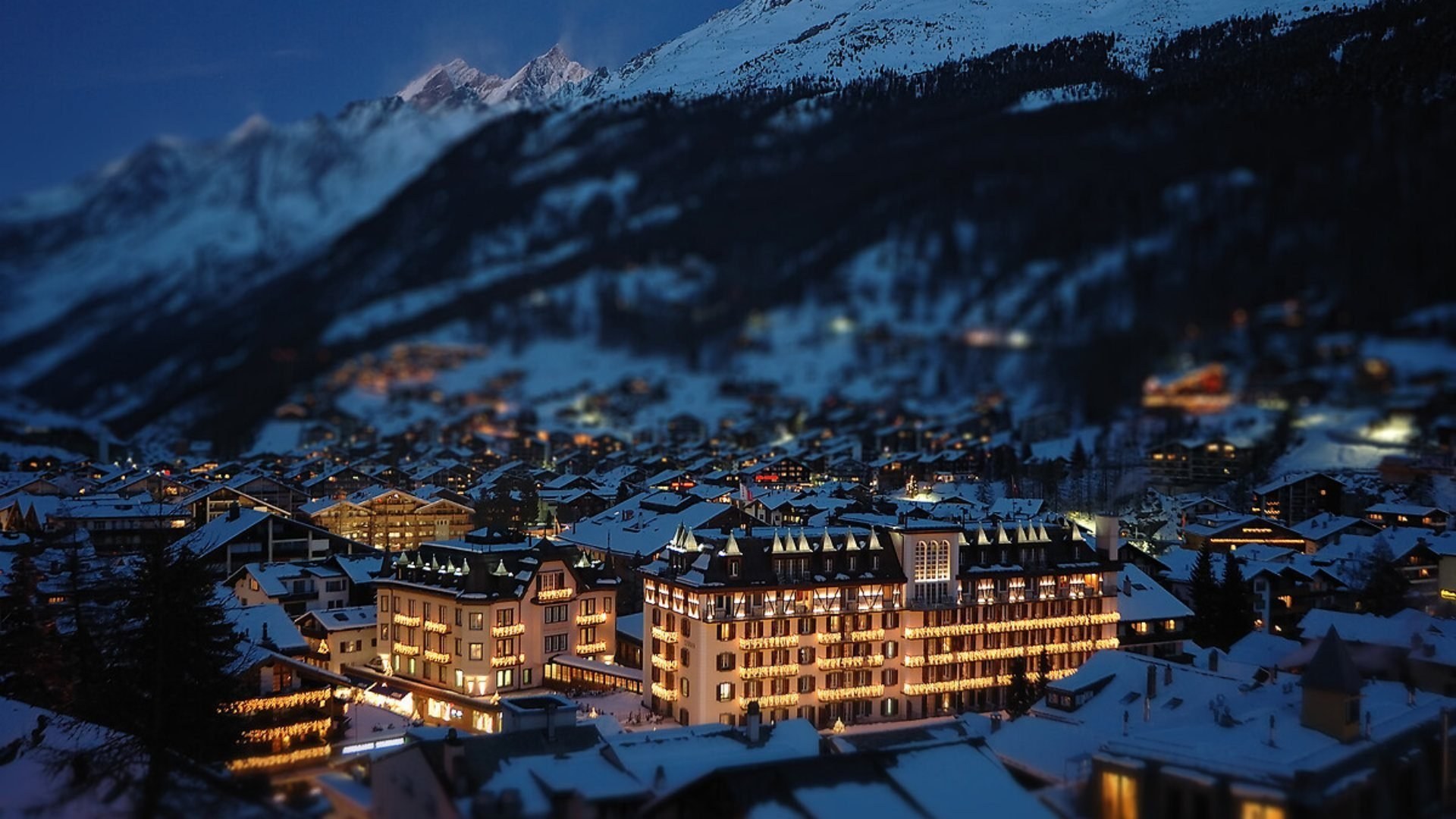
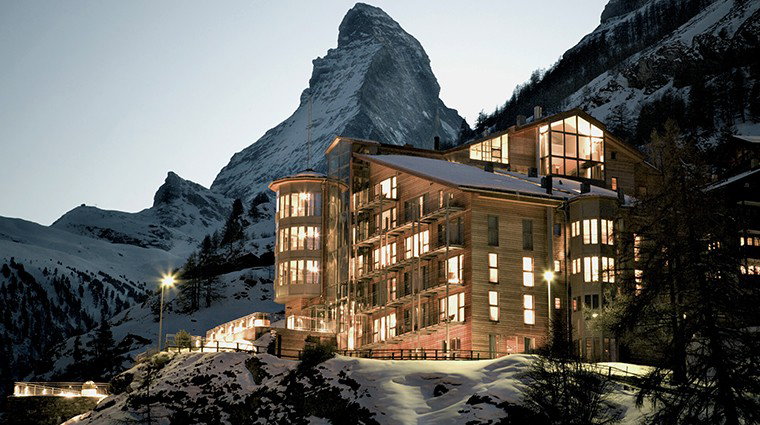
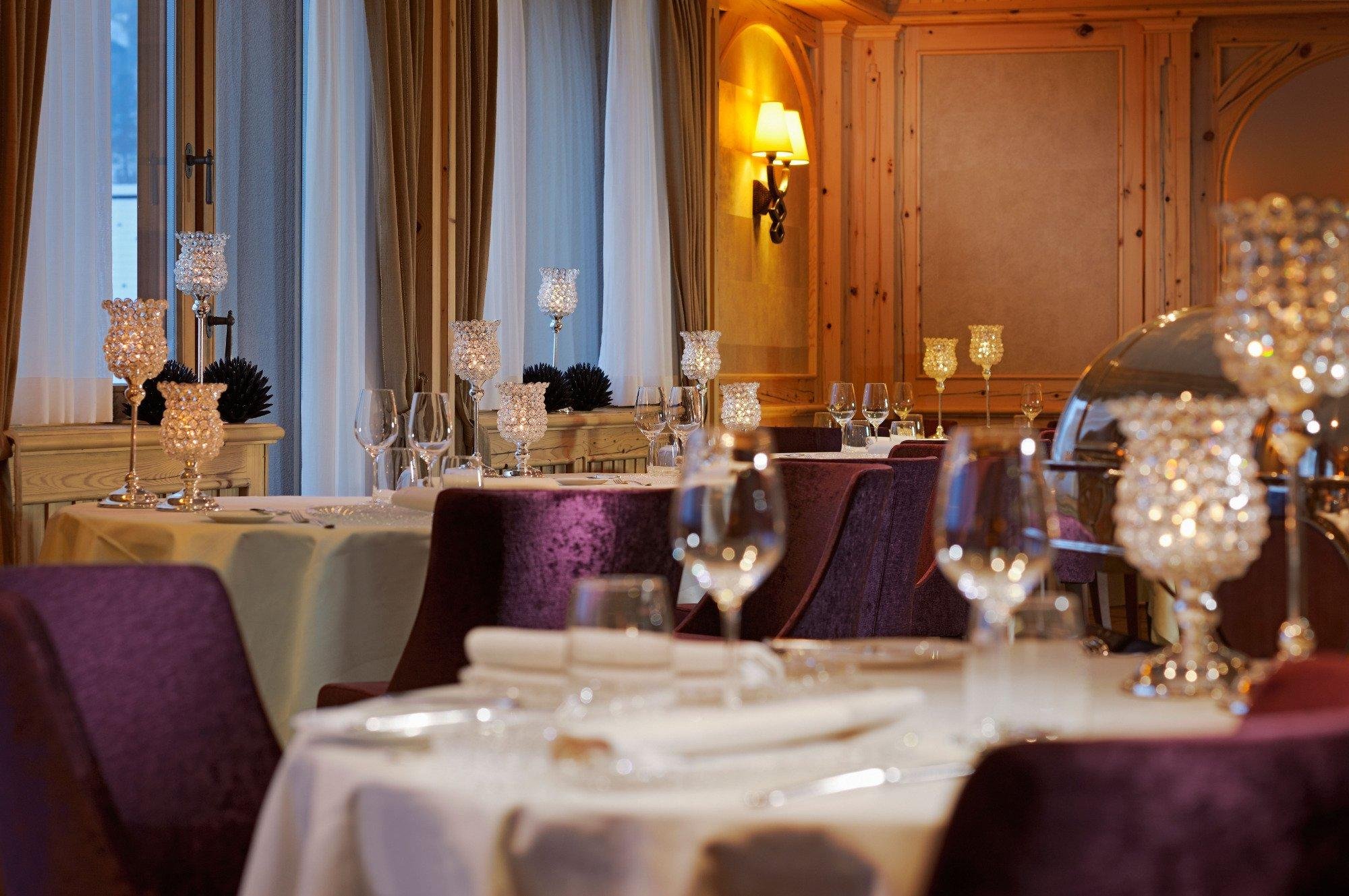
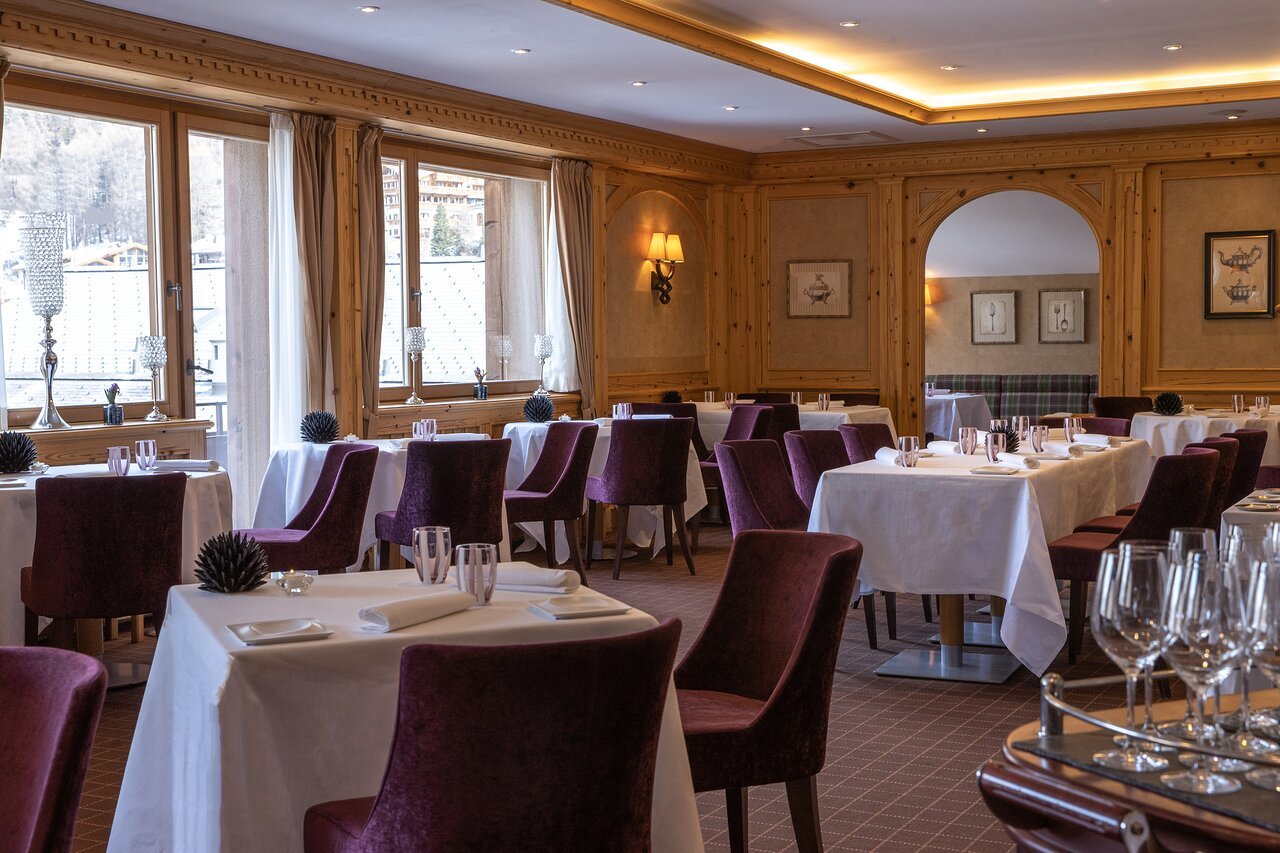
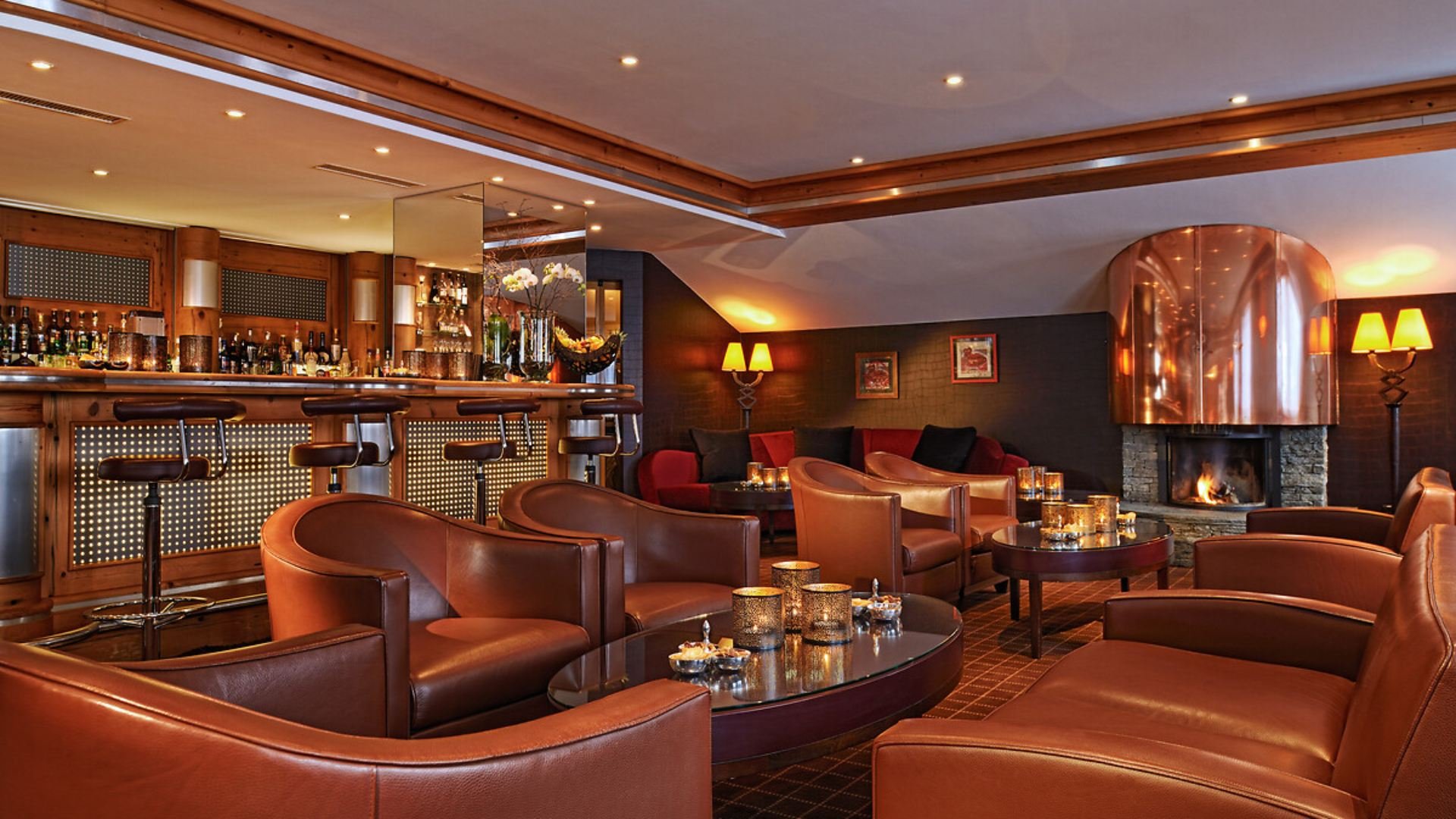
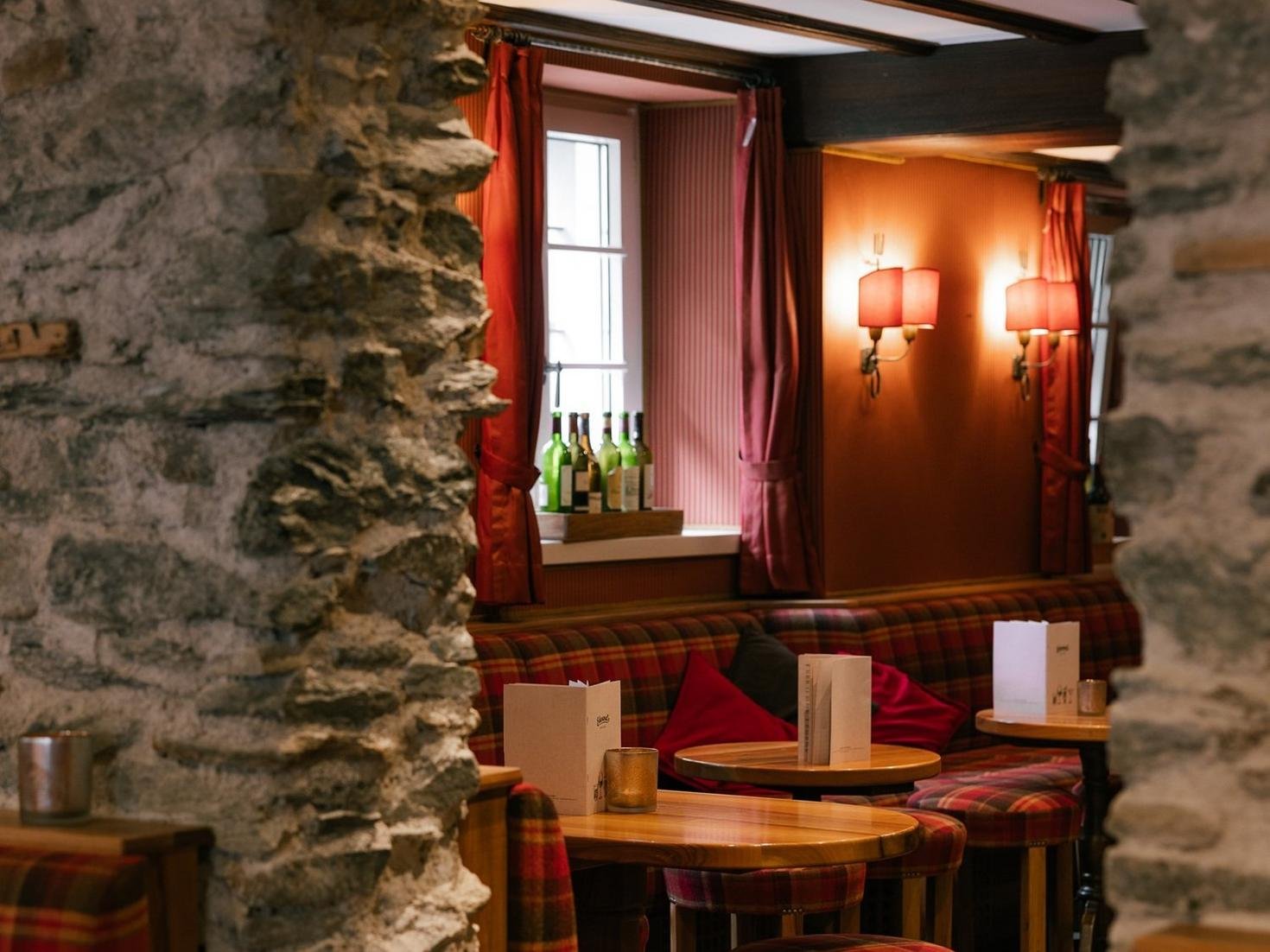
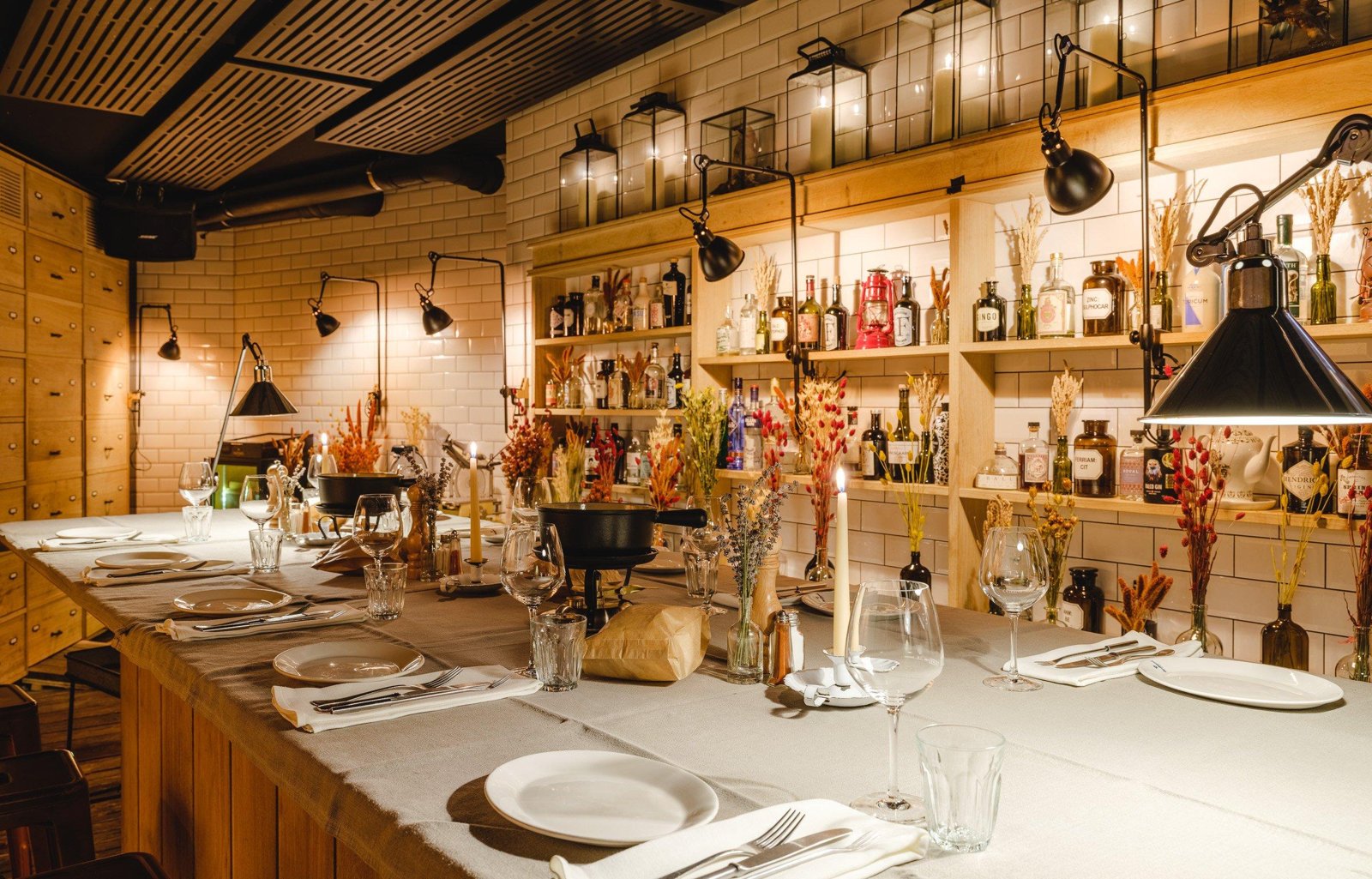
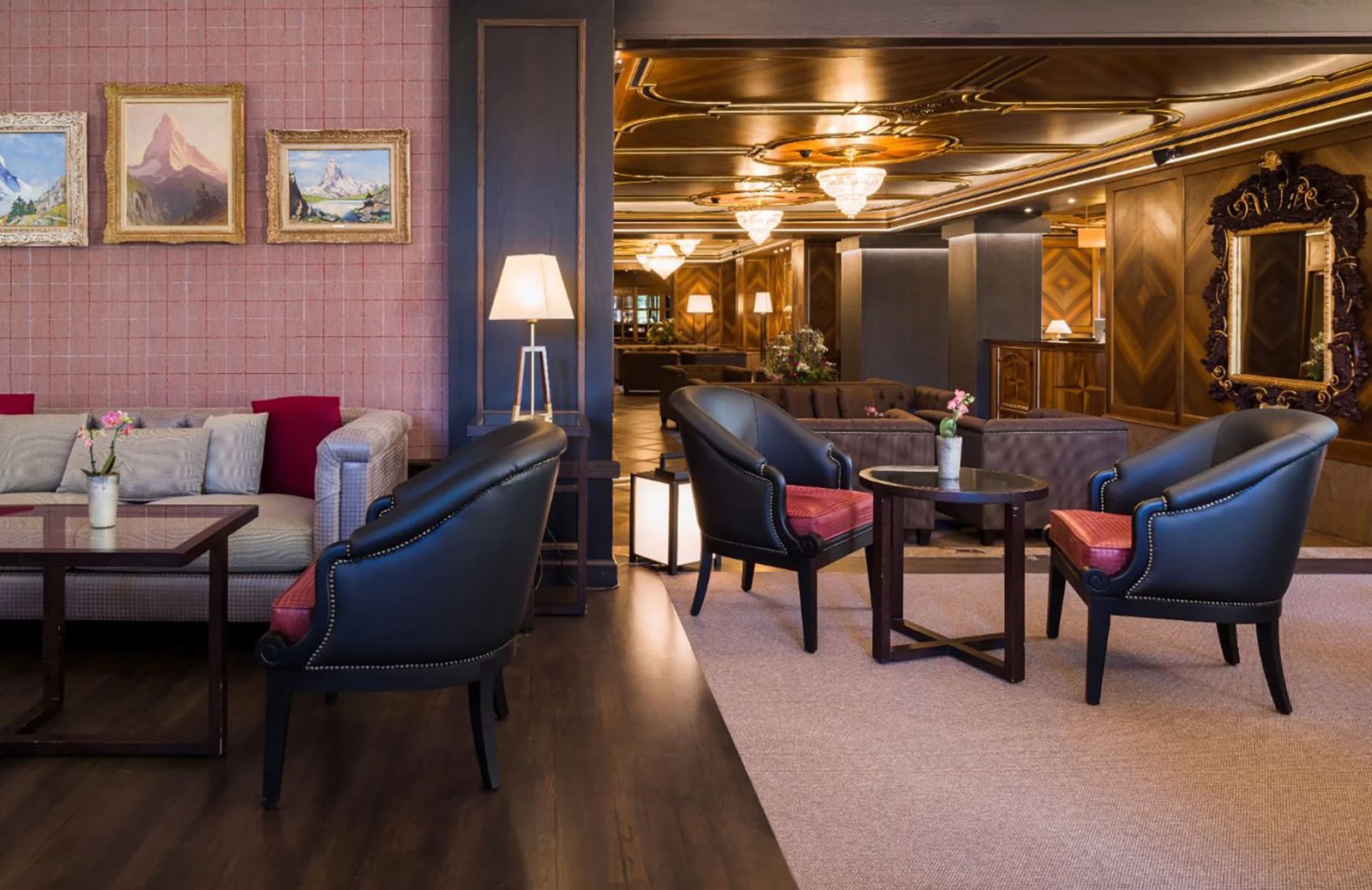
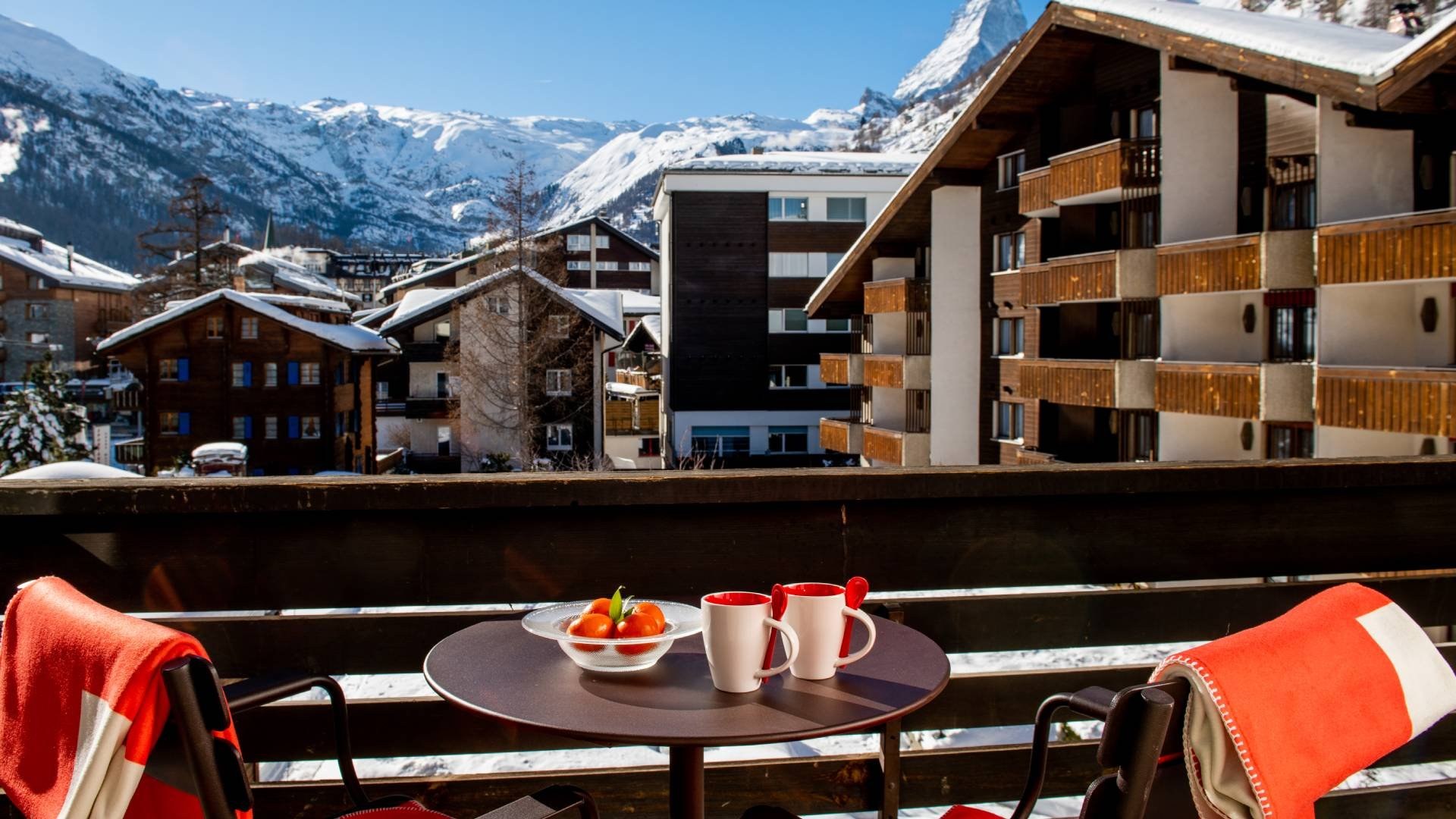
Hotel Schweizerhof reads like a high‑altitude chalet translated for contemporary comfort. The public rooms and guest spaces lean on warm wood and authentic Alpine materiality, so interior moments feel intentionally tactile rather than overtly flashy. Outside, the Matterhorn dominates the approach and provides a dramatic scenic backdrop that frames the hotel’s position on Bahnhofstrasse. The property balances grand‑hotel scale with a design‑forward sensibility, yielding a polished but relaxed mountain retreat where the landscape always plays the starring role.
Best For
Schweizerhof is best for travelers who want immediate access to Zermatt’s mountain infrastructure and the visual drama of the Matterhorn. Its location on Bahnhofstrasse means arrivals from the station are measured in minutes, making it a practical choice for ski‑focused stays and short escapes. The description emphasizes year‑round glacier access and sustained alpine demand, so the hotel suits both winter ski programs and summer mountain activities, while its blend of high‑spec comfort and local materiality appeals to guests seeking refined yet place‑driven lodging.
Stay Tips
Plan arrival by train: Zermatt is car‑free and accessed via the cog railway from Täsch, and the hotel sits steps from the station, so time your travel accordingly. Book early for peak winter and summer periods when demand is driven by year‑round glacier access. Given the hotel’s strong relationship to the lifts and village core, request a room with southern outlooks if seeing the Matterhorn is important. Finally, consider the local weather window when scheduling alpine activities—conditions regularly determine whether guests ski or linger in town.
Venue details
Ambiance
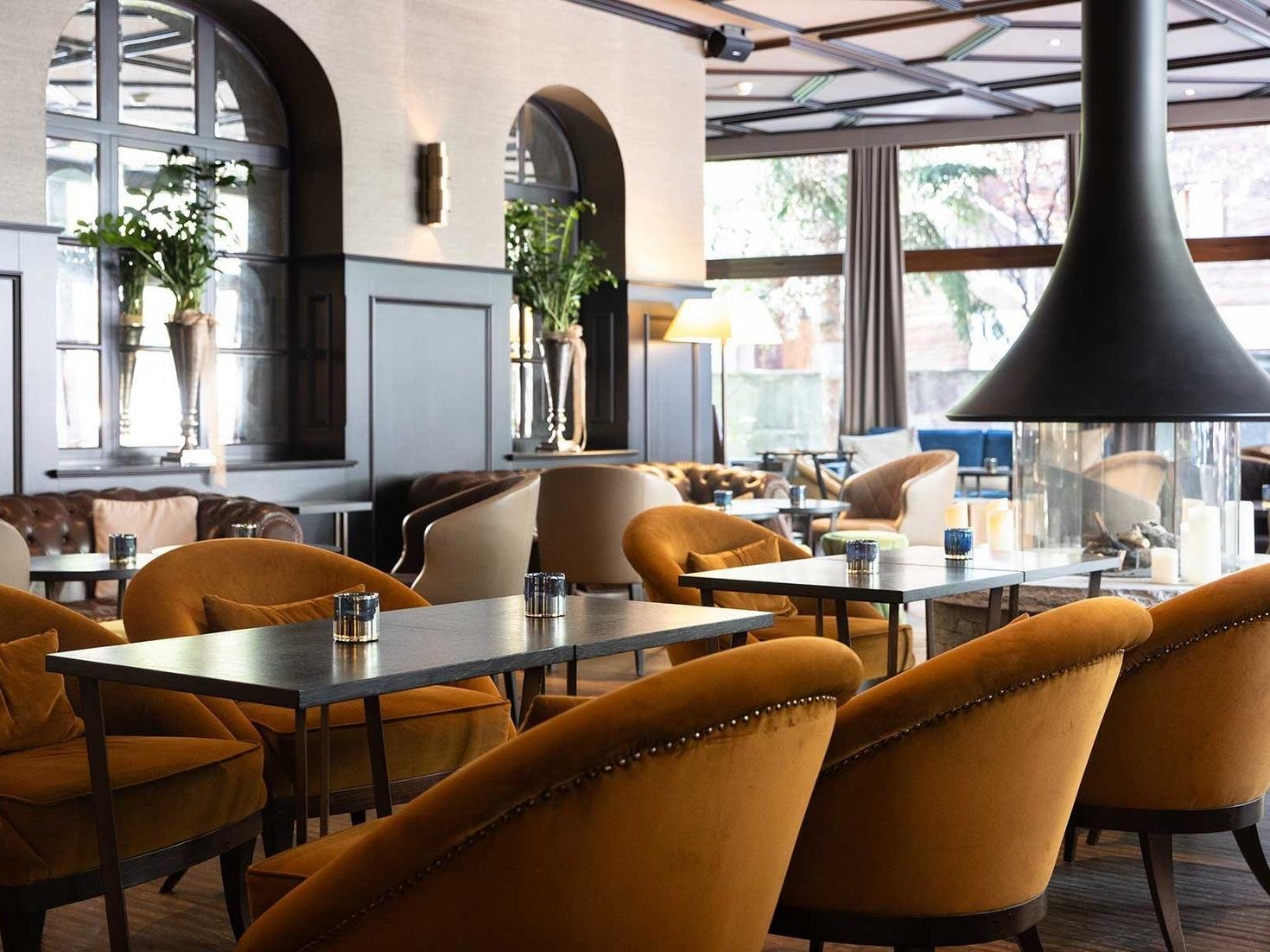
Stylish open-plan lobby with dramatic lighting, cozy modern rooms, and a vibrant lounge atmosphere featuring live DJs and après-ski vibes.
Tags
Vibe
Best For
Experience
Amenities
View
Accessibility
About the Stay
- Rooms
- 95
- Check-in
- 15:00
- Property Style
- Modern Alpine Luxury Boutique
- Design Style
- Contemporary with Alpine Detailing and High Tech Features
Know before you go
Know Before You Go
- Getting there
- Bahnhofstrasse 5, 3920 Zermatt
Planning details
Location
Recognition and awards

Also consider
Also Consider
- Backstage Hotel Vernissage, Notable alternative
- Mont Cervin Palace, Notable alternative
- Hotel ZERMAMA Zermatt, Notable alternative
- Monte Rosa Boutique Hotel, Notable alternative
- Grand Hotel Zermatterhof, Notable alternative
Hotel context
How Schweizerhof Zermatt compares in Zermatt
Choose Schweizerhof Zermatt if the priority is a central, polished hotel with broad appeal. Grand Hotel Zermatterhof is the better fit for a more formal grand-hotel stay, while Mont Cervin Palace suits travelers who want classic Zermatt luxury with a stronger resort-hotel feel. Schweizerhof is the more practical middle option when location and ease carry more weight than ceremony.
Backstage Hotel Vernissage is the sharper cross-shop for design-focused travelers who want a more individual mood. Hotel ZERMAMA Zermatt is the more casual alternative and may feel less formal for short stays or younger groups. Schweizerhof Zermatt makes more sense for guests who want a comfort-led base that still feels appropriate for a special mountain trip.
Monte Rosa Boutique Hotel is the better comparison for travelers drawn to a smaller historic-town atmosphere. For booking difficulty, expect the central, recognized properties to tighten first in ski season and major holiday weeks, so cross-shop early rather than waiting for rate drops. If the first choice is unavailable, Grand Hotel Zermatterhof is the formal fallback; Hotel ZERMAMA is the easier-going fallback.
Explore Zermatt
Around this place
Discover more on Pearl
Unlock the full Schweizerhof Zermatt guide in Pearl, including awards, comparisons, FAQs, planning details, and nearby places.
Compare Schweizerhof Zermatt
| Venue | Location | Awards |
|---|---|---|
| Schweizerhof Zermatt | Zermatt | Michelin 1 Key 20252025 Michelin 1 KeySmall Luxury Hotels Member 2025 |
| Backstage Hotel Vernissage | Zermatt | 2026 Michelin 1 Key2025 Michelin 1 Key |
| Mont Cervin Palace | Zermatt | 2026 Virtuoso Luxury Hotel CollectionLeading Hotels of the World 20262026 Michelin 1 Key2025 Michelin 1 Key |
| Hotel ZERMAMA Zermatt | Zermatt | No published awards |
| Monte Rosa Boutique Hotel | Zermatt | 2025 Michelin 1 Key |
| Grand Hotel Zermatterhof | Zermatt | 2026 Virtuoso Luxury Hotel Collection2026 Michelin 1 Key2025 Michelin 1 KeyPreferred Hotels L.V.X. Collection 2025 |




How Schweizerhof Zermatt compares with similar nearby venues.
FAQ
Frequently Asked Questions
When is the best time to book Schweizerhof Zermatt?
Book early if your Zermatt dates are fixed, especially during periods of high demand. The main reasons to consider the hotel are its Michelin 1 Key recognition and Small Luxury Hotels of the World membership. If you want another Zermatt option to compare, Hotel ZERMAMA Zermatt is a natural name to review.
What is check-in like at Schweizerhof Zermatt?
Check arrival times and procedures directly with the hotel before travel. Schweizerhof Zermatt is in Zermatt, and its recognition makes it a relevant premium-hotel candidate. For another Zermatt comparison, consider Grand Hotel Zermatterhof.
Is Schweizerhof Zermatt good for business travel?
It may suit travelers who want a recognized hotel in Zermatt. If you need specific business facilities, check those requirements directly with the hotel before booking. Michelin 1 Key recognition, Small Luxury Hotels of the World membership, and a smart-casual dress code help define its premium positioning. Mont Cervin Palace is another Zermatt hotel to compare if you are reviewing premium options.
Do loyalty programs work at Schweizerhof Zermatt?
Schweizerhof Zermatt is a Small Luxury Hotels of the World member, but loyalty benefits, points earning, upgrades, and inclusions can depend on the booking channel and rate. Check the booking channel and the hotel directly before relying on any benefit. Monte Rosa Boutique Hotel is another Zermatt option to compare.
How is the dining at Schweizerhof Zermatt?
For current dining details, cuisine, chef information, menus, and meal services, check directly with the venue. Choose Schweizerhof Zermatt for its hotel recognition first, then review the latest dining information before booking. Backstage Hotel Vernissage is another Zermatt hotel to consider when comparing the broader stay experience.
Which room category is best at Schweizerhof Zermatt?
Choose based on the room information available at the time of booking and check any requirements directly with the hotel, including layouts, views, and capacities. If you are comparing premium Zermatt stays, Grand Hotel Zermatterhof is another relevant option.
Is Schweizerhof Zermatt family-friendly?
For children or a group stay, check family-specific facilities and services directly with the hotel before booking. Its Zermatt setting, smart-casual dress code, Michelin 1 Key recognition, and Small Luxury Hotels of the World membership help define its positioning. Mont Cervin Palace is another Zermatt hotel to compare.