
Yufuin Tamanoyu
Yufuincho Kawakami, Yufu
Hotel in Yufu, Japan
 Book with Pearl
The Read
Woodland Onsen Seclusion
Why go
Prioritise Yufuin Tamanoyu if the trip calls for a classic Yufuin ryokan stay in Kawakami rather than a flashier resort format. The Michelin 1 Key recognition in 2025 gives it a clear trust signal, but the main reason to choose it is fit: quiet, stay-focused, and better suited to planned trips than last-minute hotel shopping.
About Yufuin Tamanoyu
For planning a stay in Yufu, Yufuin Tamanoyu is a hotel option with Michelin 1 Key recognition in 2025. That makes it a useful name to keep in view when you want at least one clearly confirmed external reference point, rather than building a shortlist from reputation alone. Beyond that accolade, this guide keeps the recommendation deliberately narrow: choose it if the name, location in Yufu, and Key recognition fit the kind of trip you are building, and if those are the details that matter most at the early planning stage.
Because the public details here are limited, avoid over-reading claims about room categories, dining, service format, or on-site amenities unless you confirm them directly before booking. In practical terms, that means resisting the temptation to fill in the blanks from the general image of Yufu stays or from assumptions about what a Key-recognized hotel might include. The safest way to use Yufuin Tamanoyu in an itinerary is as a Yufu stay to compare against other known options in the area, then narrow the choice only once the specifics you care about have been checked.
Choose it for a Michelin Key stay in Yufu
The Michelin 1 Key recognition in 2025 is the clearest signal for Yufuin Tamanoyu. Treat that as the main grounded hook, rather than relying on assumptions about style, facilities, food, or guest profile. It is enough to place the hotel on a serious Yufu shortlist, but it should not be stretched into a promise about the exact experience.
If you are comparing options in Yufu, look closely at ENOWA Yufu or GEKKOJU YUFUIN. Kamenoi Besso and Gettouan may also belong on a broader Yufu shortlist, especially if you are weighing several names before deciding where to focus your research. For broader planning, use Our full Yufu hotels guide rather than assuming details that should be checked directly with the property.
Planning details
- Location
- 2731-1 Yufuinchō Kawakami, Yufu, Oita 879-5102
- Website
- tamanoyu.co.jp
- Phone
- +81 977-84-2158
The take
The Take
The Vibe
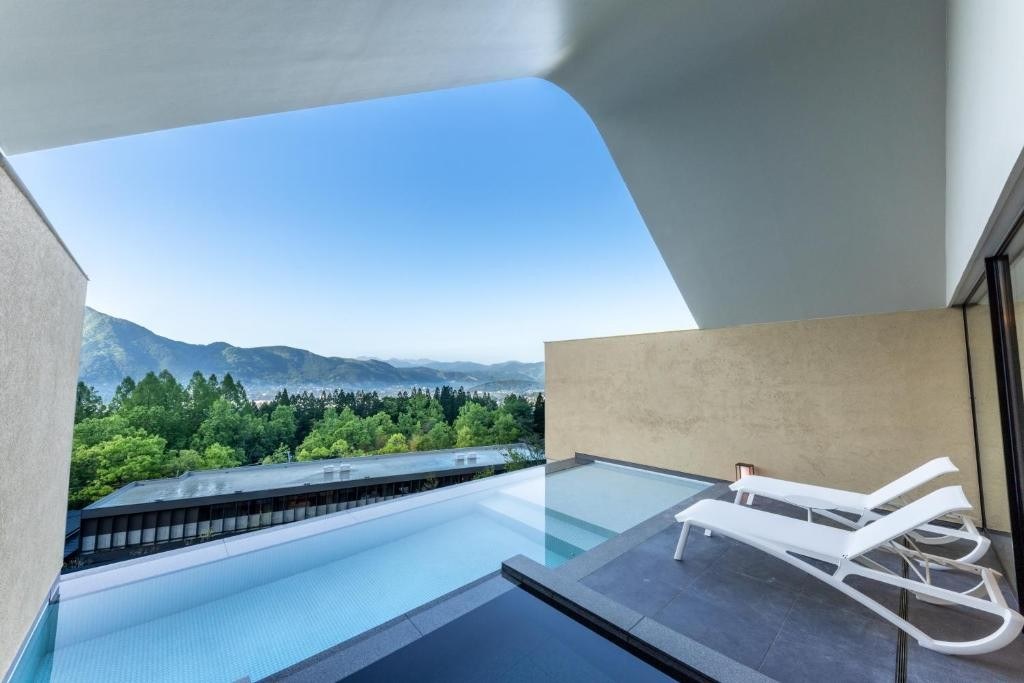
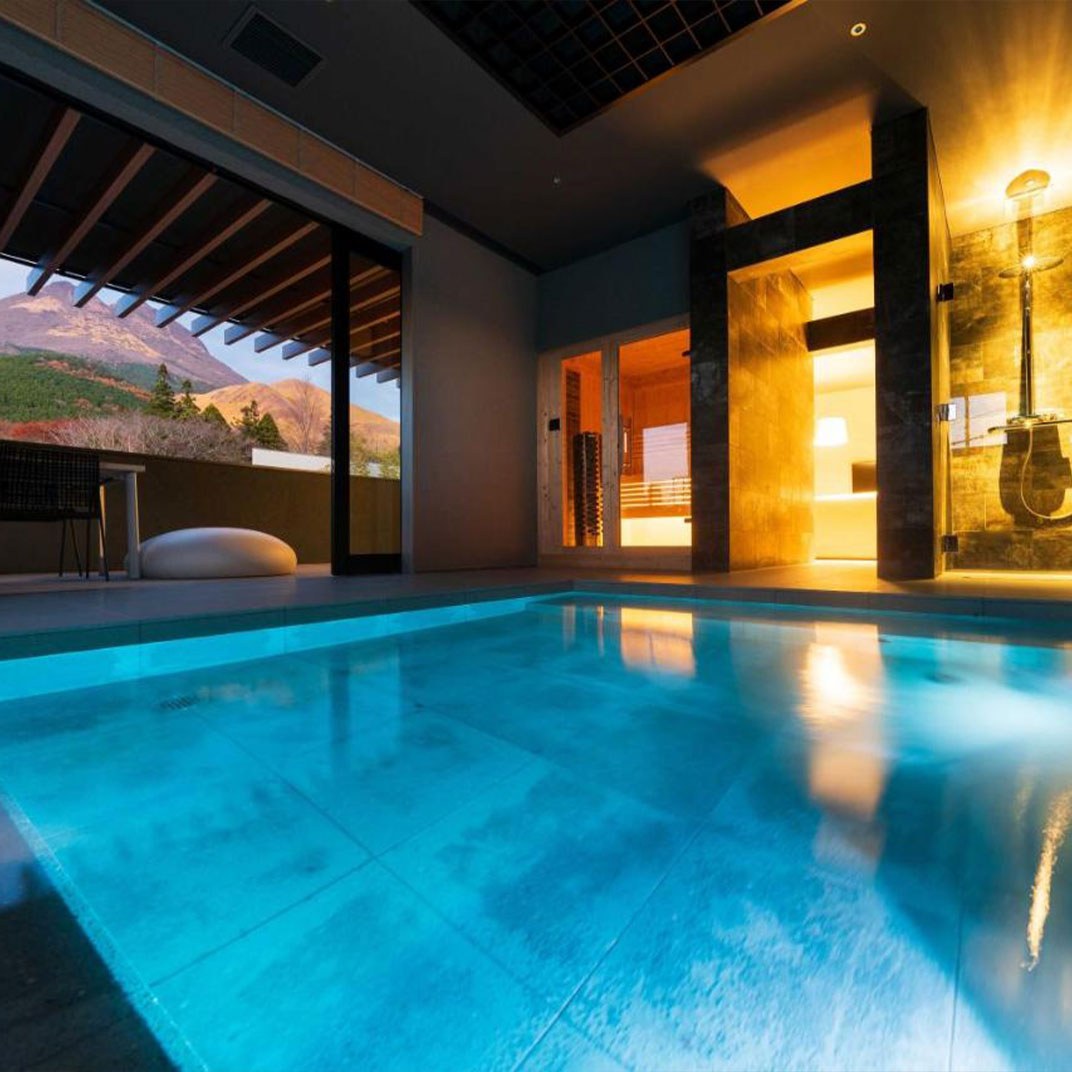
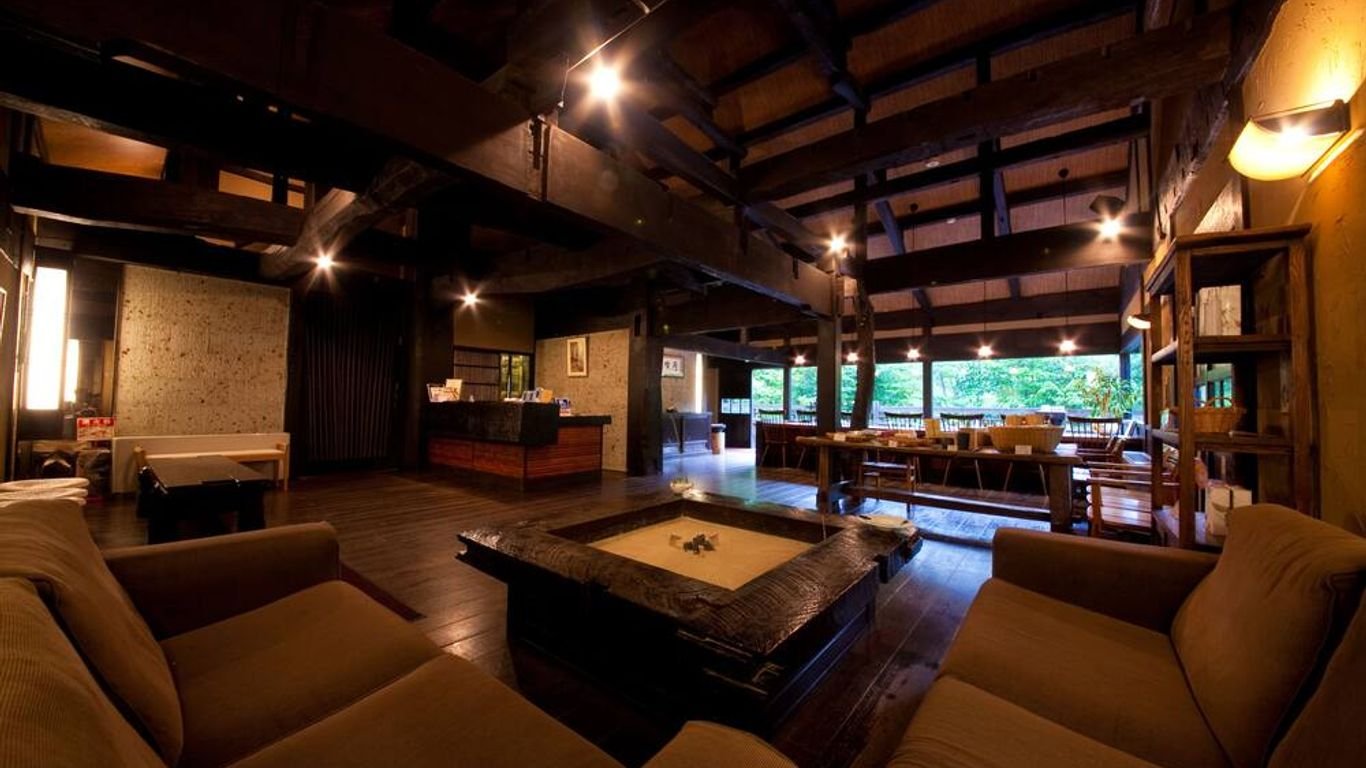
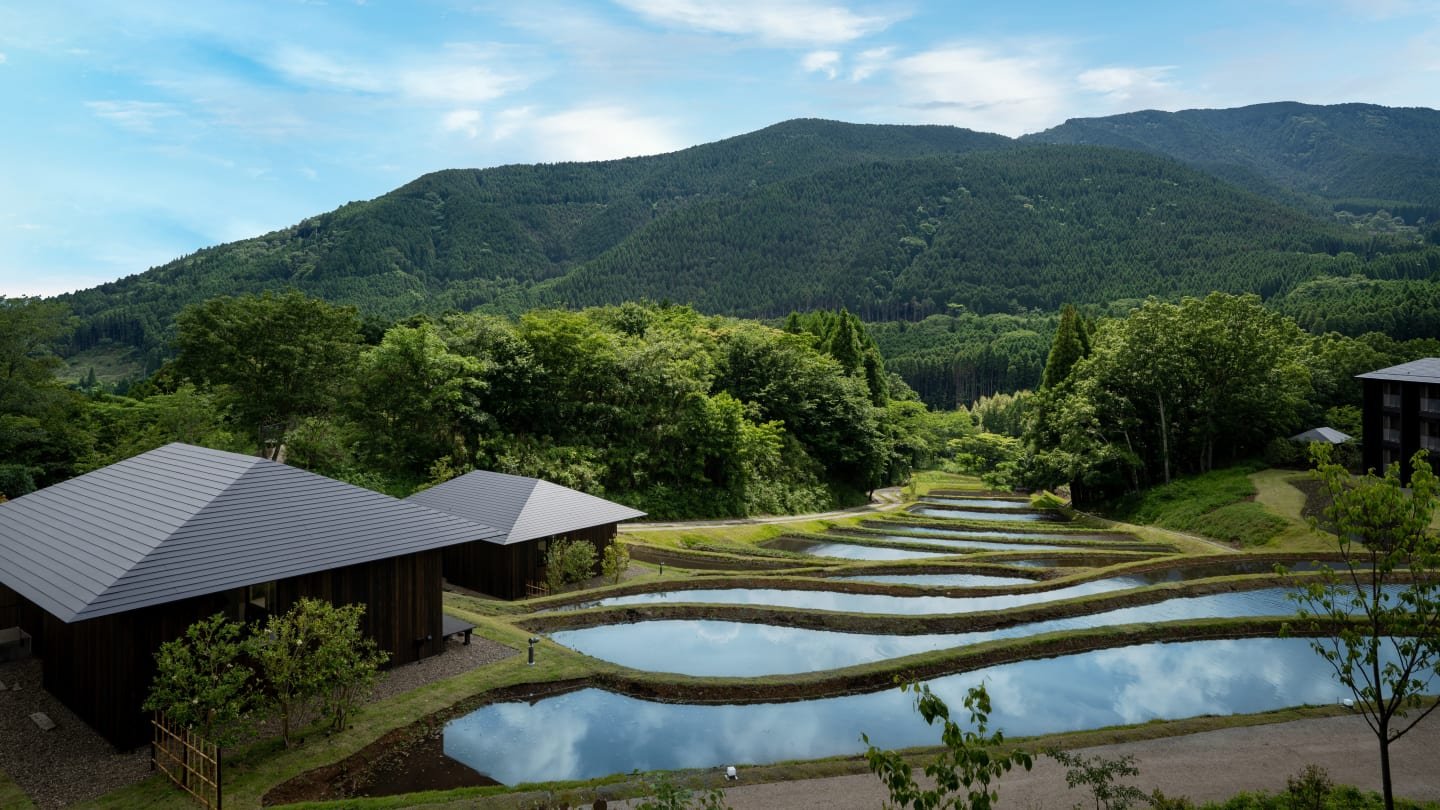
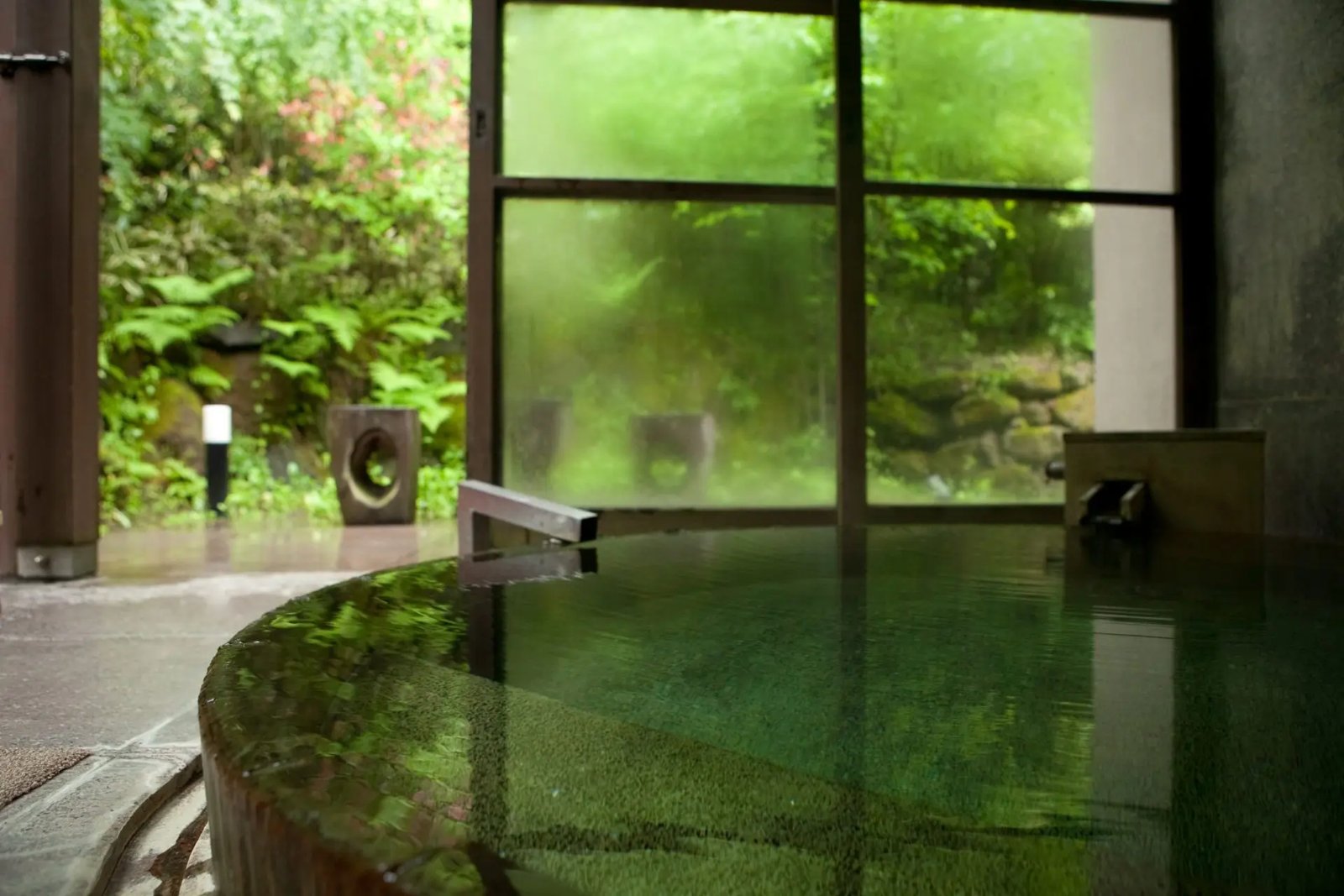
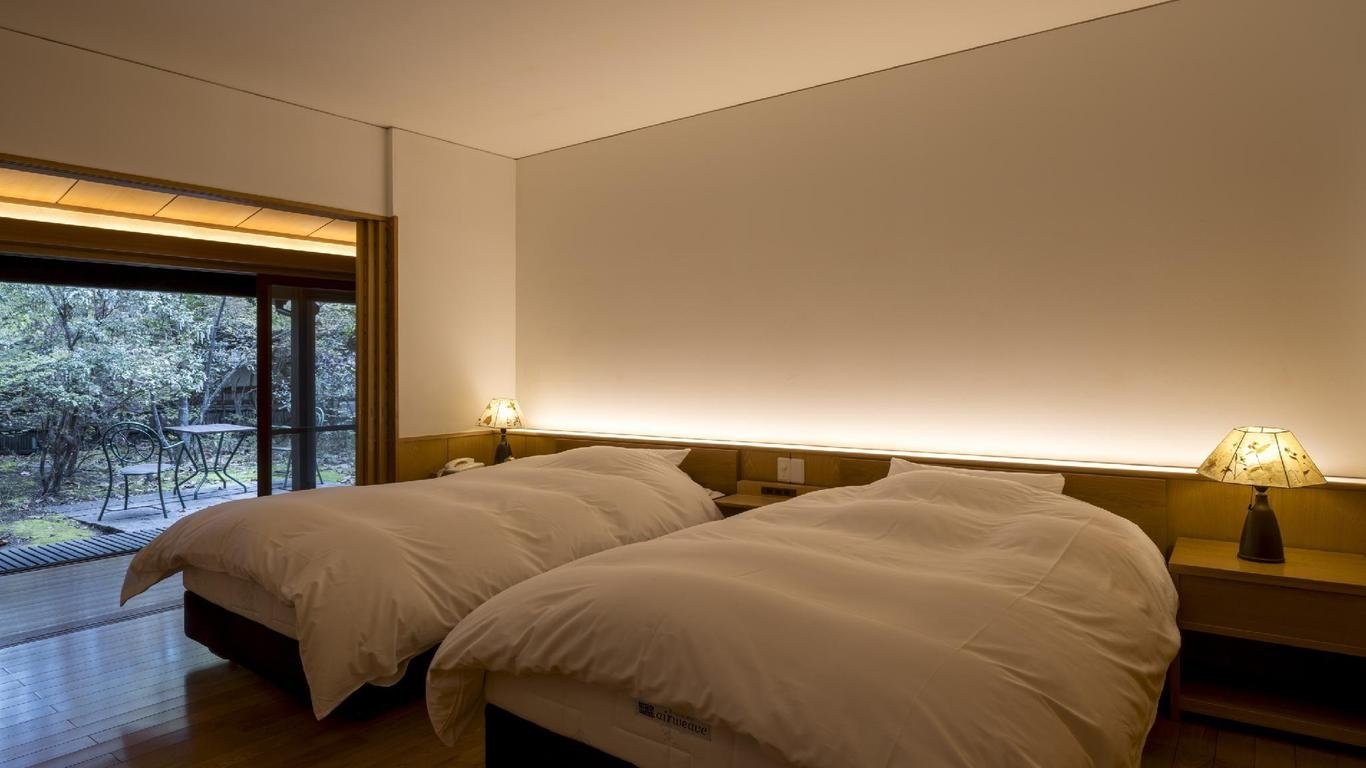
Yufuin Tamanoyu reads as a quietly assured, historically minded retreat. Set on the wooded periphery of Kawakami, the property favors low-scale, villa-style architecture and natural materials; rooms are arranged across separate structures and linked by footpaths rather than conventional corridors. The prose repeatedly points to a monastic lineage and an aesthetic of restraint — spatial separation, the soft hiss of thermal water and wooden soaking tubs — all of which combine into a serene, rustic-historic mood. It feels small and disciplined rather than designed for spectacle: discreet, composed and focused on slow, restorative rhythms.
Best For
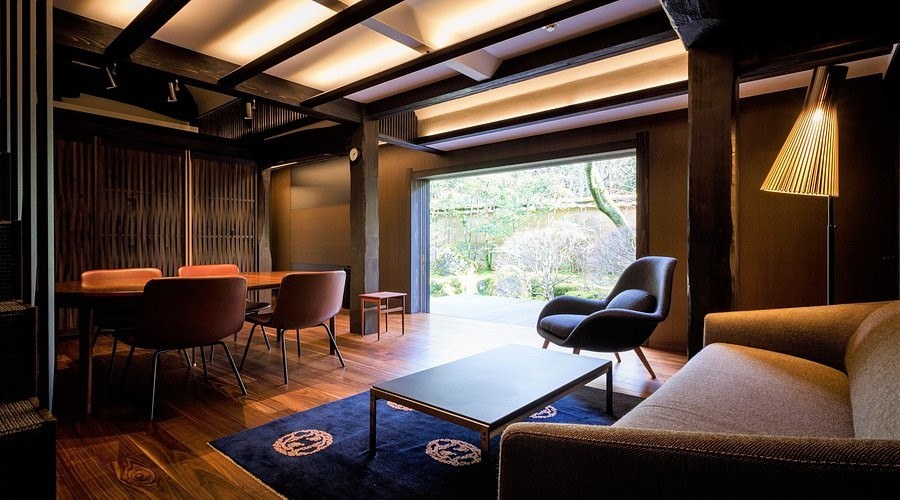
This hotel suits travelers who prize privacy, quiet and an onsen-centered stay. With only 16 rooms spread across villa-style buildings, it is ideal for couples seeking a low-key romantic escape, solo travelers after solitude, and wellness-minded guests who want direct access to thermal bathing. Guests who appreciate traditional Japanese spatial patterns—tatami sitting rooms, separate bedrooms and wooden soaking tubs—will find its historically rooted approach appealing. The setting is less about nightlife or bustle and more about restorative pacing, forested approaches and long, contemplative stays.
Stay Tips
Reserve well in advance: the property has just 16 rooms across separate villas, so availability tightens quickly, especially during peak travel seasons. Note that each room follows a traditional kaisō layout and includes a wooden soaking tub, so confirm room configuration at booking if a private tub is important to you. Expect a low-density, footpath-linked layout rather than a single central building; prioritize quieter dates if solitude is the objective. The description emphasizes restraint and separation between guests, so plan for a restful, intentionally low-key experience rather than lively on-site programming.
Venue details
Ambiance
Peaceful and serene woodland atmosphere with calming forest views through floor-to-ceiling windows, pristine cleanliness, and a quiet, relaxing environment.
Tags
Vibe
Best For
Experience
Amenities
View
Accessibility
About the Stay
- Rooms
- 16
- Check-in
- 14:00
- Check-out
- 12:00
- Property Style
- Traditional Japanese Onsen Ryokan with Detached Cottages in a Natural Forest Setting
- Design Style
- Contemporary Classic Japanese with Tatami Mats, Wooden Hot Spring Tubs, and Modern Amenities
Know before you go
Know Before You Go
- Getting there
- 2731-1 Yufuinchō Kawakami, Yufu, Oita 879-5102
Planning details
Location
Recognition and awards
Also consider
Where to Look If It Is Full
Try Kamenoi Besso first if the goal is another classic Yufuin stay. Choose ENOWA Yufu instead if a contemporary resort feel is a better match for the trip.
Hotel context
How It Compares
Yufuin Tamanoyu is the safer choice for travellers who want a classic ryokan stay in central Yufu with serious recognition behind it. Kamenoi Besso is the closest cross-shop for a similarly traditional Yufuin mood, while Yufuincho Kawakami is more useful as a location-led comparison than a like-for-like luxury call.
For a more resort-style or contemporary stay, compare against GEKKOJU YUFUIN and ENOWA Yufu. Those make more sense if privacy, design, or a destination-property feel matters more than the established ryokan rhythm. Yufuin Tamanoyu is the better fit when the decision is about atmosphere and ease in Kawakami rather than novelty.
Gettouan is the cross-shop for travellers who want a quieter retreat feel. If availability is tight, start with Kamenoi Besso for classic Yufuin, GEKKOJU YUFUIN for a more private-feeling splurge, and ENOWA Yufu for a contemporary alternative.
Explore Yufu
Around this place
Discover more on Pearl
Unlock the full Yufuin Tamanoyu guide in Pearl, including awards, comparisons, FAQs, planning details, and nearby places.
Compare Yufuin Tamanoyu
| Venue | Location | Awards |
|---|---|---|
| Yufuin Tamanoyu | Yufu | Michelin 1 Key 20252025 Michelin 1 Key |
| Yufuincho Kawakami | Yufu | No published awards |
| Kamenoi Besso | Yufu | 2025 Michelin 2 Keys2024 Michelin 2 Keys |
| GEKKOJU YUFUIN | Yufu | No published awards |
| ENOWA Yufu | Yufu | 2026 Relais Chateaux Hotels2025 Relais Chateaux Award2025 Michelin 2 Keys2024 Michelin 2 Keys |
| Gettouan | Yufu | No published awards |


How Yufuin Tamanoyu compares with similar nearby venues.