
Kamenoi Besso
Yufuin, Yufu
Hotel in Yufu, Japan
 Book with Pearl
The Read
Villa Ryokan Restoration
Why go
Kamenoi Besso is a strong choice for first-time Yufuin visitors who want a quiet ryokan-style stay with Michelin 2 Keys recognition. It suits couples and families with older children better than guests needing resort amenities, loyalty perks, or a busy hotel schedule.
About Kamenoi Besso
Kamenoi Besso is a venue in Yufu with Michelin 2 Keys recognition in 2024. Beyond that accolade and location, further details are limited, so the planning advice is deliberately narrow.
Use Kamenoi Besso as a high-confidence shortlist option if you are prioritizing a recognized Yufu stay. For specifics such as room types, dining format, family facilities, prices, services, or booking rules, confirm directly with the property before making plans.
Choose it for a Yufu stay with Michelin recognition
The strongest reason to consider Kamenoi Besso is its Michelin 2 Keys recognition in 2024. That gives travelers a clear external signal when comparing premium options in Yufu.
Because detailed service information is limited, avoid assuming a particular dining schedule, amenity set, room style, or family setup. Treat the facts as a starting point, then verify the practical details that matter for your trip.
Who should skip it
Skip it if you need to know exact services, prices, room categories, family facilities, or dining details before contacting the property. Consider it if your shortlist is centered on Yufu and you value a Michelin 2 Keys credential.
Inside Kamenoi Besso
Planning details
- Location
- 2633-1 Yufuinchō Kawakami, Yufu, Oita 879-5102
- Website
- kamenoi-bessou.jp
- Phone
- +81 977-84-3166
The take
The Take
The Vibe
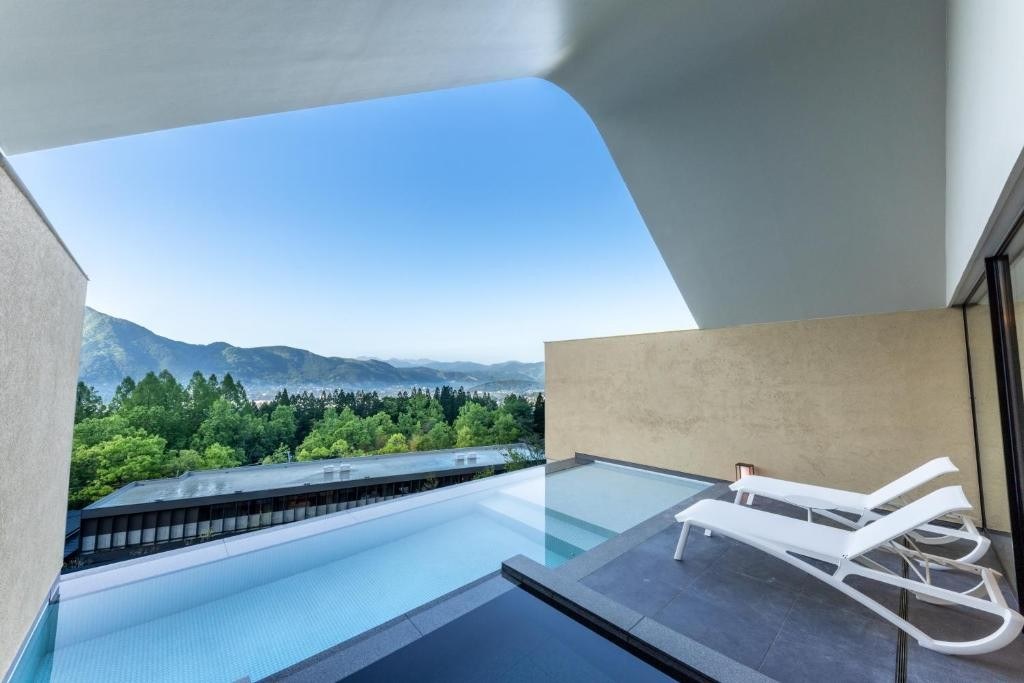
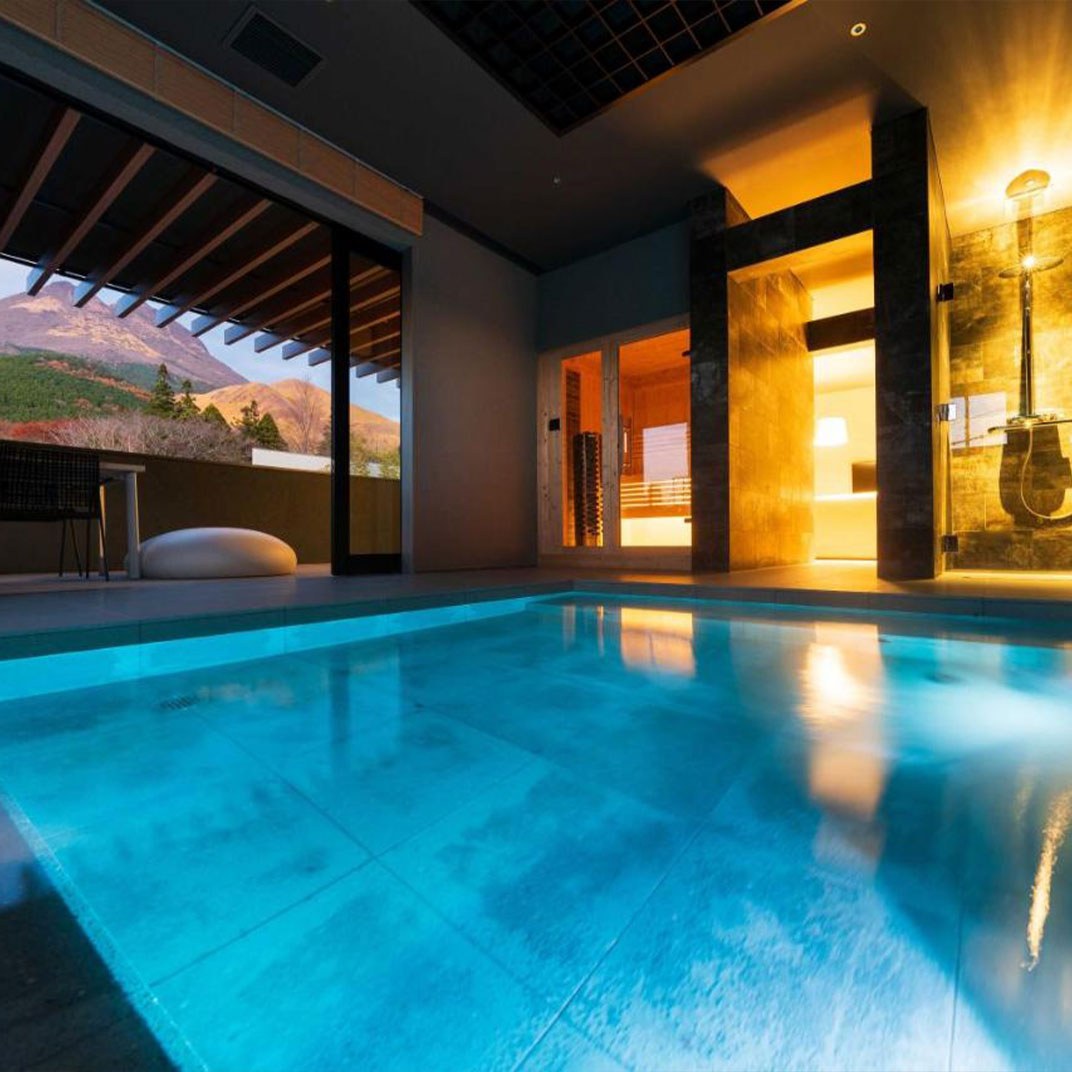
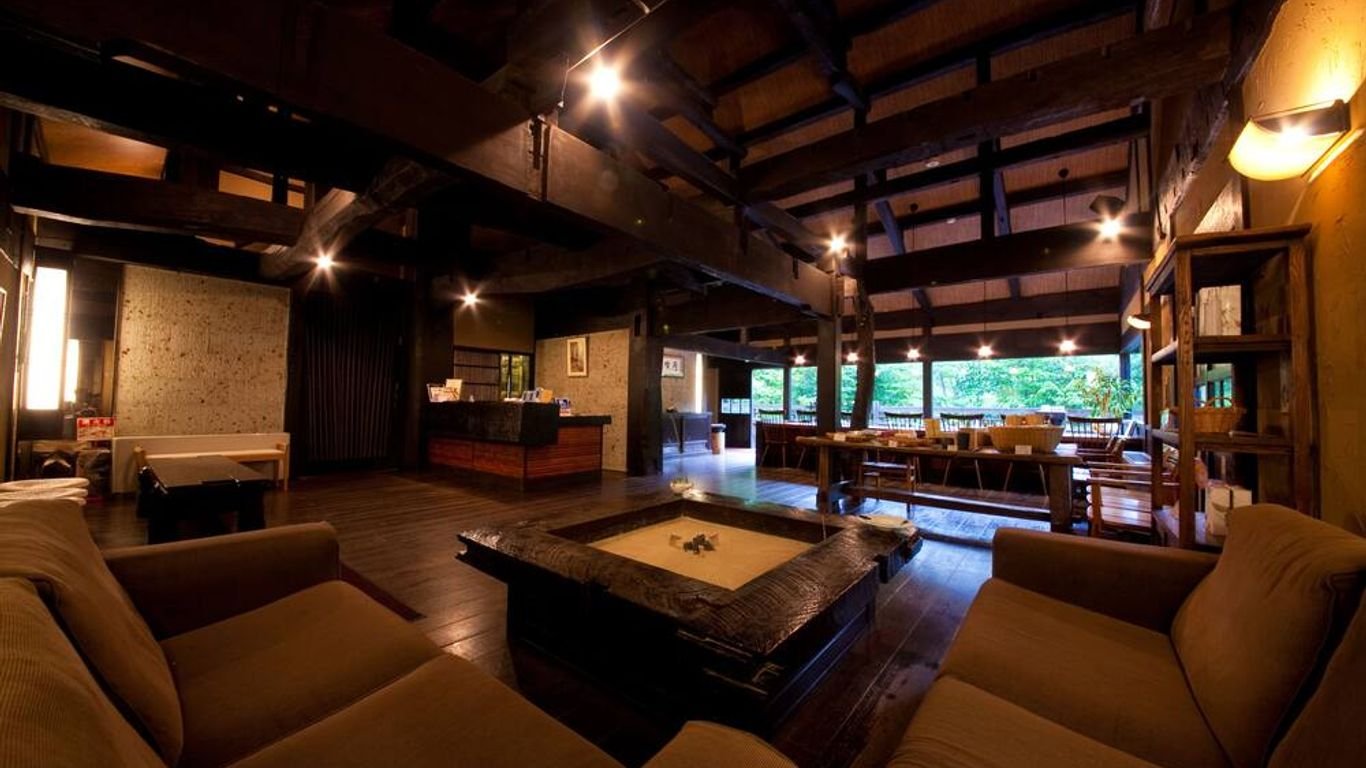
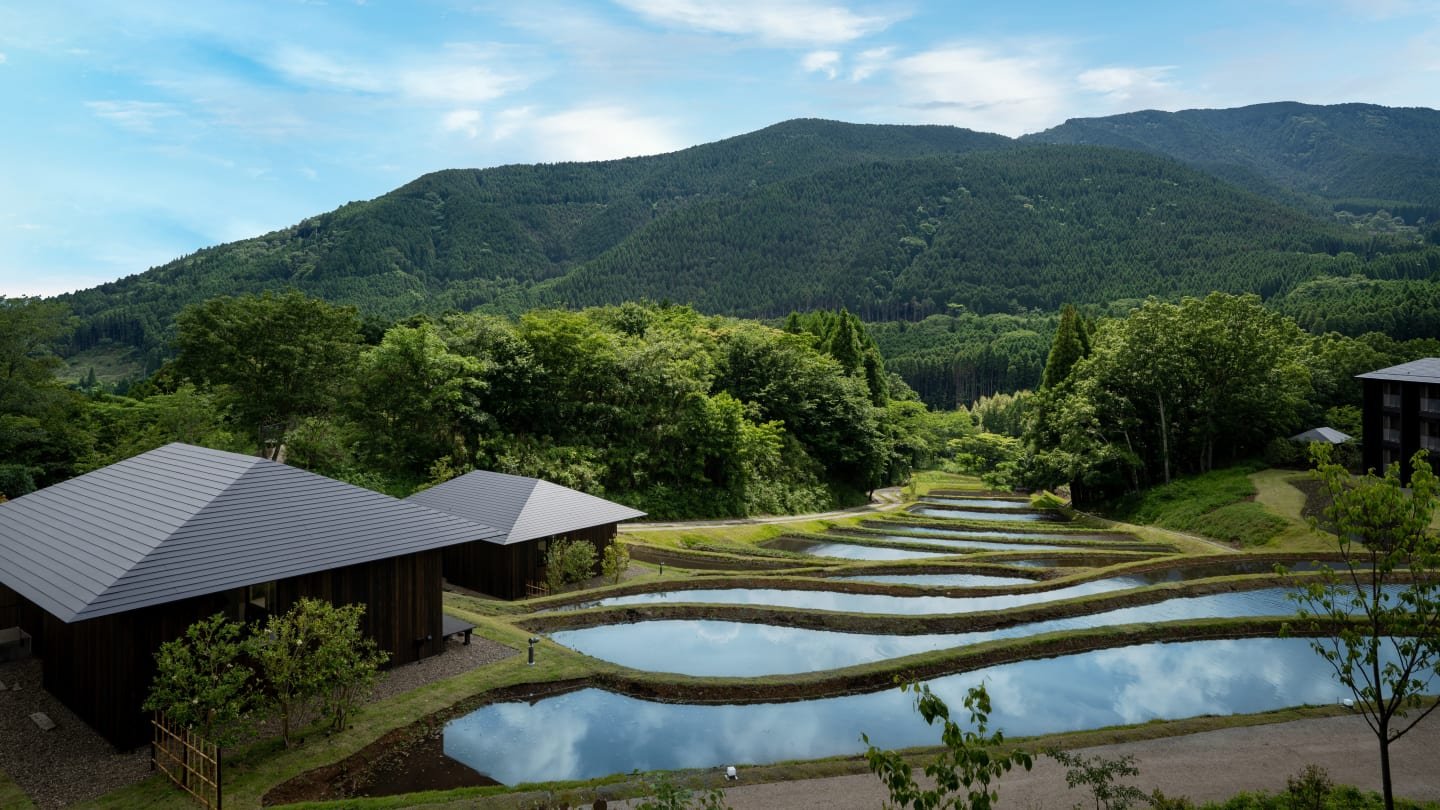
Kamenoi Besso presents as a private, quietly refined estate where a restored 1920s villa anchors a small, thoughtful ryokan. The property leans into its architectural story, maintaining a tension between Japanese tradition and Western interventions that feels deliberate rather than muddled. Mature garden plantings, forested edges and the remote eastern approach create a calm, almost secluded atmosphere; the arrival through less trafficked roads reinforces the sense of an intimate country house rather than a commercial resort. Recognition such as the Michelin two‑Key nod confirms that the hotel’s modest scale masks impeccable standards and careful curation.
Best For
This is for travelers who prize intimacy, architectural personality and privacy over full‑service resort theatrics. Guests who enjoy seeking out a particular address for its design sensibility and quiet setting will find the scale and approach especially rewarding. The property’s small room count and estate feel suit couples or solo travelers who prefer unobtrusive service, gardens and close proximity to Mount Yufu’s slopes. It is less suited to visitors who want large‑scale amenities or easy access from a main station; the experience rewards those willing to travel deliberately for a considered, discreet stay.
Stay Tips
Rooms are limited — the property is a 17‑room ryokan — so book well ahead, especially during peak seasons. Note that the approach is along a less trafficked eastern flank and the hotel explicitly forgoes grand valet theatrics, so arrange transportation in advance and allow extra time for arrival. Ask at booking about room orientation if a view of Mount Yufu or the garden matters to you, and confirm included services and meal arrangements since the hotel’s small scale can affect availability. Finally, reference the Michelin two‑Key recognition when inquiring about special requests or dietary needs to ensure availability.
Venue details
Ambiance
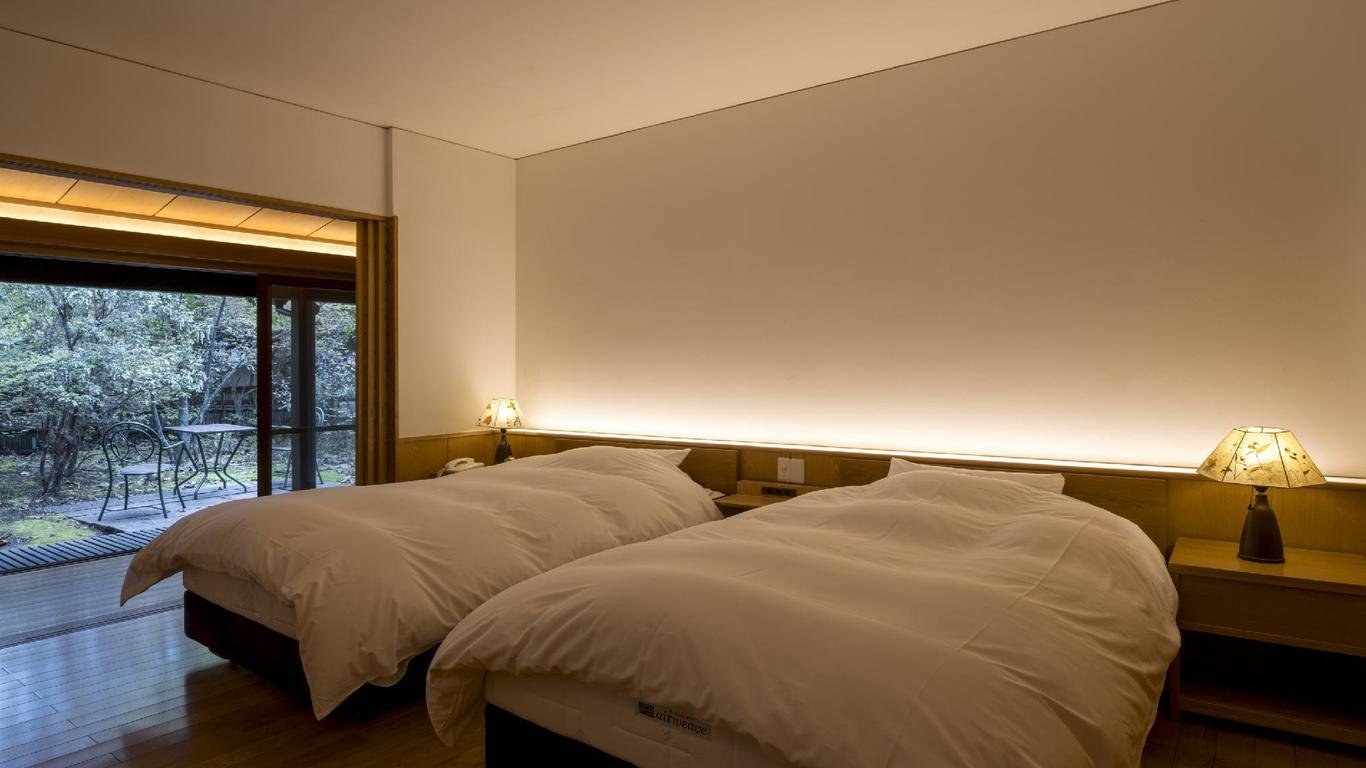
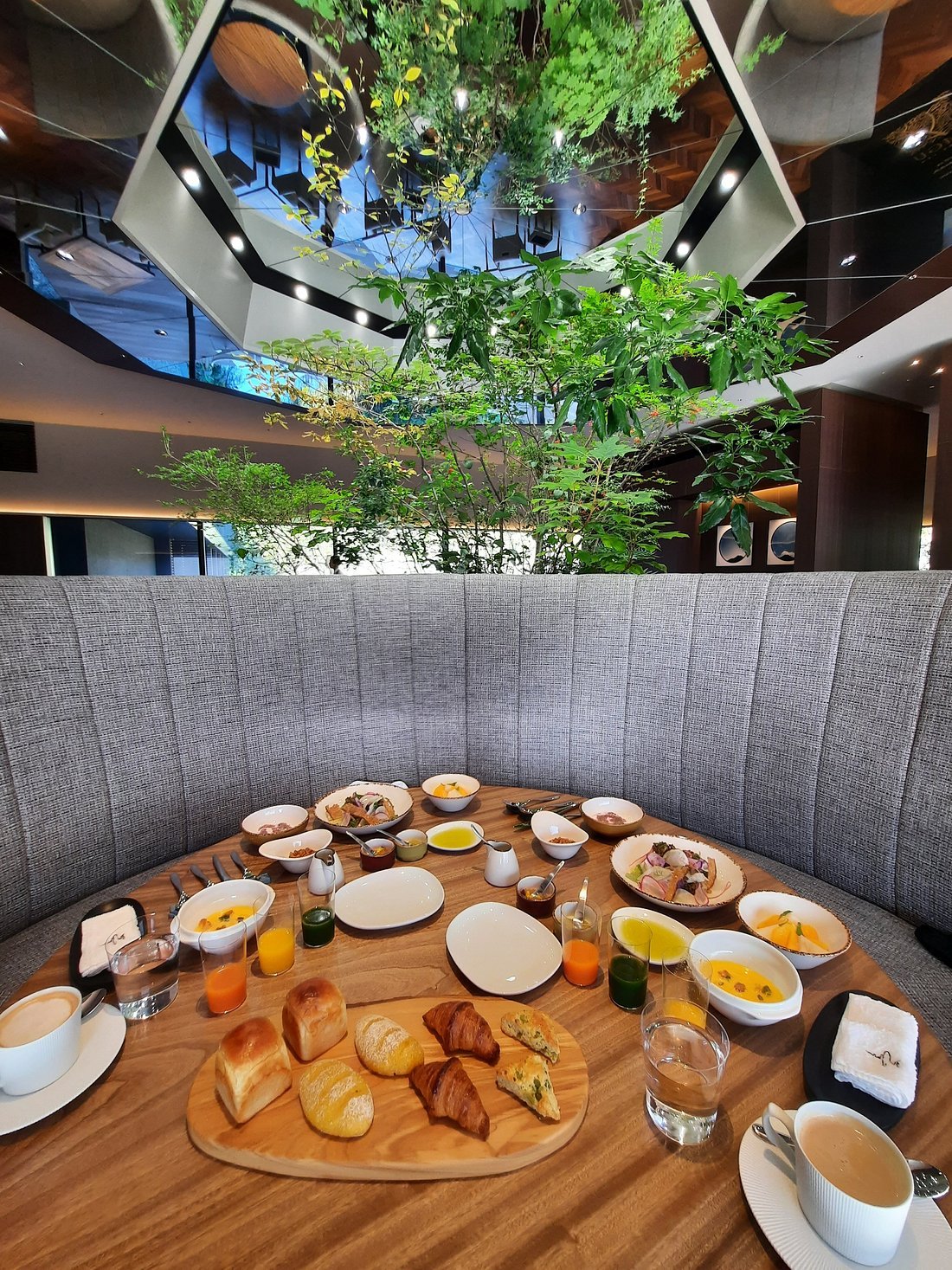
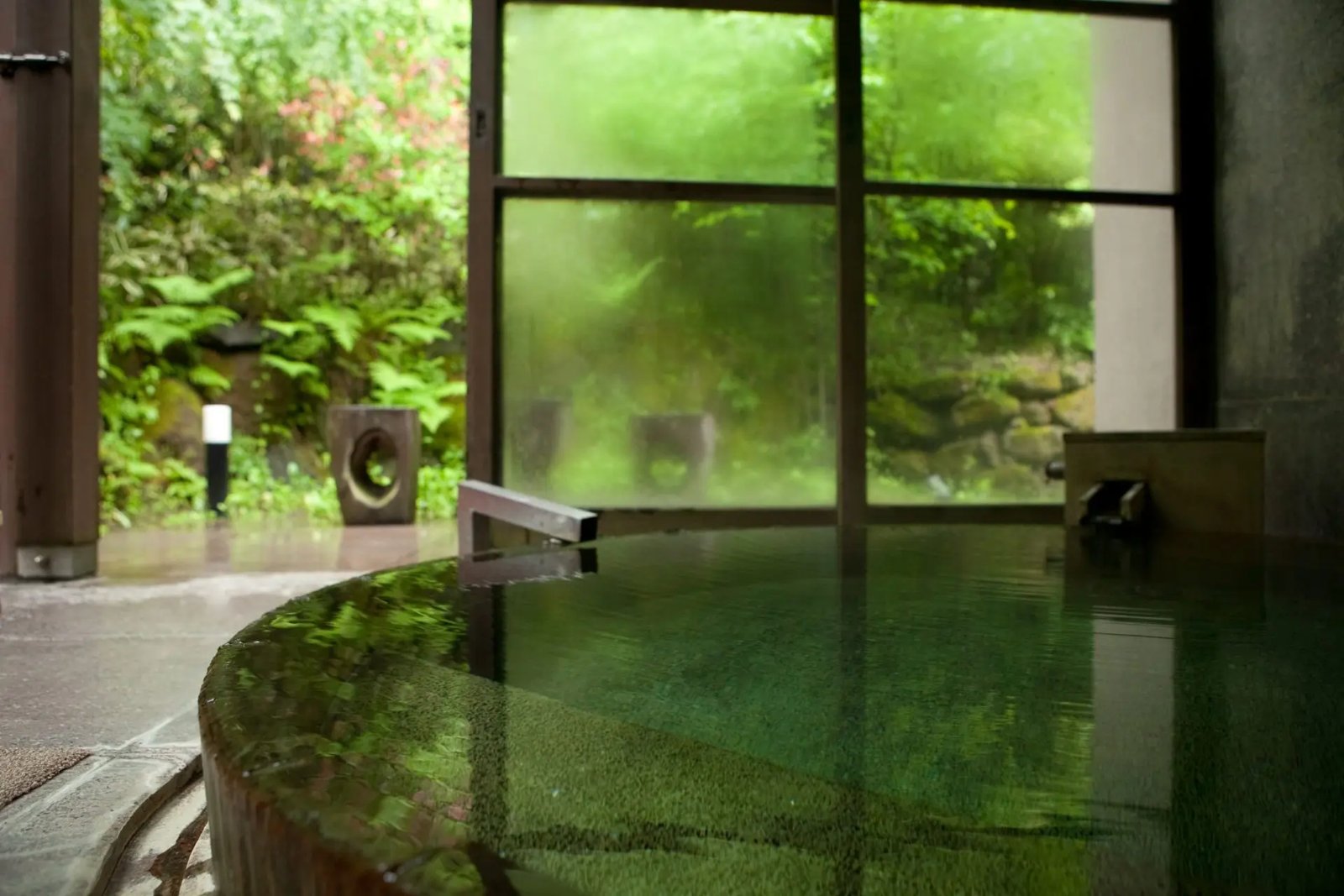
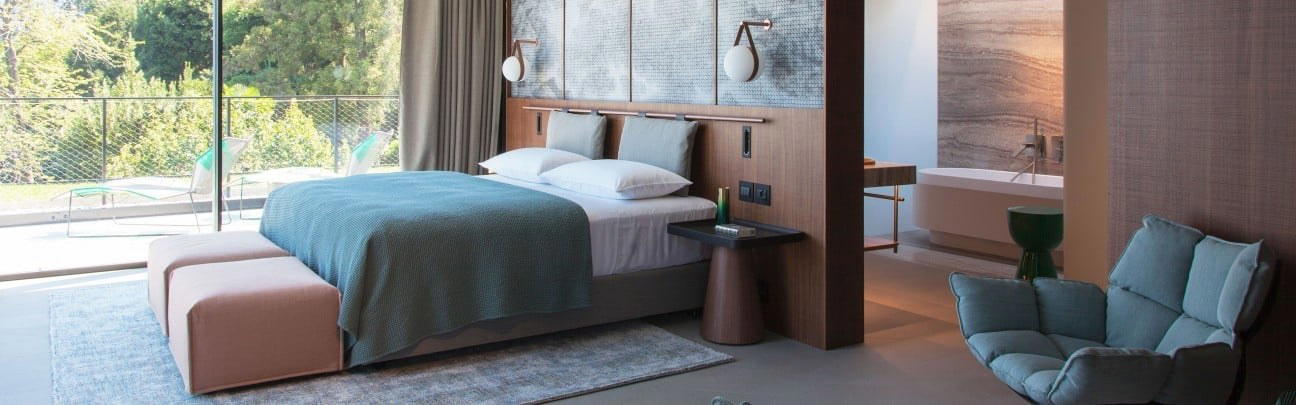
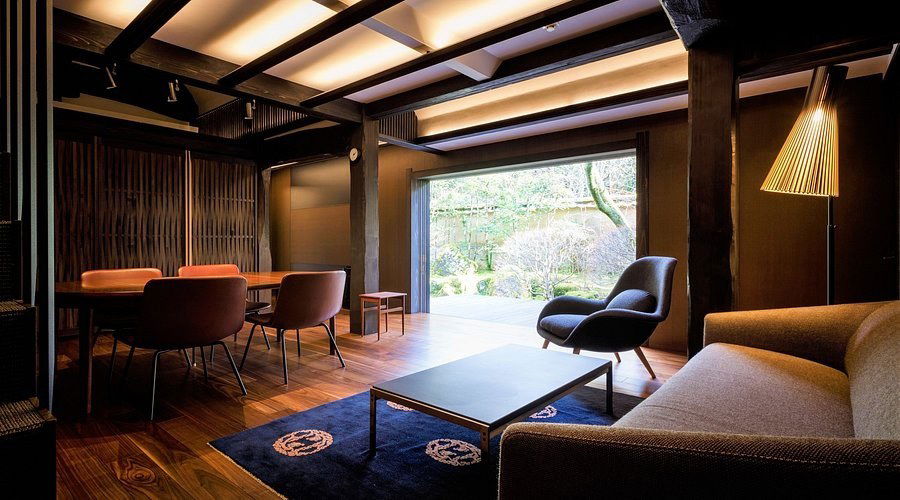
Tranquil and serene atmosphere with natural lighting from garden views, mid-century Scandinavian furniture in public areas, and classic Japanese ryokan elements creating a restorative retreat.
Tags
Vibe
Best For
Experience
Amenities
View
Accessibility
About the Stay
- Rooms
- 20
- Check-in
- 15:00
- Check-out
- 11:00
- Property Style
- Historic Luxury Ryokan with Restored Traditional Cottages and Main Villa.
- Design Style
- Traditional Japanese Tatami Rooms Blended with European Mid Century Influences.
Know before you go
Know Before You Go
- Getting there
- 2633-1 Yufuinchō Kawakami, Yufu, Oita 879-5102
Planning details
Location
Recognition and awards
Also consider
Where to look if it is full
If Kamenoi Besso is unavailable, start with Yufuin Tamanoyu for another established Yufu stay, or ENOWA Yufu if the trip calls for a more contemporary hotel feel. Gettouan is also a sensible backup for travelers who still want a quiet, inn-led Yufuin plan.
Hotel context
How Kamenoi Besso compares in Yufu
Kamenoi Besso is the safer splurge if external recognition matters: Michelin 2 Keys gives it a clearer quality signal than Yufuin Tamanoyu, Yufuincho Kawakami, GEKKOJU YUFUIN, ENOWA Yufu, and Gettouan when comparing from outside Japan. Choose it when the stay itself is the reason for coming to Yufu.
For families, the better comparison is about format rather than rank. Kamenoi Besso fits older children and calm itineraries; ENOWA Yufu and GEKKOJU YUFUIN may be easier to consider if the group wants a more contemporary hotel feel. Yufuin Tamanoyu and Gettouan are more natural cross-shops for travelers prioritizing traditional atmosphere.
Booking difficulty is the main tradeoff. If dates are fixed, check Yufuin Tamanoyu or Gettouan first as backup options; if the trip can move around availability, Kamenoi Besso is the more decisive first choice.
Explore Yufu
Around this place
Discover more on Pearl
Unlock the full Kamenoi Besso guide in Pearl, including awards, comparisons, FAQs, planning details, and nearby places.
Compare Kamenoi Besso
How it compares with nearby Yufu stays
Against Yufuin Tamanoyu, Yufuincho Kawakami, GEKKOJU YUFUIN, ENOWA Yufu, and Gettouan, Kamenoi Besso is the pick when a recognized ryokan-style stay matters more than hotel-style breadth. The Michelin 2 Keys credential makes it a cleaner choice for travelers who want a high-confidence booking without over-researching every inn in Yufu.
Choose ENOWA Yufu or GEKKOJU YUFUIN if the group wants something more contemporary. Choose Yufuin Tamanoyu or Gettouan if the priority is a traditional Yufuin mood and availability lines up better.
FAQ
Frequently Asked Questions
How is the location of Kamenoi Besso?
Kamenoi Besso is in Yufu. No more specific address detail is available. If you are comparing options in the area, Yufuin Tamanoyu is another name travelers may evaluate alongside it.
Is Kamenoi Besso family-friendly?
Family-specific facilities and policies are not available. Travelers with children should confirm room setup, meals, and any relevant policies directly with Kamenoi Besso before booking.
Do loyalty programs work at Kamenoi Besso?
Loyalty-program details are not available. The clearest credential is Michelin 2 Keys recognition in 2024. If loyalty benefits are important, compare the booking terms of Kamenoi Besso with other Yufu options such as ENOWA Yufu.
When is the best time to book Kamenoi Besso?
Specific booking patterns, seasonal demand, and minimum-stay rules are not available. If your dates are fixed, check availability directly and compare Kamenoi Besso with Gettouan and GEKKOJU YUFUIN before deciding.
How does Kamenoi Besso compare to nearby hotels?
Kamenoi Besso has Michelin 2 Keys recognition for 2024. For other differences, such as style, amenities, dining, or room setup, use current information from the properties themselves. ENOWA Yufu, Gettouan, Yufuin Tamanoyu, GEKKOJU YUFUIN, and other Yufu options can be compared on those practical details.
Which room category is best at Kamenoi Besso?
Room-category details are not available. Choose only after checking the current room information directly with Kamenoi Besso, especially if you are comparing it with Yufuin Tamanoyu or GEKKOJU YUFUIN.