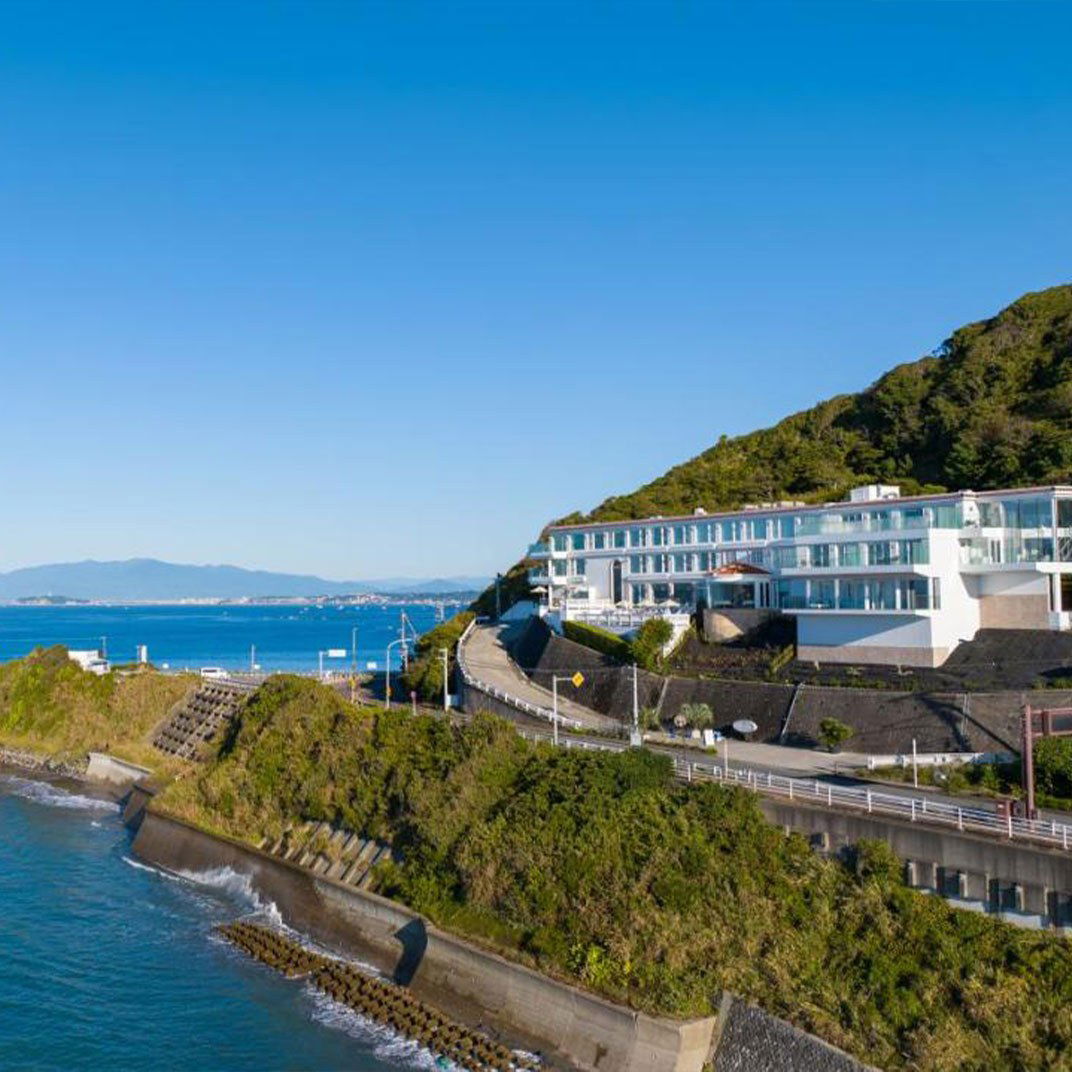

Hayama Hotel Otowa No Mori
Akiya, Yokosuka
Hotel in Yokosuka, Japan
 Book with Pearl
The Read
Price
$300–500per night
Why go
A selective yes for travelers who want a quieter Kanagawa base rather than a conventional business hotel. Hayama Hotel Otowa No Mori works for focused work trips, coastal downtime, or a repeat stay near Yokosuka, but points-driven travelers and heavy-meeting schedules should compare larger city options first.
About Hayama Hotel Otowa No Mori
Hayama Hotel Otowa No Mori is a Yokosuka hotel with a clear external signal: it is listed as MICHELIN Guide, Hotels Selected (2025). For readers, that makes it a hotel to consider on the strength of the overall stay rather than on claims about dining, amenities, room count, pricing, or service format.
The dress code is smart casual. Beyond that, information is limited, so the safest way to evaluate the property is to match it to the basic trip need: a Yokosuka hotel with MICHELIN hotel-selection recognition, not one that depends on specific details.
A Yokosuka hotel with a MICHELIN hotel-selection signal
The most grounded reason to keep Hayama Hotel Otowa No Mori on a shortlist is its MICHELIN Guide, Hotels Selected (2025) recognition. That recognition applies to the hotel stay; it should not be read as confirmation of a specific restaurant concept, cuisine, spa, pool, room style, or business-service setup unless those details are known separately.
Travelers should therefore treat this as a selective consideration rather than a one-size-fits-all recommendation. If a traveler wants a Yokosuka hotel with a guide-selection marker, it belongs in the conversation.
Who should book it next
Book this if the facts are enough for the trip: Hayama Hotel Otowa No Mori is in Yokosuka, carries MICHELIN Guide, Hotels Selected (2025) recognition, and has a smart-casual dress code. That is a useful starting point for travelers who value a concise hotel choice and do not need every amenity or service detail established in advance.
Do not book it based on assumptions about restaurants, bars, spa facilities, pool access, loyalty-program benefits, corporate conveniences, or a specific neighborhood setting. Those details are not established and should not be treated as settled.
Planning details
- Location
- 5596-1 Akiya, Yokosuka, Kanagawa 240-0105, Japan
- Website
- otowanomori.jp
- Phone
- +81 46-857-0108
The take
The Take
The Vibe
Hayama Hotel Otowa No Mori presents a deliberate, design-led retreat that emphasizes withdrawal into the Miura Peninsula’s forested coastline. The property reads as an intimate, serene escape: arrival is staged through tree cover, architecture and site are in dialogue, and scale favors small, considered moments over urban spectacle. Michelin Selected recognition underscores its quiet, high-caliber character. Visitors encounter a restrained, sophisticated mood: an elegant and cozy hideaway for those who prize silence, natural scenery, and architecture that frames the landscape rather than competes with it.
Best For
Otowa No Mori suits travelers seeking purposeful remoteness: couples looking for a romantic getaway or honeymoon, pairs marking an anniversary, and visitors after a restorative weekend escape will find its quieter western Miura Peninsula setting appealing. The hotel’s small scale and architectonic approach reward guests who value solitude and subtle design gestures over nightlife and heavy programming. As a Michelin Selected small property, it reads as a alternative to busier resort belts like Izu or Hakone, offering a contemplative, nature-forward experience for those prioritizing seclusion and scenic coastline.
Venue details
Ambiance
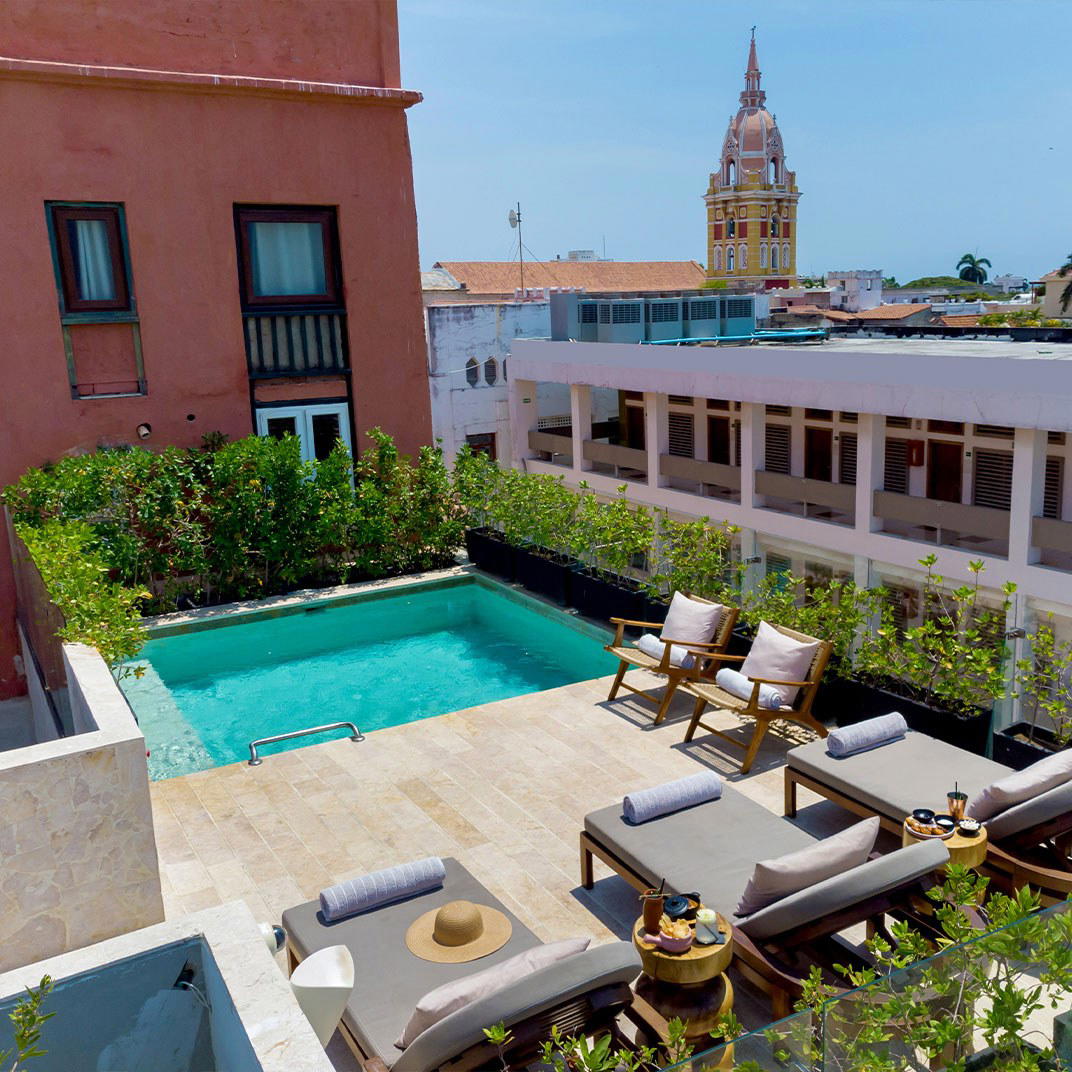
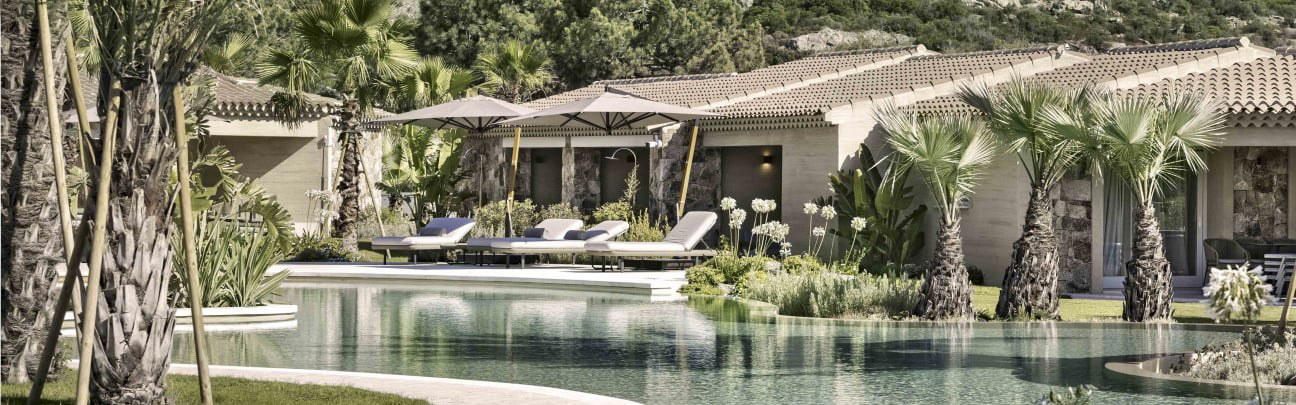
Classic elegant space blending modern comfort with relaxing natural light, earth tones, and luxurious amenities creating a cozy, refreshing resort atmosphere.
Tags
Vibe
Best For
Experience
Amenities
View
Accessibility
About the Stay
- Rooms
- 15
- Check-in
- 15:00
- Check-out
- 11:00
- Property Type
- Boutique hotel
- Property Style
- Secluded Resort Hotel Blending Classic Elegance with Modern Luxury in Nature.
- Design Style
- Minimalist Interiors in Earth Tones with Luxurious Touches Like Simmons Beds and Acqua Di Parma Amenities.
- Spa
- Yes
Know before you go
Know Before You Go
- Getting there
- 5596-1 Akiya, Yokosuka, Kanagawa 240-0105, Japan
Planning details
Location
Recognition and awards
Also consider
Where to look if this is not the right fit
If the trip is meeting-heavy or loyalty-driven, Hyatt Regency Yokohama is the safer alternative. If the goal is a coastal stay with a similar leisure-first mood, compare Scapes The Suite and Malibu Hotel before committing.
Hotel context
How it compares
Choose Hayama Hotel Otowa No Mori when the priority is a quieter coastal stay near Yokosuka with independent-hotel character. Hyatt Regency Yokohama is the more practical business choice if meetings, transport access, and brand familiarity matter more than the setting.
Scapes The Suite and Malibu Hotel are better cross-shops for travelers comparing coastal atmosphere rather than city convenience. If the trip is leisure-led, compare all three on room style and availability; if it is work-led, Hayama Hotel Otowa No Mori only wins when the schedule can absorb a slower base.
Kamakura COCON and Hotel Ao Kamakura make more sense for travelers anchoring the stay around Kamakura. For Yokosuka access, Hayama Hotel Otowa No Mori is the more direct fit; for sightseeing-heavy Kamakura plans, those two are easier to justify.
Explore Yokosuka
Around this place
Discover more on Pearl
Unlock the full Hayama Hotel Otowa No Mori guide in Pearl, including awards, comparisons, FAQs, planning details, and nearby places.
Compare Hayama Hotel Otowa No Mori
| Venue | Location | Awards |
|---|---|---|
| Hayama Hotel Otowa No Mori | Yokosuka | 2025 Michelin Selected Hotels |
| Scapes The Suite | Hayama | No published awards |
| Malibu Hotel | Zushi | No published awards |
| Kamakura COCON | Kamakura | No published awards |
| Hotel Ao Kamakura | Kamakura | No published awards |
| Hyatt Regency Yokohama | Yokohama | No published awards |
How Hayama Hotel Otowa No Mori compares with similar nearby venues.
FAQ
Frequently Asked Questions
How does Hayama Hotel Otowa No Mori compare to nearby hotels?
Hayama Hotel Otowa No Mori is a Yokosuka option with MICHELIN Guide, Hotels Selected (2025) recognition. Hyatt Regency Yokohama is a city-hotel comparison in Yokohama, while Hotel Ao Kamakura and Kamakura COCON are Kamakura comparisons. Scapes The Suite and Malibu Hotel are also natural regional points of comparison for travelers weighing hotel stays in the area.
How is the location of Hayama Hotel Otowa No Mori?
Hayama Hotel Otowa No Mori is in Yokosuka. A more specific street address, neighborhood, or landmark description is not available, so location planning should be confirmed directly before booking.
When is the best time to book Hayama Hotel Otowa No Mori?
Seasonal demand patterns, ideal booking windows, or day-of-week strategy are not established. Book when your Yokosuka travel dates are firm, and confirm any cancellation terms or availability details through your chosen booking channel.