
Shoraiso
Yamanouchi-machi, Yamanouchi
Hotel in Yamanouchi, Japan
 Book with Pearl
The Read
Mountain-Bath Minimalism
Why go
Choose Shoraiso if the goal is a calm Yamanouchi stay with Michelin 1 Key recognition and a quieter hotel rhythm. It is better suited to couples or families with older children than travellers who need resort-scale facilities, kids' programming, or a highly structured on-site schedule.
About Shoraiso
Shoraiso is a venue in Yamanouchi with Michelin 1 Key recognition for 2025. It is best considered for that recognition and for its Yamanouchi location rather than for assumptions about facilities, dining, room types, or service format.
The clearest reason to shortlist it is the Michelin 1 Key recognition in 2025. That is the main trust signal: confirm specific amenities, meal formats, prices, or room features directly before booking.
A Yamanouchi base with limited detail
Shoraiso works well for travellers who specifically want to stay in Yamanouchi and are comfortable confirming practical details directly. Do not choose it based on assumed resort-style facilities, a named dining program, or a particular room setup unless those details are confirmed for your dates.
Because the confirmed information is narrow, planning should be cautious: confirm availability, arrival details, inclusions, and any important needs before committing. The strongest grounded hook remains simple: Shoraiso is in Yamanouchi and has Michelin 1 Key recognition in 2025.
Use peers to decide what kind of trip you want
For broader planning, compare Shoraiso with other named options only when the destination and style of trip are still open. Hoshinoya Karuizawa, SHISHI-IWA-HOUSE Karuizawa, and The Hiramatsu Karuizawa Miyota are relevant if you are considering the Karuizawa area, while Satoyama-Jujo and Awai Togakushi are separate alternatives outside Yamanouchi. If Yamanouchi itself is the priority, keep the comparison focused on Shoraiso and other Yamanouchi options generically.
Planning details
- Location
- 〒381-0401 Nagano, Shimotakai District, Yamanochi, Hirao, 3071−1 下高井郡山ノ内町平穏3071-1
- Website
- shoraiso.com
- Phone
- +81 269-33-2114
The take
The Take
The Vibe
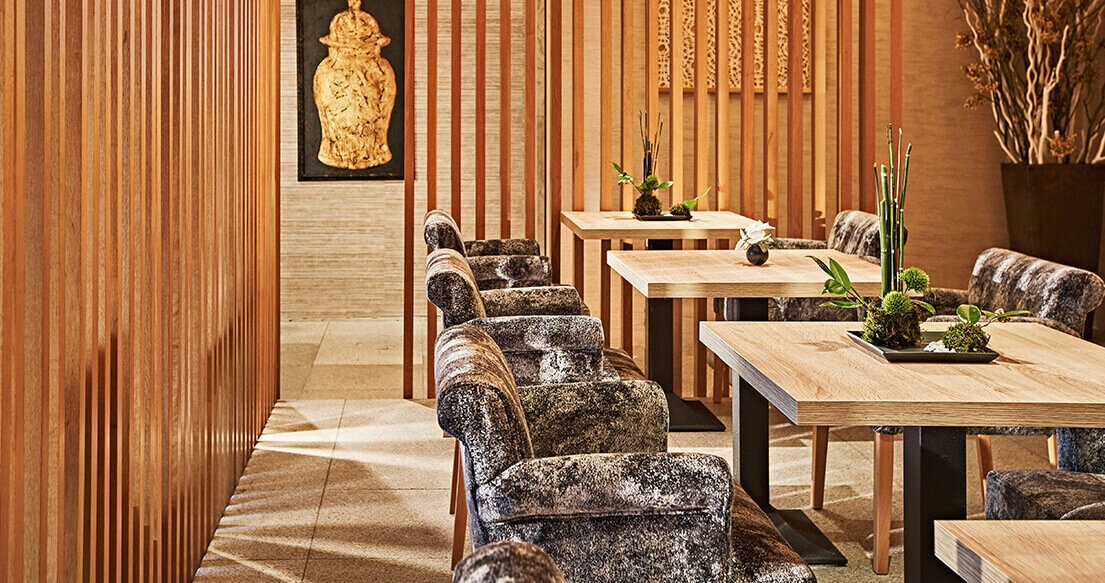
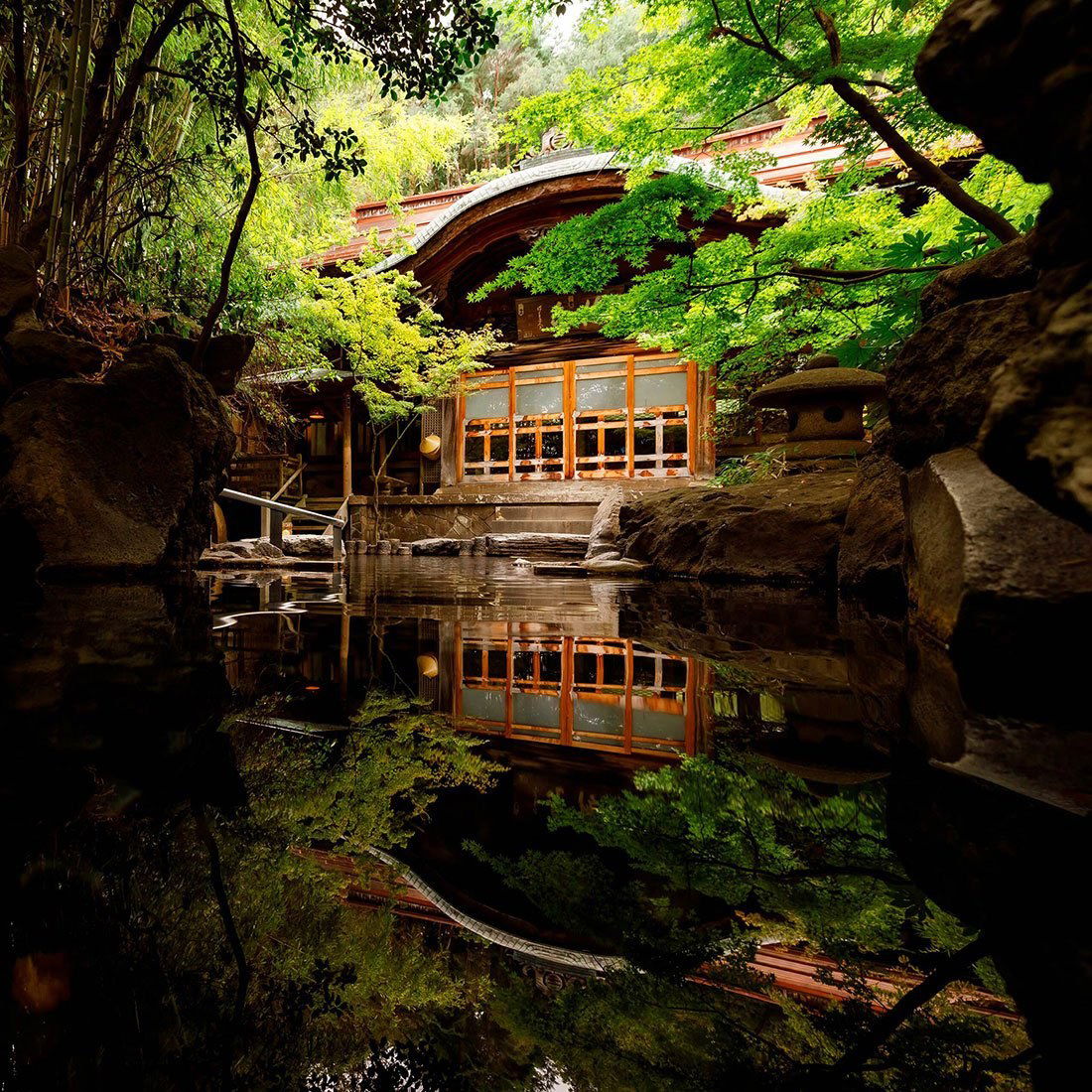
Shoraiso presents itself as an architectural argument: design leads the experience. The ryokan’s five-room scale produces an intimate, contemplative atmosphere where tatami flooring, translucent shoji screens and low-slung furnishings read as deliberate choices rather than clichés. Arabesque archways and dark wood joinery add warmth and a slightly unexpected ornamental note that offsets strict minimalism. The language of the interiors and the property's grounding in regional onsen tradition create a serene, cozy place that feels tethered to the valley and its history — a quietly exacting setting for slow, attentive stays.
Best For
This is a stay for people who prize bathing ritual, privacy and quiet design. With indoor and outdoor baths, communal and private options, Shoraiso is especially suited to wellness-minded travelers seeking restorative soaks and couples after a romantic getaway or honeymoon-scale retreat. The small, five-room house prioritizes thoughtful staging over resort programming, so guests who want a focused onsen experience and time to savor carefully considered interiors will find it rewarding. It also fits a weekend escape for those who want to step away from urban volume into a paced, contemplative stay.
Stay Tips
Book well in advance: five rooms means limited inventory and high demand for private bath access. When reserving, ask about the bath sequence and availability of private versus communal options so you can plan morning and evening soaks — the rotemburo and enclosed baths read very differently by light. Allow time in your schedule to move through the bath sequence and to sit with the rooms’ design details; the property rewards slow observation rather than a rush-through itinerary. If privacy is important, request private-bath bookings early.
Venue details
Ambiance
Serene and refined atmosphere with clean-lined decor, warm lighting from traditional elements, log wood scents, and peaceful private gardens.
Tags
Vibe
Best For
Experience
Amenities
View
About the Stay
- Rooms
- 5
- Check-in
- 15:00
- Check-out
- 11:00
- Property Style
- Traditional Japanese Ryokan with Modern Reconstruction
- Design Style
- Blend of Azuchi Momoyama Period Architecture and Contemporary Minimalism Using Cypress Wood and Natural Materials
Know before you go
Know Before You Go
- Getting there
- 〒381-0401 Nagano, Shimotakai District, Yamanochi, Hirao, 3071−1 下高井郡山ノ内町平穏3071-1
Planning details
Location
〒381-0401 Nagano, Shimotakai District, Yamanochi, Hirao, 3071−1 下高井郡山ノ内町平穏3071-1 · Directions
Recognition and awards
Also consider
Where to look if Shoraiso is full
If dates do not line up, cross-shop Hoshinoya Karuizawa for a larger resort setting or Satoyama-Jujo for a countryside stay with more of a destination-hotel feel.
Hotel context
How Shoraiso compares in Nagano
Shoraiso is the Yamanouchi pick when location and quiet matter more than resort scale. Awai Togakushi is the better cross-shop for travellers who want a more remote Togakushi stay, while Satoyama-Jujo is stronger for guests willing to look outside Yamanouchi for a more destination-led countryside hotel.
For a Karuizawa-based trip, SHISHI-IWA-HOUSE Karuizawa should appeal more to architecture-focused travellers, while The Hiramatsu Karuizawa Miyota is the more polished luxury cross-shop. Hoshinoya Karuizawa is the safer choice for travellers who want a larger, more established resort environment.
Book Shoraiso when Yamanouchi is the point of the trip and a quieter stay is the goal. Choose the Karuizawa peers when access to a broader resort circuit, more dining infrastructure, or a higher-touch leisure setup matters more than being in Yamanouchi.
Explore Yamanouchi
Around this place
Discover more on Pearl
Unlock the full Shoraiso guide in Pearl, including awards, comparisons, FAQs, planning details, and nearby places.
Compare Shoraiso
| Venue | Location | Awards |
|---|---|---|
| Shoraiso | Yamanouchi | Michelin 1 Key 20252025 Michelin 1 Key |
| Awai Togakushi | Nagano | No published awards |
| SHISHI-IWA-HOUSE Karuizawa | Karuizawa | 2026 Mr & Mrs Smith Luxury HotelsTablet Hotels Design Awards 2026: Best New Hotel Designs (Asia)Tatler Best Hotels Asia-Pacific 20252025 Michelin 1 Key2024 Michelin 1 Key |
| The Hiramatsu Karuizawa Miyota | Miyota | 2025 Michelin 2 Keys2024 Michelin 1 Key |
| Hoshinoya Karuizawa | Karuizawa | No published awards |
| Satoyama-Jujo | Niigata | No published awards |



How Shoraiso Yamanouchi compares with similar nearby venues.
FAQ
Frequently Asked Questions
What is check-in like at Shoraiso?
How is the pool and spa at Shoraiso?
When is the best time to book Shoraiso?
How does Shoraiso compare to other hotels?
Pick Shoraiso if Yamanouchi itself is the point and the Michelin 1 Key recognition is a meaningful trust signal for you. Hoshinoya Karuizawa and SHISHI-IWA-HOUSE Karuizawa are relevant if you are considering the Karuizawa area, while Satoyama-Jujo and Awai Togakushi are separate alternatives for travellers considering a different setting.
How is the dining at Shoraiso?
Which room category is best at Shoraiso?
Ask Shoraiso directly about room types, space, privacy, and any needs that matter for your stay.
How is the location of Shoraiso?
Shoraiso is in Yamanouchi. It makes sense for travellers who want Yamanouchi itself, while Hoshinoya Karuizawa or The Hiramatsu Karuizawa Miyota are better comparisons if you are considering the Karuizawa area instead.