
Eatons' Ranch
Bighorn Mountains, Wolf
Hotel in Wolf, United States
 Book with Pearl
The Read
Five-Generation Working Ranch
Why go
Eatons' Ranch is worth considering if the point of the trip is a Wyoming ranch setting rather than a conventional hotel stay. Its USA Today Best Ranches #5 recognition in 2026 gives it a clear trust signal, but the better fit is for travelers who want the property itself to shape the itinerary.
About Eatons' Ranch
Eatons' Ranch is a venue in Wolf. Details include: the dress code is casual, and the venue is recognized as USA Today Best Ranches Best Ranches #5 (2026). Beyond those points, travelers should confirm current lodging, activity, dining, and booking details directly with the venue before planning around specific services.
A Wolf venue with ranch recognition
Eatons' Ranch is known for its USA Today Best Ranches Best Ranches #5 (2026) recognition. That makes it relevant for travelers comparing ranch-oriented stays, but specific amenities, room types, meal formats, activity schedules, prices, or seasonal availability should be confirmed with the venue.
To evaluate Eatons' Ranch, consider it a Wolf option that requires direct confirmation for trip-specific needs. Ask the venue about the current booking process, what is included, and any on-property expectations before committing dates.
Who should book it, and who should not
Consider Eatons' Ranch if you are specifically looking at Wolf and want a venue with ranch-related recognition. The casual dress code also suggests a relaxed standard for attire, but it should not be used as a substitute for checking current guest guidance.
Travelers who need details on dining, accessibility, activities, room setup, pricing, or transportation should contact the venue before booking. These details should be confirmed directly with the venue and not assumed.
For broader planning, compare Eatons' Ranch with other named options such as Blackwater Creek Lodge & Guest Ranch, DOUBLE RAFTER CATTLE DRIVES, Northern Hotel, PARADISE RANCH, and THE HIDEOUT LODGE AND GUEST RANCH, or look at other Wolf venues generically when building an itinerary.
Planning details
- Location
- 270 Eaton Ranch Rd, Wolf, WY 82844
- Website
- eatonsranch.com
- Phone
- +1 307-655-9285
The take
The Take
The Vibe
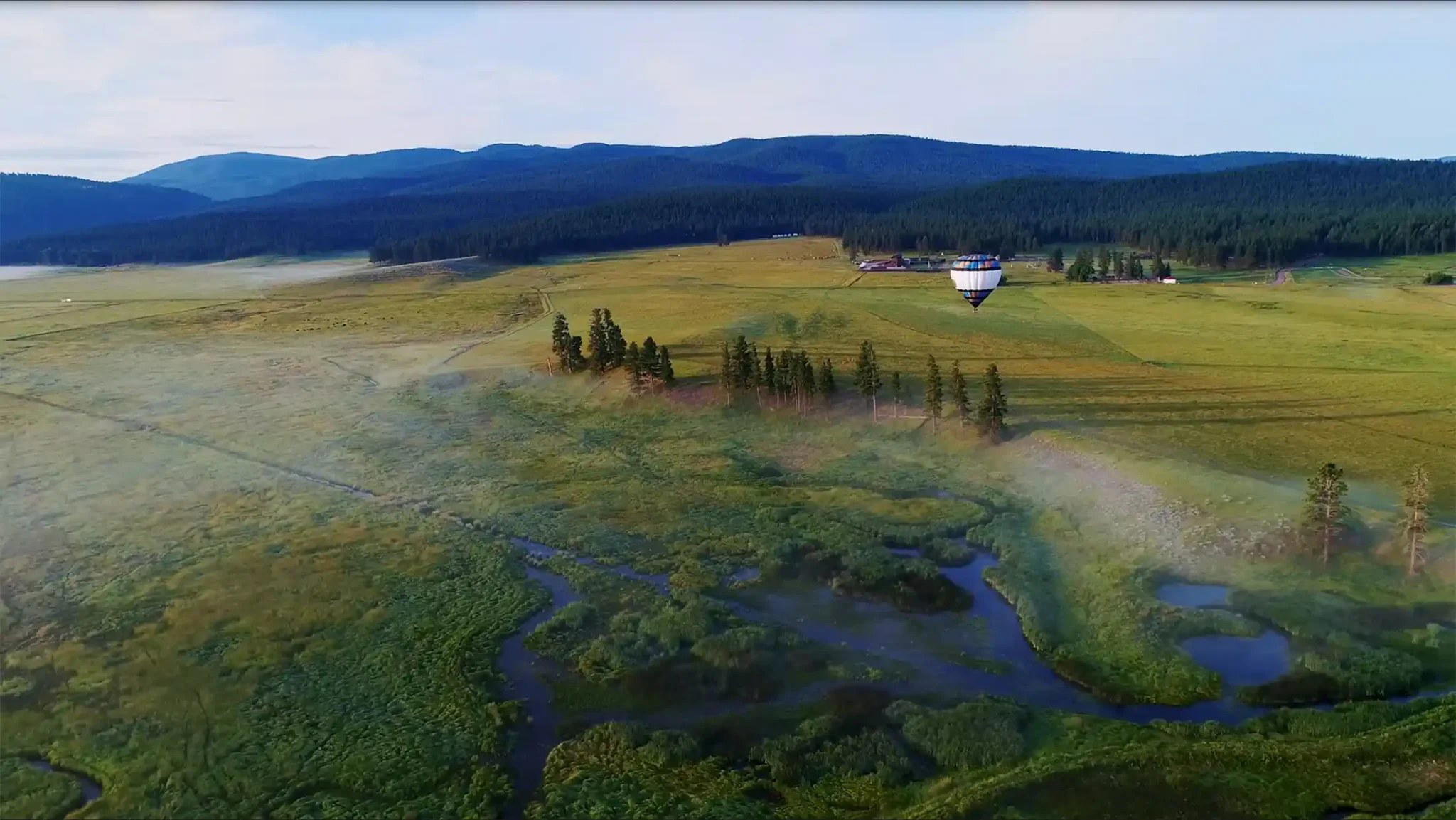
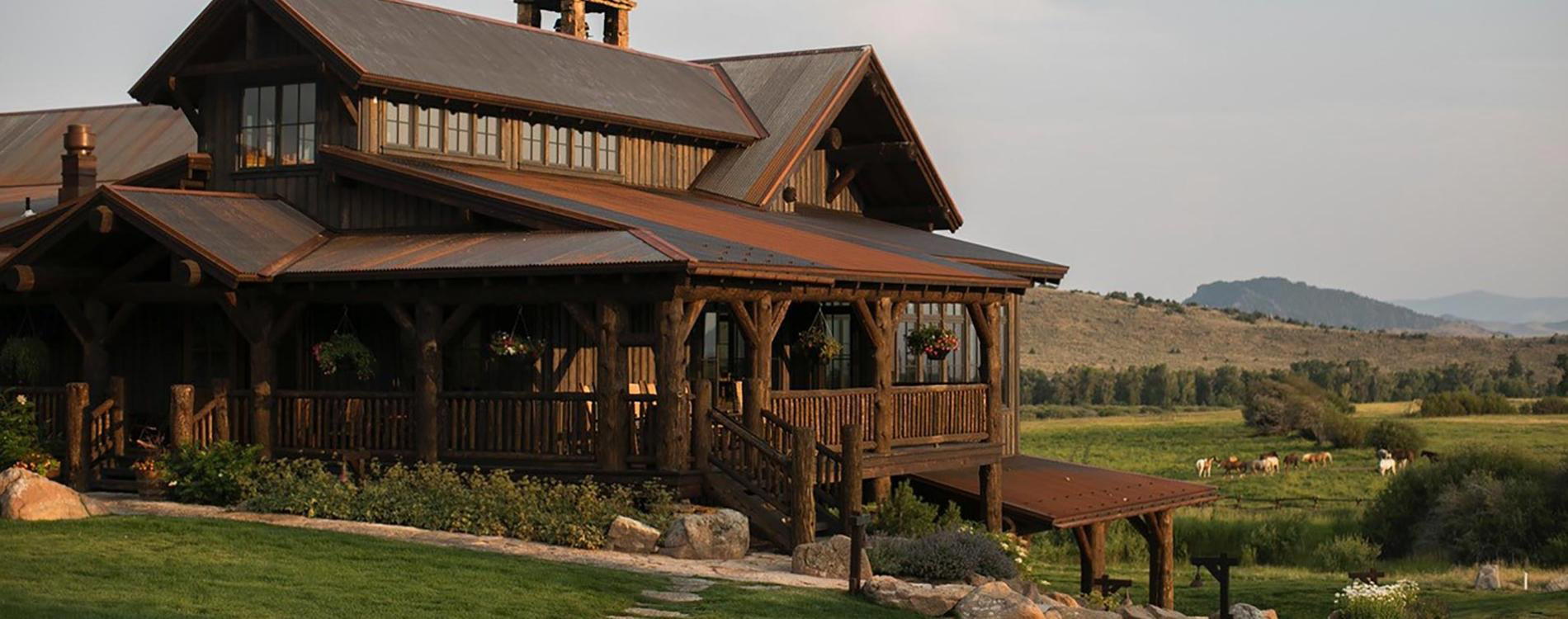
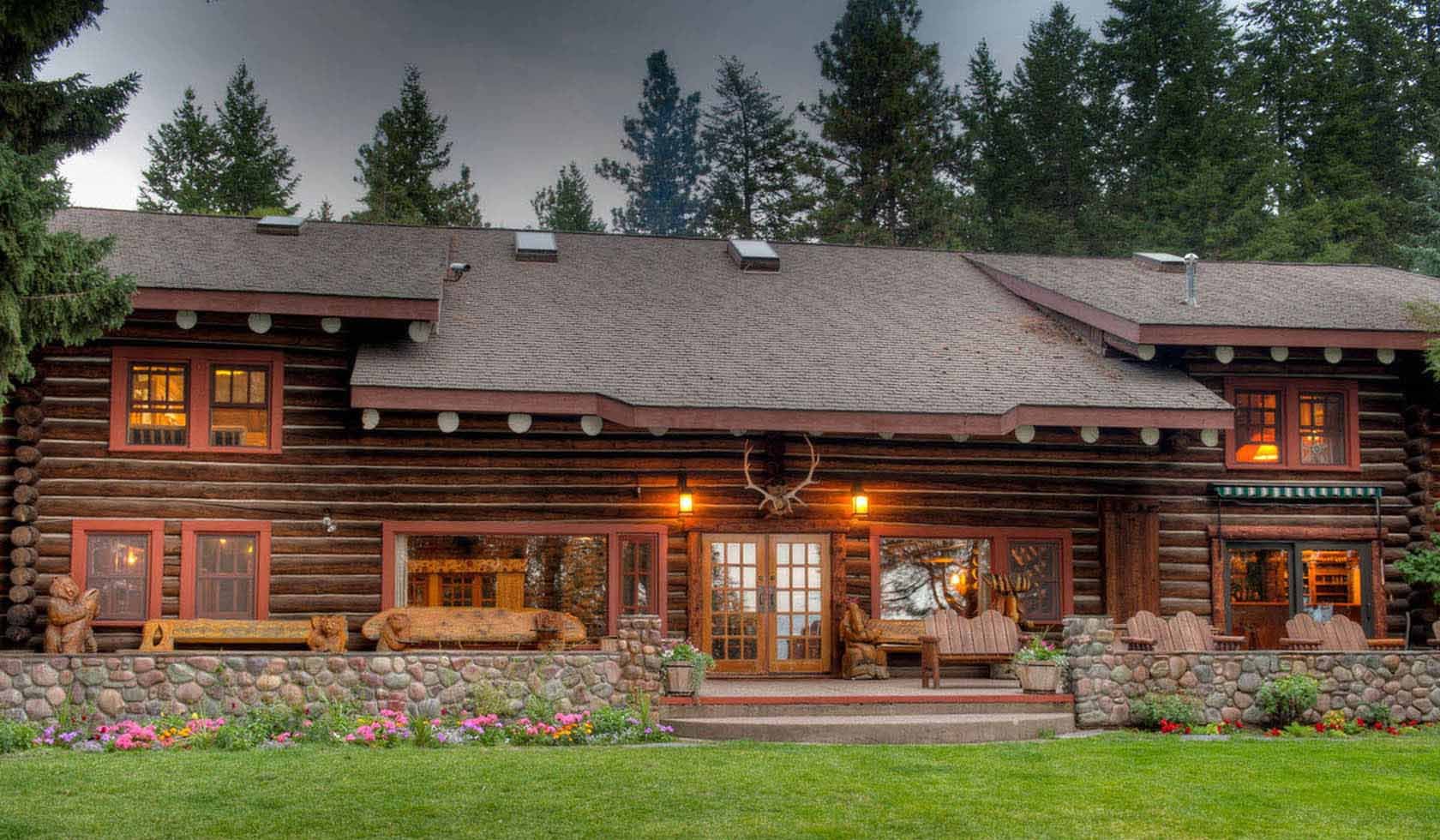
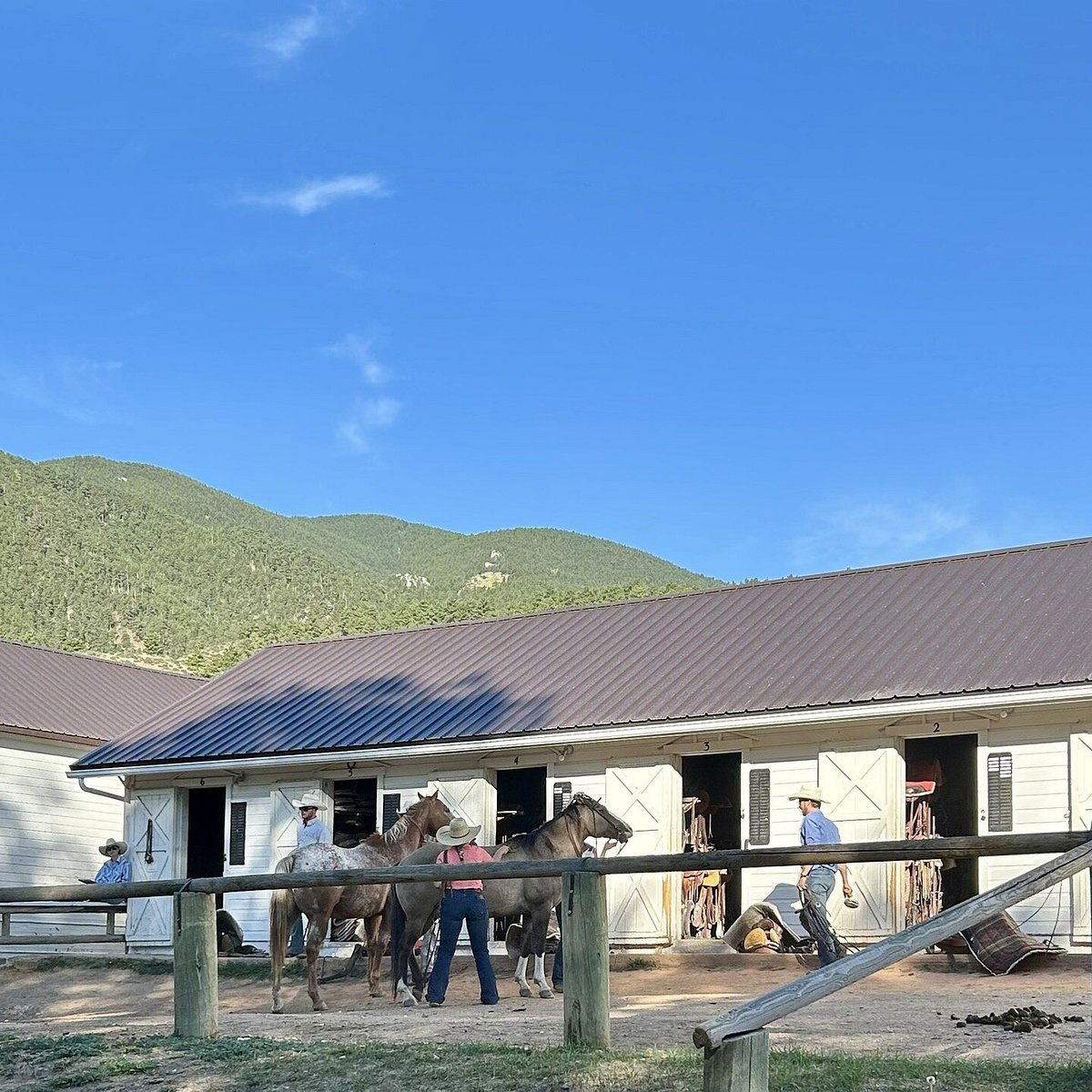
Eatons' Ranch presents a lived-in, historical character that centers the landscape over design. The property reads as a working compound shaped by five generations of family ownership, where cabins, corrals and common buildings feel functional rather than decorative. The Bighorn Mountains frame the setting, and the emphasis is on the land — shortgrass prairie stepping into stands of ponderosa and lodgepole pine — so the overall mood is quietly rooted in ranching history rather than polished resort spectacle. Travelers encounter an authentic, historically grounded place that privileges practicality and the rhythms of rural life.
Best For
Eatons' Ranch suits travelers who prize immersion in a working Western landscape and an unvarnished historical experience. With 7,000 acres at the foot of the Bighorn Mountains, it appeals to guests who want wide-open country, mountain views and a sense of continuity with American ranching history. Families and groups that appreciate the educational and collective aspects of a dude-ranch format find it especially fitting, as do visitors seeking a weekend escape from nearby Sheridan or an extended stay to absorb the land-focused pace. It is not for those seeking highly stylized architecture or boutique polish.
Stay Tips
Plan logistics around the ranch’s remote, land-first character: the property is reached by driving north from Sheridan toward Wolf, and the emphasis is on the working compound rather than design amenities. Expect cabins and functional ranch buildings accumulated over generations rather than a resort built for photography; pack clothing and gear suitable for outdoor time and variable mountain conditions. Because the experience foregrounds land and history, prioritize time outdoors to appreciate the transition from shortgrass prairie to pine stands and the views of the Bighorn range.
Venue details
Ambiance
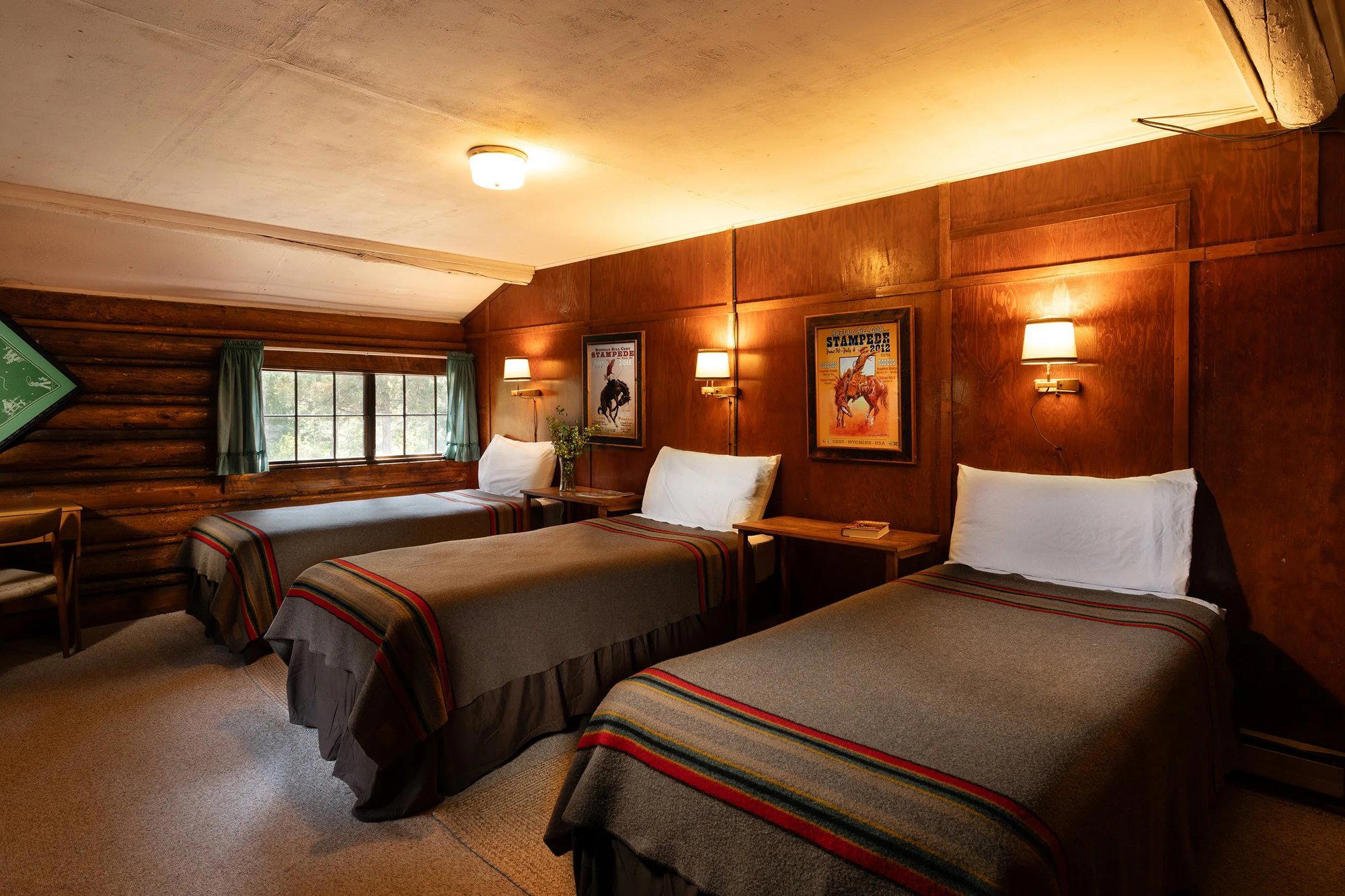
Rustic and cozy with a sense of tradition, featuring simple western-style cabins, fireplaces, and a relaxed family-oriented atmosphere.
Tags
Vibe
Best For
Experience
Amenities
View
Accessibility
About the Stay
- Rooms
- 51
- Check-in
- 15:00
- Check-out
- 12:00
- Property Style
- Historic Dude Ranch with Simple Western Cabins.
- Design Style
- Rustic Western
Know before you go
Know Before You Go
- Getting there
- 270 Eaton Ranch Rd, Wolf, WY 82844
Planning details
Location
Recognition and awards

Also consider
Also Consider
- DOUBLE RAFTER CATTLE DRIVES, Notable alternative
- THE HIDEOUT LODGE AND GUEST RANCH, Notable alternative
- PARADISE RANCH, Notable alternative
- Northern Hotel, Notable alternative
- Blackwater Creek Lodge & Guest Ranch, Notable alternative
Hotel context
How it compares with other ranch-style stays
Choose Eatons' Ranch if the priority is a classic ranch stay in the Wolf area with a recognized reputation signal. Compared with DOUBLE RAFTER CATTLE DRIVES, it reads as the safer choice for travelers who want a ranch base rather than a more specialized cattle-drive focus. For a first ranch trip, that broader format is easier to recommend.
THE HIDEOUT LODGE AND GUEST RANCH and PARADISE RANCH are the closer cross-shops for guests who already know they want guest-ranch atmosphere. The deciding factor should be trip style: pick Eatons' Ranch for a more established, award-recognized ranch choice; look at those peers if a different ranch personality or setting better matches the group.
Northern Hotel is the better alternative for travelers who want hotel convenience instead of a ranch-led itinerary. Blackwater Creek Lodge & Guest Ranch is a more relevant fallback if the group still wants a guest-ranch format and cannot make the target stay work. In short: book Eatons' Ranch for atmosphere and ranch identity; book Northern Hotel for ease; cross-shop Blackwater Creek if the ranch format is non-negotiable.
Explore Wolf
Around this place
Discover more on Pearl
Unlock the full Eatons' Ranch guide in Pearl, including awards, comparisons, FAQs, planning details, and nearby places.
Compare Eatons' Ranch
| Venue | Location | Awards |
|---|---|---|
| Eatons' Ranch | Wolf | 2026 USA Today Best Ranches · #5 |
| DOUBLE RAFTER CATTLE DRIVES | Ranchester | Top 50 Ranches 2026 |
| THE HIDEOUT LODGE AND GUEST RANCH | Shell | 2026 USA Today Best Ranches · #8Top 50 Ranches 2026 |
| PARADISE RANCH | Buffalo | No published awards |
| Northern Hotel | Billings | Preferred Hotels Member 2025 |
| Blackwater Creek Lodge & Guest Ranch | Cody | 2026 USA Today Best Ranches · #2 |


How Eatons' Ranch Wolf compares with similar nearby venues.
FAQ
Frequently Asked Questions
How is the location of Eatons' Ranch?
Eatons' Ranch is in Wolf. If location is important to your trip, confirm travel logistics directly with the venue before booking. Northern Hotel is another named option to compare, depending on the kind of stay you want.
Which room category is best at Eatons' Ranch?
Information on room categories at Eatons' Ranch is not available. Ask the venue about current room types, layouts, and availability. THE HIDEOUT LODGE AND GUEST RANCH is another named ranch option to compare when researching your trip.