
Bolt Farm Treehouse
Whitwell
Hotel in Whitwell, United States
 Book with Pearl
The Read
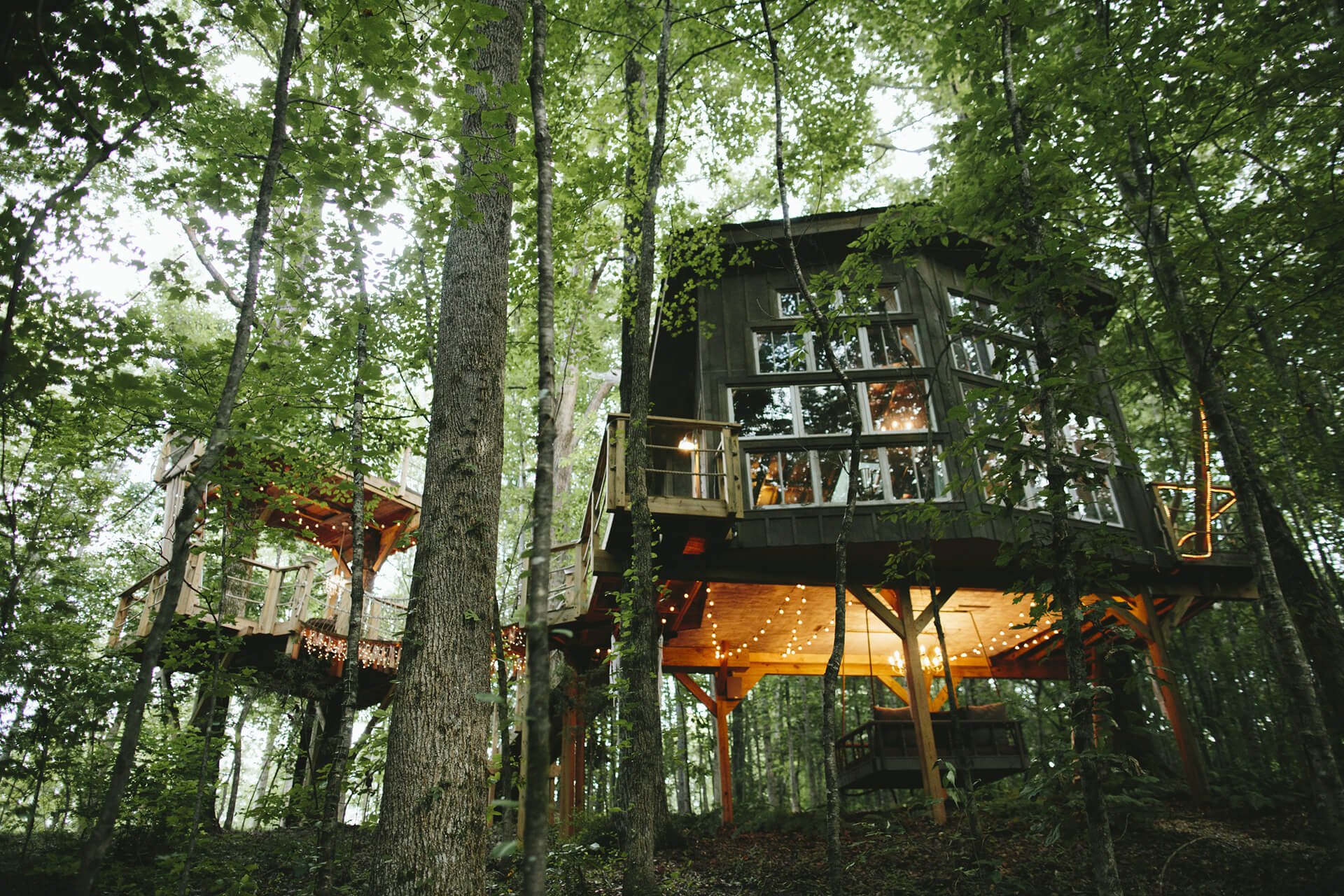
Canopy-Level Architecture
Price
$300–500per night
Why go
Bolt Farm Treehouse is worth booking when the room is the reason for the trip: a private, destination-style stay near Whitwell rather than a conventional hotel base. It is strongest for couples and occasion travel, weaker for business needs or guests who want on-site dining and city convenience. Fodor's 2026 recognition supports the splurge case.
About Bolt Farm Treehouse
Bolt Farm Treehouse is a Whitwell stay to consider when the lodging itself is the main reason for the trip. Approach it as a stay-first choice, especially if you are not trying to compare hotels by dining, room types, rates, or amenity lists.
A notable hook is recognition from Fodor's Most Incredible Hotels in the World (2026). Travelers should check current booking details directly before making plans. If the trip depends on specific services, meal arrangements, accessibility needs, or a particular room setup, confirm those details with the property rather than assuming them from the venue name or from third-party summaries.
Book it for the stay, not for hotel infrastructure
The practical question is whether you want Bolt Farm Treehouse specifically as the center of the getaway. It is best evaluated as a distinctive Whitwell lodging choice with notable recognition, not as a conventional hotel comparison based on a restaurant, amenity list, room count, or price structure.
Use our full Whitwell hotels guide if this is part of a broader stay, and check our full Whitwell experiences guide before committing to extra nights. If meals or evening plans are important, our full Whitwell restaurants guide and our full Whitwell bars guide can help you plan around the stay without assuming on-site dining details.
Planning details
- Location
- 600 English Cove Rd, Whitwell, TN 37397
- Website
- boltfarmtreehouse.com
- Phone
- +1 423-556-3365
The take
The Take
The Vibe
Bolt Farm Treehouse presents a design‑forward take on the treehouse stay, trading novelty for thoughtful structure and materiality. The writing emphasizes engineering, canopy integration, and a careful relationship to terrain rather than theatrical spectacle, so the experience reads as quietly sophisticated and intentionally crafted. Set within dense hardwood forest on the Cumberland Plateau, the collection of elevated structures feels integrated into the canopy; the result is a secluded, contemplative retreat that favors architectural integrity and understated charm over overt theatrics.
Best For
This property suits travelers who prize architecture and a serious design approach to wilderness lodging—those seeking a thoughtful, secluded escape in nature rather than panoramic spectacle. Couples looking for a private, intimate stay and visitors who appreciate engineered structures that harmonize with the canopy will find Bolt Farm especially rewarding. The setting in Sequatchie Valley also makes it a good fit for people after a quiet, contemplative break in wooded terrain; it’s less about flashy views and more about being immersed in the forest and structure.
Venue details
Ambiance
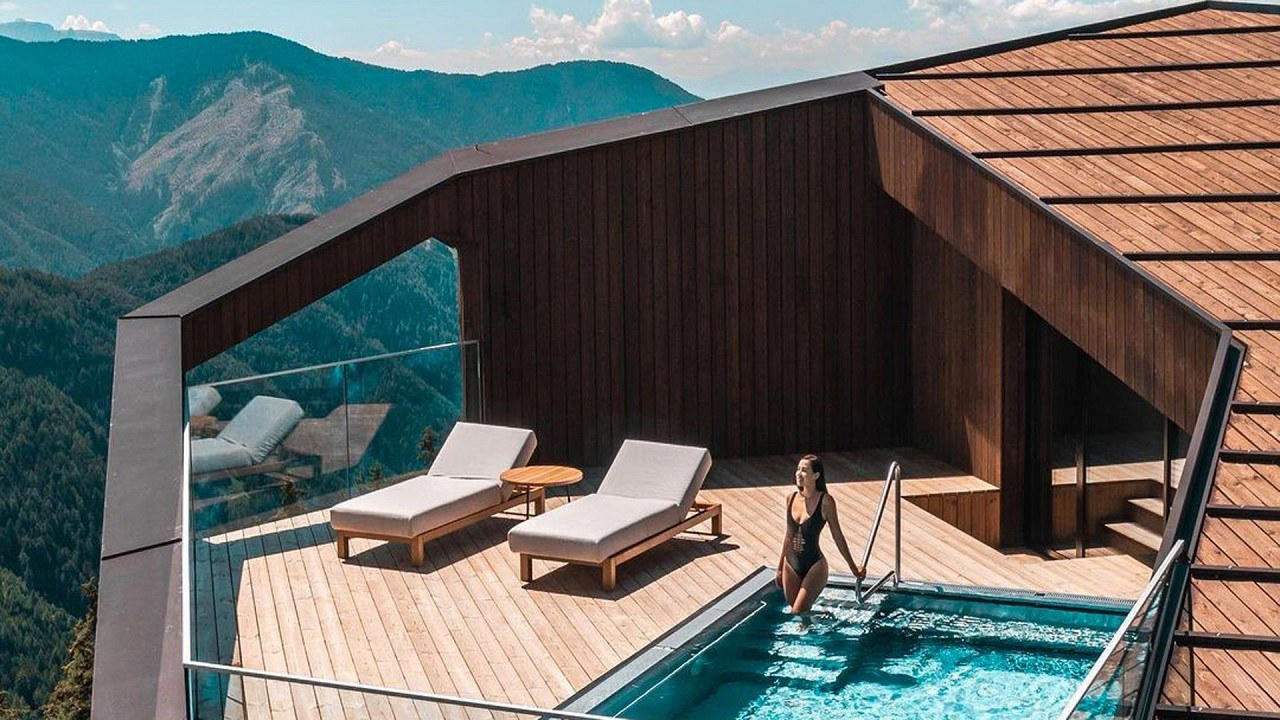
Secluded, romantic, and quiet, with panoramic mountaintop views and a private, nature-immersive atmosphere designed for couples to disconnect and reconnect.
Tags
Vibe
Best For
Experience
Amenities
View
About the Stay
- Rooms
- 22
- Check-in
- 15:00
- Check-out
- 10:00
- Property Type
- Design hotel
- Property Style
- Adults Only Luxury Couples Resort with Private Mountaintop Stays and Highly Curated Romantic Experiences.
- Design Style
- Luxury Nature Immersive Design with Treehouses, Domes, Mirror Cabins, and High End, Couple Focused Interiors.
- Spa
- Yes
- Cancellation
- Moderate
- Opened
- 2021
Know before you go
Know Before You Go
- Getting there
- 600 English Cove Rd, Whitwell, TN 37397
Planning details
Location
Recognition and awards

Also consider
Also Consider
- Raccoon Mountain Caverns and Campground, Notable alternative
- The Dwell Hotel, Notable alternative
- 1201 Broad St, Notable alternative
- Kinley Chattanooga Southside, Notable alternative
- The Hotel Chalet, Notable alternative
Hotel context
How it compares near Whitwell and Chattanooga
Choose Bolt Farm Treehouse when ambiance matters more than hotel services. Compared with Raccoon Mountain Caverns and Campground, it is the more polished occasion stay; Raccoon Mountain is the easier value play for outdoors-focused travelers who care less about privacy and room design.
For city convenience, Chattanooga has stronger alternatives. The Dwell Hotel is the better fit for a boutique hotel feel with urban access, while Kinley Chattanooga Southside makes more sense for travelers who want restaurants, bars, and a simpler night-out plan nearby. The Hotel Chalet is also a better match if the trip is built around Chattanooga rather than a retreat outside the city.
1201 Broad St is the cross-shop for travelers prioritizing location over escape. Book Bolt Farm Treehouse for a couple's retreat where the lodging carries the trip; choose the Chattanooga options when convenience, dining access, and flexible scheduling matter more.
Explore Whitwell
Around this place
Discover more on Pearl
Unlock the full Bolt Farm Treehouse guide in Pearl, including awards, comparisons, FAQs, planning details, and nearby places.
Compare Bolt Farm Treehouse
| Venue | Location | Awards |
|---|---|---|
| Bolt Farm Treehouse | Whitwell | 100 Most Incredible Hotels in the World · 2026 |
| Raccoon Mountain Caverns and Campground | Chattanooga | No published awards |
| The Dwell Hotel | Chattanooga | No published awards |
| 1201 Broad St | Chattanooga | No published awards |
| Kinley Chattanooga Southside | Chattanooga | No published awards |
| The Hotel Chalet | Chattanooga | Tablet Hotels Design Awards 2026: Best New Hotel Designs (USA & Canada)2026 Michelin 1 Key2025 Michelin 1 Key |



How Bolt Farm Treehouse Whitwell: Worth It for a Stay? compares with similar nearby venues.
FAQ
Frequently Asked Questions
How is the dining at Bolt Farm Treehouse?
If meals are important to the trip, plan around Whitwell dining options and check any current food-related details directly with Bolt Farm Treehouse before booking.
Which room category is best at Bolt Farm Treehouse?
Choose based on the current options shown by Bolt Farm Treehouse at the time of booking, and confirm any layout, access, or privacy needs directly with the property.
When is the best time to book Bolt Farm Treehouse?
The property has recognition from Fodor's Most Incredible Hotels in the World (2026). If you have specific dates in mind, check current availability directly and book according to your travel schedule.
How is the location of Bolt Farm Treehouse?
How does Bolt Farm Treehouse compare to other lodging options?
Bolt Farm Treehouse is the Whitwell option to consider when the stay itself is the focus. Travelers weighing different lodging styles can compare it with The Dwell Hotel, 1201 Broad St, Kinley Chattanooga Southside, Raccoon Mountain Caverns and Campground, or The Hotel Chalet.
Is Bolt Farm Treehouse good for business travel?
If the trip depends on meeting space, workspace, connectivity, or a tight schedule, confirm those details directly before booking; options such as 1201 Broad St or Kinley Chattanooga Southside may be worth comparing for a more conventional hotel setup.