
Seven Beach Lane
Westhampton Beach
Hotel in Westhampton Beach, United States
 Book with Pearl
The Read
Price
$300–500per night
Why go
Seven Beach Lane is the practical Westhampton Beach pick for travelers who want a current boutique hotel base with easy booking pressure and strong village access. Choose it over broader Hamptons options when location matters more than resort programming; compare Shou Sugi Ban House for wellness and Topping Rose House for a larger East End base.
About Seven Beach Lane
Seven Beach Lane is a Westhampton Beach venue with a clear trust signal: Esquire Best New Hotels (2025). For travelers comparing stays, the grounded case is direct: consider it when Westhampton Beach is the location you want, then confirm current room details, rates, policies, and on-property offerings directly before booking.
Seven Beach Lane is in Westhampton Beach, has smart-casual dress guidance, and has Esquire Best New Hotels (2025) recognition. Readers comparing options should also look at other Westhampton Beach stays generically if the priority is choosing the right village rather than chasing a single property name.
Book it for a Westhampton Beach base, then confirm the details
Seven Beach Lane is best framed as a Westhampton Beach option with recent national recognition. If your trip is built around Westhampton Beach, it belongs on the shortlist. If your decision depends on specific amenities, dining, wellness programming, room types, or service features, confirm those details directly before committing.
For broader comparisons, Shou Sugi Ban House may be relevant for travelers considering another named option, while Topping Rose House is also part of the comparison set. Seven Beach Lane remains the Westhampton Beach choice in this set, so the key question is whether Westhampton Beach is the right base for the trip.
Service expectations
Treat Seven Beach Lane as a Westhampton Beach hotel to evaluate directly: check current availability, rates, policies, and any services that matter to your stay before booking.
For a repeat visit, the practical test is simple: if Westhampton Beach itself is the point of the trip, Seven Beach Lane deserves another look. If you are comparing a wider set of stays, consider it alongside options such as Bellport Inn, Faraway Sag Harbor, The Pridwin Hotel and Cottages, Topping Rose House, and Shou Sugi Ban House, while keeping each property's location and focus distinct.
Planning details
- Location
- 7 Beach Ln, Westhampton Beach, NY 11978
- Website
- sevenbeachlane.com
- Phone
- (631) 684-0777
The take
The Take
The Vibe
Seven Beach Lane reads like a well‑appointed coastal house rather than a stage for Hamptons spectacle. The hotel leans on genuine heritage architecture and a small, 16‑room scale to create an intimate, quietly assured atmosphere. Its village setting at the western gateway of the Hamptons reinforces a low‑velocity rhythm—less performative resort, more considered retreat—so design details and authentic proportions take precedence over flashy programming. The overall effect is restrained and thoughtful: a historic, house‑like property that privileges privacy, measured comfort, and architecture‑led character over ostentation.
Best For
This property suits travelers who prize a low‑key, architecture‑led escape rather than large resort amenities. With just 16 rooms and a village‑scale personality, Seven Beach Lane appeals to guests seeking privacy, considered design, and an intimate social radius—think weekend escapes and quiet celebratory stays. The copy positions the hotel alongside small, architecture‑driven references (Troutbeck, Blackberry Farm), so it is ideal for visitors who value heritage character and a slower Hamptons experience instead of pools, large public programming, or seasonal spectacle.
Stay Tips
Because the hotel is intentionally small—16 rooms with a tight, house‑like social radius—plan and book early, especially for summer weekends. Manage expectations: this is not a large, brand‑flagged resort with extensive pool programming or daylong public events; it emphasizes heritage architecture and a quieter village pace. When reserving, confirm room orientation and any in‑house services you care about, since on‑site offerings are likely curated and limited by scale. Treat reservations as finite inventory rather than assuming walk‑in availability.
Venue details
Ambiance
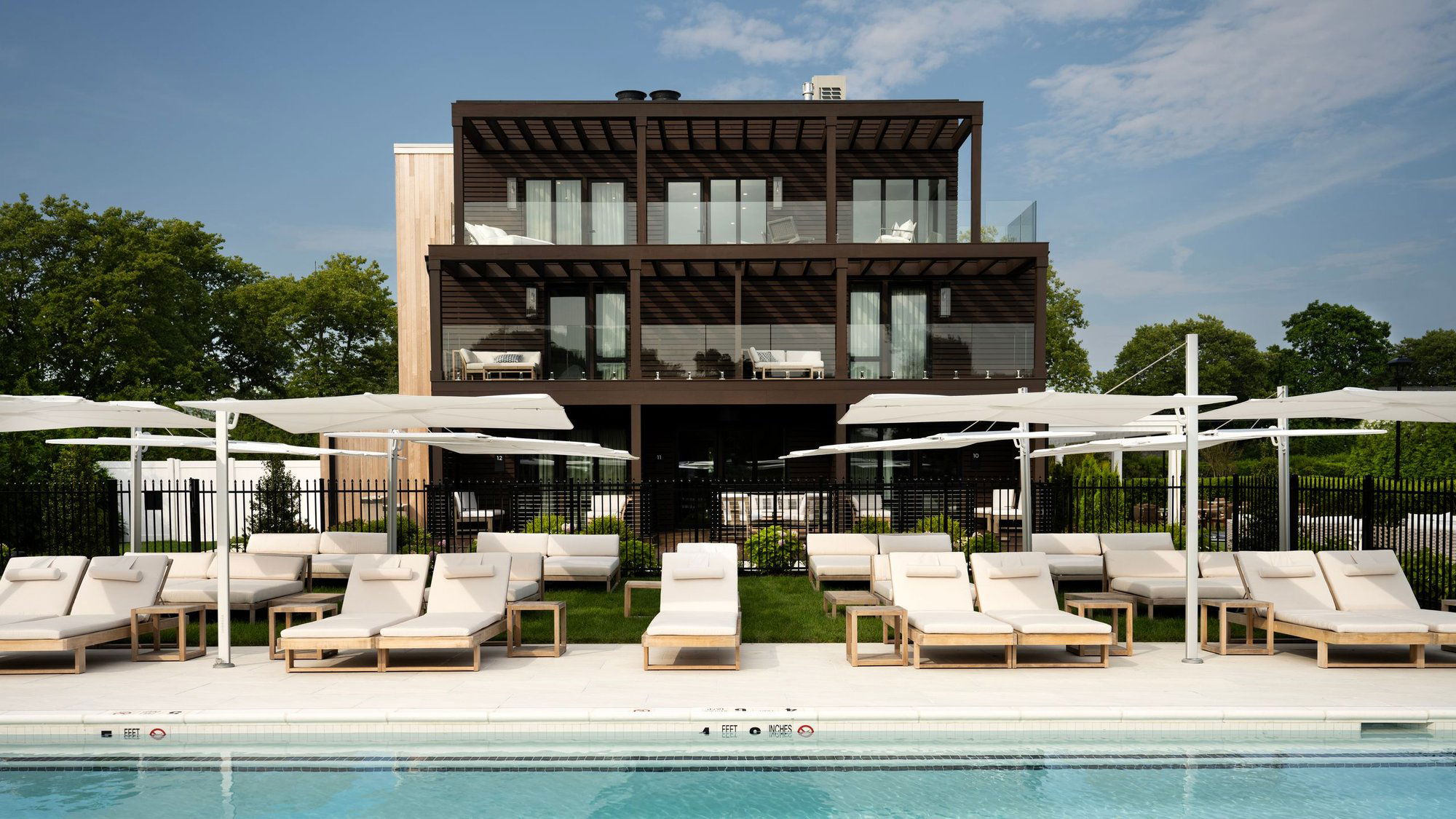
Sophisticated and serene with a modern oasis atmosphere, praised for its impeccably designed spaces, warm poolside lounging, and relaxing yoga sessions.
Tags
Vibe
Best For
Amenities
Accessibility
About the Stay
- Rooms
- 16
- Check-in
- 15:00
- Check-out
- 11:00
- Property Type
- Boutique hotel
- Property Style
- Historic Charm Meets Modern Luxury Boutique
- Design Style
- Modern Coastal with Vintage Charm
- Pool
- Yes
Know before you go
Know Before You Go
- Getting there
- 7 Beach Ln, Westhampton Beach, NY 11978
Planning details
Location
Recognition and awards

Also consider
If You Can't Book Here
Choose Topping Rose House if the trip can shift toward Bridgehampton and the hotel needs a broader East End profile. Choose Shou Sugi Ban House if the stay is mainly about wellness, quiet, and a more programmed retreat format.
Hotel context
How It Compares
Seven Beach Lane is the Westhampton Beach choice for travelers who want a current boutique stay with less booking friction. Shou Sugi Ban House is the stronger pick when the trip is centered on wellness and structured downtime, while Seven Beach Lane is better when the village address and a lighter hotel footprint matter more.
Against Topping Rose House and Faraway Sag Harbor, the decision comes down to which Hamptons base fits the itinerary. Topping Rose House suits a Bridgehampton-focused stay, Faraway Sag Harbor works better for Sag Harbor energy, and Seven Beach Lane is the cleaner call for Westhampton Beach access without overbuilding the trip around the hotel.
Bellport Inn and The Pridwin Hotel and Cottages are more useful alternatives if the traveler is open to a different Long Island rhythm. Bellport Inn skews village-inn quiet; The Pridwin is the better comparison for a classic resort-style stay. Seven Beach Lane sits between them: more current than a traditional inn, less all-consuming than a resort.
Explore Westhampton Beach
Around this place
Discover more on Pearl
Unlock the full Seven Beach Lane guide in Pearl, including awards, comparisons, FAQs, planning details, and nearby places.
Compare Seven Beach Lane
| Venue | Location | Awards |
|---|---|---|
| Seven Beach Lane | Westhampton Beach | 2025 Esquire Best New Hotels |
| Shou Sugi Ban House | Water Mill | No published awards |
| Bellport Inn | Bellport | No published awards |
| Topping Rose House | Bridgehampton | 2026 Forbes Recommended2026 Vogue Best Hotels in the HamptonsStar Wine Lists 20262025 Forbes RecommendedSmall Luxury Hotels Member 2025 |
| Faraway Sag Harbor | Sag Harbor | No published awards |
| The Pridwin Hotel and Cottages | Shelter Island | Tablet Hotels Editors' Picks: Top 40 New Hotels — July 20262026 Vogue Best Hotels in the Hamptons2025 Michelin Selected HotelsPreferred Hotels L.V.X. Collection 2025 |







How Seven Beach Lane Westhampton Beach Verdict compares with similar nearby venues.
FAQ
Frequently Asked Questions
How is the location of Seven Beach Lane?
Seven Beach Lane is in Westhampton Beach. If you want to stay in Westhampton Beach specifically, that is the relevant location factor to weigh against other options.
When is the best time to book Seven Beach Lane?
Is Seven Beach Lane good for business travel?
It may work if Westhampton Beach is the right location for the trip, but confirm any work-related needs directly before booking.
Which room category is best at Seven Beach Lane?
Choose based on the current room descriptions, rates, and policies provided directly by the property.
How does Seven Beach Lane compare to other hotels?
Seven Beach Lane is a Westhampton Beach option with Esquire Best New Hotels (2025) recognition. For a wider comparison, travelers may also consider Bellport Inn, Faraway Sag Harbor, The Pridwin Hotel and Cottages, Topping Rose House, and Shou Sugi Ban House, depending on the location and style of stay they want.
Do loyalty programs work at Seven Beach Lane?
Do not plan around points, status benefits, or program perks unless Seven Beach Lane confirms them directly.