



Willard InterContinental
East End, Washington DC
Hotel in Washington DC, United States
 Book with Pearl
Why go
Book Willard InterContinental for a formal D.C. stay where service polish, address, and occasion value matter more than boutique edge. Its recognition from Virtuoso, MICHELIN Guide Hotels, Star Wine List, and Forbes' rating pipeline makes it a serious luxury-hotel contender, but booking early is smart for peak Washington periods.
About Willard InterContinental
Is Willard InterContinental worth booking in Washington, D.C.? It can be, if you are looking for a recognized luxury hotel in the city and want to compare it with other established high-end options. The signals are direct: Willard InterContinental is listed as a Virtuoso Luxury Hotel Partner for 2026, has Star Wine List recognition for 2026, is marked Forbes Soon To Be Rated for 2026, and was selected in the MICHELIN Guide Hotels list for 2025.
Because the data here is limited, the safest way to evaluate the hotel is to treat those recognitions as planning context rather than proof of a specific style of stay, room type, dining format, or service promise. If you are comparing hotels in Washington, D.C. consider Willard InterContinental alongside Riggs Washington DC, The Hay-Adams Hotel, and Waldorf Astoria Washington DC based on your own priorities for location within Washington, D.C. rate, room category, and trip purpose.
Book for recognition, not specifics
Willard InterContinental has several recognition markers, including MICHELIN Guide Hotels Selected status for 2025 and Virtuoso Luxury Hotel Partner status for 2026. Those are useful trust signals, but they do not verify details such as a particular room strategy, booking difficulty, service style, dining format, or best season to stay.
The most practical approach is to confirm current rates, room categories, cancellation terms, and any stay-specific needs directly before booking. If dress expectations matter for your plans, the dress code is smart casual.
Who should choose it over the other Washington, D.C. luxury hotels
Choose Willard InterContinental if its recognition profile, availability, and current pricing fit your trip better than the alternatives you are considering. Riggs Washington D.C. The Hay-Adams, and Waldorf Astoria Washington DC are natural comparison points in Washington, D.C. but the better choice depends on the specific stay you are planning rather than on an ranking.
Dining should not be the only reason to book based on the information available here. The property has Star Wine List recognition for 2026, but details about specific restaurants, menus, cuisines, chefs, prices, or service formats are not in this dataset. For broader planning, use Our full Washington, D.C. restaurants guide, Our full Washington, D.C. bars guide, and Our full Washington, D.C. experiences guide. For hotel cross-shopping beyond this set, start with Our full Washington, D.C. hotels guide.
Know Before You Go
- Good for: travelers considering a recognized luxury hotel in Washington, D.C.
- Less ideal for: travelers who need details on a specific room type, dining format, price point, or service style before shortlisting.
- Booking difficulty: not in the available data.
- Room strategy: compare current room categories and terms directly before booking.
- Decision rule: use the confirmed recognitions, smart casual dress code, current pricing, and your trip needs to compare Willard InterContinental with Riggs Washington DC, The Hay-Adams Hotel, and Waldorf Astoria Washington DC.
Inside Willard InterContinental
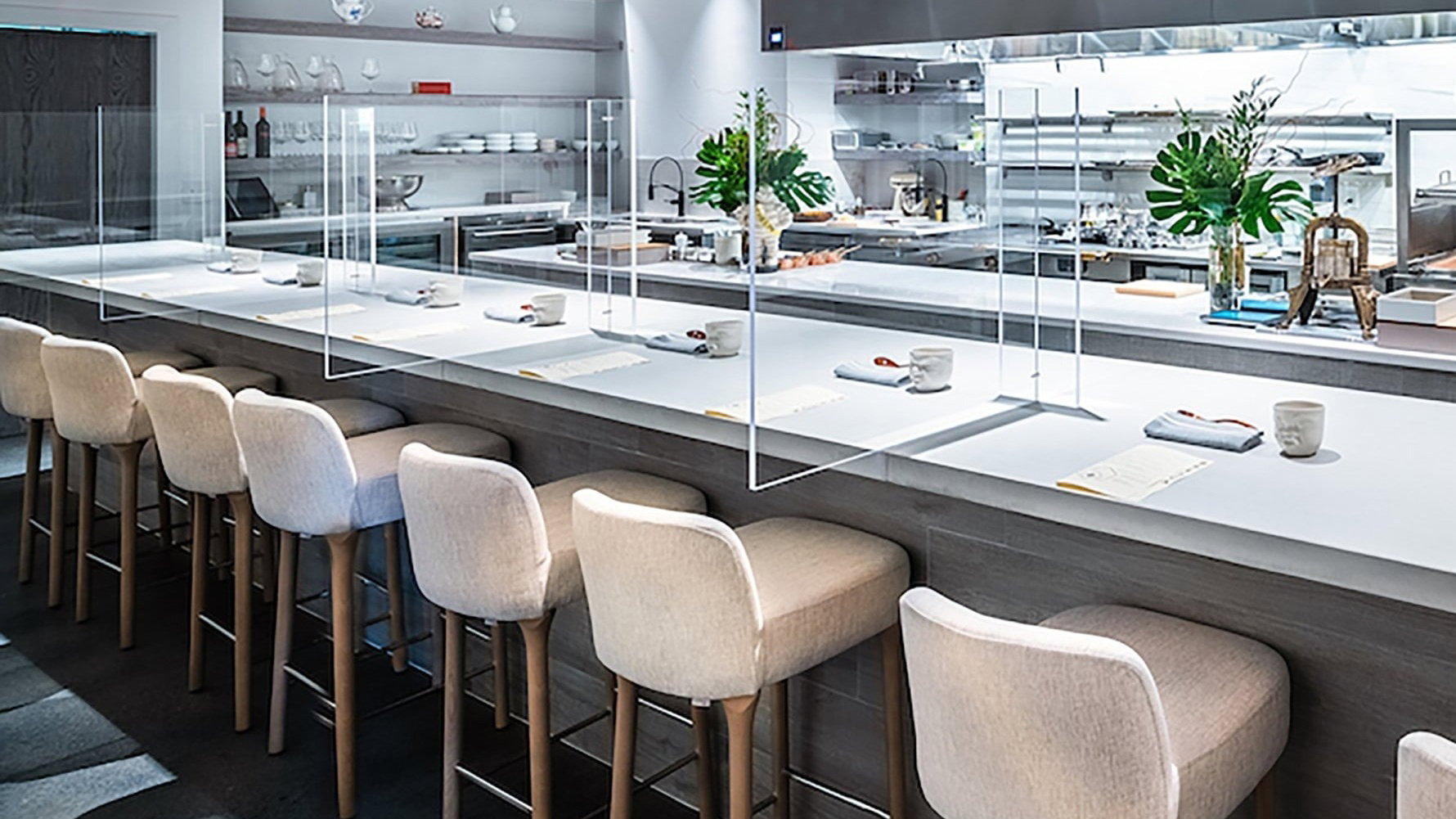
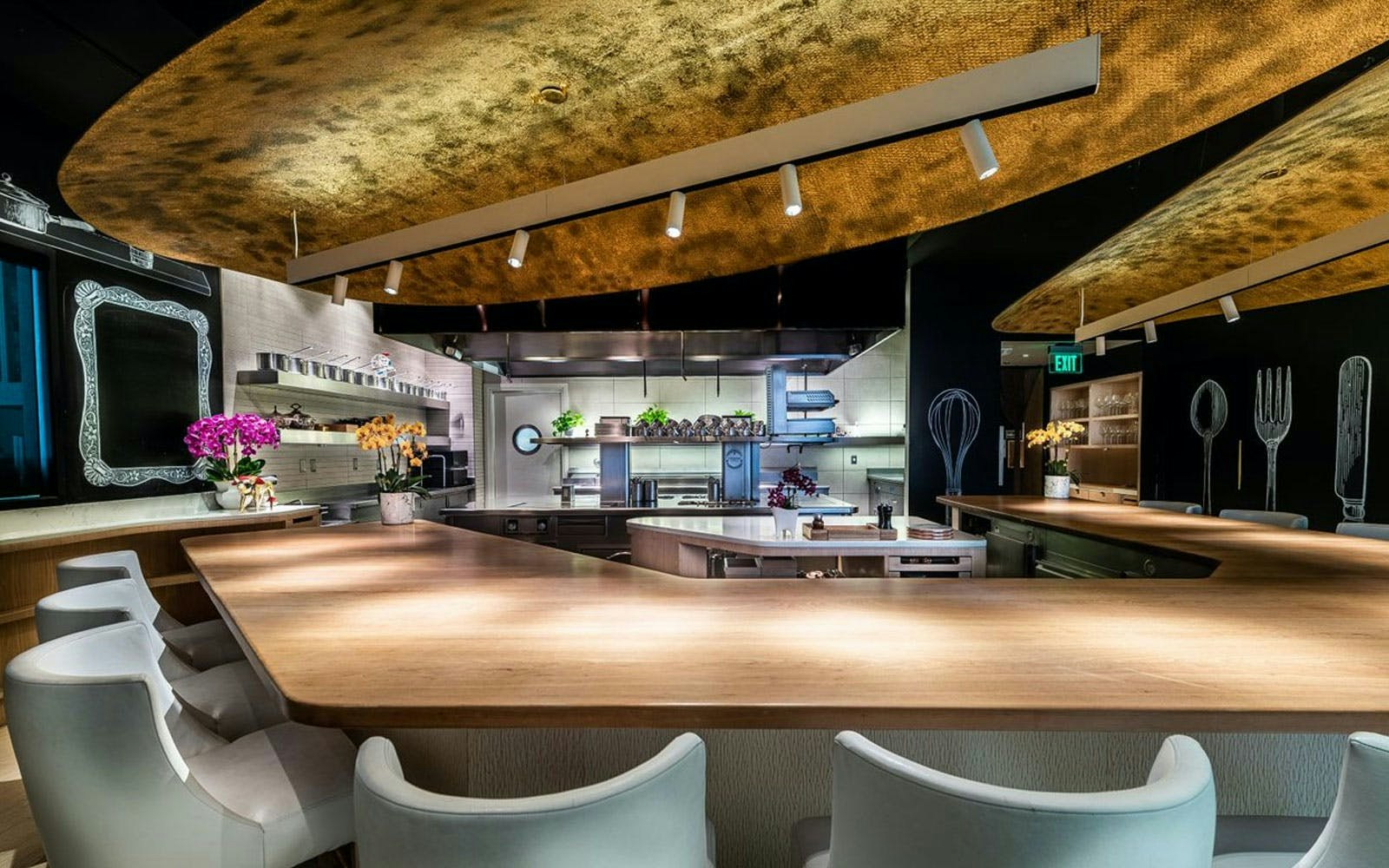
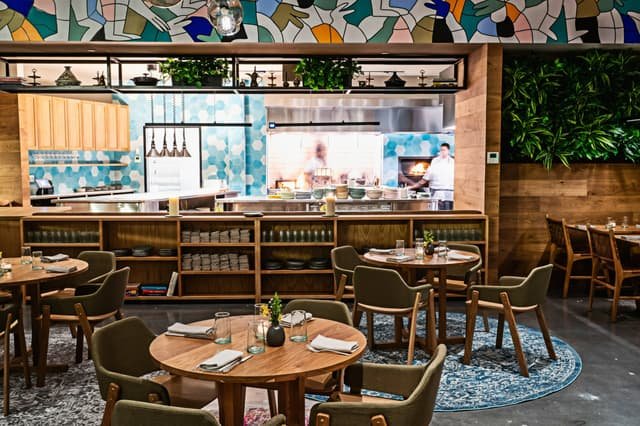
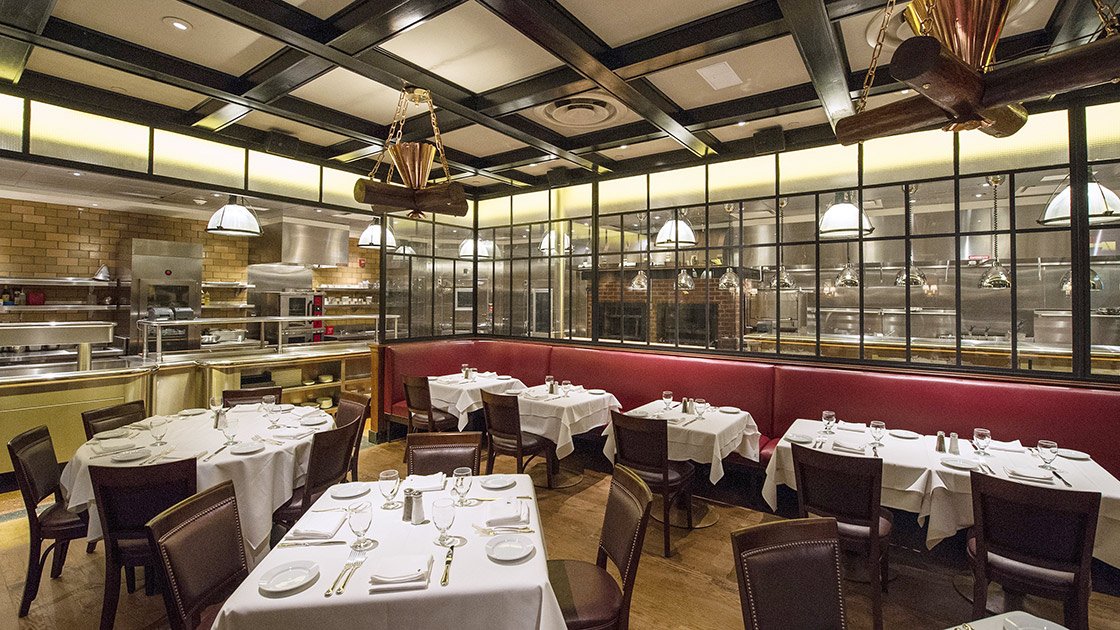
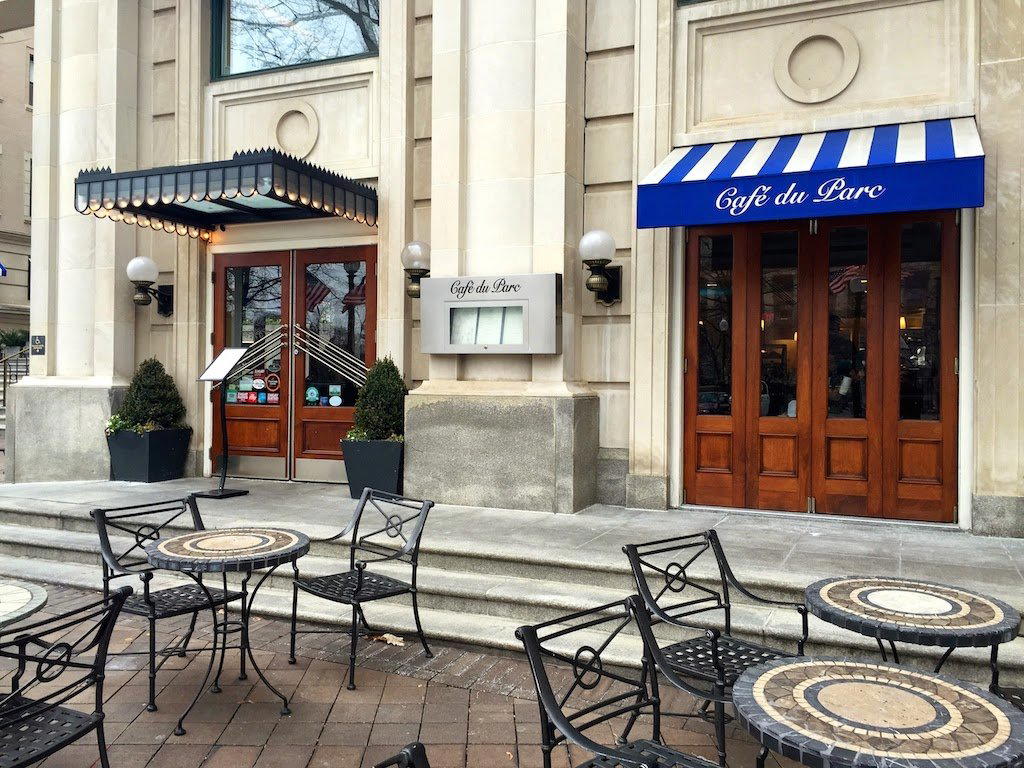 restaurantCafé du ParcSet beneath the blue awnings of the Willard InterContinental on Pennsylvania Avenue, Café du Parc fills a genuine gap in the dining landscape near the National Mall. The French-American menu, shaped by cuisine de grand-mère traditions, covers everything from French onion soup to seasonal slow-cooked mains, with terrace seating that frames the Capitol and Washington Monument. Forbes Travel Guide Recommended.
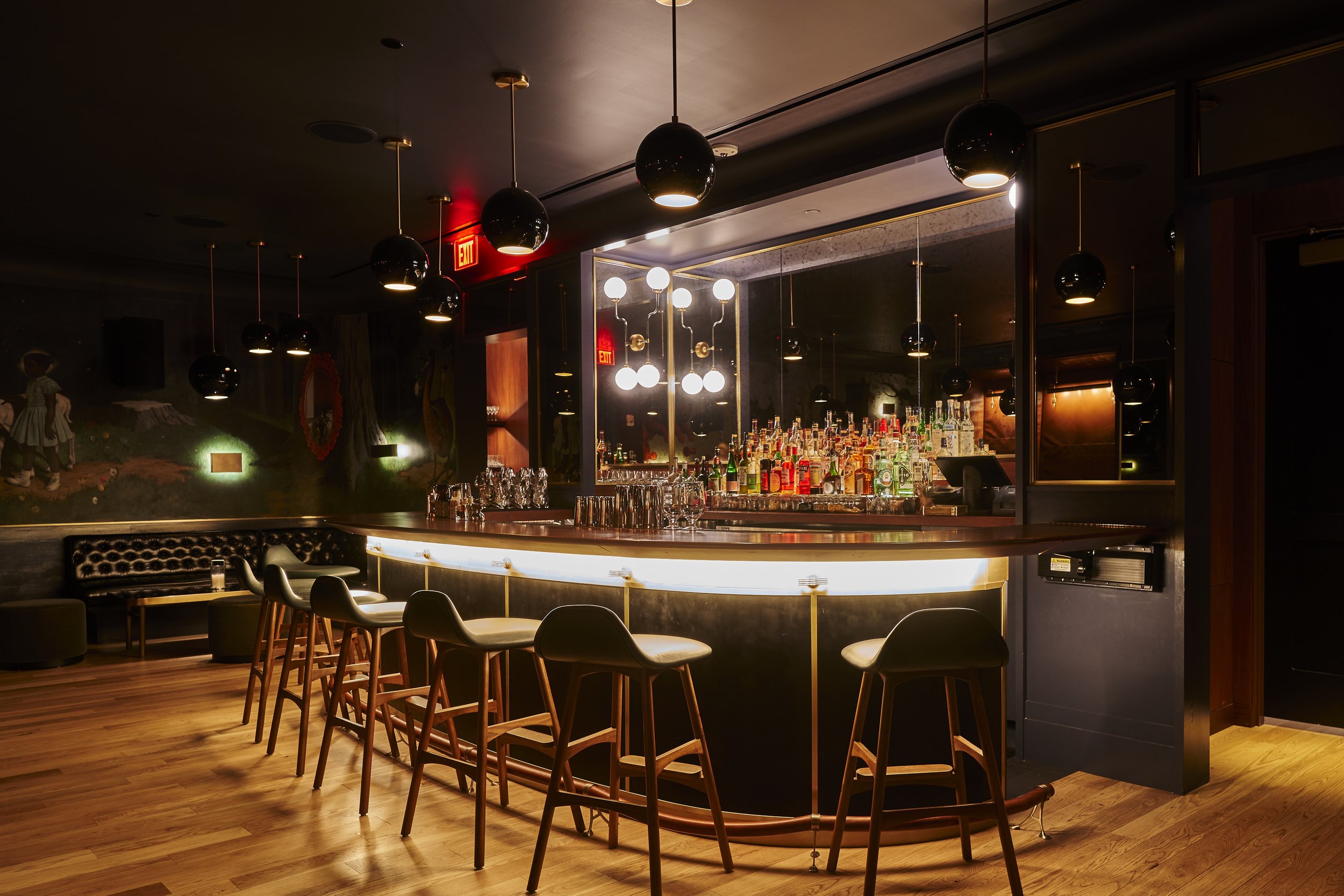
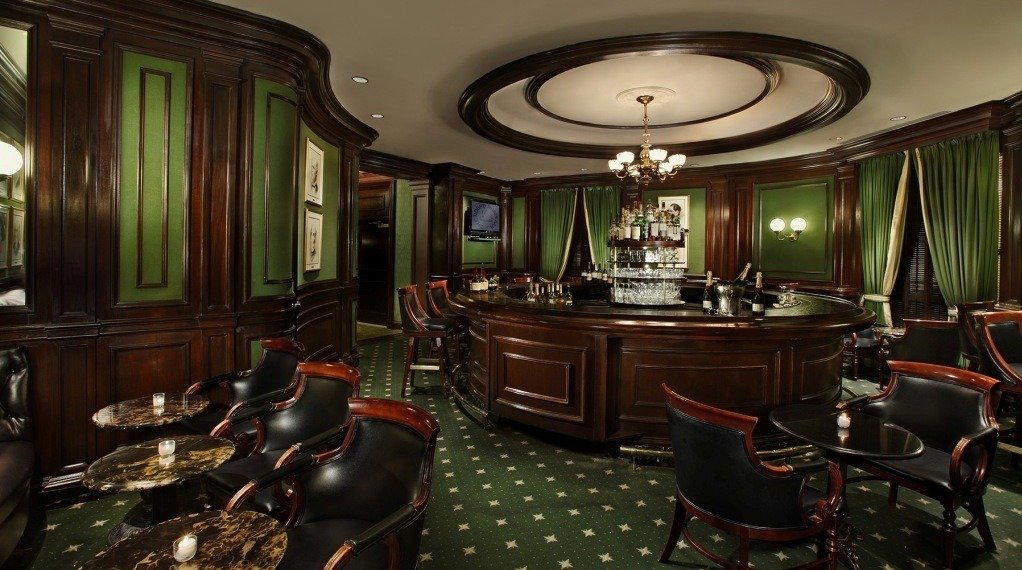 lobby_barRound Robin BarInside the Willard InterContinental on Pennsylvania Avenue, Round Robin Bar occupies one of Washington's most storied hotel drinking rooms, steps from the White House. The circular bar has drawn politicians, journalists, and diplomats since the mid-1800s, making it a reliable reference point for anyone reading the city's social architecture alongside its cocktails.
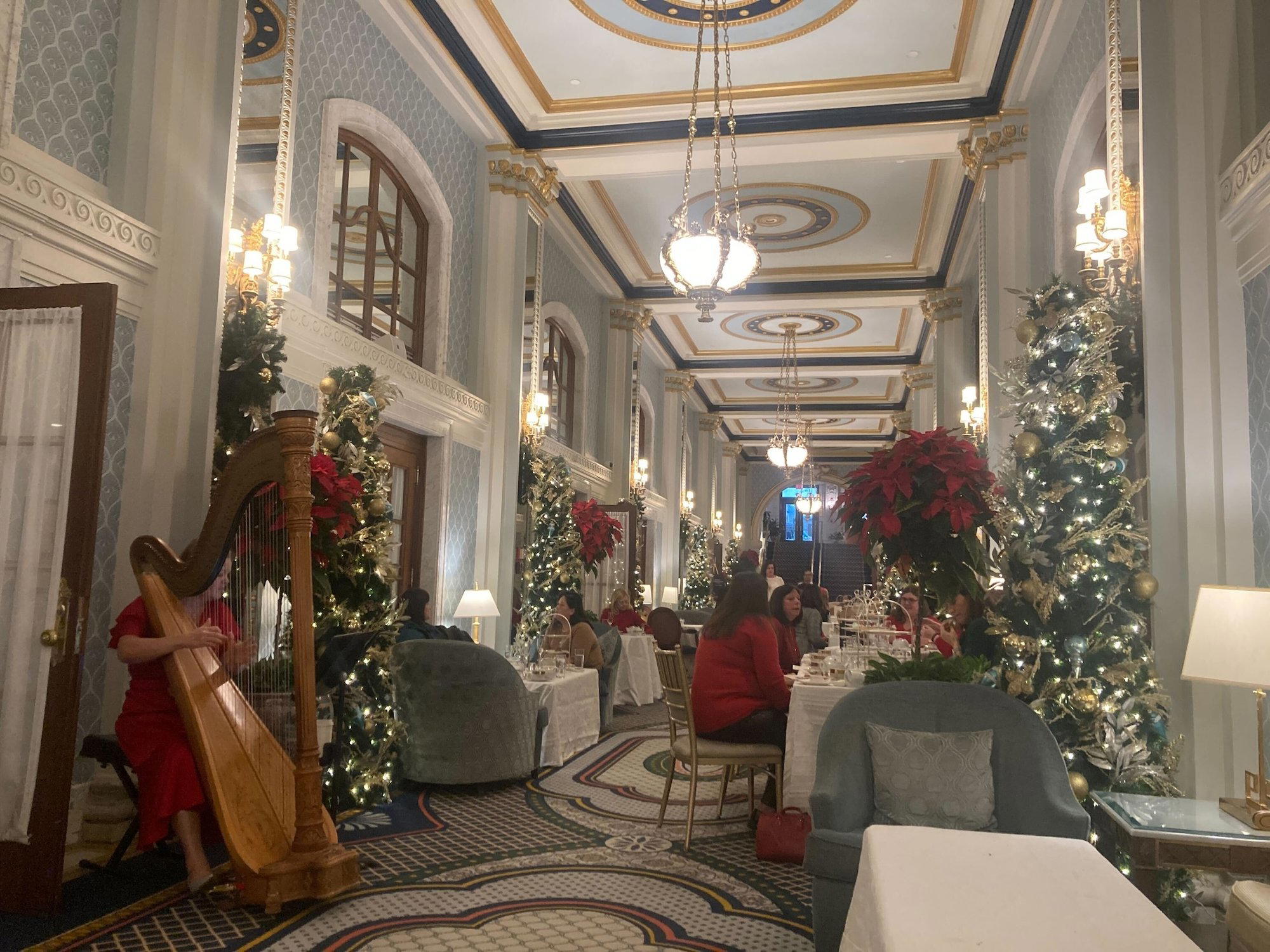 loungeWillard Tea RoomThe Willard Tea Room occupies one of Pennsylvania Avenue's most historically freighted addresses, inside the Willard InterContinental hotel where presidents and lobbyists have gathered since the 1850s. As afternoon tea has cycled through periods of decline and revival across American hotel culture, the Willard's version has remained a reference point for the format in Washington, D.C., drawing visitors and locals to a room where the ceremony carries real institutional weight.
Planning details
- Location
- 1401 Pennsylvania Avenue
- Website
- washington.intercontinental.com
- Phone
- 307-733-2200
The take
The Take
The Vibe
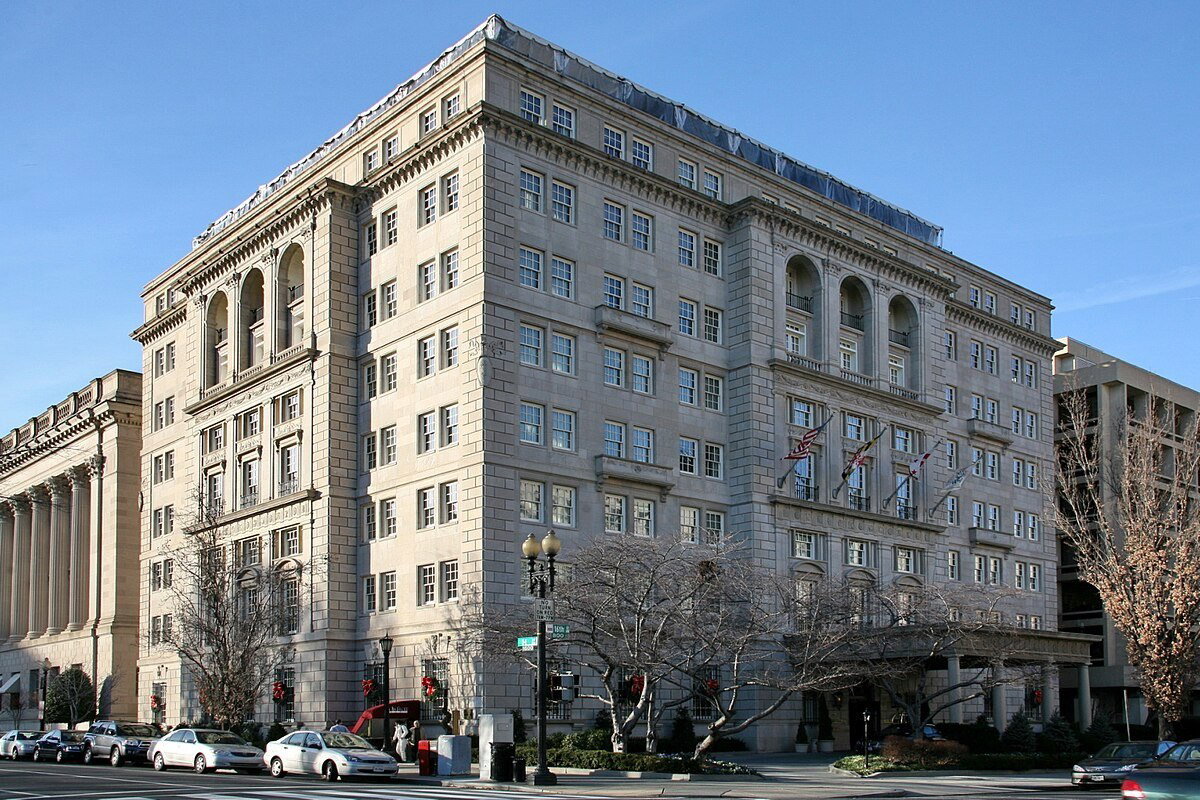
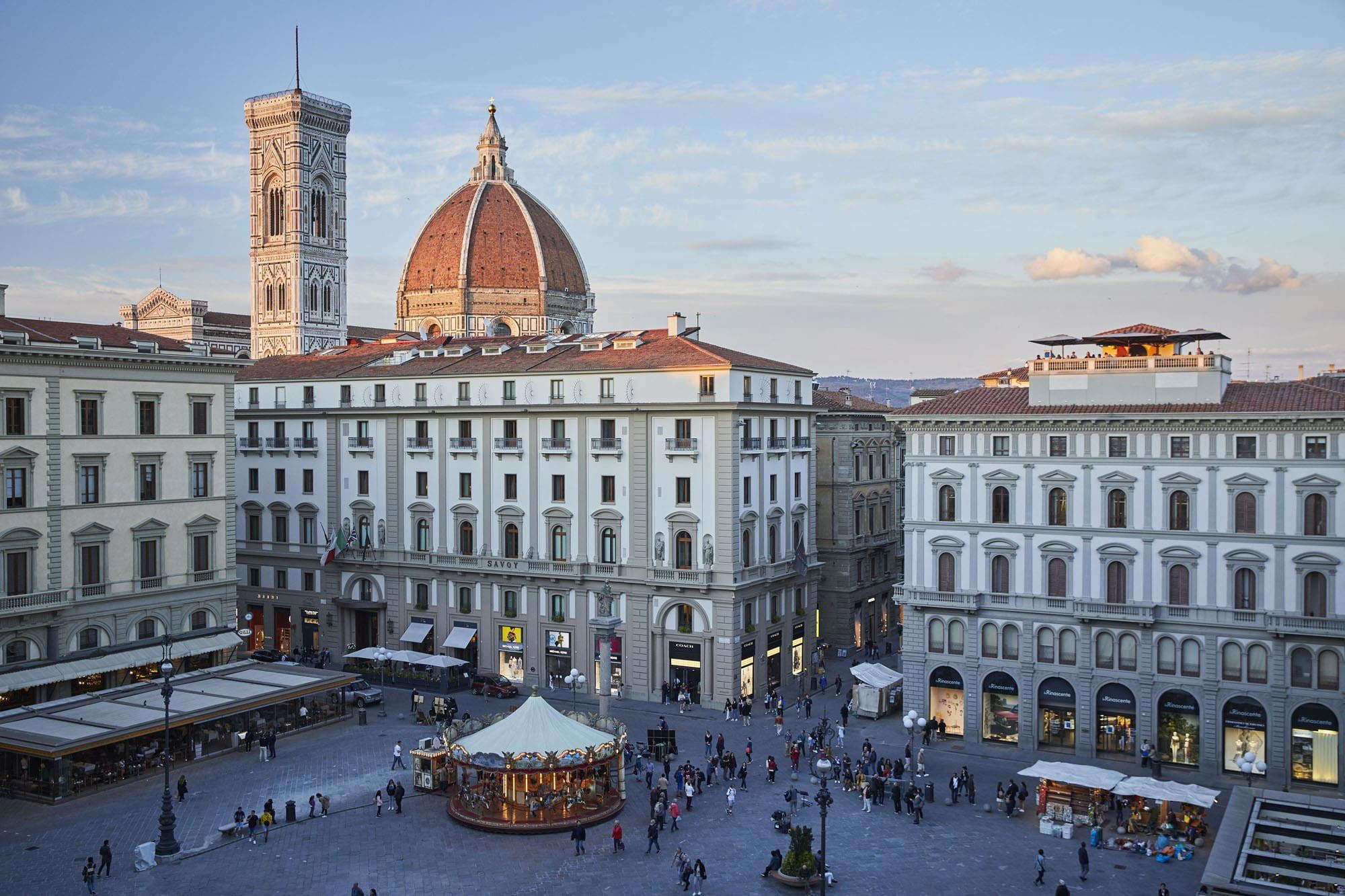
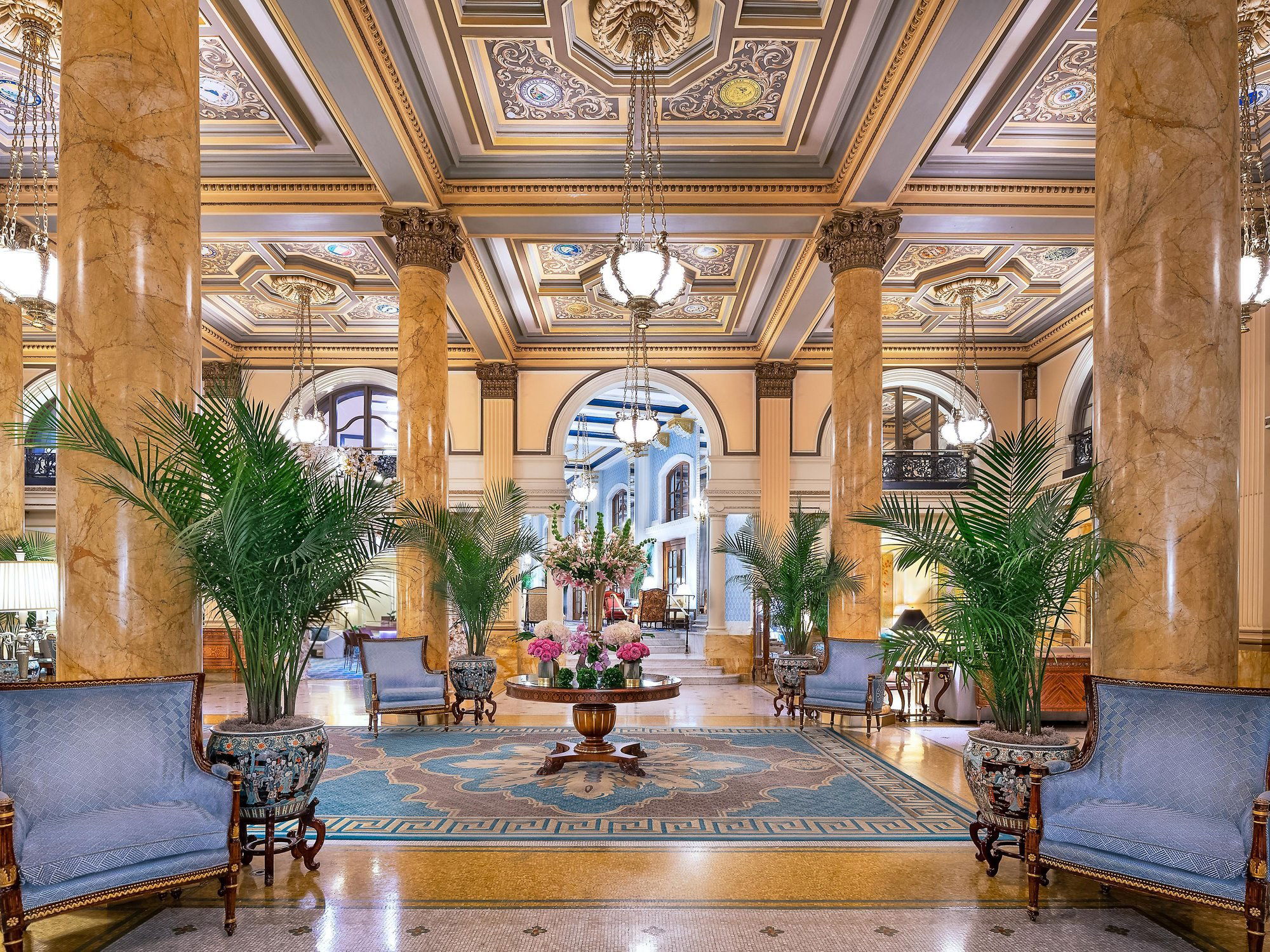
The Willard presents as a storied, historic grand hotel rooted in Washington ritual. Its Beaux‑Arts facade and continuous operation since 1846 anchor it to Pennsylvania Avenue and the federal streetscape between the White House and the Capitol. Scale is part of the identity—335 guestrooms and 41 suites give the property a civic presence that reads as European‑style grandeur rather than boutique intimacy. The hotel’s long history and cultivated bar culture shape a refined, formal hospitality that feels ceremonial: an address where architecture, politics and social life converge rather than merely coexist.
Best For
The Willard is best for travelers who value location, history and a formally curated hotel experience. Its placement on Pennsylvania Avenue makes it practical for political visitors, business travelers and anyone attending events near the White House or Capitol. The hotel’s scale and suite inventory also suit longer stays or guests who prioritize in‑house amenities. Because the property foregrounds tradition and hospitality in the European grand‑hotel vein, it’s equally appropriate for milestone stays—romantic getaways or anniversaries—where sense of place and ceremony matter as much as creature comforts.
Stay Tips
Explore the Willard’s layered food‑and‑beverage program rather than treating it as a single restaurant: the property describes its offerings as a 'stack of formats' that serve different parts of the day and different social occasions. Seek out the hotel bar to experience the property’s notable bar culture, and ask staff or the concierge how venues shift between breakfast, daytime dining and evening service. Because the hotel's dining is intentionally segmented by time and register, checking hours and making reservations for evening service will help ensure you access the experience you’re after.
Venue details
Ambiance
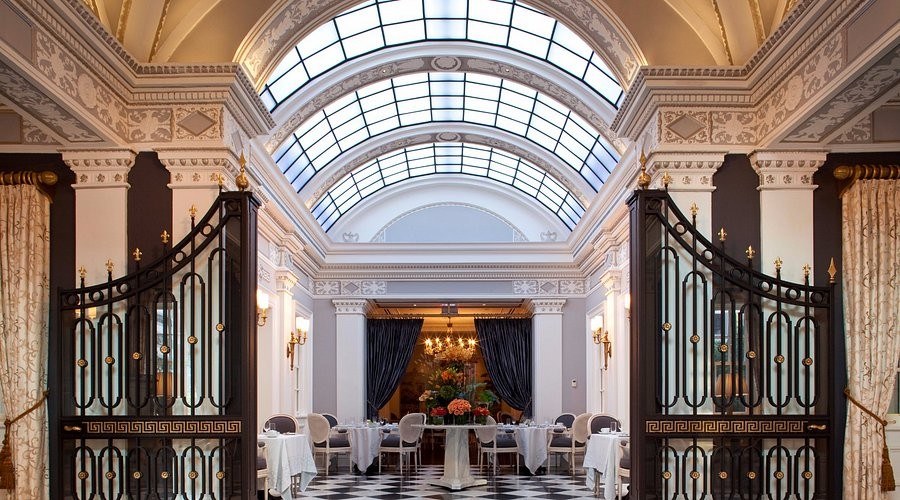
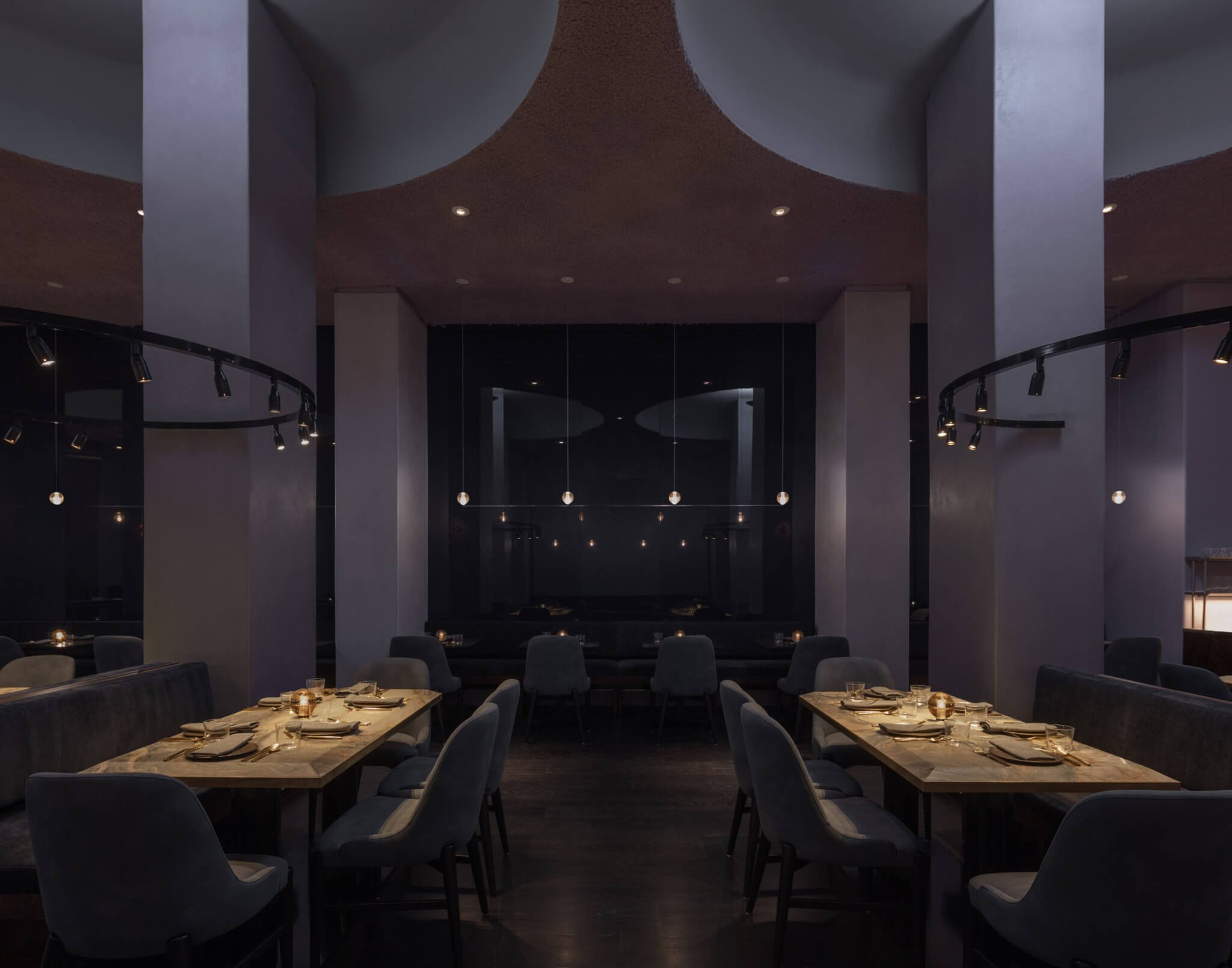
Timeless elegance with historic charm, sophisticated lighting, and a refined atmosphere blending classic grandeur and modern luxury.
Tags
Vibe
Best For
Experience
Amenities
View
Accessibility
About the Stay
- Rooms
- 335
- Check-in
- 15:00
- Check-out
- 11:00
- Property Type
- Heritage hotel
- Property Style
- Historic Luxury with Contemporary Refresh
- Design Style
- Beaux Arts Classic with Modern Elements
- Spa
- Yes
- Pets
- Allowed
- Families
- Welcome
Know before you go
Know Before You Go
- Getting there
- 1401 Pennsylvania Avenue
Planning details
Location
Recognition and awards



Also consider
Also Consider
- Waldorf Astoria Washington DC, Notable alternative
- The Hay-Adams Hotel, Notable alternative
- The Hay-Adams, Notable alternative
- Riggs Washington DC, Notable alternative
- Riggs Washington D.C., Notable alternative
Hotel context
Against Waldorf Astoria Washington DC, Willard InterContinental is the more traditional choice for guests who want Pennsylvania Avenue ceremony and a classic Washington hotel rhythm. Waldorf Astoria is the stronger cross-shop for travelers drawn to a grander, more statement-making setting; Willard is better when service familiarity and an established official-city feel matter more than spectacle.
The Hay-Adams Hotel and The Hay-Adams are the sharper alternatives for a quieter, more intimate White House-area stay. Choose them for a lower-key special occasion or a more residential mood. Choose Willard InterContinental when the trip benefits from a larger landmark-hotel feel and a stronger sense of occasion on arrival.
Riggs Washington DC and Riggs Washington D.C. are better for design-led travelers who want a livelier, more contemporary hotel personality. Willard is the safer business and celebration pick when booking difficulty is acceptable and the priority is polished service over scene. If value for money is the concern, compare live rates closely rather than assuming the more traditional hotel is automatically the better deal.
Explore Washington DC
Around this place
Discover more on Pearl
Unlock the full Willard InterContinental guide in Pearl, including awards, comparisons, FAQs, planning details, and nearby places.
Compare Willard InterContinental
| Venue | Location | Awards |
|---|---|---|
| Willard InterContinental | Washington, D.C. | 2026 Virtuoso Luxury Hotel Collection2026 Forbes Soon To Be RatedStar Wine Lists 20262025 Michelin Selected Hotels |
| Waldorf Astoria Washington DC | Washington, D.C. | 2026 Virtuoso Luxury Hotel Collection2026 Forbes 4-StarStar Wine Lists 20262025 Forbes 4-Star |
| The Hay-Adams Hotel | Washington, D.C. | 2026 Virtuoso Luxury Hotel Collection2026 Forbes 4-StarStar Wine Lists 2026Leading Hotels of the World 20262026 Michelin 2 Keys2025 Michelin 1 Key2024 Michelin 1 Key |
| The Hay-Adams | Washington, D.C. | No published awards |
| Riggs Washington DC | Washington, D.C. | No published awards |
| Riggs Washington D.C. | Washington, D.C. | No published awards |



How Willard InterContinental Washington, D.C. compares with similar nearby venues.
FAQ
Frequently Asked Questions
Which room category is best at Willard InterContinental?
The best room category is not in the available data. Compare the current room descriptions, rates, and cancellation terms directly, especially if the stay is for a specific occasion or requires particular features.
Do loyalty programs work at Willard InterContinental?
Loyalty-program details are not in the available data. Check the hotel's current booking terms and any eligible program benefits before reserving.
Is Willard InterContinental family-friendly?
Family-specific details are not in the available data. If you are planning a family stay, confirm room configuration, policies, and any needs directly before booking.
How is the dining at Willard InterContinental?
The dining-related signal is Star Wine List recognition for 2026. Specific restaurants, cuisines, menus, chefs, prices, and service formats are not in the available data, so dining should be confirmed separately if it is central to your stay.
Is Willard InterContinental good for business travel?
Business-travel suitability is not in the available data. If you are comparing it with Waldorf Astoria Washington DC, Riggs Washington D.C. or The Hay-Adams Hotel, base the decision on current rates, location needs within Washington, D.C. room availability, and any trip-specific requirements.
When is the best time to book Willard InterContinental?
The best time to book is not in the available data. Check live availability and pricing for your dates, and book according to your cancellation flexibility and room-category needs.