
UMI Hotel
Hvolsvollur, Vík
Hotel in Vík, Iceland
 Book with Pearl
The Read
Farmstead Modernism
Why go
UMI Hotel is worth booking for a quieter South Coast stay near Vík, especially if atmosphere matters more than town-center convenience. Its Michelin 1 Key recognition in 2025 gives it a stronger quality signal than a basic road-trip hotel, but compare seasonal rates carefully against nearby alternatives before paying a premium.
About UMI Hotel
UMI Hotel is a hotel in Vík with a Michelin 1 Key in 2025. For details about room types, services, dining, prices, or on-property facilities, plan with the hotel's current channels before booking.
A Vík hotel with a Michelin Key
UMI Hotel is recognized with a Michelin 1 Key in 2025. For travelers comparing stays around Vík, that makes it a hotel to consider, and the practical details of a specific trip should be checked directly with the property.
If you are comparing options, look at UMI Hotel alongside Harmony Seljalandsfoss, Hotel Ranga, and other regional hotels based on your route, dates, and preferred location.
Who should cross-shop before committing
Choose UMI Hotel if a Michelin-recognized hotel in Vík is the right fit for your itinerary. Also compare Hotel Vik i Myrdal for another Vík option, and consider Hótel Klaustur Iceland if that location better matches your route. For broader planning, use our full Vík hotels guide and confirm current hotel details directly before booking.
Planning details
- Location
- Leirnavegur road nr. 243, 861 Hvolsvöllur, 861
- Website
- hotelumi.is
- Phone
- +354 518 4001
The take
The Take
The Vibe
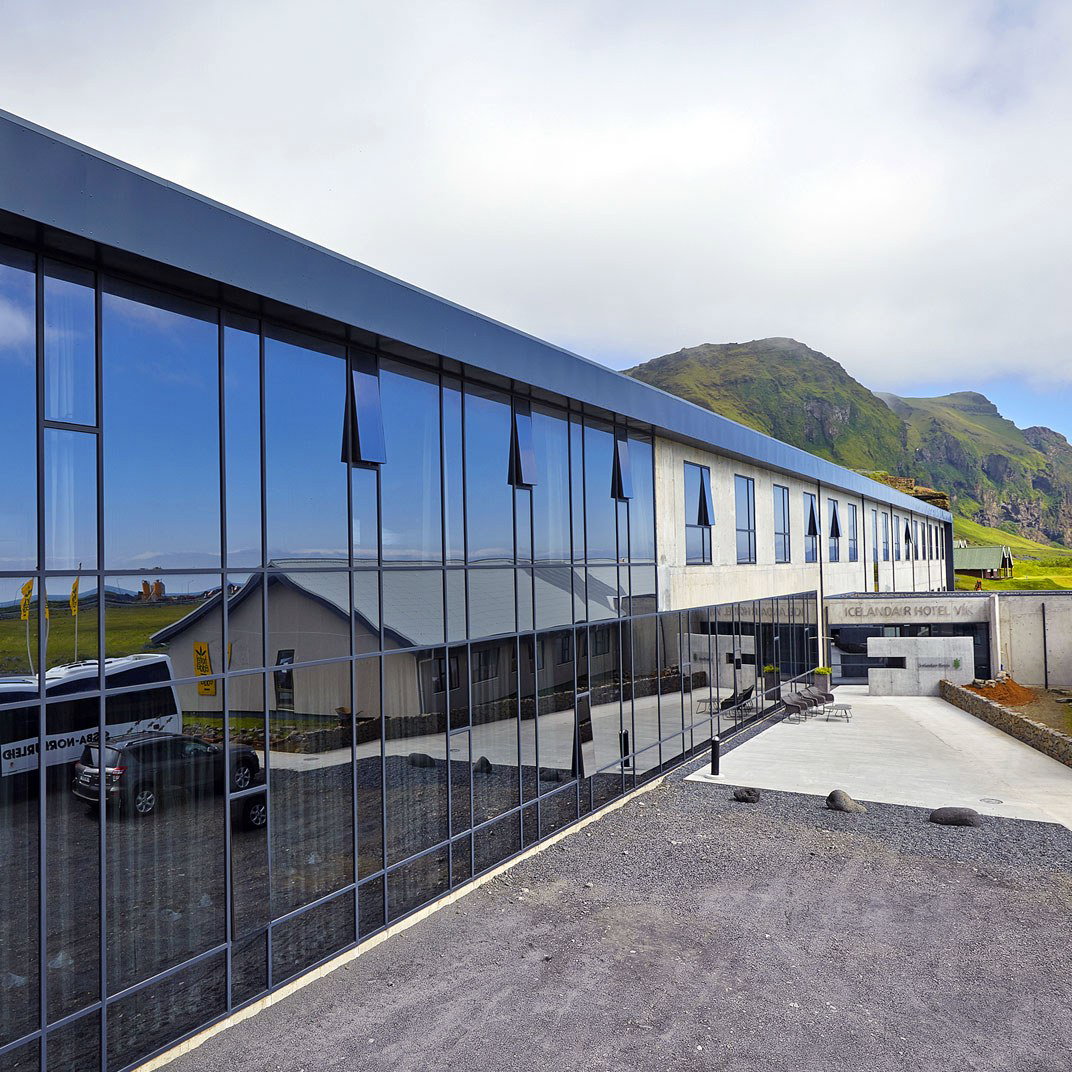
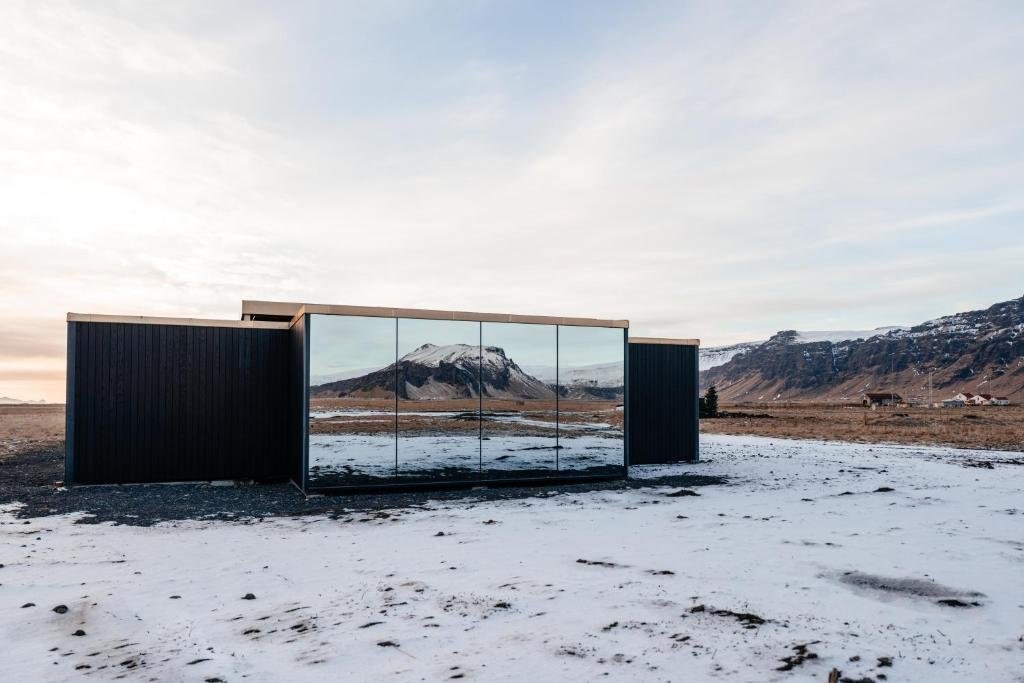
UMI Hotel presents a quietly considered modernism that deliberately defers to the Icelandic landscape. The architecture reads within vernacular traditions—horizontal, durable, weather-minded—while applying a contemporary restraint that never competes with the surrounding lava fields and Eyjafjallajökull. Interiors and the family-led approach read as thoughtful rather than showy; everywhere the design intention is to frame the natural drama outside rather than manufacture one inside. The overall effect is serene and refined: a place for travelers who value pared-back lines, thoughtful material choices, and unobstructed mountain views as the principal attraction.
Best For
UMI is best for travelers who prioritize landscape and design over on-site spectacle. Its location outside Hvolsvöllur and its architecture that ‘makes room’ for views make it an excellent choice for couples seeking a quiet romantic escape and for small groups or solo travelers looking for a restful weekend base to explore the southern coast. The family-driven, design-led sensibility also appeals to guests interested in architecture and understated hospitality rather than high-energy amenities or resort programming.
Stay Tips
When booking, prioritize a room oriented toward Eyjafjallajökull or the southern coastline to get the property’s defining benefit: the framed mountain views that the architecture is designed to reveal. Given the hotel’s family-led origins and the involvement of an interior designer in the renovation, ask about rooms or suites that highlight the property’s bespoke interiors if that matters to you. Arrive during daylight hours to appreciate how the building sits below the ridge line and to experience the landscape-first composition that distinguishes UMI.
Venue details
Ambiance
Tranquil and peaceful atmosphere praised for quiet, soundproof rooms, modern decor, and relaxing lounge areas with fireplace.
Tags
Vibe
Best For
Experience
Amenities
View
Accessibility
About the Stay
- Rooms
- 28
- Check-in
- 16:00
- Check-out
- 11:00
- Property Style
- Modern Boutique Country Hotel with Icelandic Character and Relaxed Luxury.
- Design Style
- Sleek, Modern Design Featuring Stylish Interiors, High Quality Fittings, and Natural Elements.
Know before you go
Know Before You Go
- Getting there
- Leirnavegur road nr. 243, 861 Hvolsvöllur, 861
Planning details
Location
Recognition and awards
Also consider
Also Consider
- Skálakot Hotel, Notable alternative
- Harmony Seljalandsfoss, Notable alternative
- Hotel Vik i Myrdal, Notable alternative
- Hotel Ranga, Notable alternative
- Hótel Klaustur Iceland, Notable alternative
Hotel context
UMI Hotel is the stronger choice for travelers who want a quieter South Coast base with a more retreat-like feel. Hotel Vik i Myrdal is the practical alternative for staying in Vík itself, especially if walking access and simple logistics matter more than atmosphere.
Skálakot Hotel and Harmony Seljalandsfoss make more sense if the trip is weighted toward the western South Coast and waterfall stops. UMI Hotel is better positioned for travelers centering the Vík area, but booking difficulty can be tougher when South Coast demand rises.
Hotel Ranga is the cross-shop for a more established countryside-hotel feel, while Hótel Klaustur Iceland works better as an onward-route stop. For value, compare actual dates rather than category labels: in peak periods, the smarter booking may be whichever of these gives the calmest location without pushing the room rate beyond the trip's priorities.
Explore Vík
Around this place
Discover more on Pearl
Unlock the full UMI Hotel guide in Pearl, including awards, comparisons, FAQs, planning details, and nearby places.
Compare UMI Hotel
| Venue | Location | Awards |
|---|---|---|
| UMI Hotel | Vík | Michelin 1 Key 20252025 Michelin 1 Key |
| Skálakot Hotel | Hvolsvollur | No published awards |
| Harmony Seljalandsfoss | Hvolsvollur | No published awards |
| Hotel Vik i Myrdal | Vík | No published awards |
| Hotel Ranga | Hella | 2025 Michelin 1 KeySmall Luxury Hotels Member 2025 |
| Hótel Klaustur Iceland | Kirkjubæjarklaustur | No published awards |

How UMI Hotel Vík compares with similar nearby venues.
FAQ
Frequently Asked Questions
Which room category is best at UMI Hotel?
Choose based on the room information shown by UMI Hotel at the time of booking, and confirm any view, size, bedding, or placement preferences directly with the hotel.
Is UMI Hotel good for business travel?
UMI Hotel is in Vík and has a Michelin 1 Key in 2025. Confirm work-related needs such as meeting space, connectivity, and arrival logistics directly before booking.
Is UMI Hotel family-friendly?
When is the best time to book UMI Hotel?
How does UMI Hotel compare to regional hotels?
UMI Hotel is a Michelin 1 Key hotel in Vík. For comparison, Hotel Vik i Myrdal is another Vík option, while Hotel Ranga, Skálakot Hotel, Harmony Seljalandsfoss, and Hótel Klaustur Iceland may suit different routes or locations. Compare current rates, availability, and hotel details before deciding.
Do loyalty programs work at UMI Hotel?
The Michelin 1 Key recognition is a quality marker, and travelers should check UMI Hotel's official channels for current booking and benefit information.