
Casa Ellul
Valletta
Hotel in Valletta, Malta
 Book with Pearl
The Read
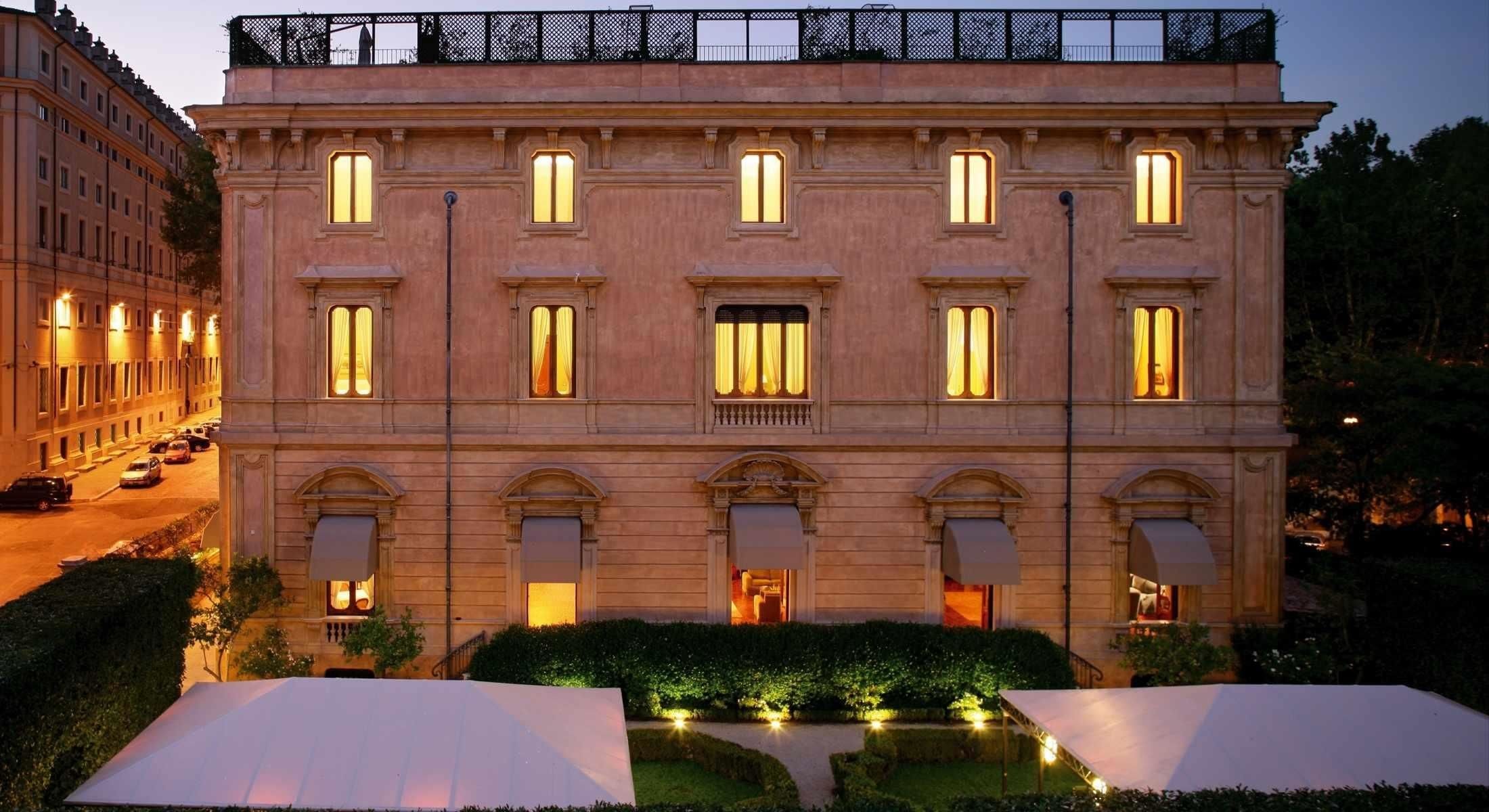
19th-Century Townhouse Conversion
Why go
Casa Ellul is a strong Valletta pick for travellers who want a calm boutique base and a more personal service rhythm than a larger hotel. Its 2025 Small Luxury Hotels of the World membership helps its quality case, but it is better suited to city explorers than guests prioritising resort-style facilities.
About Casa Ellul
Book Casa Ellul if the goal is a Valletta stay with a clear recognition signal rather than a long checklist of amenities. Casa Ellul is in Valletta, has a smart-casual dress code, and is listed as a Small Luxury Hotels of the World member for 2025.
That 2025 Small Luxury Hotels of the World membership is useful context for guests comparing Valletta properties. It should not, by itself, be read as a promise of specific facilities, dining arrangements, room categories, service details, prices, or operating hours. Use it as a recognition signal, then check the practical details that matter for your trip directly before booking.
Choose it for a Valletta base, not a long amenity checklist
Casa Ellul is in Valletta, which is the main location point to use when deciding whether it fits the trip. If a specific street address, landmark position, walking times, transport convenience, or neighbourhood micro-location matters, check those details directly before booking. For a wider search, use Our full Valletta hotels guide, then narrow by whether Casa Ellul's profile matches what you need.
Do not book on the assumption that facilities, dining, wellness, pool, meeting, room-count, or service-format features are available unless those details are important to your stay and you have checked them directly. The safer read is simple: Casa Ellul is a Valletta property with a smart-casual dress code and Small Luxury Hotels of the World membership in 2025. If you need a different hotel style or want to compare other Valletta stays, consider options such as The Embassy Valletta Hotel, Palais Le Brun, AX The Saint John, The Capital Boutique Hotel Valletta, or The Coleridge.
Check the practical details before booking
For Casa Ellul, Small Luxury Hotels of the World membership gives a useful marker, but it does not explain how arrival, luggage, concierge help, room handling, or other guest-service moments will work on a particular stay. Travellers who care about those details should check them directly with the hotel before committing.
That also means expectations should be set carefully. If meeting infrastructure, group suitability, resort-style facilities, room types, dining formats, or wellness amenities are important, check the current arrangements before booking. It is better to treat Casa Ellul as a Valletta option with a smart-casual dress code and 2025 Small Luxury Hotels of the World membership, then compare it with The Embassy Valletta Hotel, Palais Le Brun, or AX The Saint John if you are deciding among city hotels.
For dining-led planning, do not assume the hotel itself answers the whole itinerary unless you have checked current arrangements directly. Build meals and drinks separately through Our full Valletta restaurants guide and Our full Valletta bars guide. The short version: choose Casa Ellul if its Valletta setting and Small Luxury Hotels of the World membership fit your plans; choose another option if you need specific facilities, room categories, dining, or services before booking.
Planning details
- Location
- 81 Old Theatre Street, Il-Belt Valletta 1429
- Website
- casaellul.com
- Phone
- +356 2122 4821
The take
The Take
The Vibe
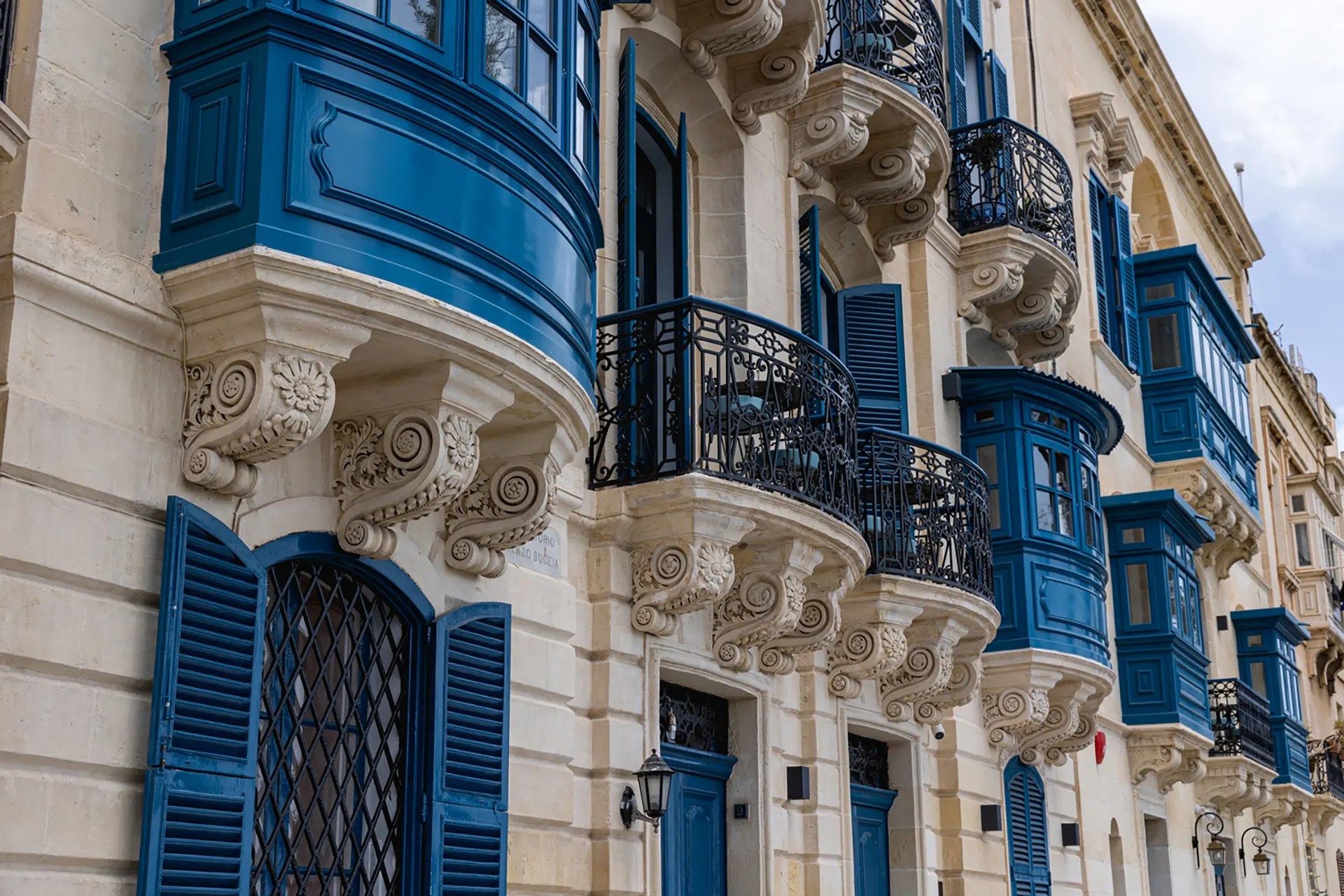
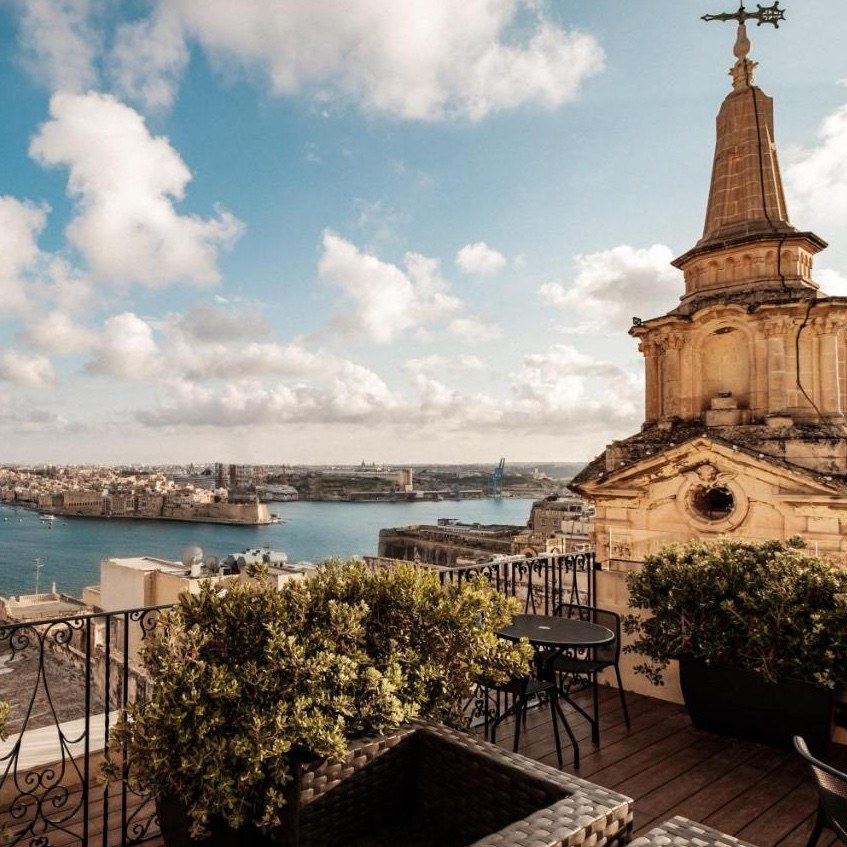
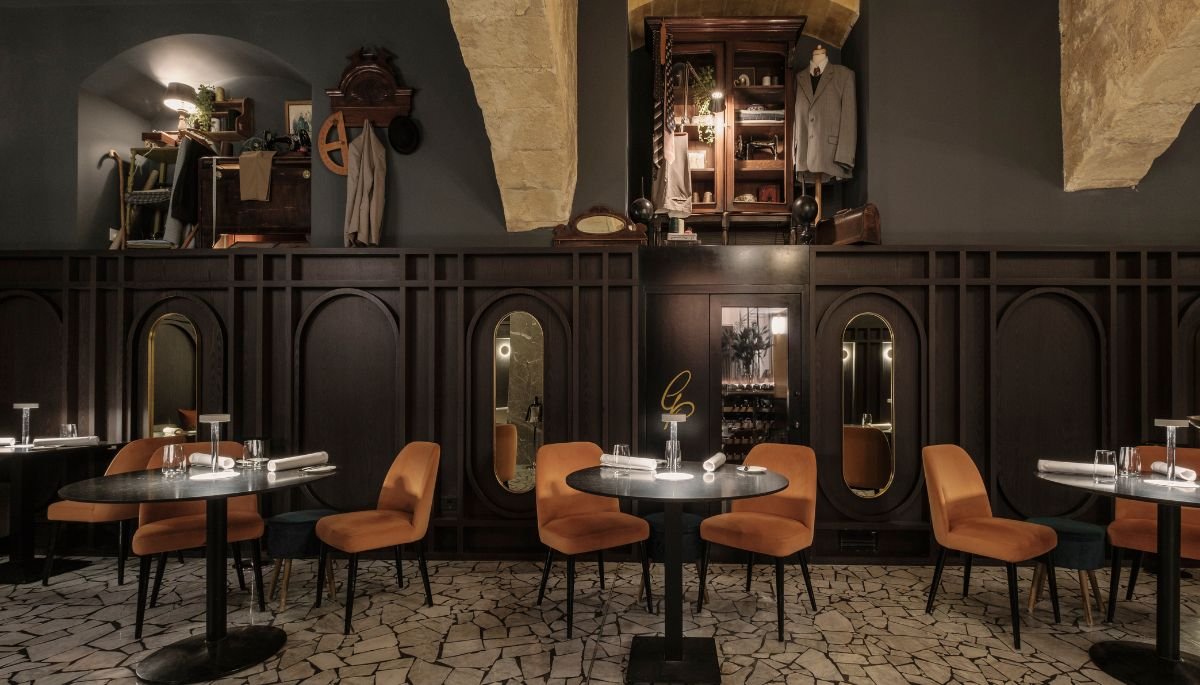
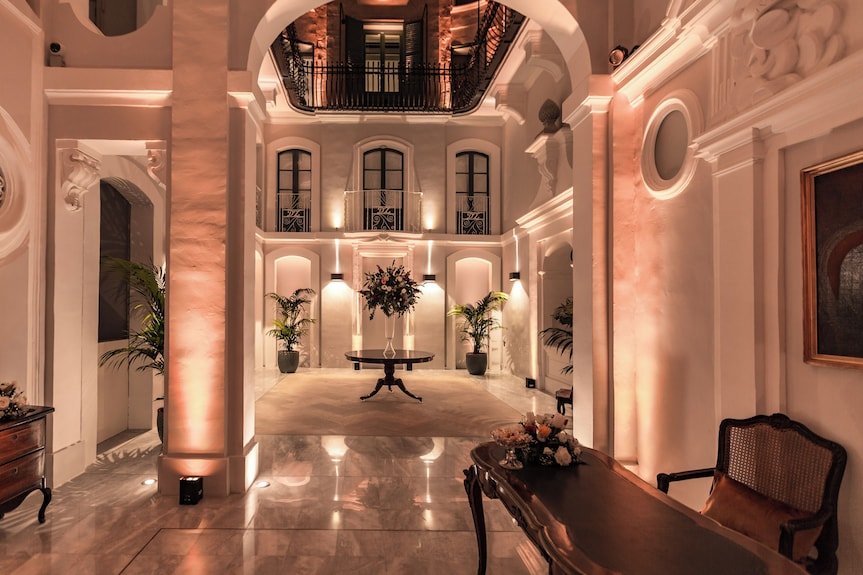
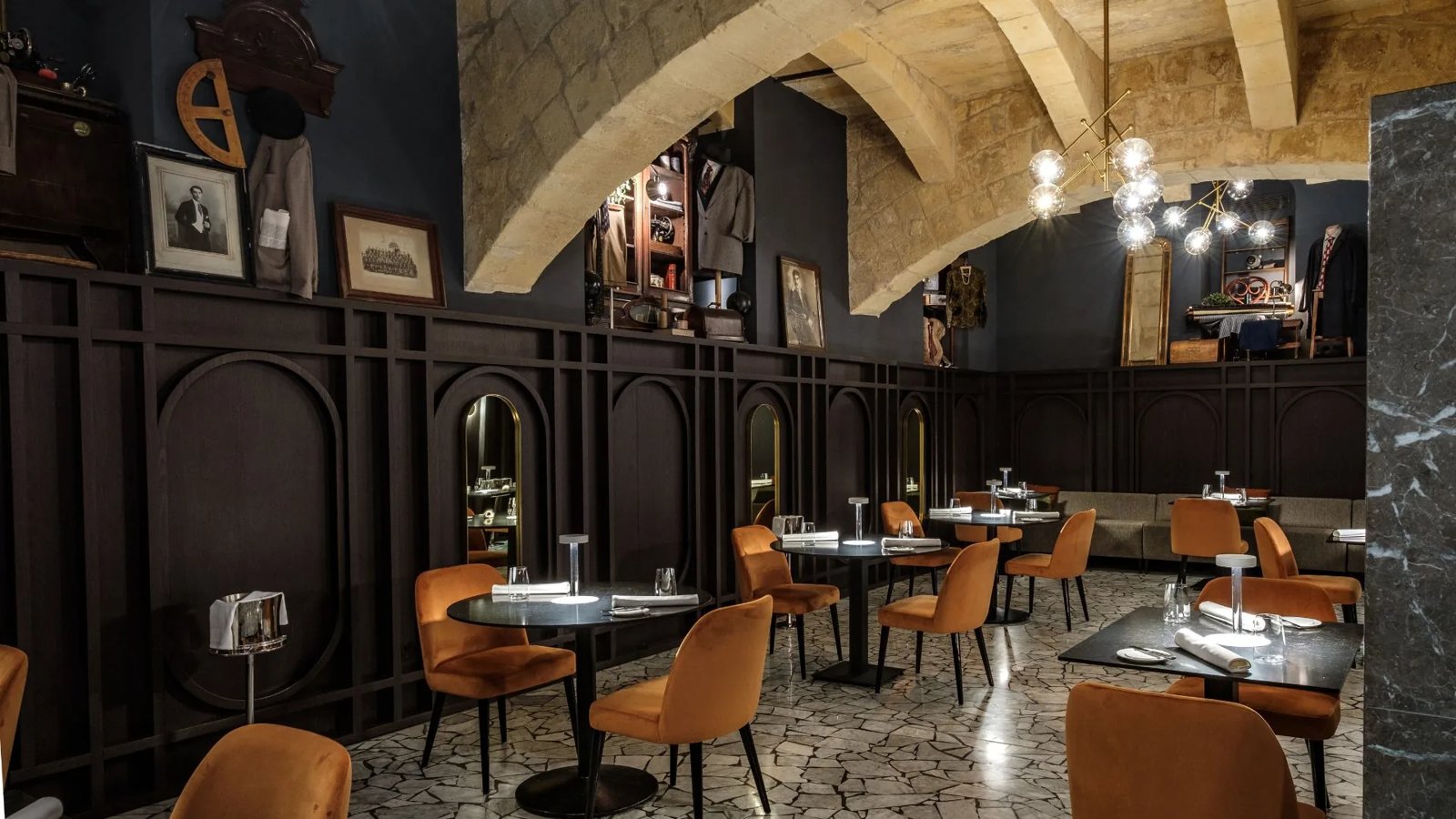
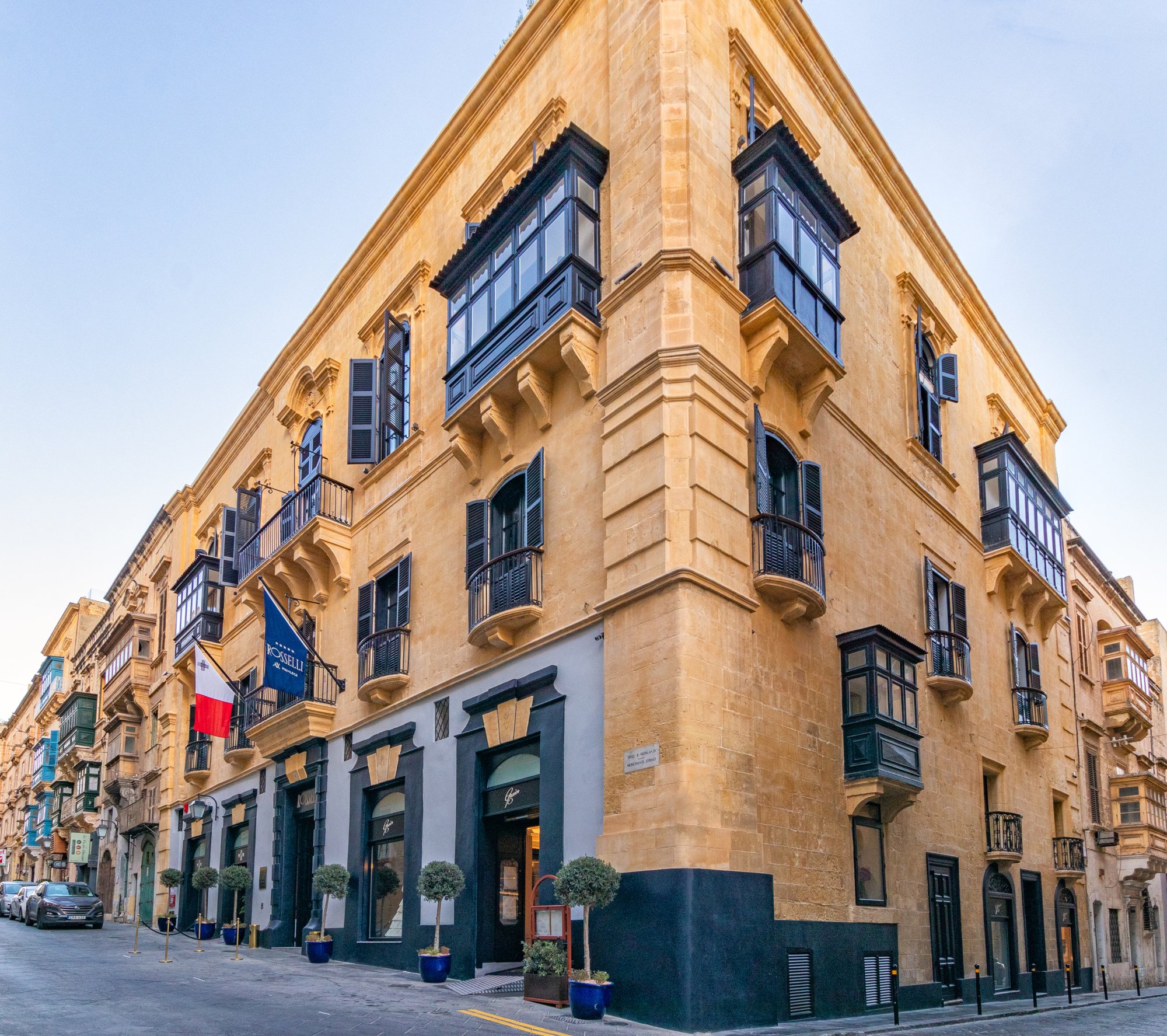
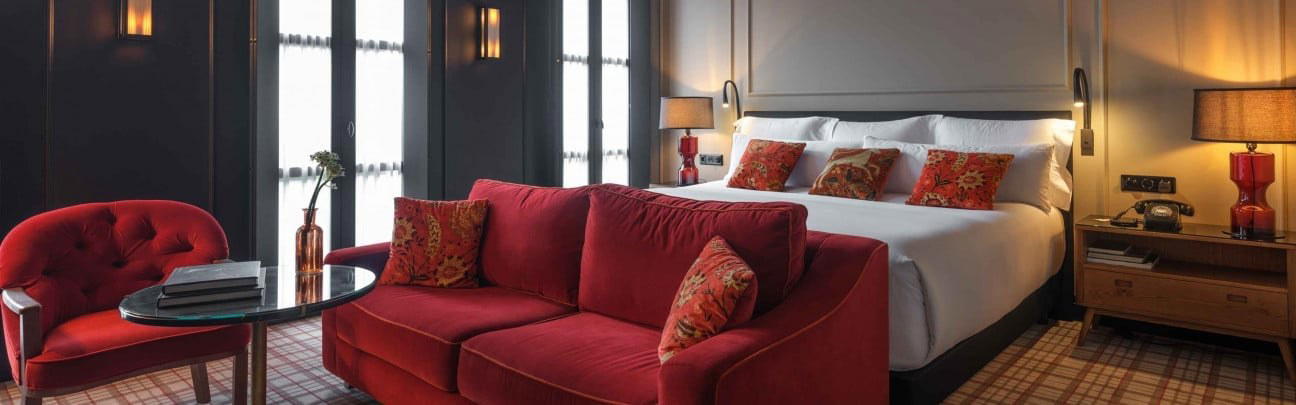
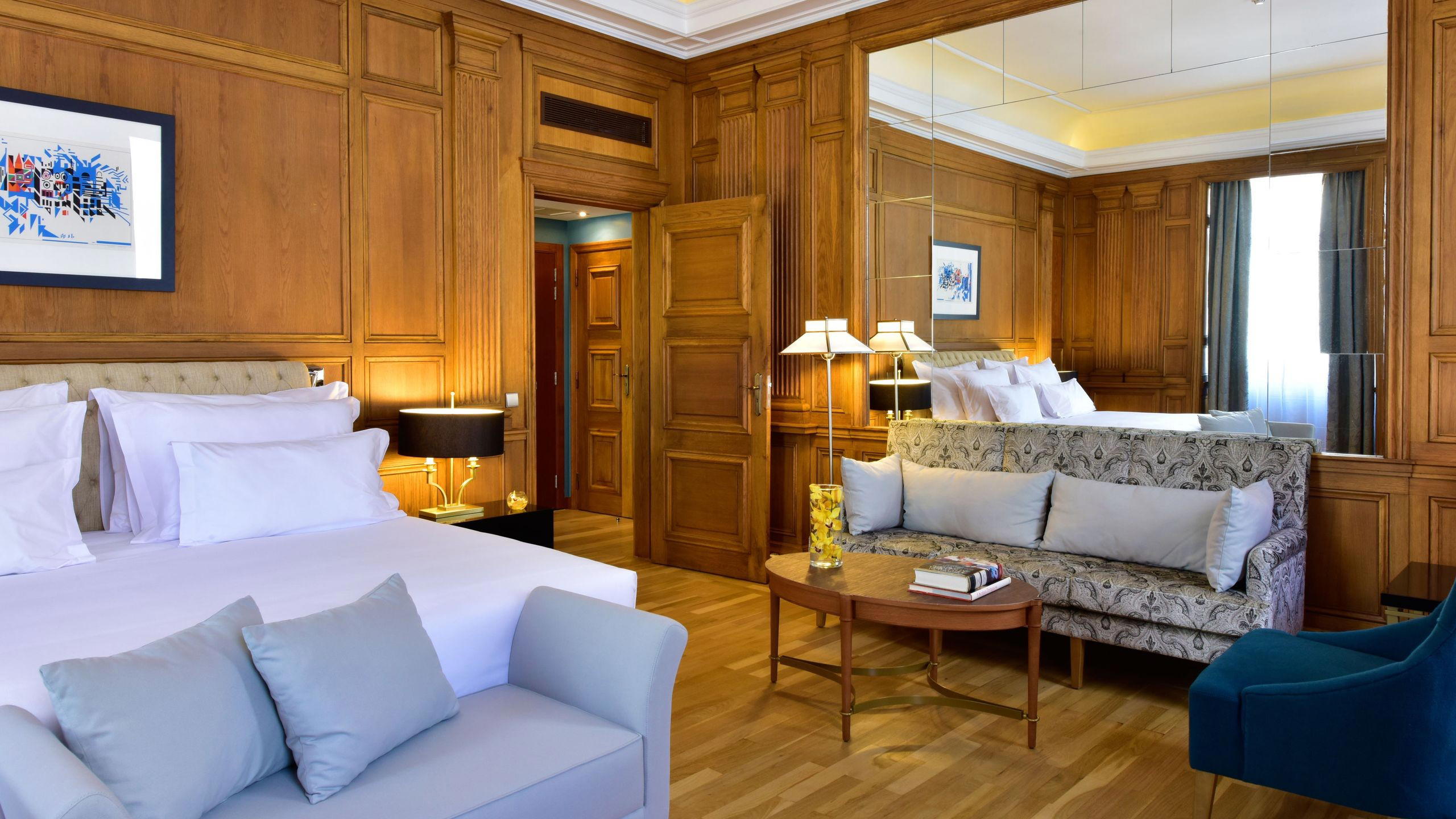
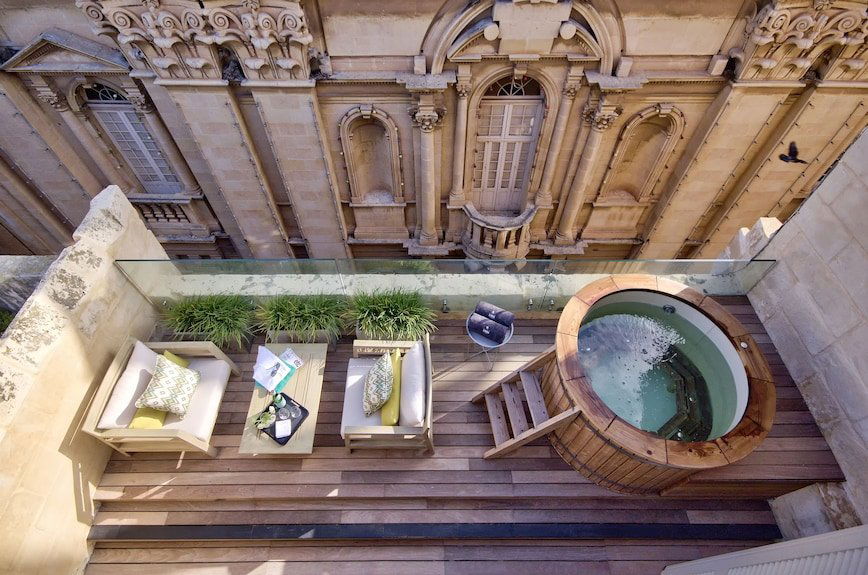
Casa Ellul reads as a clear example of Valletta's boutique‑hotel shift: a 19th‑century townhouse whose Baroque street grammar and timber‑tiered balconies remain legible from the pavement. Inside, the property balances the building's spatial hierarchy and generous ceiling heights with contemporary interior moves, so the history of the house is experienced rather than restaged. The conversion favors measured restraint over theatrical restoration, producing an embedded, quietly refined hotel that prioritizes architectural integrity and contemporary comfort.
Best For
Casa Ellul is well suited to travellers who value heritage, design and a compact, culturally focused stay. Located on Old Theatre Street in Valletta, the property appeals to visitors who want to be immersed in the city's Baroque fabric and boutique hospitality scene that has emerged since its European Capital of Culture moment. Its townhouse scale makes it a natural choice for couples and short stays where architectural context and a quietly curated interior are priorities.
Venue details
Ambiance
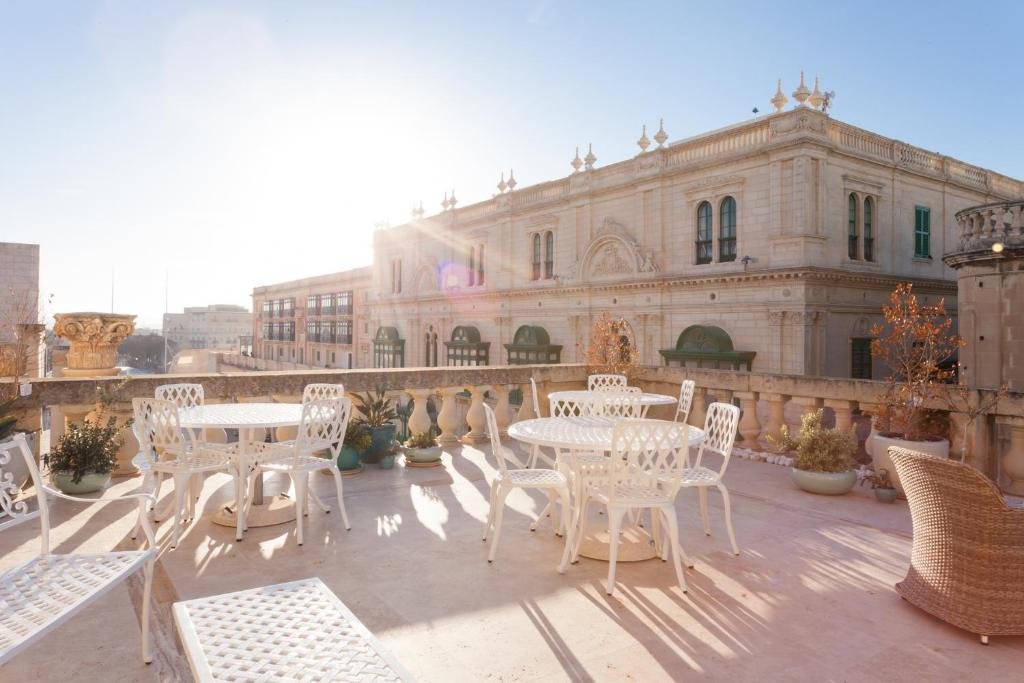
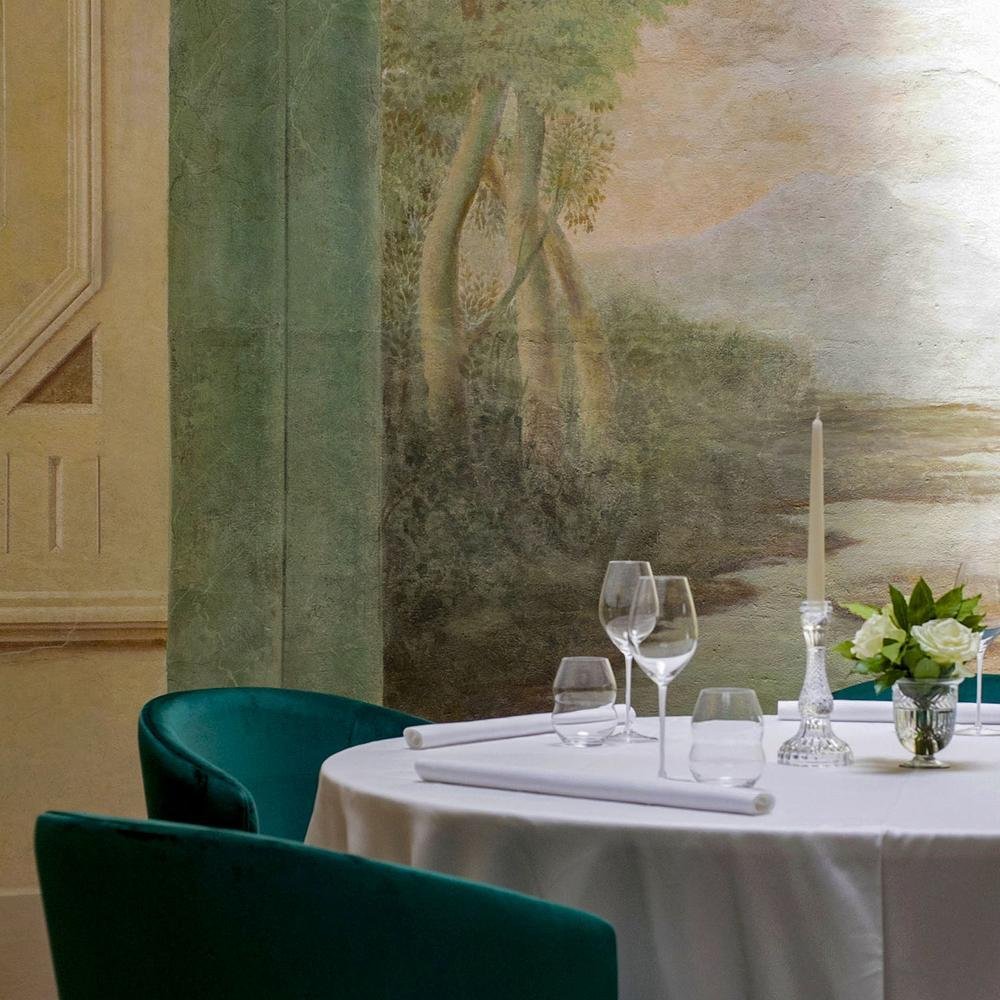
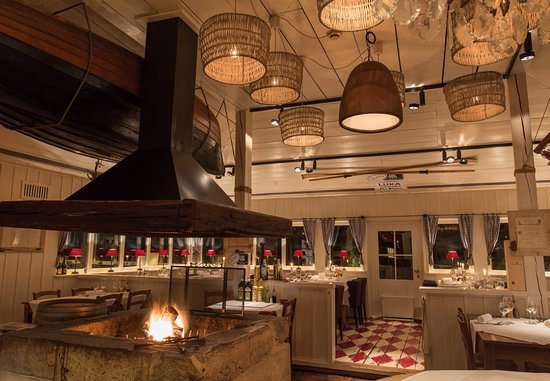
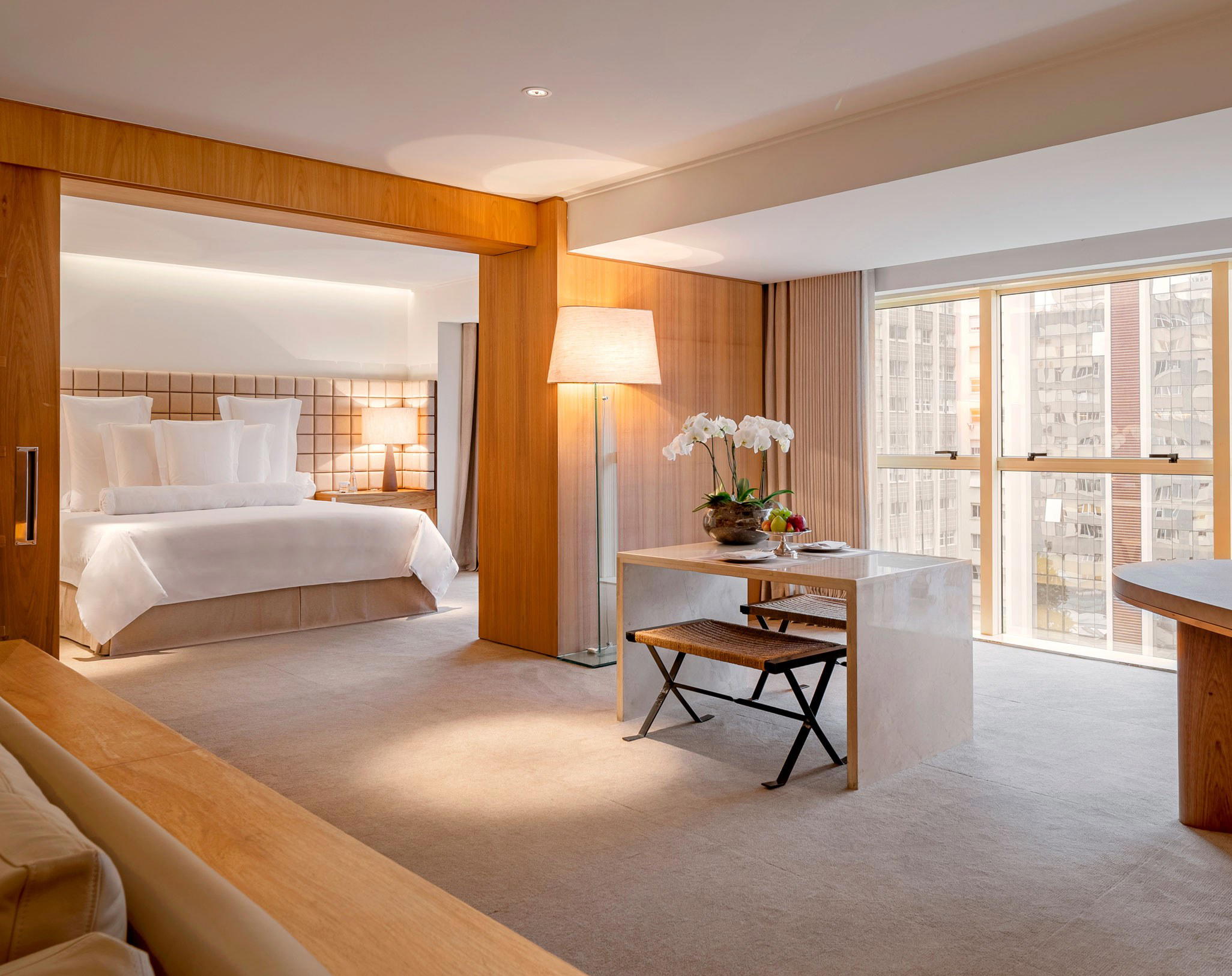
Refined and tranquil with cozy fireplaces, soft lighting in individually decorated suites, and a peaceful central courtyard.
Tags
Vibe
Best For
Experience
Amenities
Accessibility
About the Stay
- Rooms
- 9
- Property Style
- Historic Boutique Townhouse with Personalized Service
- Design Style
- Modern Eclectic Blending Antiques, Period Features, and Contemporary Art
Know before you go
Know Before You Go
- Getting there
- 81 Old Theatre Street, Il-Belt Valletta 1429
Planning details
Location
Recognition and awards

Also consider
Also Consider
- The Capital Boutique Hotel Valletta, Notable alternative
- The Embassy Valletta Hotel, Notable alternative
- The Coleridge, Notable alternative
- Palais Le Brun, Notable alternative
- AX The Saint John, Notable alternative
Hotel context
How Casa Ellul compares in Valletta
Casa Ellul is the better choice if the priority is a quieter boutique stay with a stronger service-led feel. The Capital Boutique Hotel Valletta and The Coleridge are the more natural cross-shops for travellers who want the same small-hotel scale but are deciding by room style, availability, or nightly rate.
For a more conventional hotel setup in the capital, compare The Embassy Valletta Hotel and AX The Saint John. They make more sense for guests who want a broader hotel feel or easier group logistics. Casa Ellul is the sharper pick for couples or solo travellers who care more about ambience and staff attention than facility count.
Palais Le Brun is the closest comparison for travellers who want Valletta character with a polished stay. If Casa Ellul is unavailable, Palais Le Brun is the first alternate to check; if price is the deciding factor, widen the search to The Capital Boutique Hotel Valletta and AX The Saint John before leaving Valletta.
Explore Valletta
Around this place
Discover more on Pearl
Unlock the full Casa Ellul guide in Pearl, including awards, comparisons, FAQs, planning details, and nearby places.
Compare Casa Ellul
| Venue | Location | Awards |
|---|---|---|
| Casa Ellul | Valletta | Small Luxury Hotels Member 2025 |
| The Capital Boutique Hotel Valletta | Valletta | No published awards |
| The Embassy Valletta Hotel | Valletta | No published awards |
| The Coleridge | Valletta | No published awards |
| Palais Le Brun | Valletta | No published awards |
| AX The Saint John | Valletta | Star Wine Lists 20262025 Michelin Selected Hotels |


How Casa Ellul Valletta compares with similar nearby venues.
FAQ
Frequently Asked Questions
How is the dining at Casa Ellul?
Is Casa Ellul good for business travel?
It may suit some business travellers who want to stay in Valletta. If meeting facilities, work amenities, check-in arrangements, or business services are important, check those details directly before booking. Casa Ellul is in Valletta, has a smart-casual dress code, and is a 2025 Small Luxury Hotels of the World member.
How is the pool and spa at Casa Ellul?
How does Casa Ellul compare to nearby hotels?
Casa Ellul is a Valletta option with 2025 Small Luxury Hotels of the World membership. If you are comparing city stays, you may also look at The Embassy Valletta Hotel, AX The Saint John, Palais Le Brun, The Capital Boutique Hotel Valletta, or The Coleridge, then check current facilities and services directly with each property.
Which room category is best at Casa Ellul?
Choose only after checking Casa Ellul's current room descriptions, amenities, and policies directly with the hotel or your booking channel.