
Rodavento Valle de Bravo
Valle de Bravo, Valle De Bravo
Hotel in Valle De Bravo, Mexico
 Book with Pearl
The Read
Price
$100–200per night
Why go
Rodavento Valle de Bravo is a better pick for travelers who want a hotel-led Valle de Bravo stay than for diners chasing a restaurant as the main event. The on-site dining case is convenience and ease, while the stronger reason to book is the overall property experience and recognized hotel credibility.
About Rodavento Valle de Bravo
Rodavento Valle de Bravo is a Valle De Bravo venue with two recognition points: MICHELIN Guide, Hotels Selected (2025) and the Mr & Mrs Smith Seal of Approval (2026). It is best evaluated primarily as a hotel choice rather than inferring details about dining, facilities, pricing, service style, or amenities.
For a value-seeker, that distinction matters. The recognitions support a recognized Valle De Bravo stay. Consider it a hotel-led choice based on its recognitions and your own current booking information.
Choose it for the stay first, then verify any dining plans directly
The dining question should be handled carefully.
That does not make the property irrelevant for a Valle De Bravo trip. Its appeal is recognition-led rather than menu-led. If food is a major part of the itinerary, compare other dining in Valle De Bravo generically and verify current details before relying on any specific meal plan.
Who should pick this over a more restaurant-led trip
Rodavento Valle de Bravo makes the clearest sense for travelers who want a recognized hotel option in Valle De Bravo and are not relying on claims about a destination restaurant, specific facilities, or a particular service format. Its recognitions give it credibility as a hotel selection; they do not, by themselves, describe the full details of the stay experience.
For broader trip planning, use Our full Valle De Bravo hotels guide.
The bottom line: consider Rodavento Valle de Bravo as a recognized Valle De Bravo hotel option with MICHELIN Guide, Hotels Selected (2025) and Mr & Mrs Smith Seal of Approval (2026) recognition. Do not book it solely on assumptions about cuisine, amenities, prices, or service details that are not stated.
Planning details
- Location
- Carretera Valle de Bravo Los Saucos km3.5, Valle de Bravo, Mexico
- Phone
- +52 726 251 4182
The take
The Take
The Vibe
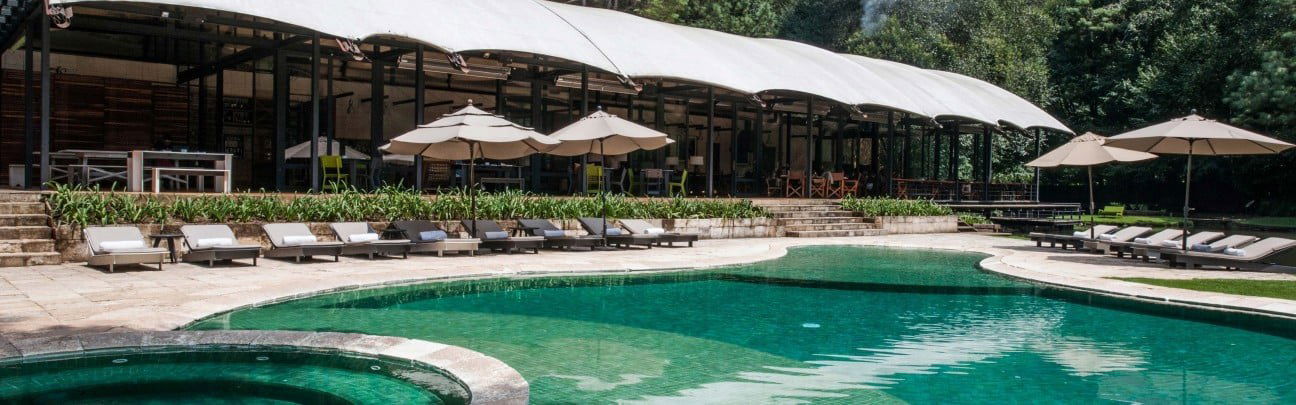
Rodavento sits in a highland pocket where pine and oak forest meet a lake, and the property leans into that setting rather than coastal resort tropes. The hotel reads as a considered, nature-first retreat: cooler temperatures, wooded slopes and the mountain-to-lake corridor define the senses more than urban flash. Culinary choices and guest experiences are rooted in that landscape, and the Michelin Selected designation signals a quietly elevated delivery. Expect a restrained, serene mountain atmosphere where local ingredients, altitude and the surrounding forest inform both the design and the menu.
Best For
Rodavento suits travelers looking to escape the city for a focused nature-and-food experience. At roughly two and a half hours from Mexico City, it functions well as a weekend escape for couples and small groups, and the nearby lake, home to water sports and sailing regattas, extends appeal to families and outdoors-minded guests. Rodavento Valle de Bravo offers a terrain-driven dining programme and Michelin Selected recognition, so guests who prioritize locally informed cooking and a calm mountain setting get the most from a stay.
Stay Tips
The hotel restaurant has a terrain-driven culinary positioning, and altitude affects ingredient sourcing and cooking technique. Ask servers about which dishes showcase local valleys and Toluca-basin markets, and favor seasonal plates that emphasize regional produce. Given the mountain setting, plan dinner reservations (the dining programme is a central feature) and pack a light layer for cooler evenings. If you want insight into sourcing and technique, ask the kitchen or front-of-house to explain how altitude and local ingredients shape the menu.
Venue details
Ambiance
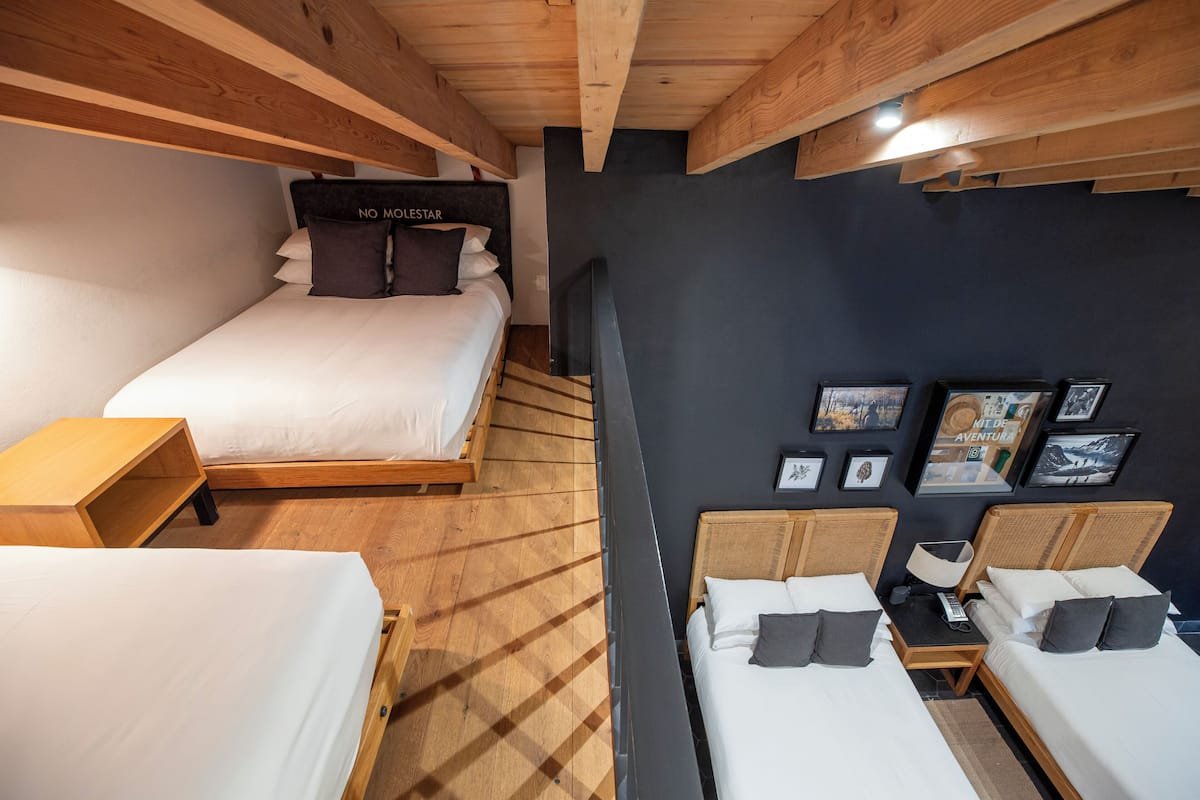
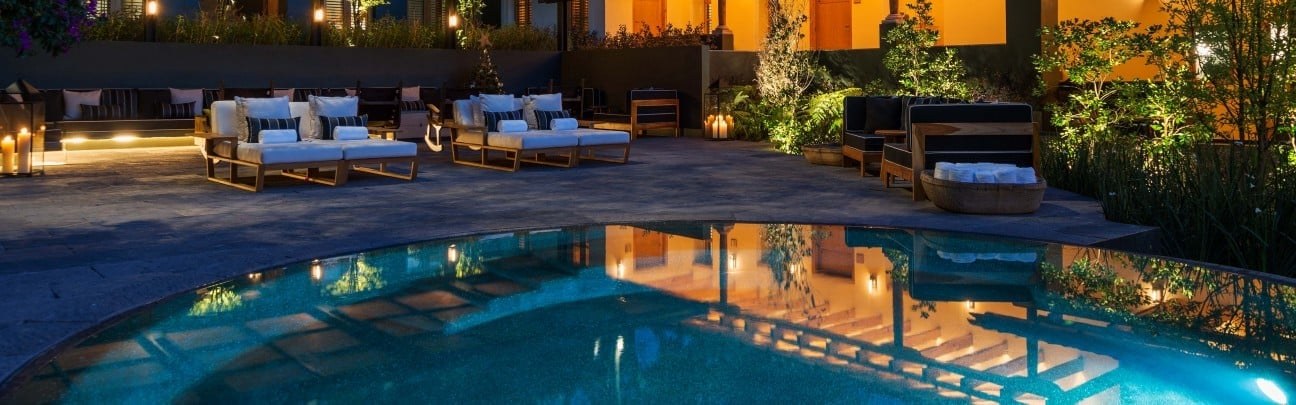
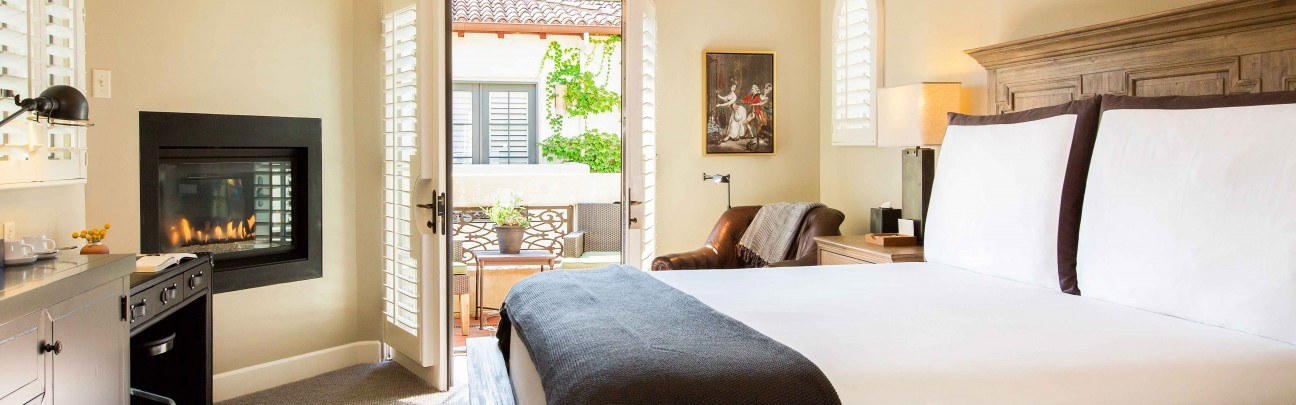
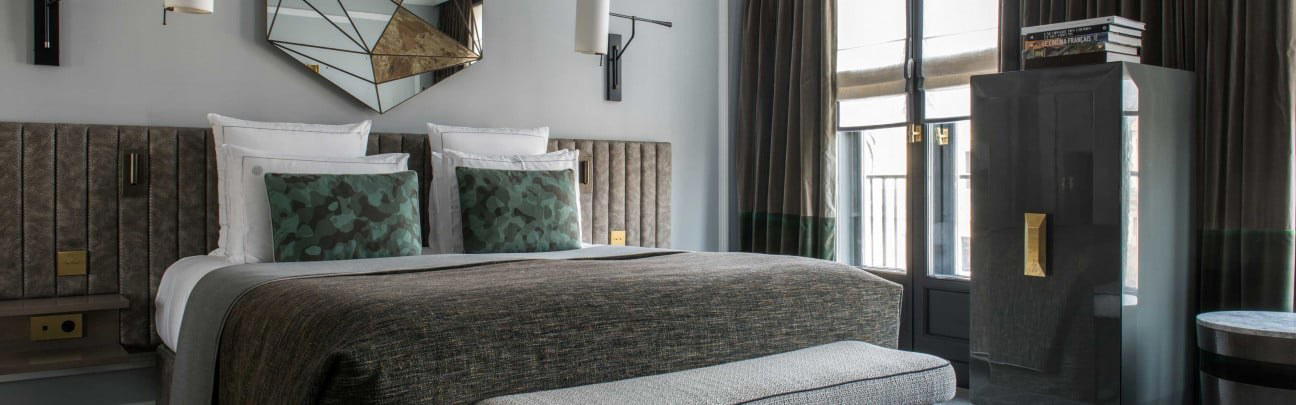
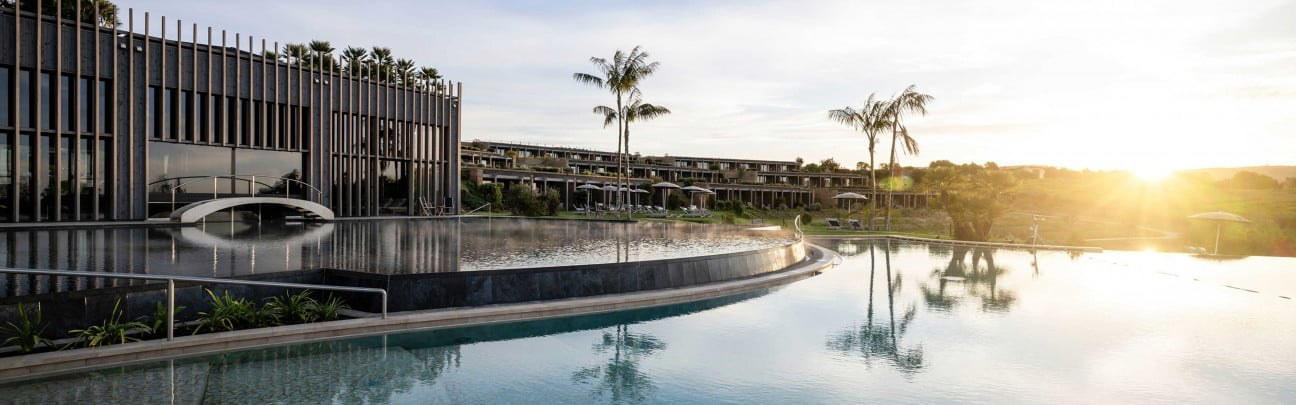
Fresh and modern style with clean lines and organic textures, offering rustic-urban harmony, serene spa, and poolside relaxation amid natural surroundings.
Tags
Vibe
Best For
Experience
Amenities
View
About the Stay
- Rooms
- 28
- Check-in
- 16:00
- Check-out
- 12:00
- Property Type
- Boutique hotel
- Property Style
- Contemporary Nature Inspired Hospitality with Wood and Steel Architecture in a Forest Setting.
- Design Style
- Modern with Clean Lines, Organic Textures, Rustic Urban Contrast, and Natural Materials.
- Pool
- Yes
- Spa
- Yes
- Families
- Welcome
- Cancellation
- Moderate
Know before you go
Know Before You Go
- Getting there
- Carretera Valle de Bravo Los Saucos km3.5, Valle de Bravo, Mexico
Planning details
Location
Carretera Valle de Bravo Los Saucos km3.5, Valle de Bravo, Mexico
Recognition and awards
Explore Valle De Bravo
Around this place
Discover more on Pearl
Unlock the full Rodavento Valle de Bravo guide in Pearl, including awards, comparisons, FAQs, planning details, and nearby places.
FAQ
Frequently Asked Questions
How does Rodavento Valle de Bravo compare to nearby hotels?
Rodavento Valle de Bravo has recognition from MICHELIN Guide, Hotels Selected (2025) and the Mr & Mrs Smith Seal of Approval (2026). Beyond those recognitions, compare current booking details directly before deciding.
How is the location of Rodavento Valle de Bravo?
Rodavento Valle de Bravo is in Valle De Bravo. No more specific location detail is provided.
Do loyalty programs work at Rodavento Valle de Bravo?
There is no information about any loyalty-program participation or benefits. Review the terms on your booking channel before reserving.