
Ajwa Cappadocia
Mustafa Pasa Koyu, Ürgüp
Hotel in Ürgüp, Turkey
 Book with Pearl
The Read
Tufa-Cut Cave Hospitality
Why go
Ajwa Cappadocia is worth considering if the hotel setting is part of the trip, not just a place to sleep. The Mustafapaşa location suits travelers who want a quieter Ürgüp-area base, while those prioritizing walkability or a more compact cave-hotel feel should compare it with Hezen Cave Hotel or Exedra Hotel Cappadocia before committing.
About Ajwa Cappadocia
Ajwa Cappadocia is an Ürgüp venue with a smart casual dress code and Preferred Hotels Member status for 2025. Use those details as the starting point, and check dining, services, pricing, and exact location information directly with the property before booking.
The value case depends on what you need from an Ürgüp booking. Ajwa Cappadocia may make sense for travelers who want a property with a recognized hospitality affiliation. If cuisine, chef, facilities, service format, or neighborhood advantages matter to your decision, check directly before booking rather than relying on assumptions.
Choose it for an Ürgüp property with a recognized affiliation
For a Cappadocia trip based in Ürgüp, the decision should be grounded in the details that matter to your itinerary. Ajwa Cappadocia has a smart casual dress code and Preferred Hotels Member recognition in 2025. Travelers who need a specific street address, restaurant program, price range, service style, or activity setup should check those points directly with the property. That makes it best approached as a property to investigate carefully, especially if your trip depends on exact logistics.
The safest way to assess value is to compare the details that matter to your trip before booking. If location, dining, accessibility, or family-specific services are important, ask the property directly for current information. Ajwa Cappadocia is easiest to frame as an Ürgüp venue with a recognized affiliation, rather than as a place defined by amenities or a specific local setting.
Who should book, and who should cross-shop
Book Ajwa Cappadocia if you are comfortable making a decision from a limited but clear set of key details: the venue is in Ürgüp, has a smart casual dress code, and is listed as a Preferred Hotels Member for 2025. Cross-shop if you need more certainty on price, dining, facilities, or exact placement within the area before committing.
Travelers comparing options can look at Hezen Cave Hotel, Exedra Hotel Cappadocia, Signature Cave Cappadocia, Trademark Collection by Wyndham, Tafoni Houses Cave Hotel, and Tafoni Houses Cave Hotel, Cappadocia as other properties to research alongside Ajwa Cappadocia. If the goal is a broader scan before choosing, compare current details across properties rather than treating one venue as the default. For the rest of the trip, Our full Ürgüp restaurants guide can help with dining research beyond the property itself.
Planning details
- Location
- Yeni, Ürgüp Cd. No:13, 50420 Mustafapaşa/Ürgüp/Nevşehir
- Website
- ajwa.com.tr
- Phone
- +90 384 352 12 12
The take
The Take
The Vibe
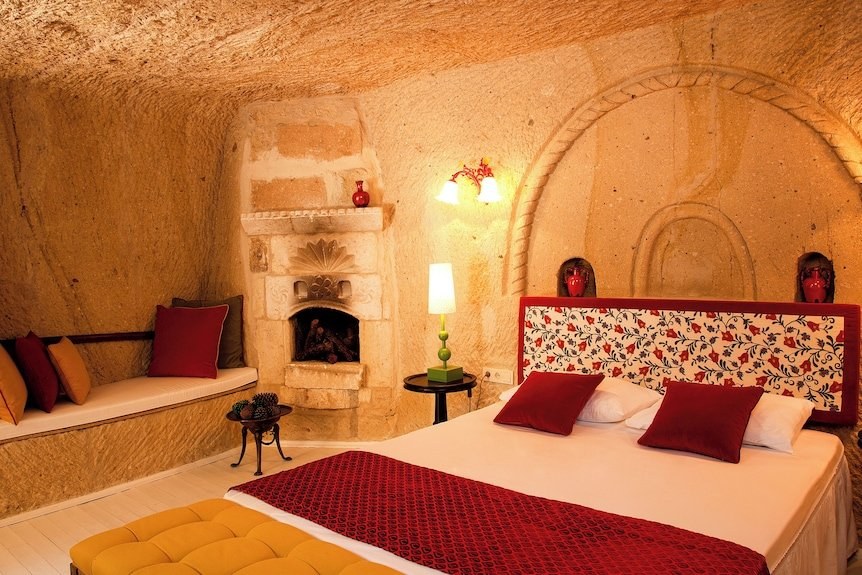
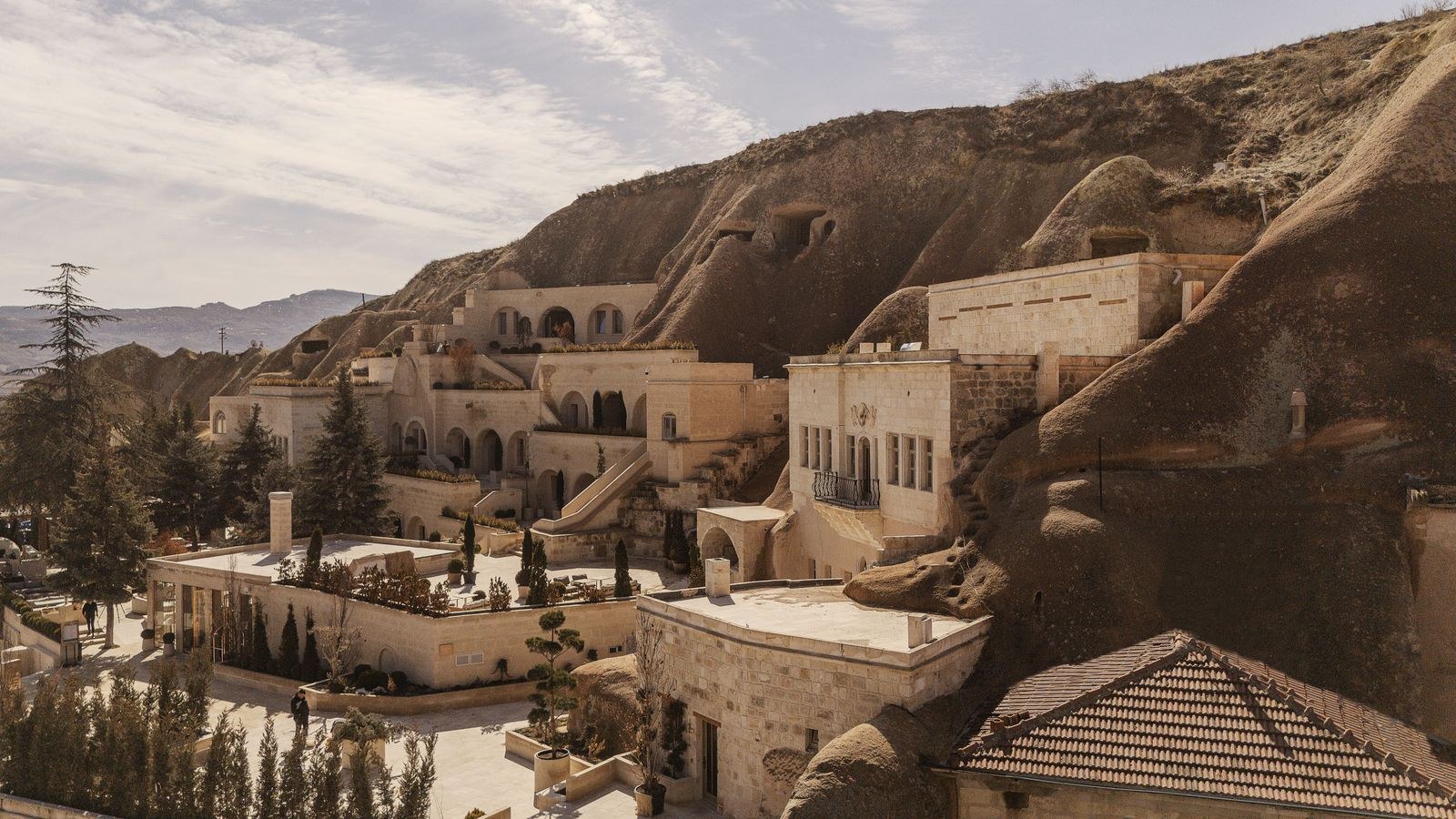
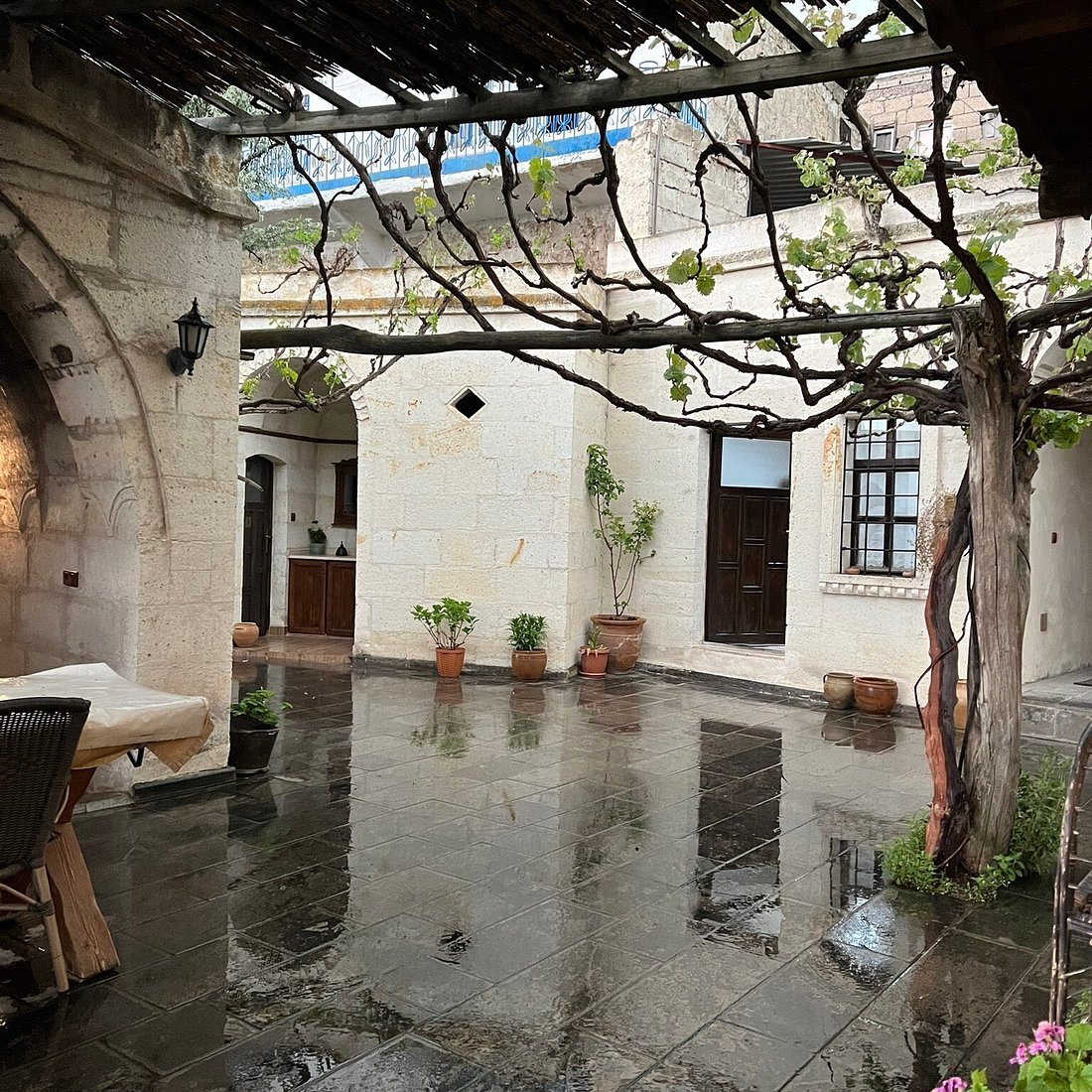
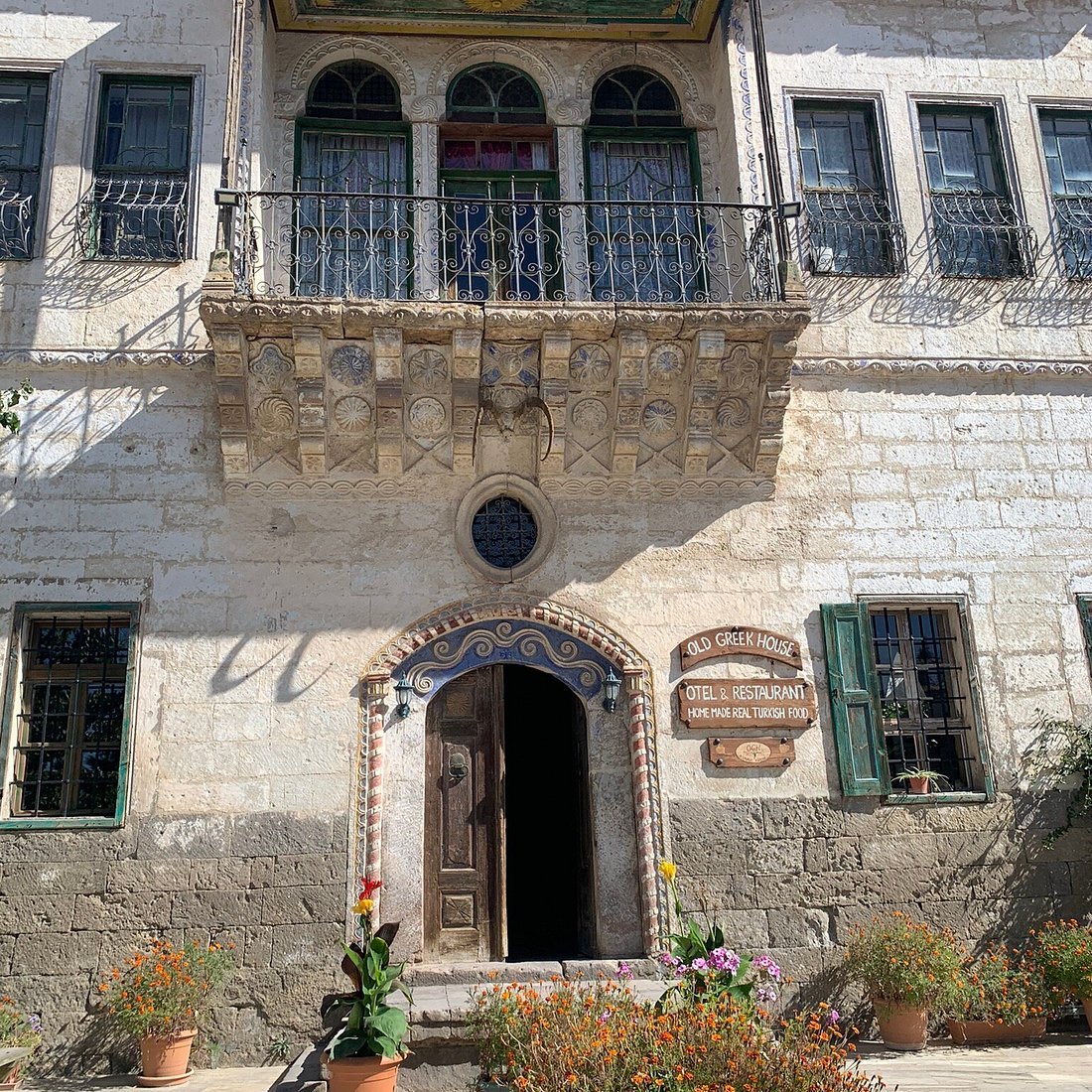
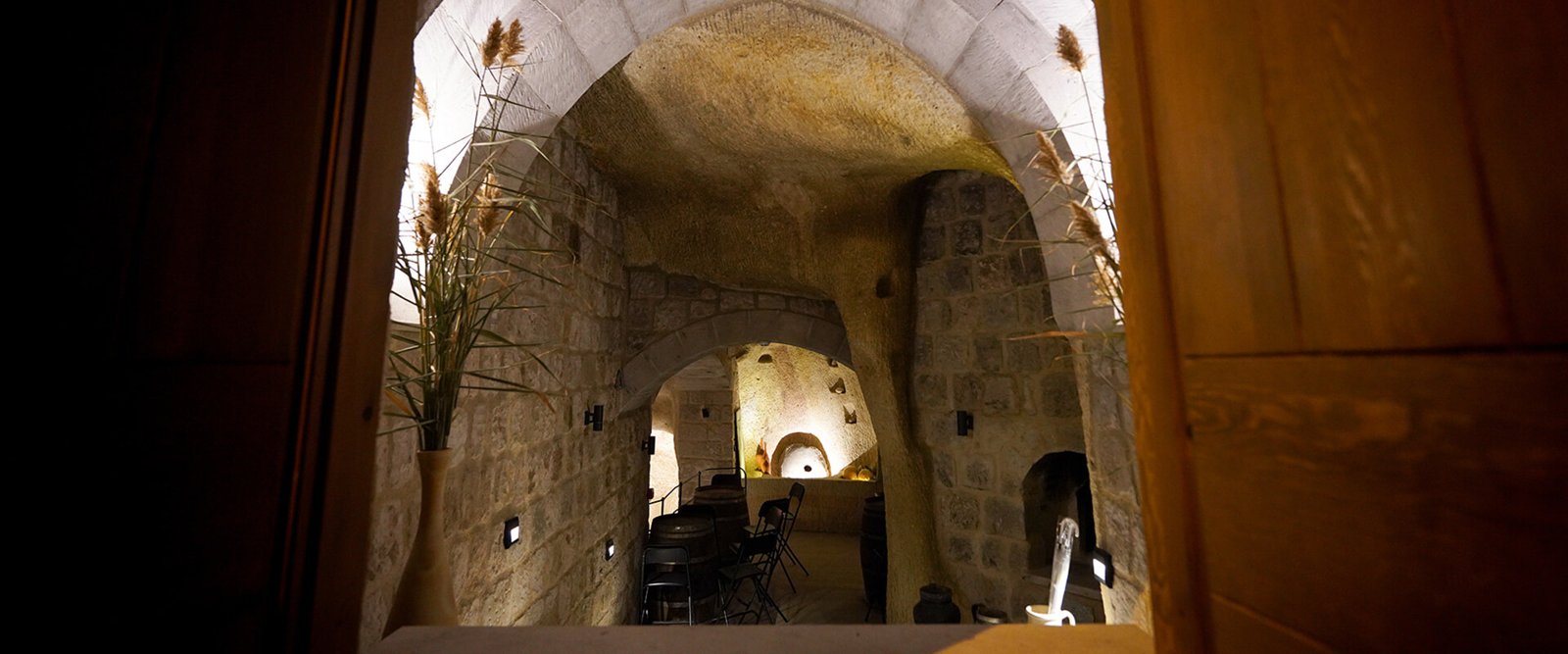
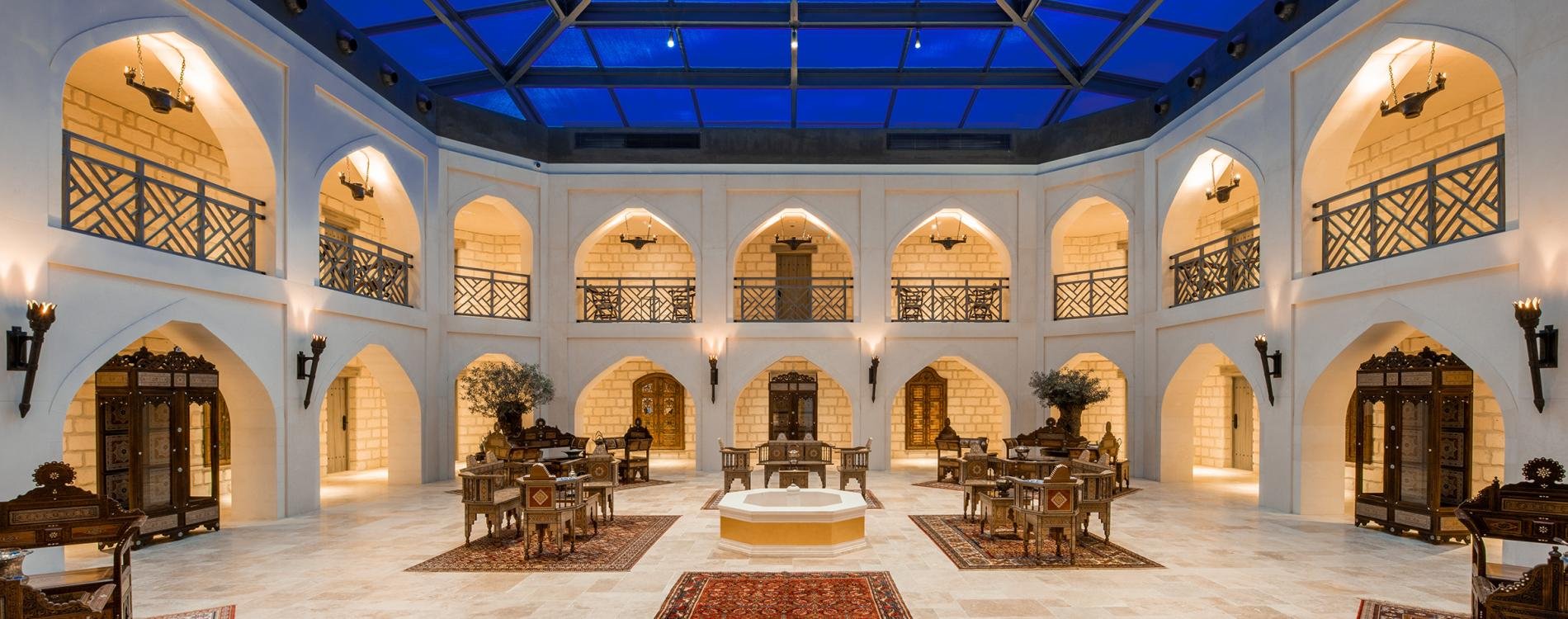
Ajwa Cappadocia reads like an architectural dialogue with the valley itself: spaces are carved into the region’s distinctive volcanic tufa rather than imposed upon it. The hotel occupies a thoughtful mid-sized position (62 rooms), where cohesive design interventions coexist with the irregular geometry of natural rock. That material honesty produces a rustic-historic charm that leans toward refinement rather than kitsch — rooms reward patience and an appreciation for texture and light. Situated in Mustafapaşa, the property feels calmer than the busier viewing platforms and village centres, making its atmosphere quietly considered rather than demonstratively theatrical.
Best For
Ajwa suits travelers who value place-driven design and a quieter Cappadocian experience. Its cave-integrated rooms and slower-village setting naturally appeal to couples on romantic getaways and honeymooners seeking atmospheric privacy, and the property's scale and considered design also make it a good fit for families looking for comfortable, distinctive accommodation. The emphasis on material and calm suggests it works well for guests drawn to wellness-minded, restorative stays rather than high-energy, activity-first itineraries.
Stay Tips
Rooms at Ajwa are intentionally integrated with existing rock formations; the description notes that the hotel 'rewards guests willing to accept irregular geometry.' If you prefer uniform layouts, be prepared for idiosyncratic room shapes here. The property sits on the Ürgüp road and benefits from Mustafapaşa’s quieter rhythm, so factor travel from Ürgüp into arrival plans. The hotel’s mid-size scale (62 rooms) positions it between intimate cave guesthouses and larger resort complexes — book with that in mind if you want a balance of thoughtful design and availability.
Venue details
Ambiance
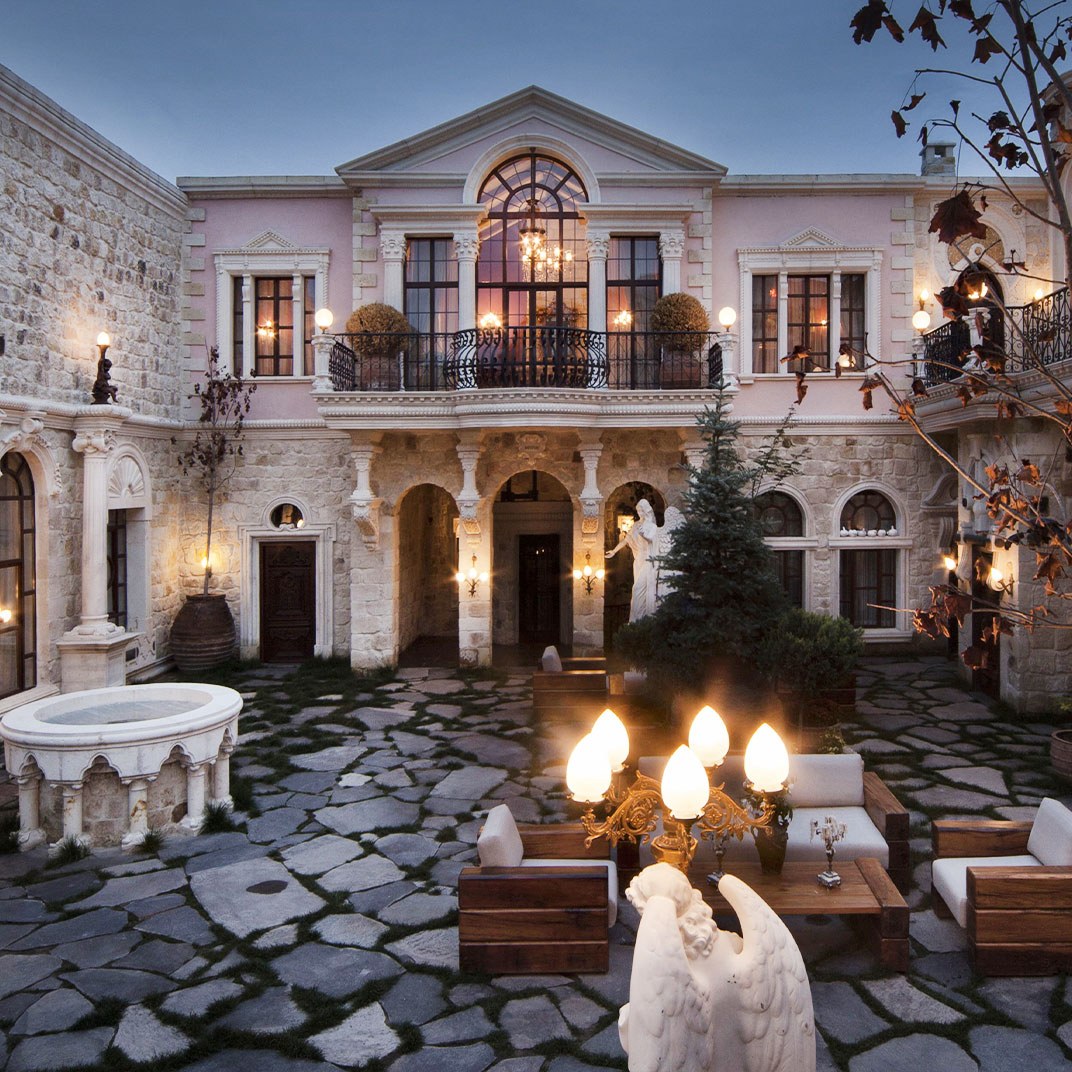
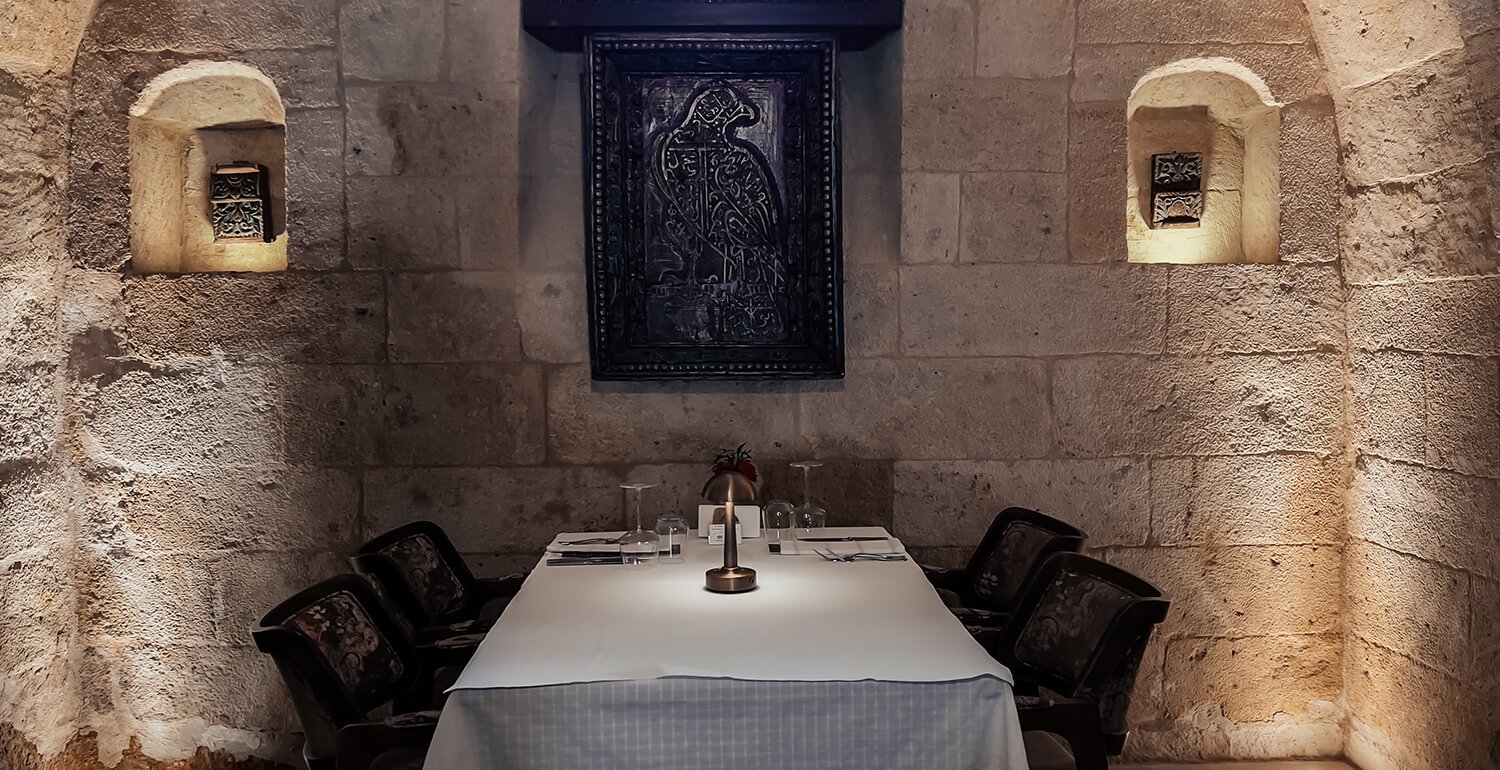
Tranquil and peaceful with artistic, meticulously detailed design blending traditional and contemporary elements, enhanced by serene spa lighting and restorative garden atmosphere.
Tags
Vibe
Best For
Experience
Amenities
View
Accessibility
About the Stay
- Rooms
- 108
- Check-in
- 14:00
- Check-out
- 12:00
- Property Style
- Luxury Cave Hotel with Traditional Caravanserai and Artistic Bazaar Buildings
- Design Style
- Traditional Turkish Artistry Fused with Modern Opulent Cave Interiors
Know before you go
Know Before You Go
- Getting there
- Yeni, Ürgüp Cd. No:13, 50420 Mustafapaşa/Ürgüp/Nevşehir
Planning details
Location
Recognition and awards
Also consider
Where to look if this is not the right fit
If the priority is a smaller Ürgüp boutique feel, start with Hezen Cave Hotel. If the priority is a more heritage-heavy Cappadocia stay, compare Exedra Hotel Cappadocia before committing.
Hotel context
How It Compares
Ajwa Cappadocia is the better fit for travelers who want a calmer, more design-led stay around Ürgüp and are less focused on being in the densest part of the visitor flow. Hezen Cave Hotel is the more obvious cross-shop for a boutique Ürgüp stay, especially if a smaller hotel feel matters more than a self-contained resort-style base.
Exedra Hotel Cappadocia is the stronger comparison for travelers who want heritage atmosphere and a more classic Cappadocia hotel mood. Signature Cave Cappadocia, Trademark Collection by Wyndham makes more sense for guests who prefer the predictability of a larger branded setup over a more place-specific stay.
Tafoni Houses Cave Hotel, Cappadocia and Tafoni Houses Cave Hotel are the alternatives to check if the cave-hotel format is the main draw. Choose Ajwa Cappadocia for a quieter design base; choose the Tafoni options if the lodging format itself is the priority.
Explore Ürgüp
Around this place
Discover more on Pearl
Unlock the full Ajwa Cappadocia guide in Pearl, including awards, comparisons, FAQs, planning details, and nearby places.
Compare Ajwa Cappadocia
| Venue | Location | Awards |
|---|---|---|
| Ajwa Cappadocia | Ürgüp | Preferred Hotels Member 2025 |
| Signature Cave Cappadocia, Trademark Collection by Wyndham | Nevsehir | Tablet Hotels Top 40 New Hotels 2025 · #262025 Michelin Selected Hotels |
| Tafoni Houses Cave Hotel, Cappadocia | Nevsehir | No published awards |
| Tafoni Houses Cave Hotel | Cappadocia | No published awards |
| Exedra Hotel Cappadocia | Cappadocia | No published awards |
| Hezen Cave Hotel | Ürgüp | 2025 Michelin 1 Key |



How Ajwa Cappadocia Ürgüp Review: What to Know compares with similar nearby venues.
FAQ
Frequently Asked Questions
Is Ajwa Cappadocia good for business travel?
It may work for business travel if an Ürgüp location and a property with Preferred Hotels Member status for 2025 are enough for your needs. If your trip depends on specific business facilities, meeting spaces, transport details, or work-friendly amenities, confirm those directly before booking around meetings.
Is Ajwa Cappadocia family-friendly?
Families considering Ajwa Cappadocia should check room configurations, children's amenities, activity support, and other family services through the venue's official channels before booking.
What is check-in like at Ajwa Cappadocia?
Ajwa Cappadocia is in Ürgüp, but specific arrival procedures, check-in hours, and address details should be confirmed directly with the property before travel.
How does Ajwa Cappadocia compare to nearby properties?
Ajwa Cappadocia can be compared with Signature Cave Cappadocia, Trademark Collection by Wyndham, Exedra Hotel Cappadocia, Tafoni Houses Cave Hotel, Cappadocia, Tafoni Houses Cave Hotel, and Hezen Cave Hotel when researching properties in the wider Cappadocia area. Ajwa Cappadocia's clearest differentiators are its Ürgüp location, smart casual dress code, and Preferred Hotels Member status for 2025.