
RYOTEI HANZUIRYO
Unzen
Hotel in Unzen, Japan
 Book with Pearl
The Read
Sukiya-zukuri Seclusion
Why go
RYOTEI HANZUIRYO is a better fit for travelers making Unzen the point of the trip, not a quick side stop from Nagasaki. Book it for a quiet ryokan-style stay with a slower pace; choose a Nagasaki city hotel instead if rail access, business logistics, or urban dining matter more.
About RYOTEI HANZUIRYO
RYOTEI HANZUIRYO is a premium venue in Unzen with confirmed Michelin 1 Key recognition for 2025. With limited details available here, the safest way to plan is to treat it as an Unzen-focused booking and confirm the practical points that matter to your trip directly before reserving.
The confirmed dress code is smart casual. Beyond that, avoid making assumptions about specific services, dining formats, facilities, prices, or schedules unless they are confirmed at the time of booking.
Who should choose RYOTEI HANZUIRYO over a Nagasaki hotel
Choose RYOTEI HANZUIRYO if your priority is Unzen and you want a venue with a confirmed Michelin 1 Key distinction. If your itinerary is centered elsewhere in the region, compare it with options such as Nagasaki Marriott Hotel or Hotel Indigo Nagasaki Glover Street based on where you actually plan to spend your time.
For travelers comparing across the region, keep the decision simple: RYOTEI HANZUIRYO is the Unzen option in this set. Other named options, including Azumaen, L'isola THE BIRD, TAYUTA amakusa, Nagasaki Marriott Hotel, and Hotel Indigo Nagasaki Glover Street, should be assessed according to itinerary fit and confirmed practical details.
How to think about value before booking
Do not judge value from the Michelin 1 Key alone. Use it as a confirmed quality signal, then verify the details that affect your trip: inclusions, timing, cancellation terms, and any services you specifically need.
RYOTEI HANZUIRYO is easiest to justify when Unzen itself is central to the itinerary. If your plans depend on another city, compare travel time and convenience before committing.
Use broader Unzen planning pages if this booking is part of a wider itinerary: Our full Unzen hotels guide, Our full Unzen restaurants guide, Our full Unzen bars guide, Our full Unzen wineries guide, and Our full Unzen experiences guide.
Planning details
- Location
- 380-1 Obamachō Unzen, Unzen, Nagasaki 854-0621
- Website
- hanzuiryo-unzen.jp
- Phone
- +81 957-73-2111
The take
The Take
The Vibe
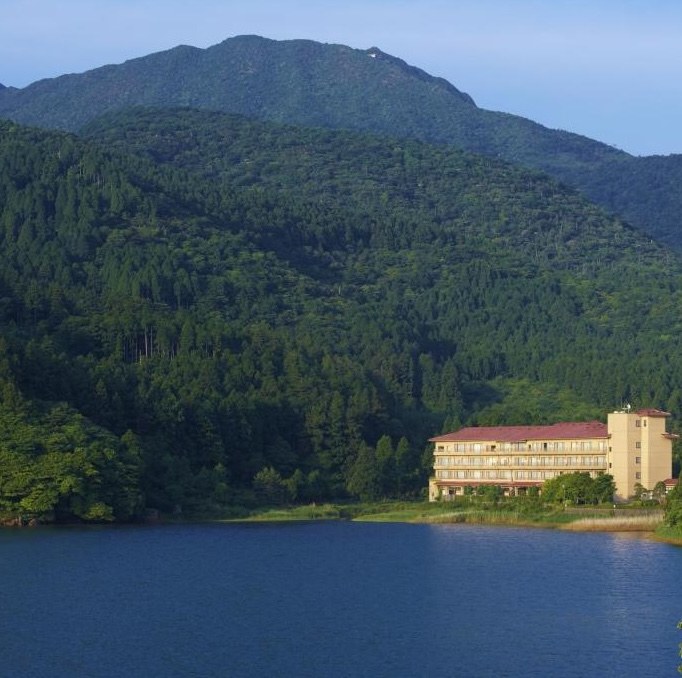
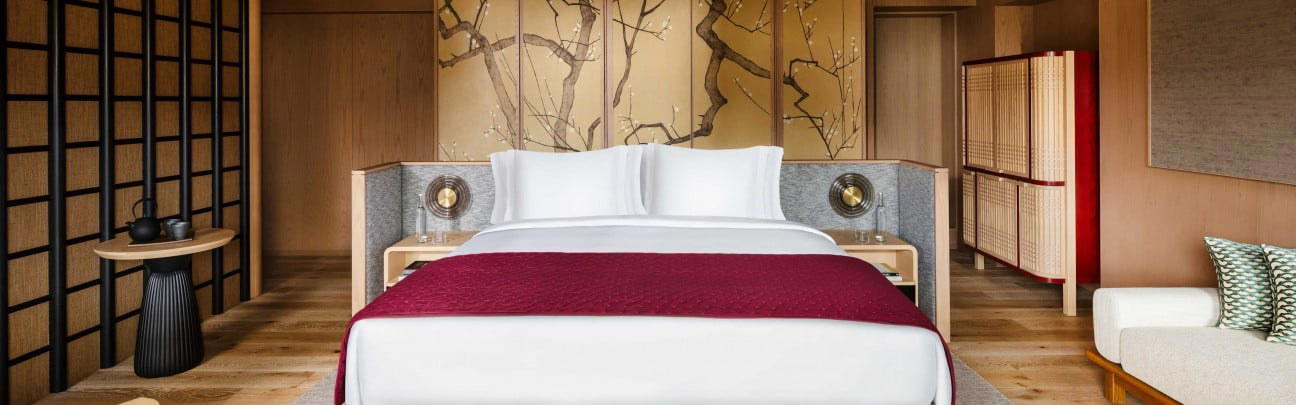
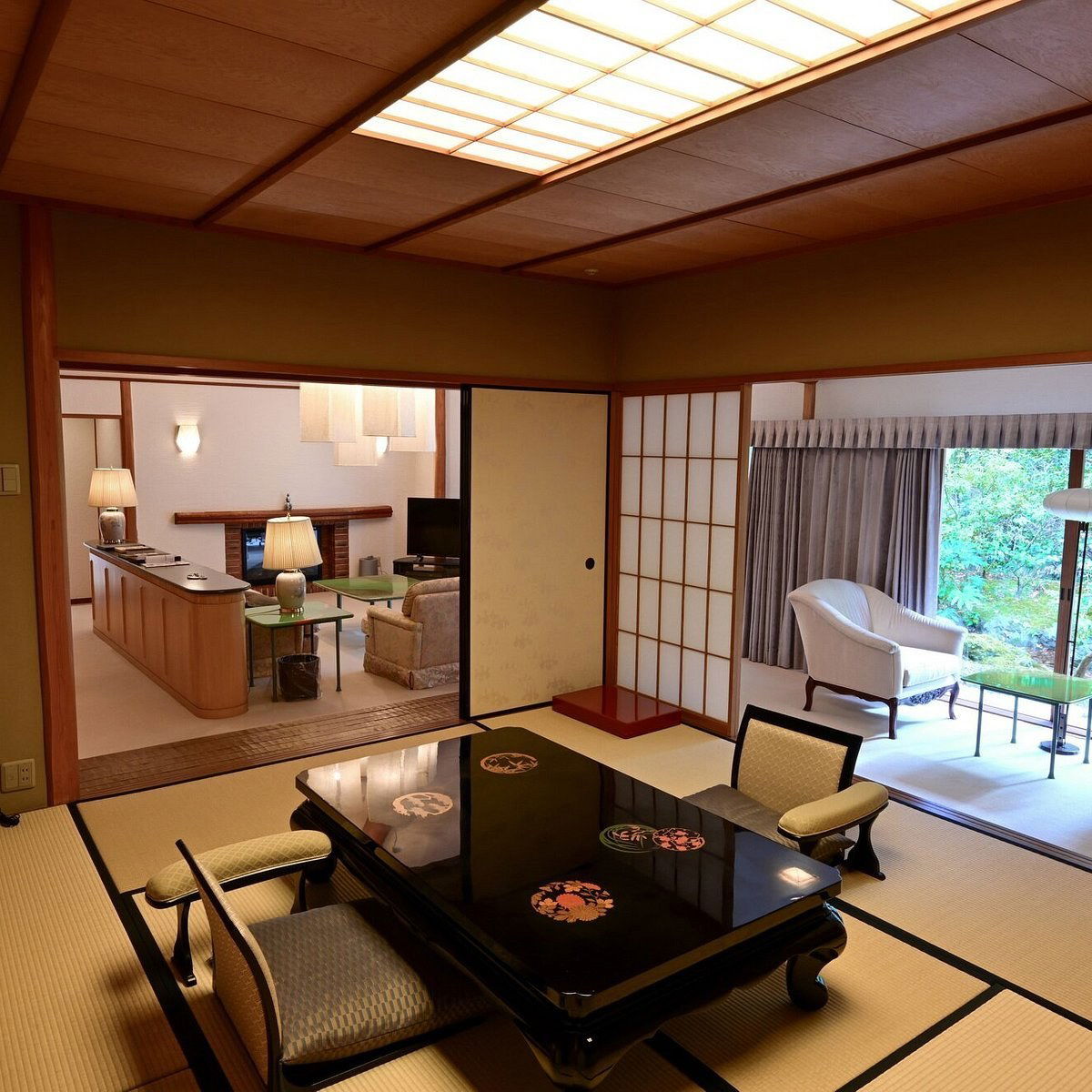
Ryotei Hanzuiryo presents architecture as the principal offering: freestanding Sukiya‑zukuri villas sit lightly within an ancient forest and curated garden, privileging subtlety over spectacle. Natural materials, tatami flooring and shoji screens frame soft, directional light and a restrained sensory palette. The villa scale — just 14 standalone units — intensifies a sense of privacy and containment, so the experience feels more like staying in a quietly refined timbered residence than a conventional hotel. Overall the mood is classically Japanese, serene and intimately composed, where the garden and room read as a single, carefully designed sequence.
Best For
This is a destination for travelers seeking privacy, ritual and slow, restorative stays. The villa format and forested setting make it especially appropriate for honeymooners, couples on romantic getaways or anniversaries who want architecture and landscape to frame their time together. The emphasis on contemplative materiality and garden integration also suits wellness retreats: guests can move deliberately between room, garden and the surrounding slopes of Mount Unzen to unwind. Expect a quietly curated environment rather than high‑energy social scenes.
Stay Tips
Book one of the freestanding villas to secure the defining experience here: the property’s architecture and seclusion depend on private, standalone accommodation. Prioritise a room that sits within the garden grounds if you want the strongest sense of the interior‑exterior relationship the description highlights. Plan for a stay that allows time to live with the architecture — short drop‑in visits miss the deliberate pacing of tatami rooms and the way light and the garden change over hours.
Venue details
Ambiance
Tranquil and relaxing atmosphere with elegant tea ceremony-inspired furnishings, tatami flooring, garden views through paper screens, and soothing hot spring scents.
Tags
Vibe
Best For
Experience
Amenities
View
Accessibility
About the Stay
- Rooms
- 14
- Check-in
- 15:00
- Check-out
- 11:00
- Property Style
- Traditional Japanese Ryokan with Detached Villas and Expansive Gardens
- Design Style
- Sukiya Zukuri Architecture Featuring Tatami Mats, Lacquerware, and Tea Ceremony Aesthetics
Know before you go
Know Before You Go
- Getting there
- 380-1 Obamachō Unzen, Unzen, Nagasaki 854-0621
Planning details
Location
Recognition and awards
Also consider
Where to look if this is hard to secure
If availability does not line up, try Azumaen first for another Unzen stay that keeps the hot-spring setting. If the trip cannot bend around ryokan availability, switch the base to Nagasaki Marriott Hotel for easier city logistics.
Hotel context
How it compares in and around Unzen
Choose RYOTEI HANZUIRYO over Azumaen if the goal is a more deliberate ryokan stay and the hotel is the main reason for coming to Unzen. Azumaen is the more obvious cross-shop for travelers who want to stay within the same onsen area but may prefer a broader, more conventional hotel feel.
Nagasaki Marriott Hotel and Hotel Indigo Nagasaki Glover Street make more sense for business travel, rail-linked itineraries, and travelers who want city dining nearby. They are not substitutes for the ryokan atmosphere, but they are easier choices when logistics matter more than retreat time.
L'isola THE BIRD and TAYUTA amakusa are better cross-shops for travelers widening the search beyond Unzen and prioritizing a more remote-feeling escape. Pick them if the trip can absorb extra travel time; stay with the Unzen option if the onsen-town setting is the priority.
Explore Unzen
Around this place
Discover more on Pearl
Unlock the full RYOTEI HANZUIRYO guide in Pearl, including awards, comparisons, FAQs, planning details, and nearby places.
Compare RYOTEI HANZUIRYO
| Venue | Location | Awards |
|---|---|---|
| RYOTEI HANZUIRYO | Unzen | 2026 Michelin 1 KeyMichelin 1 Key 20252025 Michelin 1 Key |
| Azumaen | Unzen | No published awards |
| L'isola THE BIRD | Amakusa | No published awards |
| TAYUTA amakusa | Kami Amakusa | 2026 Michelin 1 Key2025 Michelin 1 Key |
| Nagasaki Marriott Hotel | Nagasaki | No published awards |
| Hotel Indigo Nagasaki Glover Street | Nagasaki | No published awards |

How RYOTEI HANZUIRYO Unzen compares with similar nearby venues.
FAQ
Frequently Asked Questions
How does RYOTEI HANZUIRYO compare to other regional hotels?
Choose RYOTEI HANZUIRYO if you want to be in Unzen and value its confirmed Michelin 1 Key recognition for 2025. Compared with Nagasaki Marriott Hotel or Hotel Indigo Nagasaki Glover Street, it is the more relevant option when Unzen is the focus of the trip. If your priority is elsewhere in the region, compare the practical details directly before booking.
How is the pool and spa at RYOTEI HANZUIRYO?
details about a pool or spa are not available here. If those facilities are important, confirm them directly before booking and compare with other regional options if you need a broader facility checklist.
How is the location of RYOTEI HANZUIRYO?
RYOTEI HANZUIRYO is in Unzen. That location works best if Unzen is the destination. For a base elsewhere in the region, compare it with options such as Hotel Indigo Nagasaki Glover Street or Nagasaki Marriott Hotel.
How is the dining at RYOTEI HANZUIRYO?
Specific dining details are not available here. The confirmed facts are that RYOTEI HANZUIRYO is in Unzen, has a smart casual dress code, and holds Michelin 1 Key recognition for 2025. Confirm meal arrangements, dietary needs, and any dining format directly before booking.
Is RYOTEI HANZUIRYO good for business travel?
It depends on whether Unzen fits the trip. If meetings or transit are centered elsewhere in the region, Nagasaki Marriott Hotel may be a useful comparison. If the schedule is built around Unzen, RYOTEI HANZUIRYO remains relevant to consider.
Do loyalty programs work at RYOTEI HANZUIRYO?
loyalty-program details are not available here. If points, elite benefits, or related perks matter, check directly with the venue or compare with Hotel Indigo Nagasaki Glover Street and Nagasaki Marriott Hotel.
Is RYOTEI HANZUIRYO family-friendly?
family-specific details are not available here. Families should confirm policies, meal arrangements, and any child-related needs directly before booking. The confirmed dress code is smart casual.