
Six Senses Uluwatu Bali
Pecatu, Uluwatu
Hotel in Uluwatu, Indonesia
 Book with Pearl
Why go
Six Senses Uluwatu Bali is a strong fit for couples and special-occasion travelers who want a wellness-led resort base in Pecatu rather than a high-movement Bali itinerary. The MICHELIN Guide hotel selection adds a useful trust signal, but book it for the resort rhythm and Uluwatu setting, not for fully documented dining or business-travel convenience.
About Six Senses Uluwatu Bali
Six Senses Uluwatu Bali is a stay in Uluwatu that is listed in the MICHELIN Guide hotel selection for 2025. Beyond that recognition, details are limited, so it is best evaluated as a Uluwatu hotel choice rather than through claims about specific facilities, dining, pricing, or programming.
A MICHELIN-selected Uluwatu stay
The main reason to keep Six Senses Uluwatu Bali on a shortlist is its MICHELIN Guide, Hotels Selected recognition for 2025. That gives the property a credible point of differentiation in Uluwatu, especially for travelers who want a hotel with third-party recognition rather than choosing only by imagery or brand familiarity.
Specific restaurant formats, menus, spa details, room counts, prices, service inclusions, or transport convenience are not available. Guests who need those details should confirm them directly with the hotel before booking.
Who should book it, and who should skip it
Book it if you are specifically looking for a Uluwatu stay and value the reassurance of its MICHELIN Guide hotel selection. The dress code is smart casual, which is useful to know when planning what to pack for the property.
Skip it, or do more direct research first, if your decision depends on exact dining options, amenities, rates, loyalty benefits, or a tightly planned schedule. Six Senses Uluwatu Bali is best assessed as a MICHELIN-selected Uluwatu hotel.
Part of
Six Senses37 locations on PearlPlanning details
- Location
- Jl. Penaga, Pecatu, Kec. Kuta Sel., Kabupaten Badung, Uluwatu, Indonesia
- Phone
- +62 361 2090300
The take
The Take
The Vibe
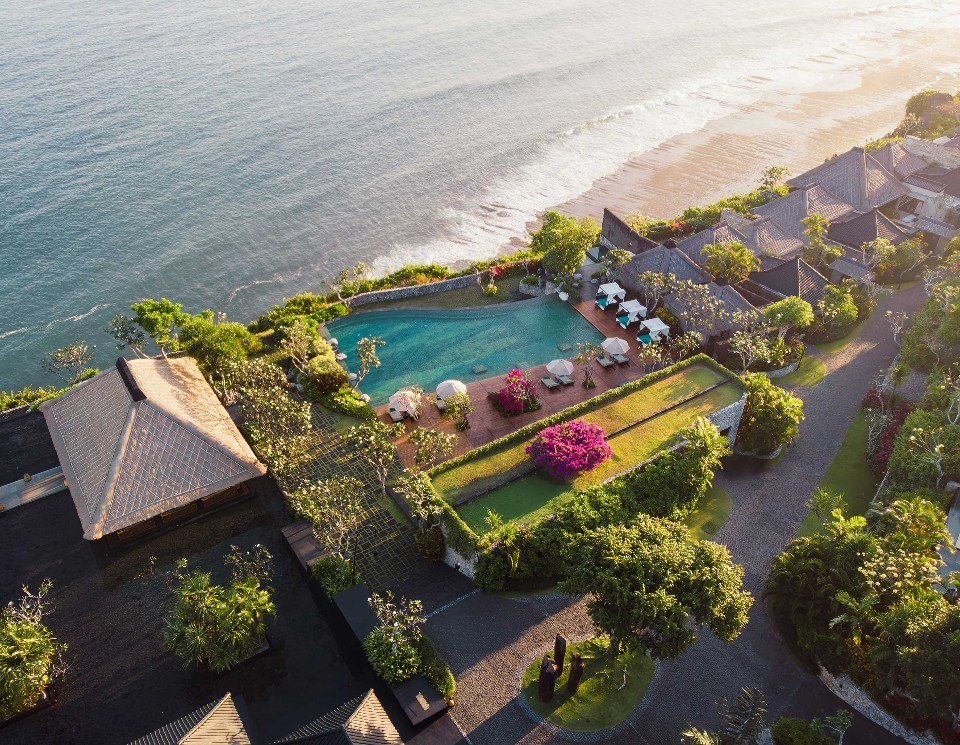
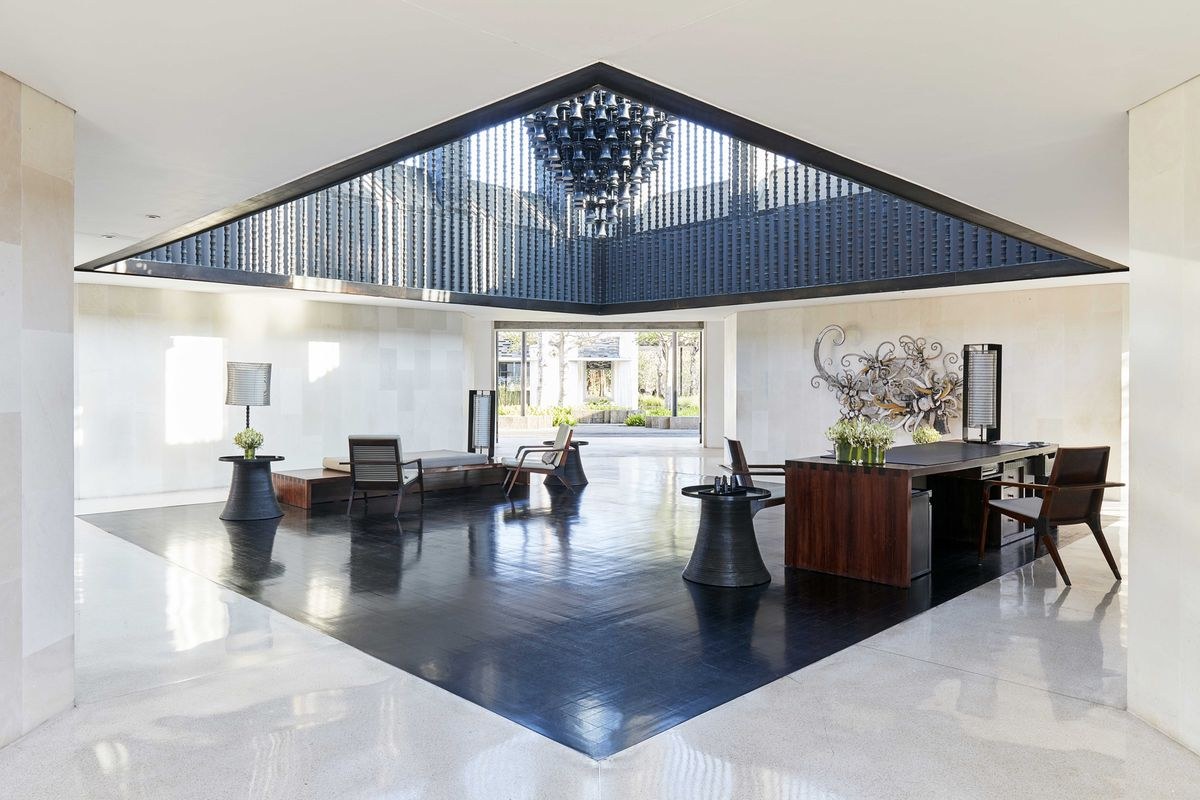
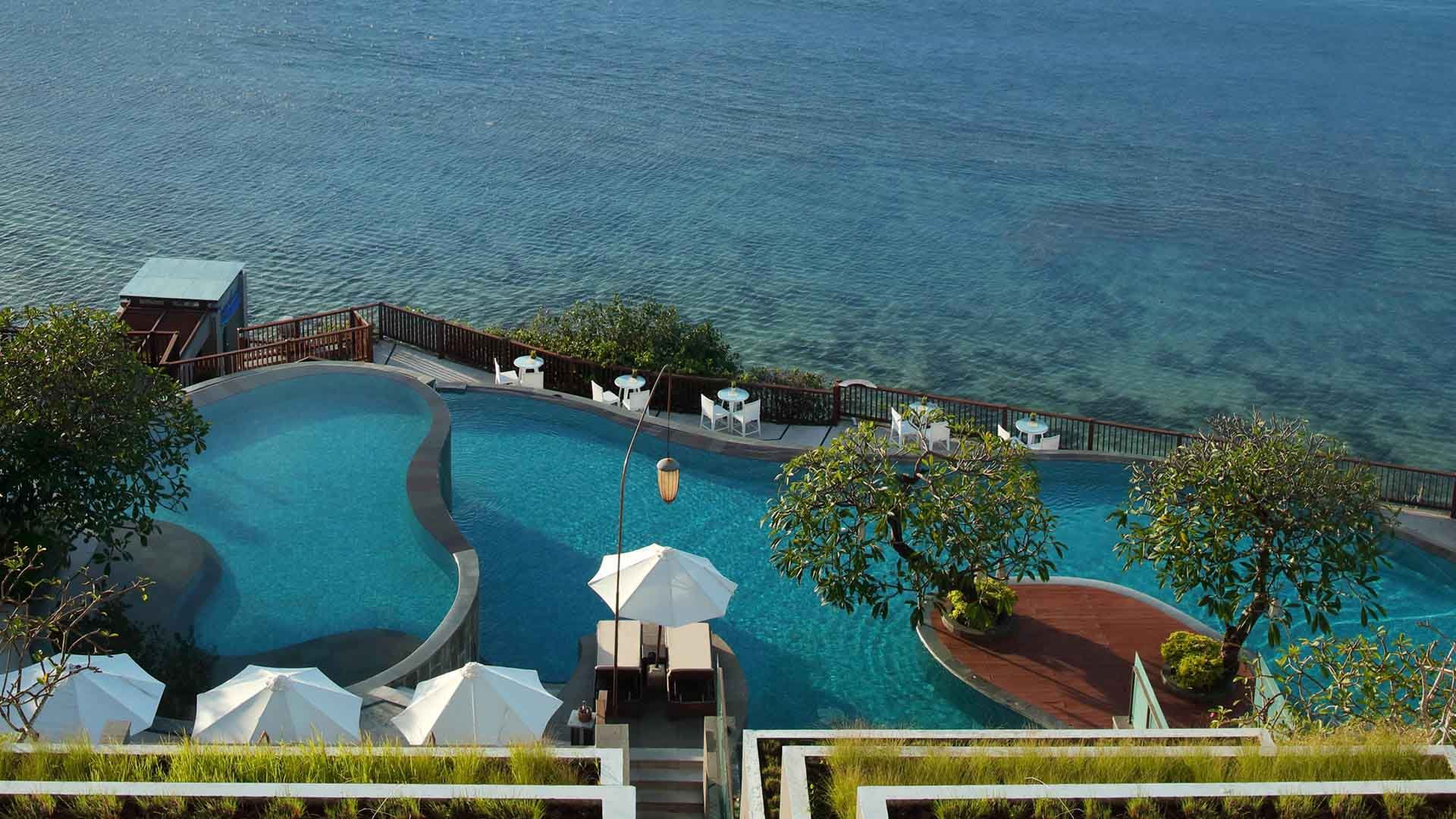
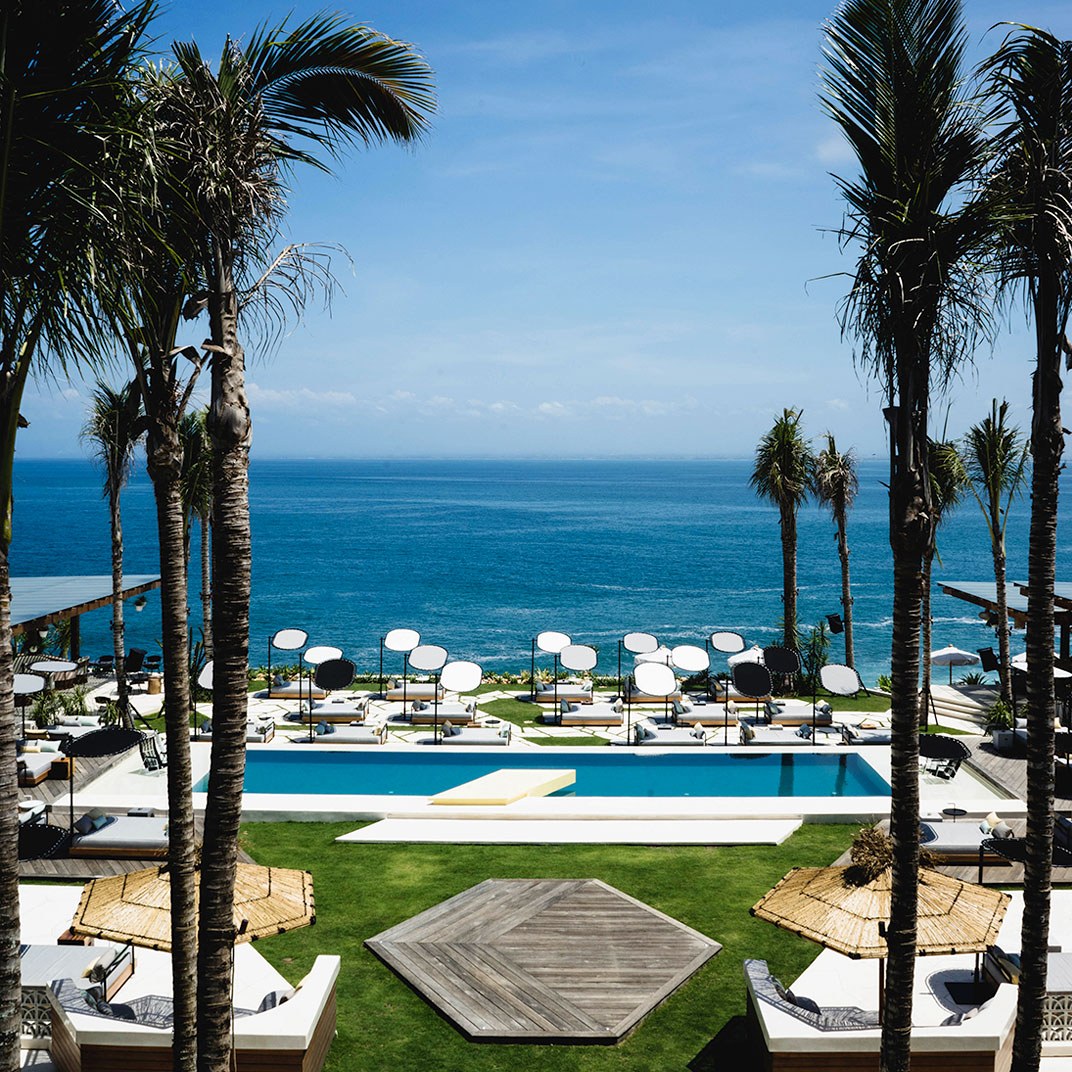
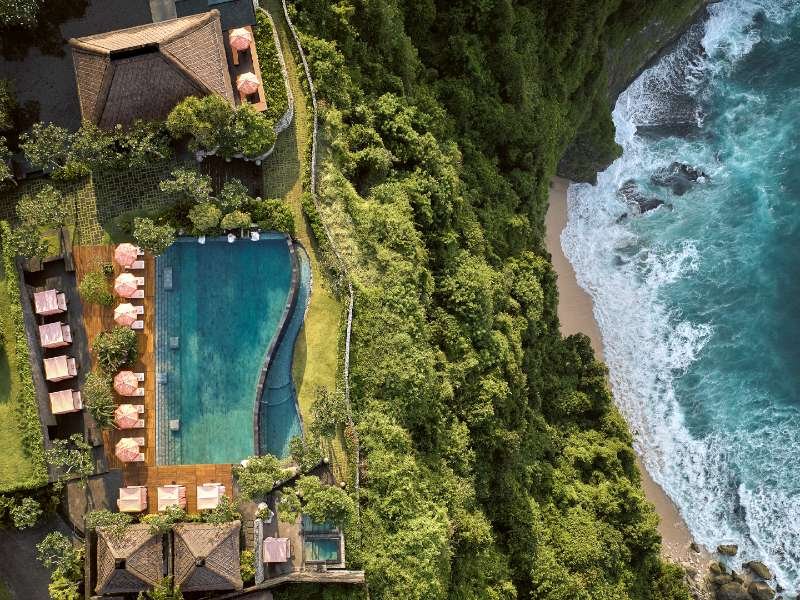
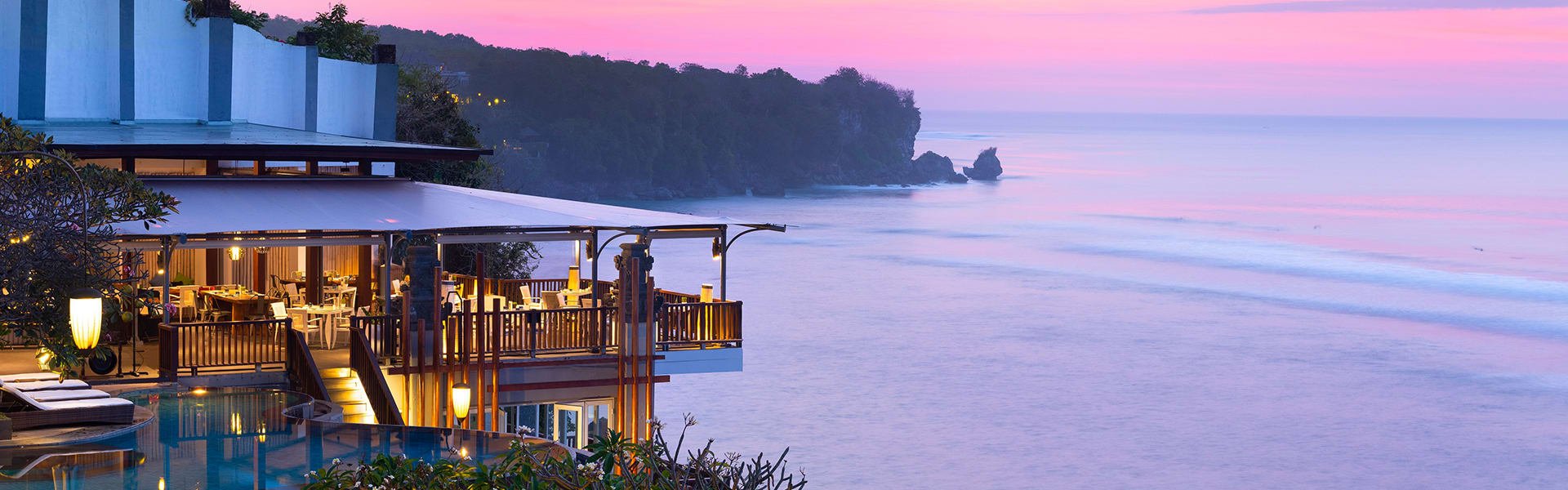
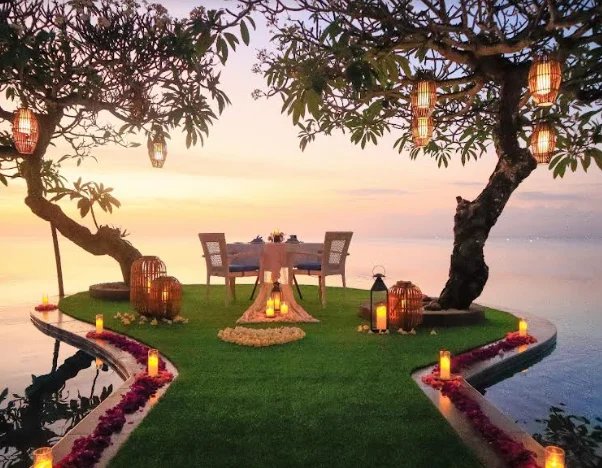
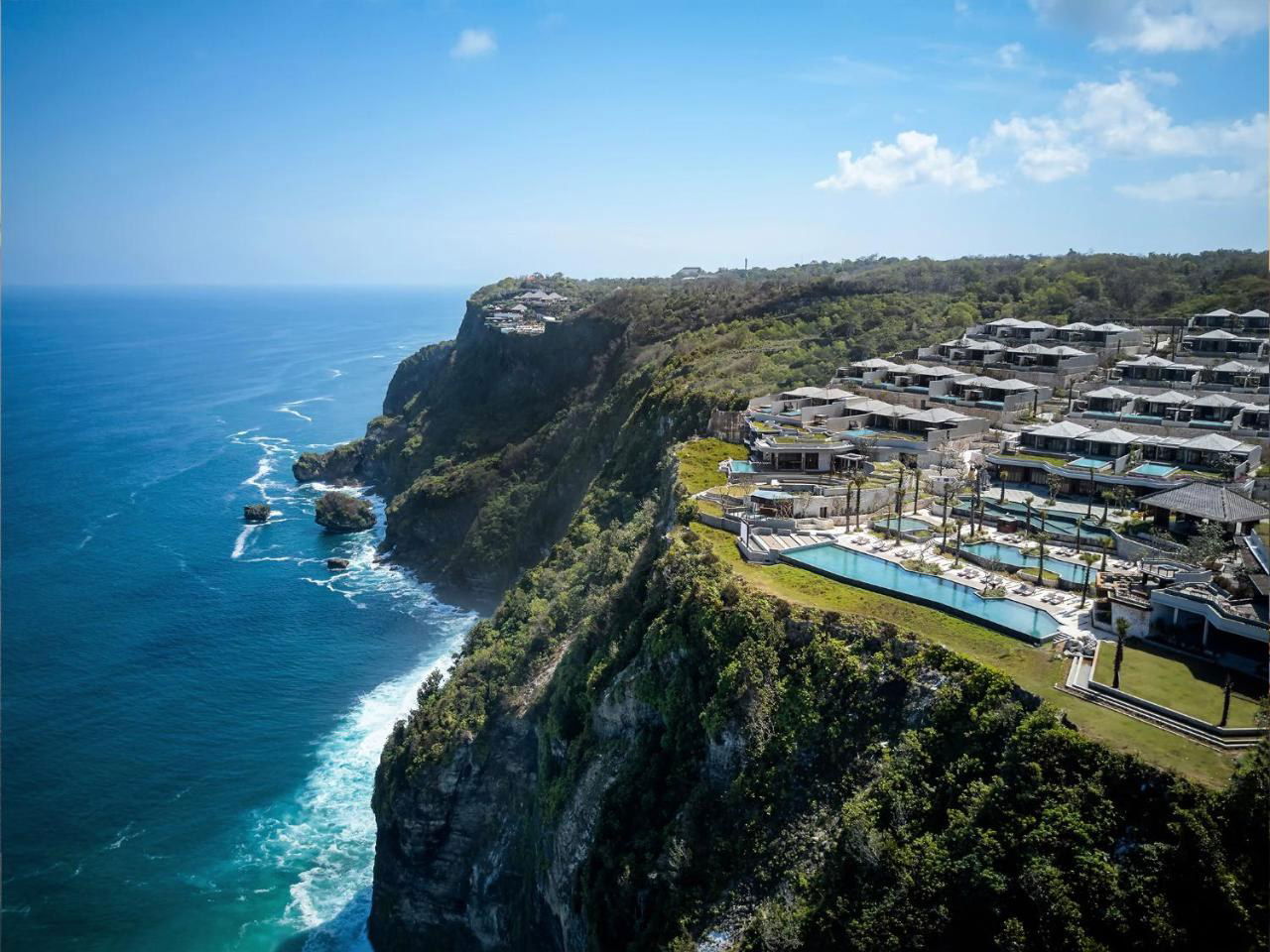
Six Senses Uluwatu positions architecture — not decoration — at the center of its identity. The resort treats the cliff edge as a generative design brief: structures step down the limestone escarpment, sightlines are preserved across villa clusters, and a material palette draws directly from bleached limestone and volcanic earth. That site-specific approach, paired with the brand's emphasis on wellness infrastructure, yields a calm, design-forward retreat. The overall effect is modern and composed rather than ornamental; guests experience an intentional, quietly luxurious aesthetic that foregrounds dramatic ocean panoramas and the natural character of the Bukit Peninsula.
Best For
This is a destination for travelers seeking cliff-edge seclusion with a strong design and wellness focus. It works especially well for honeymooners and couples on a romantic getaway who want dramatic Indian Ocean vistas and private villas, and for guests prioritizing a wellness-oriented stay. Families are also mentioned in the property's peer-set positioning, where generous villa layouts and preserved sightlines create distinct clusters of accommodation. The hotel appeals to design-minded travelers who value thoughtful architecture, unobstructed panoramas, and a tranquil, site-specific setting.
Venue details
Ambiance
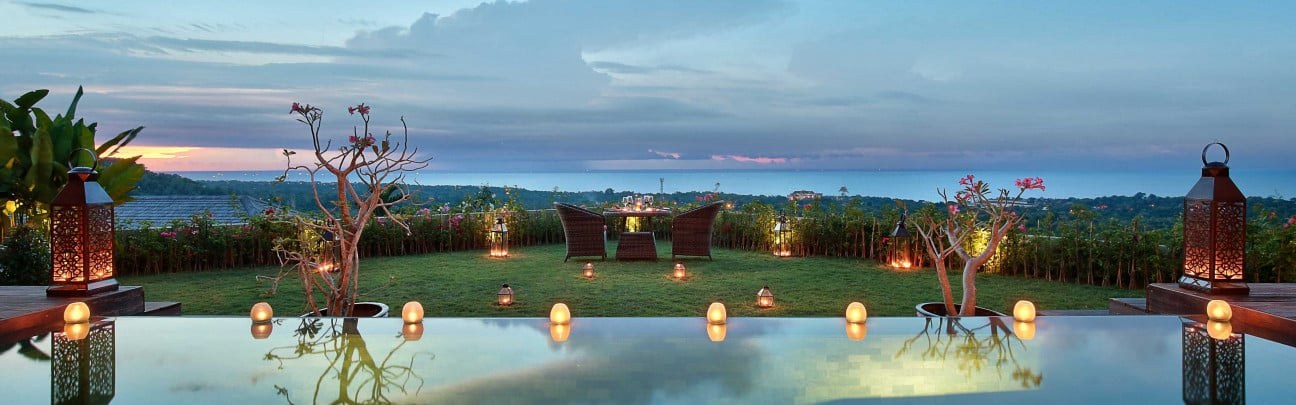
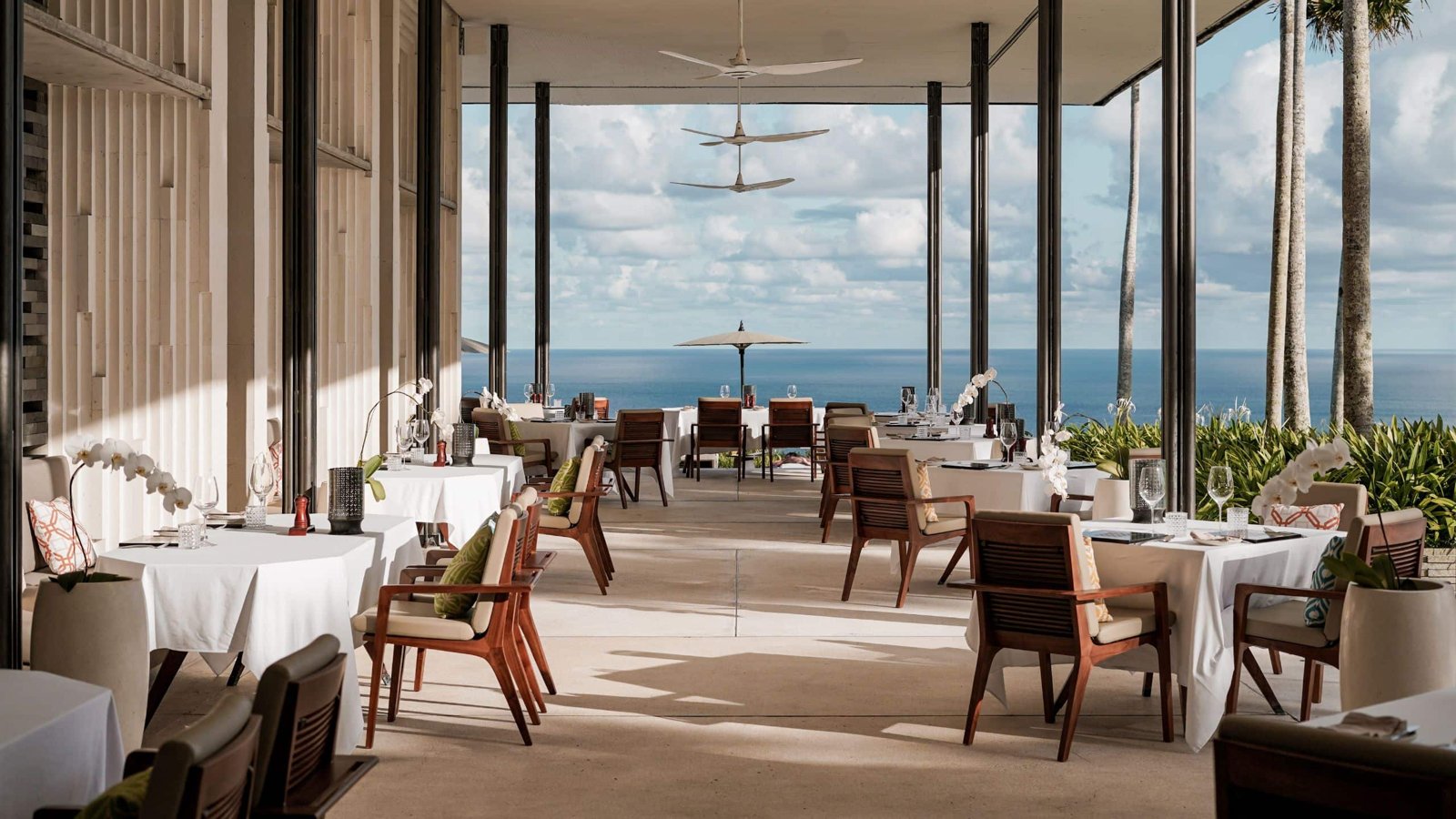
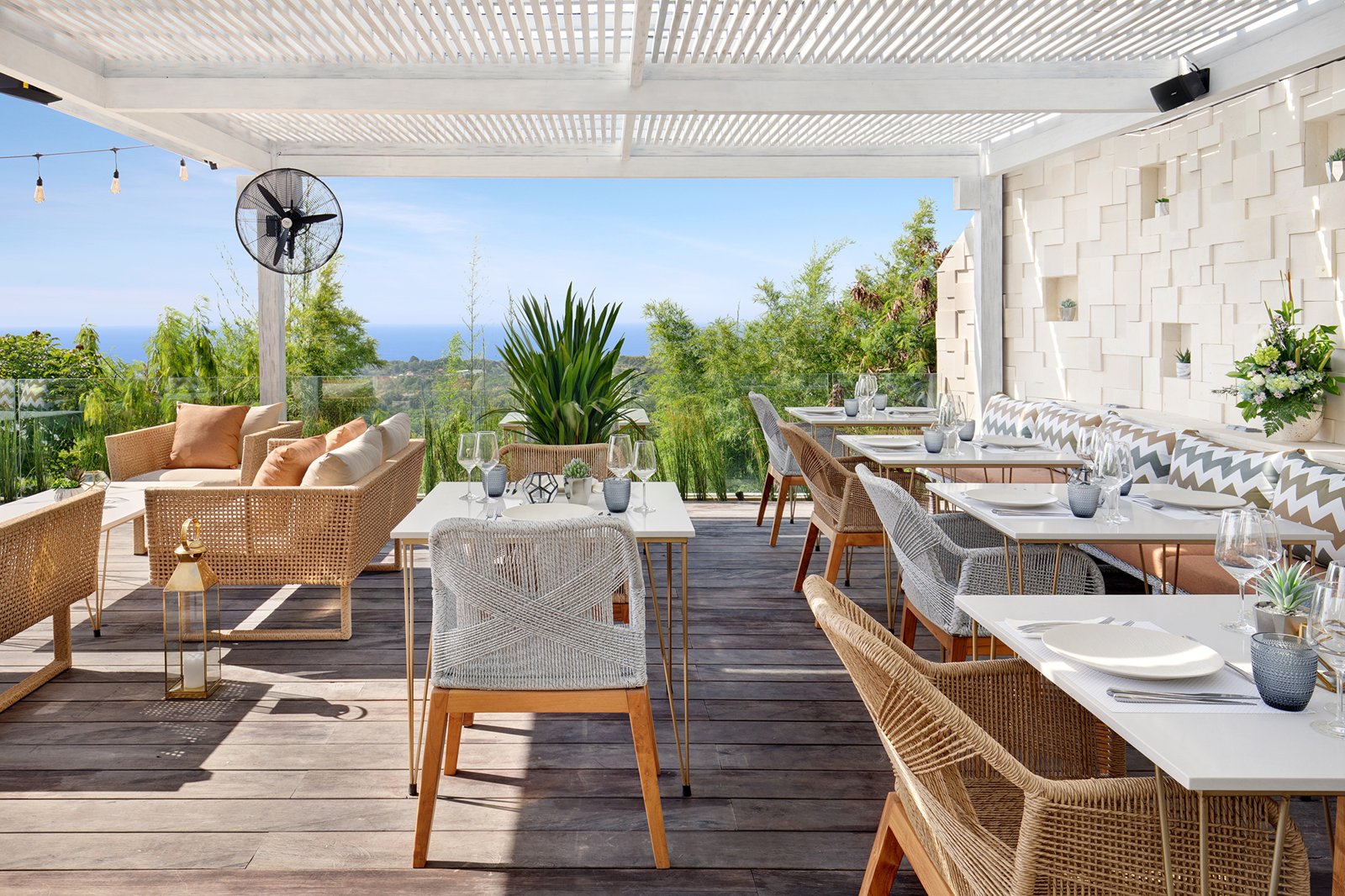
Serene and tranquil with natural light, lush landscaping, and uninterrupted ocean vistas from villas and public spaces.
Tags
Vibe
Best For
Experience
Amenities
View
About the Stay
- Rooms
- 103
- Property Style
- Cliffside Balinese Inspired Luxury Resort Integrated with Nature.
- Design Style
- Tropical Balinese Minimalist with Local Materials and Sustainable Elements.
Know before you go
Know Before You Go
- Getting there
- Jl. Penaga, Pecatu, Kec. Kuta Sel., Kabupaten Badung, Uluwatu, Indonesia
Planning details
Location
Jl. Penaga, Pecatu, Kec. Kuta Sel., Kabupaten Badung, Uluwatu, Indonesia · Directions
Recognition and awards
Explore Uluwatu
Around this place
Discover more on Pearl
Unlock the full Six Senses Uluwatu Bali guide in Pearl, including awards, comparisons, FAQs, planning details, and nearby places.
FAQ
Frequently Asked Questions
How is the pool and spa at Six Senses Uluwatu Bali?
Specific pool or spa details are not available. Six Senses Uluwatu Bali is listed in the MICHELIN Guide hotel selection for 2025, but guests should check the hotel directly for current facility details before booking.
How is the location of Six Senses Uluwatu Bali?
The location is Uluwatu. Travelers should use the hotel's official channels for exact arrival instructions and transport planning.
Is Six Senses Uluwatu Bali good for business travel?
Information regarding its suitability for business travel is not available. It is a MICHELIN Guide, Hotels Selected property in Uluwatu for 2025, but guests with work-related needs should confirm connectivity, meeting facilities, and travel times directly with the hotel.
How does Six Senses Uluwatu Bali compare to nearby hotels?
Its point of distinction is MICHELIN Guide, Hotels Selected recognition for 2025. Beyond that, detailed comparisons on facilities, price, dining, or service style are not available, so compare current official details before deciding.