

Britannia Hotel
city center, Trondheim
Hotel in Trondheim, Norway
 Book with Pearl
The Read
Arctic Grand Hotel Revival
Why go
Britannia Hotel is the right Trondheim pick if the trip calls for a polished city base with a serious comfort-and-wellness bias. Choose it over Norway's remote lodge hotels when convenience, central plans, and a more serviced stay matter more than scenery-first isolation.
About Britannia Hotel
For a return trip to Trondheim, the practical question is whether Britannia Hotel fits the kind of stay you want. Britannia Hotel has a smart casual dress code, holds a Michelin 1 Key in 2025, and is a Leading Hotels of the World member in 2025. Those are useful markers when you are sorting options, because they indicate a hotel with recognized standing rather than an anonymous place to sleep. Beyond those points, specific claims about rooms, services, dining, wellness facilities, prices, hours, or location details should be checked directly with the hotel before booking.
Britannia Hotel is a premium Trondheim hotel with recognized standing. In practice, that means treating the hotel as a credible candidate while keeping the finer points open until you have checked them yourself. If your decision depends on a particular service, room type, restaurant plan, or arrival arrangement, confirm it with the property instead of assuming it from the hotel's reputation.
Choose it for a recognized Trondheim hotel, not an unspecified lodge-style experience
Britannia Hotel is a Trondheim choice with 2025 recognition: Michelin 1 Key and Leading Hotels of the World membership. Those facts support considering it for travelers who want a more polished hotel context, while the smart casual dress code suggests a setting that is not ultra-casual. However, they do not replace the need to verify details that can shape the actual stay, such as a spa program, dining format, room count, pricing, service style, or specific neighborhood position.
If you are comparing distinctive hotel stays more broadly, keep the decision focused on the type of trip rather than assuming the same experience across properties. A recognized city hotel and a more landscape-led or lodge-like stay may answer very different travel needs, even when both sound appealing on a shortlist. Britannia Hotel is a Trondheim reference point; Juvet Landscape Hotel, Storfjord Hotel, Hotel Union Øye, Copperhill Mountain Lodge, and Hotel Brosundet are separate comparison points for different kinds of hotel planning. Confirm each property's current offering directly before treating it as a substitute.
How to use the stay on a second visit
Use Britannia Hotel when recognized standing and a Trondheim base matter more than chasing specific amenities. It is a stronger fit if you are comfortable booking from its known hotel credentials and then checking details directly, especially where a trip depends on particular services or arrangements. On a second visit, that can be a sensible approach: you may already know why you are returning to Trondheim, so the hotel decision becomes less about discovery and more about choosing a reliable, well-recognized setting. If your plans require confirmed amenities, menus, schedules, room layouts, or prices before committing, verify those details with the hotel first.
For planning around the stay, use our full Trondheim hotels guide, then build meals and evenings from our full Trondheim restaurants guide, our full Trondheim bars guide, our full Trondheim wineries guide, and our full Trondheim experiences guide. Those guides can help structure the parts of the trip that sit outside the hotel, while the hotel itself should still be checked for anything you expect it to provide. If comparing wider hotel stays, also scan Hotel Brosundet. Keep broader hotel comparisons separate from Trondheim-specific planning unless the property is actually part of your Trondheim itinerary.
Inside Britannia Hotel
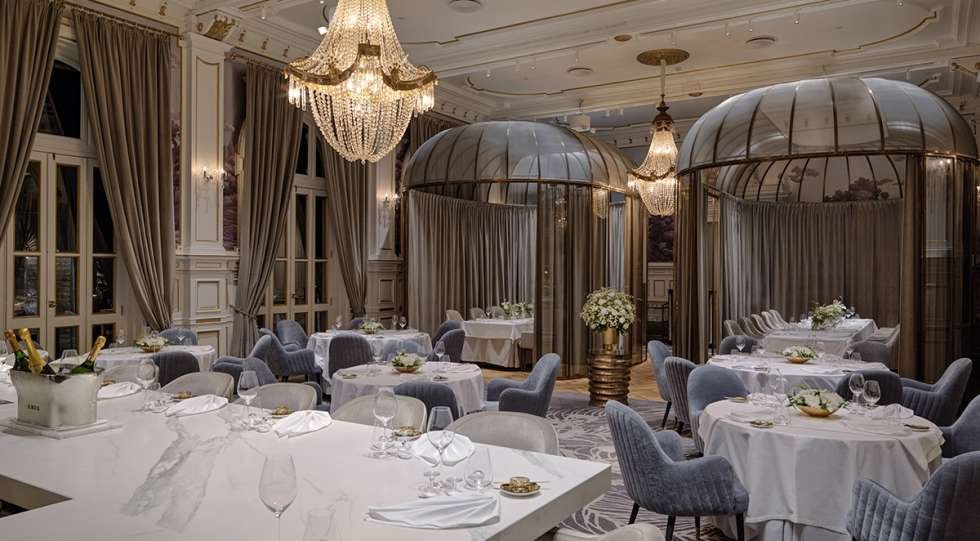 restaurantSpeilsalenSpeilsalen holds a Michelin star earned within ten months of opening, and operates inside Trondheim's Britannia Hotel with a contemporary Nordic menu that draws heavily from the cold-water harvests of the Norwegian coast. Chef Håkon Solbakk leads a kitchen that has maintained consistent recognition from Opinionated About Dining and Star Wine List across multiple consecutive years. Open Thursday through Saturday from 6pm.
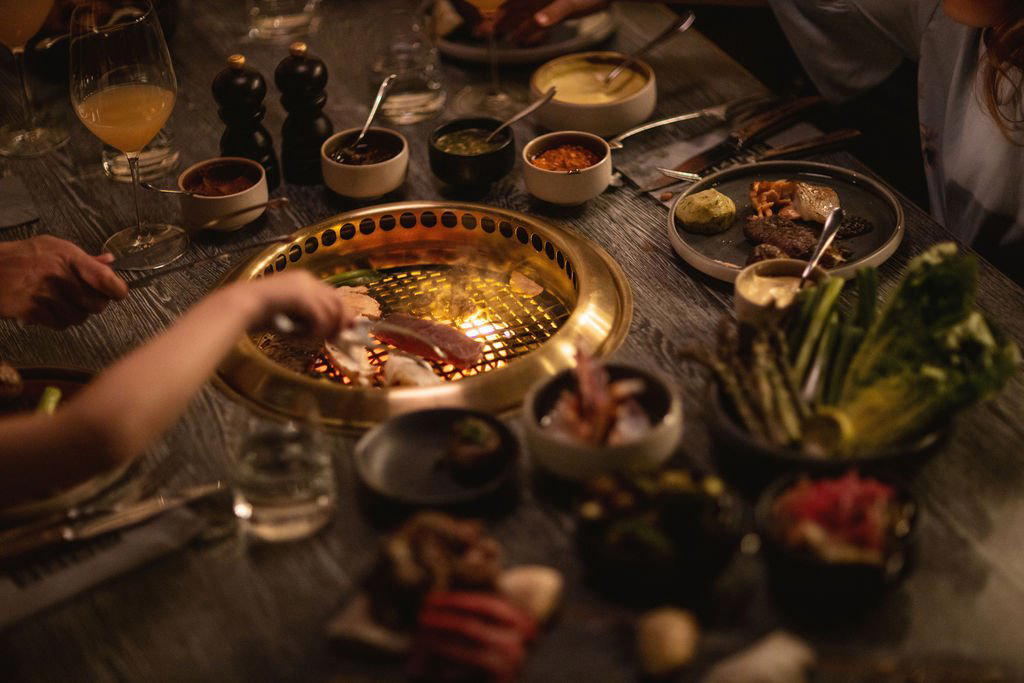 restaurantJonathan GrillJonathan Grill occupies a central address on Dronningens gate in Trondheim, positioning it within the city's evolving mid-to-upper dining tier. Trondheim's restaurant scene has developed serious range over the past decade, with Nordic ingredient sourcing as the connective thread across price points. Jonathan Grill sits in that broader current, drawing from the same region that supplies the city's most decorated tables.
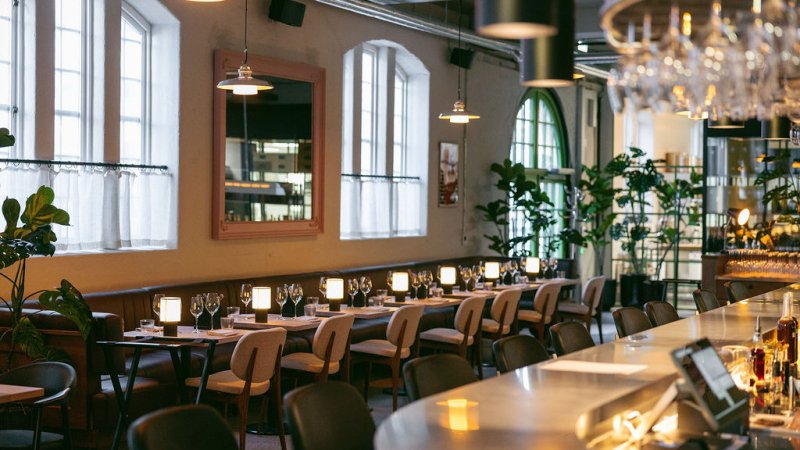
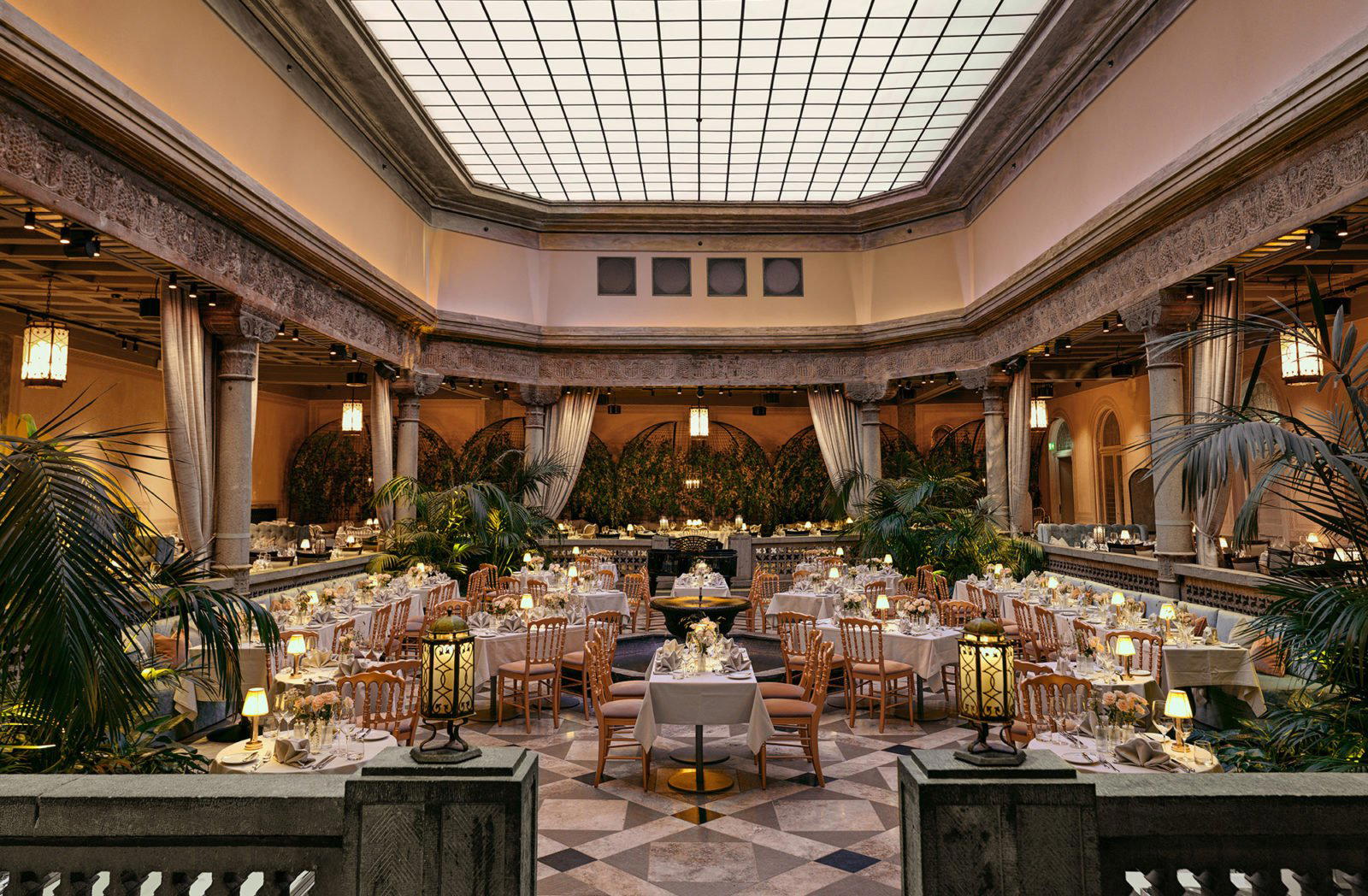 restaurantBritannia HotelBritannia Hotel runs a classic French brasserie with an open kitchen, a sommelier-led extensive wine list, and service that fits lunch, dinner, or brunch.
Planning details
- Location
- Dronningens gate 5, 7011 Trondheim
- Website
- britannia.no
- Phone
- +47 73 80 08 00
The take
The Take
The Vibe
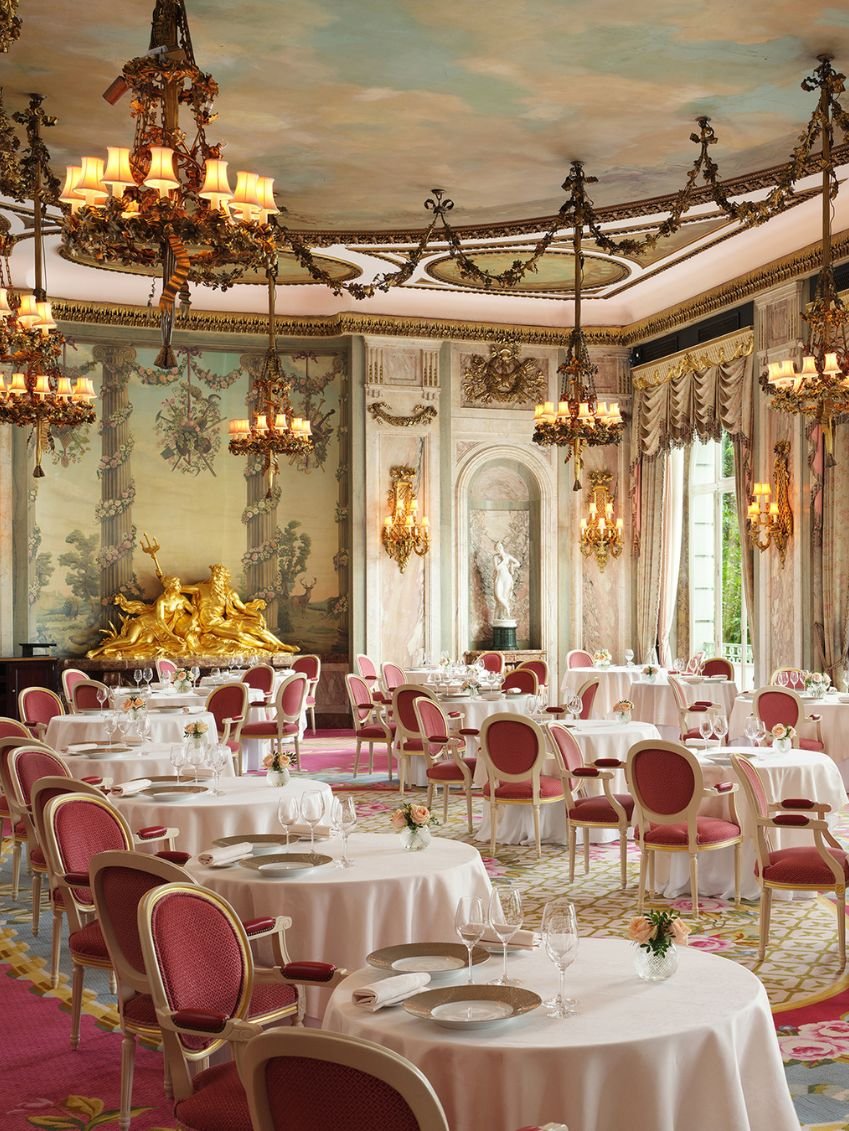
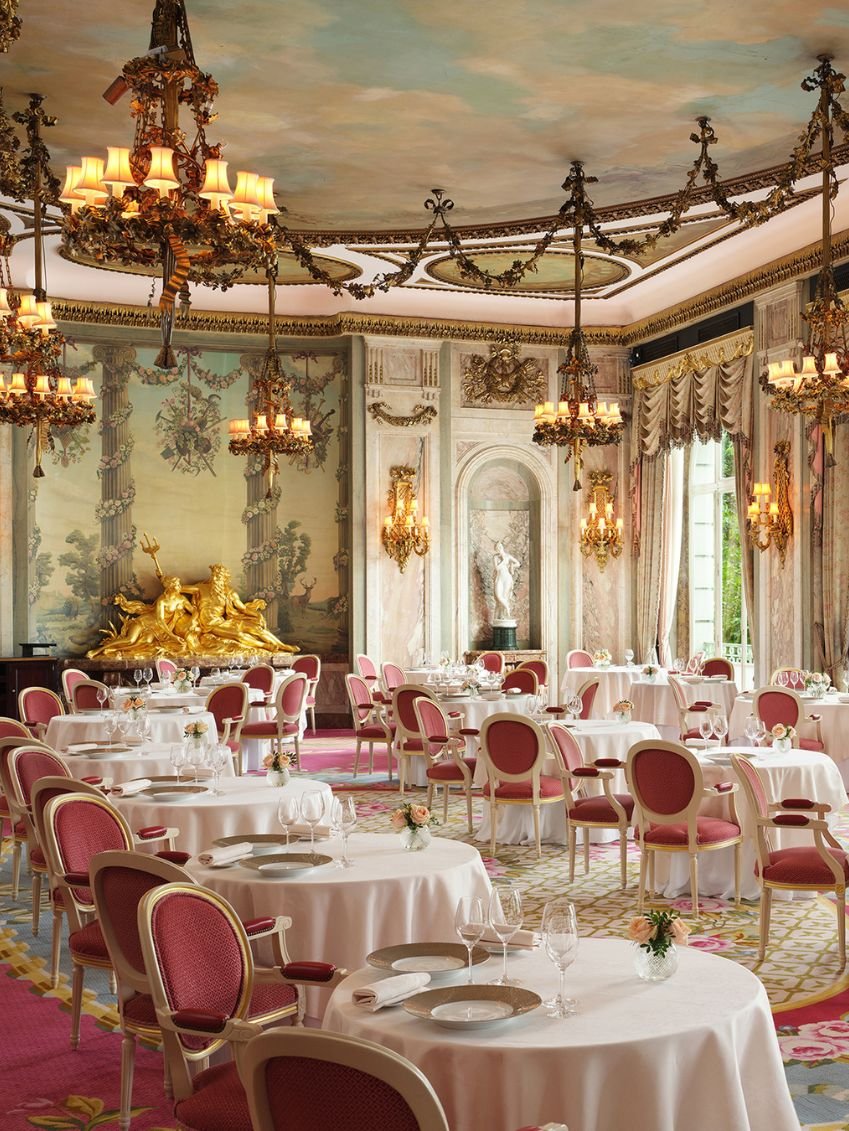
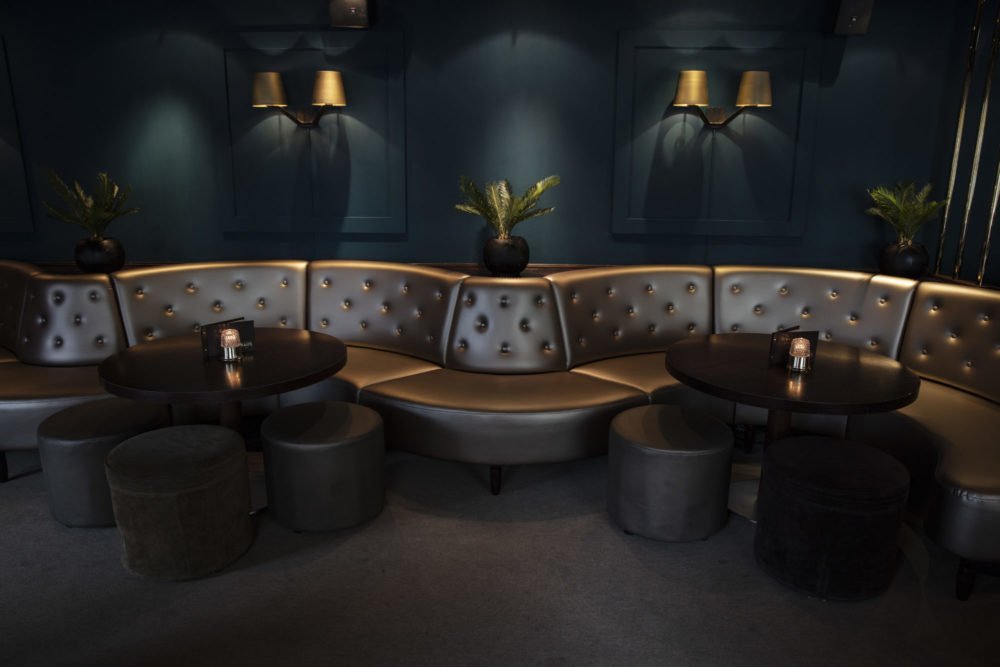
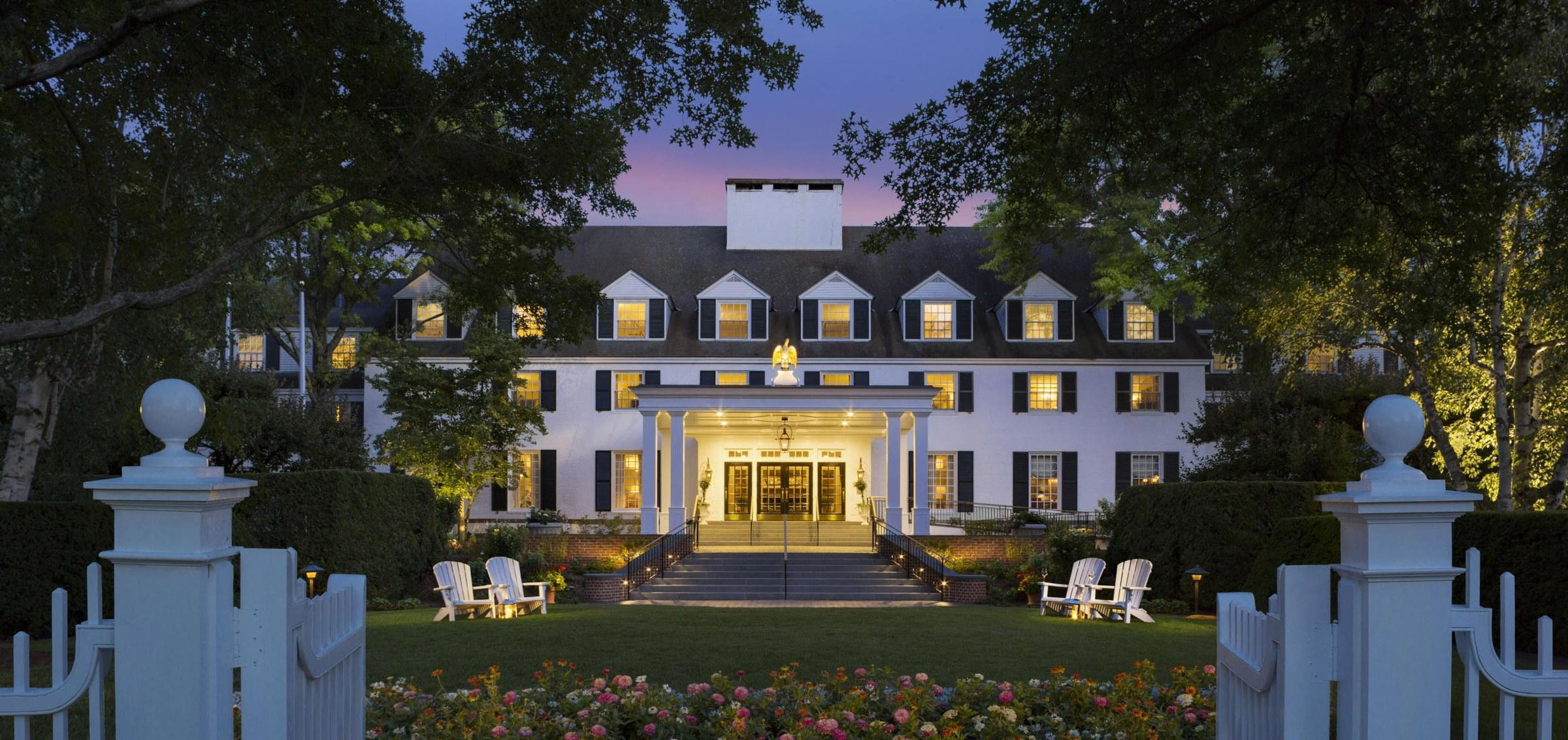
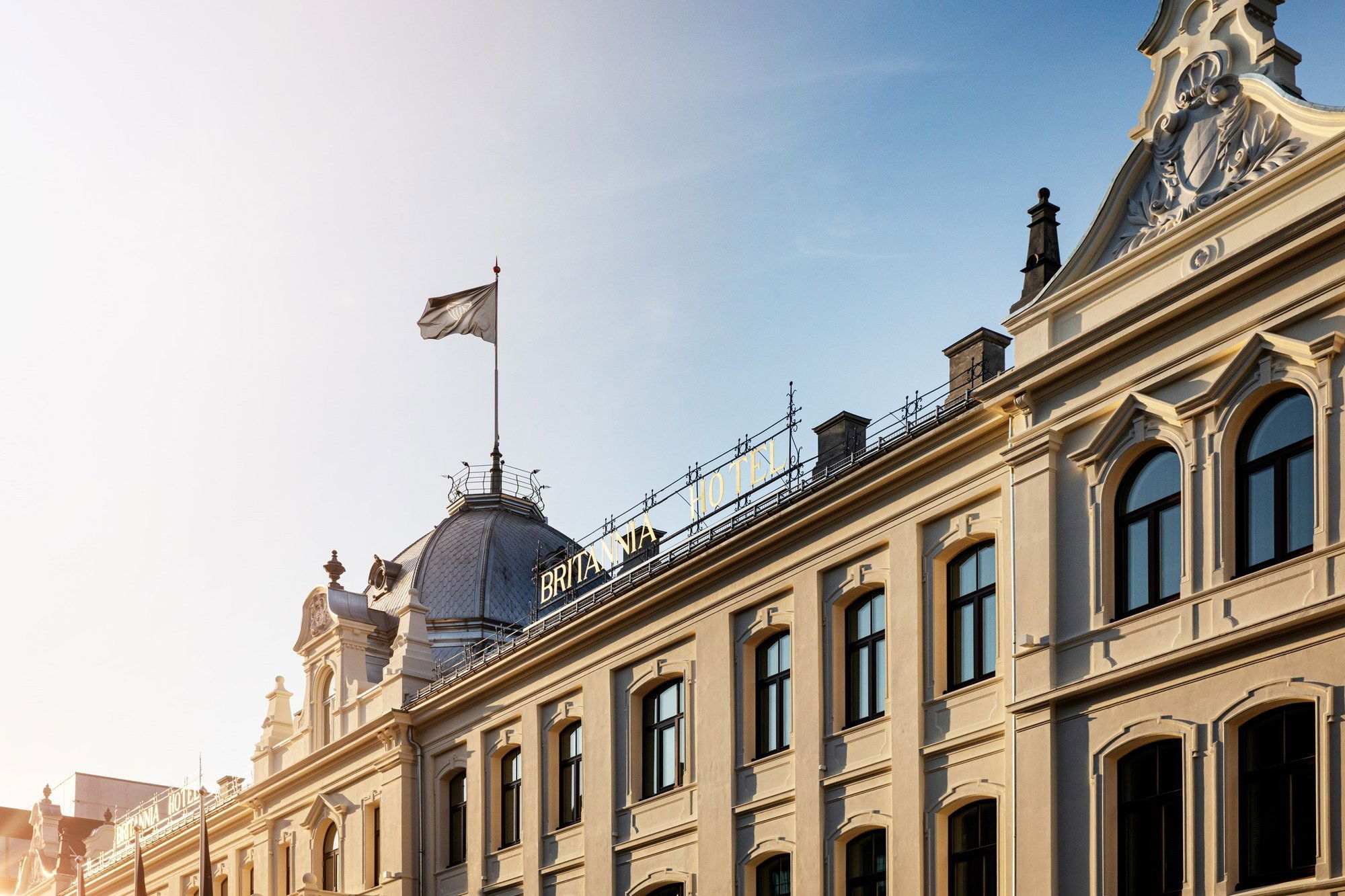
The Britannia reads as a richly historic, Victorian revival hotel that deliberately preserves the proportions and decorative language of its 19th-century origins while introducing contemporary comfort. Public rooms feel ornate without becoming cluttered; finishes and material weight signal a grand-hotel dignity that contrasts with the pared-back modernism commonly associated with Scandinavia. The renovation is attentive to legacy, carrying forward the building’s architectural spirit rather than erasing it, so guests encounter a layered interior experience: historically informed scale and circulation married to updated, current interiors that feel both surprising and comfortably familiar in central Trondheim.
Best For
The hotel is best for travelers who prize architectural character and a sense of occasion. Its central Trondheim address and Victorian grand-hotel scale make it an obvious pick for romantic getaways, anniversaries and business trips where refined public rooms and formal surroundings matter. Guests who appreciate design history and richly articulated interiors will find the Britannia especially rewarding; the renovation foregrounds original proportions and decorative grammar, so stays are as much about experiencing a restored historic setting as they are about contemporary comfort.
Stay Tips
If you’re booking at the Britannia, allow time to explore the hotel’s public rooms—they’re integral to the experience and showcase the property’s historic proportions and ornate detailing. When reserving, mention that you value historic character so you can be placed in a room that preserves the building’s original scale and decorative rhythm alongside modern amenities. Expect an environment that favors deliberate formality and take advantage of the central location in Trondheim to arrive with time to appreciate the architecture and interiors rather than rushing straight to other activities.
Venue details
Ambiance
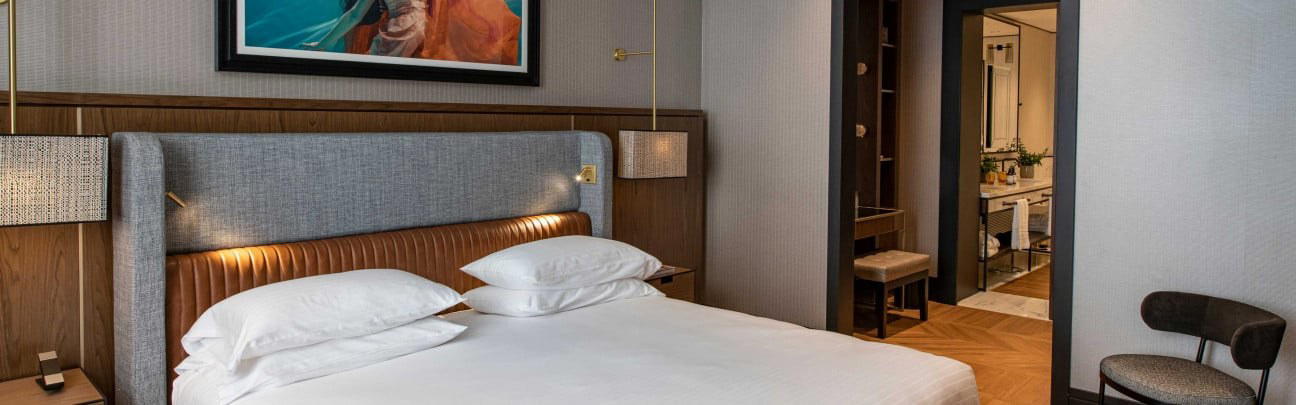
Sophisticated atmosphere blending classic elegance with modern luxury, featuring comfortable Hästens beds, Carrara marble bathrooms, and impeccable service.
Tags
Vibe
Best For
Experience
Amenities
Accessibility
About the Stay
- Rooms
- 224
- Check-in
- 15:00
- Check-out
- 12:00
- Property Style
- Classic British Style Luxury Hotel with Historic Charm Renovated in 2019
- Design Style
- Contemporary with 1890s Spirit, Featuring Hästens Beds and Carrara Marble Bathrooms
Know before you go
Know Before You Go
- Getting there
- Dronningens gate 5, 7011 Trondheim
Planning details
Location
Recognition and awards

Also consider
Also Consider
- Copperhill Mountain Lodge, Notable alternative
- Juvet Landscape Hotel, Notable alternative
- Storfjord Hotel, Notable alternative
- Hotel Union Øye, Notable alternative
- Hotel Brosundet, Notable alternative
Hotel context
How it compares
Britannia Hotel is the city-break choice in this set. Compared with Copperhill Mountain Lodge, Juvet Landscape Hotel, Storfjord Hotel, and Hotel Union Øye, it gives up the remote-lodge mood but wins on urban convenience. Book it when Trondheim itself is the point of the trip.
For ambiance, Juvet Landscape Hotel is the sharper pick for architecture and nature, while Storfjord Hotel and Hotel Union Øye suit travelers who want the stay to feel removed from daily life. Britannia Hotel is better for guests who want comfort without committing the whole itinerary to transfers and weather.
If the target is a coastal city-hotel alternative, Hotel Brosundet is the closest cross-shop in spirit. Choose Britannia Hotel for Trondheim access and a more formal city-hotel feel; choose Hotel Brosundet if Ålesund and the waterfront setting are driving the trip.
Explore Trondheim
Around this place
Discover more on Pearl
Unlock the full Britannia Hotel guide in Pearl, including awards, comparisons, FAQs, planning details, and nearby places.
Compare Britannia Hotel
| Venue | Location | Awards |
|---|---|---|
| Britannia Hotel | Trondheim | Leading Hotels of the World 20262026 Michelin 1 KeyMichelin 1 Key 20252025 Michelin 1 Key |
| Copperhill Mountain Lodge | Åre | No published awards |
| Juvet Landscape Hotel | Valldal | 2026 Michelin 1 Key2025 Michelin 1 Key |
| Storfjord Hotel | Glomset | 2026 Mr & Mrs Smith Luxury Hotels2026 Relais Chateaux Hotels2026 Michelin 2 Keys2025 Michelin 2 Keys2025 Relais Chateaux Award |
| Hotel Union Øye | Norangsfjorden | No published awards |
| Hotel Brosundet | Ålesund | 2026 Mr & Mrs Smith Luxury Hotels2026 Michelin 1 Key2025 Michelin 1 Key |



How Britannia Hotel Trondheim compares with similar nearby venues.
FAQ
Frequently Asked Questions
How is the location of Britannia Hotel?
Britannia Hotel is in Trondheim. Confirm the exact street address, neighborhood, or landmark-based location, and arrival details directly with the hotel before travel.
When is the best time to book Britannia Hotel?
If you want Britannia Hotel for specific Trondheim dates, especially when your plans are not flexible, check availability directly and book when the terms work for your trip.
How is the dining at Britannia Hotel?
Do loyalty programs work at Britannia Hotel?
Britannia Hotel is a Leading Hotels of the World member in 2025. Any specific loyalty benefits, booking channels, rates, or program rules should be confirmed through the hotel or the relevant program before you reserve.