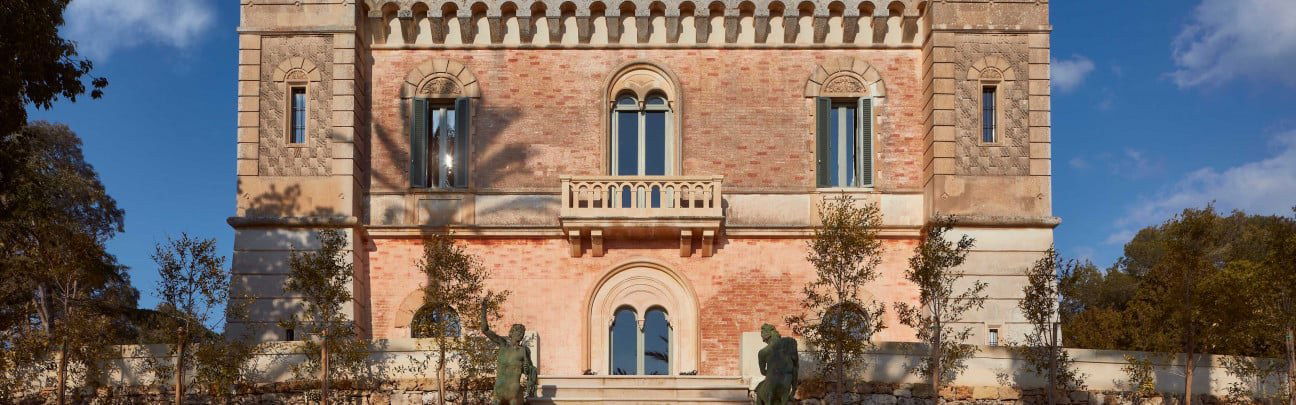

Castle Elvira
Trepuzzi
Hotel in Trepuzzi, Italy
 Book with Pearl
The Read
Pink-Render Salentine Seclusion
Why go
Book Castle Elvira if you want a quieter Trepuzzi base with vetted boutique-hotel credentials rather than a central-city stay. The value case depends on the final rate and inclusions, but Small Luxury Hotels of the World and Mr & Mrs Smith recognition make it a safer luxury pick than an unvetted independent stay.
About Castle Elvira
Castle Elvira is a Trepuzzi venue with two third-party recognition signals: Small Luxury Hotels of the World Member (2025) and Mr & Mrs Smith Seal of Approval (2026). With a smart casual dress code, travelers should confirm current room options, inclusions, arrival arrangements, and any on-site services directly before booking.
The strongest reason to shortlist Castle Elvira is its positioning within recognized hospitality collections. That should not, by itself, be read as a promise of a specific dining format, price level, room count, amenity list, or service style. Treat Castle Elvira as a Trepuzzi option worth investigating further before committing.
A Trepuzzi base for guests who value third-party recognition
The case for considering Castle Elvira rests on its recognition: Small Luxury Hotels of the World Member (2025) and Mr & Mrs Smith Seal of Approval (2026). Those signals may help reduce uncertainty for guests comparing stays, but they should not be read as confirmation of specific facilities, menus, rates, or booking conditions.
If you are comparing Castle Elvira with other named options such as Chiostro dei Domenicani - Dimora Storica, La Fiermontina Luxury Home, La Fiermontina Palazzo Bozzi Corso, Palazzo Maresgallo Suites & SPA, or Patria Palace, keep the comparison focused on current booking information. Castle Elvira is the Trepuzzi option in that set; confirm the practical differences directly before deciding.
Know Before You Go
- Location: Trepuzzi.
- Dress code: Smart casual.
- Recognition: Small Luxury Hotels of the World Member (2025); Mr & Mrs Smith Seal of Approval (2026).
- Price check: Compare the final room total and inclusions before booking.
- Dining: If dining matters to your stay, ask Castle Elvira about the current cuisine, restaurant format, and menu details before booking.
For wider planning, use current booking information and confirm meals, drinks, wine stops, and activities directly before travel. For a broader comparison set, you can also look at Castle Elvira alongside Chiostro dei Domenicani - Dimora Storica, La Fiermontina Luxury Home, La Fiermontina Palazzo Bozzi Corso, Palazzo Maresgallo Suites & SPA, and Patria Palace.
Planning details
- Location
- Via Andrano, 73019 Trepuzzi LE
- Website
- castleelvira.com
- Phone
- +39 375 551 1892
The take
The Take
The Vibe
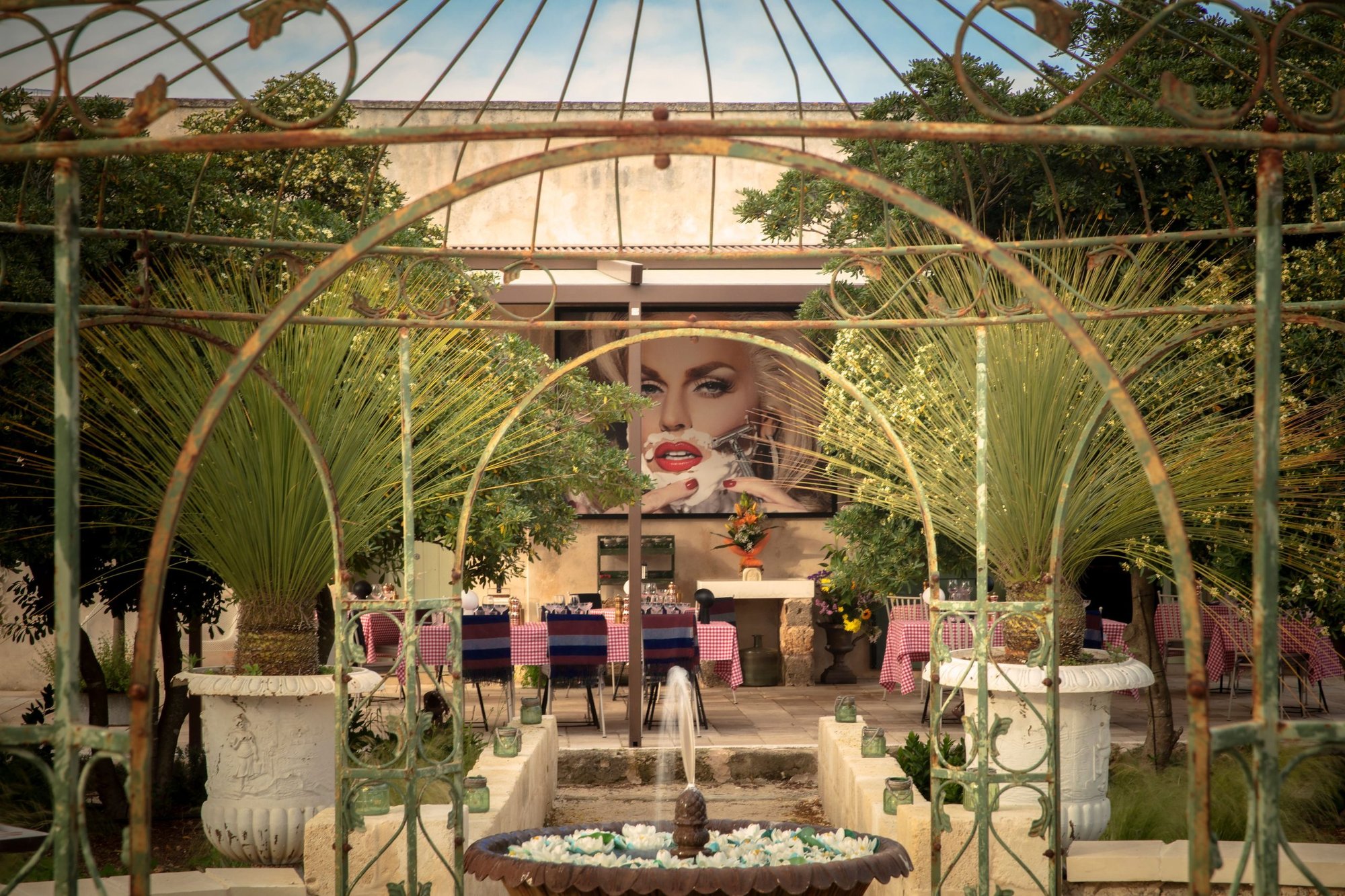
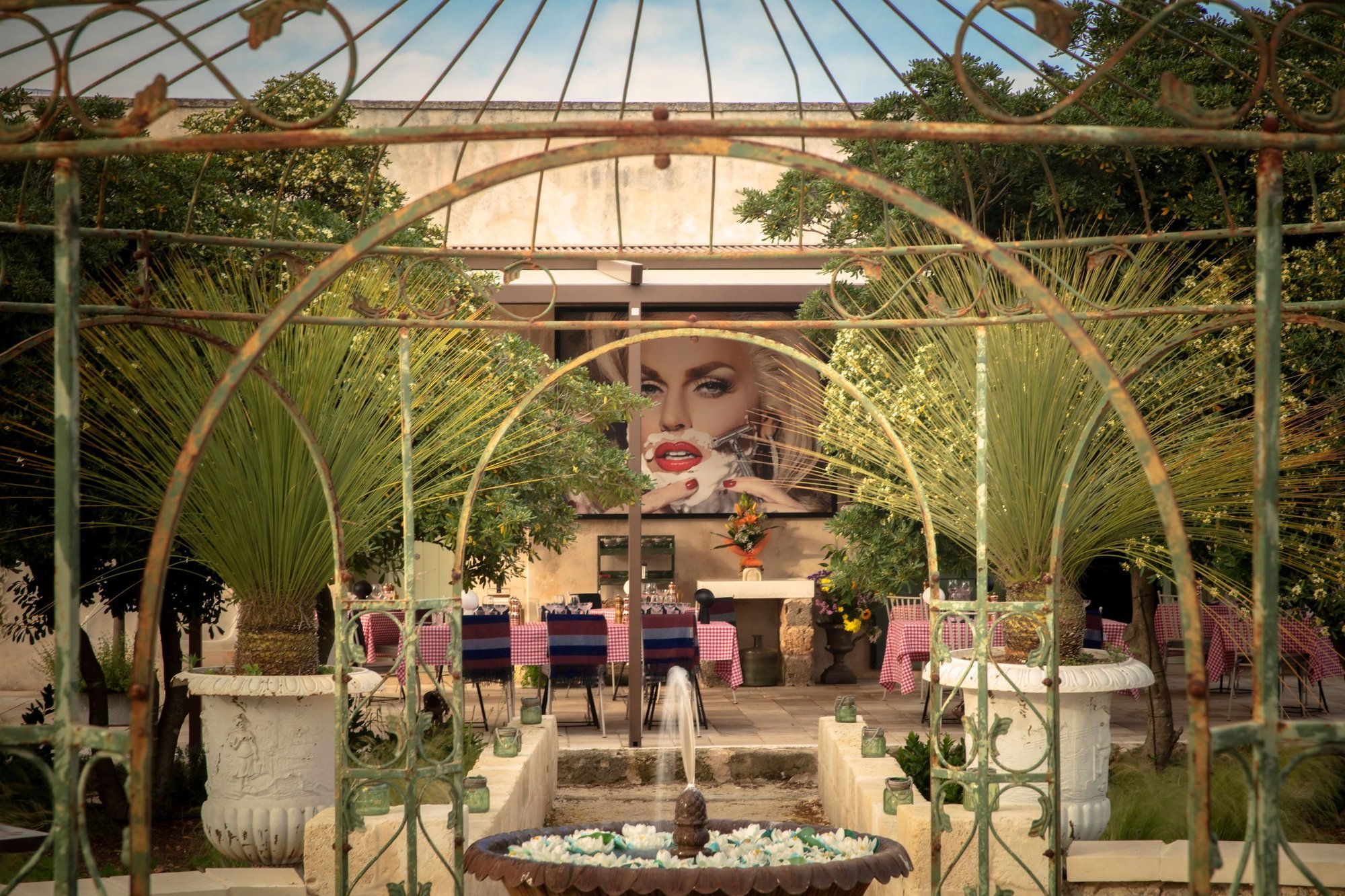
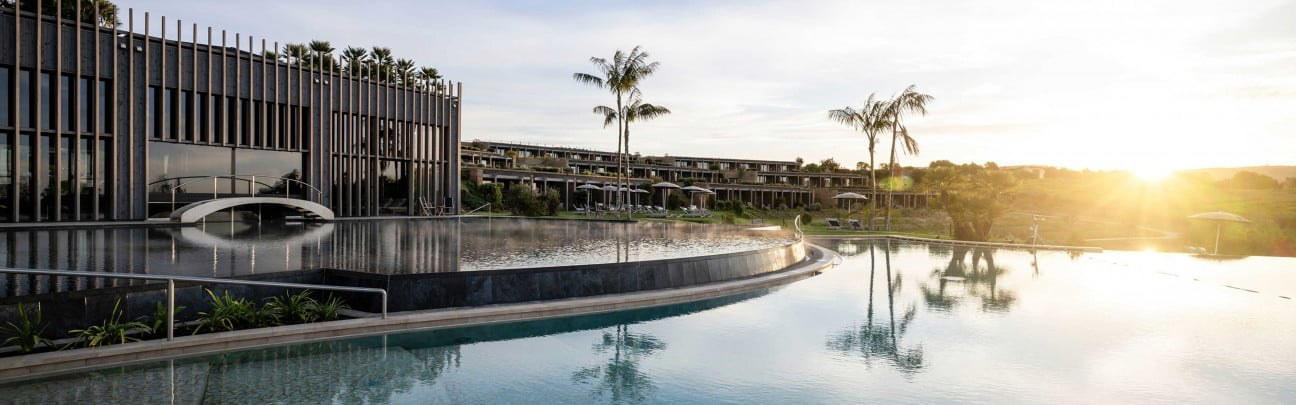
Castle Elvira presents as a deliberately composed, small-scale castello: a pale-rose rendered castle rising from woodland against a canopy of olive trees. The restoration treats historic fabric as a stage for controlled contrast, so the place reads as both historically rooted and thoughtfully edited. With a handful of rooms and an owner-operated pace, the atmosphere is quietly intimate and picture-book charming rather than grandiose resort opulence. The setting on flat Salento plains and surrounding olive groves reinforces a serene, rural sensibility—a restful hideaway that foregrounds design restraint and private seclusion.
Best For
Castle Elvira suits travelers seeking an intimate, design-minded countryside stay. The handful-of-rooms format and woodland setting make it ideal for couples and small parties who value privacy, thoughtful architecture, and a tranquil pace. Guests looking for a quietly romantic escape or a restorative weekend in the Salento countryside will find the property especially fitting; it is positioned as a small, owner-operated castello rather than a full-scale resort, so the experience skews toward personalized quiet stays and uninterrupted time on the grounds.
Stay Tips
Book well in advance and expect a deliberately limited capacity: the "handful-of-rooms" model and the property's emphasis on limited access mean availability is constrained. Mention preferences for privacy and any mobility or arrival details when booking, as the approach runs along rural agricultural roads and the site sits within woodland and olive groves. Because the hotel operates on an intimate, owner-run scale, confirm check-in logistics and any on-site services directly with management to ensure a smooth, tailored arrival and stay.
Venue details
Ambiance
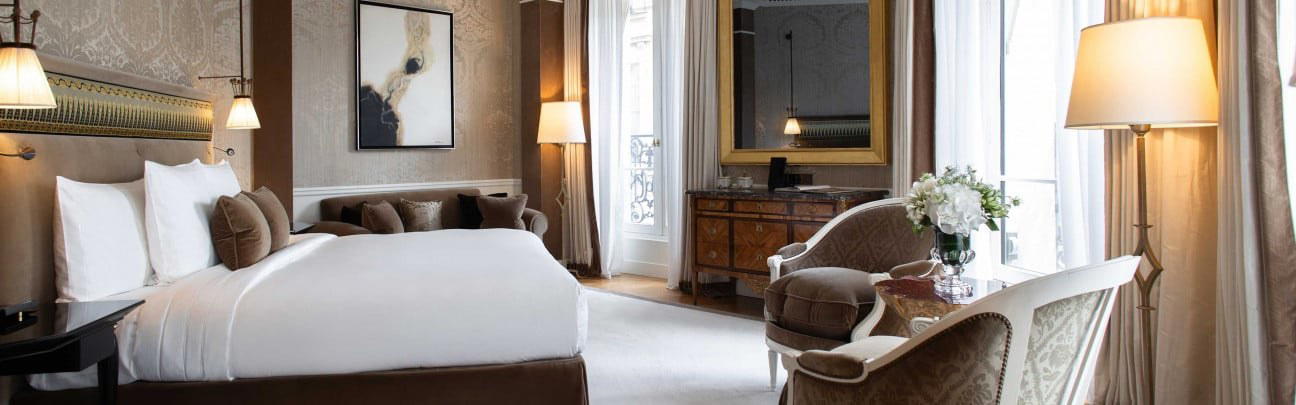
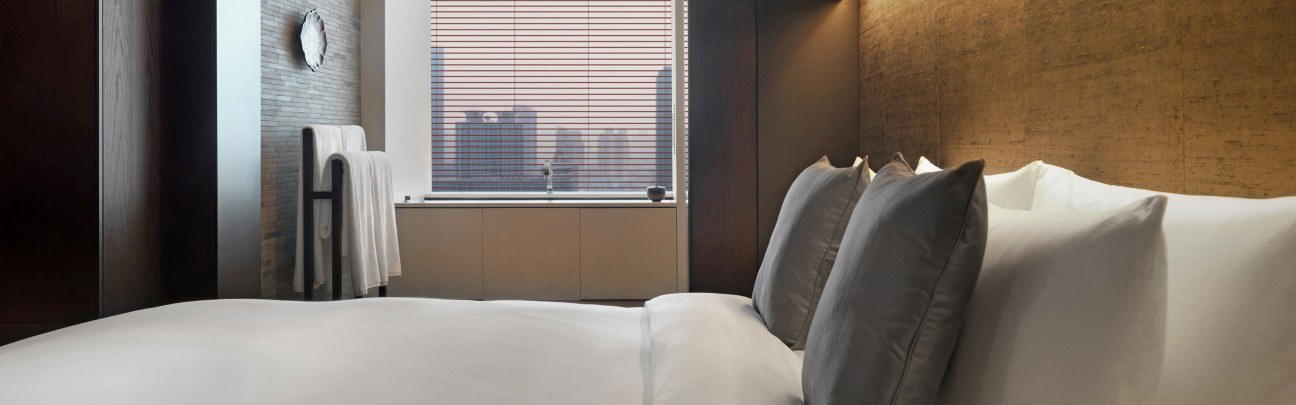
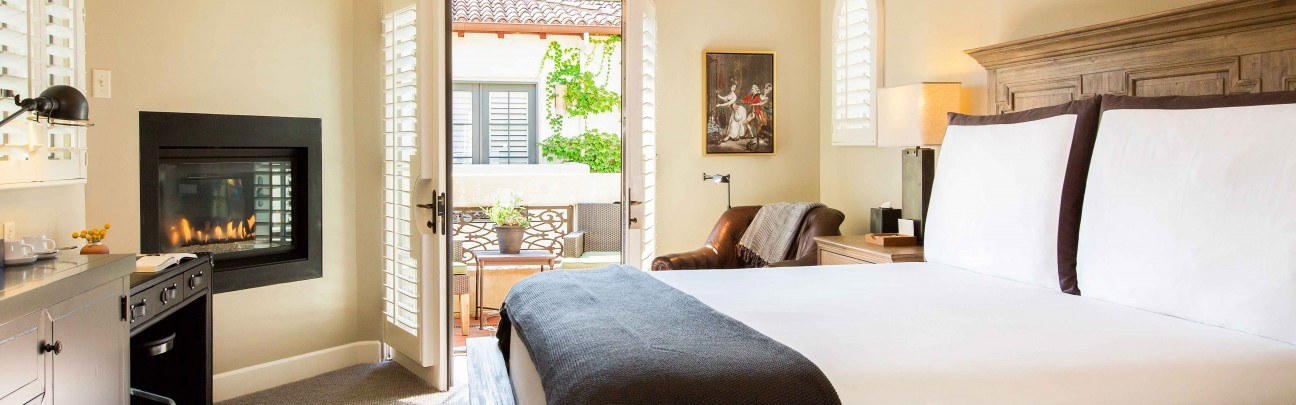
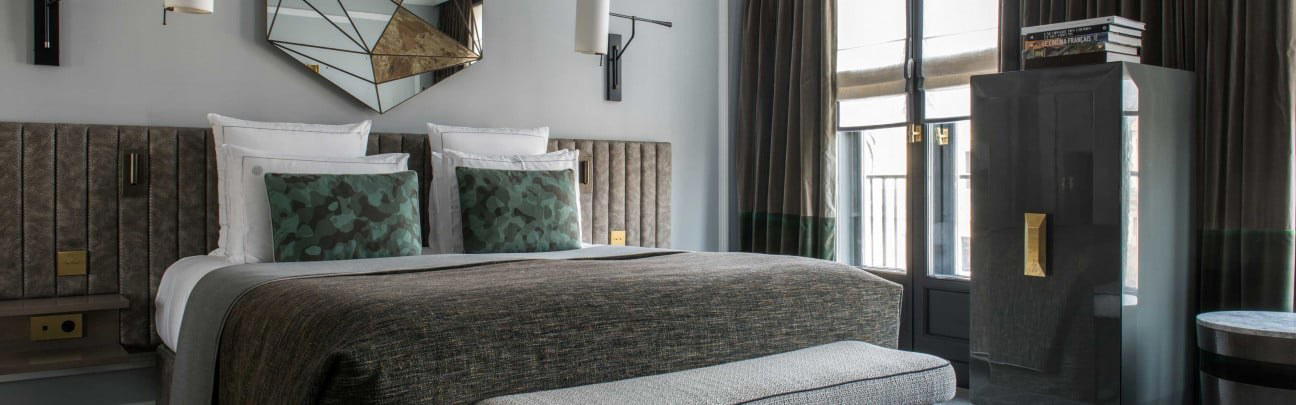
Warm and refined with high ceilings, plush lounges, fireplaces, eclectic furnishings, and serene garden pool areas.
Tags
Vibe
Best For
Experience
Amenities
View
Accessibility
About the Stay
- Rooms
- 9
- Check-in
- 15:00
- Check-out
- 11:00
- Property Type
- Heritage hotel
- Property Style
- Restored 19th Century Castle Estate with Medieval Tower, Masseria, and Cottage on 37 Acres of Gardens and Groves.
- Design Style
- Eclectic 20th Century Design with Modern Glamour, Original Features, Art Pieces, and State of the Art Technology.
- Breakfast
- Included
- Pool
- Yes
- Spa
- Yes
- Pets
- Allowed
- Families
- Welcome
Know before you go
Know Before You Go
- Getting there
- Via Andrano, 73019 Trepuzzi LE
Planning details
Location
Recognition and awards

Also consider
Also Consider
- La Fiermontina Luxury Home, Notable alternative
- Chiostro dei Domenicani - Dimora Storica, Notable alternative
- La Fiermontina Palazzo Bozzi Corso, Notable alternative
- Patria Palace, Notable alternative
- Palazzo Maresgallo Suites & SPA, Notable alternative
Hotel context
How It Compares
Choose Castle Elvira if the priority is a quieter Salento base with boutique-hotel recognition and easier booking. La Fiermontina Luxury Home and La Fiermontina Palazzo Bozzi Corso are better fits for travelers who want a more city-centered Lecce stay, while Castle Elvira makes more sense when privacy and property character matter more than being in the middle of the action.
Chiostro dei Domenicani - Dimora Storica is the closer cross-shop for historic atmosphere, especially if the trip needs a stronger in-town hotel feel. Patria Palace is the practical alternative for guests who want established city-hotel convenience. For a more suite-and-spa-led brief, compare final pricing with Palazzo Maresgallo Suites & SPA before committing.
On value, the decision is simple: Castle Elvira is the pick when the rate buys a calm base and attentive small-property service. If walkability, business convenience, or a denser restaurant plan matters more, the Lecce peers are safer. If availability is the issue, Castle Elvira's easier booking profile makes it a useful alternative without dropping out of the luxury-boutique category.
Explore Trepuzzi
Around this place
Discover more on Pearl
Unlock the full Castle Elvira guide in Pearl, including awards, comparisons, FAQs, planning details, and nearby places.
Compare Castle Elvira
| Venue | Location | Awards |
|---|---|---|
| Castle Elvira | Trepuzzi | 2026 Mr & Mrs Smith Luxury HotelsSmall Luxury Hotels Member 2025 |
| La Fiermontina Luxury Home | Lecce | 2026 Mr & Mrs Smith Luxury Hotels2026 Michelin 1 Key2025 Michelin 1 Key |
| Chiostro dei Domenicani - Dimora Storica | Lecce | No published awards |
| La Fiermontina Palazzo Bozzi Corso | Lecce | 2026 Mr & Mrs Smith Luxury Hotels2026 La Liste Top Hotels2026 Michelin 2 Keys2025 Michelin 2 Keys2024 Michelin 1 Key |
| Patria Palace | Lecce | Leading Hotels of the World 20262026 Michelin 1 Key2025 Michelin 1 Key |
| Palazzo Maresgallo Suites & SPA | Lecce | No published awards |





How Castle Elvira Trepuzzi compares with similar nearby venues.
FAQ
Frequently Asked Questions
Which room category is best at Castle Elvira?
Choose based on the current room descriptions, inclusions, and cancellation terms provided at booking, and confirm any space or privacy needs directly with Castle Elvira.
What is check-in like at Castle Elvira?
Confirm the current check-in hours and arrival process directly with Castle Elvira before travel, especially if you expect a late arrival or need assistance with timing.
How is the location of Castle Elvira?
Castle Elvira is in Trepuzzi. If location is central to your decision, compare the current booking details with other options such as La Fiermontina Palazzo Bozzi Corso or Chiostro dei Domenicani - Dimora Storica without assuming the same setting or travel logistics.
How is the dining at Castle Elvira?
If food is a major reason for booking, confirm the current cuisine, restaurant format, menu, and dining schedule directly with Castle Elvira and plan other meals in Trepuzzi as needed.
Is Castle Elvira family-friendly?
Ask Castle Elvira directly about current arrangements for children, extra beds, room configurations, family-specific facilities, and any age-related policies before booking.
How does Castle Elvira compare to other hotels?
Castle Elvira has recognition as a Small Luxury Hotels of the World Member (2025) and a Mr & Mrs Smith Seal of Approval (2026). For a fair comparison with La Fiermontina Luxury Home, Patria Palace, Palazzo Maresgallo Suites & SPA, or other named options, check current rates, inclusions, location needs, and booking terms directly.
Is Castle Elvira good for business travel?
For a work trip, ask Castle Elvira directly about business-travel needs such as desk setup, meeting space, transport support, and late-arrival procedures before booking.