
Makepeace Island
Noosa, Tewantin
Hotel in Tewantin, Australia
 Book with Pearl
The Read
Price
$300–500per night
Why go
Makepeace Island is worth considering if the trip calls for privacy, quiet, and a self-contained Sunshine Coast retreat rather than a conventional resort stay. Its current Virtuoso Luxury Hotel Partner recognition is the key trust signal; compare carefully if spa programming, city access, or business logistics matter more than seclusion.
About Makepeace Island
Makepeace Island is a venue in Tewantin with Virtuoso Luxury Hotel Partner (2026) recognition. Beyond that, this guide focuses on the details that are clearly established, without making claims about room types, dining, amenities, service style, prices, or access details that are not confirmed.
Use this page as a starting point when comparing Makepeace Island with other stays. Focus on the Tewantin location and the Virtuoso Luxury Hotel Partner (2026) recognition, then check the venue directly for current accommodation, arrival, dining, and booking details.
Choose it for recognition, not an assumed resort checklist
The clearest signal is the Virtuoso Luxury Hotel Partner (2026) listing. That can make Makepeace Island worth considering for travellers who value that type of luxury-travel recognition, but there is not enough detail here to support specific claims about amenities, dining, room categories, wellness facilities, or guest services.
Before booking, confirm the practical details that matter for your trip with the venue directly. The available record does not provide enough detail to describe a full resort checklist, meal programme, transport process, or on-site experience.
Who should skip it
Travellers who need detailed, pre-confirmed information on facilities, dining, room types, or business services should be careful until those details are confirmed directly with Makepeace Island. For a broader Australia hotel scan, compare The Calile.
Planning details
- Location
- Lot 55 The Northshore, Queensland
The take
The Take
The Vibe
Makepeace Island reads as a quietly sophisticated private retreat. The property is exclusively reserved for one group at a time, and arrival by boat across the Noosa River establishes a theatrical threshold that separates guests from the mainland. Accommodation is arranged as dispersed, oversized luxury villas, and the emphasis on geography-driven seclusion creates a calm, removed atmosphere rather than contrived privacy. The overall effect is refined and serene: understated luxury, attentive staff and private watercraft reinforce a sense of being entirely away from the bustle of the Sunshine Coast.
Best For
This island is built for private-group stays and milestone gatherings. Because the whole property transfers to a single booking, it suits honeymoons, romantic getaways, family vacations, celebrations and destination weddings—or any trip where privacy and exclusivity matter. The boat approach and waterfront setting strengthen its appeal for guests who prize seclusion and spectacle in equal measure. Groups that want a single, contained base—complete with dedicated staff, watercraft and pool—will find Makepeace Island particularly well matched to intimate weddings, reunions and curated multi-day retreats.
Stay Tips
Book the island as a single, exclusive reservation: the description stresses that when you book Makepeace Island you reserve the staff, the watercraft, the pool and every room. Plan logistics around the water arrival—confirm boat transfer details with the operator and coordinate arrival times for your party. Ask the property about villa layout and how accommodations are dispersed so you can allocate rooms to groups appropriately. Because the model is exclusive use, discuss staffing, on-island activities and any special requests well in advance to ensure a seamless, private stay.
Venue details
Ambiance
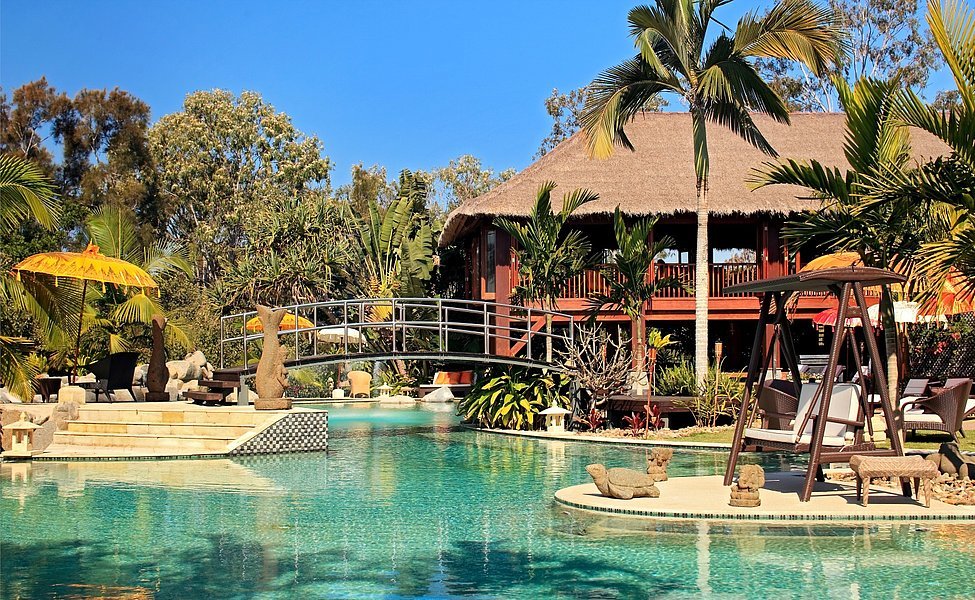
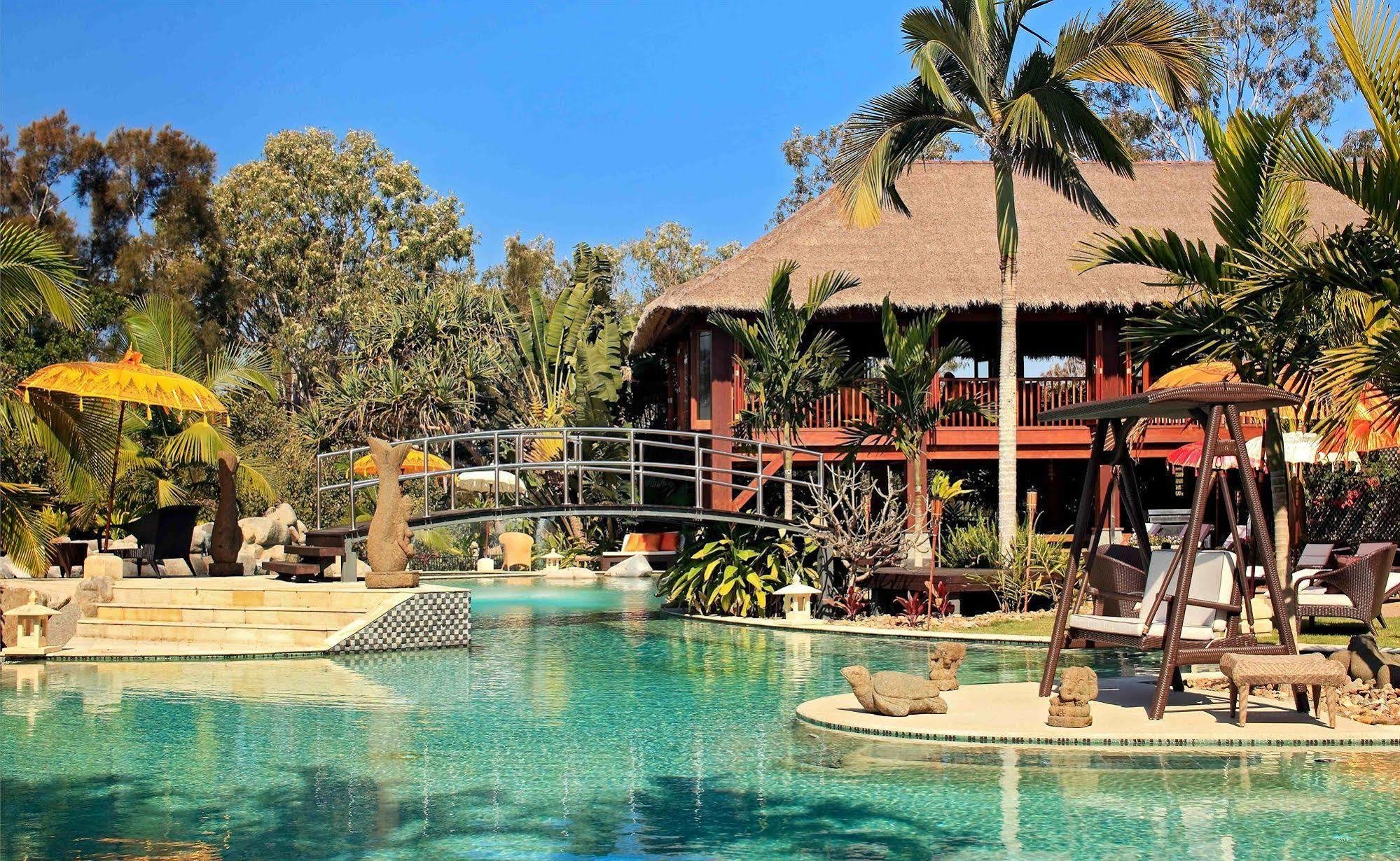
Relaxed barefoot luxury with Balinese design, natural island breezes, bird song, and serene tranquil atmosphere.
Tags
Vibe
Best For
Experience
Amenities
View
About the Stay
- Rooms
- 11
- Property Type
- Boutique hotel
- Property Style
- Exclusive Private Island Villa with Balinese Inspired Luxury.
- Design Style
- Authentic Balinese with Hand Carved Furnishings and Elegant Natural Elements.
- Airport Transfer
- Available
- Pool
- Yes
- Spa
- Yes
- Pets
- Allowed
- Families
- Welcome
Know before you go
Know Before You Go
- Getting there
- Lot 55 The Northshore, Queensland
Planning details
Location
Lot 55 The Northshore, Queensland · Directions
Recognition and awards

Also consider
Where to Look If This Is Not the Right Fit
If the island format feels too removed, start with Peppers Noosa Resort & Villas for a more familiar Sunshine Coast resort setup. For a Brisbane trip with stronger restaurant and nightlife access, compare The Calile and Ovolo The Valley.
Hotel context
How Makepeace Island Compares
Makepeace Island is the privacy-first choice in this set. Compared with Peppers Noosa Resort & Villas, it is better suited to guests who want the stay itself to feel removed from the usual resort rhythm. Peppers is the safer pick for travellers who want a more conventional Noosa-area base with easier access to surrounding dining and activity.
Casa Renoir is the cross-shop for a more intimate design-led stay, while Makepeace Island is the stronger choice for a private-group or retreat mood. If the trip is about Brisbane access, restaurants, and nightlife, Ovolo The Valley, The Calile, and Hotel X Brisbane Fortitude Vly are more practical.
Booking difficulty is marked easy here, which makes Makepeace Island less stressful than many private-island stays. The trade-off is clarity: the peer hotels are simpler choices for short stays, business travel, and city plans, while Makepeace Island makes sense when the whole point is to stay put.
Explore Tewantin
Around this place
Discover more on Pearl
Unlock the full Makepeace Island guide in Pearl, including awards, comparisons, FAQs, planning details, and nearby places.
Compare Makepeace Island
Comparison Snapshot
Choose Makepeace Island for seclusion near Tewantin. Choose Peppers Noosa Resort & Villas for a more standard Noosa resort base, Casa Renoir for a smaller design-led alternative, and Brisbane peers such as The Calile or Hotel X Brisbane Fortitude Vly when city access matters.
FAQ
Frequently Asked Questions
How is the location of Makepeace Island?
Makepeace Island is in Tewantin. Confirm arrival details directly with the venue before travel. If you are comparing other stays, Peppers Noosa Resort & Villas or The Calile may also be worth reviewing.
Is Makepeace Island good for business travel?
If business facilities, meeting services, or work-travel amenities are important, confirm them directly before booking, or compare options such as The Calile or Hotel X Brisbane Fortitude Vly.
How does Makepeace Island compare to other hotels?
The confirmed facts are limited: Makepeace Island is in Tewantin and has Virtuoso Luxury Hotel Partner (2026) recognition. For a more complete comparison, check current details directly with Makepeace Island and review other options such as Peppers Noosa Resort & Villas or Casa Renoir.