
Calcot & Spa
Tetbury
Hotel in Tetbury, United Kingdom
 Book with Pearl
The Read
16th-Century Pastoral Retreat
Price
$300–500per night
Why go
Calcot & Spa is worth considering when the hotel itself is part of the Cotswolds plan: spa time, countryside pacing, and a relaxed base near Tetbury. It is a better fit for two-night leisure stays than quick overnights; compare town-centre options if location matters more than on-site downtime.
About Calcot & Spa
Calcot & Spa is a venue in Tetbury with a smart-casual dress code and Small Luxury Hotels of the World Member status for 2025.
For travellers comparing places to stay in and around Tetbury, the practical question is whether Calcot & Spa fits the tone of the trip. It is best evaluated through its current official information for room types, facilities, dining details, rates, and packages.
Choose the room tier that matches how much time you will spend on site
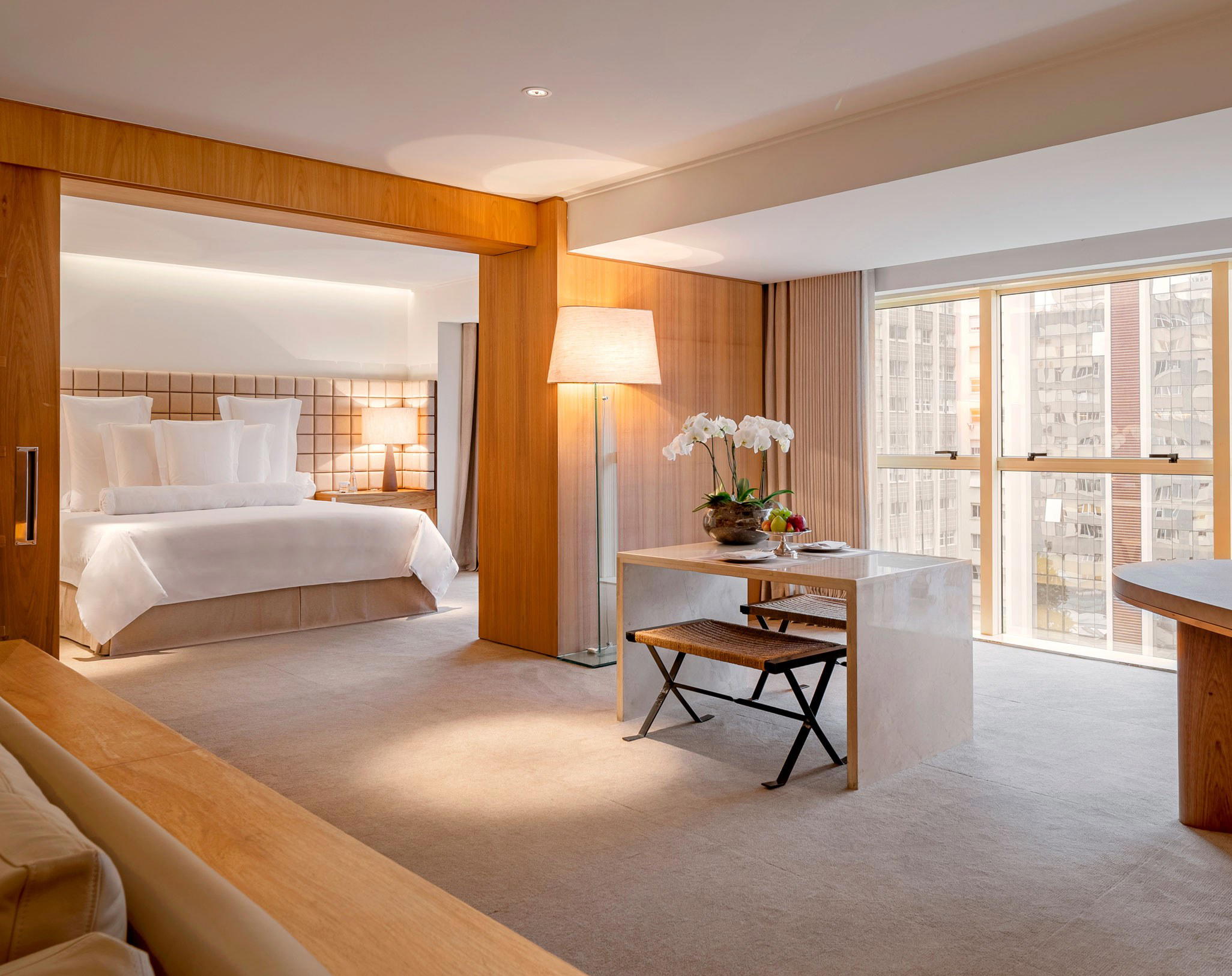
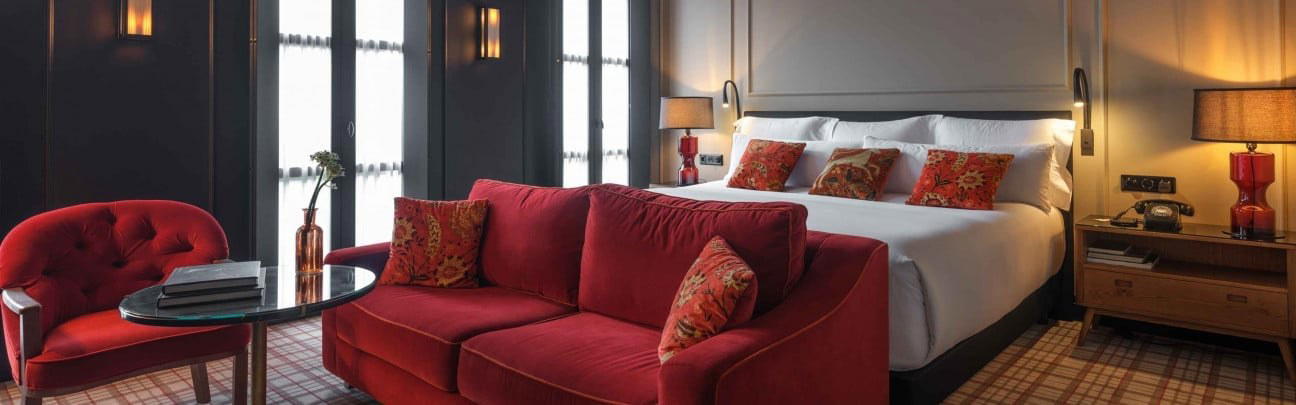
Room-category details are not available here, so avoid assuming that a higher tier includes any particular layout, view, amenity, or service. The sensible approach is to compare the venue's current room descriptions directly and pay more only where the listed features clearly matter to your trip.
If the stay is mainly about spending time in Tetbury, a simpler booking may be enough. If Calcot & Spa itself is intended to be a major part of the break, check the latest official information before deciding whether a higher-priced option is justified.
Where it sits among hotel choices
Calcot & Spa can be compared with Whatley Manor Hotel and Spa, Lucknam Park Hotel & Spa, and Lucknam Park, Emblems Collection when weighing hotel stays. The distinction to note here is that Calcot & Spa is a Small Luxury Hotels of the World Member for 2025.
Cowley Manor Experimental and The Old Bell Hotel are also useful comparison points, depending on the style and setting a traveller wants. For other meals or stays in Tetbury, compare current listings and official venue information rather than relying on assumptions about facilities, cuisine, or service format.
The bottom line: choose Calcot & Spa if its current offering, price, and Tetbury location match the trip you are planning. Its smart-casual dress code and 2025 Small Luxury Hotels of the World Member status are worth noting; other details should be checked directly with the venue before booking.
Planning details
- Location
- Gloucestershire, Tetbury GL8 8YJ
- Website
- calcot.co/?https%3A%2F%2Fwww.thepainswick.co.uk%2F%3Futm_campaign=Local+Pack
- Phone
- +44 1666 890391
The take
The Take
The Vibe
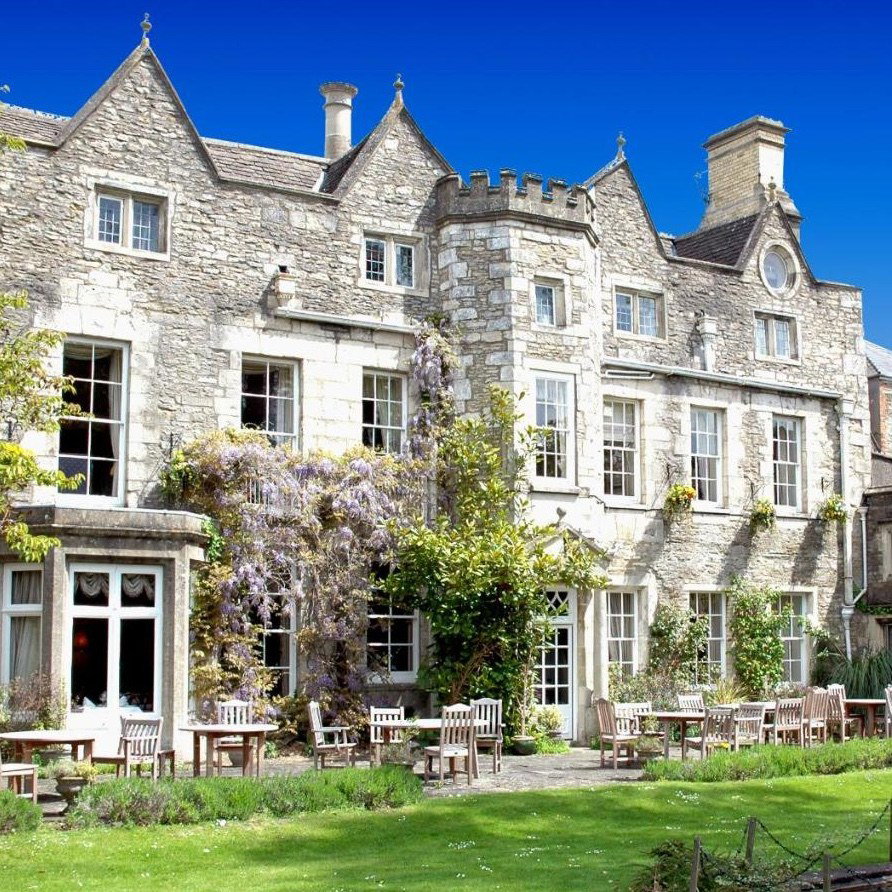
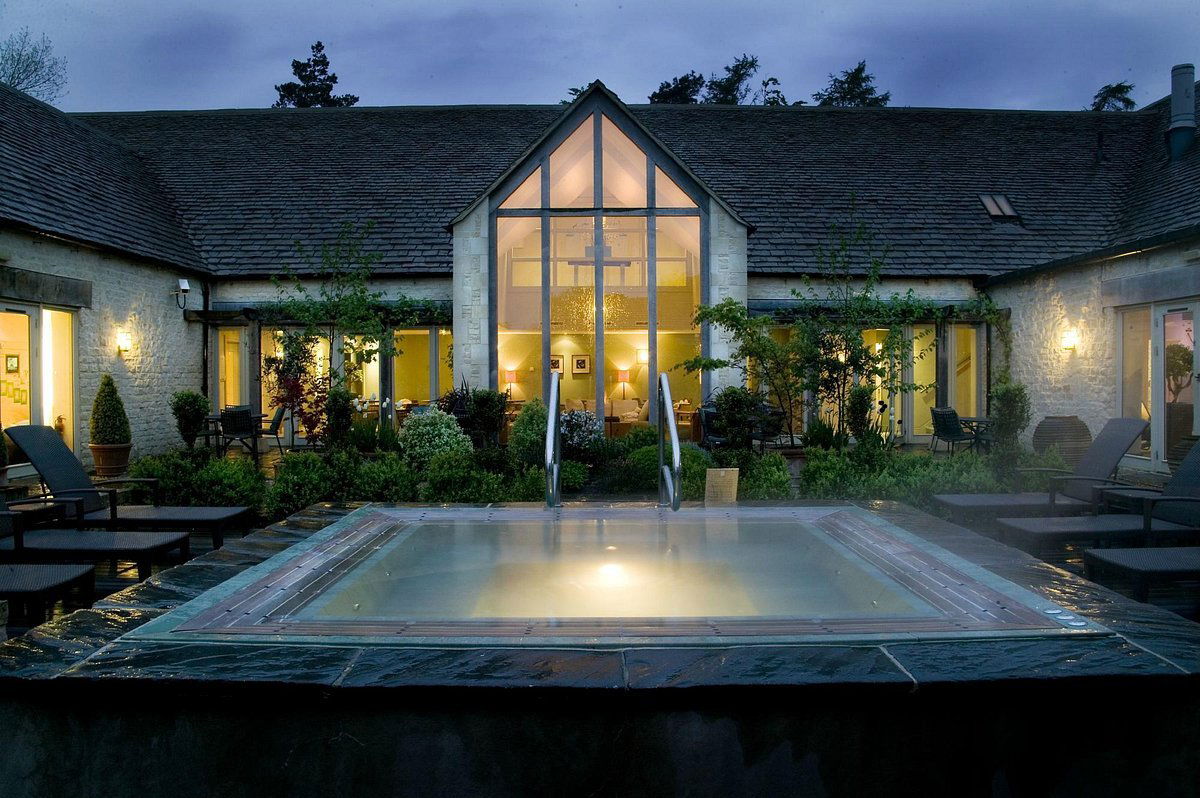
Calcot & Spa reads like an authentic Cotswolds country house: a 16th-century manor whose oldest wings date to the 1500s give the hotel a grounded, historical presence. Exposed timber beams, thick stone walls and carefully resolved interiors create a coherent, layered character rather than a single dramatic statement. The property's 220-acre estate amplifies that feeling of being embedded in working countryside rather than enclosed within a cultivated set-piece. The result is a quietly refined country retreat that emphasizes architectural steadiness, warmth and a deliberate dialogue between building and landscape.
Best For
Calcot & Spa suits visitors seeking a classic English country-house experience — romantic getaways and weekend escapes find the setting especially apt, while families and wellness-focused travelers benefit from the estate scale and the fact it operates as a spa hotel. The extensive grounds and walled gardens invite walking and outdoor exploration, and the historic fabric of the house appeals to anyone interested in architecture and layered interiors. Overall, it works well for those after relaxed, low‑key luxury in a rural setting.
Stay Tips
Rooms are drawn from a character-led collection across an organically evolved manor, so guests who prioritise original fabric should request accommodation in the oldest parts of the house to maximise exposure to beams and thick stone walls. Give yourself time to explore the 220 acres and the walled gardens on foot — the property's scale is part of the appeal. Note the hotel operates as a spa (per its name), so if wellness is a priority check availability for treatments when booking. Pack for country walks and plan arrivals with enough daylight to appreciate the estate.
Venue details
Ambiance
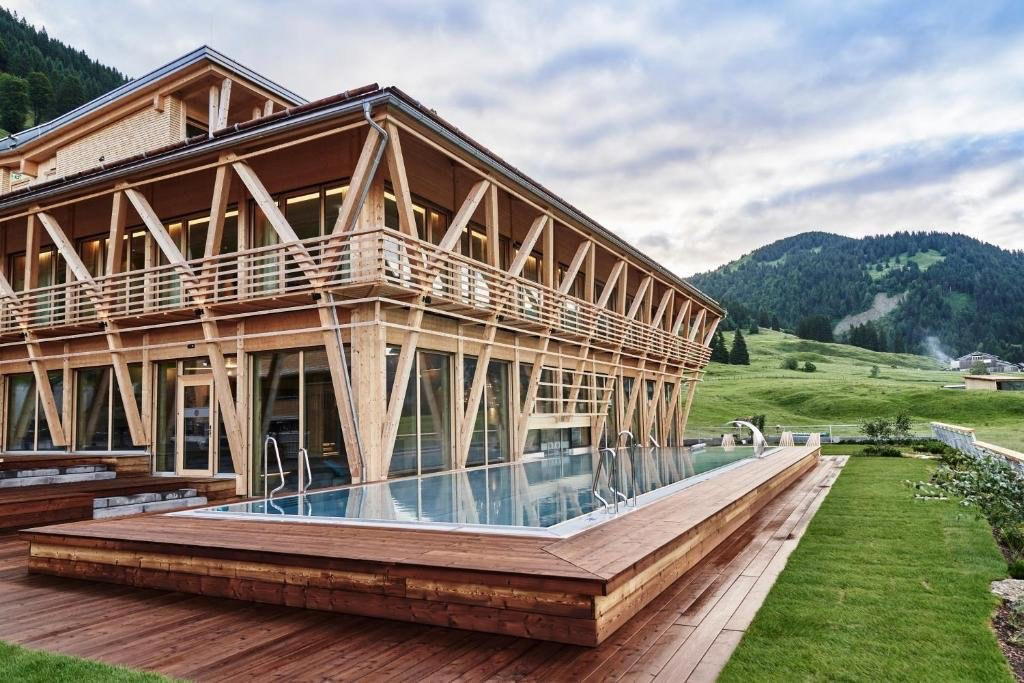
Inviting and relaxing atmosphere with open fires, spacious lounges, and peaceful spa facilities.
Tags
Vibe
Best For
Experience
Amenities
View
Accessibility
About the Stay
- Rooms
- 35
- Check-in
- 15:00
- Check-out
- 11:00
- Property Type
- Boutique hotel
- Property Style
- Country Manor House with Modern Luxury Updates
- Design Style
- Timeless Charm Blended with Stylish Modern Comfort
- Breakfast
- Included
- Pool
- Yes
- Spa
- Yes
- Pets
- Allowed
- Families
- Welcome
Know before you go
Know Before You Go
- Getting there
- Gloucestershire, Tetbury GL8 8YJ
Planning details
Location
Gloucestershire, Tetbury GL8 8YJ · Directions
calcot.co/?https%3A%2F%2Fwww.thepainswick.co.uk%2F%3Futm_campaign=Local+Pack
Recognition and awards

Also consider
Where to look if this is not the right fit
If the priority is a town-centre base rather than a spa-led stay, cross-shop The Old Bell Hotel. If the trip needs a stronger sense of occasion, compare rates and availability at Whatley Manor Hotel and Spa or Lucknam Park Hotel & Spa.
Hotel context
How Calcot & Spa compares
Calcot & Spa is the practical middle path in this Cotswolds set: more resort-like than The Old Bell Hotel, less formal than Whatley Manor Hotel and Spa, and easier to justify when spa time and quiet afternoons are part of the stay. Choose The Old Bell for town access and a shorter trip; choose Calcot & Spa when the property needs to carry the weekend.
Lucknam Park Hotel & Spa and Lucknam Park, Emblems Collection skew more destination-led, so they make sense for a bigger occasion or a stay where grandeur is the point. Calcot & Spa is better for guests who want countryside comfort without turning the trip into a formal production.
Cowley Manor Experimental is the stronger pick for design-forward travellers. Calcot & Spa is the safer choice for a relaxed Cotswolds spa break, especially when the decision is less about scene and more about whether the rate buys enough useful downtime.
Explore Tetbury
Around this place
Discover more on Pearl
Unlock the full Calcot & Spa guide in Pearl, including awards, comparisons, FAQs, planning details, and nearby places.
Compare Calcot & Spa
| Venue | Location | Awards |
|---|---|---|
| Calcot & Spa | Tetbury | Small Luxury Hotels Member 2025 |
| Whatley Manor Hotel and Spa | Malmesbury | 2026 La Liste Top Hotels2026 Michelin 2 Keys2025 Michelin 2 Keys |
| The Old Bell Hotel | Malmesbury | No published awards |
| Lucknam Park Hotel & Spa | Colerne near Bath | 2026 Virtuoso Luxury Hotel Collection2026 La Liste Top Hotels2026 Michelin 3 KeysMichelin 3 Keys 20252025 Michelin 3 Keys2025 Relais Chateaux Award |
| Lucknam Park, Emblems Collection | Colerne | No published awards |
| Cowley Manor Experimental | Cheltenham | Star Wine Lists 20262026 Mr & Mrs Smith Luxury Hotels2026 Michelin 1 Key2025 Michelin 1 Key |








How Calcot & Spa Tetbury: Worth It for a Stay? compares with similar nearby venues.
FAQ
Frequently Asked Questions
Is Calcot & Spa good for business travel?
Calcot & Spa may suit some business travellers who want to stay in Tetbury. Check the venue directly for current details before booking for work.
When is the best time to book Calcot & Spa?
If your dates are fixed, compare the venue's current availability and rates directly before deciding.
Do loyalty programs work at Calcot & Spa?
Calcot & Spa is a Small Luxury Hotels of the World Member for 2025. Any practical loyalty benefit depends on the current booking channel and programme terms, so confirm those details before reserving.
How does Calcot & Spa compare to other hotels?
It can be compared with Whatley Manor Hotel and Spa, Lucknam Park Hotel & Spa, Lucknam Park, Emblems Collection, The Old Bell Hotel, and Cowley Manor Experimental. The key point for Calcot & Spa is its 2025 Small Luxury Hotels of the World Member status.
How is the pool and spa at Calcot & Spa?
Check Calcot & Spa's official information for current facilities, access, and any booking requirements.