
Platán Manor
Tata Castle area, Tata
Hotel in Tata, Hungary
 Book with Pearl
The Read
Aristocratic Redesign
Price
$100–200per night
Why go
Book Platán Manor if Tata is the point of the trip, not a stop between Budapest plans. The Michelin 1 Key recognition makes it a stronger choice for a quiet, destination-led stay, especially for repeat Hungary travelers who want a manor setting over city convenience.
About Platán Manor
Tata is easy to underestimate if the comparison set is Budapest or the Danube Bend. The safer read is simple: consider Platán Manor if the point of the trip is a stay in Tata rather than a city base. Its Michelin 1 Key recognition in 2025 gives it a clear distinction for travelers comparing Hungarian hotel options.
The decision comes down to location preference. This is not the same type of choice as a Budapest hotel, where a capital-city base may be the priority. Platán Manor makes more sense when Tata is part of the plan and the property choice is central to the itinerary. For a first Hungary trip, Budapest may be simpler. For a return trip, Tata can be a different direction.
Book it for Tata, not for city convenience
The appeal is direct: Platán Manor is in Tata. That gives the property a clear use case for travelers who want their stay to shape the trip rather than simply support a busy city schedule. The dress code is smart casual, which is worth noting when packing.
For planning, treat Tata as the focus rather than a footnote to Budapest. Use Our full Tata restaurants guide and other current Tata planning resources to decide whether the town supports the length of stay you have in mind. If specific services, facilities, or dining details matter, confirm them directly with the venue before booking.
Where it sits among Hungary hotel picks
Compared with urban boutiques, Platán Manor is the less city-centered choice. If you want a Budapest stay, compare it against Baltazár Boutique Hotel, Pest-Buda Design Hotel, or Kimpton Bem Budapest. Those are better fits when the priority is being based in the capital.
If the goal is a smaller-city or nature-leaning Hungary trip, the comparison set is broader: H11 Rooms Esztergom in Esztergom, Natura Hill Zebegény in Zebegény, or other hotel and dining options in Tata. Platán Manor is the right call when Tata and the Michelin 1 Key recognition justify building the trip around it.
Inside Platán Manor
Planning details
- Location
- Tata, Kastély tér 6, 2890
- Website
- platantata.hu
- Phone
- +36 30 444 9055
The take
The Take
The Vibe
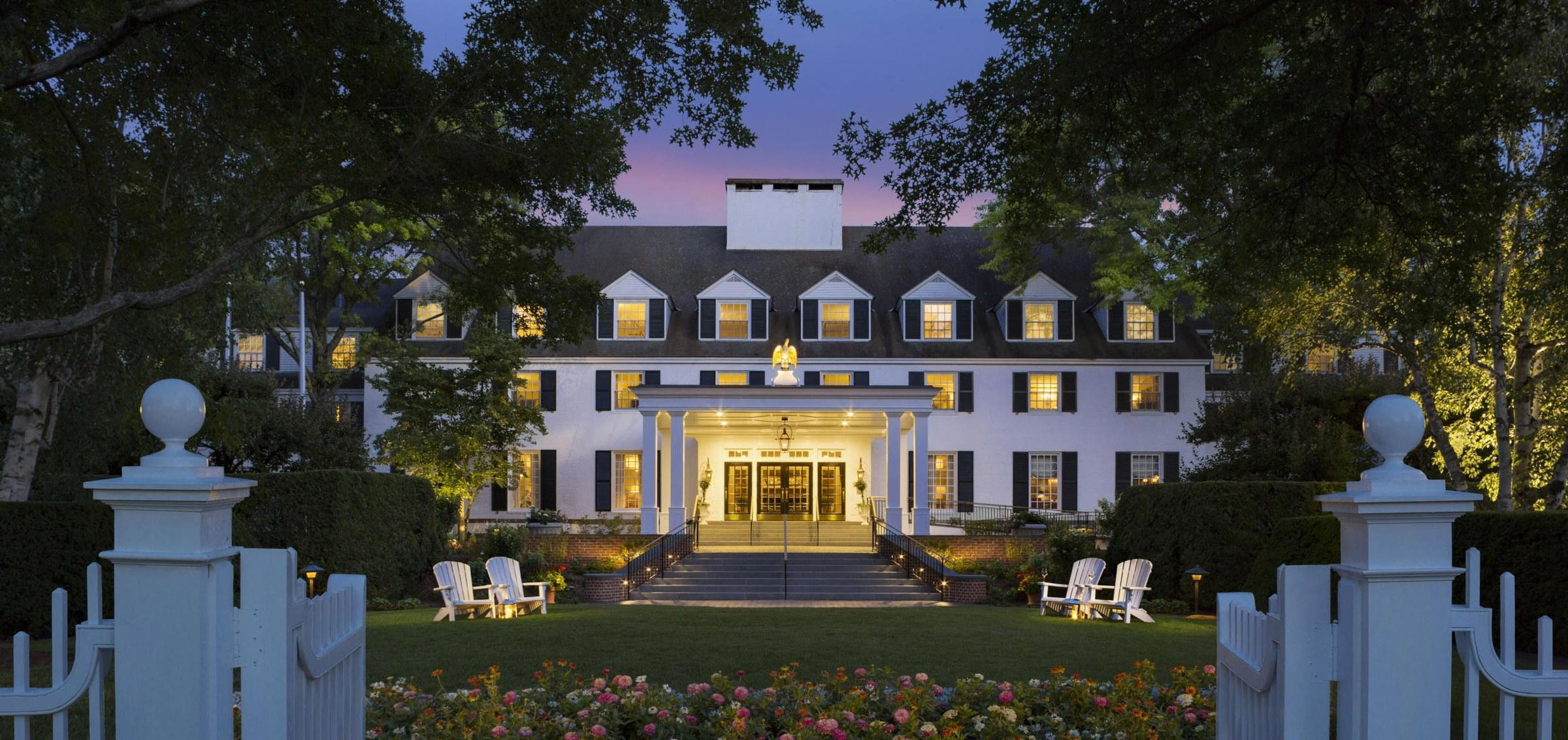
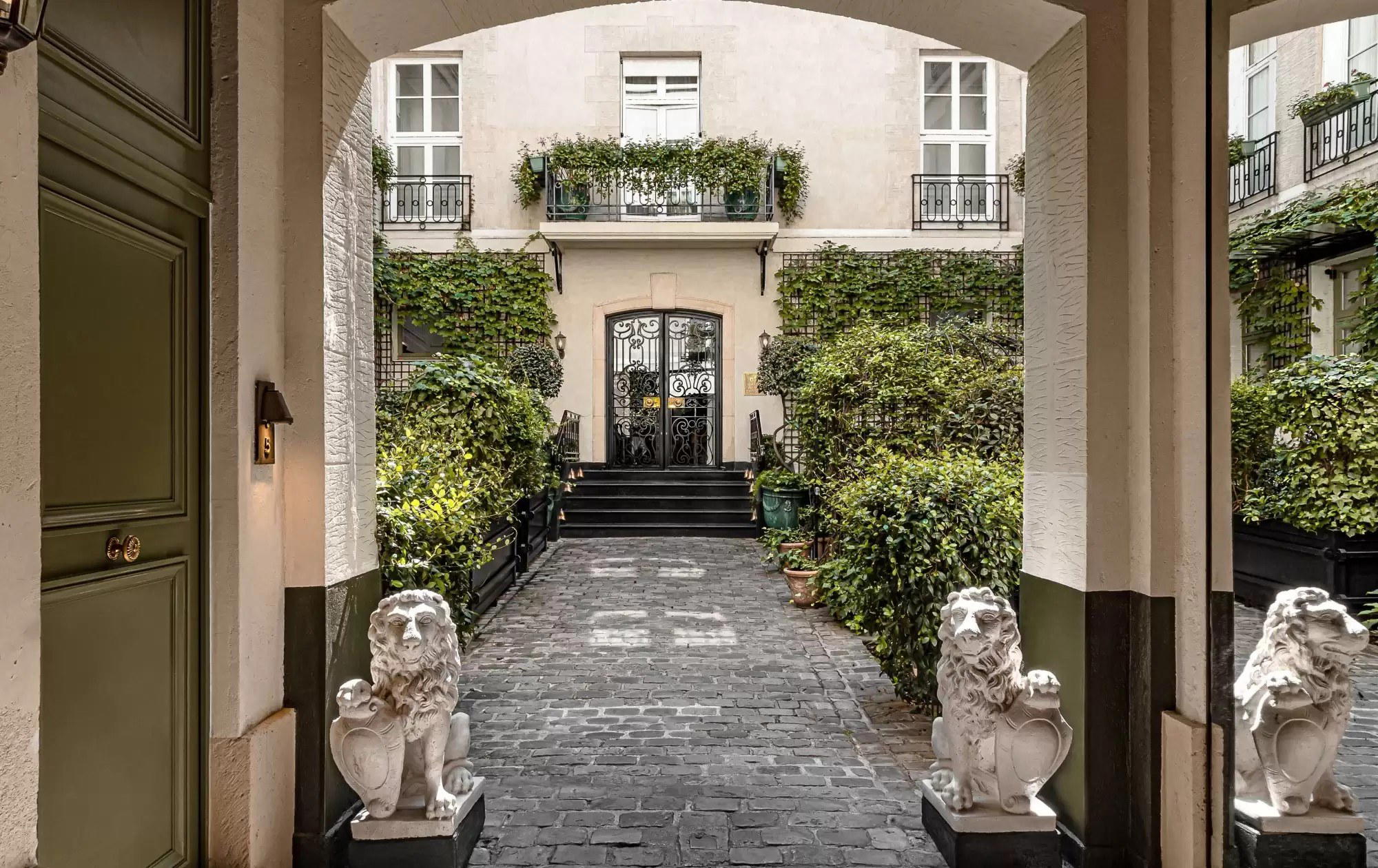
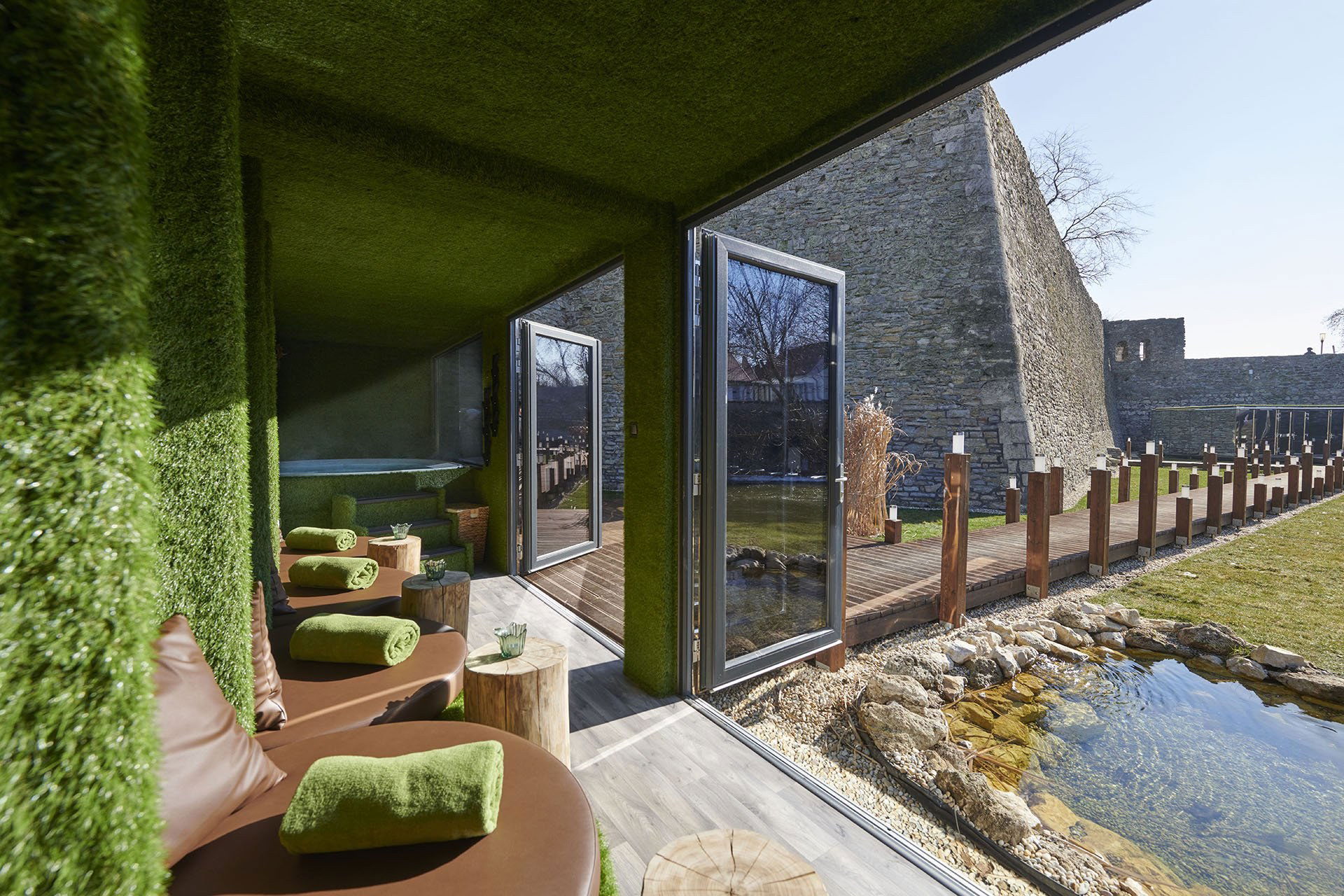
Platán Manor occupies an Esterházy family palace from the 17th century, and its identity is rooted in that built history rather than theatrical restoration. Designer Zoltán Varró favors continuity over costume, so interiors read as calm, considered interventions that respect original scale and detail. With just 21 rooms and suites, the conversion feels deliberately small in scale: a quietly measured alternative to larger resort formulas. Positioned beside Tata’s lakeside castle and folded into the fabric of rural Hungary, the manor presents a classic, historic stay that emphasizes architecture and design-led comfort over spectacle.
Best For
Platán Manor is best for culturally minded short escapes and low-density stays that prioritize history and design. Its proximity — under an hour by car from Budapest — makes it an efficient weekend destination, while the palace setting and modest room count suit couples or solo travelers seeking privacy and a strong sense of place. The property also reads well for milestone visits where atmosphere matters; guests come to experience the converted Esterházy palace and to use the manor as a compact base for exploring Tata’s lakeside castle and surrounding town.
Stay Tips
The hotel’s small scale—21 rooms and suites—means availability can be limited, so secure reservations well in advance, particularly for weekend dates. Because the conversion and interior design are central to the experience, ask the property about room types and any rooms that retain prominent architectural features if that is important to your stay. Platán Manor is easily reached by car from Budapest, so plan logistics around driving and confirm parking or arrival details with the hotel. Treat the manor as a compact base for on-foot exploration of the castle and lakeside environs.
Venue details
Ambiance
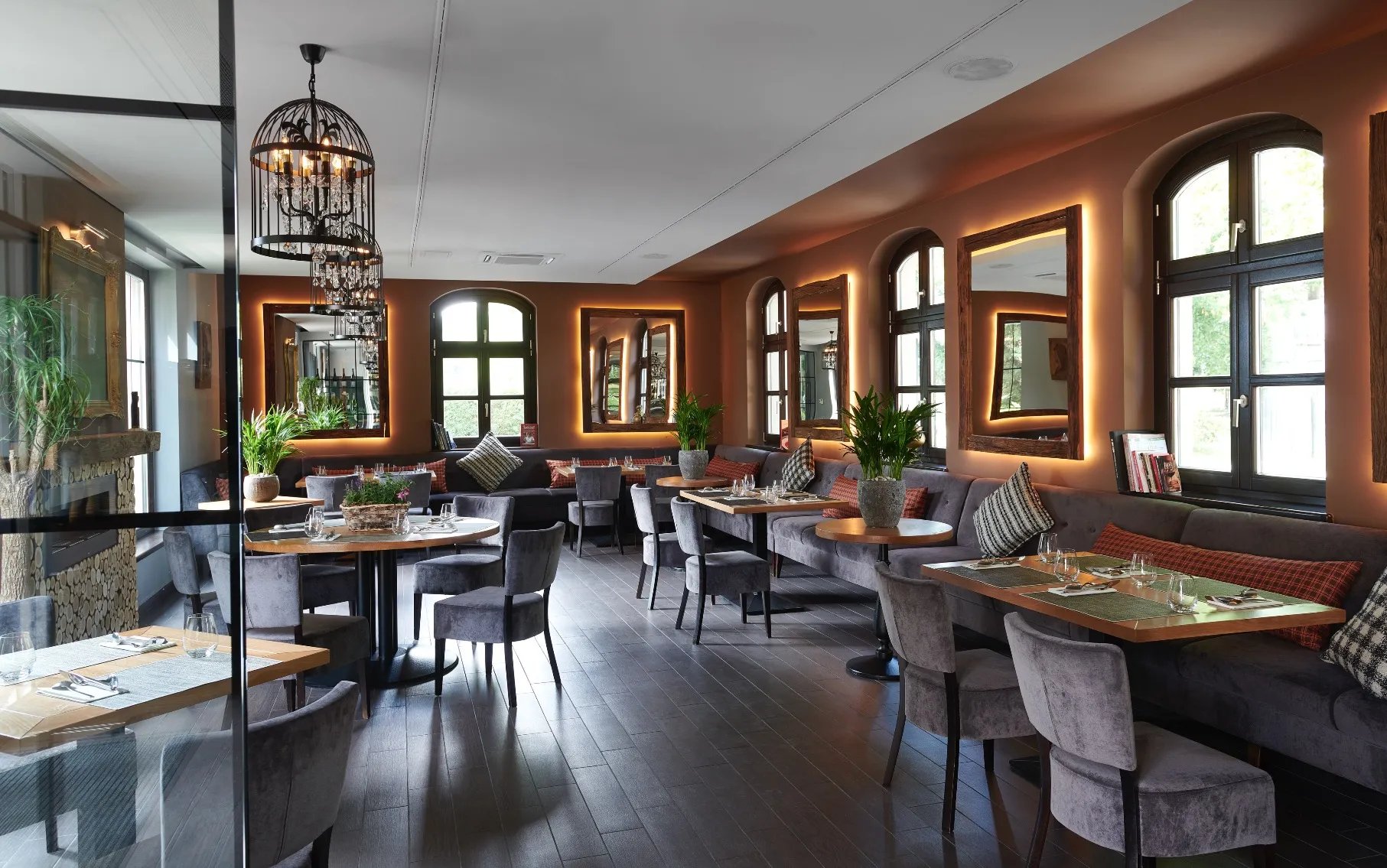
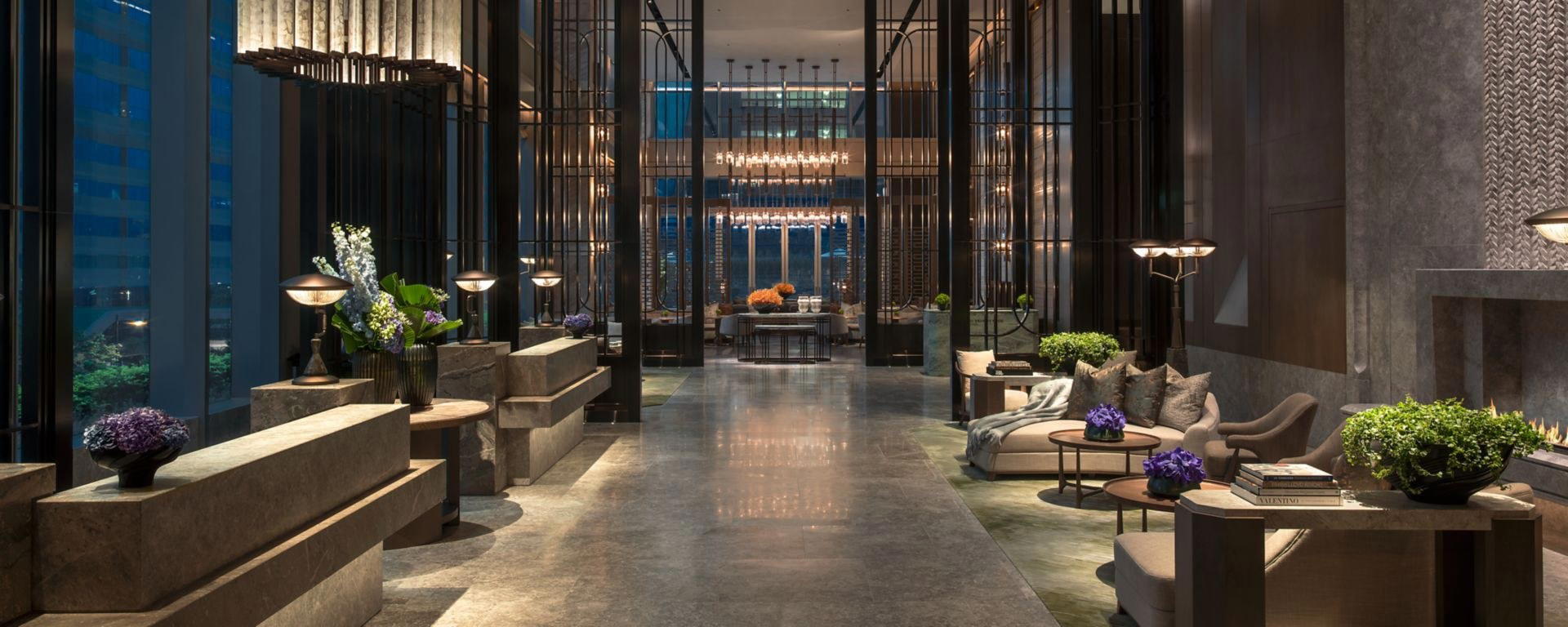
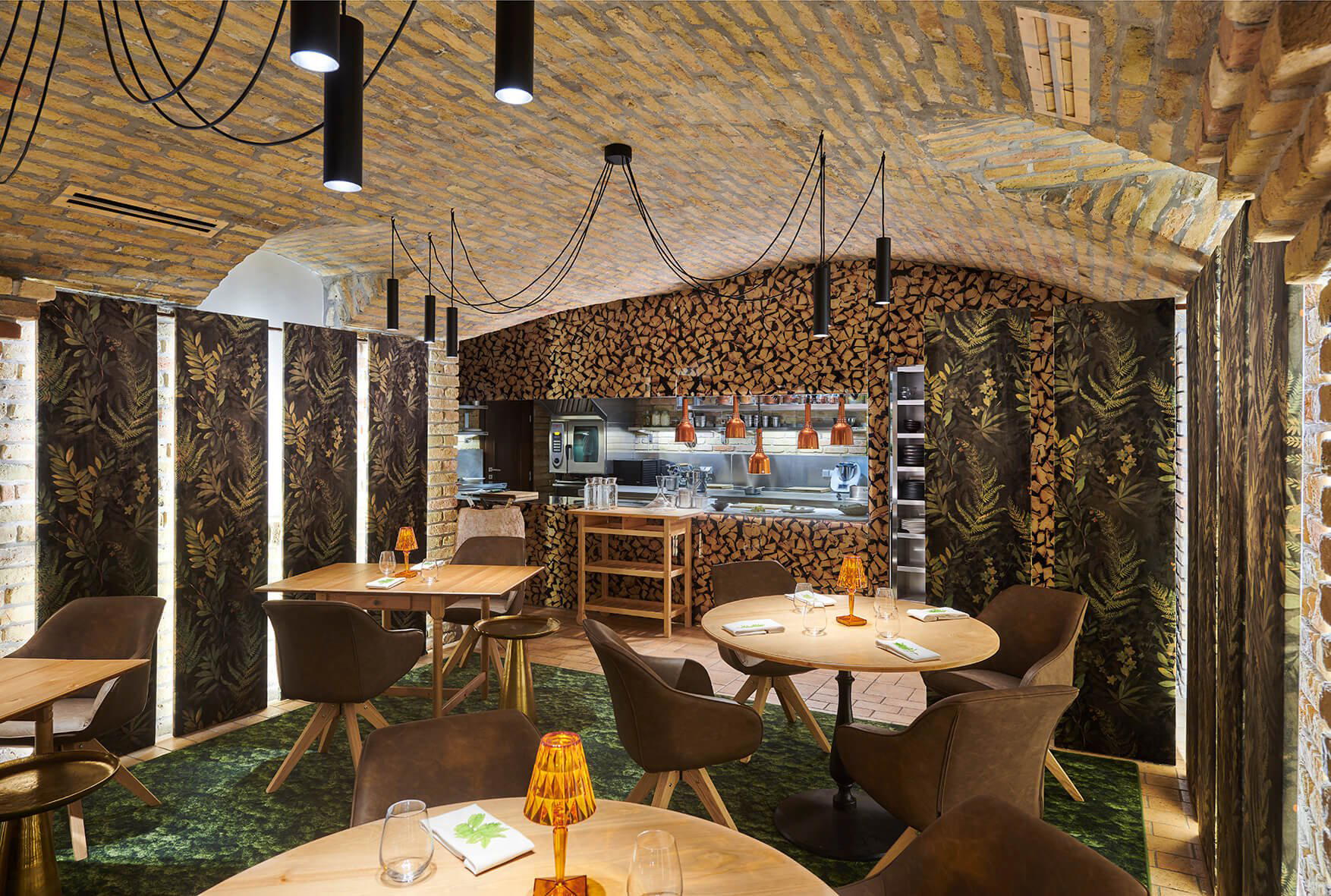
Sophisticated yet homely designer environment with modern cosiness, cosy chandeliers, velvet furnishings, and magical historical setting.
Tags
Vibe
Best For
Experience
Amenities
View
About the Stay
- Rooms
- 20
- Check-in
- 15:00
- Check-out
- 11:00
- Property Type
- Heritage hotel
- Property Style
- Historic Manor Blending 17th Century Architecture with 21st Century Modern Design Comfort.
- Design Style
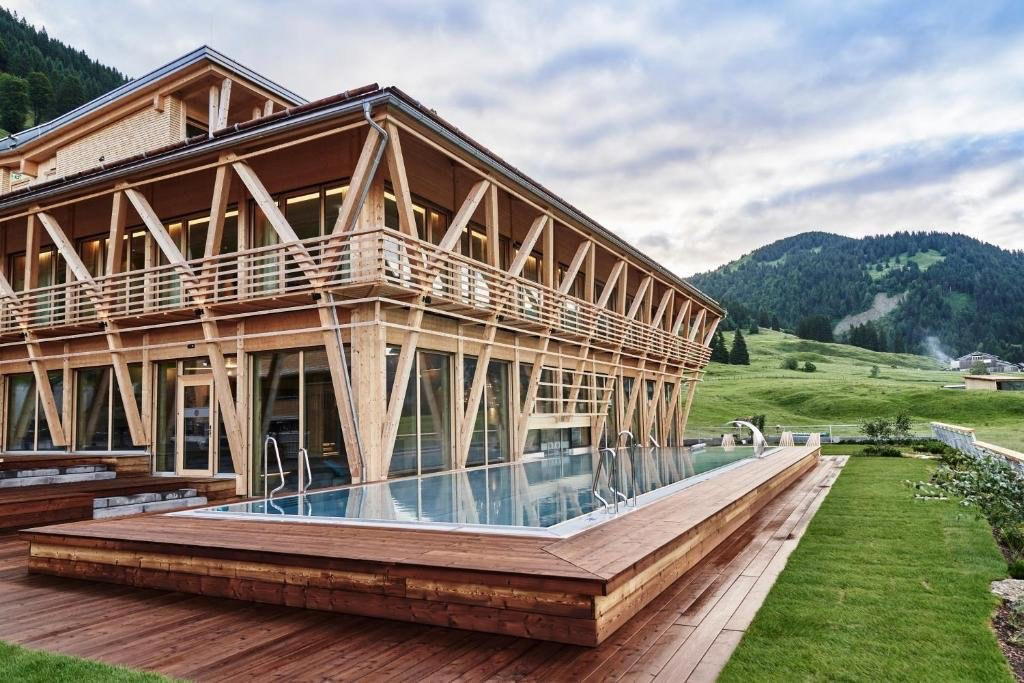
- Baroque Inspired with Modern Fixtures, Moss Patterned Carpets, and Designer Interiors by Zoltán Varró.
- Breakfast
- Included
- Pool
- Yes
- Spa
- Yes
- Families
- Welcome
- Cancellation
- Moderate
Know before you go
Know Before You Go
- Getting there
- Tata, Kastély tér 6, 2890
Planning details
Location
Recognition and awards
Also consider
Also Consider
- H11 Rooms Esztergom, Notable alternative
- Natura Hill Zebegény, Notable alternative
- Baltazár Boutique Hotel, Notable alternative
- Pest-Buda Design Hotel, Notable alternative
- Kimpton Bem Budapest, Notable alternative
Hotel context
Against H11 Rooms Esztergom and Natura Hill Zebegény, Platán Manor is the more awards-led choice. Pick it when the stay itself needs to carry the trip. H11 Rooms Esztergom is the cleaner call for travelers who want a simpler base in a historic Danube town, while Natura Hill Zebegény makes more sense for a nature-first break with less formality.
Compared with Baltazár Boutique Hotel, Pest-Buda Design Hotel, and Kimpton Bem Budapest, Platán Manor asks for a different kind of trip. The Budapest options are better for short stays, restaurant-hopping, and easier logistics. Platán Manor is the stronger fit when ambiance and a contained manor setting matter more than being close to city plans.
Booking difficulty is the trade-off. If dates are tight or flexibility matters, the Budapest peers will usually be easier to work into a broader itinerary. If the trip can be planned around the property, Platán Manor gives the clearest reason to leave the capital and make Tata the anchor.
Explore Tata
Around this place
Discover more on Pearl
Unlock the full Platán Manor guide in Pearl, including awards, comparisons, FAQs, planning details, and nearby places.
Compare Platán Manor
| Venue | Location | Awards |
|---|---|---|
| Platán Manor | Tata | 2026 Michelin 1 KeyMichelin 1 Key 20252025 Michelin 1 Key |
| H11 Rooms Esztergom | Esztergom | No published awards |
| Natura Hill Zebegény | Zebegény | No published awards |
| Baltazár Boutique Hotel | Budapest | No published awards |
| Pest-Buda Design Hotel | Budapest | No published awards |
| Kimpton Bem Budapest | Budapest | 2026 Michelin 1 Key2025 Esquire Best New Hotels2025 Michelin 1 Key |


How Platán Manor Tata compares with similar nearby venues.
FAQ
Frequently Asked Questions
How does Platán Manor compare to other Hungary hotel options?
Choose Platán Manor if a stay in Tata matters more than being based in Budapest. Compared with Kimpton Bem Budapest, Pest-Buda Design Hotel, and Baltazár Boutique Hotel, it is the more Tata-focused pick. H11 Rooms Esztergom is a different small-city option in Esztergom. The Michelin 1 Key (2025) gives Platán Manor a hospitality distinction.
How is the location of Platán Manor?
Platán Manor is in Tata. The location works if you want Tata itself rather than a central Budapest base. For Budapest, Baltazár Boutique Hotel, Pest-Buda Design Hotel, or Kimpton Bem Budapest may be more practical; H11 Rooms Esztergom is in Esztergom.
Which room category is best at Platán Manor?
Room categories are not listed, so there is no safe way to name a specific type. Choose based on the current options provided by the venue. If the goal is a different city base, H11 Rooms Esztergom or Baltazár Boutique Hotel may be worth comparing.