
Onyado Chikurintei
Takeo
Hotel in Takeo, Japan
 Book with Pearl
The Read
Forest-Deferred Architecture
Why go
Onyado Chikurintei is a stronger choice for a quiet Takeo retreat than for a conventional business base. Book it when the stay itself matters: calm, privacy, and a ryokan-style pace. If the trip needs easy work logistics, flexible services, or a lower-risk last-minute hotel, compare alternatives before committing.
About Onyado Chikurintei
Onyado Chikurintei is a hotel in Takeo with Michelin 2 Keys (2025). Travelers should confirm current details such as price range, service format, room count, dining style, and on-property amenities directly before booking.
Better for a stay built around the property than a purely practical stop
The strongest grounded reason to consider Onyado Chikurintei is its Michelin 2 Keys (2025) recognition. That makes it a notable choice in Takeo for travelers who are prioritizing the quality of the stay itself rather than simply choosing the most convenient overnight option.
As specific price and service details are not listed, compare the total stay cost against what the trip actually needs. If the Michelin-recognized hotel experience is central to the itinerary, Onyado Chikurintei belongs on the shortlist. If the priority is only a simple place to sleep, confirm the practical details carefully before committing.
Check current offers directly with the venue
Before booking, check Onyado Chikurintei's official channels for current rates, availability, dining details, and any stay-specific conditions. For a broader shortlist, compare it with other named options such as Furuyu Onsen ONCRI, Kikka Hirado, Nagasaki Marriott Hotel, Ohana, and Snow Peak YAKEI SUITE, while keeping in mind that they may suit different routes and trip purposes.
Planning details
- Location
- 〒843-0022 Saga, Takeo, 武雄町4100
- Website
- chikurintei.jp
- Phone
- +81 954-23-0210
The take
The Take
The Vibe
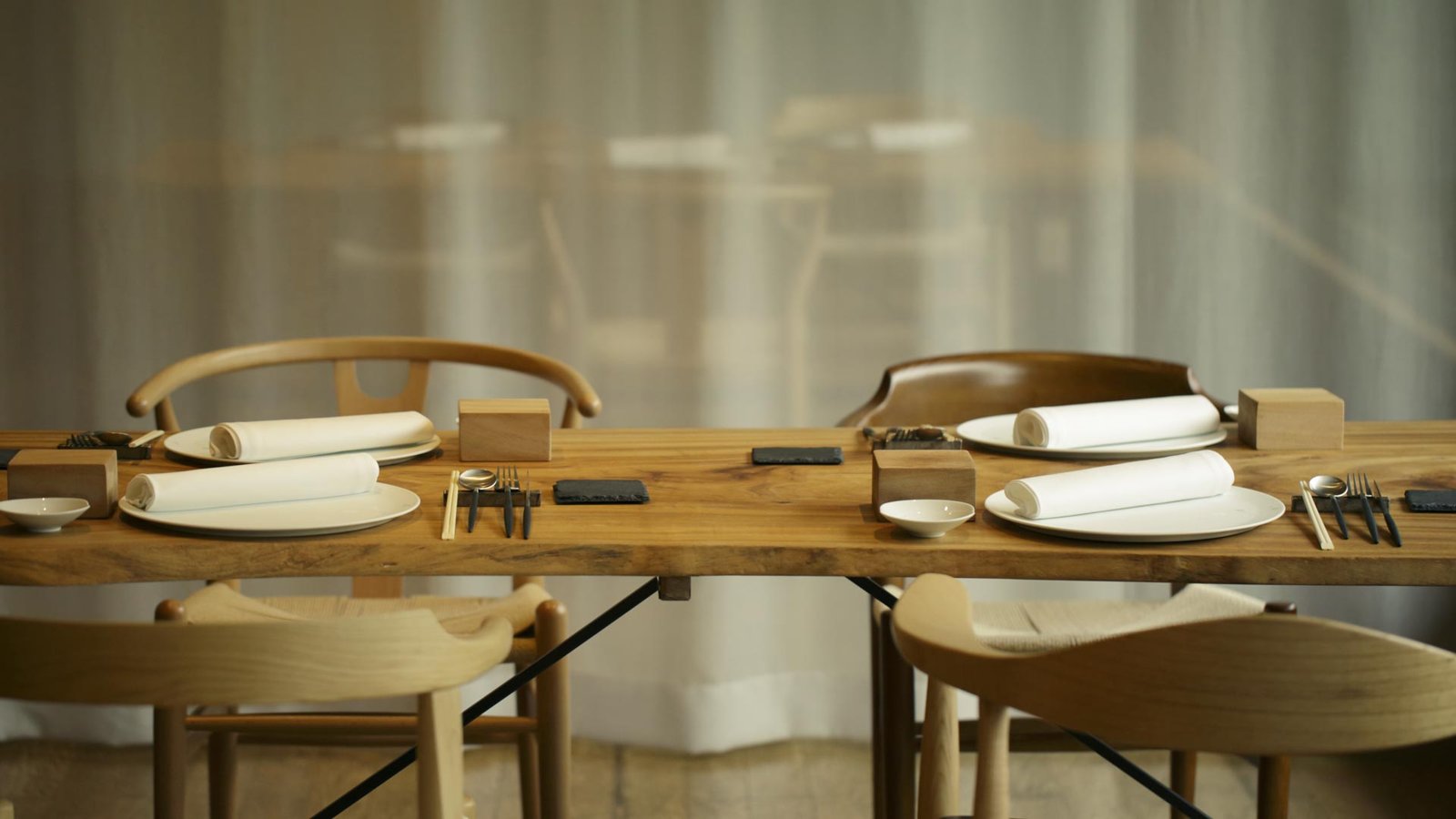
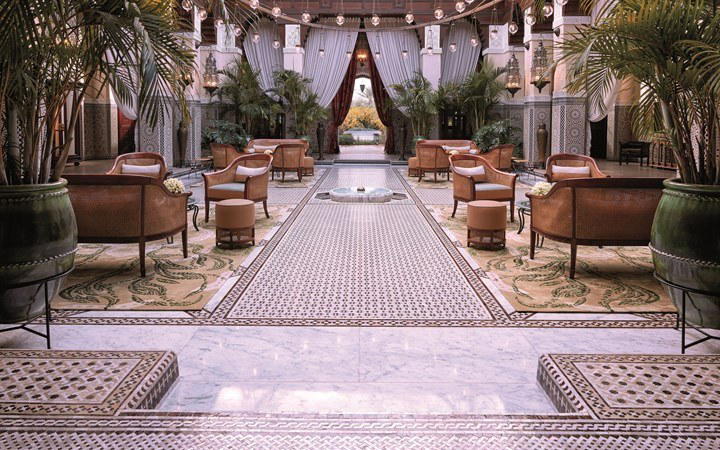
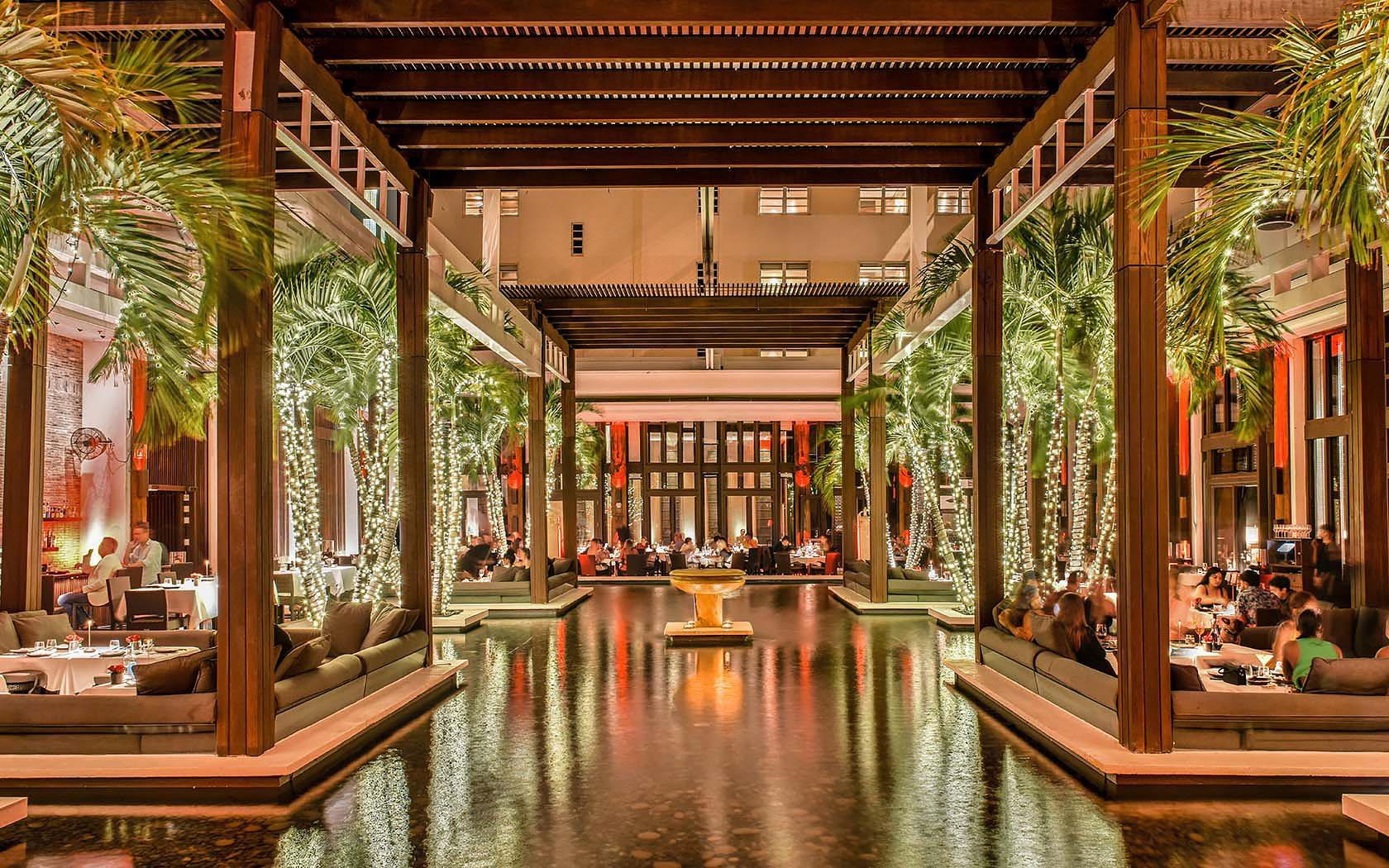
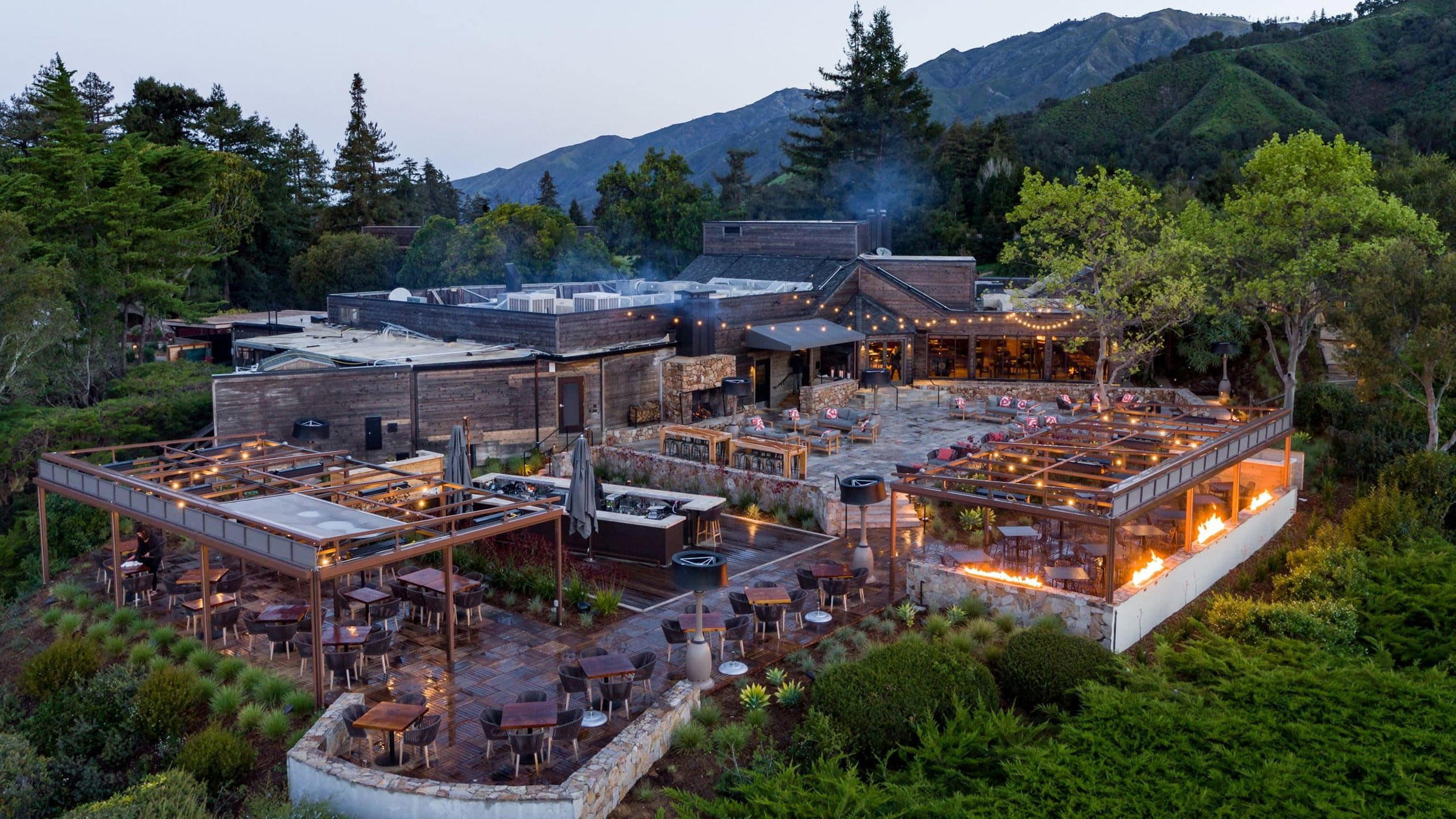
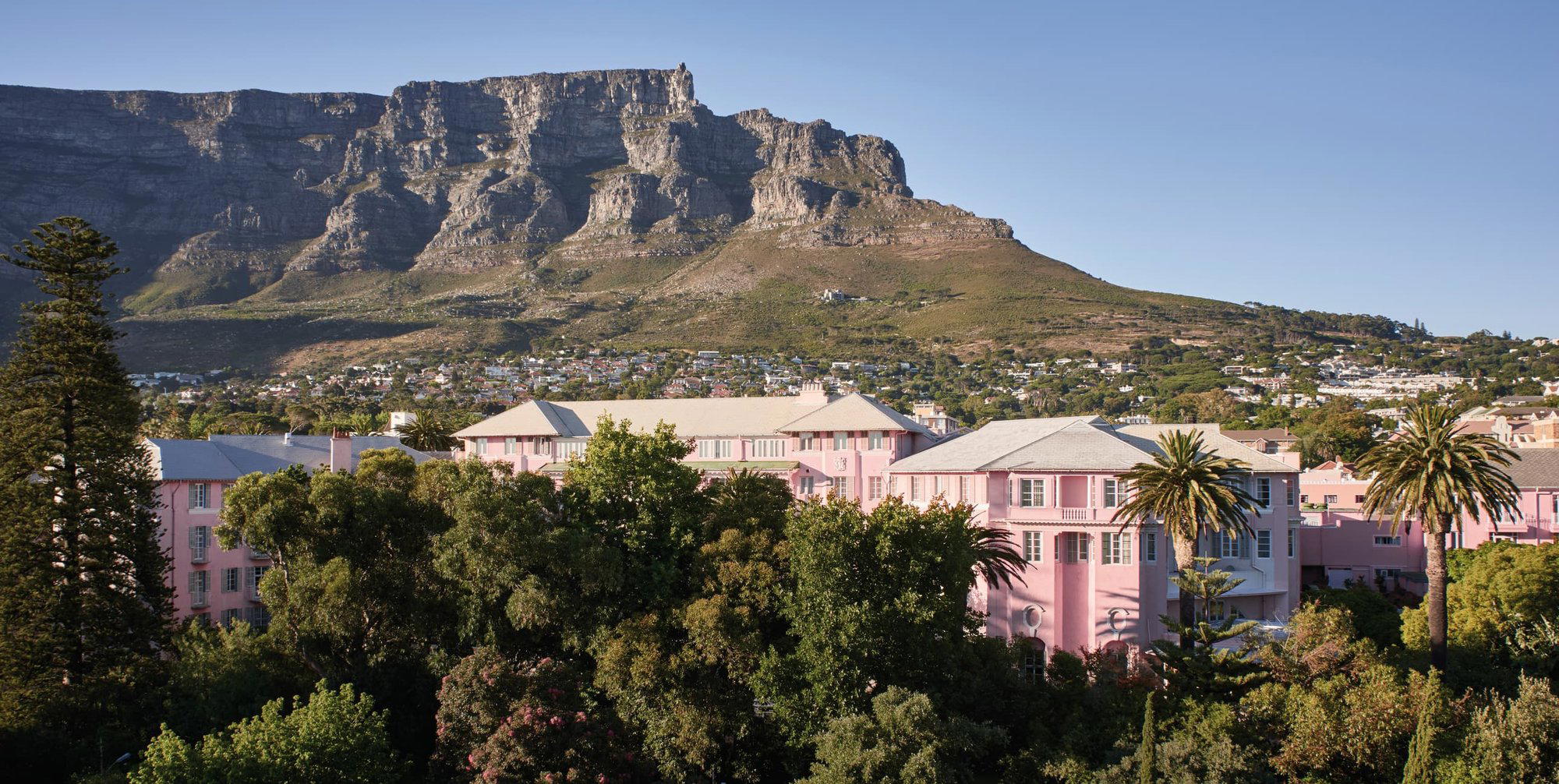
Onyado Chikurintei cultivates a pronounced stillness that defines the guest experience. Set at the base of Mount Mifune and edged by the Mifuneyama Rakuen garden, the inn prioritizes silence and subtle architecture over spectacle. With just 11 suites distributed across expansive grounds, the property reads more like a private residence than a conventional hotel; the low density and careful siting within the forest canopy produce an intimate, contemplative atmosphere. The design logic is quiet and restrained, drawing you inward and letting the surrounding garden and mountain become the dominant visual and acoustic elements of a stay.
Best For
This ryokan is best for travelers seeking a secluded, restorative escape—couples celebrating milestones and guests pursuing a wellness-focused break. Takeo's reputation as a spa town with historic thermal waters positions the property for those who value bathing culture and slow rhythms. The small suite count and residential scale make it particularly well suited to honeymooners, anniversary stays, and anyone who prioritizes privacy and calm over busy resort amenities. Its relative obscurity within Kyushu also appeals to visitors who prefer understated, place-focused hospitality rather than high-energy tourist hubs.
Stay Tips
Plan well ahead: with only 11 suites, availability can be limited, so reserve early, especially for holiday weekends and peak travel seasons. Choose a room that references the garden or mountain setting where possible to maximize the property's strongest asset—the Mifuneyama Rakuen backdrop. Factor in transportation: Takeo sits roughly 90 minutes from Fukuoka by road, and recent rail improvements have shortened connections from Nagasaki; guests should schedule arrival logistics in advance to avoid stress and preserve the inn's tranquil arrival experience.
Venue details
Ambiance
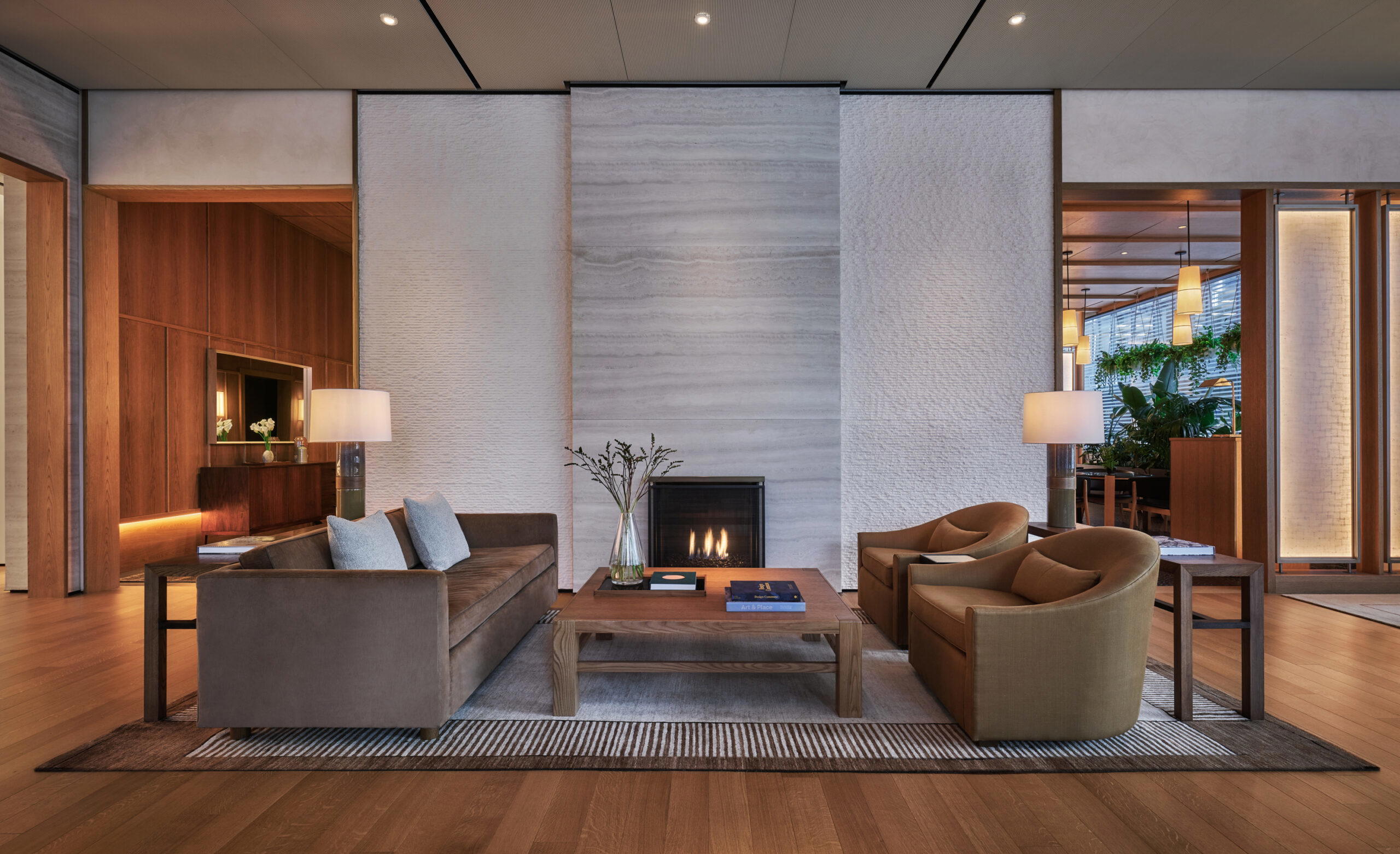
Serene and deeply still atmosphere with traditional interiors connected to lush gardens, bamboo groves, seasonal nature, and mountain views, fostering relaxation and healing.
Tags
Vibe
Best For
Experience
Amenities
View
Accessibility
About the Stay
- Rooms
- 11
- Check-in
- 15:00
- Check-out
- 11:00
- Property Style
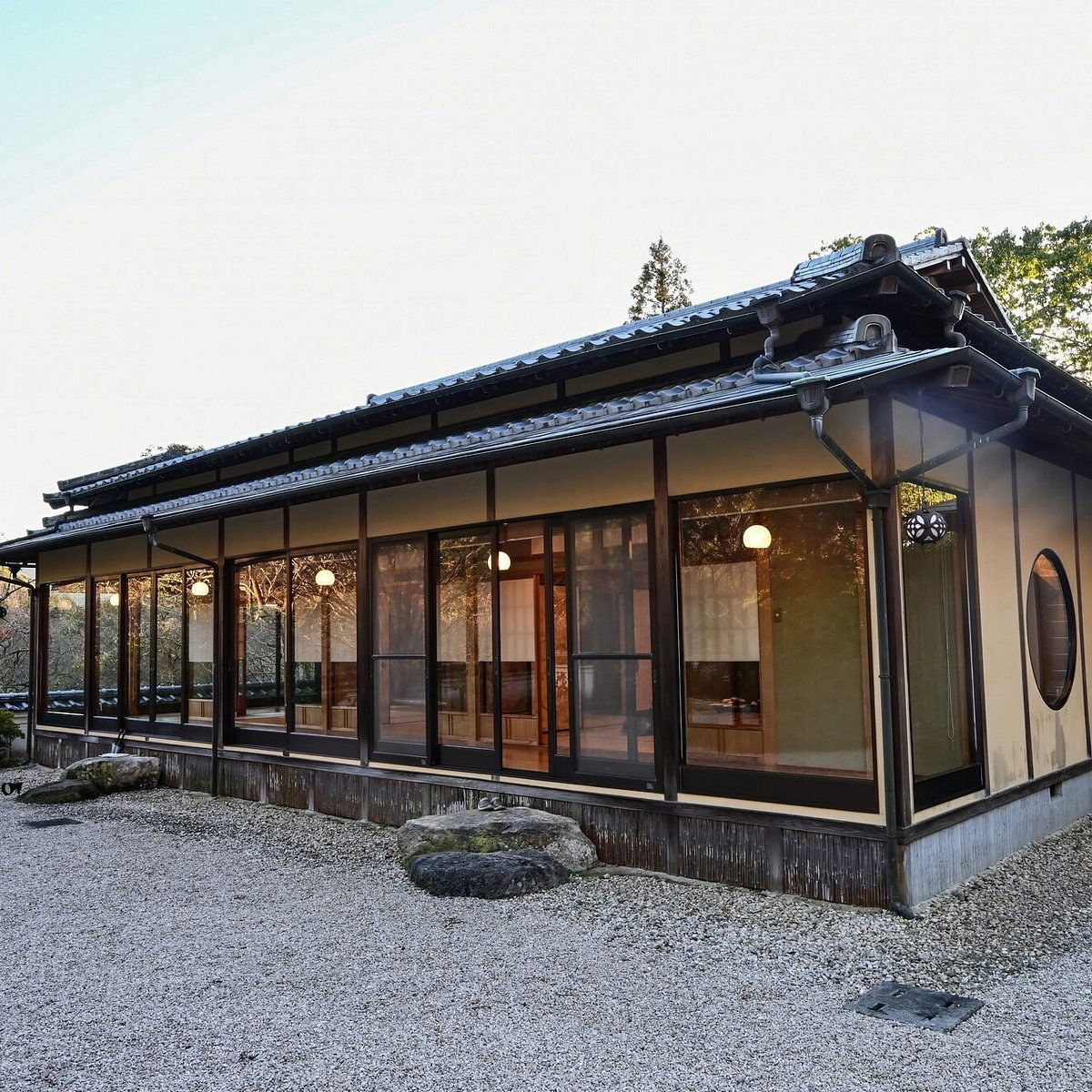
- Traditional Japanese Ryokan Deeply Integrated with Surrounding Nature and Gardens
- Design Style
- Traditional Japanese with Tatami Rooms, Moon Viewing Decks, and Scenic Outdoor Elements
Know before you go
Know Before You Go
- Getting there
- 〒843-0022 Saga, Takeo, 武雄町4100
Planning details
Location
Recognition and awards
Also consider
Also Consider
- Furuyu Onsen ONCRI, Notable alternative
- Ohana, Notable alternative
- Kikka Hirado, Notable alternative
- Snow Peak YAKEI SUITE, Notable alternative
- Nagasaki Marriott Hotel, Notable alternative
Hotel context
How It Compares
Choose Onyado Chikurintei when the priority is a quiet Takeo stay with a higher recognition signal: its Michelin 2 Keys in 2025 gives it a clearer luxury credential than the listed regional peers. Furuyu Onsen ONCRI is the more obvious cross-shop if the goal is another onsen-style escape, while Nagasaki Marriott Hotel is the safer pick for business travelers who need hotel infrastructure over atmosphere.
For ambiance-led trips, compare it with Ohana, Kikka Hirado, and Snow Peak YAKEI SUITE. Snow Peak YAKEI SUITE should appeal more to design- and outdoors-focused travelers; Nagasaki Marriott Hotel should win for easier logistics; Onyado Chikurintei makes the strongest case when the booking is about a slower ryokan stay rather than a city-hotel routine.
Explore Takeo
Around this place
Discover more on Pearl
Unlock the full Onyado Chikurintei guide in Pearl, including awards, comparisons, FAQs, planning details, and nearby places.
Compare Onyado Chikurintei
| Venue | Location | Awards |
|---|---|---|
| Onyado Chikurintei | Takeo | 2026 Michelin 2 KeysMichelin 2 Keys 20252025 Michelin 2 Keys |
| Furuyu Onsen ONCRI | Saga | No published awards |
| Ohana | Yanagawa | No published awards |
| Kikka Hirado | Hirado | No published awards |
| Snow Peak YAKEI SUITE | Fukuoka | No published awards |
| Nagasaki Marriott Hotel | Nagasaki | No published awards |

How Onyado Chikurintei Takeo compares with similar nearby venues.
FAQ
Frequently Asked Questions
Is Onyado Chikurintei family-friendly?
Family-specific details are not listed. Onyado Chikurintei is in Takeo and has Michelin 2 Keys (2025), but travelers should confirm current policies, room arrangements, and suitability for children directly with the property before booking.
When is the best time to book Onyado Chikurintei?
Specific availability patterns are not listed. Because Onyado Chikurintei has Michelin 2 Keys (2025), it is sensible to check dates early and confirm the current booking conditions directly with the property.
How does Onyado Chikurintei compare to other hotels?
Onyado Chikurintei is a Michelin 2 Keys (2025) hotel in Takeo. Furuyu Onsen ONCRI, Kikka Hirado, Nagasaki Marriott Hotel, Ohana, and Snow Peak YAKEI SUITE may be useful comparison points for different itineraries, but travelers should compare current rates, locations, and stay details directly before deciding.
How is the location of Onyado Chikurintei?
Onyado Chikurintei is in Takeo. If location is central to the trip, compare the route and current access details directly with other options such as Kikka Hirado or Nagasaki Marriott Hotel before booking.