
Wanosato
Takayama-shi
Hotel in Takayama-shi, Japan
 Book with Pearl
The Read
Forest Minka Immersion
Why go
Book Wanosato if the trip calls for a quieter Takayama-shi ryokan-style stay with Michelin 1 Key recognition rather than a conventional city hotel. It is a stronger leisure pick than business base, and the value play is choosing the room category that gives enough space and privacy without paying up for extras you may not use.
About Wanosato
Wanosato is a venue in Takayama-shi with confirmed Michelin 1 Key recognition for 2025. With the record limited to that recognition and location, the safest way to evaluate it is as a stay to compare carefully against other options rather than as a property to choose for any amenity, dining program, or service feature.
The Michelin 1 Key recognition is the clearest confirmed trust signal. For travelers, the decision should come down to whether Wanosato's confirmed recognition and Takayama-shi setting fit the trip better than another stay elsewhere.
Choose the room for setting, not status extras
Without confirmed room-tier benefits here, room-category choice should be conservative. Choose the option that best fits the stay you want, and avoid paying more for an upgrade unless the venue's own current materials make the difference clear for your dates.
This is best evaluated as a stay in Takayama-shi rather than as a points-driven or amenity-led booking. If specific facilities, arrival logistics, or work needs matter, confirm those details directly with the venue before committing.
Use Takayama-shi as the filter
If the plan is built around Takayama-shi, compare the stay against the broader local options in Pearl's Takayama-shi hotels guide. For planning around meals and the wider trip, the related guide to restaurants can help frame whether Wanosato is the right base.
Planning details
- Location
- 1682 Ichinomiyamachi, Takayama, Gifu 509-3505
- Website
- wanosato.com
- Phone
- +81 577-53-2321
The take
The Take
The Vibe
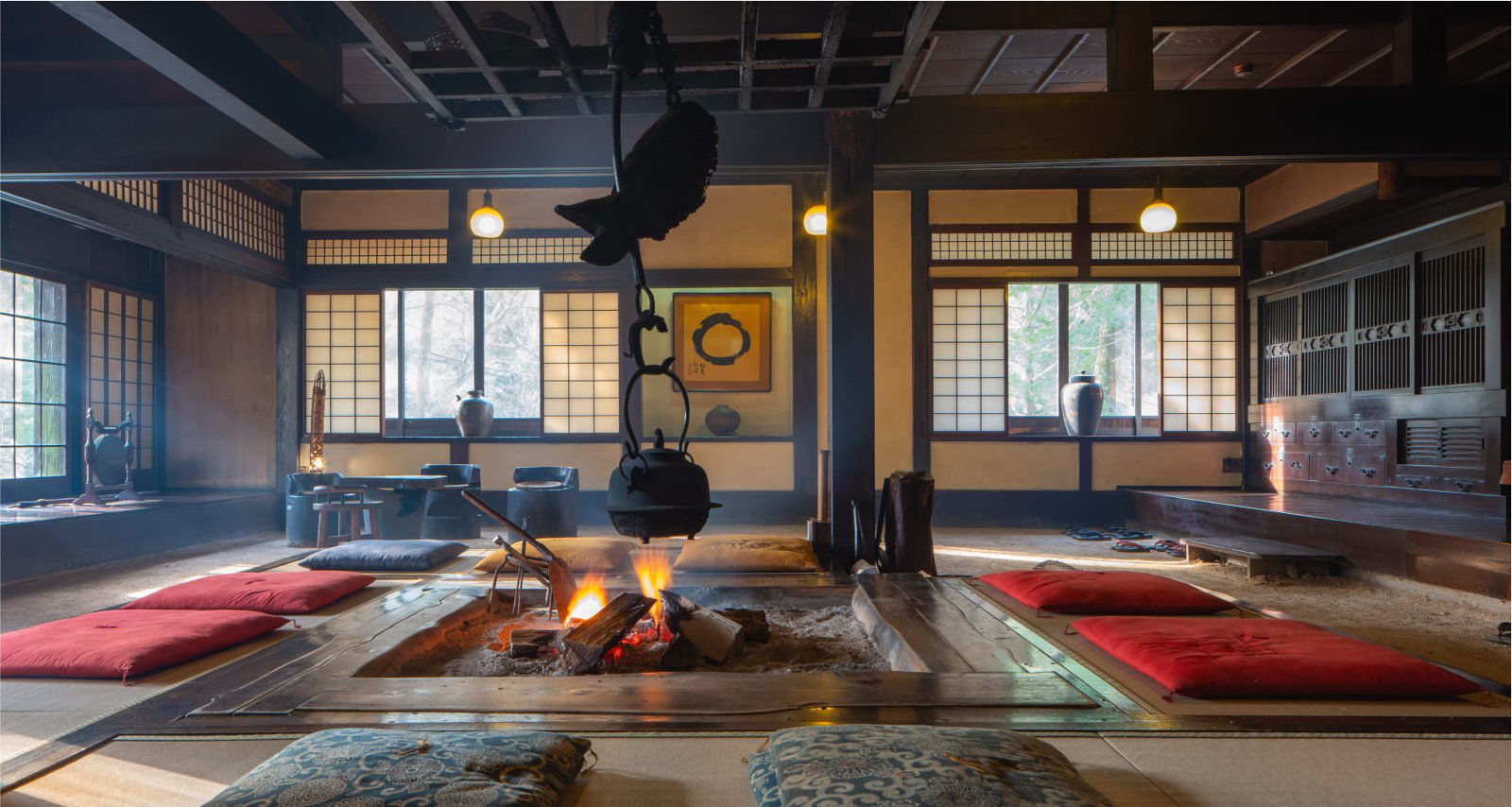
Wanosato feels like architecture grown from the forest: 160‑year‑old minka farmhouses, roofs furred with lichen, compressed‑earth walls and tree trunks left uncut create a quietly intense materiality. The design deliberately softens the boundary between indoors and out so that buildings read as extensions of cedar stands. The writing frames the property as part of a tradition in rural Japanese architecture that prizes stillness—an experience that privileges contemplation over spectacle. Overall, the mood is historic and serene, an understated, tactile elegance that foregrounds craft and the natural setting.
Best For
This is a place for travelers who want a restorative escape rooted in place: couples seeking a quiet romantic getaway or honeymoon, guests after a wellness‑oriented retreat, and visitors looking for a slow weekend escape from city life. It also suits anyone interested in traditional Japanese rural architecture and the sensory pleasures of aged materials and forested surroundings. Practical access by rail followed by the property’s shuttle makes it a good option for those combining train travel with a secluded stay.
Stay Tips
Plan arrivals around the complimentary shuttle from JR Takayama Station—departures are listed at 14:20, 15:20, 16:20 and 17:20 and require advance reservation. Trains from Nagoya take roughly two hours and twenty minutes to Takayama; the hotel’s shuttle then takes about twenty minutes off the main road into the forest. Reserve the shuttle when you book the room to ensure a seamless transfer, and aim for connections that match those fixed shuttle departure times.
Venue details
Ambiance
Warm and cozy atmosphere centered around the irori sunken hearth with candle-lit lamps, tatami rooms, and serene forest views from baths.
Tags
Vibe
Best For
Experience
Amenities
View
About the Stay
- Rooms
- 8
- Check-in
- 15:00
- Check-out
- 11:00
- Property Style
- Traditional Gassho Zukuri Ryokan
- Design Style
- Rustic Japanese with Tatami, Hinoki Baths, and Natural Materials
Know before you go
Know Before You Go
- Getting there
- 1682 Ichinomiyamachi, Takayama, Gifu 509-3505
Planning details
Location
Recognition and awards
Also consider
If Wanosato is not the right fit
Check BYAKU Narai if the priority is another character-led stay with a strong local setting. Choose Toyama Excel Hotel Tokyu if convenience and business-style predictability matter more than ryokan atmosphere.
Hotel context
How It Compares
Wanosato is the more recognition-led choice in this set thanks to its Michelin 1 Key status, but that does not automatically make it the right value for every traveler. Choose it for a slower, atmosphere-first stay near Takayama-shi; consider Taniya or Moritosha if the goal is to cross-shop quieter regional stays without assuming the premium attached to a Key-rated property.
BYAKU Narai and Bed and Craft are better comparables for travelers who care about small-scale lodging with a strong sense of place. Wanosato is the safer pick if third-party recognition matters; those two are worth checking if room character and local setting matter more than award validation.
Toyama Excel Hotel Tokyu is the practical alternative for travelers who want a more conventional hotel rhythm. It is likely the easier fit for business logistics, while Wanosato is the more compelling leisure choice when the stay itself is part of the reason for the trip.
Explore Takayama-shi
Around this place
Discover more on Pearl
Unlock the full Wanosato guide in Pearl, including awards, comparisons, FAQs, planning details, and nearby places.
Compare Wanosato
Where Wanosato sits among regional stays
Wanosato is the recognition-led pick in this group, with Michelin 1 Key status giving it a stronger quality signal than a standard regional hotel. Taniya, BYAKU Narai, Moritosha, and Bed and Craft are the right cross-shops for travelers prioritizing small-scale atmosphere. Toyama Excel Hotel Tokyu is the practical counterpoint for a more conventional hotel stay.
FAQ
Frequently Asked Questions
How is the dining at Wanosato?
Treat any meal planning as something to confirm directly with the venue, and evaluate the stay primarily around Takayama-shi and the confirmed Michelin 1 Key recognition.
Do loyalty programs work at Wanosato?
Do not plan around loyalty perks unless the venue confirms them for your booking. The record for Wanosato lists Michelin 1 Key recognition for 2025, but no loyalty program details.
Is Wanosato good for business travel?
How is the location of Wanosato?
Wanosato is in Takayama-shi. Compared with Toyama Excel Hotel Tokyu, it is the more relevant choice when the trip specifically needs to be based in Takayama-shi.
Which room category is best at Wanosato?
Choose the room category that fits your stay requirements and verify current room details directly with the venue. With Wanosato, the confirmed public hook is its Takayama-shi location and Michelin 1 Key recognition for 2025, not a specific room category or upgrade benefit.