
Glenmorangie House
Tain
Hotel in Tain, United Kingdom
 Book with Pearl
The Read
Maximalist Highlands Retreat
Why go
Glenmorangie House is worth booking for a quiet Highland celebration stay near Tain, especially if the trip is about the setting rather than urban convenience. The Michelin 1 Key recognition is the key trust signal; upgrade to suite level only if the room will be part of the occasion, not just a place to sleep.
About Glenmorangie House
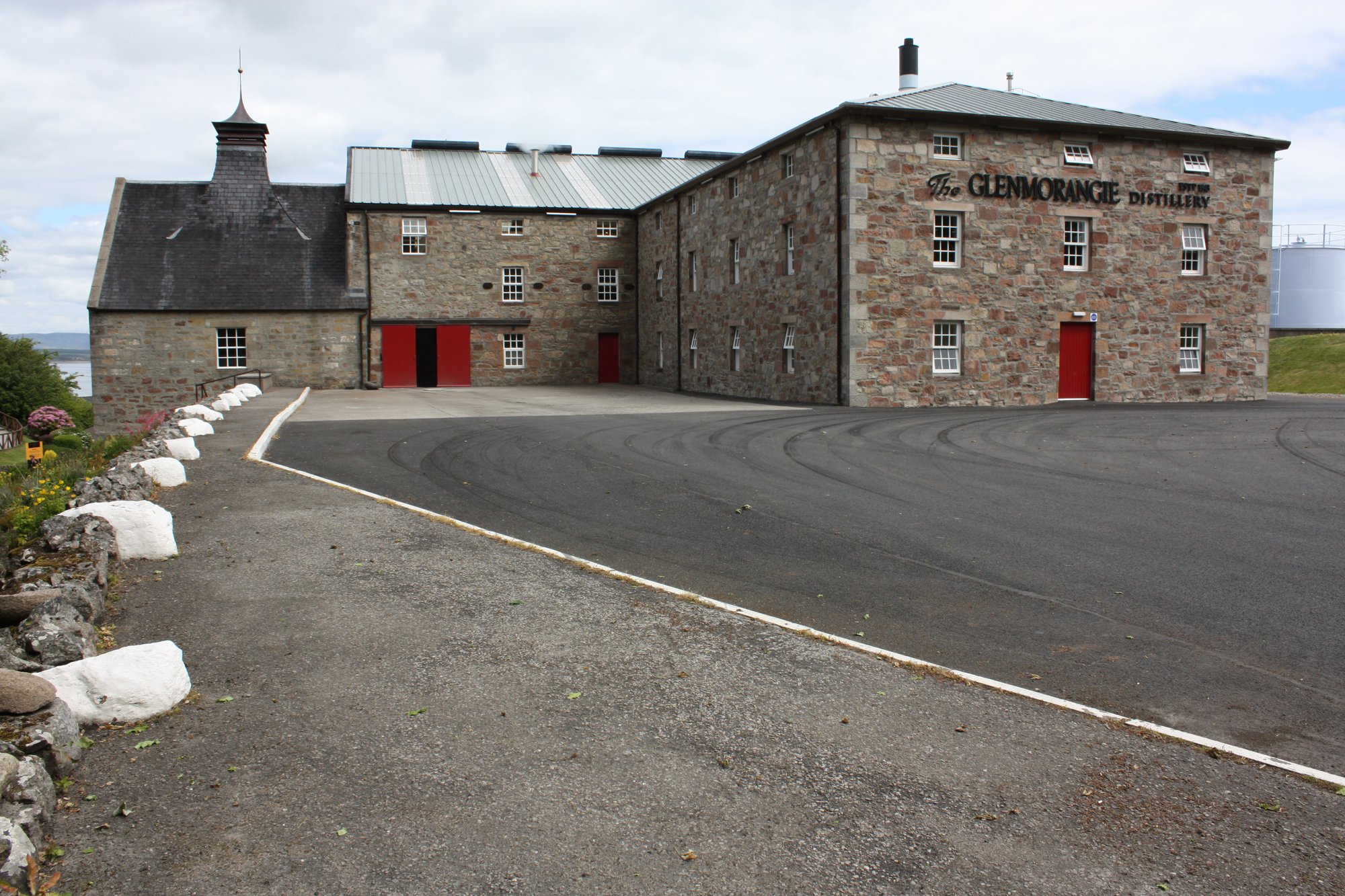
Glenmorangie House is a Tain stay with a Michelin 1 Key in 2025. That makes it relevant for travelers who want a hotel that has been recognized for the stay experience, while still leaving several practical details to confirm directly before booking.
The dress code is smart casual. Beyond that, do not assume a specific dining format, room type, price point, service style, or set of amenities unless the property confirms them for your dates.
Choose the room by occasion, not by square footage
For room-category specifics, the safest approach is to choose based on the purpose of the trip rather than on assumptions about size, layout, or included services. For a short stay, confirm the basics you need. For a special occasion, ask the property which option best fits the tone of the visit.
Before upgrading, confirm the current room descriptions, rates, and any inclusions directly with Glenmorangie House. The grounded reason to consider the property is its Tain setting and Michelin 1 Key recognition, not assumptions about a particular suite, view, package, or service format.
Better for a quiet Tain occasion than a practical city base
Glenmorangie House is in Tain, so it should be considered by travelers who specifically want to stay in Tain. If your itinerary depends on another town or city, compare the location carefully before booking.
For a broader hotel search, compare Glenmorangie House with Dornoch Station, Glen Mhor Hotel & Apartments, Links House at Royal Dornoch, Newhall Mains, and Rocpool Reserve based on your own route, dates, and confirmed needs.
Planning details
- Location
- Fearn by, Fearn by Tain, Tain IV20 1XP
- Website
- glenmorangie.com/pages/glenmorangie-house
- Phone
- +441862871671
The take
The Take
The Vibe
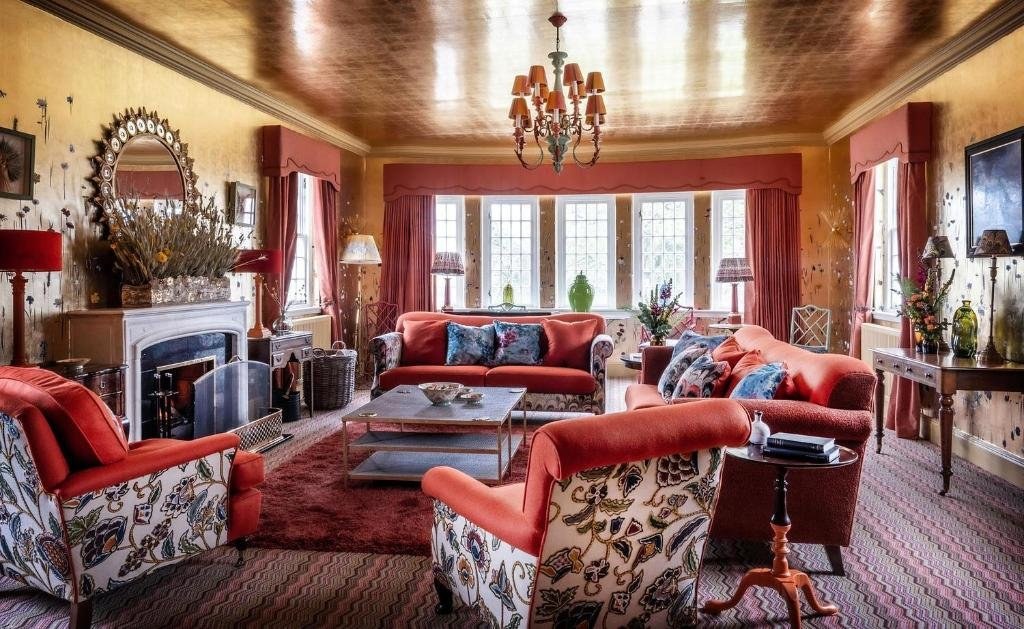
Glenmorangie House trades the predictable Highland country‑house look for a theatrical, maximalist take on tradition. Russell Sage treats each of the nine rooms as a separate design essay, layering historical references and bold palettes so that no two chambers feel the same. The result is an intimate, design‑forward retreat that still nods to regional roots—stone fireplaces and estate provenance keep it anchored in the Highlands even as the interiors push boundaries. It reads less like a conventional manor and more like a carefully edited collection of interiors for travelers who appreciate narrative-rich, statement design within a quietly established estate setting.
Best For
This small, nine‑room property is best for travelers who prize design as much as destination: couples seeking a romantic getaway or anniversary retreat, and anyone curious about the intersection of serious whisky provenance and bold interiors. Its intimate scale and individually conceived rooms suit weekend escapes and quiet, focused stays rather than bustling group trips. Design‑minded visitors and whisky enthusiasts will appreciate the juxtaposition of theatrical dressing and Highland tradition; the house is a fit for those who value personality-rich rooms, considered decor, and a more private, boutique hotel rhythm.
Stay Tips
With only nine individually conceived rooms, availability is limited—book well in advance if you have specific dates. Because "no two are alike in palette or furniture mix," request room descriptions and photographs when reserving to match the aesthetic or layout you prefer. The copy highlights the property's "serious whisky provenance," so ask the team about any whisky‑related programming or in‑house offerings when you enquire. For a short, design‑focused stay, consider confirming arrival details and any special requests ahead of time so the small team can tailor the experience.
Venue details
Ambiance
Opulent and luxurious common areas with technicolour aesthetic, warm Highland hospitality, manicured grounds, and intimate refined settings for cocktail hours and dinners.
Tags
Vibe
Best For
Experience
Amenities
View
About the Stay
- Rooms
- 9
- Check-in
- 16:00
- Check-out
- 11:00
- Property Style
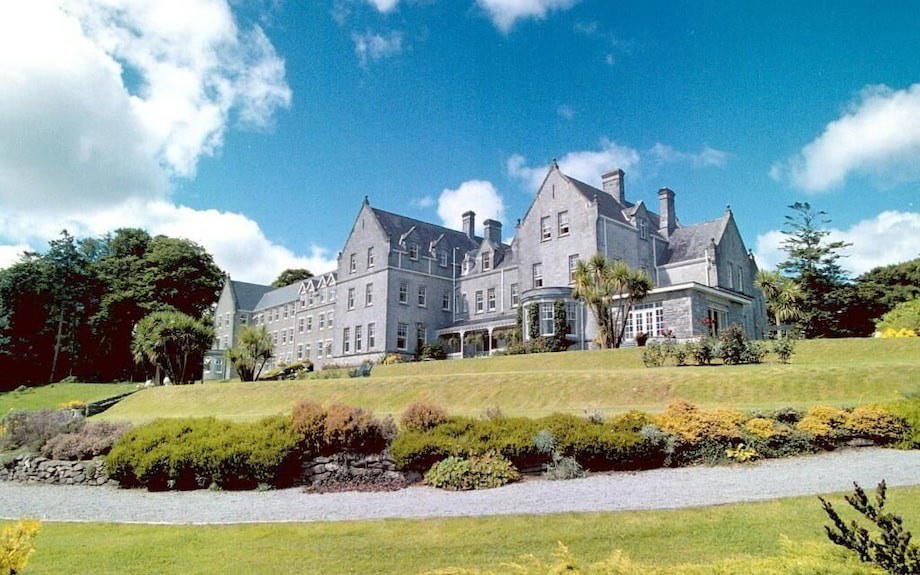
- Victorian Mansion Tastefully Renovated with Traditional Architecture
- Design Style
- Individually Designed Rooms in Technicolour Aesthetic Inspired by Single Malt Whisky Flavours
Know before you go
Know Before You Go
- Getting there
- Fearn by, Fearn by Tain, Tain IV20 1XP
Planning details
Location
Fearn by, Fearn by Tain, Tain IV20 1XP · Directions
Recognition and awards
Also consider
Also Consider
- Links House at Royal Dornoch, Notable alternative
- Dornoch Station, Notable alternative
- Newhall Mains, Notable alternative
- Glen Mhor Hotel & Apartments, Notable alternative
- Rocpool Reserve, Notable alternative
Hotel context
Against Links House at Royal Dornoch and Dornoch Station, Glenmorangie House is the more occasion-led choice for travellers who want a quieter Highland house stay. Links House at Royal Dornoch is the sharper cross-shop for guests centering the trip on Royal Dornoch, while Dornoch Station is the more practical pick if access and a larger hotel format matter more than intimacy.
Newhall Mains is the closest alternative for guests who like a rural, design-conscious Highland base but want a different feel from a whisky-country house. Glenmorangie House has the stronger recognition signal through its Michelin 1 Key, so choose it when the stay needs to feel more polished and celebratory. Choose Newhall Mains when the priority is a looser countryside base rather than a highly occasion-focused address.
Glen Mhor Hotel & Apartments and Rocpool Reserve make more sense for travellers who want Inverness convenience. They are easier fits for business travel, short stays, and itineraries that need restaurants, transport, and meetings close by. Glenmorangie House is harder to justify for that use case, but stronger for a stay where quiet, privacy, and a slower Highland setting are the point.
Around this place
Discover more on Pearl
Unlock the full Glenmorangie House guide in Pearl, including awards, comparisons, FAQs, planning details, and nearby places.
Compare Glenmorangie House
| Venue | Location | Awards |
|---|---|---|
| Glenmorangie House | Tain | Michelin 1 Key 20252025 Michelin 1 Key |
| Links House at Royal Dornoch | Dornoch | 2025 Michelin 1 Key |
| Dornoch Station | Dornoch | No published awards |
| Newhall Mains | Balblair | 2026 Mr & Mrs Smith Luxury Hotels2025 Michelin 1 Key |
| Glen Mhor Hotel & Apartments | Highland | No published awards |
| Rocpool Reserve | Scotland | No published awards |
How Glenmorangie House Tain compares with similar nearby venues.
FAQ
Frequently Asked Questions
How does Glenmorangie House compare to other hotels?
Glenmorangie House is the Tain option with Michelin 1 Key recognition in 2025. For comparison, also look at Dornoch Station, Glen Mhor Hotel & Apartments, Links House at Royal Dornoch, Newhall Mains, and Rocpool Reserve, then choose based on location, availability, and the type of stay you want.
Is Glenmorangie House good for business travel?
It is not possible to label Glenmorangie House as a business hotel or to rule it out for work travel. If you need meeting facilities, transport convenience, or specific business services, confirm those details directly before booking.
When is the best time to book Glenmorangie House?
Book when your Tain dates are firm, especially if the Michelin 1 Key recognition is part of the reason you are considering it. Availability patterns, seasonal demand, and booking rules should be checked directly with the property.
Which room category is best at Glenmorangie House?
For room categories, choose by confirming the current options, rates, and inclusions directly with Glenmorangie House, especially if the stay is for a special occasion.
Do loyalty programs work at Glenmorangie House?
Loyalty-program participation should be confirmed directly. If points, status benefits, or membership perks matter, confirm them directly before booking or compare with other hotels such as Glen Mhor Hotel & Apartments.
How is the location of Glenmorangie House?
Glenmorangie House is in Tain. Use Tain as the location reference, and compare it with other options such as Dornoch Station, Links House at Royal Dornoch, Newhall Mains, Rocpool Reserve, and Glen Mhor Hotel & Apartments if your itinerary depends on another area.
How is the dining at Glenmorangie House?
Specific dining details, cuisine, menus, and service format should be confirmed directly. The dress code is smart casual; for current dining arrangements, check directly with Glenmorangie House before booking.