
Auberge TOKITO
Tachikawa
Hotel in Tachikawa, Japan
 Book with Pearl
The Read
Chef-Owned Auberge Precision
Price
$1,500–2,500per night
Why go
Auberge TOKITO is worth prioritizing if the trip is centered on Tachikawa or western Tokyo and you want a quieter, design-led auberge rather than a large central hotel. Its Michelin 1 Key recognition gives it a stronger quality signal than many smaller independents, but travelers who need loyalty points, brand predictability, or central Tokyo efficiency should cross-shop larger peers.
About Auberge TOKITO
Auberge TOKITO is a Tachikawa stay with Michelin 1 Key recognition in 2025. That makes it worth considering for travelers who specifically want to stay in Tachikawa rather than defaulting to a larger Tokyo hotel elsewhere.
Auberge TOKITO pairs a Tachikawa location with a smart-casual dress code and Michelin 1 Key recognition. Consider it a Tachikawa property, and confirm any practical needs directly before booking.
Choose it for a Tachikawa stay, not for assumptions beyond the facts
Auberge TOKITO is in Tachikawa. If Tachikawa is the point of the trip, it belongs on the shortlist; if your plans depend on another part of Tokyo, compare travel logistics carefully before committing.
The dress code is smart casual. Beyond that, guests should check directly with the property for current policies, room details, arrival arrangements, dining availability, accessibility needs, and any family- or business-specific requirements.
Use the confirmed details as the basis for comparison
Auberge TOKITO may appeal to travelers looking specifically at Tachikawa, but the confirmed facts should stay narrow: Tachikawa location, smart-casual dress code, and Michelin 1 Key recognition in 2025. Use those points as the basis for comparison, then confirm the rest before booking.
For broader trip planning, use our full Tachikawa hotels guide, plus our full Tachikawa restaurants guide. Travelers comparing other hotel options can also look at BnA Hotel - Koenji, Futakotamagawa Excel Hotel Tokyu, Keio Plaza Hotel Tokyo Premier Grand, Kimpton Shinjuku Tokyo, and Park Hyatt Tokyo.
Inside Auberge TOKITO
Planning details
- Location
- 1-chōme-24-26 Nishikichō, Tachikawa, Tokyo 190-0022
- Website
- aubergetokito.com
- Phone
- +81 42-525-8888
The take
The Take
The Vibe
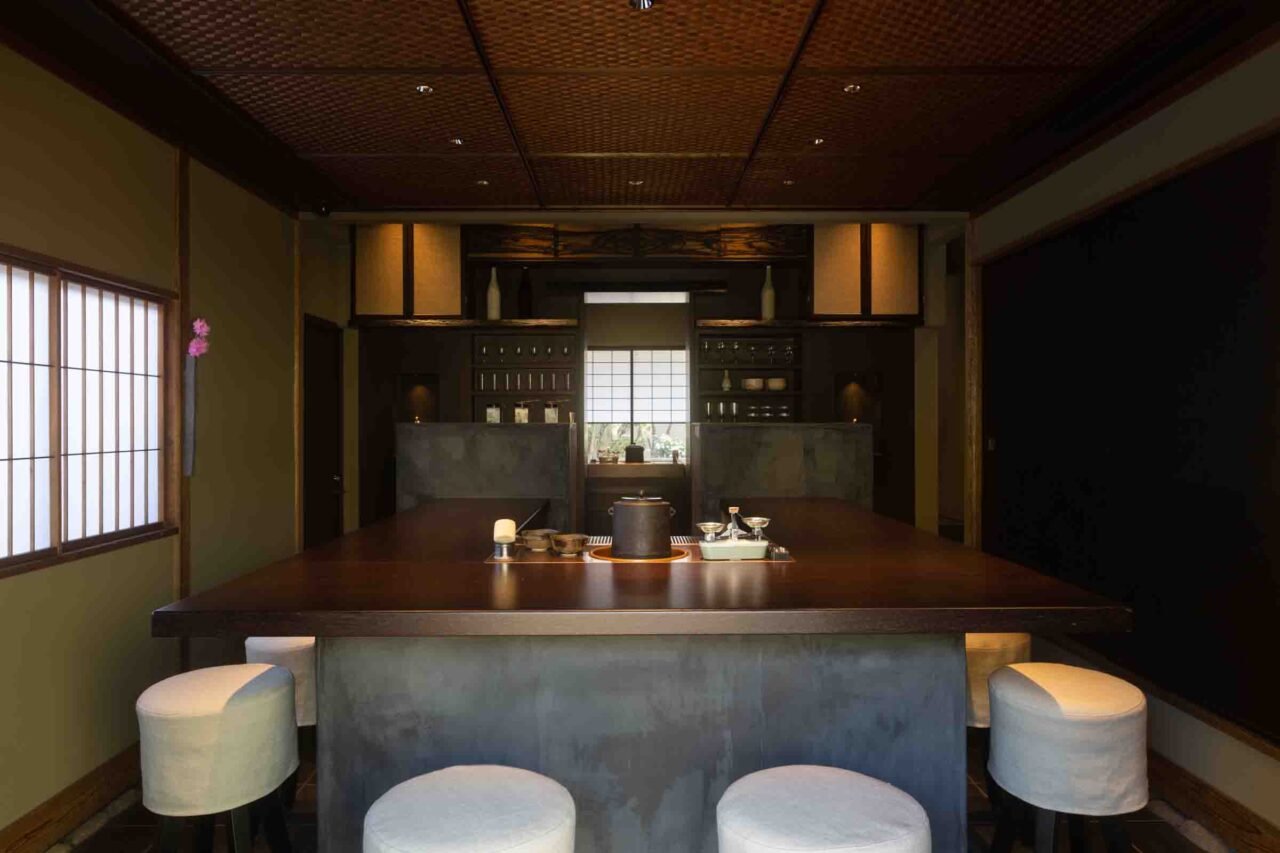
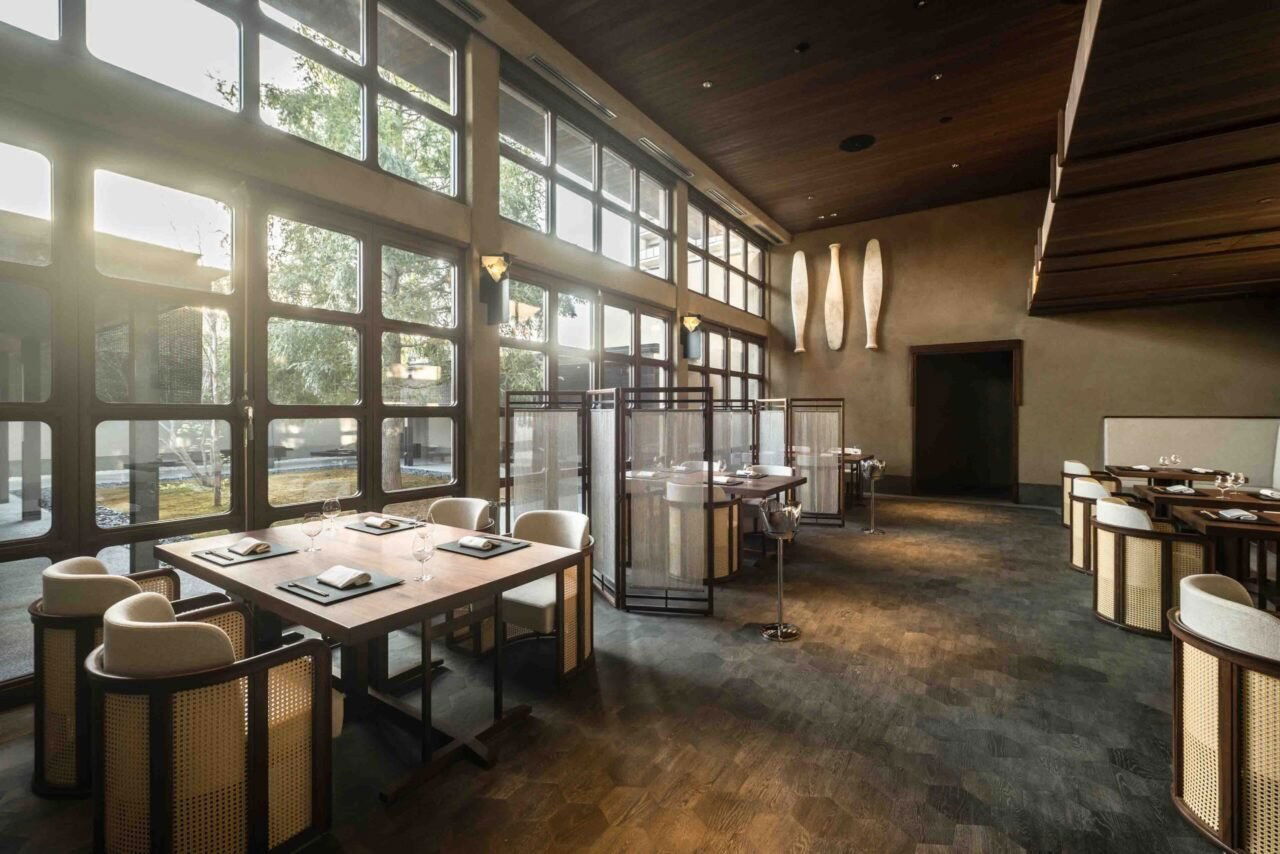
Auberge TOKITO reads as a quietly modern auberge that foregrounds design and restraint. Shinichiro Ogata’s approach—reduction as precision—shapes the rooms, where floor-to-ceiling glass intentionally blurs interior and garden to create a calm, contemplative experience. With just four suites and a focused dining room, the property emphasizes small-scale refinement over resort spectacle. The result is a minimalist, design-forward hideaway in Tachikawa that feels curated and intentional rather than busy or theatrical.
Best For
This is a stay for travelers who prize thoughtful design, intimacy, and a serious culinary program. The four-suite scale and careful spatial work make it particularly well suited to romantic getaways and anniversaries or anyone seeking a quieter, restorative escape from central Tokyo. The on-site dining room operates on a focused pricing model and is central to the experience, so its appeal skews toward guests who plan their evenings around a considered meal rather than casual drop-in dining.
Stay Tips
Rooms are extremely limited—only four suites—so book well in advance. The dining room operates with a pricing model available on request, which indicates a curated or prix-fixe approach; inquire about menus, timing, and any dietary needs when you reserve. Given the property’s design focus and small scale, request details about room layout and garden access if a seamless indoor-outdoor experience matters to you. Treat reservations as part of the stay rather than an afterthought.
Venue details
Ambiance
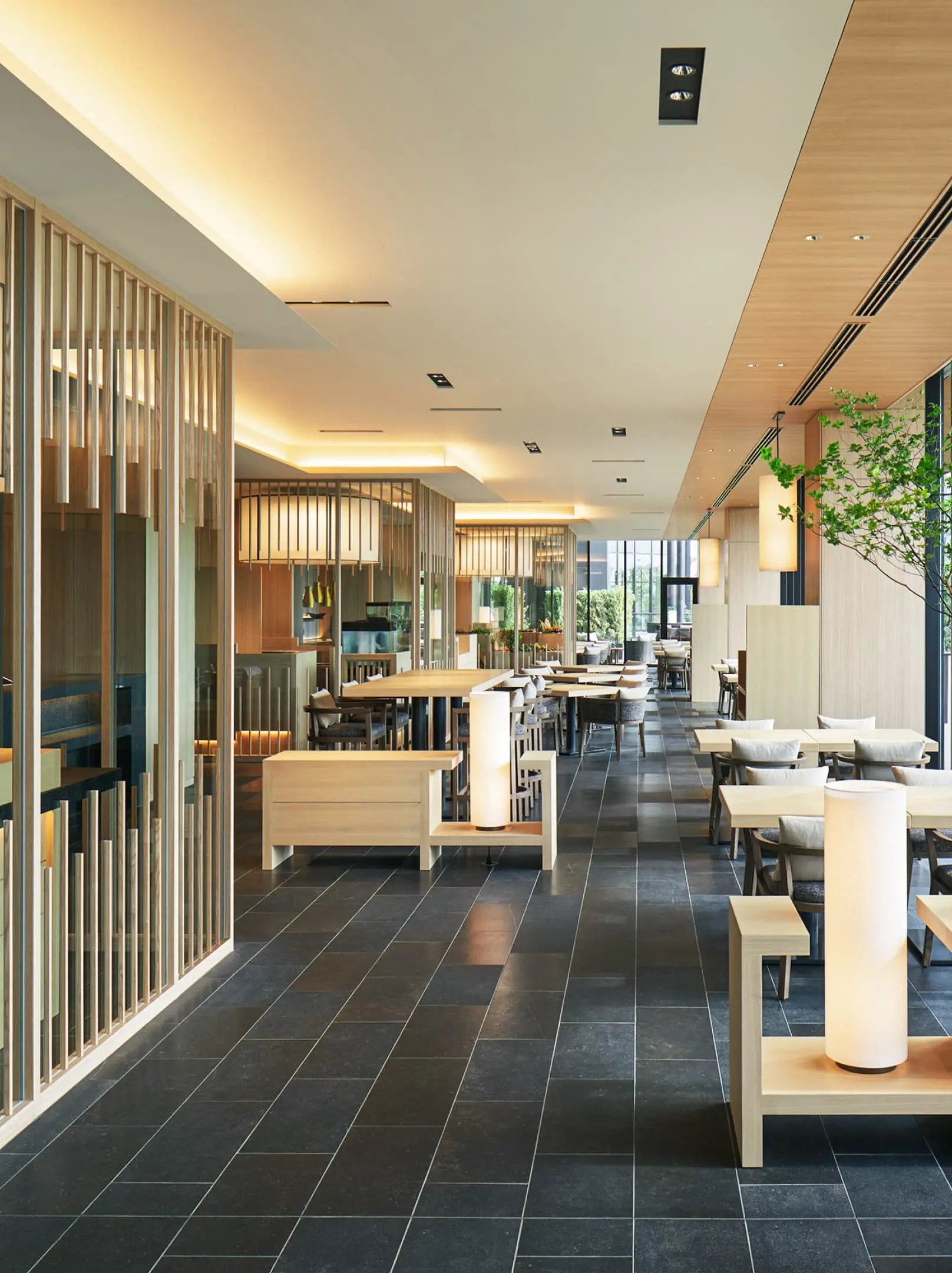
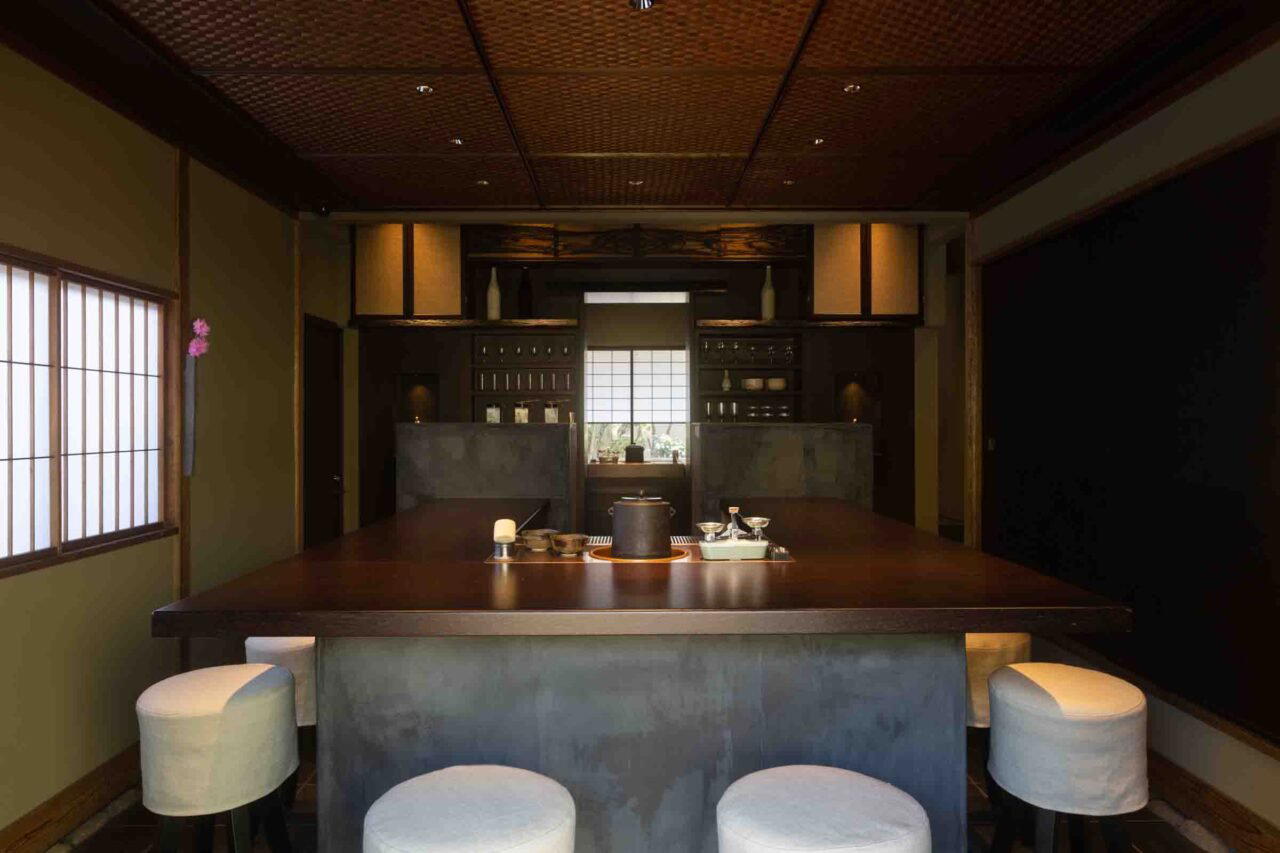
Tranquil and restorative with soft lighting, pale woods, washi-like textiles, and peaceful garden views creating a serene, residential-like atmosphere.
Tags
Vibe
Best For
Experience
Amenities
View
About the Stay
- Rooms
- 4
- Check-in
- 14:00
- Check-out
- 13:00
- Property Type
- Boutique hotel
- Property Style
- Contemporary Ryokan with Artisanal Craftsmanship Blending Modern Minimalism and Traditional Japanese Elements
- Design Style
- Minimalist with Natural Materials, Pale Woods, Tatami, and Soft Lighting
- Spa
- Yes
- Cancellation
- Strict
Know before you go
Know Before You Go
- Getting there
- 1-chōme-24-26 Nishikichō, Tachikawa, Tokyo 190-0022
Planning details
Location
Recognition and awards
Also consider
Also Consider
- BnA Hotel - Koenji, Notable alternative
- Futakotamagawa Excel Hotel Tokyu, Notable alternative
- Park Hyatt Tokyo, Notable alternative
- Kimpton Shinjuku Tokyo, Notable alternative
- Keio Plaza Hotel Tokyo Premier Grand, Notable alternative
Hotel context
How it compares with western and central Tokyo peers
Auberge TOKITO is the more intentional choice if atmosphere and a slower stay matter more than brand scale. BnA Hotel - Koenji is a better fit for travelers who want a more urban, art-hotel feel with easier movement into Tokyo nightlife. Futakotamagawa Excel Hotel Tokyu is the safer pick for a practical west-side stay with broader hotel familiarity.
Against the central luxury set, the choice is clearer. Park Hyatt Tokyo is the better match for travelers who want a landmark central-Tokyo hotel experience and deeper service infrastructure. Kimpton Shinjuku Tokyo makes more sense for guests prioritizing Shinjuku access, dining nearby, and a livelier social base. Keio Plaza Hotel Tokyo Premier Grand is the practical alternative for business travel, larger-hotel logistics, and predictable central access.
Book Auberge TOKITO when the stay itself is meant to feel quieter and more considered. Cross-shop the Shinjuku peers if the itinerary is schedule-heavy, transit-heavy, or points-driven; choose Koenji or Futakotamagawa if the goal is west-side Tokyo with less commitment to an auberge-style stay.
Explore Tachikawa
Around this place
Discover more on Pearl
Unlock the full Auberge TOKITO guide in Pearl, including awards, comparisons, FAQs, planning details, and nearby places.
Compare Auberge TOKITO
| Venue | Location | Awards |
|---|---|---|
| Auberge TOKITO | Tachikawa | 2026 Michelin 1 KeyMichelin 1 Key 20252025 Michelin 1 Key |
| BnA Hotel - Koenji | Tokyo | No published awards |
| Futakotamagawa Excel Hotel Tokyu | Tokyo | Preferred Hotels Member 2025 |
| Park Hyatt Tokyo | Tokyo | 2026 Robb Report The 50 Greatest Luxury Hotels on Earth · #42026 World’s 50 Best Hotels 51-100 · #532026 Virtuoso Luxury Hotel Collection2026 Travel + Leisure It List Hotels2026 Robb Report Best Luxury Hotels in Tokyo2026 Conde Nast Traveler Hot List HotelsTown & Country Hotel Awards 2026Esquire Best New Hotels in the World 20262026 La Liste Top Hotels |
| Kimpton Shinjuku Tokyo | Tokyo | No published awards |
| Keio Plaza Hotel Tokyo Premier Grand | Tokyo | No published awards |










How Auberge TOKITO Tachikawa compares with similar nearby venues.
FAQ
Frequently Asked Questions
Is Auberge TOKITO good for business travel?
It may work if Tachikawa fits your schedule, but specific business amenities are not listed. Confirm work-space needs, arrival timing, and transport plans directly before booking.
How is the location of Auberge TOKITO?
Auberge TOKITO is in Tachikawa. If your plans are focused on Tachikawa, it is relevant; if your plans are elsewhere in Tokyo, compare travel time carefully before choosing it.
Is Auberge TOKITO family-friendly?
Specific family facilities or policies are not listed. Families should check room setup, bedding, child policies, and dining arrangements directly with the property before booking.
How does Auberge TOKITO compare to other hotels?
Auberge TOKITO is the Tachikawa option among these choices, with Michelin 1 Key recognition in 2025. Futakotamagawa Excel Hotel Tokyu, Keio Plaza Hotel Tokyo Premier Grand, Park Hyatt Tokyo, Kimpton Shinjuku Tokyo, and BnA Hotel - Koenji are other hotel options to compare based on where you need to be and what style of stay you want.
Do loyalty programs work at Auberge TOKITO?
A loyalty-program setup is not listed. If points, elite benefits, or chain consistency are priorities, compare Auberge TOKITO directly with options such as Keio Plaza Hotel Tokyo Premier Grand or Kimpton Shinjuku Tokyo.
Which room category is best at Auberge TOKITO?
Specific room categories are not listed. Choose based on the room details shown for your dates, and confirm size, bedding, views, accessibility, and in-room amenities directly before booking.
What is check-in like at Auberge TOKITO?
Check-in details are not listed. Contact the property for current check-in times, late-arrival procedures, luggage handling, and any special arrival requests.