

Manami Resort
Sipalay
Hotel in Sipalay, Philippines
 Book with Pearl
The Read
Sheltered-Cove Seclusion
Why go
Manami Resort is the better fit for travelers who want a quieter Sipalay coastal stay rather than the facilities-heavy feel of Cebu or Bohol resorts. Treat the on-site dining as part of the resort experience, not the sole reason to travel, and cross-shop larger Philippine beach properties if restaurant choice and resort infrastructure matter more.
About Manami Resort
Manami Resort in Sipalay is listed as a Small Luxury Hotels of the World member in 2025, making it worth considering if you want a resort with a recognized hotel affiliation.
Frame the dining question cautiously: choose this for the resort stay first and the on-site meals second. If the meal is the main event, use Our full Sipalay restaurants guide before committing the whole trip around dinner.
Better for a slow resort stay than a food-led itinerary
The right guest is someone considering Sipalay for a resort-led stay rather than a tightly scheduled dining itinerary. For first-timers, pair this with Our full Sipalay hotels guide to check whether the destination makes sense for your trip. For drinks, side trips, or non-hotel activities, scan Our full Sipalay bars guide and Our full Sipalay experiences guide rather than assuming the resort will solve every hour of the day.
Who should choose this over bigger Philippine beach resorts
Choose Manami Resort if the decision is mainly about staying in Sipalay with the added trust signal of Small Luxury Hotels of the World membership. Cross-shop BE Grand Resort, Bohol, Amorita Resort, and Crimson Resort & Spa Mactan if you are also considering resort options elsewhere in the Philippines. Keep Manami Resort on the shortlist if the priority is Sipalay and a recognized hotel affiliation, not a dining pilgrimage.
Planning details
- Location
- MCC3+FC3 Brgy. Cayhagan, Sipalay City, 6113 Negros Occidental
- Website
- manamiresort.com
- Phone
- +63 917 179 2611
The take
The Take
The Vibe
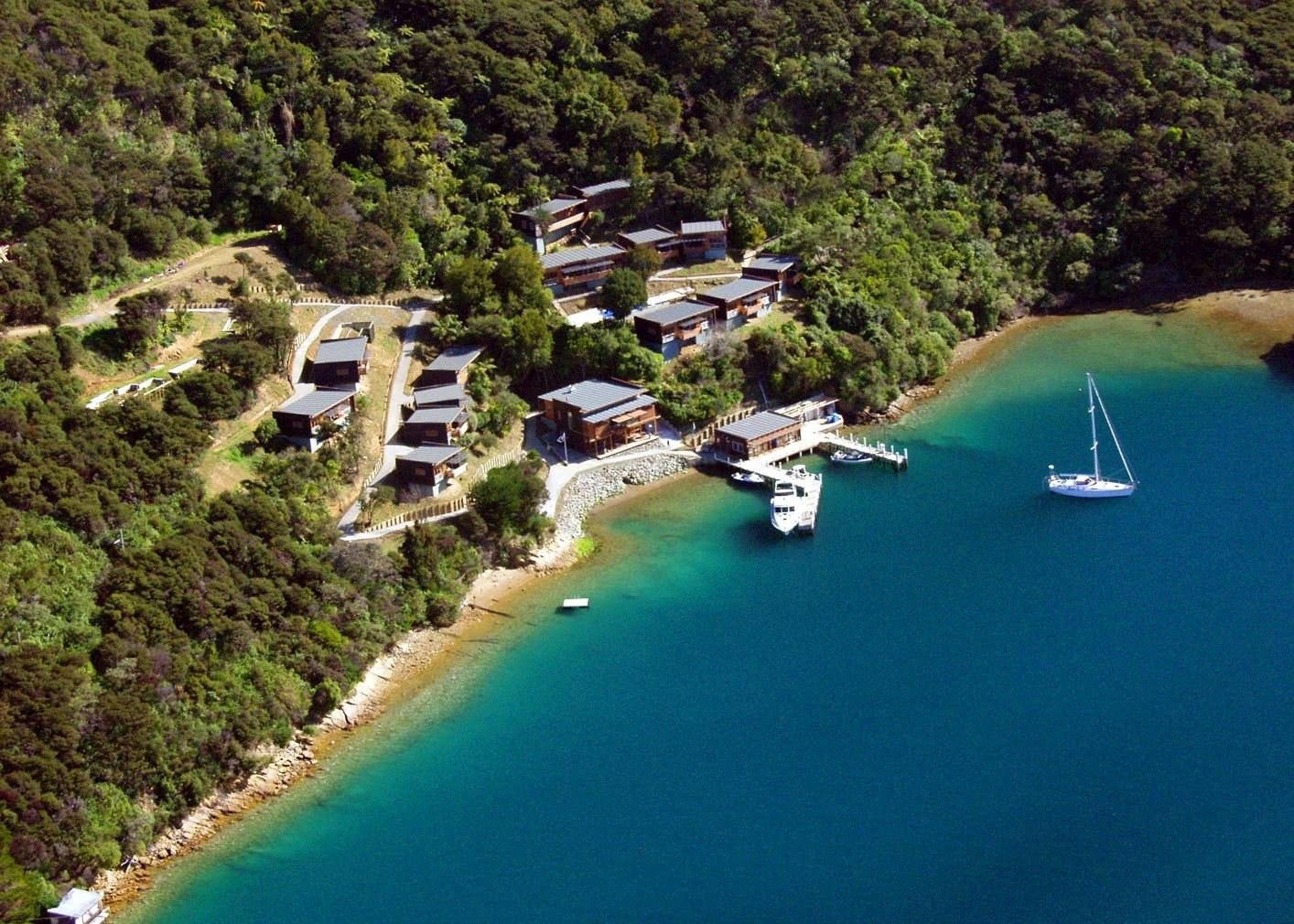
Manami Resort presents a quietly assured retreat that privileges site over spectacle. Villas are carefully sited on a jungle‑framed slope so they emerge from the hillside rather than dominate it; the sheltered cove below becomes the property’s organizing element. The architecture and landscape operate in conversation, producing a small‑footprint, intimate property that feels discovered rather than manufactured. The overall tone is serene and unshowy: instead of grand lobbies and engineered panoramas, Manami trades scale for a found‑landscape sensibility that rewards visitors who value calm, considered design and a measured relationship to the natural setting.
Best For
This is a stay for travelers who are willing to take the detour for a quieter, nature‑first experience. The handful of villas and the site‑specific placement make it well suited to guests seeking seclusion, slow days by a sheltered cove, and an immersive hillside setting. It appeals to people who prefer small properties that respond to their terrain rather than larger resorts that prioritize scale. The resort suits those who want to focus on landscape, design and privacy rather than full‑service, high‑capacity resort programming.
Stay Tips
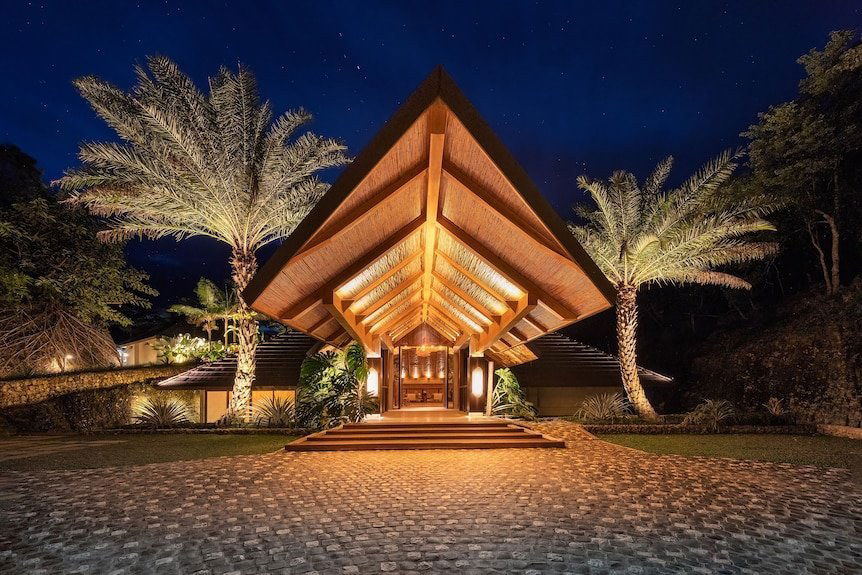
Plan logistics around the journey: Sipalay sits at the far edge of the province and the description notes several hours by road from Bacolod, so allow travel time and a deliberate arrival. Choose one of the waterfront‑facing villas if views of the cove and a stronger relationship to the hillside matter most; the property’s low villa count suggests limited availability, so book early. Expect an understated arrival experience rather than a grand‑lobby arrival sequence—the design prioritizes integration with the forest over spectacle.
Venue details
Ambiance
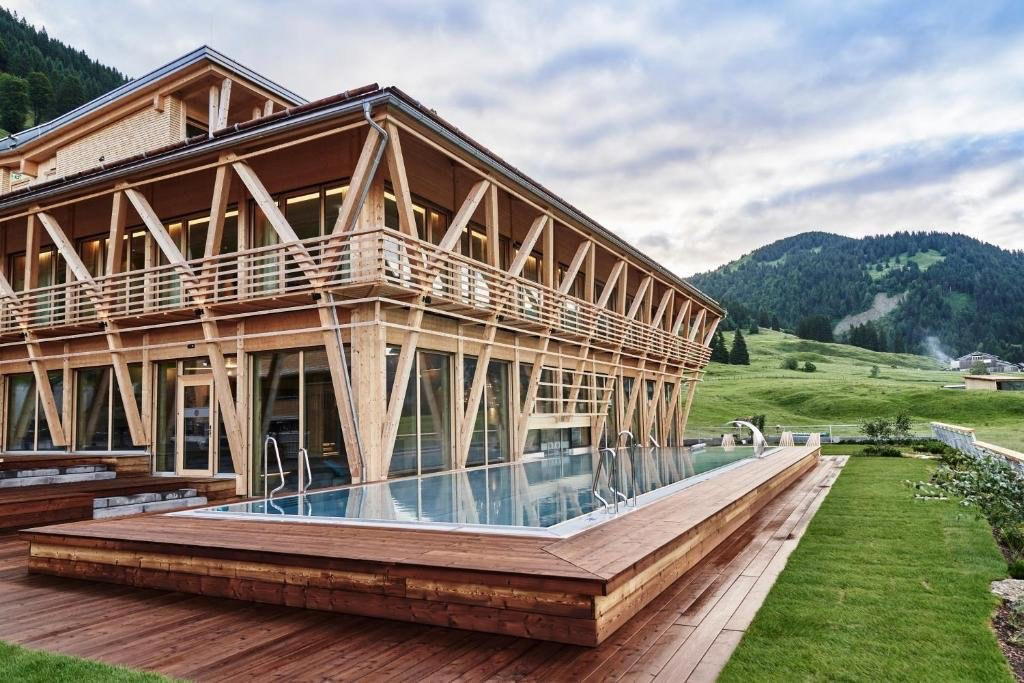
Serene and peaceful with natural light, cool breezes from large windows, spa-like rooms, and mesmerizing sunset views over the ocean.
Tags
Vibe
Best For
Experience
Amenities
View
Accessibility
About the Stay
- Rooms
- 16
- Check-in
- 15:00
- Check-out
- 11:00
- Property Type
- Boutique hotel
- Property Style
- Luxury Nature Resort Blending Modern Amenities with Natural Surroundings
- Design Style
- Spa Like with Bamboo Elements, Large Windows, and Refined Interiors
- Breakfast
- Included
- Airport Transfer
- Available
- Pool
- Yes
- Spa
- Yes
- Families
- Welcome
- Cancellation
- Moderate
Know before you go
Know Before You Go
- Getting there
- MCC3+FC3 Brgy. Cayhagan, Sipalay City, 6113 Negros Occidental
Planning details
Location
MCC3+FC3 Brgy. Cayhagan, Sipalay City, 6113 Negros Occidental · Directions
Recognition and awards

Also consider
Also Consider
- Hotel Dumaguete, Notable alternative
- BE Grand Resort, Bohol, Notable alternative
- Amorita Resort, Notable alternative
- Crimson Resort & Spa Mactan, Notable alternative
- Dusit Thani Mactan Cebu Resort, Notable alternative
Hotel context
How It Compares
Hotel Dumaguete is the more practical choice if the trip needs city access and a simpler base; Manami Resort is the stronger pick for a slower coastal stay where the hotel setting matters more than urban convenience. Booking should be easier here than at larger name-recognition beach resorts, but the trade-off is fewer confirmed details to judge dining depth before arrival.
BE Grand Resort, Bohol and Amorita Resort make more sense for travelers who want Panglao's established resort circuit and more built-out vacation infrastructure. Choose Manami Resort if value is measured in quiet and separation rather than access to a busier dining and activity scene.
Crimson Resort & Spa Mactan and Dusit Thani Mactan Cebu Resort are better for travelers who want a bigger Cebu resort environment, easier flight logistics, and more predictable facilities. Manami Resort is the more intimate-feeling alternative for a Negros Occidental escape, especially if the goal is ambiance over resort scale.
Explore Sipalay
Around this place
Discover more on Pearl
Unlock the full Manami Resort guide in Pearl, including awards, comparisons, FAQs, planning details, and nearby places.
Compare Manami Resort
| Venue | Location | Awards |
|---|---|---|
| Manami Resort | Sipalay | 2026 Michelin 1 Key2025 Michelin Selected HotelsSmall Luxury Hotels Member 2025 |
| Hotel Dumaguete | Dumaguete | No published awards |
| BE Grand Resort, Bohol | Bohol | No published awards |
| Amorita Resort | Panglao Island | No published awards |
| Crimson Resort & Spa Mactan | Cebu | No published awards |
| Dusit Thani Mactan Cebu Resort | Cebu | 2025 Michelin 1 Key |


How Manami Resort Sipalay compares with similar nearby venues.
FAQ
Frequently Asked Questions
How is the location of Manami Resort?
Manami Resort is in Sipalay. Use the hotel's current booking or contact channels before planning transfers or daily movement around the city.
What is check-in like at Manami Resort?
Is Manami Resort good for business travel?
For business travel, ask the property about meeting facilities and work amenities. Its key hotel credential is Small Luxury Hotels of the World membership.
Which room category is best at Manami Resort?
Before booking, compare the property's current room descriptions directly and choose based on the features that matter most to your trip.
How is the dining at Manami Resort?
Treat dining here as part of a resort stay rather than the main reason to come to Sipalay. Check the resort's current dining information before booking around meals.
Do loyalty programs work at Manami Resort?
Ask the property about specific loyalty-program details. Manami Resort is a Small Luxury Hotels of the World member.