

Sala Lodges
near city center, Siem Reap
Hotel in Siem Reap, Cambodia
 Book with Pearl
The Read
Relocated Vernacular Architecture
Price
$100–200per night
Why go
Sala Lodges is worth shortlisting if you want a quiet, character-led Siem Reap stay rather than a conventional resort setup. Its strongest fit is couples or design-minded travelers using the hotel as a calm base for Angkor, while business travelers and amenity-maximizers may get better value from larger local hotels.
About Sala Lodges
Sala Lodges is a Siem Reap stay with casual dress code and recognition that includes Michelin 1 Key in 2025, plus World Luxury Hotel Awards 2025 country and regional winner recognition. Beyond those points, details about services, facilities, dining, rates, room count, or on-site amenities should be confirmed directly with the property.
For travelers comparing options, keep the decision grounded in what is confirmed and what still needs checking directly with the property. Treeline Urban Resort, La Résidence d'Angkor, Siem Reap, Hotel Vellita Siem Reap, Rambutan Hotel & Resort, and Rambutan Hotel & Resort - Siem Reap are useful names to compare when building a Siem Reap shortlist, but current rates, inclusions, and service details should be confirmed through official channels.
A Siem Reap stay with confirmed recognition
The strongest signal for Sala Lodges is its recognition profile. The property is listed with Michelin 1 Key for 2025 and World Luxury Hotel Awards 2025 country and regional winner recognition.
It does not list a specific dining format, spa program, pool setup, room count, price band, transfer arrangement, business facilities, or family policy. Treat those as questions to check before booking rather than assumptions.
Who should consider Sala Lodges
Consider Sala Lodges if its recognition, casual dress code, and Siem Reap location make it a compelling fit for your shortlist. If the trip depends on specific amenities, dining options, meeting support, accessibility needs, or family services, confirm those details with the property before committing.
The best comparison is not a single universal winner, but fit. Review Sala Lodges alongside Hotel Vellita Siem Reap, Treeline Urban Resort, Rambutan Hotel & Resort, Rambutan Hotel & Resort - Siem Reap, and La Résidence d'Angkor, Siem Reap based on current information, including rates, inclusions, Siem Reap logistics, and the services that matter most for the trip.
For broader planning, use Our full Siem Reap hotels guide alongside Our full Siem Reap restaurants guide, Our full Siem Reap bars guide, and Our full Siem Reap experiences guide.
Planning details
- Location
- Salakomreuk no. 498, Krong Siem Reap
- Website
- salalodges.com
- Phone
- +855 12 705 300
The take
The Take
The Vibe
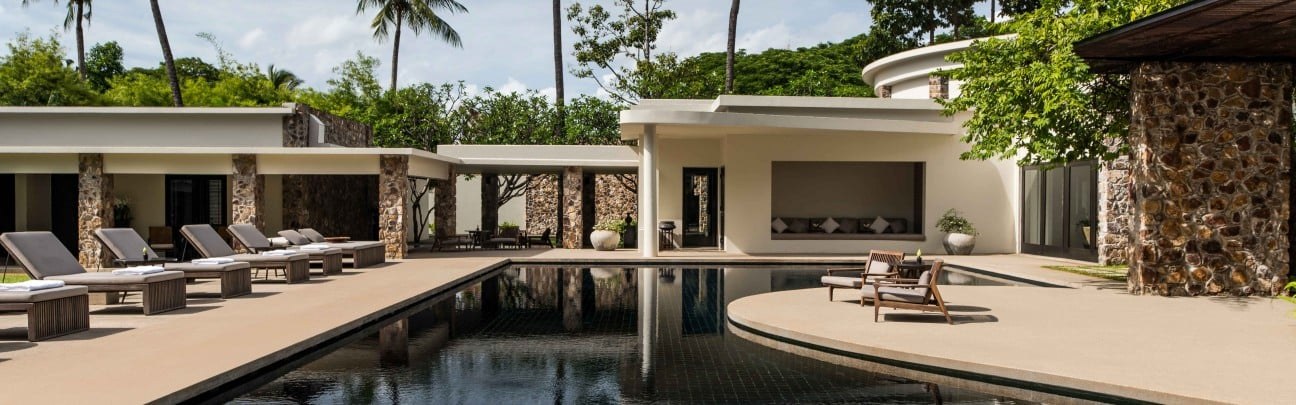
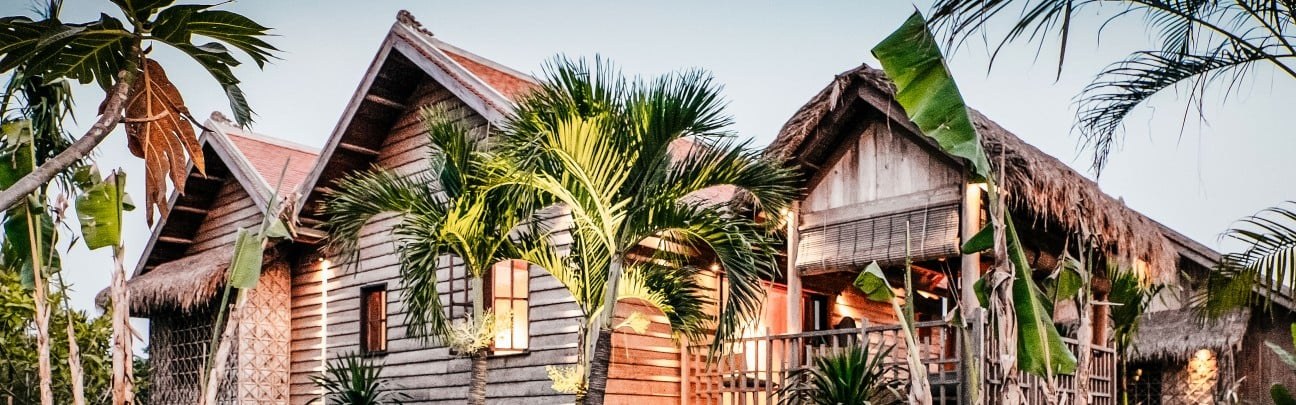
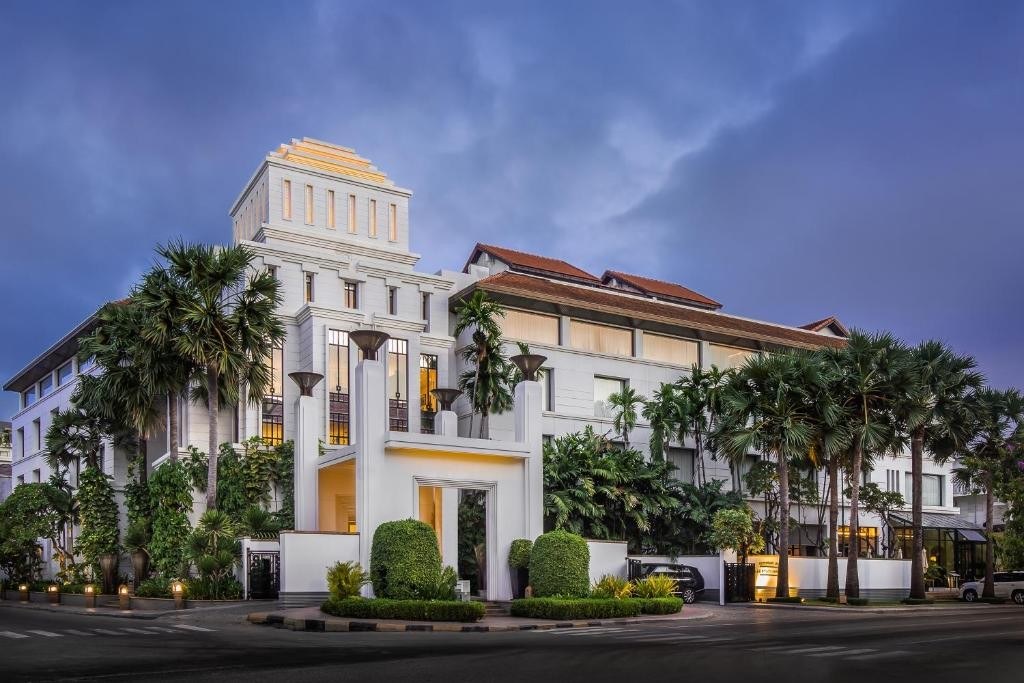
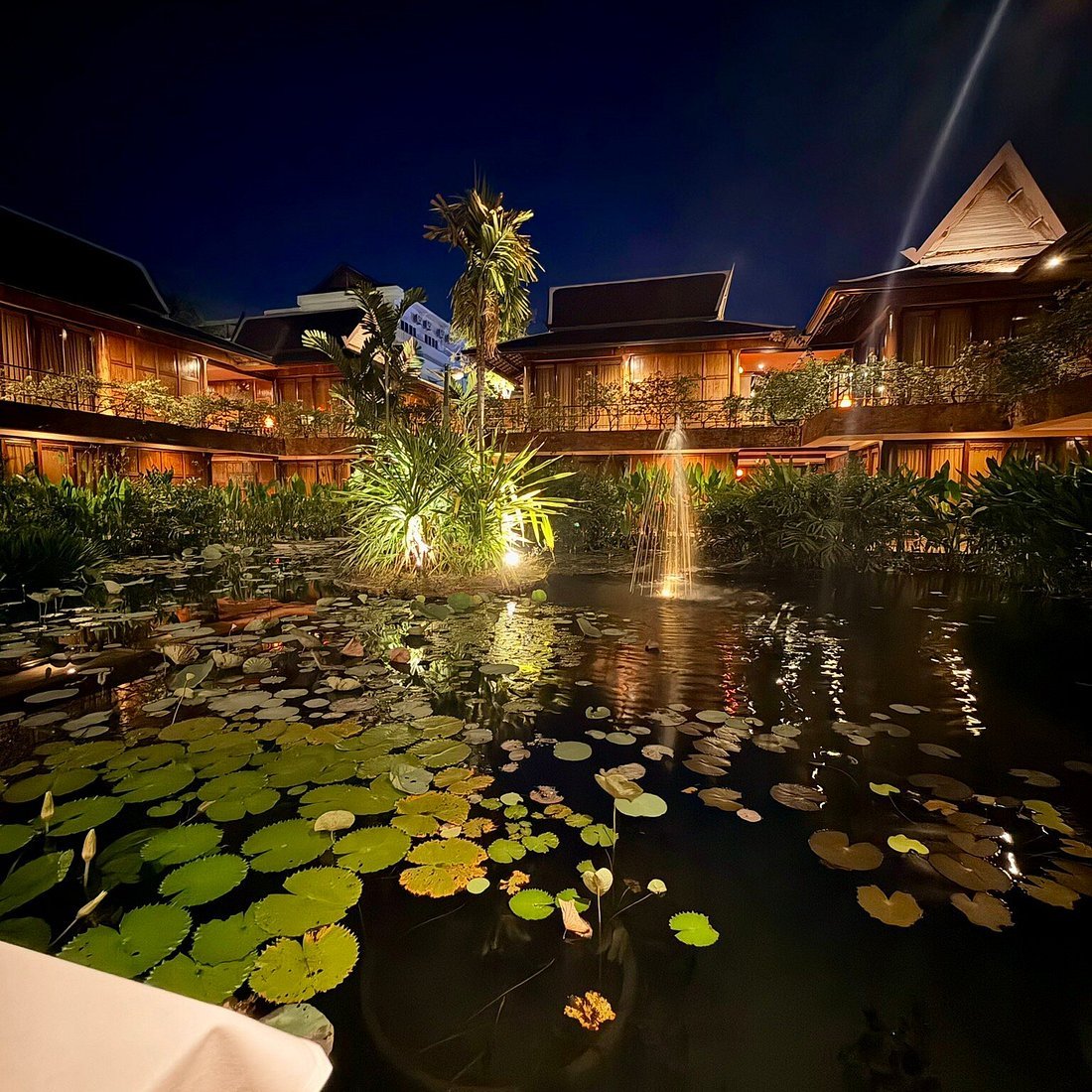
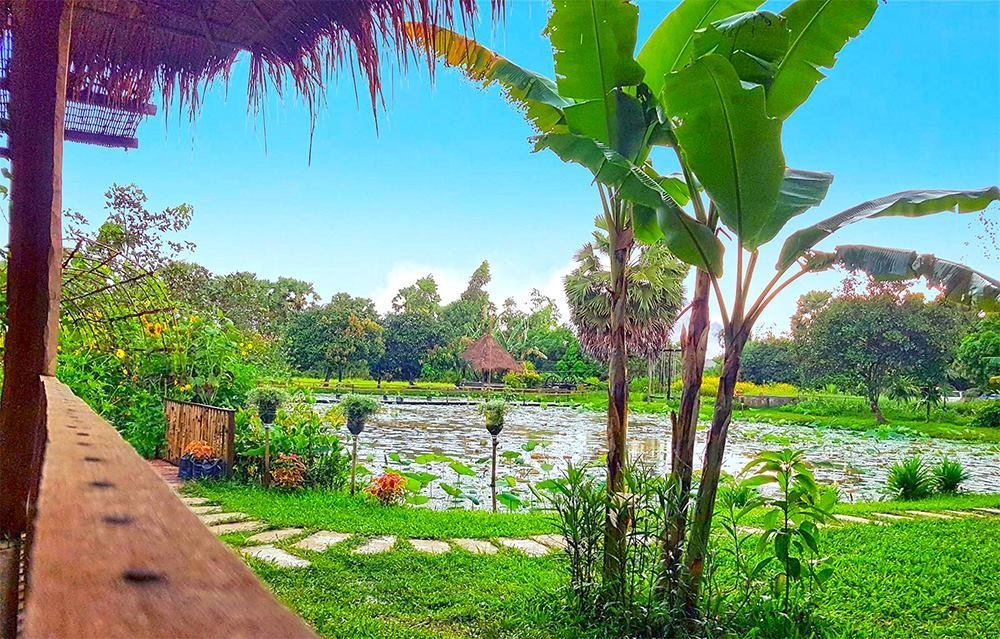
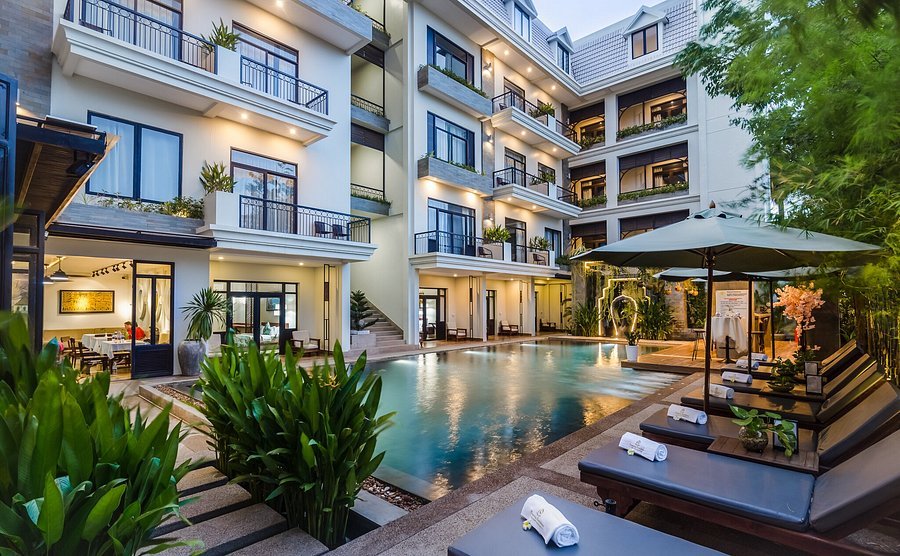
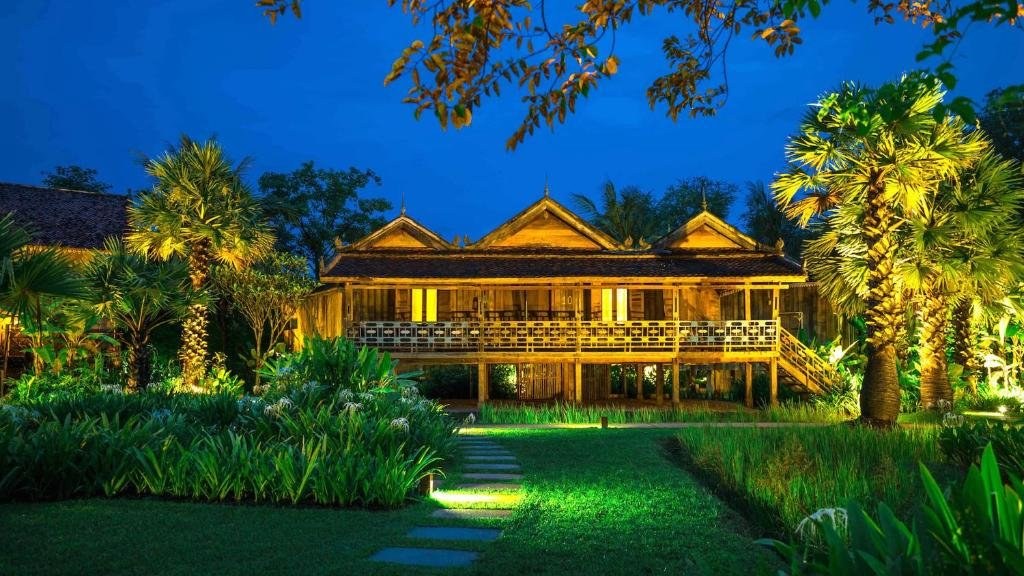
Sala Lodges foregrounds authenticity over mimicry: instead of reconstructed references, the property rehomes original, handmade Cambodian houses—some more than fifty years old—so the architecture itself carries history. The lodges sit off the ground in traditional fashion, and dense, pastoral gardens thread the eleven structures into a serene compound. The aesthetic reads rustic and intimate but is delivered with a considered luxury, so the place feels charming and lived-in rather than styled. An infinity pool opens onto garden views, reinforcing the relaxed, contemplative mood; design-minded travelers will notice the hotel's emphasis on materiality and preservation at every turn.
Best For
Sala Lodges suits travelers who prize privacy, heritage and a quiet, restorative pace. Its cluster of rebuilt village houses and garden-rich grounds make it a natural pick for couples—honeymooners, anniversary guests and romantic getaways—seeking intimacy away from the city center. The emphasis on preserving original structures while outfitting them to a luxury standard also appeals to weekend escape seekers and wellness-retreat visitors who want calm outdoor spaces, a reflective pool and an experience that foregrounds place and craft rather than hotel uniformity.
Venue details
Ambiance
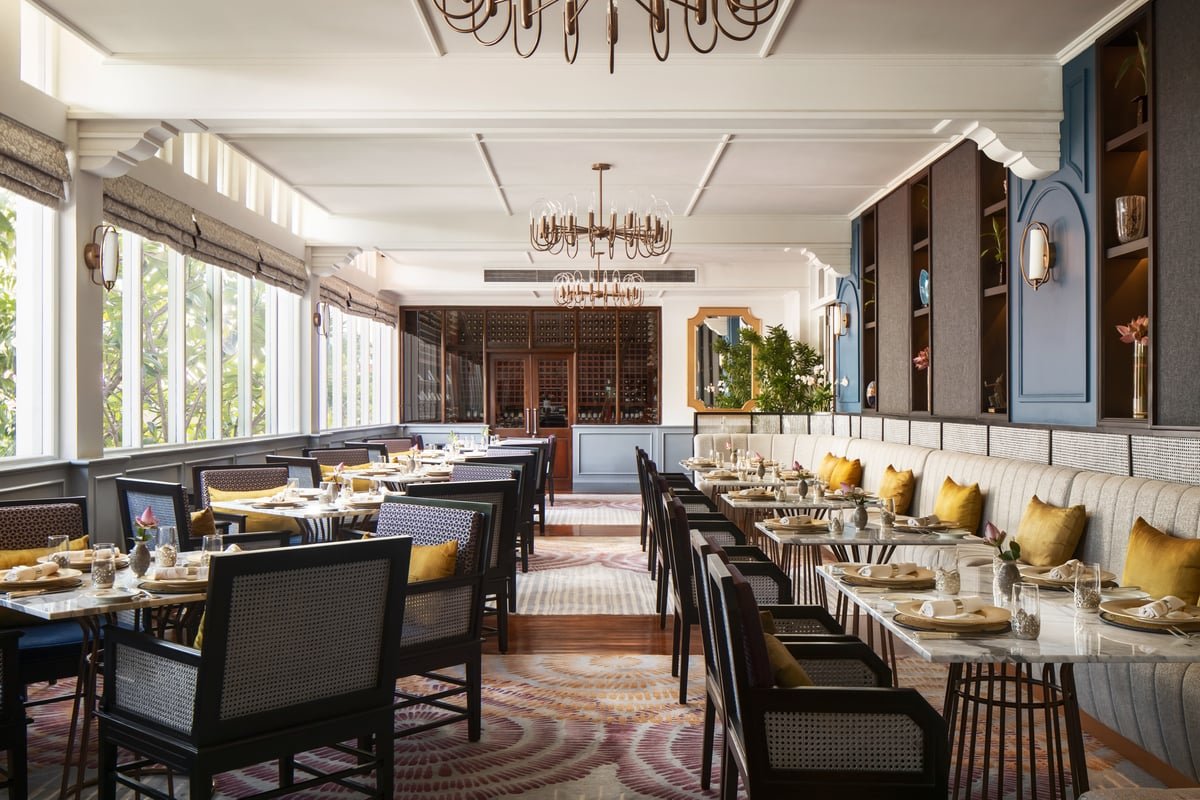
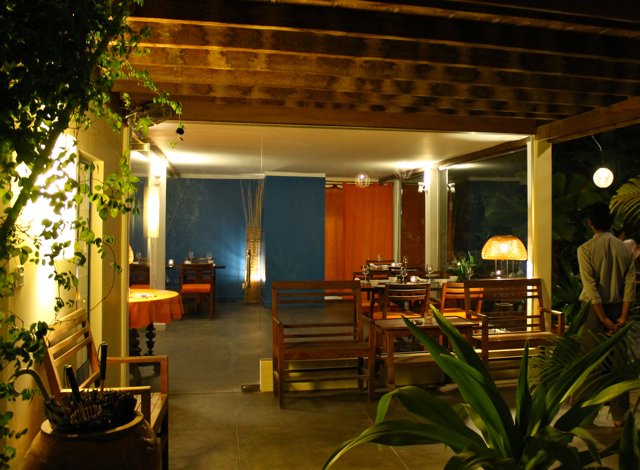
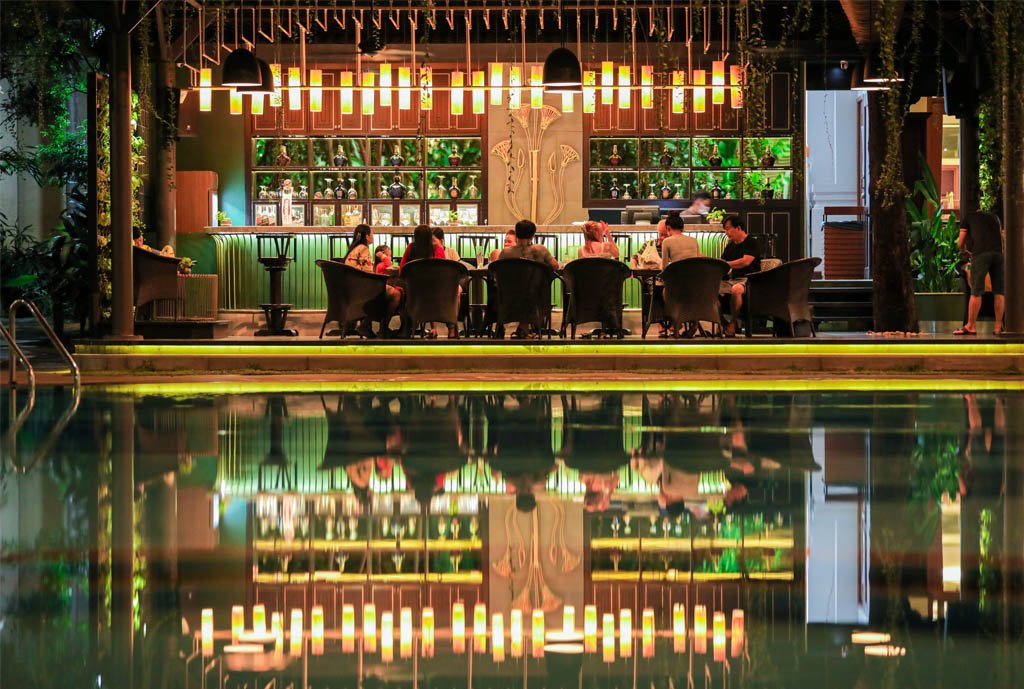
Serene and tranquil with soft natural lighting, peaceful garden setting enhanced by temple bells and bird songs at dawn and dusk, intimate and refined atmosphere blending heritage authenticity with contemporary comfort.
Tags
Vibe
Best For
Experience
Amenities
View
About the Stay
- Rooms
- 11
- Check-in
- 14:00
- Check-out
- 12:00
- Property Type
- Boutique hotel
- Property Style
- Authentic Cambodian Heritage Resort Reimagined as Luxury Boutique Property with Preserved Traditional Architecture and Contemporary Design Fusion.
- Design Style
- Traditional Khmer Wooden Stilt Houses with Intricately Carved Details and Multi Sectioned Roofs, Paired with Modern Minimalist Communal Spaces and Lush Tropical Landscaping.
- Airport Transfer
- Available
- Pool
- Yes
- Spa
- Yes
- Cancellation
- Moderate
Know before you go
Know Before You Go
- Getting there
- Salakomreuk no. 498, Krong Siem Reap
Planning details
Location
Recognition and awards
Also consider
Where to look if it is full
If availability is tight, start with Treeline Urban Resort for a design-forward Siem Reap stay with a more urban feel. For a more traditional resort alternative, La Résidence d'Angkor, Siem Reap is the stronger backup.
Hotel context
How it compares in Siem Reap
Sala Lodges is the more character-led choice, while Treeline Urban Resort is easier to recommend for travelers who want a more urban feel and simpler access to Siem Reap's central rhythm. If the stay needs to feel polished and resort-like, La Résidence d'Angkor, Siem Reap is the safer cross-shop.
For boutique value, compare it against Hotel Vellita Siem Reap, Rambutan Hotel & Resort - Siem Reap, and Rambutan Hotel & Resort. Those are better fits if the priority is a simpler boutique hotel decision; Sala Lodges is better when the lodging concept itself is part of the appeal.
Booking difficulty is flagged as hard, so this is not the backup option to leave until the last minute. If availability is tight, Treeline Urban Resort is the practical first alternative for a design-minded stay, while La Résidence d'Angkor is the better fallback for travelers who want a more traditional resort experience.
Explore Siem Reap
Around this place
Discover more on Pearl
Unlock the full Sala Lodges guide in Pearl, including awards, comparisons, FAQs, planning details, and nearby places.
Compare Sala Lodges
| Venue | Location | Awards |
|---|---|---|
| Sala Lodges | Siem Reap | 2026 Michelin 1 KeyWorld Luxury Hotel Awards 2025Michelin 1 Key 20252025 Michelin 1 Key |
| Hotel Vellita Siem Reap | Siem Reap | No published awards |
| Rambutan Hotel & Resort - Siem Reap | Siem Reab | No published awards |
| Rambutan Hotel & Resort | Siem Reap | No published awards |
| Treeline Urban Resort | Siem Reap | No published awards |
| La Résidence d'Angkor, Siem Reap | Siem Reab | No published awards |

How Sala Lodges Siem Reap compares with similar nearby venues.
FAQ
Frequently Asked Questions
How is the dining at Sala Lodges?
Dining details should be checked with Sala Lodges' official channels before booking if they are important to the stay.
How is the location of Sala Lodges?
Is Sala Lodges good for business travel?
How does Sala Lodges compare to other Siem Reap options?
Compare Sala Lodges with Hotel Vellita Siem Reap, Treeline Urban Resort, Rambutan Hotel & Resort, Rambutan Hotel & Resort - Siem Reap, and La Résidence d'Angkor, Siem Reap based on current details such as rates, inclusions, and the services you need.