
Shimoda Tokyu Hotel
Shimoda, Izu Peninsula, Shizuoka
Hotel in Shizuoka, Japan
 Book with Pearl
The Read
Pacific-Facing Coastal Scale
Why go
Shimoda Tokyu Hotel is a sensible Shizuoka choice if the goal is a flexible Shimoda base rather than a destination dining stay. Book when the rate looks favorable against Izu's more immersive inns; cross-shop Asaba, Arcana Izu, or Fugaku Gunjo if the hotel experience itself needs to carry the trip.
About Shimoda Tokyu Hotel
Shimoda Tokyu Hotel is a hotel in Shizuoka with a casual dress code and Preferred Hotels Member status in 2025. Travelers should avoid assuming a specific dining format, cuisine, price level, room style, service model, or itinerary role unless they check those details directly with the hotel or booking channel.
For planning purposes, frame Shimoda Tokyu Hotel as a Shizuoka hotel option to match against your own trip needs. If dining, spa time, room type, or transportation logistics will determine the stay, confirm those details before booking rather than relying on assumptions.
Book it for a flexible Shizuoka stay, not a restaurant-led escape
Do not plan around Shimoda Tokyu Hotel as a restaurant-led destination or assume a specific culinary program. Ask the hotel directly for dining details before making plans around meals.
The clearest external trust signal is its Preferred Hotels Member status in 2025. That recognition can be useful when comparing it with other named options such as Izu-Imaihama Tokyu Hotel, Ochiairo, Arcana Izu, Fugaku Gunjo, and Asaba, but it should not be read as a guarantee of a particular luxury level, amenity set, or dining experience.
Who should choose it over other hotel options
Choose Shimoda Tokyu Hotel if a hotel in Shizuoka with a casual dress code fits the trip and you are comfortable confirming practical details before booking. It may be worth comparing with Izu-Imaihama Tokyu Hotel, Ochiairo, Arcana Izu, Fugaku Gunjo, and Asaba depending on the kind of stay you want.
Skip any assumption that the hotel has a specific cuisine, tasting menu, chef-led format, price point, or service style unless you check with the hotel first. For broader planning, use Pearl's Shizuoka restaurants guide alongside current hotel information.
Quick reference: Shimoda Tokyu Hotel is a Shizuoka hotel with a casual dress code and Preferred Hotels Member status in 2025; confirm all other trip-critical details directly.
Planning details
- Location
- 12-1 Gochōme, Shimoda, Shizuoka 415-8510
- Website
- tokyuhotels.co.jp/shimoda-h/index.html
- Phone
- +81 558-22-2411
The take
The Take
The Vibe
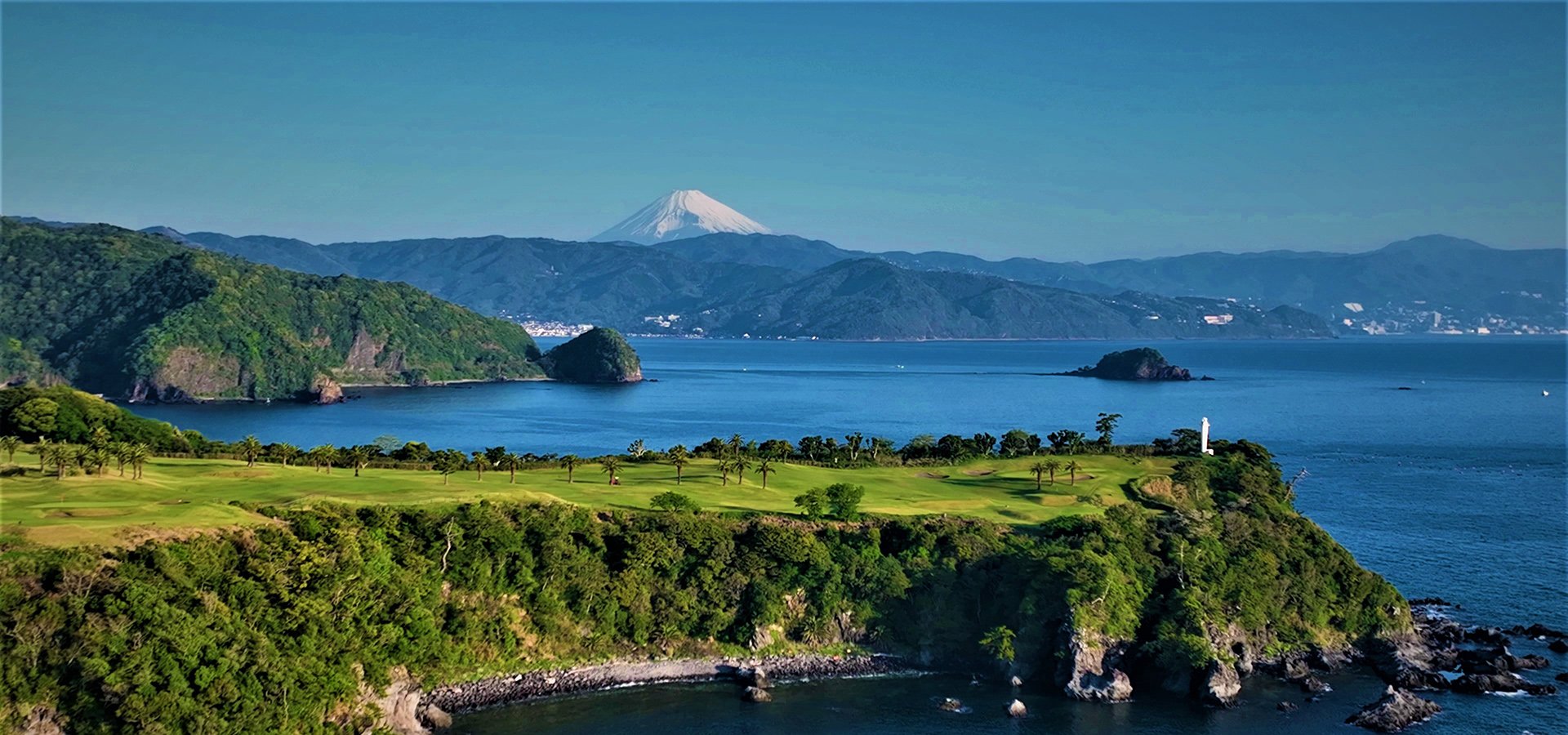
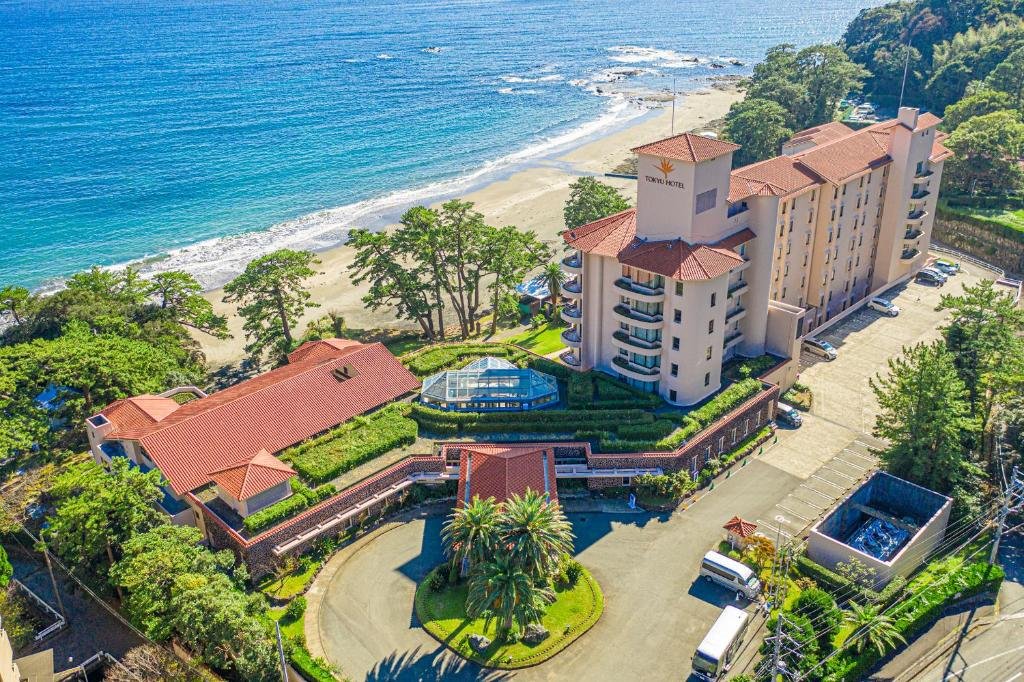
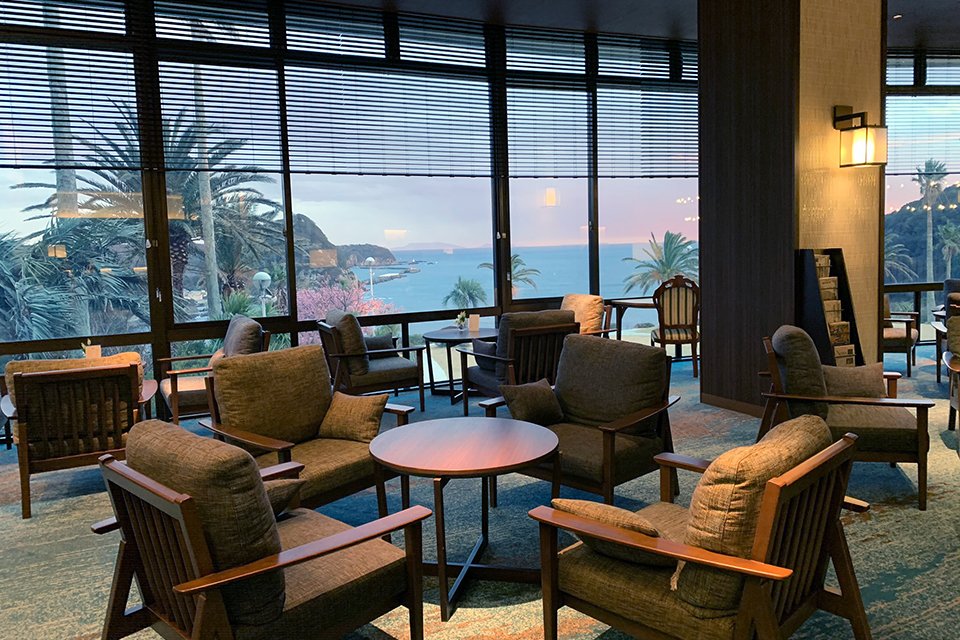
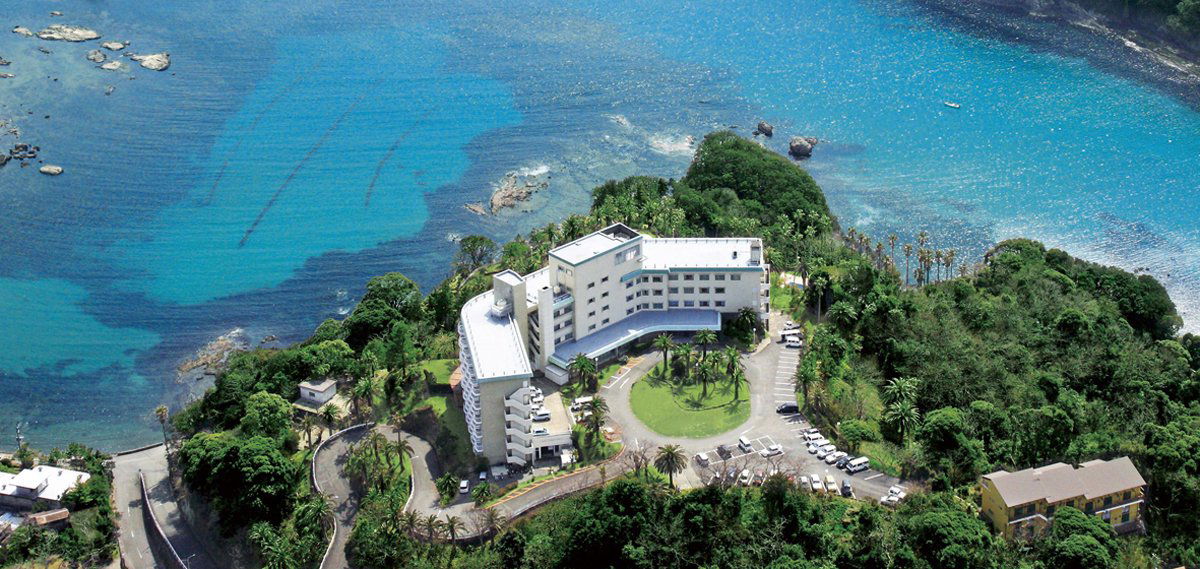
Shimoda Tokyu Hotel leans into its coastal setting: the Pacific horizon is visible from many points across the property, and the black basalt coastline sits within easy walking distance. At 112 rooms it feels substantial enough to offer full facilities while avoiding the anonymity of larger resort chains, and service skews toward the Western-style hotel model rather than the personalised ritual of an onsen ryokan. The result is a quietly composed seaside hotel that foregrounds the ocean, the town’s layered history and a relaxed pace — an understated base for exploring Shimoda’s shoreline and historic streets.
Best For
This hotel works well for short escapes and seaside-oriented stays. It’s positioned two to three hours from Tokyo by train, making it a practical weekend escape for city travelers; the bay-facing location and calm atmosphere also suit romantic getaways. The property’s mid-size scale and mention of full facilities make it a sensible choice for family stays, and the emphasis on quiet and proximity to the sea makes the hotel a logical base for wellness-focused visitors who prefer a restorative coastal setting over busier resort belts.
Stay Tips
Request a bay-facing room when you book—guests report that the Pacific horizon is visible from most vantage points on the property, so a seaward-facing allocation maximizes the hotel’s main asset. Plan to sample local seafood while you’re in Shimoda; the description flags quality seafood as a local measure, whether that’s at the hotel’s dining outlets or nearby restaurants. Bring comfortable shoes for walks along the black basalt coastline, which is within reach on foot, and confirm views and room location with reservations if a coastal panorama is central to your stay.
Venue details
Ambiance
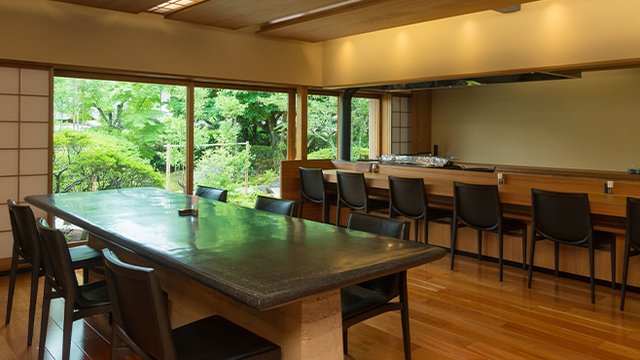
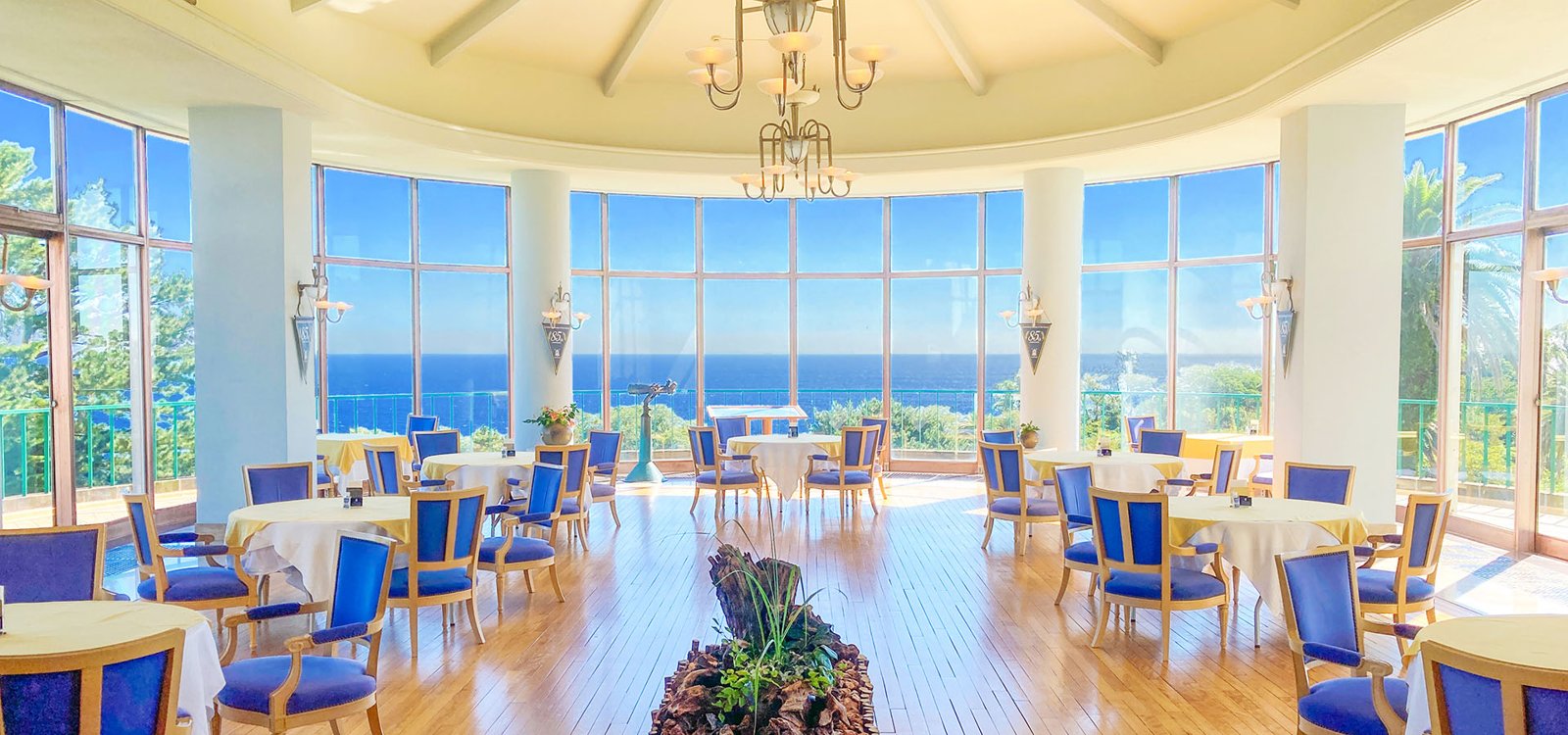
Serene and tranquil with bright, airy spaces; outdoor onsen offers ocean views at sunrise and sunset; well-maintained gardens and terraces create a peaceful resort atmosphere.
Tags
Vibe
Best For
Experience
Amenities
View
Accessibility
About the Stay
- Rooms
- 112
- Check-in
- 15:00
- Check-out
- 11:00
- Property Style
- Contemporary Japanese Resort with Traditional Hot Spring Heritage; Renovated in 2017 to Blend Modern Comfort with Authentic Onsen Culture.
- Design Style
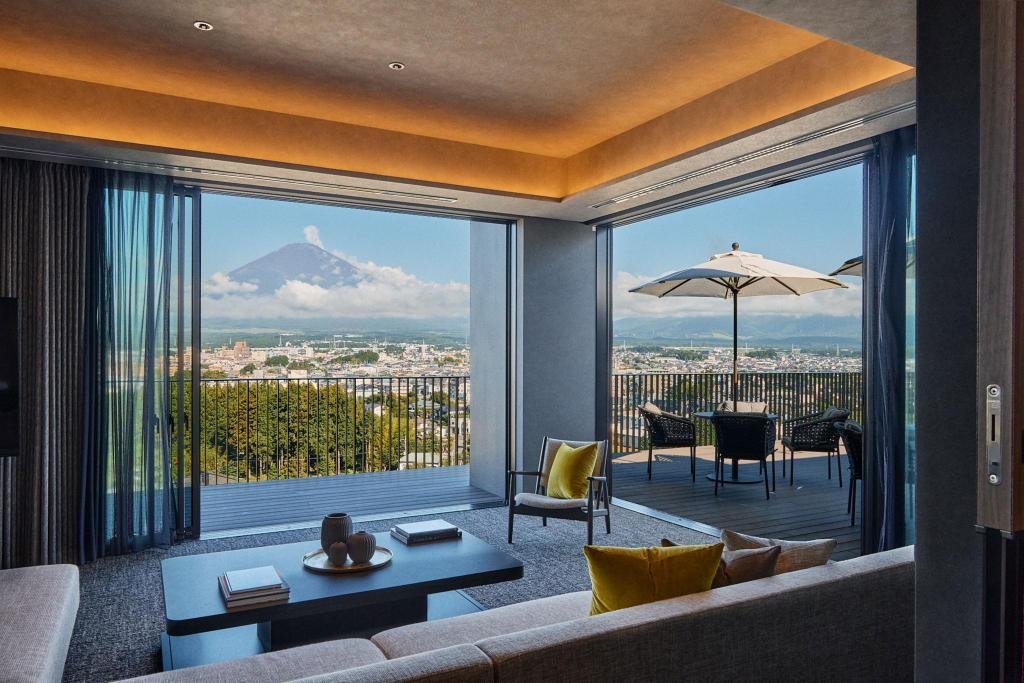
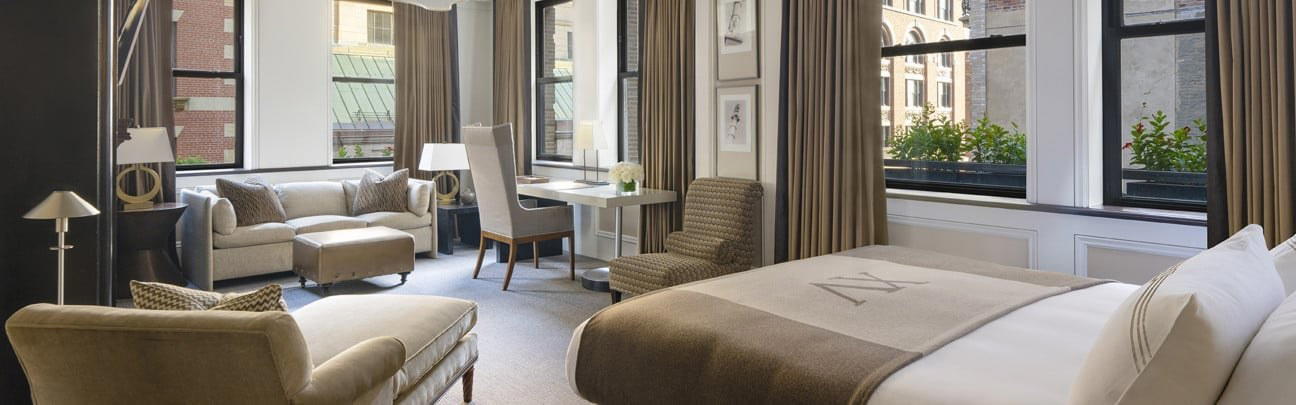
- Bright, Minimalist Aesthetic with Natural Materials; Ocean Facing Rooms Feature Floor to Ceiling Windows; Japanese Western Fusion Design Throughout Common Areas.
Know before you go
Know Before You Go
- Getting there
- 12-1 Gochōme, Shimoda, Shizuoka 415-8510
Planning details
Location
12-1 Gochōme, Shimoda, Shizuoka 415-8510 · Directions
Recognition and awards
Also consider
Also Consider
- Izu-Imaihama Tokyu Hotel, Notable alternative
- Ochiairo, Notable alternative
- Arcana Izu, Notable alternative
- Fugaku Gunjo, Notable alternative
- Asaba, Notable alternative
Hotel context
How It Compares
Shimoda Tokyu Hotel is the practical Shimoda pick in this set: easier to frame as a value stay, less dependent on a high-touch ryokan experience, and better suited to travelers who want flexibility. Izu-Imaihama Tokyu Hotel is the closest like-for-like comparison for a coastal Tokyu stay, so choose between them based on which side of the Izu Peninsula better fits the itinerary.
For travelers prioritizing atmosphere over value, Ochiairo and Asaba are stronger cross-shops because they read more like destination inns than simple bases. They make more sense when the stay itself, meals included, is the main reason for the trip.
Arcana Izu and Fugaku Gunjo are better for travelers seeking a more secluded, experience-led Izu stay. Shimoda Tokyu Hotel is the easier recommendation for value-seekers and families who want city access; the others are the splurge options when ambiance matters more than price discipline.
Around this place
Discover more on Pearl
Unlock the full Shimoda Tokyu Hotel guide in Pearl, including awards, comparisons, FAQs, planning details, and nearby places.
Compare Shimoda Tokyu Hotel
| Venue | Location | Awards |
|---|---|---|
| Shimoda Tokyu Hotel | Shizuoka | Preferred Hotels Member 2025 |
| Izu-Imaihama Tokyu Hotel | Shizuoka | Preferred Hotels Member 2025 |
| Ochiairo | Izu | 2025 Michelin 1 Key2024 Michelin 1 Key |
| Arcana Izu | Izu | 2025 Michelin 1 Key2024 Michelin 1 Key |
| Fugaku Gunjo | Izu | 2025 Michelin 1 Key |
| Asaba | Izu | 2026 Relais Chateaux Hotels2026 La Liste Top HotelsTatler Best Hotels Asia-Pacific 20252025 Michelin 3 Keys2025 Relais Chateaux Award2024 Michelin 2 Keys |






How Shimoda Tokyu Hotel compares with similar nearby venues.
FAQ
Frequently Asked Questions
What is check-in like at Shimoda Tokyu Hotel?
For check-in, ask Shimoda Tokyu Hotel or your booking channel about arrival times, procedures, and any special requests. The hotel is in Shizuoka.
Is Shimoda Tokyu Hotel family-friendly?
Family-specific amenities and policies should be checked directly with the hotel. Shimoda Tokyu Hotel is in Shizuoka, has a casual dress code, and is a Preferred Hotels Member in 2025.
Do loyalty programs work at Shimoda Tokyu Hotel?
Shimoda Tokyu Hotel is listed as a Preferred Hotels Member in 2025. Travelers who care about points, perks, or eligible rates should confirm the current terms through Preferred Hotels or the booking channel before reserving.
Is Shimoda Tokyu Hotel good for business travel?
How does Shimoda Tokyu Hotel compare to other hotels?
Use the basics as the starting point: Shimoda Tokyu Hotel is a hotel in Shizuoka with a casual dress code and Preferred Hotels Member status in 2025. Depending on your needs, compare it with Izu-Imaihama Tokyu Hotel, Ochiairo, Arcana Izu, Fugaku Gunjo, and Asaba using current information from each property.