
Longemont Shanghai
Changning, Shanghai
Hotel in Shanghai, China
 Book with Pearl
The Read
Chang Ning Scale Anchor
Price
$100–200per night
Why go
Longemont Shanghai is worth booking for business travelers who want a large Changning base with skyline-view rooms, strong meeting infrastructure, and enough in-house dining and wellness to keep the trip efficient. It is less compelling for travelers seeking a small boutique stay or chef-led dining as the main event.
About Longemont Shanghai
Is Longemont Shanghai worth booking in Shanghai?
The safest way to evaluate it is by fit and expectations. Longemont Shanghai sits in the $$$$ price band, so the booking should make sense for guests who want a premium Shanghai venue and are comfortable paying for a higher-tier option. Specific claims about category, views, amenities, facilities, dining outlets, or service extras are not confirmed in the profile, so those details should be checked directly before booking.
Book for a premium Shanghai venue, not for extras
Longemont Shanghai is positioned at a $$$$ level, which means the decision should be based on whether a premium Shanghai venue fits the trip budget and purpose. The confirmed smart casual dress code also points to a more polished expectation than a purely casual visit.
For travel planning or special-occasion planning, the practical recommendation is to confirm current availability, inclusions, dining availability, and any event needs directly with Longemont Shanghai. The information supports a premium-venue expectation, but it does not confirm specific facilities, restaurants, menus, dimensions, or service formats.
Upgrade only after confirming what is included
If a higher-priced option is being considered, ask Longemont Shanghai what is included on your dates, then compare the difference against the $$$$ price tier.
The same applies to dining and guest services. Those features may influence a visit, but they are not part of the confirmed data here. Treat them as items to verify before relying on them for a work trip, family visit, or special occasion.
Plan it as a premium Shanghai venue, then build the rest of the trip carefully
Use Longemont Shanghai as a premium Shanghai option and confirm the operational details that matter most before booking. For broader planning, Pearl’s full Shanghai hotels guide, Shanghai restaurants guide, Shanghai bars guide, Shanghai wineries guide, and Shanghai experiences guide are better places to build the rest of the itinerary.
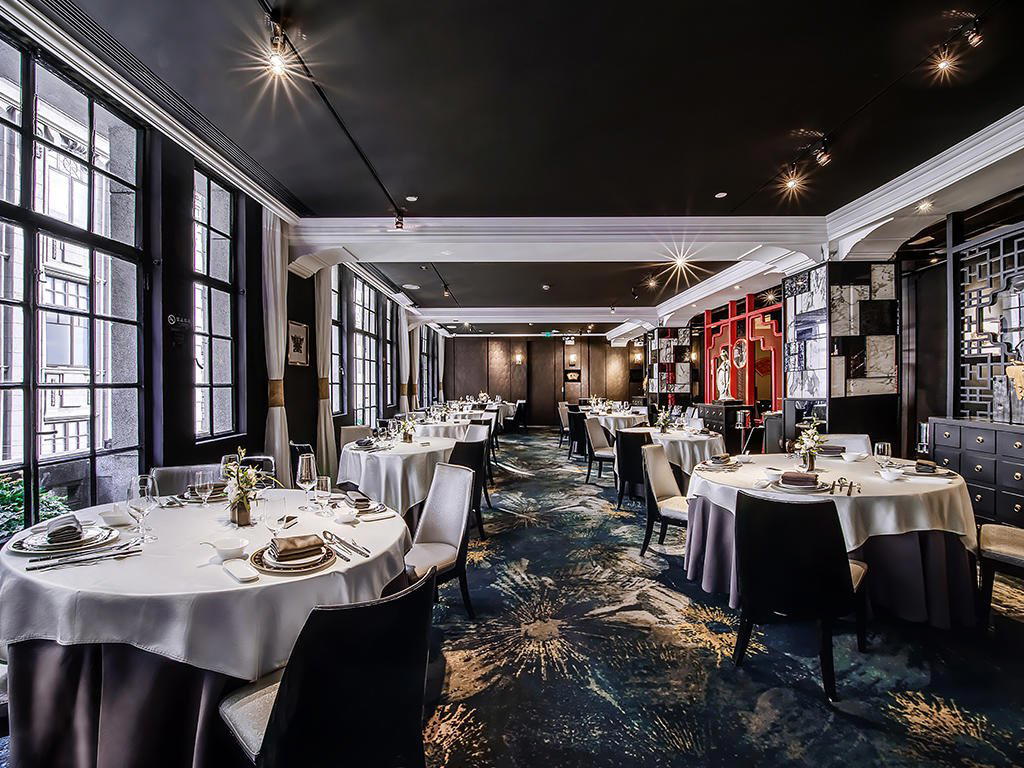
Inside Longemont Shanghai
Planning details
- Location
- 1116 Yan An Xi Lu, Chang Ning Qu, 200052
- Website
- thelongemonthotels.com
- Phone
- +86 21 6115 9988
The take
The Take
The Vibe
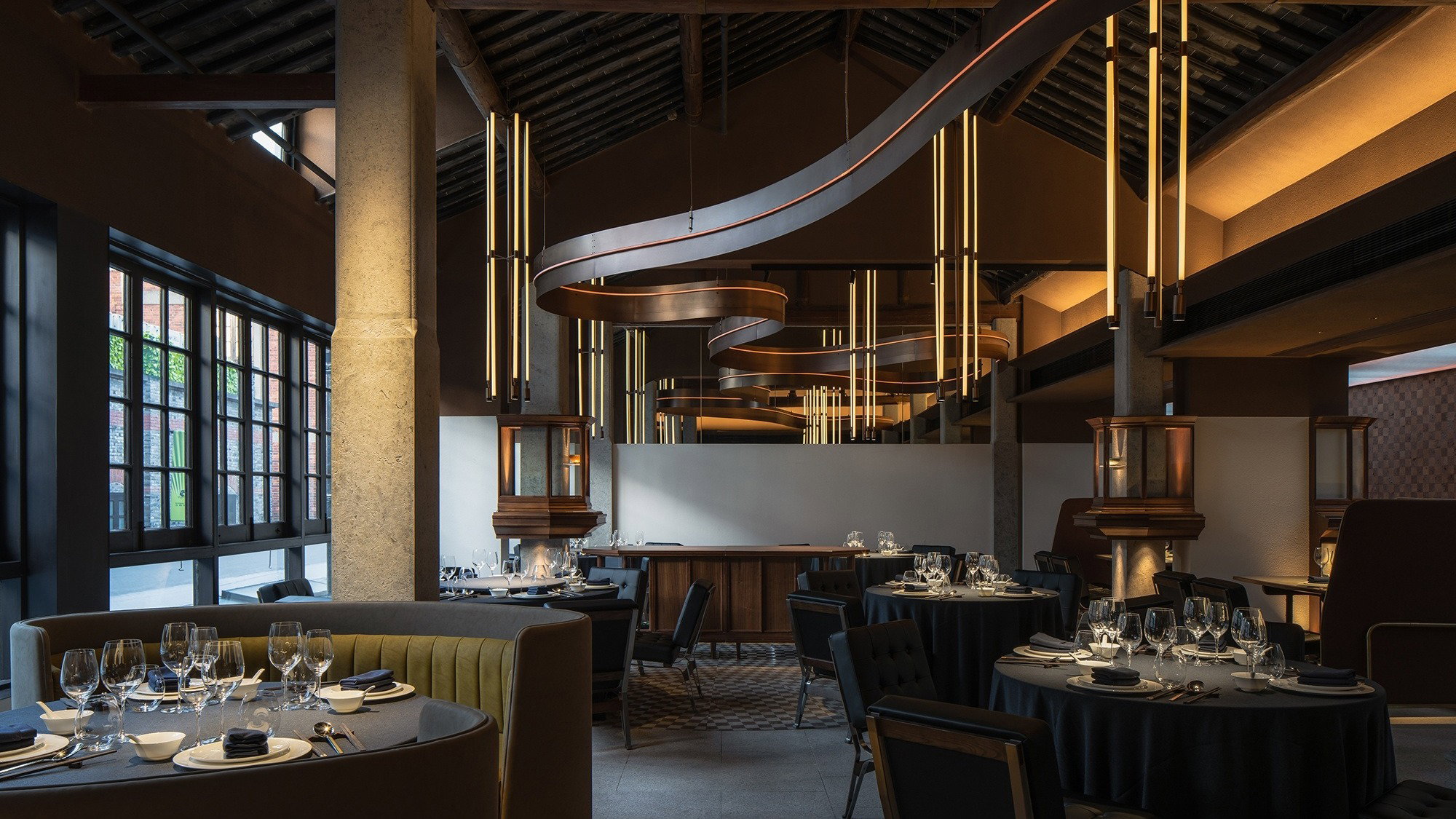
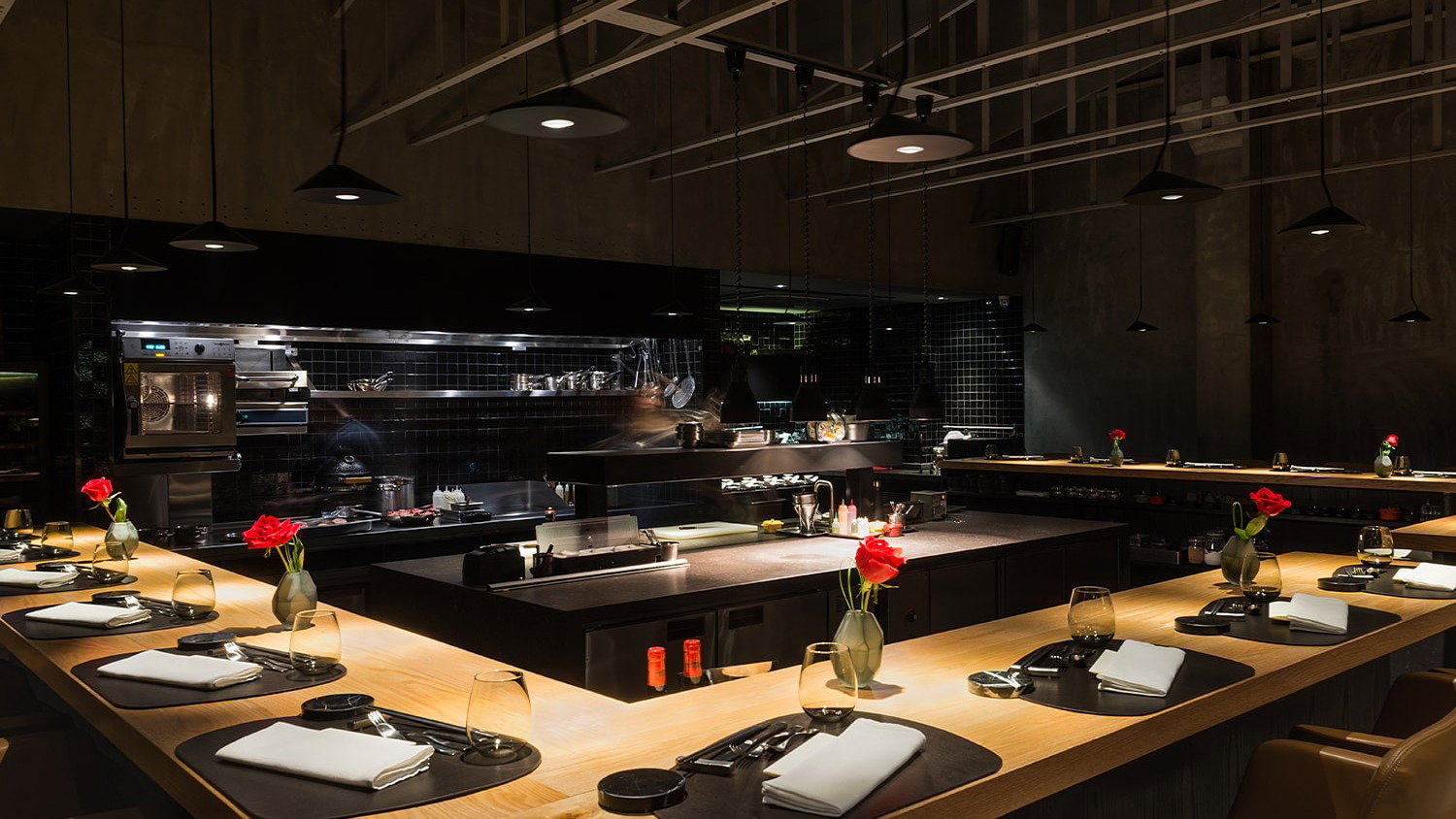
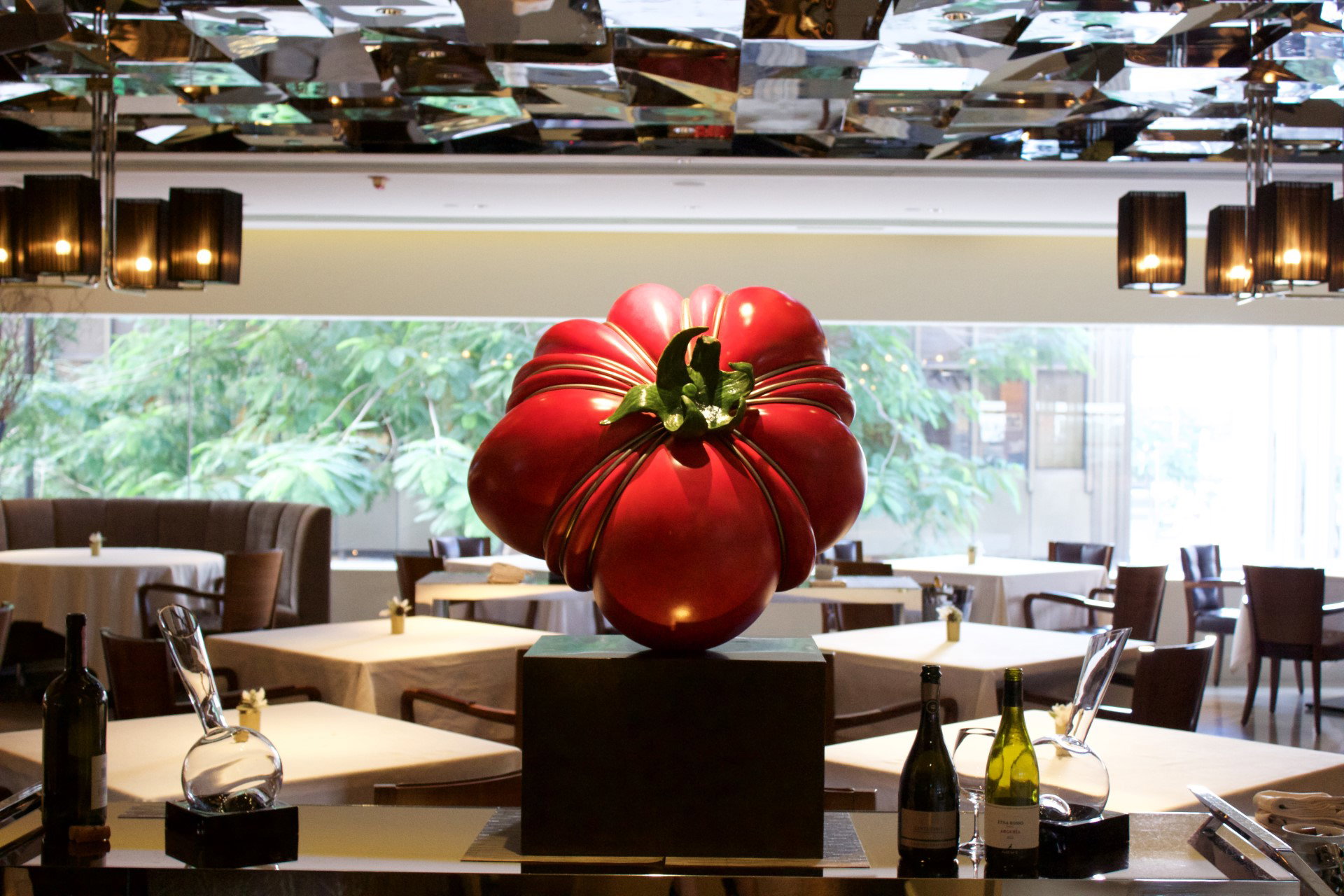
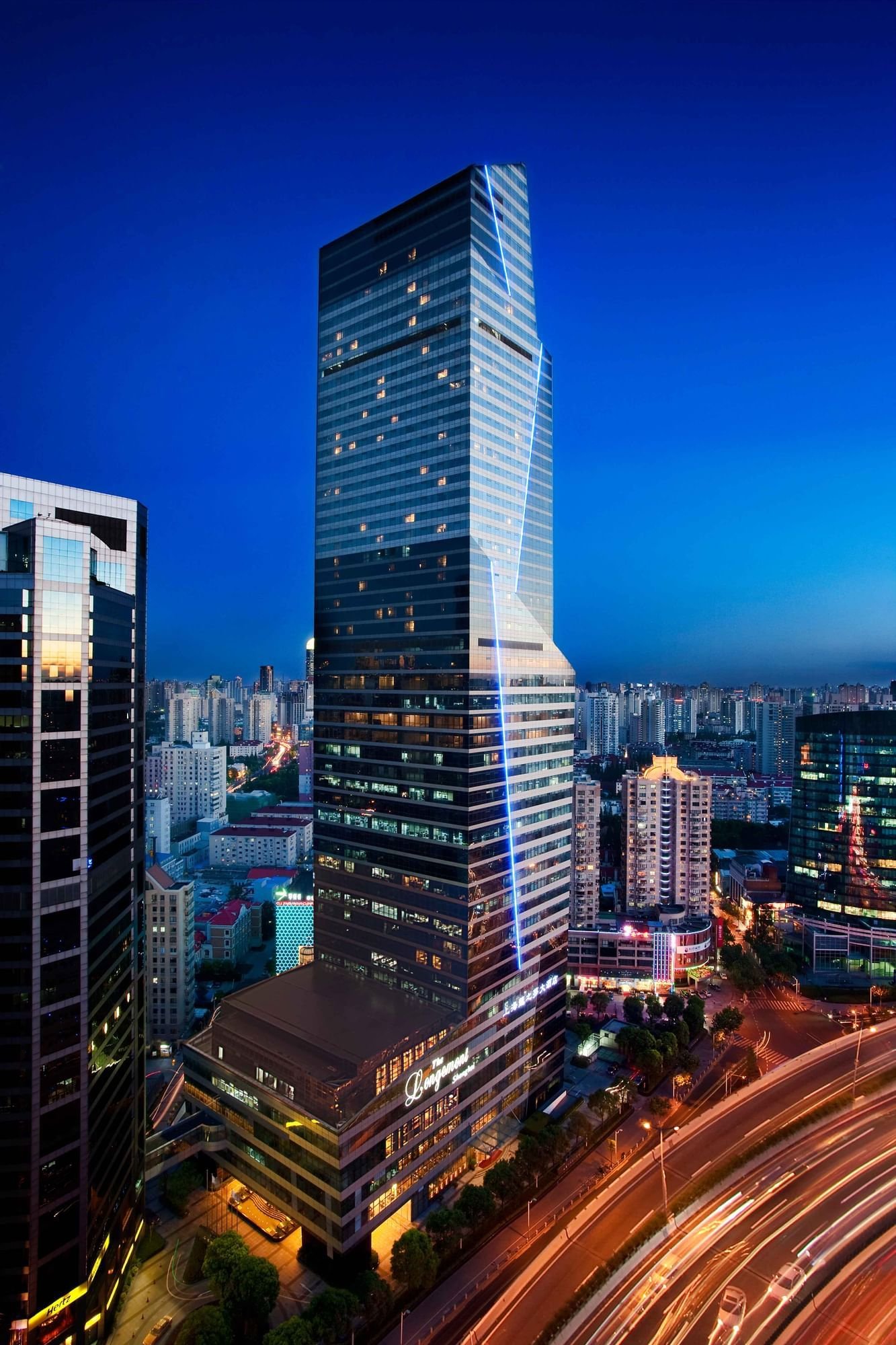
Longemont Shanghai reads as a full-service, large-format city hotel that leans on scale and facilities rather than boutique intimacy. With 511 rooms the property sustains multiple dining outlets, event infrastructure and a dedicated wine program, which gives the place a well-resourced, classic hotel character. It feels less like a neighborhood hideaway and more like a dependable, full-service option for travelers who expect breadth of amenities and specialist staff—particularly in food, beverage and events—while still operating in an upper-mid to upscale register.
Best For
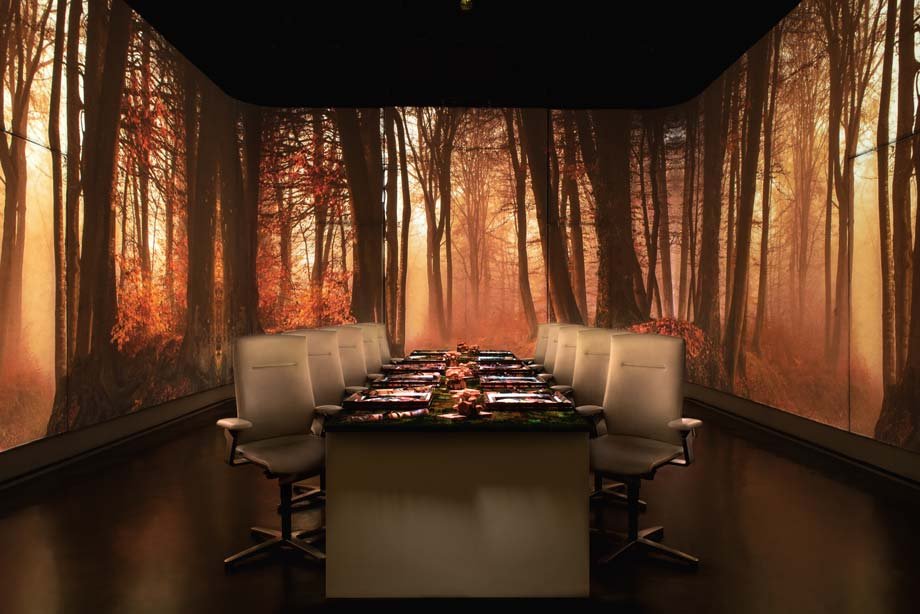
This hotel suits business travelers, corporate groups and families who need a reliable, full-service property in Changning. The description emphasizes corporate throughput and proximity to the Hongqiao corridor, making it a natural fit for work trips and meetings, while the multiple dining outlets and event infrastructure support business dinners, private events and group dining. Its room count and amenities also make it practical for longer stays and family visits where on-site services and meal options matter.
Stay Tips
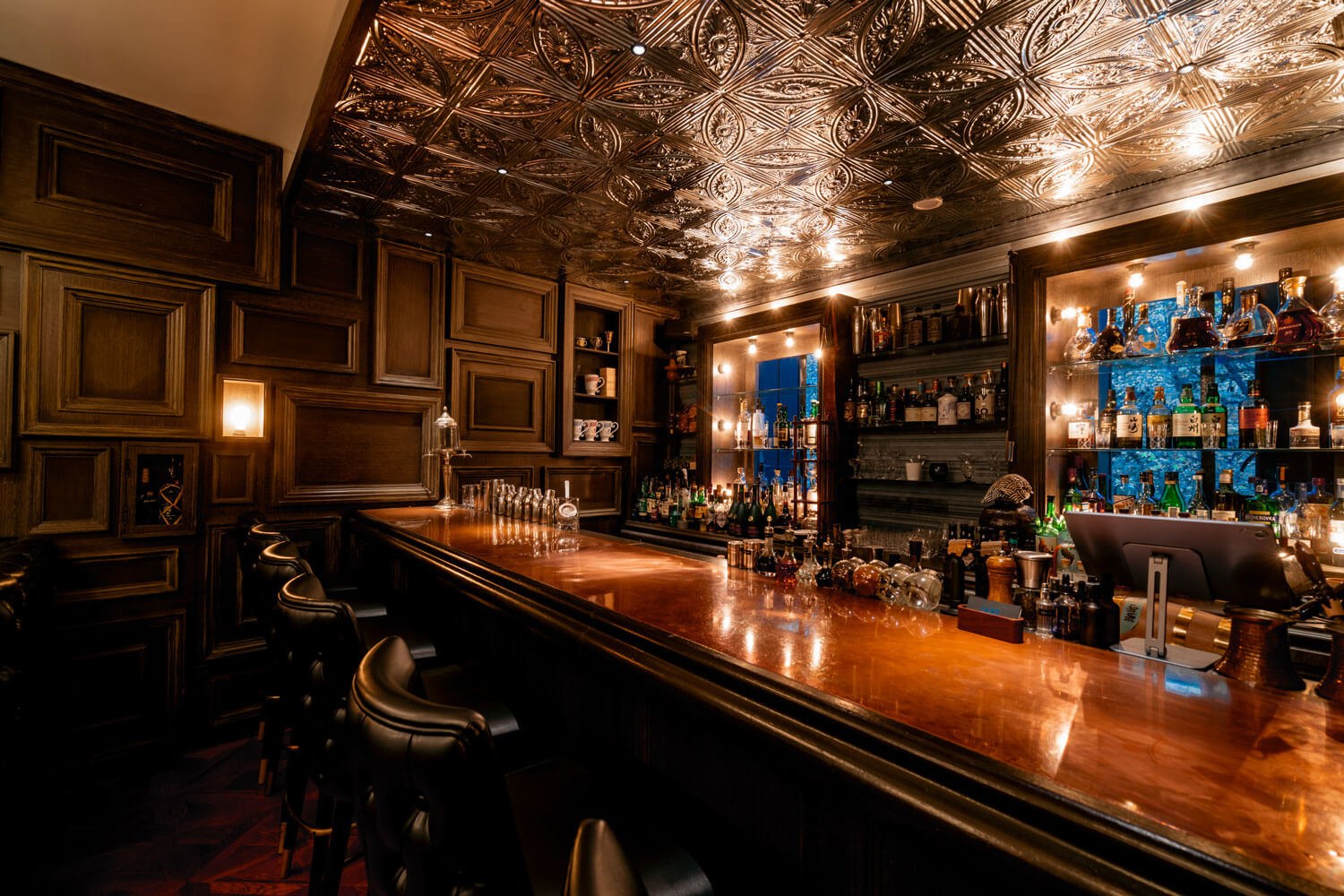
Take advantage of the hotel's wine and cellar program: ask staff to connect you with the sommelier or beverage team when booking dinner or an event. For business dinners or private gatherings, inquire about private-dining setups tied to the hotel's event infrastructure and request cellar-backed pairings. If you care about specific vintages or curated tastings, mention that preference up front so the team can allocate from their deeper cellar inventory sustained by the property's throughput.
Venue details
Ambiance
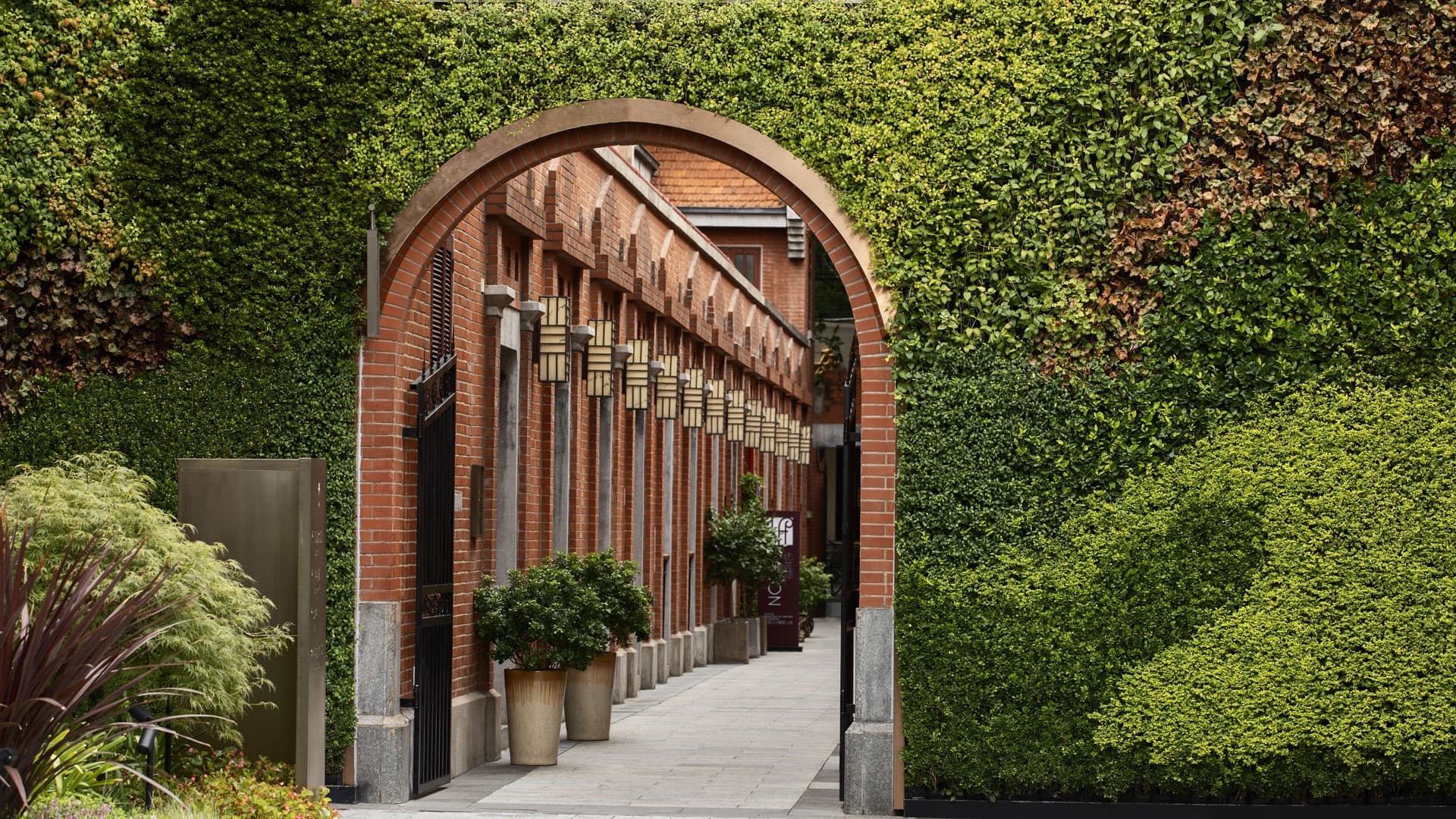
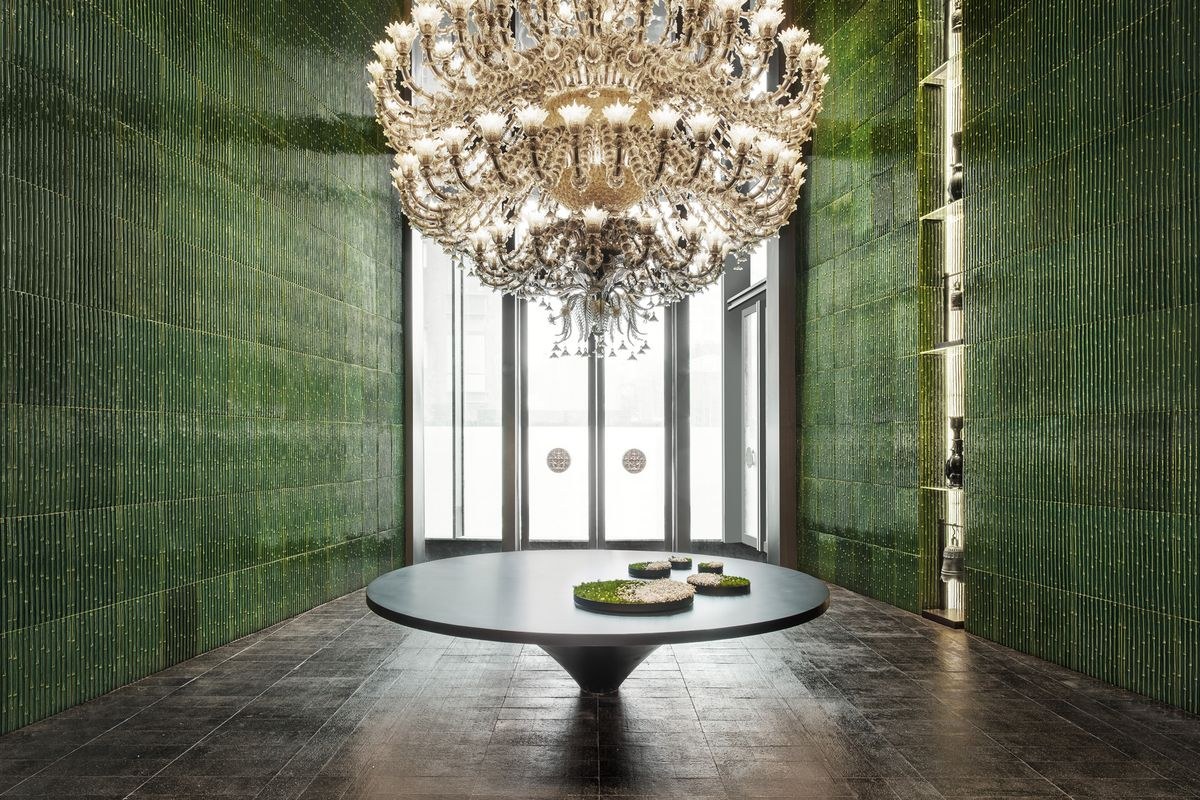
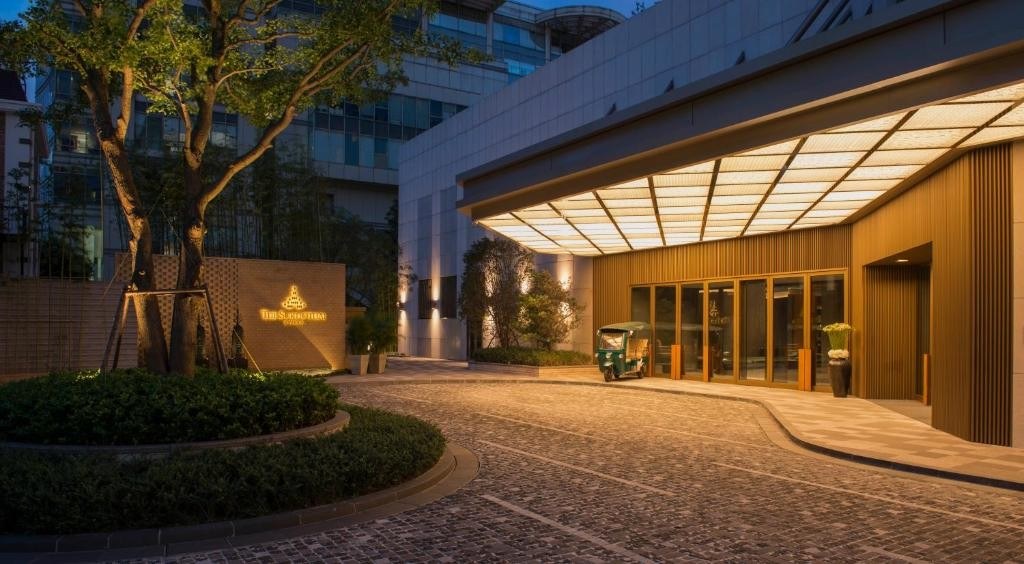
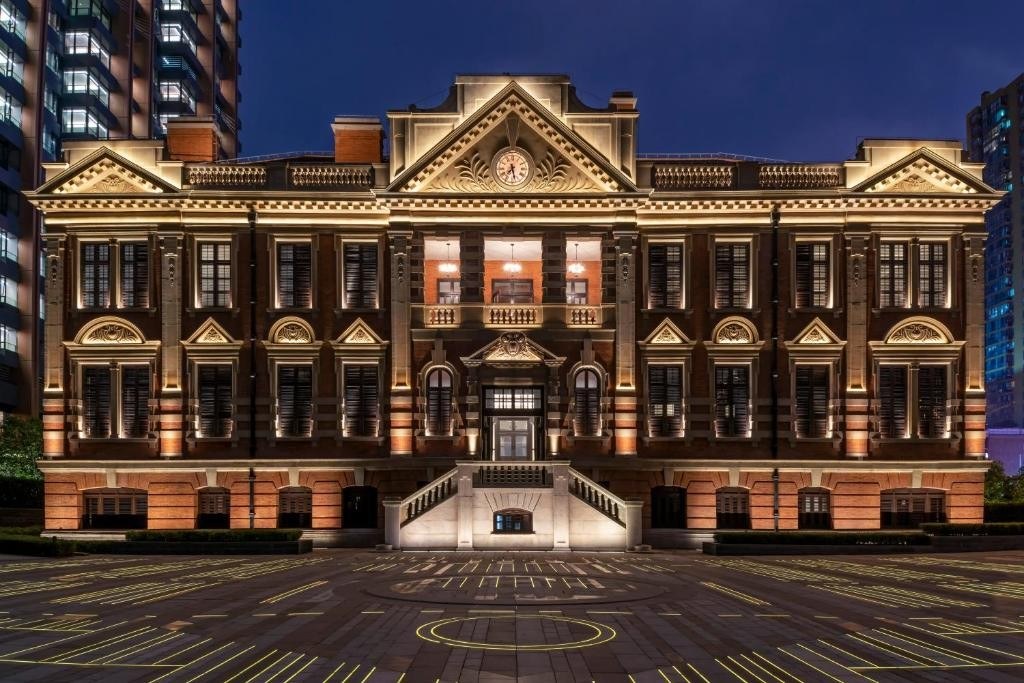
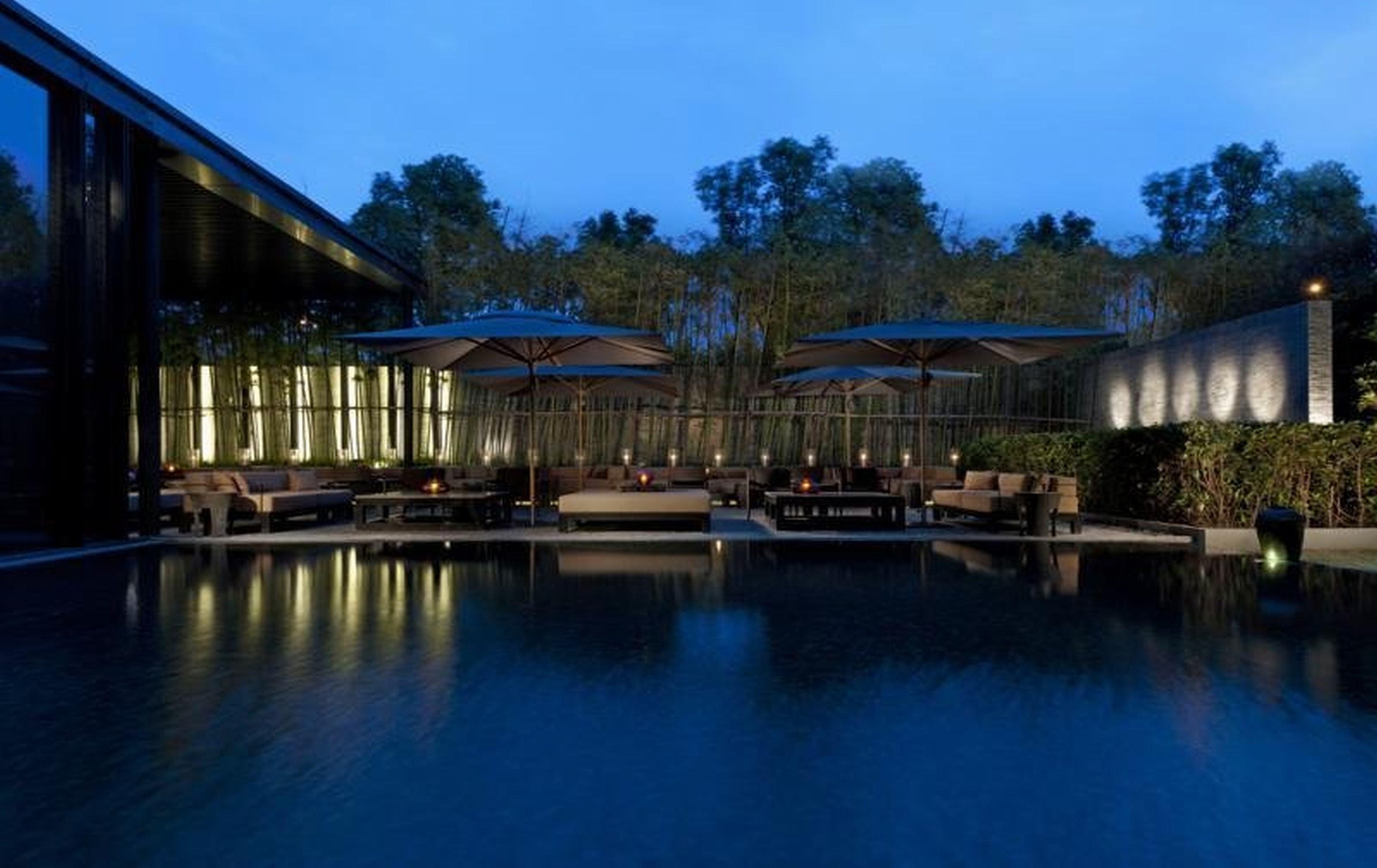
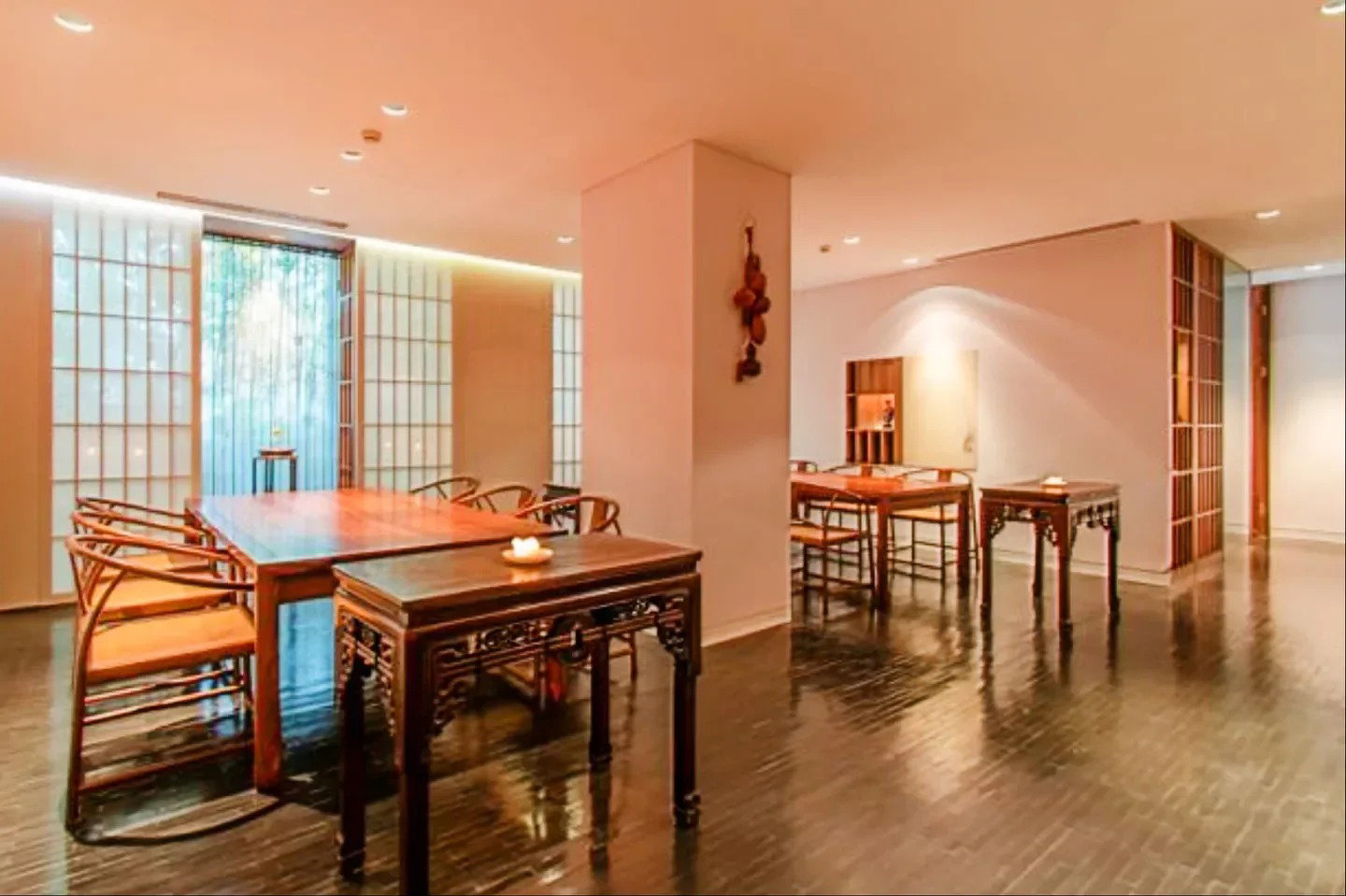
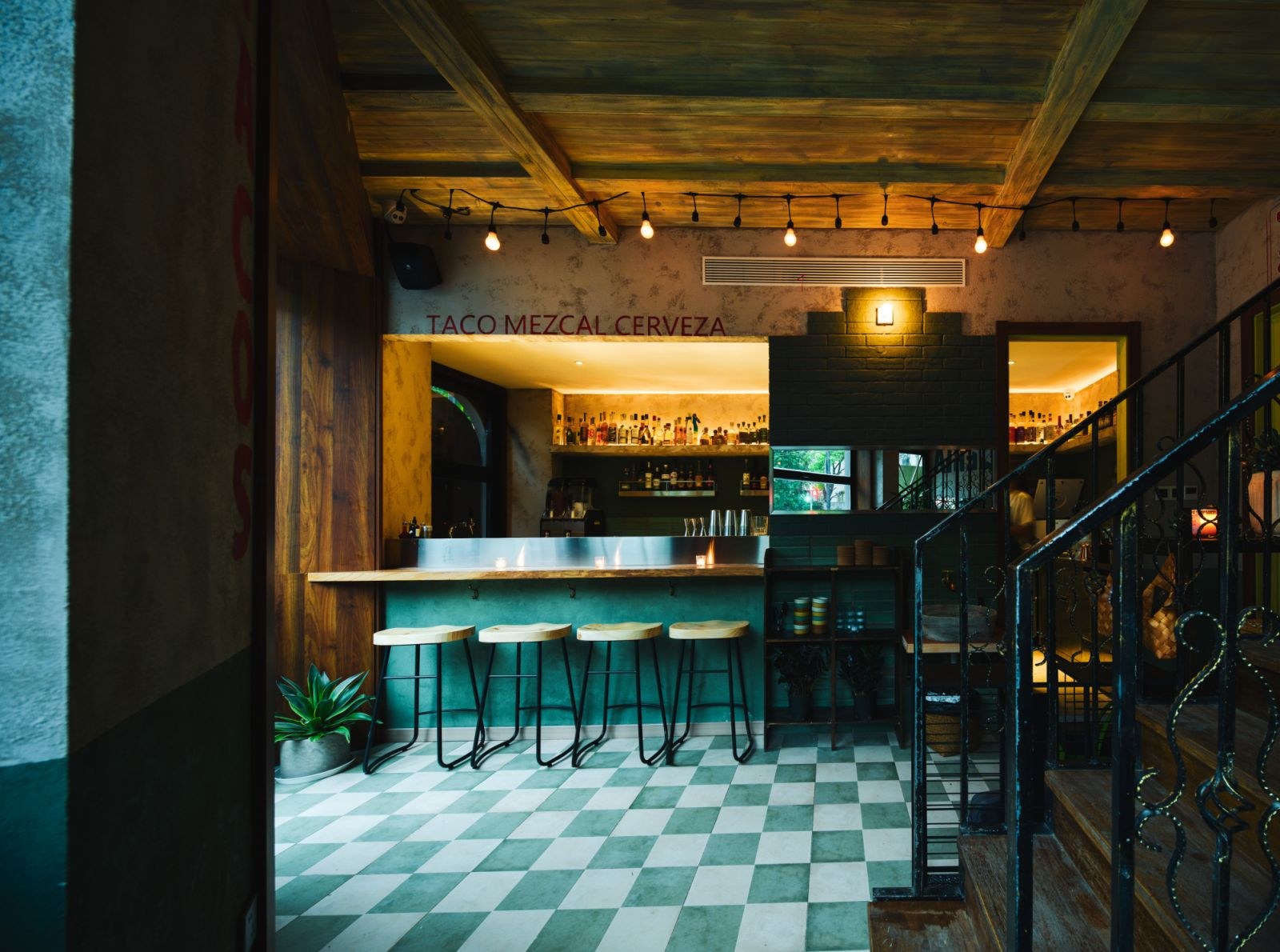
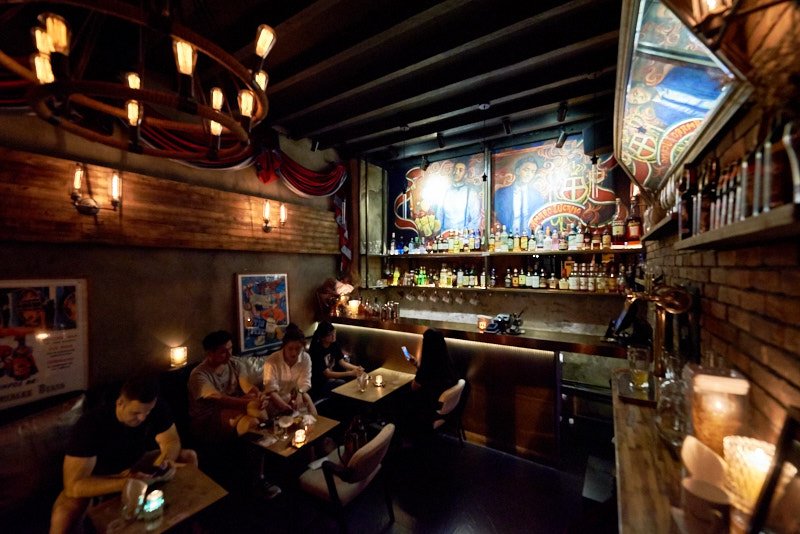
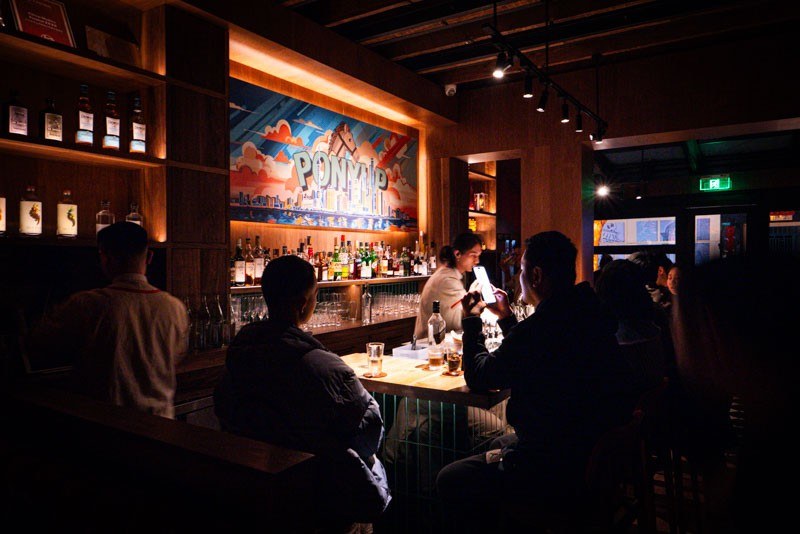
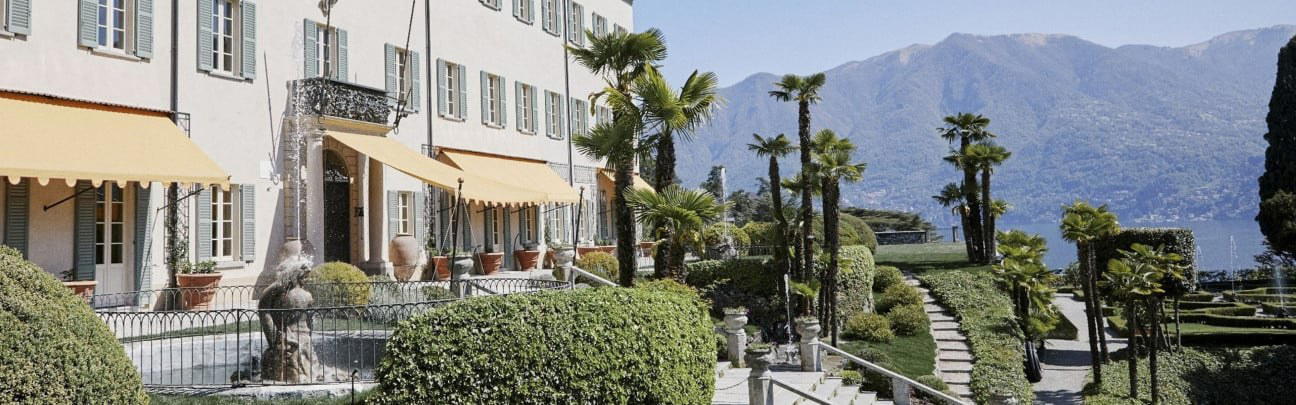
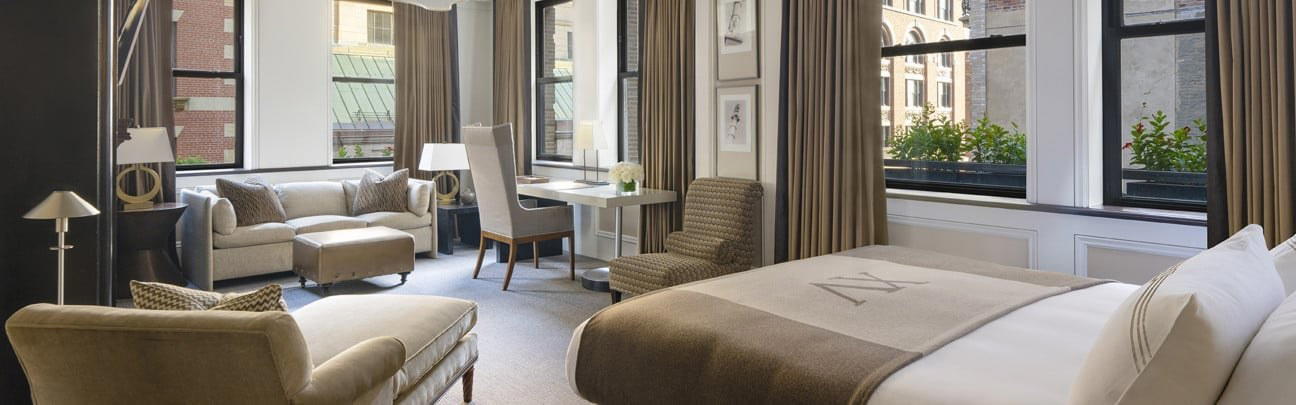
Modern luxury with sophisticated interior design combining European elegance and Chinese elements; vibrant lobby with attentive service; bright, spacious rooms with panoramic city views.
Tags
Vibe
Best For
Experience
Amenities
View
Accessibility
About the Stay
- Rooms
- 511
- Check-in
- 15:00
- Check-out
- 11:00
- Property Type
- Design hotel
- Property Style
- Contemporary Luxury Urban Hotel with Premium Conference Facilities and Culinary Destination Positioning.
- Design Style
- Sophisticated Blend of European Elegance with Chinese Design Elements; State of the Art Contemporary Decor with Emphasis on Panoramic Views and Spacious Layouts.
- Airport Transfer
- Available
- Pool
- Yes
- Spa
- Yes
- Families
- Welcome
- Cancellation
- Moderate
Know before you go
Know Before You Go
- Getting there
- 1116 Yan An Xi Lu, Chang Ning Qu, 200052
Planning details
Location
Recognition and awards
Explore Shanghai
Around this place
Discover more on Pearl
Unlock the full Longemont Shanghai guide in Pearl, including awards, comparisons, FAQs, planning details, and nearby places.
FAQ
Frequently Asked Questions
Is Longemont Shanghai good for business travel?
It can be considered for a premium Shanghai booking if the $$$$ price tier fits your budget. Specific business-travel details such as meeting facilities, access privileges, or included services are not confirmed here, so verify those directly before booking.
What is check-in like at Longemont Shanghai?
Contact Longemont Shanghai directly for current arrival details, timing, and any special requests.
Which booking option is best at Longemont Shanghai?
Choose an option only after checking what is included on your dates and whether the difference is worth the $$$$ price level.
Is it worth upgrading at Longemont Shanghai?
Only if the confirmed benefits matter for your trip. The profile supports a premium $$$$ positioning, but it does not confirm specific upgrade inclusions, so check the details before paying more.
When is the best time to book Longemont Shanghai?
Book when the $$$$ price tier and confirmed availability fit your Shanghai plans. Longemont Shanghai is listed as a Preferred Hotels Member (2025), but current rates, inclusions, and policies should be checked before committing.