
Serras Sevilla
Santa Cruz, Seville
Hotel in Seville, Spain
 Book with Pearl
The Read
Heritage Adjacency
Why go
Serras Sevilla is worth considering for a work-focused Seville stay if central positioning is the priority. The case is strongest for short trips where saving time in the historic center matters more than chasing a resort-style amenity list; compare EME Catedral Mercer Hotel and Corral del Rey if you want a clearer luxury or historic-house alternative.
About Serras Sevilla
Should you book Serras Sevilla for a trip to Seville? It can make sense if you want a Seville property with a smart-casual tone and a clearly noted affiliation: Serras Sevilla is listed as a Preferred Hotels Member for 2025.
A straightforward Seville option to evaluate
Key reasons to consider Serras Sevilla are direct: it is in Seville, it carries Preferred Hotels Member recognition for 2025, and the dress code is smart casual. That makes it easier to frame expectations, especially for guests who want a polished stay.
The value question should be based on your own itinerary and the current booking terms rather than assumptions about amenities. If your trip depends on specific facilities, meeting arrangements, dining, transport, or wellness access, check those details directly before committing. If you are comparing options in Seville, EME Catedral Mercer Hotel and Mercer Plaza Sevilla are natural alternatives to review alongside Serras Sevilla.
When to choose it, and when to cross-shop
Choose Serras Sevilla if you want a Seville property with a smart-casual dress code and the reassurance of Preferred Hotels Member status in 2025. For timing, rates, and availability, rely on the live booking channel.
Cross-shop Corral del Rey, Hotel Casa 1800 Sevilla, Tayko Sevilla, Mercer Plaza Sevilla, and EME Catedral Mercer Hotel if you want to compare different Seville options before deciding. For a wider scan of the city, use our full Seville hotels guide.
Planning details
- Location
- Av. de la Constitución, s/n, Casco Antiguo, 41004 Sevilla
- Website
- catedraldesevilla.es/la-catedral/edificio/la-giralda
- Phone
- +34 954 21 49 71
The take
The Take
The Vibe
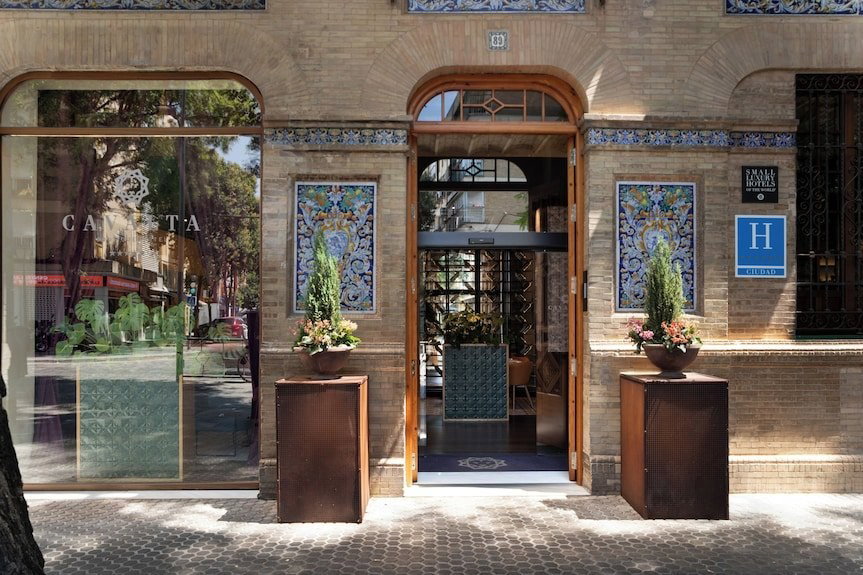
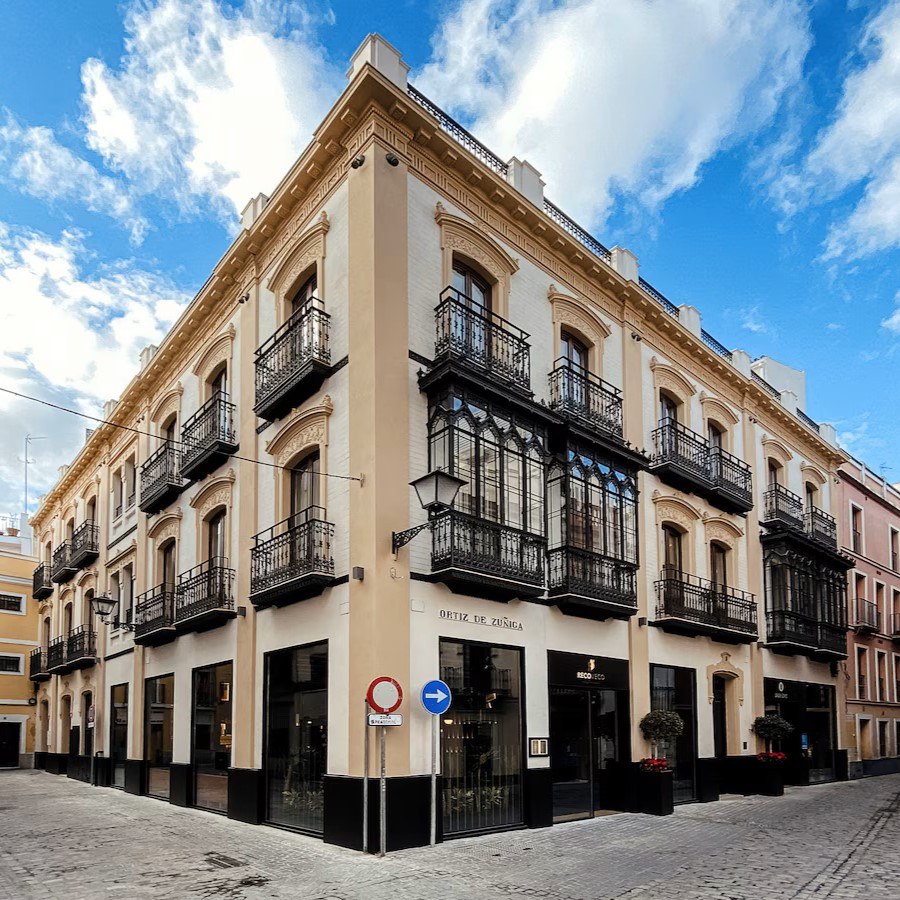
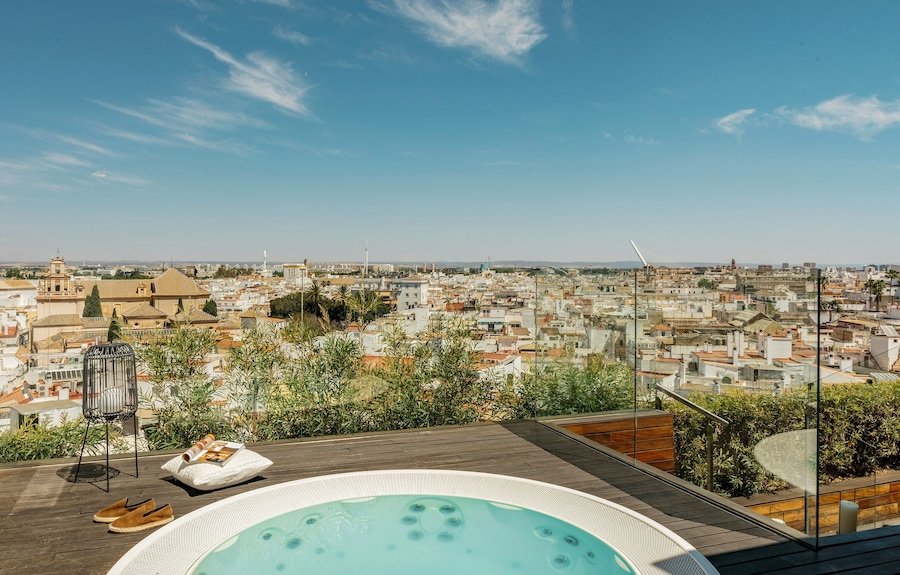
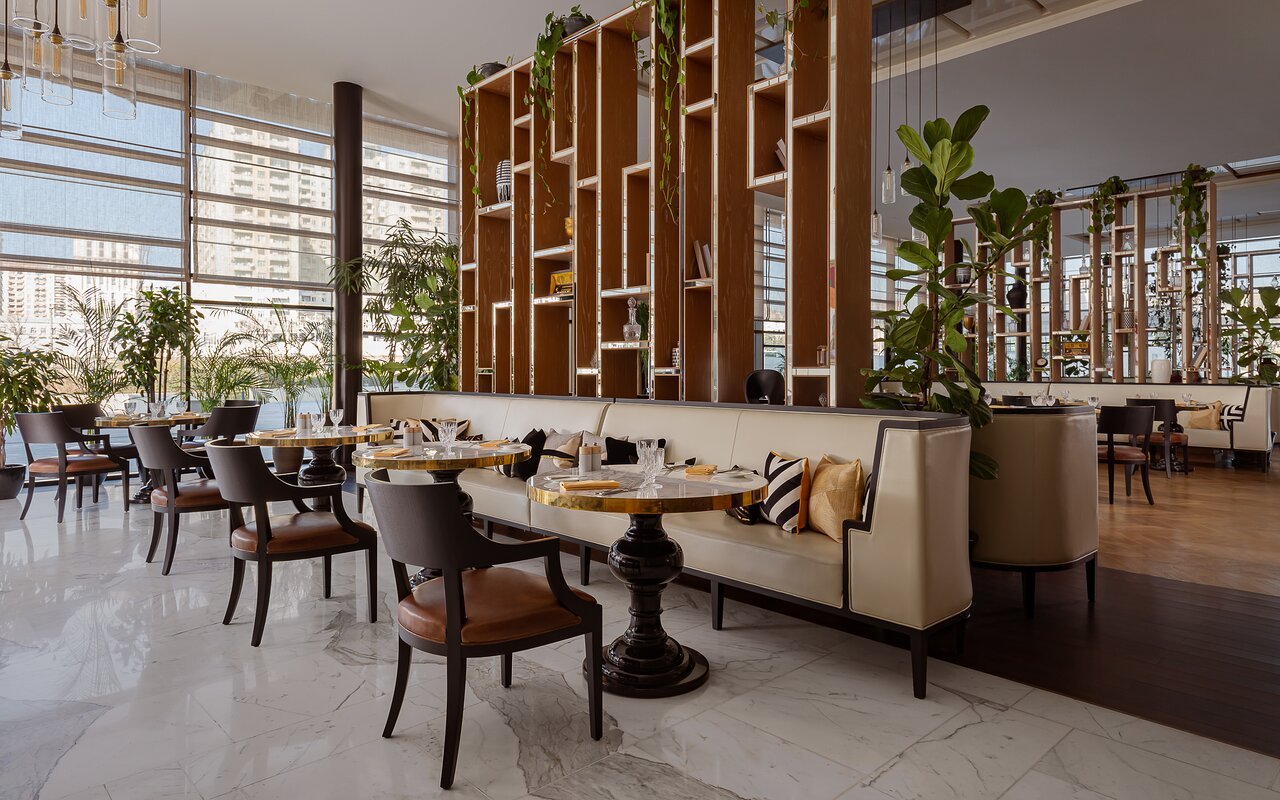
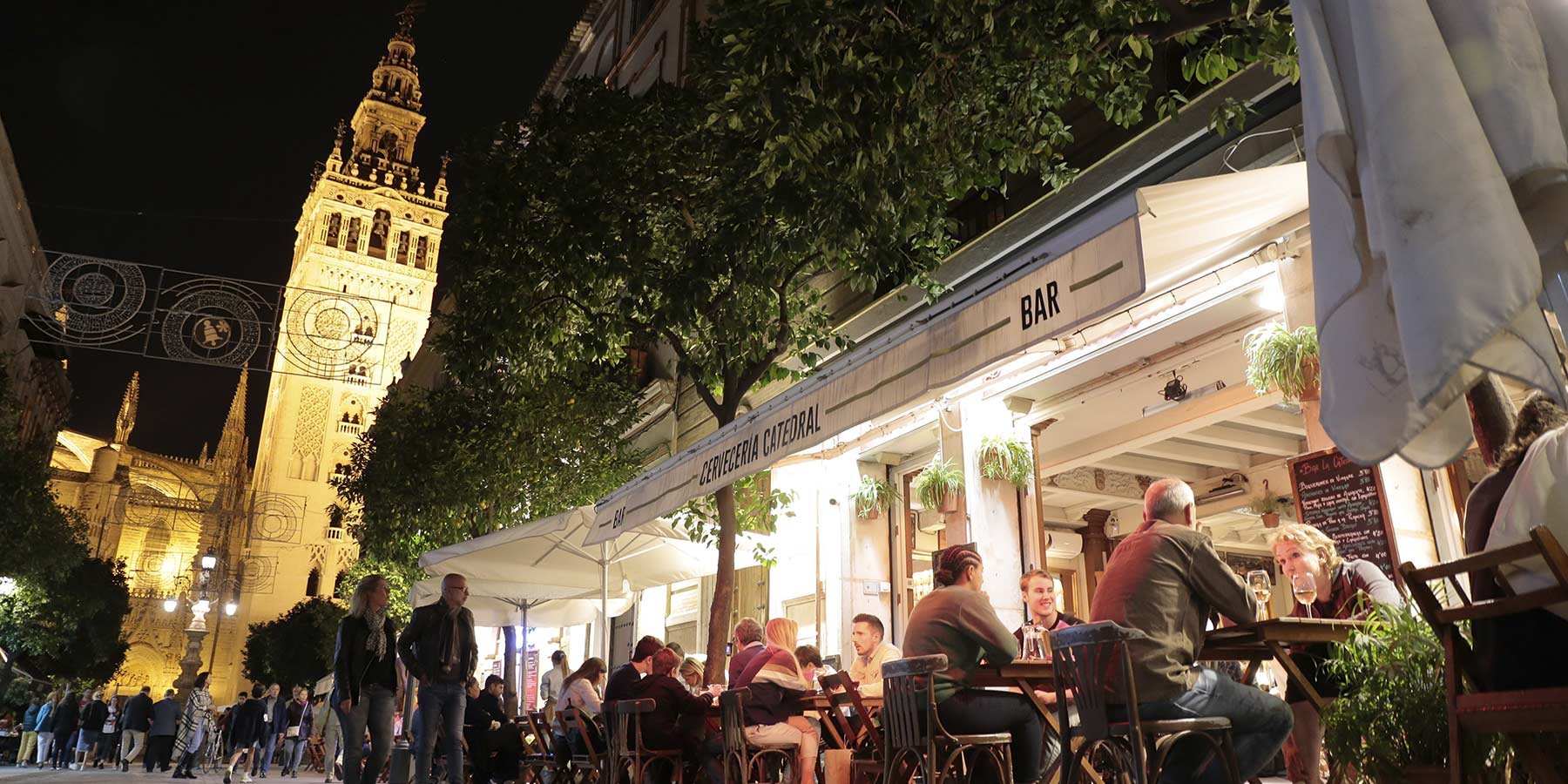
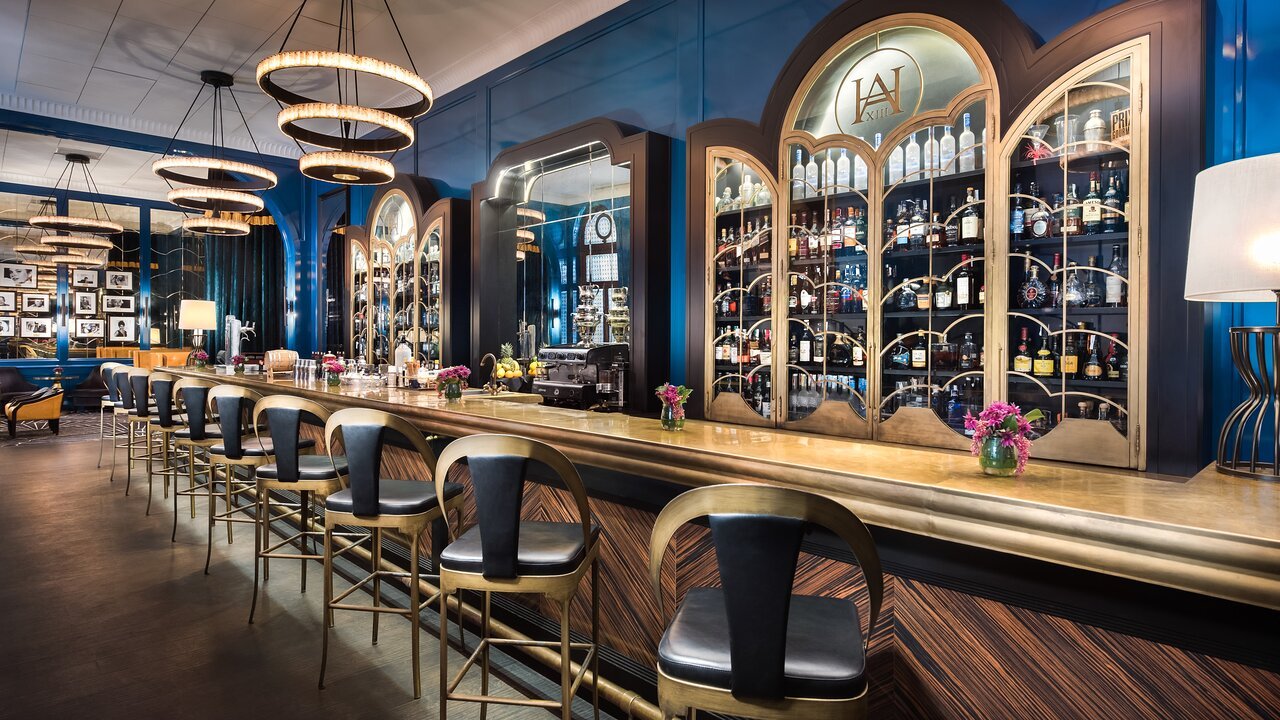
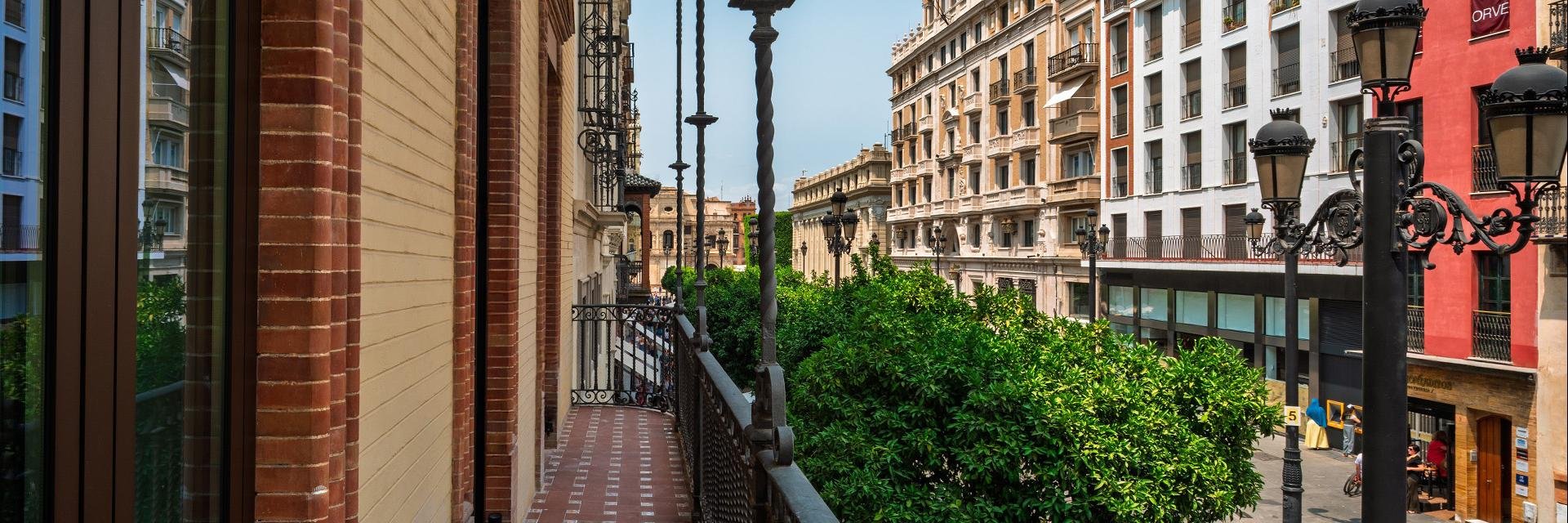
Serras Sevilla leans heavily on its location to define the guest experience. Positioned on Avenida de la Constitución in the Casco Antiguo, the hotel places guests amid Seville’s most resonant monuments: the Cathedral, the Giralda and the Alcázar are all within easy reach. The property’s modest 43-room scale makes the setting feel private and intimate, while the city’s light — morning angles on limestone and azulejo, and a pronounced golden hour along the boulevard — gives stays a distinctly scenic, almost cinematic quality. The sense of place outweighs any single interior choice, so the hotel feels like a quiet, boutique doorway into Seville’s historic drama.
Best For
This hotel is best for travelers who want to be at the heart of Seville’s historic center and for couples seeking a quietly refined, intimate stay. Its proximity to the Cathedral, the Alcázar and the Archivo de Indias makes it ideal for architecture-minded visitors who plan to explore on foot. The property’s boutique scale also suits anniversary trips and romantic getaways that prioritize atmosphere and convenience over resort-style amenities. Guests who value being able to peek into the city’s public life — plazas, processions and the play of light on historic facades — will find the location especially rewarding.
Stay Tips
When planning a stay, time your mornings and late afternoons to enjoy the neighborhood light that the description highlights: morning sun catches the surrounding facades, and the Avenida offers a strong golden-hour effect. If possible, request a room on the hotel’s frontage toward Avenida de la Constitución to maximize exposure to that street life and the views referenced in the copy. Given the short walks to the Cathedral and the Alcázar, plan sightseeing on foot and leave room in the itinerary for slow moments in the nearby plazas when the light is at its best.
Venue details
Tags
Vibe
Best For
Experience
Amenities
View
About the Stay
- Rooms
- 43
- Property Type
- Boutique hotel
- Property Style
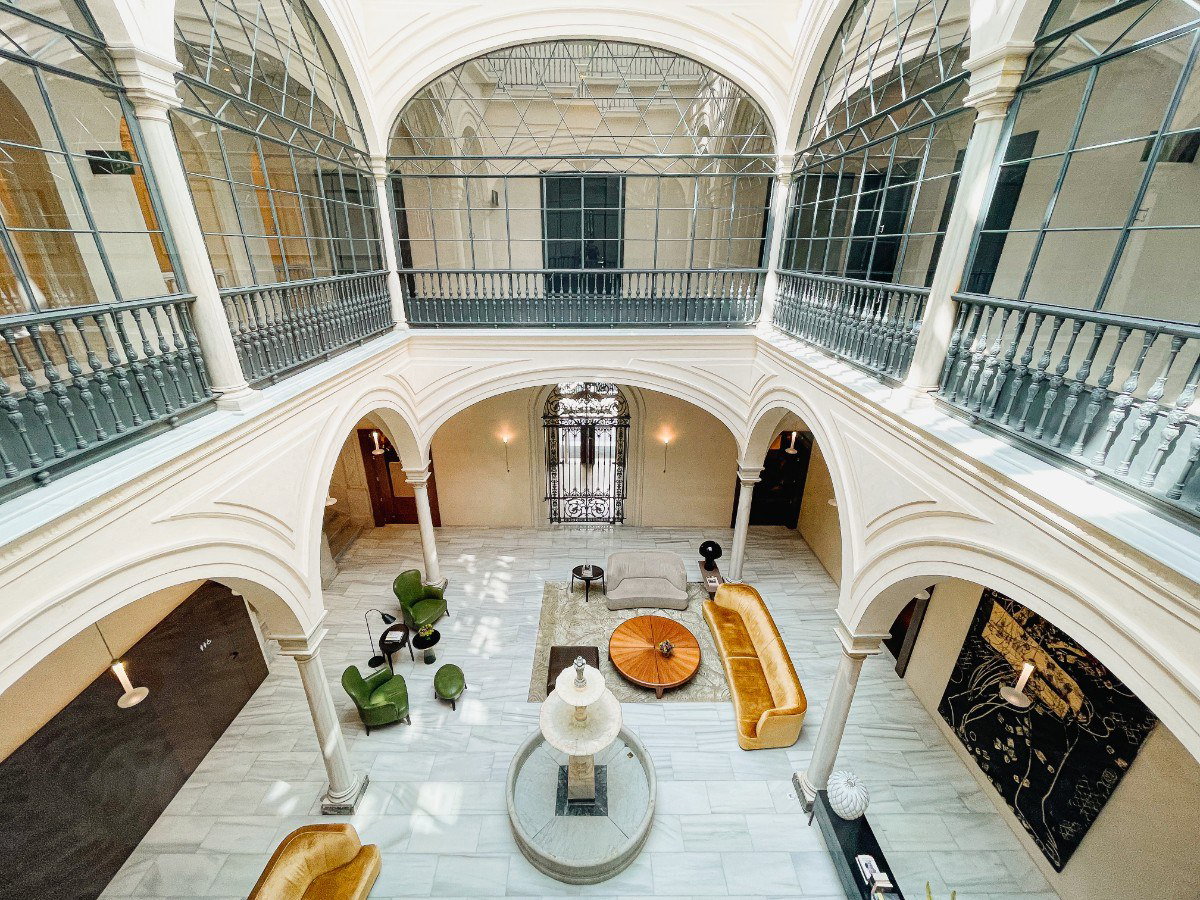
- Historic Landmark with Contemporary Luxury
- Design Style
- Old World Grandeur Blended with Modern Elements
- Pool
- Yes
Know before you go
Know Before You Go
- Getting there
- Av. de la Constitución, s/n, Casco Antiguo, 41004 Sevilla
Planning details
Location
Av. de la Constitución, s/n, Casco Antiguo, 41004 Sevilla · Directions
Recognition and awards
Also consider
Also Consider
- EME Catedral Mercer Hotel, Notable alternative
- Hotel Casa 1800 Sevilla, Notable alternative
- Mercer Plaza Sevilla, Notable alternative
- Corral del Rey, Notable alternative
- Tayko Sevilla, Notable alternative
Hotel context
How It Compares
Serras Sevilla is the practical pick if the stay is built around central access and a polished independent-hotel feel. EME Catedral Mercer Hotel is the stronger cross-shop for travelers who want a more obviously high-profile cathedral-area hotel, while Mercer Plaza Sevilla is the one to compare if the decision is leaning toward a newer luxury read.
For ambiance, Corral del Rey and Hotel Casa 1800 Sevilla make more sense if old-city character is the reason for the trip. Serras Sevilla is better for a value-seeker who cares about location efficiency and a less fussy business base rather than a stay built mainly around historic atmosphere.
Tayko Sevilla is the cleaner cross-shop for travelers who prefer a more modern mood. Booking difficulty is listed as easy for Serras Sevilla, so it is the safer fallback when the smaller, more character-led options are tight or when a work itinerary needs less friction.
Explore Seville
Around this place
Discover more on Pearl
Unlock the full Serras Sevilla guide in Pearl, including awards, comparisons, FAQs, planning details, and nearby places.
Compare Serras Sevilla
| Venue | Location | Awards |
|---|---|---|
| Serras Sevilla | Seville | Preferred Hotels Member 2025 |
| EME Catedral Mercer Hotel | Seville | No published awards |
| Hotel Casa 1800 Sevilla | Sevilla | No published awards |
| Mercer Plaza Sevilla | Sevilla | No published awards |
| Corral del Rey | Seville | No published awards |
| Tayko Sevilla | Sevilla | No published awards |
How Serras Sevilla compares with similar nearby venues.
FAQ
Frequently Asked Questions
How is the pool and spa at Serras Sevilla?
Pool and spa details are not included here, so do not make them the deciding factor without confirming directly with Serras Sevilla. What is established is that it is in Seville, has a smart-casual dress code, and is a Preferred Hotels Member for 2025; Corral del Rey is another Seville option to compare.
Is Serras Sevilla family-friendly?
Family-specific services are not included here. If you are traveling with children, confirm setup, policies, and any family needs directly with Serras Sevilla before booking; Hotel Casa 1800 Sevilla is another Seville property to review as part of your search.
How is the location of Serras Sevilla?
Serras Sevilla is in Seville. Check the current map listing if exact positioning matters for meetings, transport, or sightseeing.
How does Serras Sevilla compare to nearby options?
Choose Serras Sevilla if Preferred Hotels Member status in 2025 and a smart-casual dress code match what you want from a Seville stay. Mercer Plaza Sevilla, Tayko Sevilla, EME Catedral Mercer Hotel, Corral del Rey, and Hotel Casa 1800 Sevilla are other Seville options worth comparing.
Do loyalty programs work at Serras Sevilla?
Serras Sevilla is a Preferred Hotels Member for 2025. For points, benefits, eligibility, or booking-channel rules, confirm directly with Serras Sevilla or Preferred Hotels before you reserve.