
Hotel Klosterbräu
Seefeld in Tirol, Seefeld
Hotel in Seefeld, Austria
 Book with Pearl
The Read
Monastery-to-Hotel Continuity
Price
$300–500per night
Why go
Choose Hotel Klosterbräu if you want a Seefeld stay that favors town access and established hotel polish over a remote resort setup. The Michelin 1 Key recognition gives it a credible quality signal, but the real advantage is practical: it suits first-timers and business travelers who need efficient logistics in Seefeld.
About Hotel Klosterbräu
Hotel Klosterbräu is a hotel in Seefeld with a confirmed Michelin 1 Key recognition for 2025. For travelers comparing higher-end stays, the most grounded reason to keep it on the shortlist is simple: it is Hotel Klosterbräu in Seefeld, with a smart casual dress code and a current Michelin quality signal.
Specific claims about room categories, dining, spa facilities, pricing, hours, or transport details should be checked directly with the hotel before booking.
Pick it for a Seefeld stay with a confirmed quality signal
The hotel's confirmed Michelin 1 Key recognition in 2025 is the clearest indicator. That does not, by itself, specify a particular service style, room type, restaurant format, or amenity set, so the decision should come down to whether you want to stay at Hotel Klosterbräu in Seefeld and whether the current offering matches your trip needs.
If you are comparing it with other premium hotels, consider Hotel Klosterbräu alongside Alpine Resort Sacher Seefeld, Interalpen-Hotel Tyrol, Schloss Elmau Luxury Spa Retreat & Cultural Hideaway, Nidum Hotel, and Alpenresort Schwarz. Use direct hotel information for practical details before making a final choice.
Where it fits among higher-end hotels
Hotel Klosterbräu fits best on a shortlist for travelers specifically considering Seefeld and looking for a hotel with confirmed Michelin 1 Key recognition. Alpine Resort Sacher Seefeld is another Seefeld option to compare, while Interalpen-Hotel Tyrol, Schloss Elmau Luxury Spa Retreat & Cultural Hideaway, Nidum Hotel, and Alpenresort Schwarz may be relevant depending on the wider trip plan.
Book this when the combination of Hotel Klosterbräu, Seefeld, and Michelin 1 Key recognition matches what you want. If your decision depends on detailed amenities, room layouts, dining, wellness facilities, family services, or business services, verify those points directly with the property rather than relying on assumptions.
For broader planning, compare Hotel Klosterbräu with Alpine Resort Sacher Seefeld and other Seefeld stays. If the trip also includes meals, drinks, or off-property time, use current Seefeld dining, bar, and experience information to plan around the hotel.
Planning details
- Location
- Klosterstraße 30, 6100 Seefeld in Tirol
- Website
- klosterbraeu.com/de
- Phone
- +43 5212 2621
The take
The Take
The Vibe
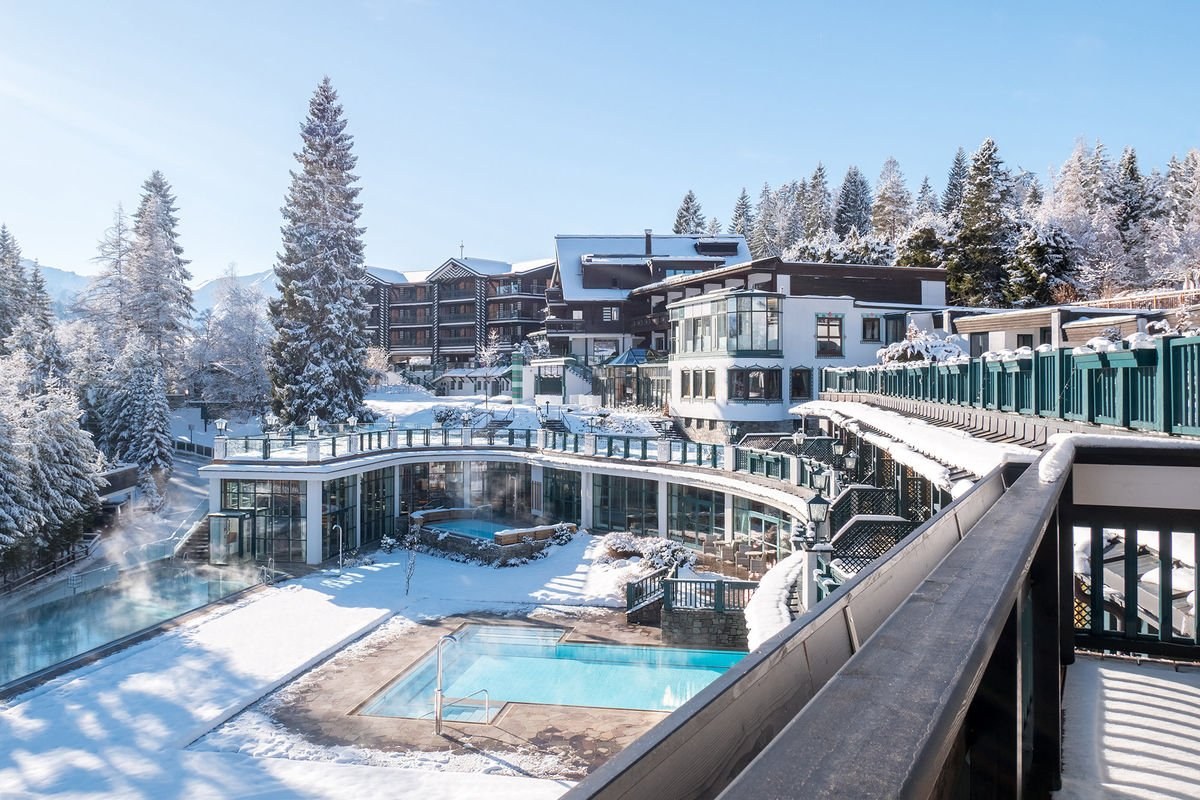
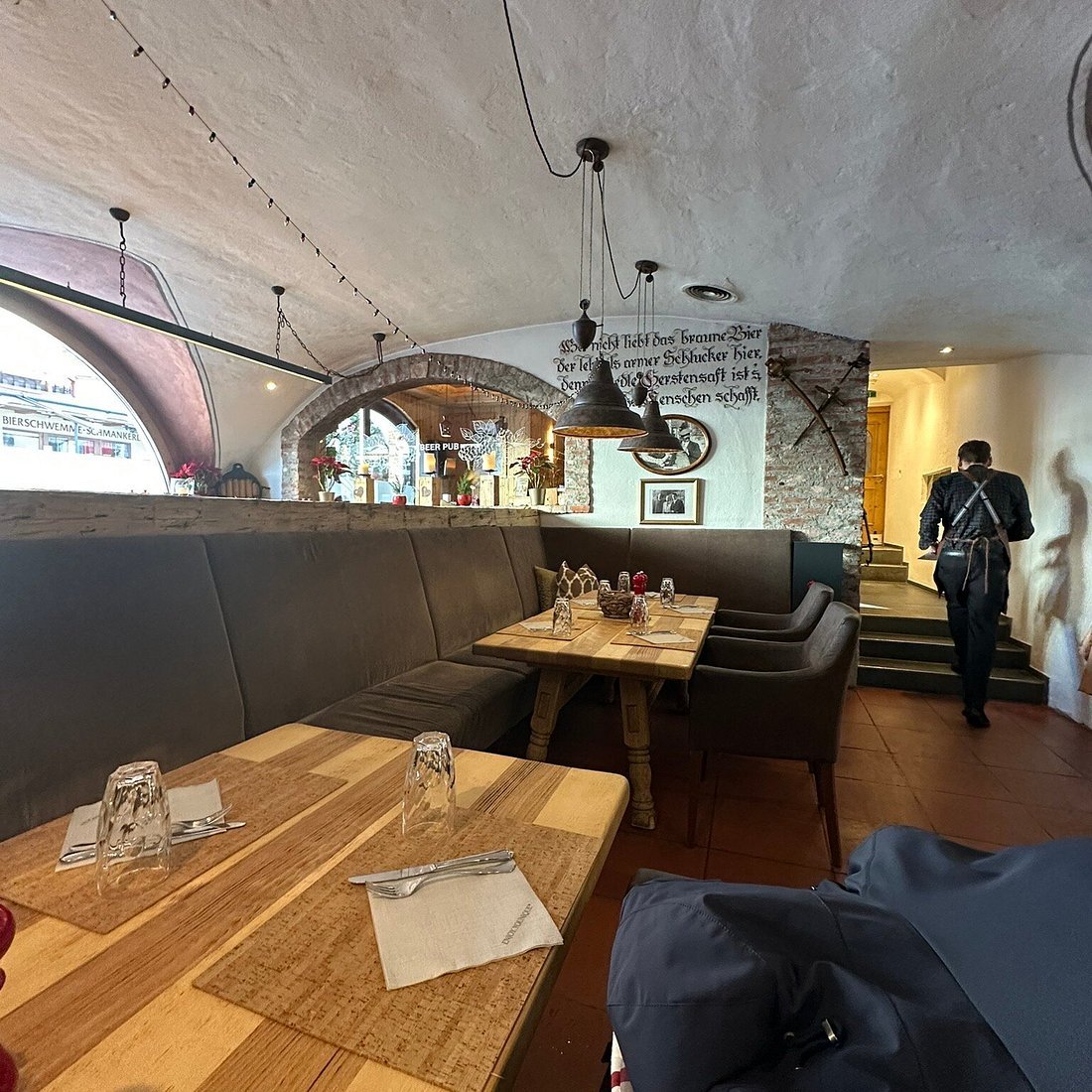
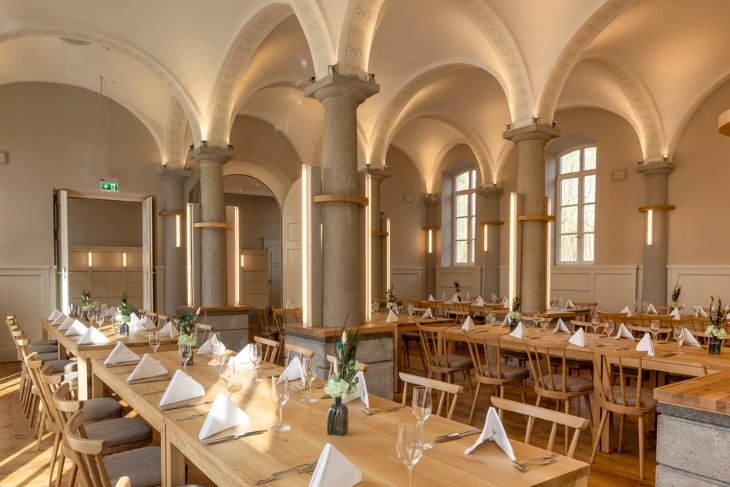
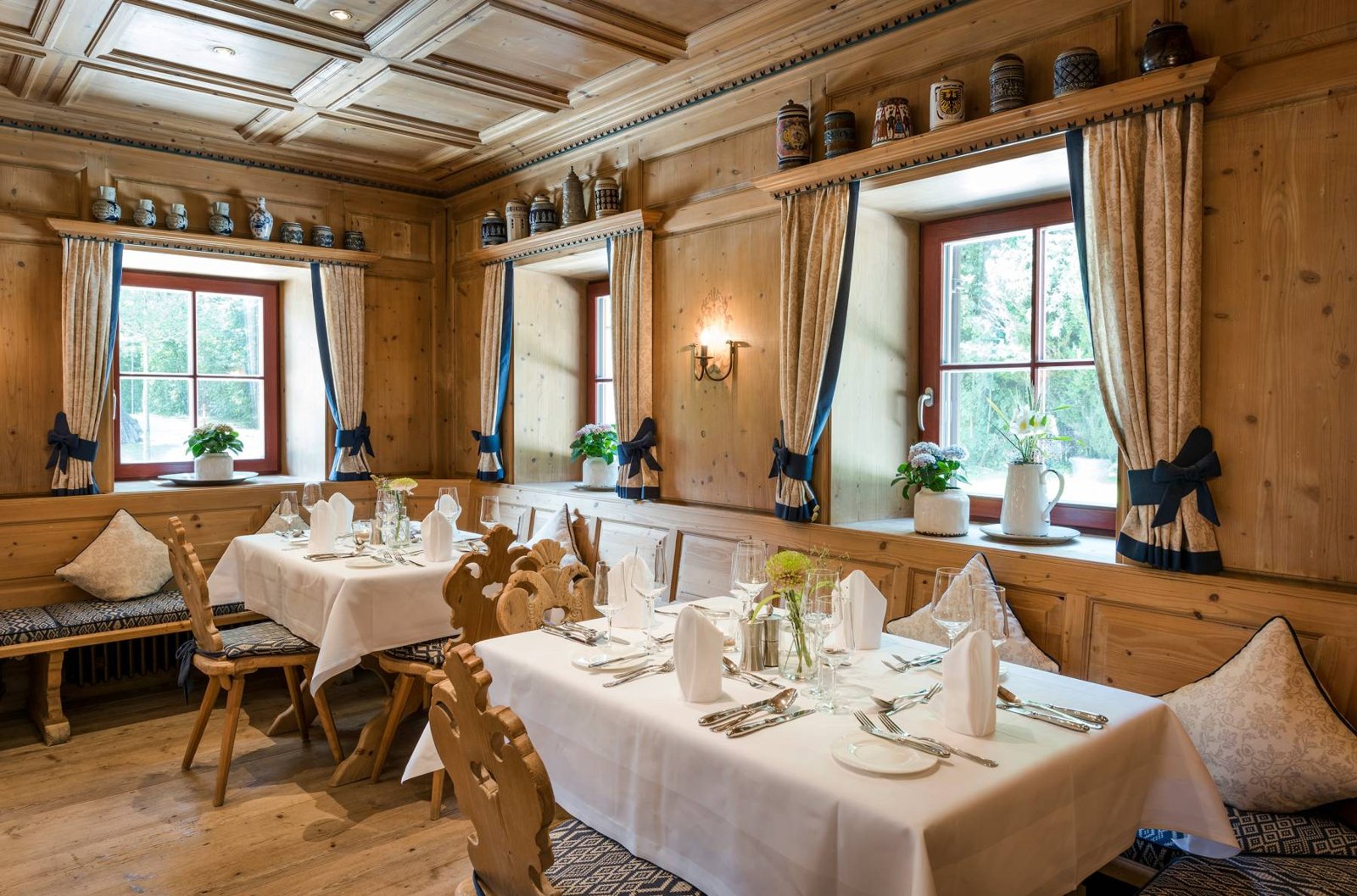
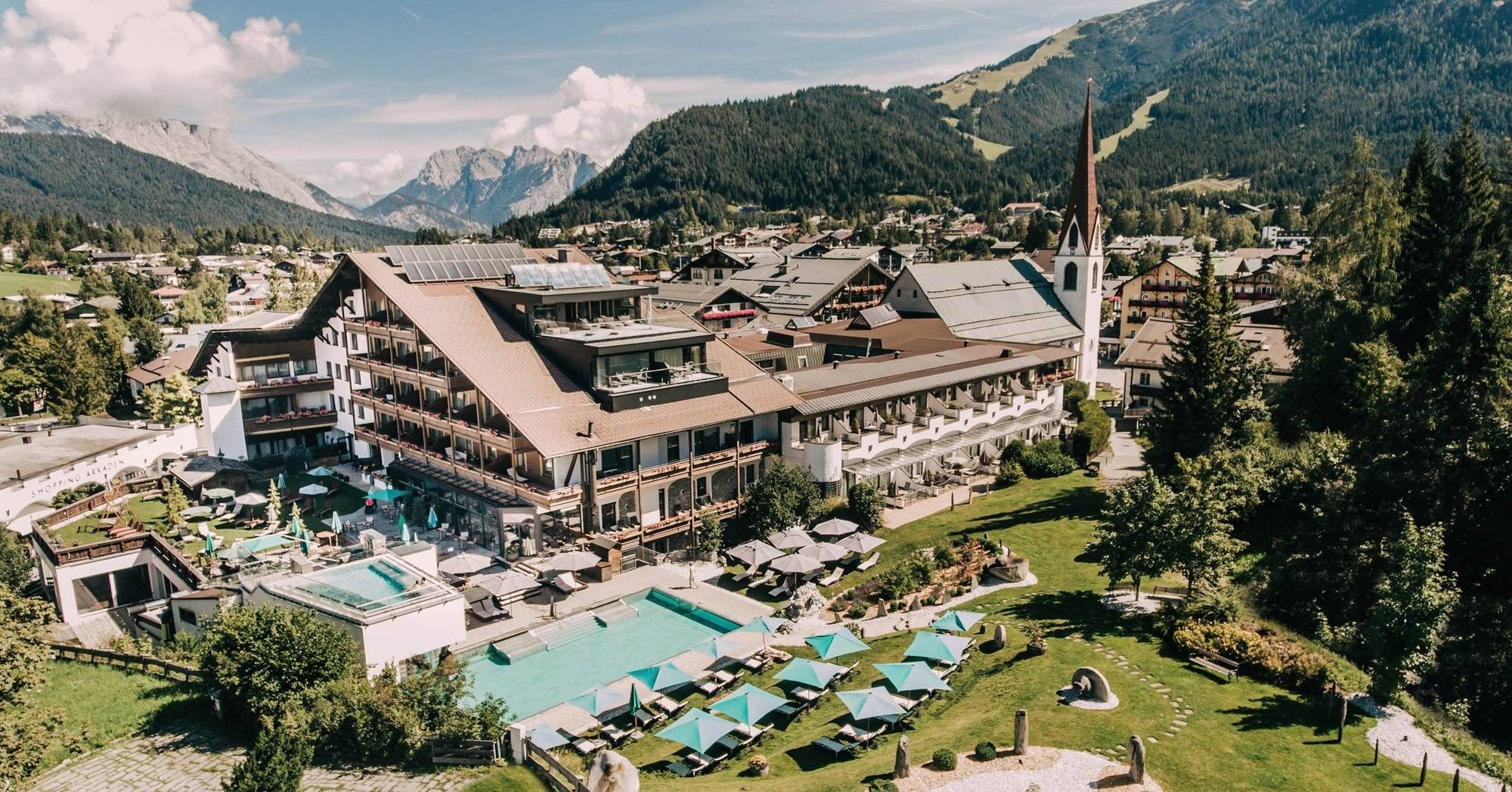
Hotel Klosterbräu foregrounds its long history: its bones are five hundred years old and its interiors show it — exposed stonework, low-vaulted ceilings and settling timber create a tangible, lived-in atmosphere. The hotel deliberately resists a spare, spa-minimal trend, preferring accumulated layers and character over polished modernism. That historic heft reads as rustic charm rather than museum quiet, and the result feels like an authentic Alpine house with personality. Guests who value provenance and texture — buildings that wear their past honestly — will find the Klosterbräu’s atmosphere distinct from more generic, contemporary resorts.
Best For
Klosterbräu suits travellers who prize history and alpine context as much as comfort. Its location on the high Seefeld plateau (around 1,200 metres) and the town’s Olympic winter-sport credentials make it a natural base for winter activity, while the hotel’s upper-tier pricing and character align with couples on romantic getaways and guests seeking a memorable weekend escape. Families and wellness-minded visitors also find this part of Seefeld well served, but the Klosterbräu particularly rewards visitors who want a hotel with story and atmosphere rather than a purely modern, minimalist retreat.
Stay Tips
The property has 90 rooms and positions itself in the upper tier of Seefeld’s offerings; nightly rates are cited from roughly $565, so plan and book ahead, especially in peak winter and holiday periods. Expect historically layered interiors rather than stripped-back contemporary design and ask about the hotel’s food-and-drink programme, which the hotel ties explicitly to the region’s brewing tradition. Confirm board options on booking and, if winter sports are the reason for your visit, coordinate dates around local event calendars — Seefeld’s Olympic legacy means higher seasonal demand.
Venue details
Ambiance
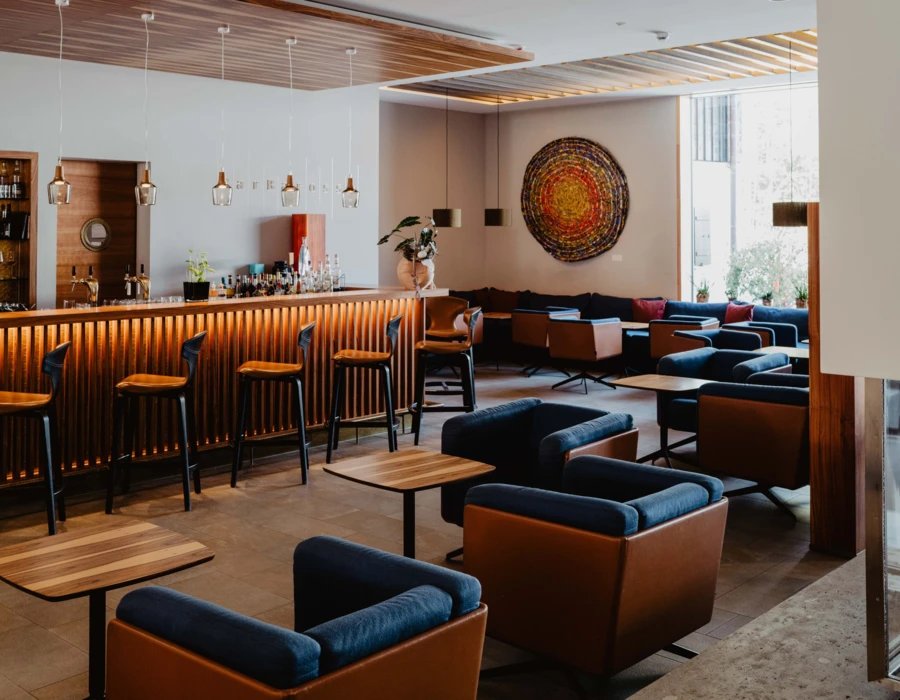
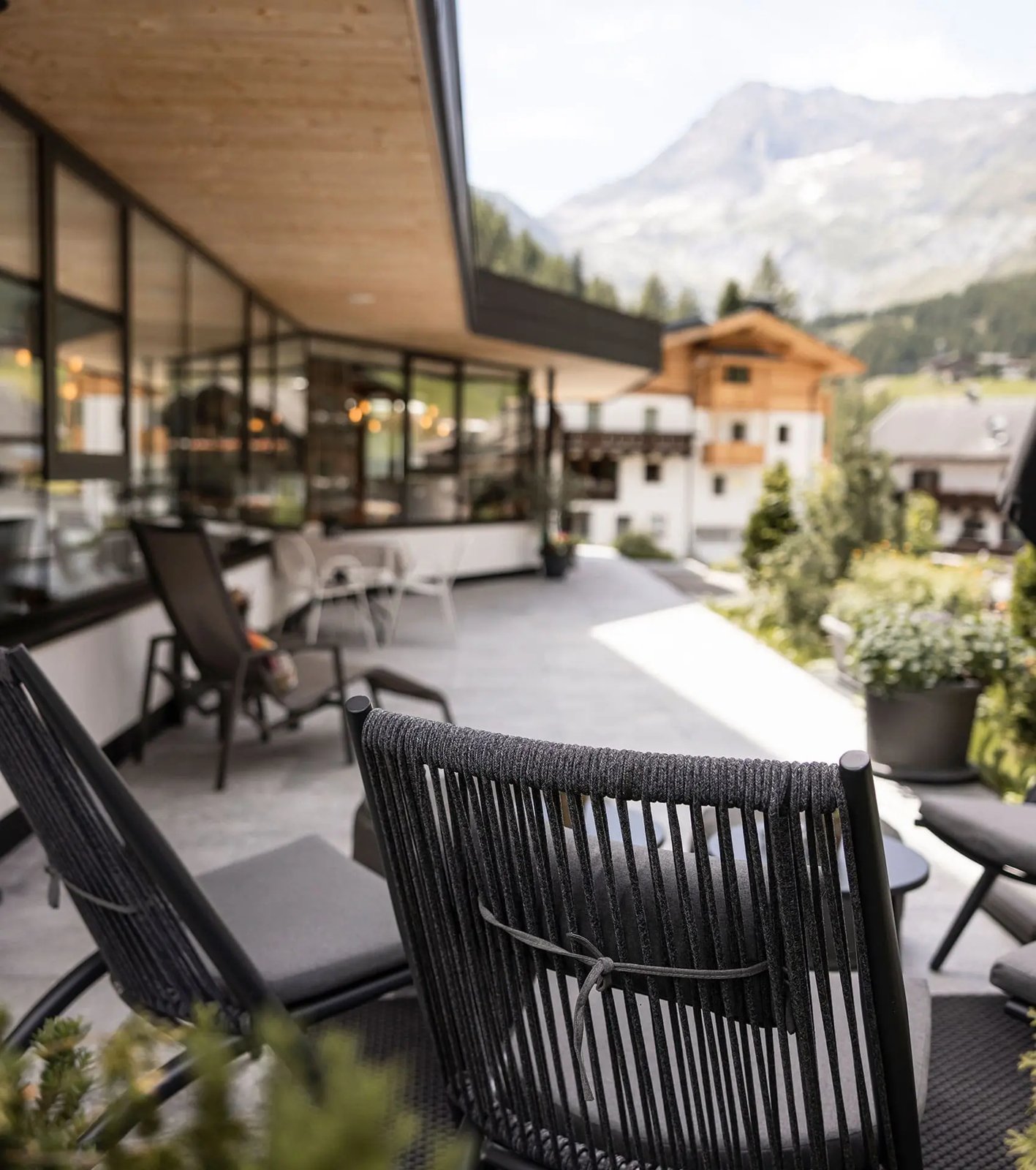
Cozy and elegant with historic charm, plush lounges, candlelit wine cellars, and relaxing spa atmospheres featuring soft lighting in saunas and pool areas.
Tags
Vibe
Best For
Experience
Amenities
View
Accessibility
About the Stay
- Rooms
- 48
- Check-in
- 15:00
- Check-out
- 11:00
- Property Type
- Heritage hotel
- Property Style
- Historic Monastery with Modern Spa Extensions
- Design Style
- Classic Elegant with Modern Cozy Rooms
- Breakfast
- Included
- Airport Transfer
- Available
- Pool
- Yes
- Spa
- Yes
- Pets
- Allowed
- Families
- Welcome
- Cancellation
- Strict
Know before you go
Know Before You Go
- Getting there
- Klosterstraße 30, 6100 Seefeld in Tirol
Planning details
Location
Recognition and awards
Also consider
Where to look if this is booked
If staying in Seefeld is the priority, try Alpine Resort Sacher Seefeld first. If the dates are flexible and a short move outside town is fine, Nidum Hotel is the more natural cross-shop for a design-led mountain stay.
Hotel context
How it compares in and around Seefeld
Hotel Klosterbräu is the practical Seefeld pick when location efficiency matters. Alpine Resort Sacher Seefeld is the closest cross-shop for travelers who also want to stay in Seefeld, so choose between them based on the exact room, dates, and how much weight you put on village access versus resort atmosphere.
Nidum Hotel and Interalpen-Hotel Tyrol make more sense if leaving Seefeld proper is acceptable. Nidum is the better cross-shop for a more contemporary mountain-hotel mood, while Interalpen-Hotel Tyrol is the better fit for travelers who want a larger destination-hotel feel and are less concerned with walking out into town.
Schloss Elmau Luxury Spa Retreat & Cultural Hideaway and Alpenresort Schwarz are stronger alternatives when the hotel is the trip. For a business-leaning Seefeld stay, Hotel Klosterbräu is easier to justify; for a longer wellness-led escape, those out-of-metro options deserve the comparison.
Explore Seefeld
Around this place
Discover more on Pearl
Unlock the full Hotel Klosterbräu guide in Pearl, including awards, comparisons, FAQs, planning details, and nearby places.
Compare Hotel Klosterbräu
| Venue | Location | Awards |
|---|---|---|
| Hotel Klosterbräu | Seefeld | Michelin 1 Key 20252025 Michelin 1 Key |
| Alpine Resort Sacher Seefeld | Seefeld | No published awards |
| Nidum Hotel | Seefeld In Tirol | No published awards |
| Interalpen-Hotel Tyrol | Austrian Alps | 2026 Forbes 4-Star2026 Virtuoso Luxury Hotel Collection2026 La Liste Top Hotels2025 Michelin Selected Hotels2025 Forbes RecommendedPreferred Hotels Member 2025 |
| Schloss Elmau Luxury Spa Retreat & Cultural Hideaway | Elmau | 2026 Virtuoso Luxury Hotel Collection2026 La Liste Top HotelsLeading Hotels of the World 20262026 MICHELIN Guide Hotel Special Awards2026 Michelin 3 Keys2025 Michelin 3 Keys2024 Michelin 3 Keys |
| Alpenresort Schwarz | Obermieming | 2026 The Longevity Hotels Collection2026 Michelin 1 Key2025 Michelin 1 Key |









How Hotel Klosterbräu Seefeld compares with similar nearby venues.
FAQ
Frequently Asked Questions
How does Hotel Klosterbräu compare to other hotels?
Hotel Klosterbräu is a Seefeld hotel with confirmed Michelin 1 Key recognition for 2025. Compare it with Alpine Resort Sacher Seefeld for another Seefeld option, and with Interalpen-Hotel Tyrol, Nidum Hotel, Alpenresort Schwarz, or Schloss Elmau Luxury Spa Retreat & Cultural Hideaway if your wider trip plan includes other premium hotels.
How is the location of Hotel Klosterbräu?
Hotel Klosterbräu is in Seefeld. Specific street-address details should be checked directly with the hotel or your booking source.
What is check-in like at Hotel Klosterbräu?
Is Hotel Klosterbräu good for business travel?
It may be worth considering if you need a hotel in Seefeld with a confirmed Michelin 1 Key recognition. Specific business services, meeting facilities, and work-friendly amenities are not detailed here, so confirm those details with the hotel before booking.
Which room category is best at Hotel Klosterbräu?
Room categories are not listed here. Choose based on the current room descriptions from Hotel Klosterbräu or your booking source, and ask the property directly if quietness, space, or views are priorities.
Do loyalty programs work at Hotel Klosterbräu?
Loyalty-program participation or status benefits are not detailed here. If that matters, check directly with Hotel Klosterbräu before booking and compare the final terms with similar stays such as Alpine Resort Sacher Seefeld or Alpenresort Schwarz.
Is Hotel Klosterbräu family-friendly?
Specific family facilities or policies are not detailed here. Families should contact Hotel Klosterbräu directly about room setup, children's services, dining needs, and any age-related policies before reserving.