
Palazzo Pascal
Minuta, Scala
Hotel in Scala, Italy
 Book with Pearl
The Read
Agriturismo Aristocracy
Why go
Palazzo Pascal is worth considering if Scala's quieter hill-town setting sounds better than a larger Amalfi Coast resort. The 2024 Michelin 1 Key is the main quality signal, but the fit is strongest for calm, character-led stays rather than high-support business travel or resort-style logistics.
About Palazzo Pascal
Is Palazzo Pascal worth booking in Scala? It can be, if you are specifically looking for a stay in Scala with a clearly confirmed quality signal. Palazzo Pascal is in Scala, has a smart casual dress code, and received a Michelin 1 Key in 2024.
Travelers should avoid assuming details about facilities, service style, dining, room categories, transport support, or on-property amenities unless they confirm them directly with the venue before booking.
Choose it for Scala and a confirmed Michelin Key
First-time visitors should treat Palazzo Pascal as a Scala stay rather than build expectations around specific features. The Michelin 1 Key recognition in 2024 is the strongest quality signal available here, but it should not be read as proof of any specific amenity, room type, dining format, or service setup.
The practical takeaway is simple: choose Palazzo Pascal if the Scala location and the confirmed 1 Key recognition fit the trip. If the trip depends on particular hotel facilities, meal arrangements, accessibility needs, or transfer logistics, confirm those details directly before committing.
Business-travel fit depends on how much support the trip needs
For business travelers, Palazzo Pascal is best evaluated on the confirmed basics rather than assumptions. It is in Scala, it has Michelin 1 Key recognition for 2024, and the dress code is smart casual. Any needs beyond that, including meeting space, work setup, transport help, dining availability, or other business services, should be checked with the venue.
For broader planning around Scala, use current official sources and confirm the details that matter for the trip. If the stay also involves meals or local planning, consider other dining in Scala generically without assuming additional details about Palazzo Pascal.
Planning details
- Location
- Piazza Minuta, 1, 84010 Scala SA
- Website
- palazzopascal.it
- Phone
- +39 089 858312
The take
The Take
The Vibe
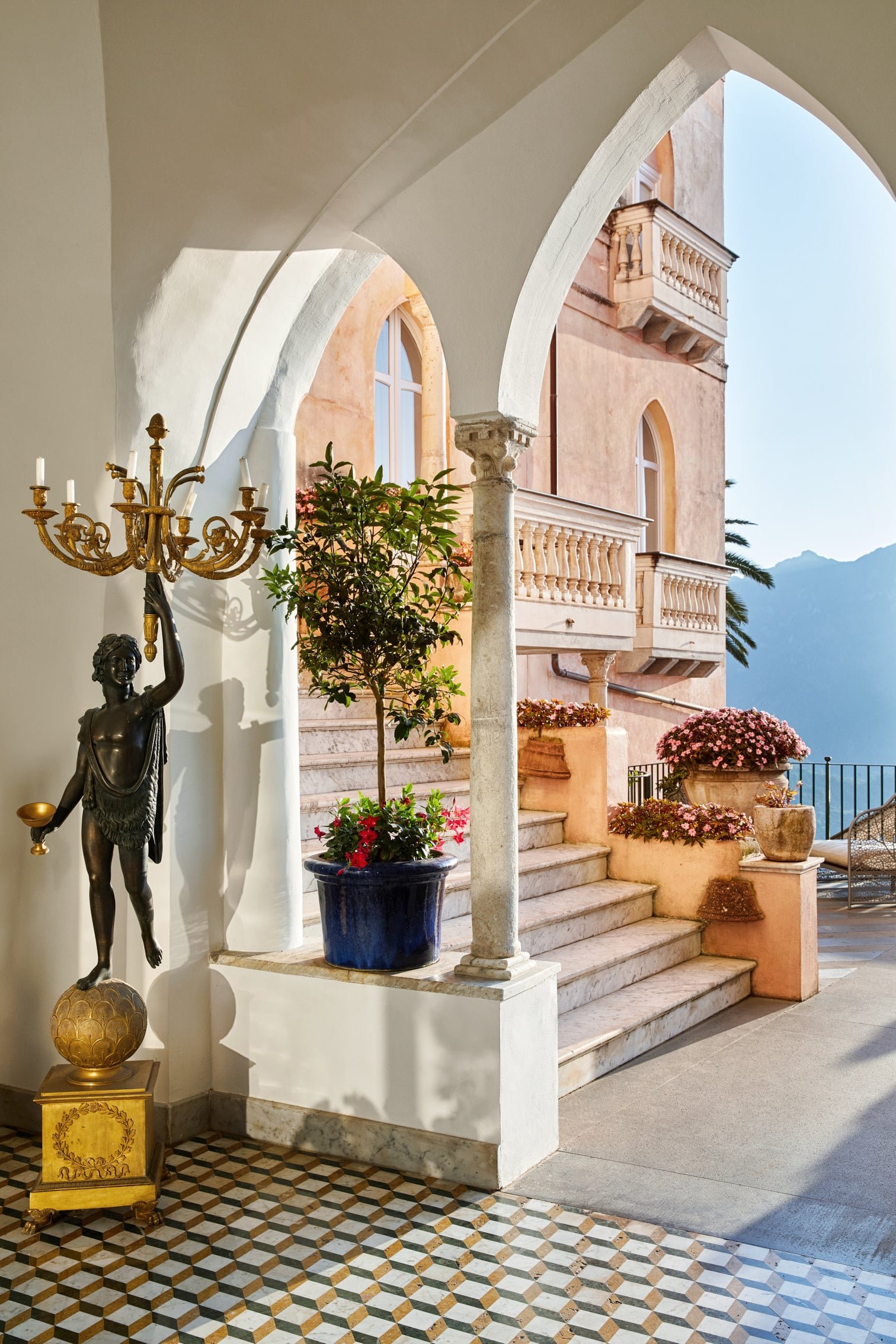
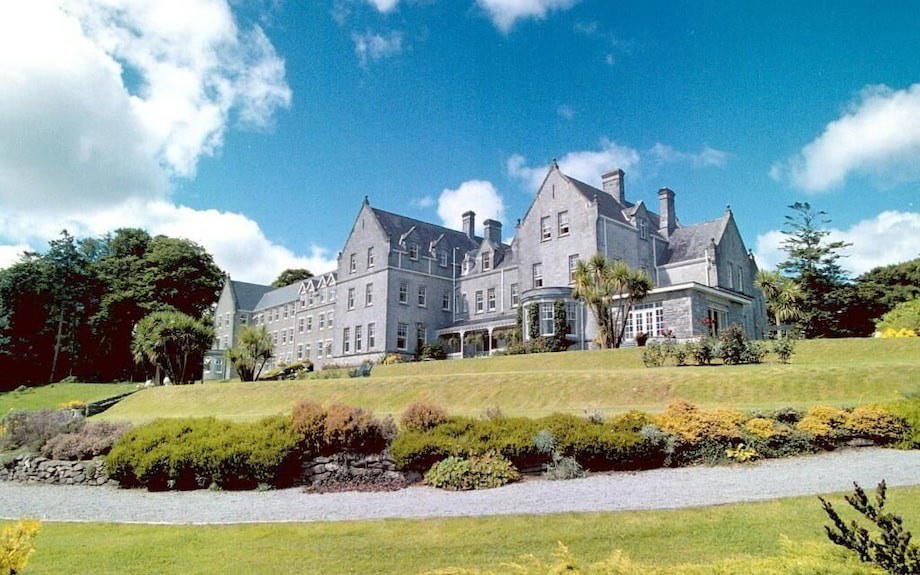
Palazzo Pascal occupies a hilltop palazzo that reads like a private aristocratic residence rather than a conventional hotel. The conversion preserves centuries-old architectural bones and leans on the family’s craft traditions, giving interiors a quietly curated, classical character. With just 13 rooms and a pedestrian-only approach through Piazza Minuta, the property feels intimate and deliberately small-scale — a counterpoint to the larger, more produced resorts on the Amalfi Coast. Guests experience a calm, thoughtful retreat where historic fabric and restrained design shape the mood more than contemporary spectacle.
Best For
This is a destination for travelers seeking privacy, quiet, and history rather than headline views or large-hotel amenities. Couples on honeymoon, anniversary trips, or romantic getaways find the scale and setting especially appealing, and anyone after a restful wellness break benefits from the low-traffic village location. The hotel’s small size and residential feel also suit celebration stays for intimate groups who prefer seclusion over bustle. Its position in Scala makes it a restful base for exploring the Amalfi Coast while avoiding the region’s busier hubs.
Stay Tips
Space is limited — Palazzo Pascal has only 13 rooms — so book well in advance, especially for peak season and weekends. Note that arrival is on foot through Piazza Minuta and the property sits in a pedestrian-access-only village setting; plan logistics accordingly and travel light for the short approach from drop-off points. Because the conversion emphasizes a family-driven design identity and historic architecture, expect distinctive, craft-led interiors rather than standardized hotel rooms; enquire early about room location if mobility or proximity to the entrance is a concern.
Venue details
Ambiance
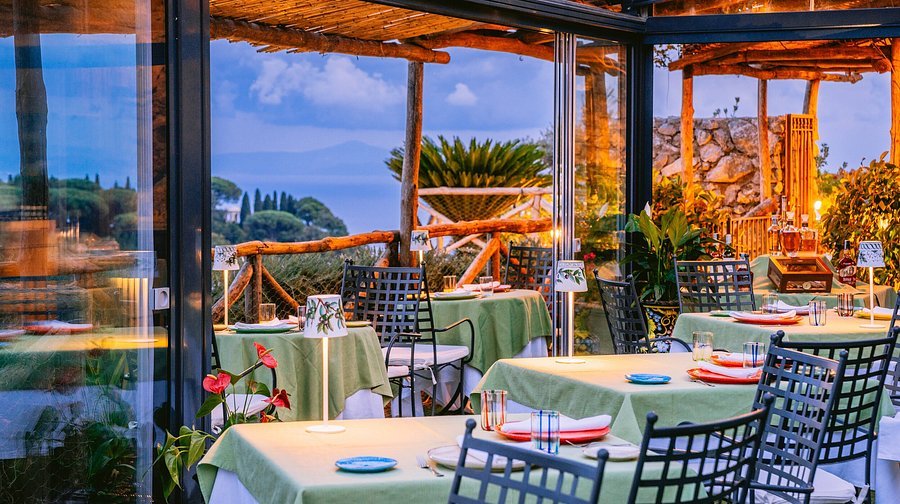
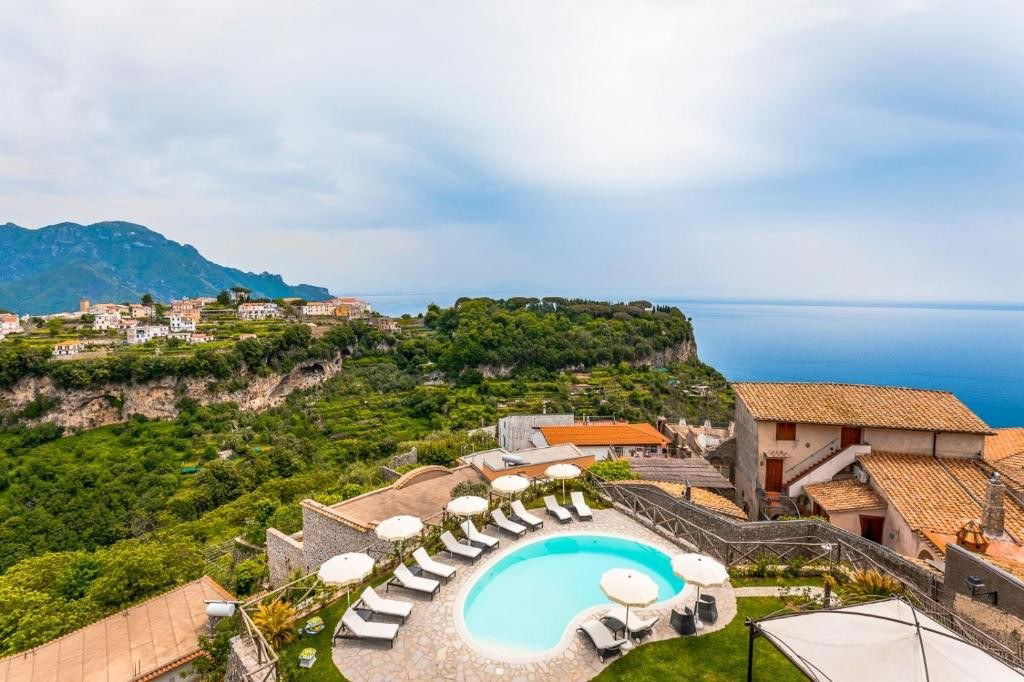
Serene and sophisticated with soft Mediterranean lighting, terraces overlooking Ravello and the coast, and peaceful garden settings that evoke timeless elegance.
Tags
Vibe
Best For
Experience
Amenities
View
Accessibility
About the Stay
- Rooms
- 7
- Check-in
- 14:00
- Check-out
- 11:00
- Property Style
- Luxurious Noble Residence Blending Historic Architecture with Contemporary Comfort, Positioned as an Exclusive Amalfi Coast Retreat.
- Design Style
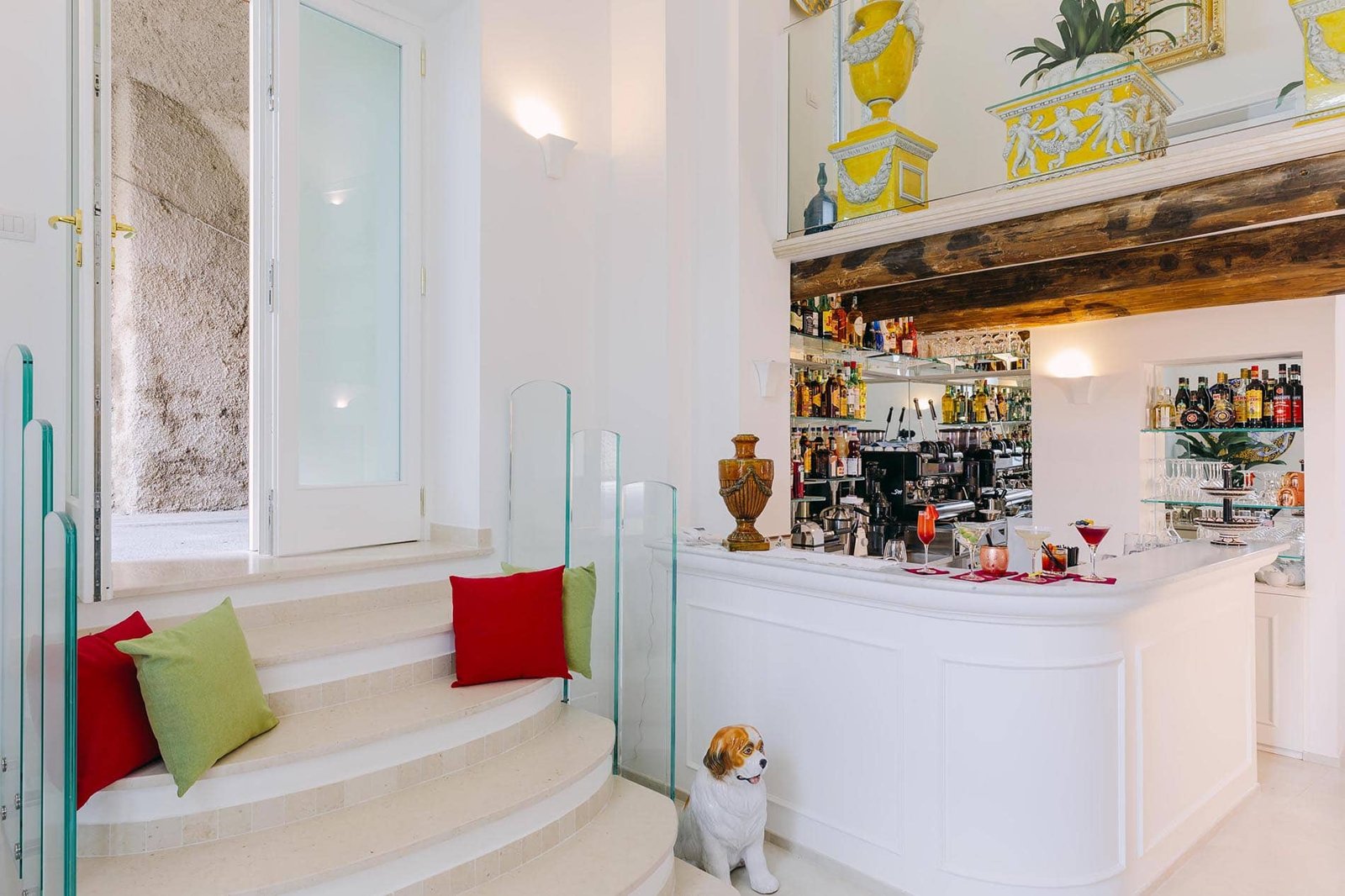
- Mediterranean Elegance with Individually Furnished Suites, Contemporary Styling in the Dependance, and Curated Ceramic Artistry Throughout.
Know before you go
Know Before You Go
- Getting there
- Piazza Minuta, 1, 84010 Scala SA
Planning details
Location
Recognition and awards
Also consider
Where to look if this is not the right fit
If the trip needs a larger luxury-service setup, try Caruso, A Belmond Hotel, Amalfi Coast or Palazzo Avino. If the priority is easier access to Amalfi's coastal movement, Anantara Convento di Amalfi Grand Hotel is the more direct cross-shop.
Hotel context
How Palazzo Pascal compares nearby
Against Villa Maria - Hotel & Restaurant and Villa Cimbrone, Palazzo Pascal is the quieter Scala pick for travelers who want the stay to feel anchored in a smaller hill-town address. Villa Maria is the more natural cross-shop if dining is central to the trip, while Villa Cimbrone suits guests who want a more formal heritage-hotel feel around Ravello.
Palazzo Avino and Caruso, A Belmond Hotel, Amalfi Coast are better fits when the brief is polished luxury, resort-style service, and a higher-touch Amalfi Coast stay. Choose Palazzo Pascal instead when the goal is a calmer base and the trip does not require the infrastructure of a larger luxury hotel.
Anantara Convento di Amalfi Grand Hotel is the stronger option for travelers who want a bigger hotel platform closer to Amalfi's coastal flow. Palazzo Pascal is the more restrained choice: less obvious for business support, more appealing for travelers who want Scala's slower pace and a hotel with Michelin Key recognition.
Explore Scala
Around this place
Discover more on Pearl
Unlock the full Palazzo Pascal guide in Pearl, including awards, comparisons, FAQs, planning details, and nearby places.
Compare Palazzo Pascal
| Venue | Location | Awards |
|---|---|---|
| Palazzo Pascal | Scala | Michelin 1 Key 20252025 Michelin 1 Key2024 Michelin 1 Key |
| Villa Maria - Hotel & Restaurant | Ravello | 2026 La Liste Top Hotels |
| Villa Cimbrone | Ravello | 2026 La Liste Top Hotels2025 Michelin Selected Hotels |
| Palazzo Avino | Amalfi Coast | 2026 Forbes Recommended2026 Virtuoso Luxury Hotel CollectionStar Wine Lists 20262026 Mr & Mrs Smith Luxury HotelsLeading Hotels of the World 20262025 Michelin 1 Key2025 Forbes Recommended |
| Caruso, A Belmond Hotel, Amalfi Coast | Ravello | 2026 Virtuoso Luxury Hotel Collection2026 Forbes 5-Star2026 La Liste Top Hotels2025 Michelin 1 Key2025 Forbes 5-Star2024 Michelin 1 Key |
| Anantara Convento di Amalfi Grand Hotel | Amalfi | 2026 Virtuoso Luxury Hotel Collection2026 La Liste Top Hotels2025 Michelin Selected Hotels |







How Palazzo Pascal Scala: Michelin 1 Key Stay compares with similar nearby venues.
FAQ
Frequently Asked Questions
What is check-in like at Palazzo Pascal?
The check-in process is not specified. The confirmed location is Scala, so guests should check directly with Palazzo Pascal for arrival instructions and current check-in details.
Which room category is best at Palazzo Pascal?
Room-category details are not available here. Choose based on the current room information provided by Palazzo Pascal, and confirm any view, layout, accessibility, or amenity needs directly before booking.
Is Palazzo Pascal family-friendly?
Family-specific details are not available here. Families should confirm room setup, policies, and any practical needs directly with Palazzo Pascal before booking a stay in Scala.
How does Palazzo Pascal compare to regional stays?
Palazzo Pascal is a Scala option with confirmed Michelin 1 Key recognition in 2024. For comparison, travelers may also look at regional stays such as Anantara Convento di Amalfi Grand Hotel, Caruso, A Belmond Hotel, Amalfi Coast, Palazzo Avino, Villa Cimbrone, and Villa Maria - Hotel & Restaurant, depending on the type of trip they are planning.