
Rancho de la Osa
Sasabe
Hotel in Sasabe, United States
 Book with Pearl
The Read
High Desert Dude Ranch
Why go
Rancho de la Osa is worth considering if the point of the trip is a remote Arizona ranch stay rather than a conventional Tucson hotel base. It works better for couples, celebrations, and small groups than for business travel, and its USA Today Best Ranches #14 recognition gives it a clear ranch-category trust signal.
About Rancho de la Osa
Rancho de la Osa is a Sasabe venue with a casual dress code and a confirmed USA Today Best Ranches recognition at #14 for 2026. If you are comparing Arizona stays, consider The Downtown Clifton, Hotel Congress, Graduate by Hilton Tucson, Arizona Inn, or Old West Ranchettes depending on the kind of trip you are planning.
Book it with the basics in mind
Rancho de la Osa is a recognized option in Sasabe, including its USA Today Best Ranches #14 placement for 2026. Details on room categories, rates, amenities, dining, service format, or specific activity offerings are not available. It's best to confirm current details directly before booking.
Room-category optimization cannot be advised. Choose based on the current room descriptions and policies provided by the venue, and avoid assuming specific layouts, views, privacy levels, or inclusions unless they are confirmed at booking. For Arizona stay comparisons, Arizona Inn, Graduate by Hilton Tucson, Hotel Congress, The Downtown Clifton, and Old West Ranchettes offer different frames of reference.
Timing matters more than assumptions
Specific seasonal advice, booking difficulty, availability patterns, and peak-date guidance are not available. Rancho de la Osa is in Sasabe, and travelers should confirm current availability, policies, and conditions directly with the venue before committing to dates.
For broader planning, compare Rancho de la Osa with other lodging options in Sasabe generically, and with named Arizona alternatives such as Arizona Inn, Graduate by Hilton Tucson, Hotel Congress, Old West Ranchettes, and The Downtown Clifton when the trip would be better served by a different style of stay.
Who should skip it
Skip firm assumptions about business facilities, dining access, recreation, or hotel-style amenities unless they are confirmed by the venue. Rancho de la Osa is in Sasabe, has a casual dress code, and received the 2026 USA Today Best Ranches #14 recognition. Specific services or facilities are not available.
Quick reference: consider Rancho de la Osa if a recognized Sasabe venue fits the trip; compare Arizona alternatives such as Graduate by Hilton Tucson, Hotel Congress, The Downtown Clifton, and Arizona Inn if you need a different travel context.
Planning details
- Location
- 1 La Osa Ranch Rd, Sasabe, AZ 85633
- Website
- ranchodelaosa.com
- Phone
- +1 520-339-1086
The take
The Take
The Vibe
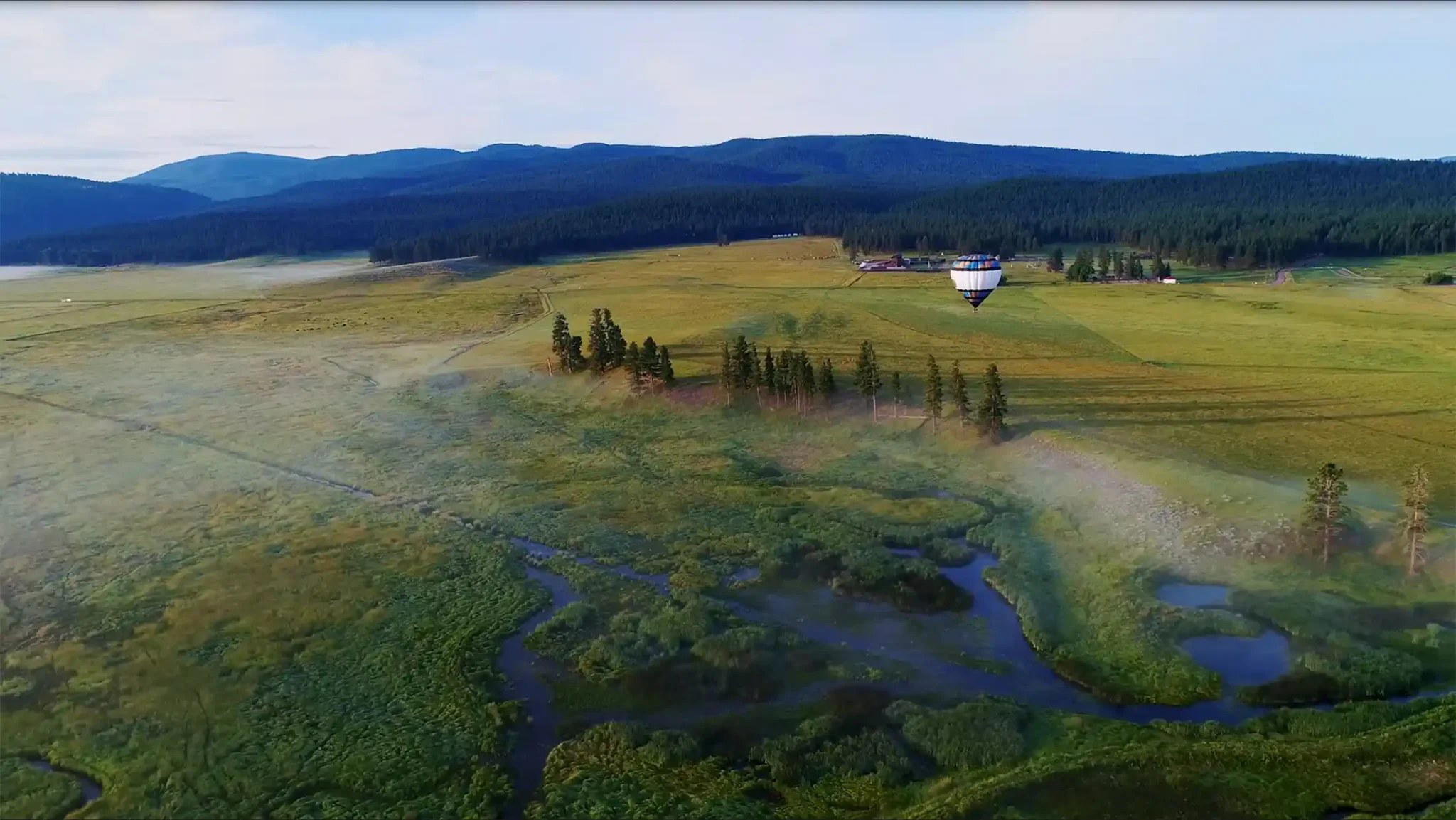
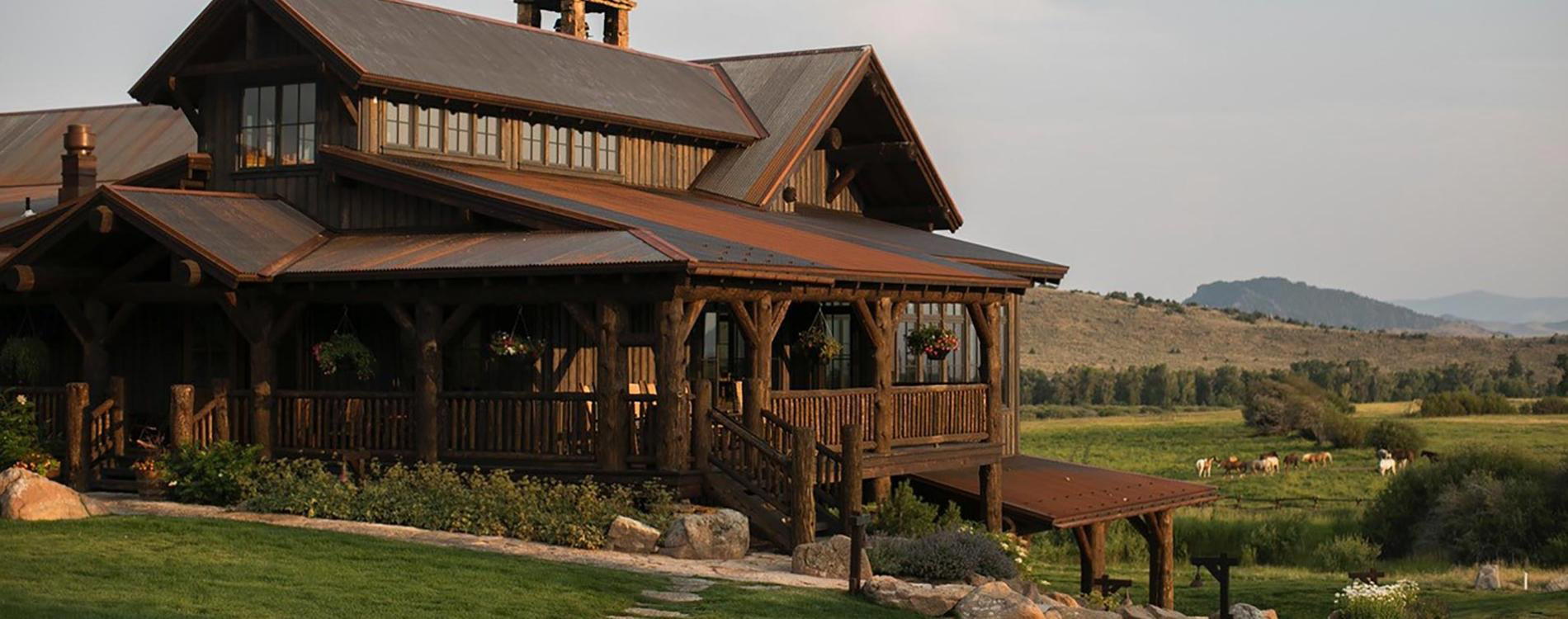
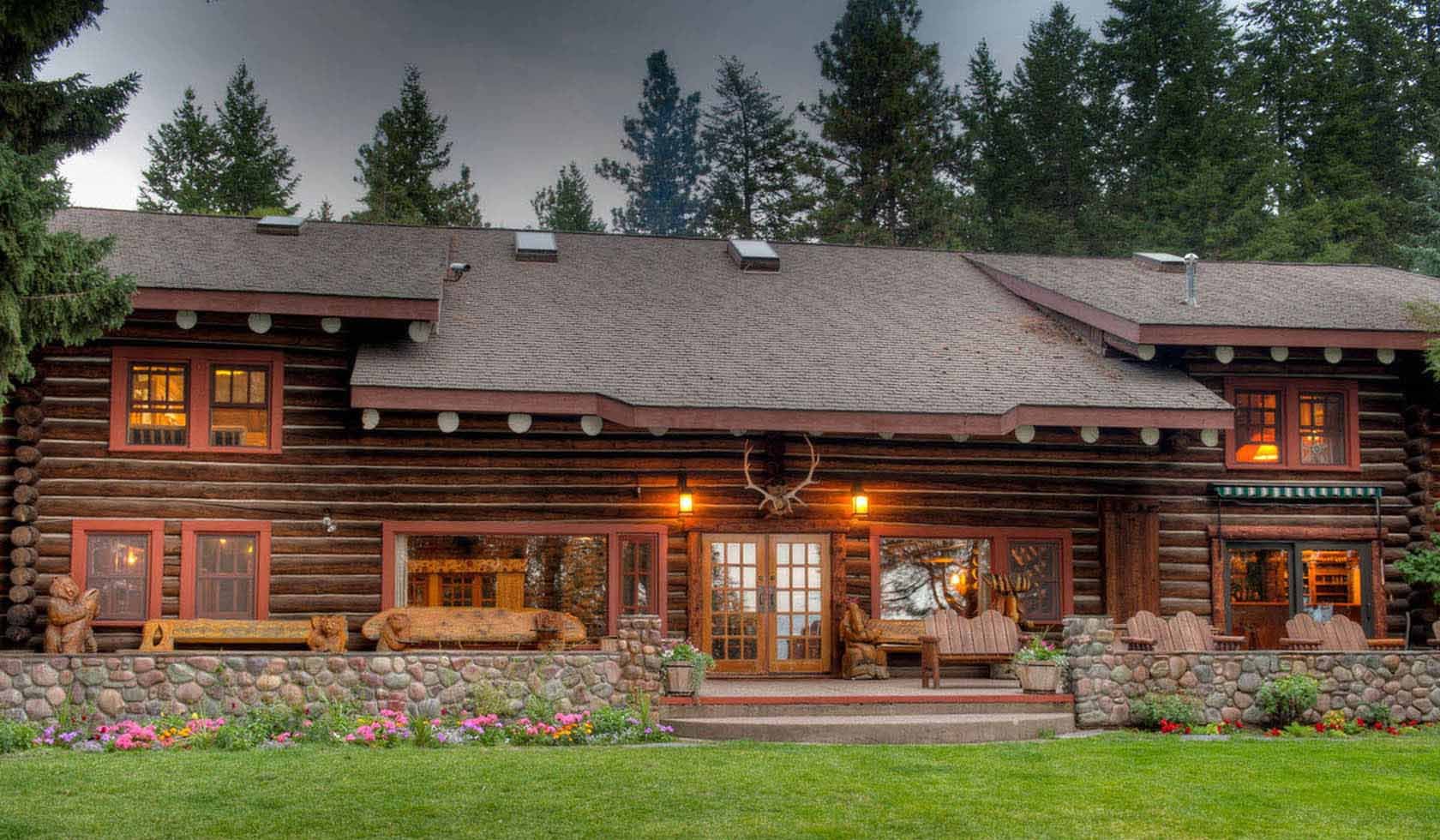
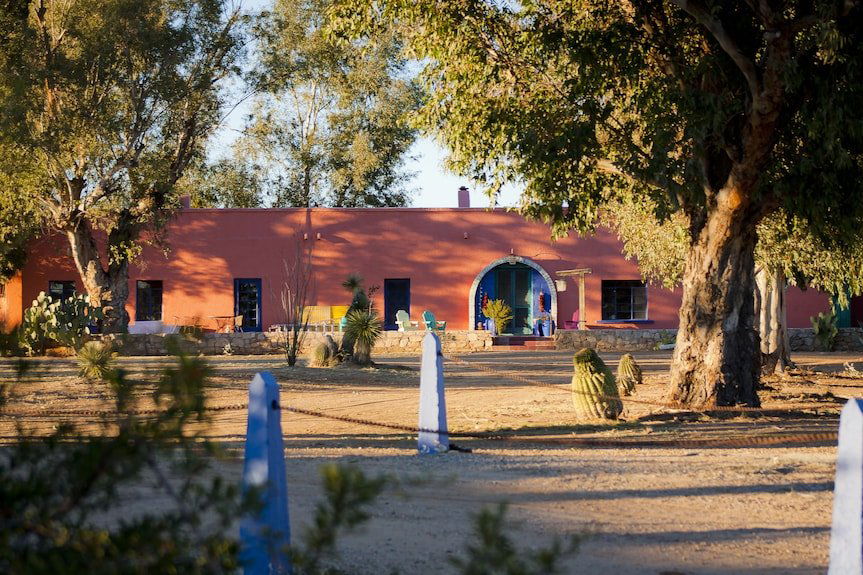
Rancho de la Osa presents a quietly romantic, classic ranch presence that reads as authentic rather than staged. Thick adobe walls, low-slung casitas and shaded corridors betray an architectural lineage rooted in Spanish colonial and Sonoran building practices; those practical design choices also produce an intimate, serene atmosphere. The property feels like a compound carved into the high desert—where interior courtyards and outdoor rooms form the social heart of the place and the Baboquivari Mountains anchor views to the west. The writing balances appreciation for utility with an awareness of the site’s evocative, lived-in character.
Best For
This is a destination for travelers who want a quiet, rural escape that foregrounds landscape and architecture. Rancho de la Osa suits couples seeking a romantic getaway and groups or retreats drawn to the privacy of separate casitas and sprawling estate grounds. It also appeals to guests who value historic fabric and an unadorned sense of place—the sort of visitor who comes for horseback riding into the surrounding grasslands and to experience the desert at a deliberate pace. The ranch is less about urban amenities and more about scenery, solitude and heritage.
Stay Tips
Keep the property's thermal logic in mind: thick adobe walls moderate daytime heat and release warmth after dark, so pack layers for cool nights and warm afternoons. Plan time to explore the compound’s shaded corridors and interior courtyards, which function as the center of daily life on the ranch. If horseback riding is of interest, note that the description identifies it as a primary activity—ask the property about guided rides or how to engage with ranch programming when you inquire or check in.
Venue details
Ambiance
Peaceful and restful with a laid-back historic ranch atmosphere, cozy fireplaces, and relaxing outdoor seating areas.
Tags
Vibe
Best For
Experience
Amenities
View
Accessibility
About the Stay
- Rooms
- 18
- Check-in
- 14:00
- Check-out
- 11:00
- Property Style
- Historic Guest Ranch
- Design Style
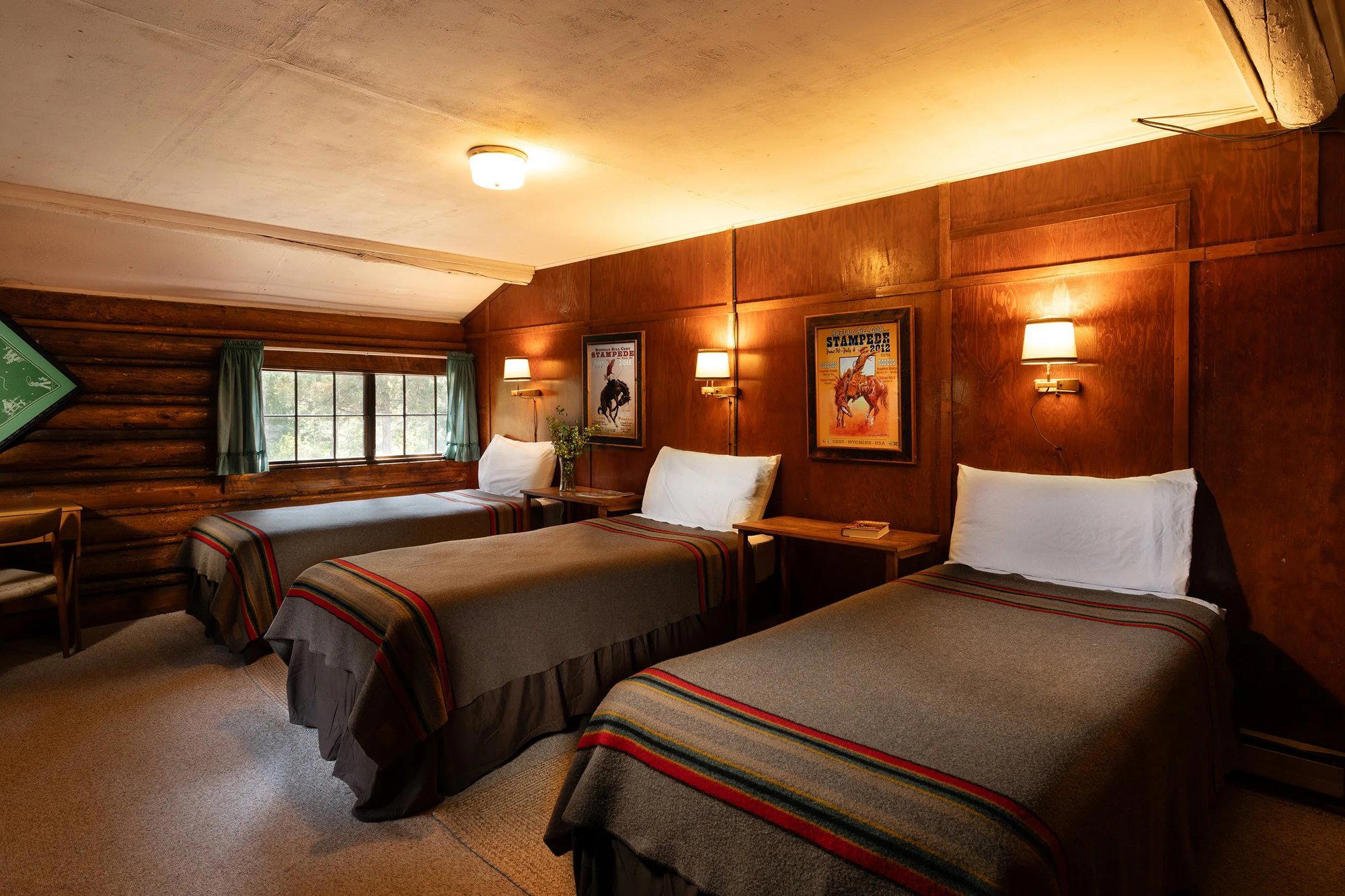
- Adobe Rustic with Individual Historic Decor
Know before you go
Know Before You Go
- Getting there
- 1 La Osa Ranch Rd, Sasabe, AZ 85633
Planning details
Location
Recognition and awards

Also consider
Where to look if this does not fit
If the ranch format feels too remote, start with Arizona Inn for a more conventional Arizona stay. If the trip needs Tucson access, compare The Downtown Clifton and Hotel Congress before committing to Sasabe.
Hotel context
How Rancho de la Osa compares in the Sasabe and Tucson set
Rancho de la Osa is the choice when the stay itself is the occasion. Compared with The Downtown Clifton, Hotel Congress, and Graduate by Hilton Tucson, it asks for more commitment on location but gives a clearer ranch-stay identity. Those Tucson options are easier if the trip needs restaurants, meetings, campus access, or a city base.
Against Arizona Inn, Rancho de la Osa is less about classic hotel polish and more about destination character. Arizona Inn is the safer pick for travelers who want a traditional stay pattern; Rancho de la Osa is the better fit when privacy, open space, and a slower pace are the reason to go.
Old West Ranchettes is the closest comparison by general ranch-country framing, but Rancho de la Osa has the stronger recognition signal thanks to its USA Today Best Ranches #14 listing in 2026. With booking difficulty marked easy, the decision is less about access and more about whether the remote ranch format is worth trading off against Tucson convenience.
Explore Sasabe
Around this place
Discover more on Pearl
Unlock the full Rancho de la Osa guide in Pearl, including awards, comparisons, FAQs, planning details, and nearby places.
Compare Rancho de la Osa
| Venue | Location | Awards |
|---|---|---|
| Rancho de la Osa | Sasabe | 2026 USA Today Best Ranches · #14 |
| Old West Ranchettes | Picture Rocks | No published awards |
| The Downtown Clifton | Tucson | No published awards |
| Hotel Congress | Tucson | No published awards |
| Graduate by Hilton Tucson | Tucson | No published awards |
| Arizona Inn | Tucson | No published awards |
How Rancho de la Osa Sasabe compares with similar nearby venues.
FAQ
Frequently Asked Questions
How is the location of Rancho de la Osa?
Rancho de la Osa is in Sasabe. No street address or more specific location detail is available.
Is Rancho de la Osa good for business travel?
Business-travel amenities, meeting facilities, desk setup, transit convenience, or other work-trip details are not available. If those factors matter, confirm them directly with the venue. Graduate by Hilton Tucson is another Arizona name to compare for travel planning.
Which room category is best at Rancho de la Osa?
Room-category details are not available. Choose only after reviewing the venue's current room descriptions, rates, and policies through official channels. Arizona Inn is another Arizona comparison point.
How does Rancho de la Osa compare to other Arizona stays?
Rancho de la Osa is a recognized Sasabe venue, with USA Today Best Ranches #14 recognition for 2026. Old West Ranchettes, The Downtown Clifton, Hotel Congress, Graduate by Hilton Tucson, and Arizona Inn are Arizona alternatives for travelers considering a different style of stay.
How is the pool and spa at Rancho de la Osa?
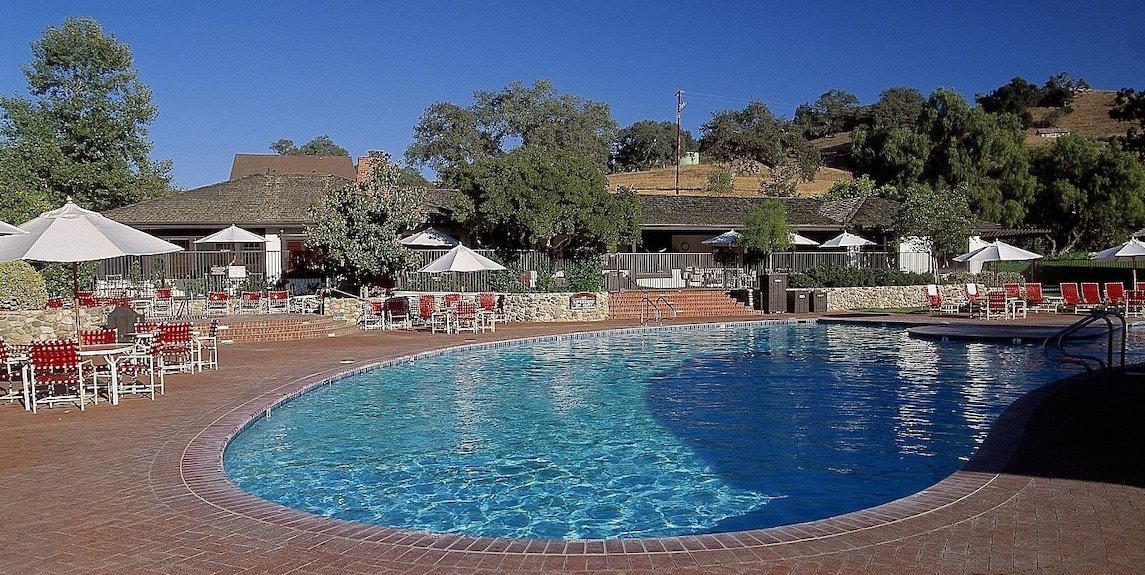
Pool and spa details are not available. If those facilities are central to the trip, confirm current offerings directly with the venue. Arizona Inn is another Arizona name to compare when evaluating alternatives.