
Villa Corallo
Sant'Omero
Hotel in Sant'Omero, Italy
 Book with Pearl
The Read
Organic-Estate Residency
Why go
Villa Corallo is worth shortlisting for a quiet special-occasion stay in Sant'Omero, especially after its Michelin 1 Key recognition in 2025. Choose it for privacy, slower pacing, and a retreat feel; choose elsewhere if the trip needs city convenience, walkable nightlife, or a deep on-property amenity list confirmed in advance.
About Villa Corallo
Villa Corallo in Sant'Omero holds a Michelin 1 Key for 2025, a clear recognition for travelers considering the venue. The dress code is smart casual.
Beyond the Michelin 1 Key and the Sant'Omero location, detailed public claims about specific rooms, amenities, dining, prices, or services should be confirmed directly before booking. For a celebration trip, the safest planning approach is to treat Villa Corallo as a Sant'Omero stay with hotel recognition, then check current practical details with the venue.
Choose it for Sant'Omero, with details confirmed directly
Villa Corallo makes the clearest case for travelers who specifically want to stay in Sant'Omero and value a property with Michelin 1 Key recognition. Specific neighborhood advantages, service formats, dining options, or amenity details are not established, so plans should be built around confirmed booking information rather than assumptions.
If the occasion depends on particular features, confirm them before committing. Ask directly about the room category, arrival arrangements, any on-site facilities you care about, and current policies. The dress code is smart casual, which is useful to know when planning what to pack.
Booking logic for a special occasion
For a proposal, anniversary, or milestone trip, book only after confirming the details that matter most for the stay. Michelin 1 Key recognition is a meaningful distinction, but it does not by itself confirm room layouts, services, dining formats, or special-occasion arrangements.
Villa Corallo is best evaluated as a Sant'Omero venue with Michelin 1 Key recognition and a smart casual dress code. For comparison-minded travelers, other Italian stays such as Hotel Leone, Interno Marche Design Experience Hotel, Palazzo Seneca, Sextantio, and Torre Del Nera Albergo Diffuso Spa may also be worth considering depending on the trip style.
Inside Villa Corallo
Planning details
- Location
- Via Metella Nuova, 37, 64027 Sant'Omero TE
- Website
- villacorallo.it
- Phone
- +39 0861 887002
The take
The Take
The Vibe
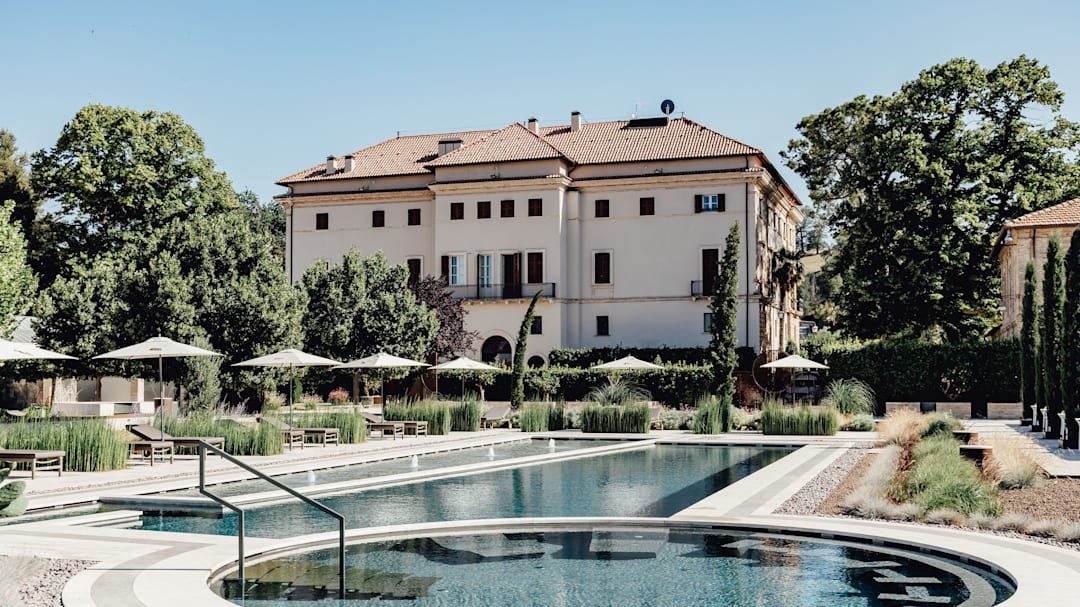
Villa Corallo reads as a quietly authoritative country estate rather than a modern boutique play. The mid-19th-century stone mansion still shows much of its original fabric—thick walls, grand staircases and formal rooms—that lend a classic, historic feel. With just eight suites the place operates at an intimate, low-volume scale, and the farm-to-table programme rooted in the estate’s land reinforces an authentic, place-based sensibility. The whole property sits in a less-touristed stretch of central Italy, so the experience leans toward a calm, hidden-gem vibe more than a polished, high-volume resort.
Best For
Villa Corallo is best for travelers who prize architectural authenticity and slow, restorative stays: couples on romantic getaways, honeymooners and people marking anniversaries. Its eight-suite, low-volume model suits guests who want privacy and a quieter alternative to the crowded estate circuits of Tuscany and Umbria. The estate’s farm-to-table programme will appeal to visitors who enjoy regionally rooted food grown on-site, and anyone seeking to explore a lesser-known corridor of central Italy—near Sant’Omero and the Adriatic hinterland—will find the setting especially rewarding.
Stay Tips
Because Villa Corallo operates a deliberately low-volume model with only eight suites and an estate-based farm-to-table programme, plan ahead: book your room well in advance and check availability for on-site meals when you reserve. The property's dining programme is tied to produce from the estate, so menus may be seasonal and limited in scope; confirming dinner arrangements ahead of arrival avoids disappointment. Expect a restful, low-key stay rather than a bustling resort atmosphere, and inquire with the property about any special requests so the small team can accommodate them.
Venue details
Ambiance
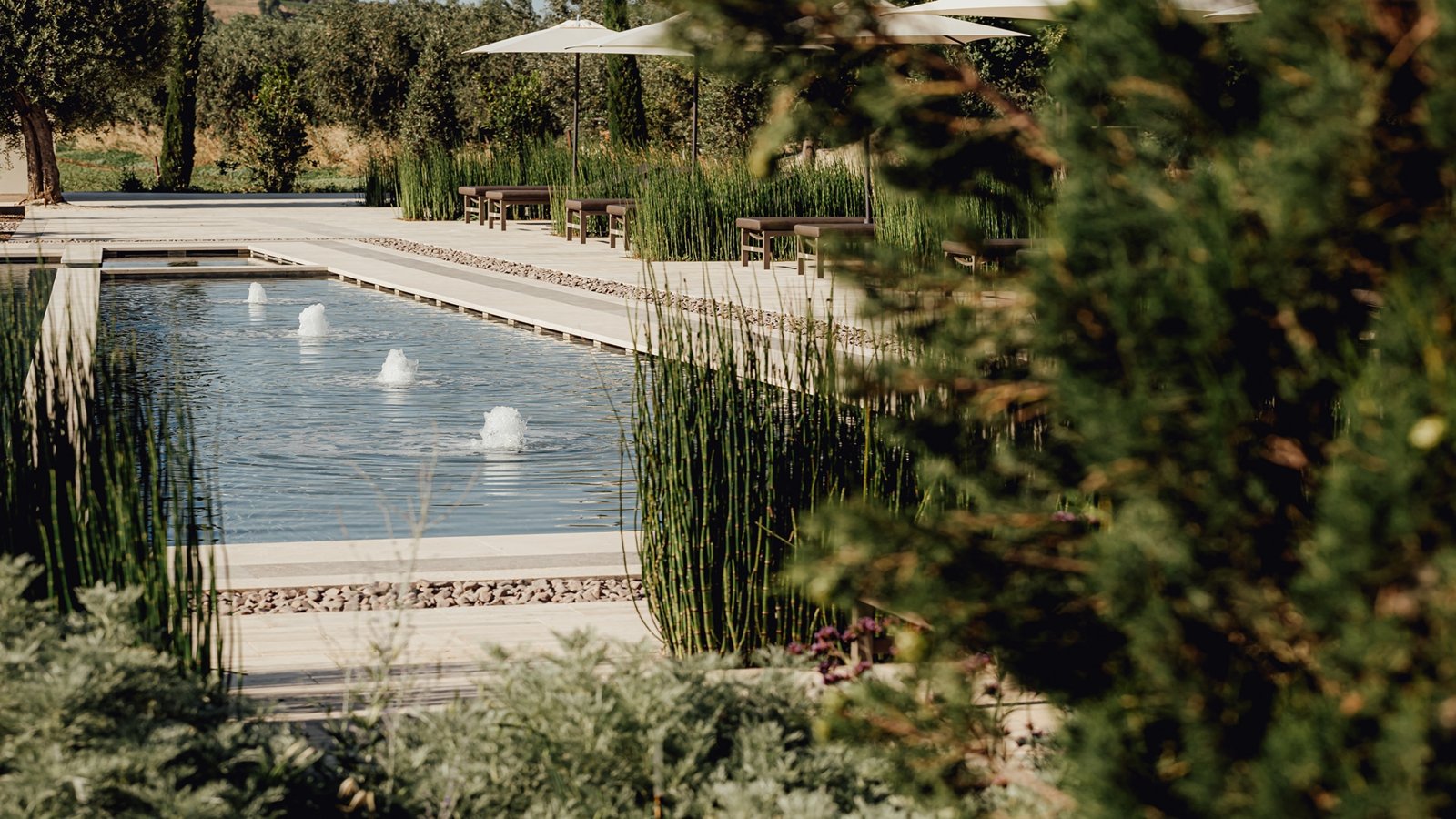
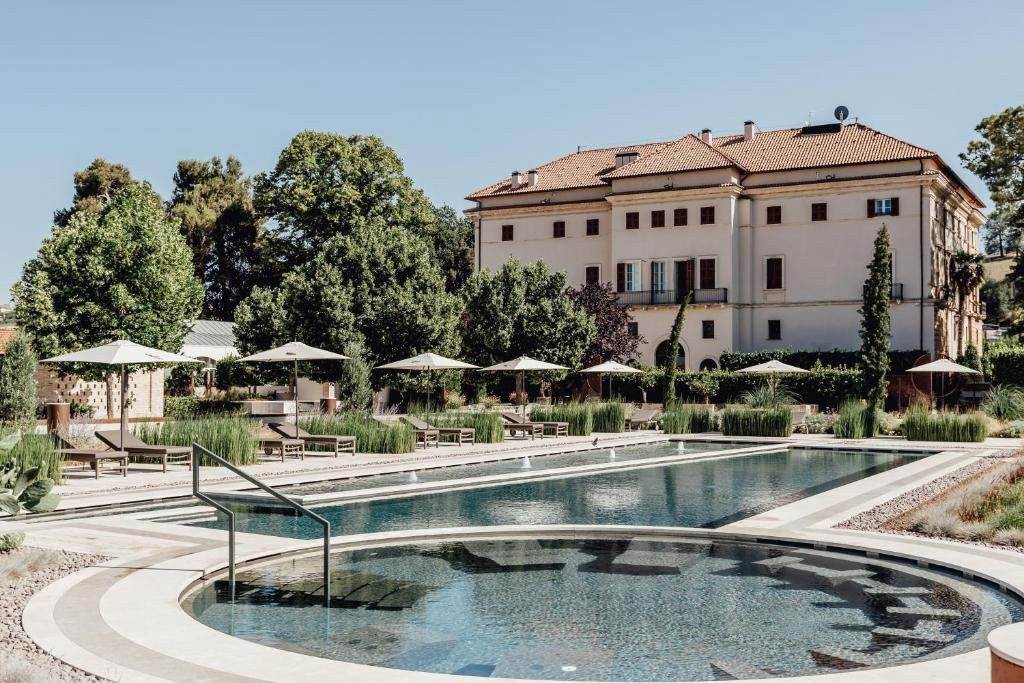
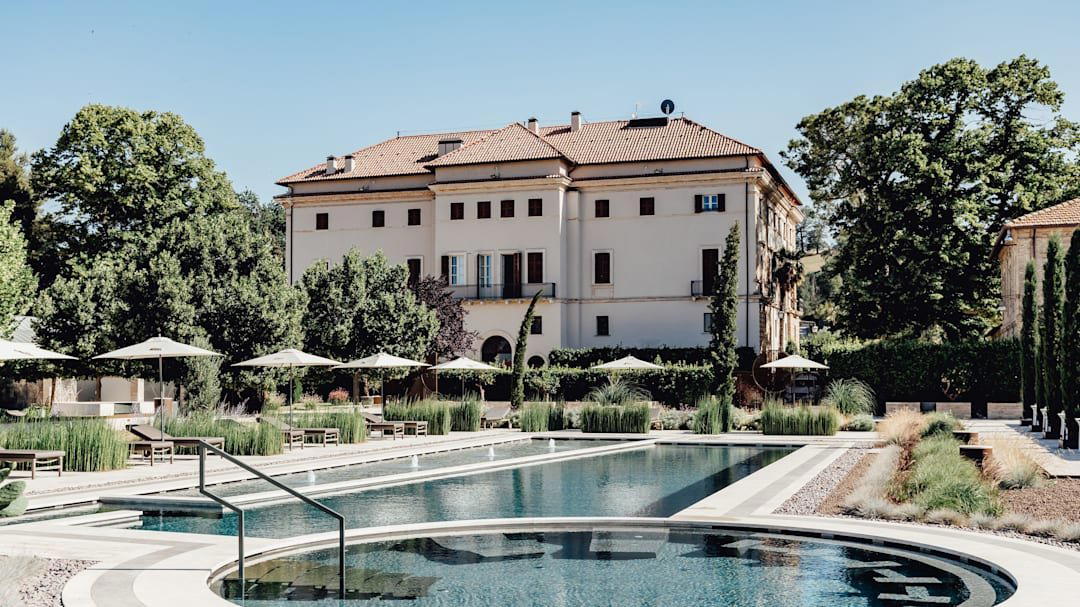
Relaxing atmosphere around the beautiful grounds and swimming pool area with elegant, light-filled interiors.
Tags
Vibe
Best For
Experience
Amenities
View
Accessibility
About the Stay
- Rooms
- 7
- Check-in
- 14:00
- Check-out
- 11:00
- Property Type
- Boutique hotel
- Property Style
- Restored 19th Century Villa
- Design Style
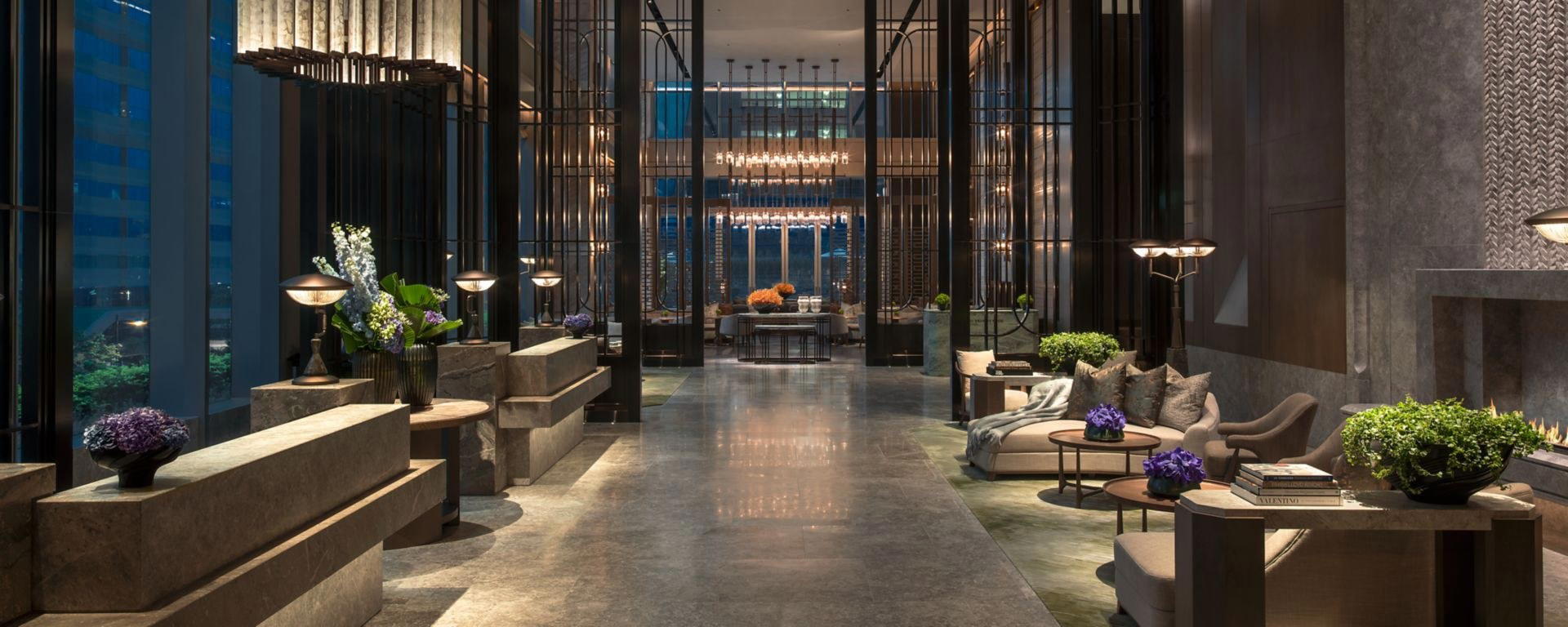
- Elegant with Designer Details and Marble Bathrooms
- Pool
- Yes
- Spa
- Yes
Know before you go
Know Before You Go
- Getting there
- Via Metella Nuova, 37, 64027 Sant'Omero TE
Planning details
Location
Recognition and awards
Also consider
Also Consider
- Hotel Leone, Notable alternative
- Sextantio, Notable alternative
- Palazzo Seneca, Notable alternative
- Interno Marche Design Experience Hotel, Notable alternative
- Torre Del Nera Albergo Diffuso Spa, Notable alternative
Hotel context
How it compares
Villa Corallo is the more occasion-led pick if the priority is a quiet Abruzzo stay with Michelin 1 Key recognition. Hotel Leone is the easier fallback for travelers who want a simpler country-hotel decision, while Sextantio is the stronger cross-shop for guests who care more about heritage atmosphere than a Sant'Omero base.
For a wellness-leaning trip, compare carefully with Torre Del Nera Albergo Diffuso Spa, which is the more obvious choice if spa is the main reason for traveling. Villa Corallo works better when the desired mood is private and celebratory rather than spa-program driven. Palazzo Seneca is the better match for travelers who want a more established destination-hotel feel in a historic town setting.
Interno Marche Design Experience Hotel is the sharper alternative for design-focused guests who want the hotel concept to be the point. Villa Corallo is the one to try first for a quieter Sant'Omero-centered stay, but if fixed dates make it difficult, cross-shop Torre Del Nera for spa focus or Palazzo Seneca for a more classic special-occasion hotel rhythm.
Explore Sant'Omero
Around this place
Discover more on Pearl
Unlock the full Villa Corallo guide in Pearl, including awards, comparisons, FAQs, planning details, and nearby places.
Compare Villa Corallo
| Venue | Location | Awards |
|---|---|---|
| Villa Corallo | Sant'Omero | 2026 Michelin 1 KeyMichelin 1 Key 20252025 Michelin 1 Key |
| Hotel Leone | Montelparo | No published awards |
| Sextantio | Santo Stefano di Sessanio | 2026 Design Hotels Collection2026 Michelin 1 Key2025 Michelin 1 Key2024 Michelin 1 Key |
| Palazzo Seneca | Norcia | 2026 Virtuoso Luxury Hotel Collection2026 Mr & Mrs Smith Luxury Hotels2026 Relais Chateaux Hotels2025 Michelin Selected Hotels2025 Relais Chateaux Award |
| Interno Marche Design Experience Hotel | Tolentino | No published awards |
| Torre Del Nera Albergo Diffuso Spa | Scheggino | No published awards |





How Villa Corallo Sant'Omero compares with similar nearby venues.
FAQ
Frequently Asked Questions
What is check-in like at Villa Corallo?
Villa Corallo is in Sant'Omero. Specific check-in procedures are not detailed, so confirm arrival time, access details, and any special requests directly with the venue before travel.
Which room category is best at Villa Corallo?
Room names and room-specific features are not listed. Choose only after confirming directly which category best fits your needs, such as space, privacy, or any other feature important to your stay.
How is the location of Villa Corallo?
Villa Corallo is in Sant'Omero. No more specific location detail is available, so use Sant'Omero as the planning reference and confirm exact arrival logistics with the venue.
What amenities should I confirm at Villa Corallo?
Amenity details are not listed. If particular facilities matter to your trip, confirm their availability, access, and current conditions directly with Villa Corallo before booking.