
Hotel Signum
Malfa, Salina
Hotel in Salina, Italy
 Book with Pearl
The Read
Volcanic Minimalism
Why go
Hotel Signum is the Salina pick for travelers who want the hotel to matter, not just a practical island base. Its Michelin 1 Key and Mr & Mrs Smith recognition make it a stronger plan-ahead choice than simpler alternatives, especially for first-timers staying in Malfa.
About Hotel Signum
Hotel Signum is a Salina hotel with two recognition signals: a Michelin 1 Key in 2025 and a Mr & Mrs Smith Seal of Approval in 2026. For travelers comparing stays for a Salina trip, those are the clearest reasons to put it on the shortlist.
Beyond those recognitions, Hotel Signum is a candidate for travelers who want a recognized hotel in Salina. Confirm room types, services, dining details, rates, and arrival logistics directly before booking. The dress code is smart casual.
Room choice: upgrade only if the room is part of the trip
Choose a room category based on how much time you expect to spend at the hotel and what the property confirms at booking. Do not assume a specific view, layout, service format, or included amenity unless Hotel Signum confirms it for your dates.
For broader planning, compare Hotel Signum with other options for the trip and confirm current details directly with each property. The most useful checks are availability, cancellation terms, room specifics, and any on-property services that matter to your trip.
Who should book it, and who should cross-shop
Book Hotel Signum if hotel recognition is important to the stay: the Michelin 1 Key and Mr & Mrs Smith Seal of Approval are the strongest hooks. Cross-shop Capofaro Resort, Quartara Resort Hotel, Lemon House, SP50bis, and Therasia Resort if you want to compare other options before deciding.
For the wider shortlist, keep the comparison focused on each property's details. Hotel Signum's key points are its Salina location, smart-casual dress code, Michelin 1 Key recognition in 2025, and Mr & Mrs Smith Seal of Approval in 2026.
Inside Hotel Signum
Planning details
- Location
- V. Pastificio, 98050 Malfa ME
- Website
- hotelsignum.it
- Phone
- +39 090 984 4222
The take
The Take
The Vibe
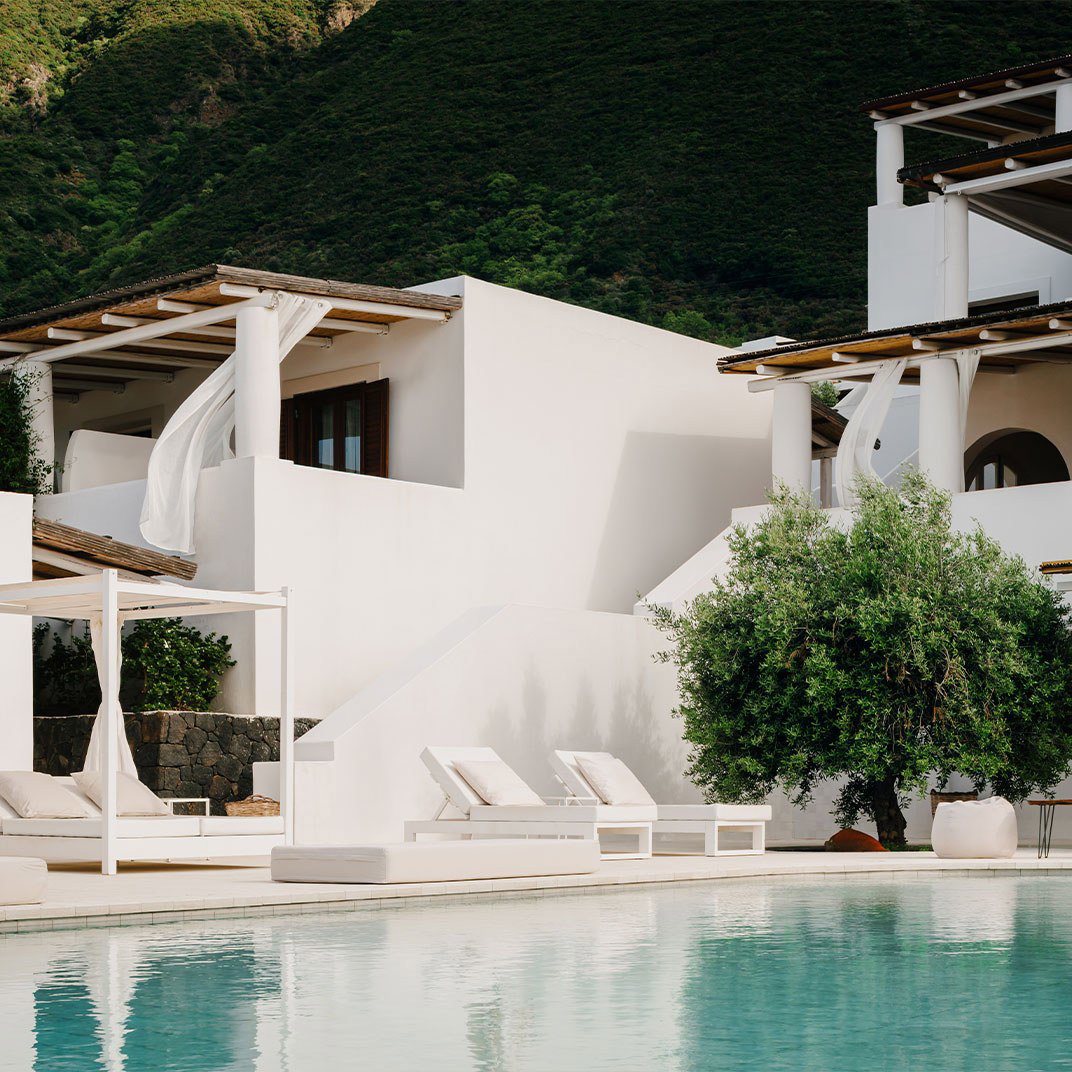
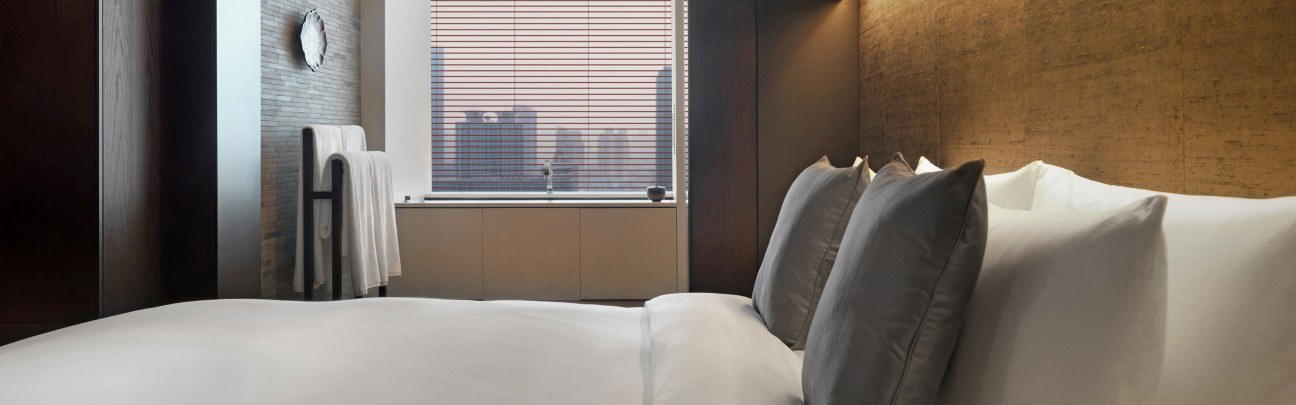
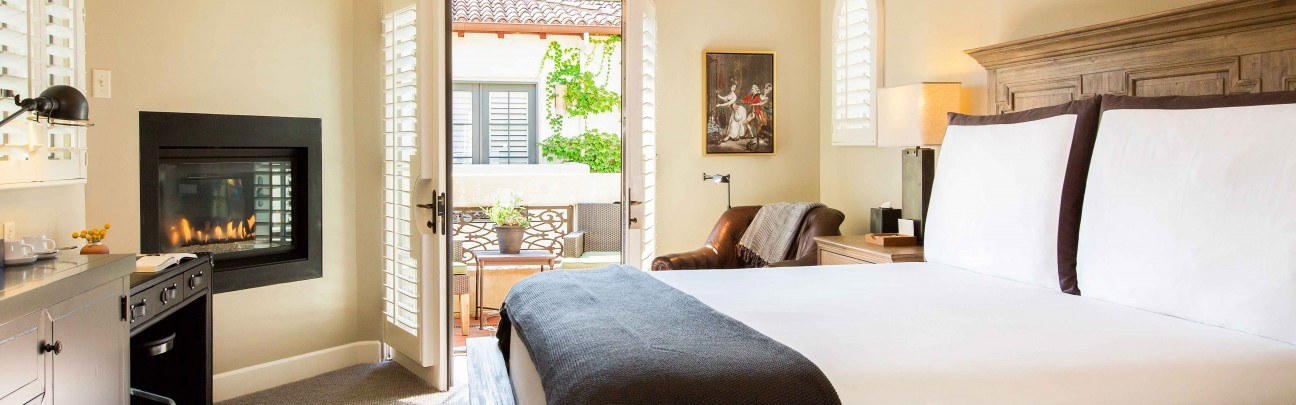
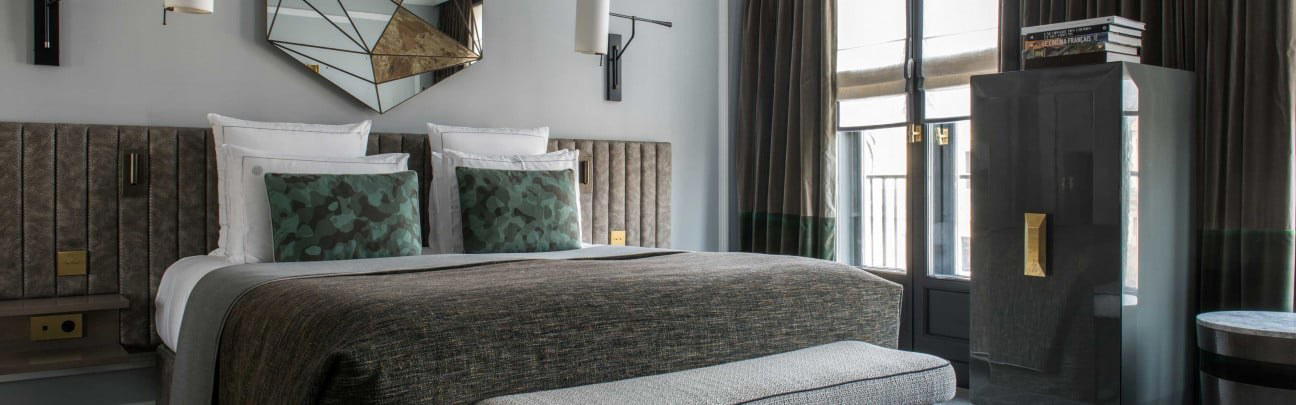
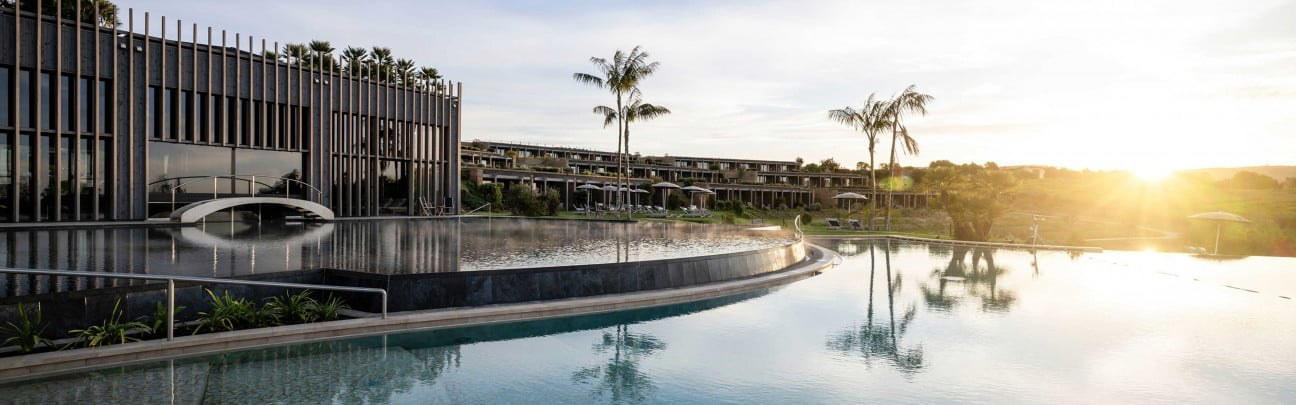
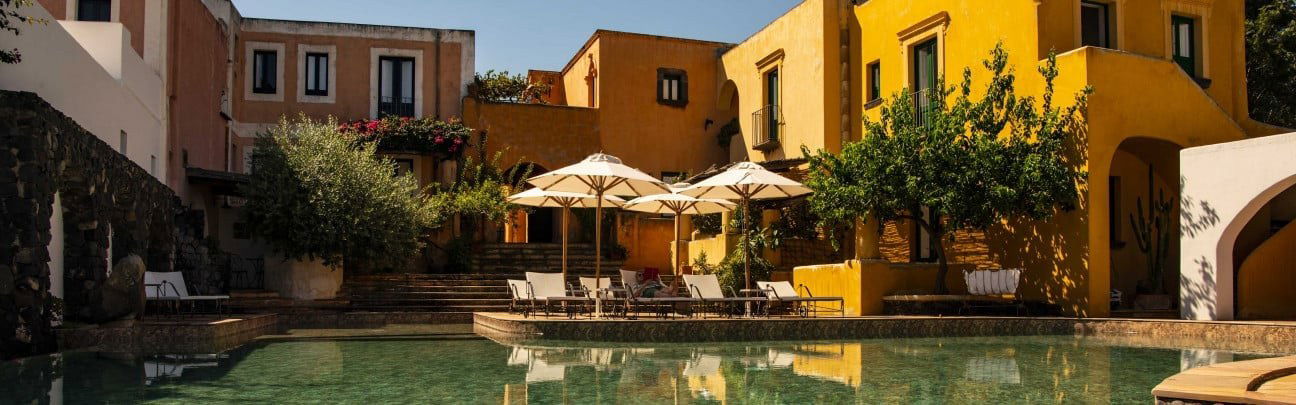
Hotel Signum leans into a refined minimalism that frames Salina’s volcanic terrain rather than competing with it. With thirty thoughtfully pared-back rooms, whitewashed walls and traditional furnishings, the property reads as a calm, architectural foil to dramatic island light and rocky landforms. Outdoor pockets of lime trees and bougainvillea punctuate the white surfaces, introducing restrained color and texture without breaking the hotel's hushed rigor. The overall effect is serene and quietly charming: a boutique hotel that feels edited to its place and designed to let the landscape remain the principal subject.
Best For
Signum is best for travelers who prioritize quiet, restorative stays on an Aeolian island. The hotel’s restrained design and modest size make it particularly well suited to romantic getaways, honeymoons and anniversary stays that value privacy and atmosphere, as well as wellness-minded visitors seeking a tranquil base. Its pared-back rooms and measured outdoor planting also appeal to solo travelers after contemplative exploration and to anyone looking for a short, restorative weekend escape where the landscape, not programming, defines the experience.
Venue details
Ambiance
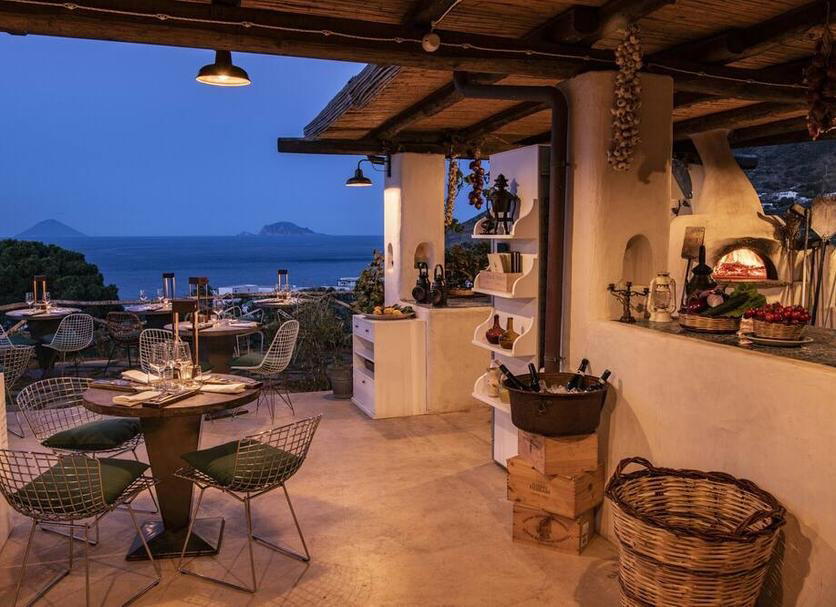
Light and airy rooms with serene white-on-white themes, warm welcoming atmosphere, and calming terrace views of the sea and surrounding islands.
Tags
Vibe
Best For
Experience
Amenities
View
About the Stay
- Rooms
- 26
- Property Style
- Aeolian Country House with Modern Refinements
- Design Style
- Minimalist White on White with Elegant Details
Know before you go
Know Before You Go
- Getting there
- V. Pastificio, 98050 Malfa ME
Planning details
Location
Recognition and awards
Also consider
Where to look if this is unavailable
Try Capofaro Resort if the trip can support a more resort-led stay. For a potentially simpler Salina base, compare Quartara Resort Hotel before widening the search to SP50bis or Lemon House.
Hotel context
How Hotel Signum compares in Salina
Choose Hotel Signum over Quartara Resort Hotel, SP50bis, and Lemon House if external recognition is part of the decision. The Michelin 1 Key and Mr & Mrs Smith Seal of Approval give it a clearer quality signal, while the others make more sense for travelers prioritizing a simpler stay or easier availability.
Capofaro Resort is the stronger cross-shop if the trip should feel resort-led, with the hotel acting as the main event. Hotel Signum is the better fit for travelers who want Malfa as a base and a quieter, more intimate island-hotel mood rather than a full resort frame.
Therasia Resort is the comparison for travelers weighing a larger resort experience outside Salina against a more place-specific Malfa stay. If booking difficulty is a concern, check all five alternatives early; for peak island dates, the safer move is to hold the recognized choice first, then release it only if the itinerary shifts.
Explore Salina
Around this place
Discover more on Pearl
Unlock the full Hotel Signum guide in Pearl, including awards, comparisons, FAQs, planning details, and nearby places.
Compare Hotel Signum
| Venue | Location | Awards |
|---|---|---|
| Hotel Signum | Salina | 2026 Mr & Mrs Smith Luxury HotelsMichelin 1 Key 20252025 Michelin 1 Key |
| Capofaro Resort | Malfa | 2026 Relais Chateaux Hotels2025 Relais Chateaux Award |
| Therasia Resort | Lipari | Leading Hotels of the World 2026Michelin 2 Keys 20252025 Michelin 2 Keys2024 Michelin 2 Keys |
| Quartara Resort Hotel | Panarea | No published awards |
| SP50bis | Messina | No published awards |
| Lemon House | Savoca | No published awards |



How Hotel Signum Salina compares with similar nearby venues.
FAQ
Frequently Asked Questions
Which room category is best at Hotel Signum?
Choose based on what Hotel Signum confirms for your dates, including room features, availability, and any policies that matter to your stay.
When is the best time to book Hotel Signum?
How is the dining at Hotel Signum?
Do loyalty programs work at Hotel Signum?
Judge Hotel Signum on its key facts: it is in Salina, has a smart-casual dress code, and holds a Michelin 1 Key from 2025 plus a Mr & Mrs Smith Seal of Approval from 2026.
How is the location of Hotel Signum?
Hotel Signum is in Salina. For comparison, you can also look at Capofaro Resort, Therasia Resort, Quartara Resort Hotel, Lemon House, or SP50bis, depending on what each confirms for your dates.
What is check-in like at Hotel Signum?
Is Hotel Signum family-friendly?
If traveling with children or a larger group, confirm room setup and policies directly with Hotel Signum, and compare Capofaro Resort, Therasia Resort, Lemon House, Quartara Resort Hotel, or SP50bis as needed.