
Le Nessay
Saint-Briac-sur-Mer, Saint Briac sur Mer
Hotel in Saint Briac sur Mer, France
 Book with Pearl
The Read
Peninsula Gothic Seclusion
Why go
Le Nessay is worth considering for a calm Saint-Briac-sur-Mer coastal stay with credible boutique-hotel recognition, especially if the hotel is the base rather than the whole itinerary. Do not book it solely for a destination restaurant experience; use local dining research separately if food is the main reason for the trip.
About Le Nessay
Le Nessay is a venue in Saint Briac sur Mer with a smart casual dress code. Its hospitality recognition includes Small Luxury Hotels of the World Member recognition in 2025 and the Mr & Mrs Smith Seal of Approval in 2026.
The dining question needs a clear answer: dining should not be the sole reason to travel unless current details have been checked directly. Cuisine type, chef, menu format, price range, hours, and service details should be confirmed before making food-led plans. If the decision is mainly about food, use broader Saint Briac sur Mer research alongside the venue choice. If the decision is based on recognition and basic planning context, Le Nessay can be considered on that basis.
Choose it for recognition, not dining detail
Le Nessay is in Saint Briac sur Mer, the dress code is smart casual, and it has recognition from Small Luxury Hotels of the World and Mr & Mrs Smith. Those details can help frame expectations, but they do not define a specific restaurant style, menu, price point, amenity set, or room experience.
For dining-focused travelers, the safer approach is to make any dining decision only after checking current details directly. Cuisine type, chef, menu format, lunch or dinner service, allergy policy, take-out, delivery, and beverage program should all be checked before treating it as a destination-dining choice.
Who should book, and who should look elsewhere
Bookers who value collection-style recognition may want to keep Le Nessay on the shortlist. With a smart casual dress code, travelers should confirm any stay, dining, room, accessibility, family, or business-travel needs directly before committing.
If the trip depends on comparing recognized venue options, consider Le Nessay alongside Castelbrac, Emeria Dinard, Hôtel Barrière Le Grand Hôtel, Le Grand Hôtel des Thermes, or Villa Haute Guais. For Saint Briac sur Mer itself, compare Le Nessay with other local options generically and check current details directly before booking.
Planning details
- Location
- Le Nessay, Saint-Briac-sur-Mer
- Website
- lenessay.com/en
The take
The Take
The Vibe
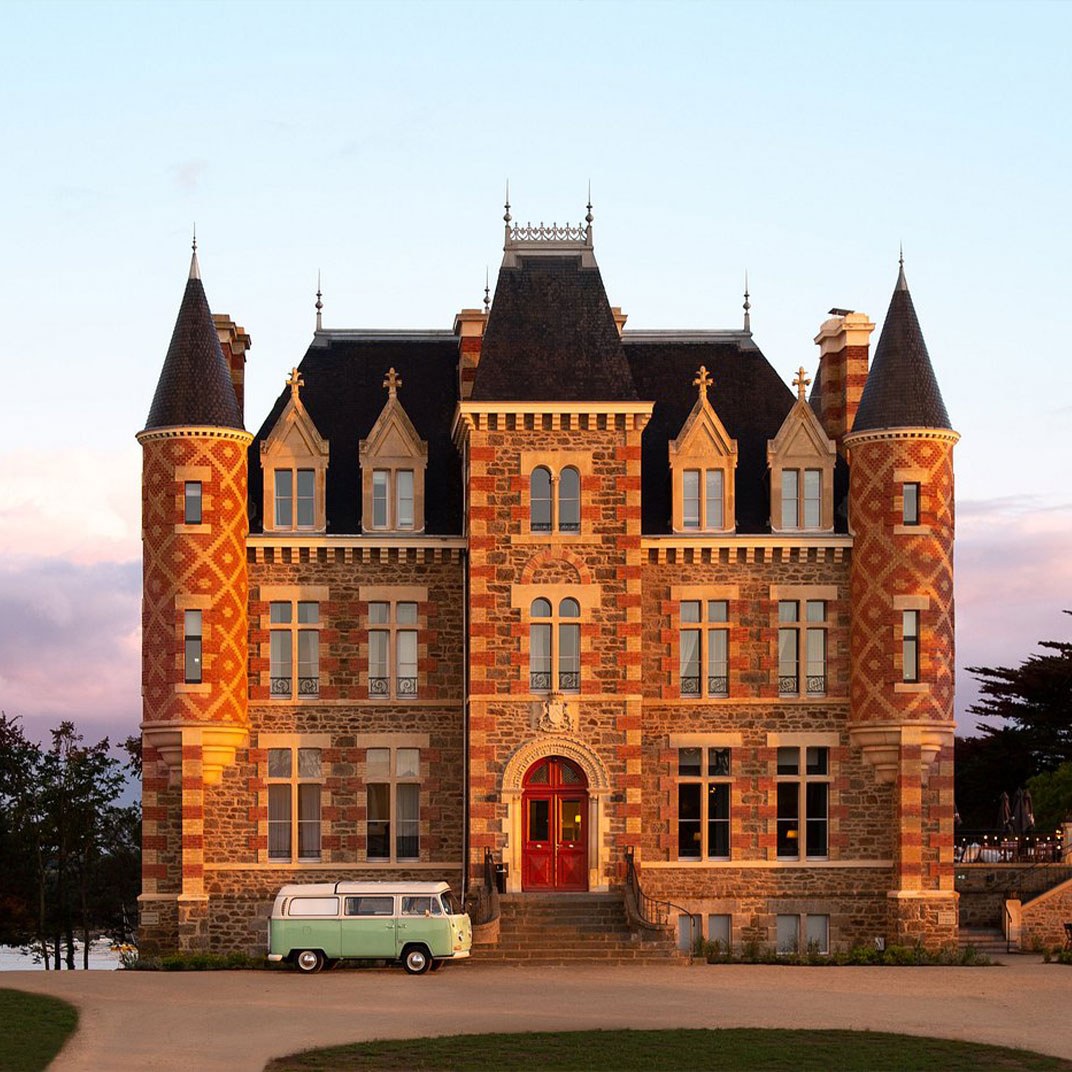
Le Nessay presents itself foremost as an architectural proposition: a redbrick château of turrets and verticality planted defiantly at the edge of Brittany. The writing treats the building as punctuation, a deliberate coastal folly that frames the English Channel rather than dissolving into parkland. Wind-scraped granite, Victorian seaside precedents and late‑nineteenth/early‑twentieth‑century detailing give the place a historic, classic character that reads as quietly charming rather than safe. Arrival along the peninsula’s narrow road intensifies the sense of occasion, so the mood leans toward contemplative, image-conscious stays in a building that makes its siting and style the central story.
Best For
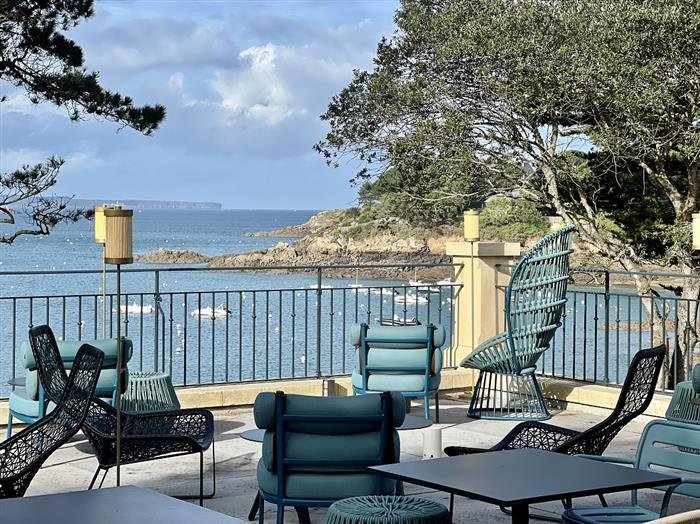
This is a stay for people who come for the view and the building as much as for the bedding. Le Nessay suits travellers seeking a dramatic coastal setting, striking architecture and the spectacle of the sea on three sides. It works especially well for romantic getaways and short weekend escapes where arrival and outlook are part of the experience. Photography-minded guests, lovers of historic hotels and anyone who values a purposeful, scenic stay on the Breton headland will find the property’s emphasis on framing the Atlantic particularly rewarding.
Venue details
Ambiance
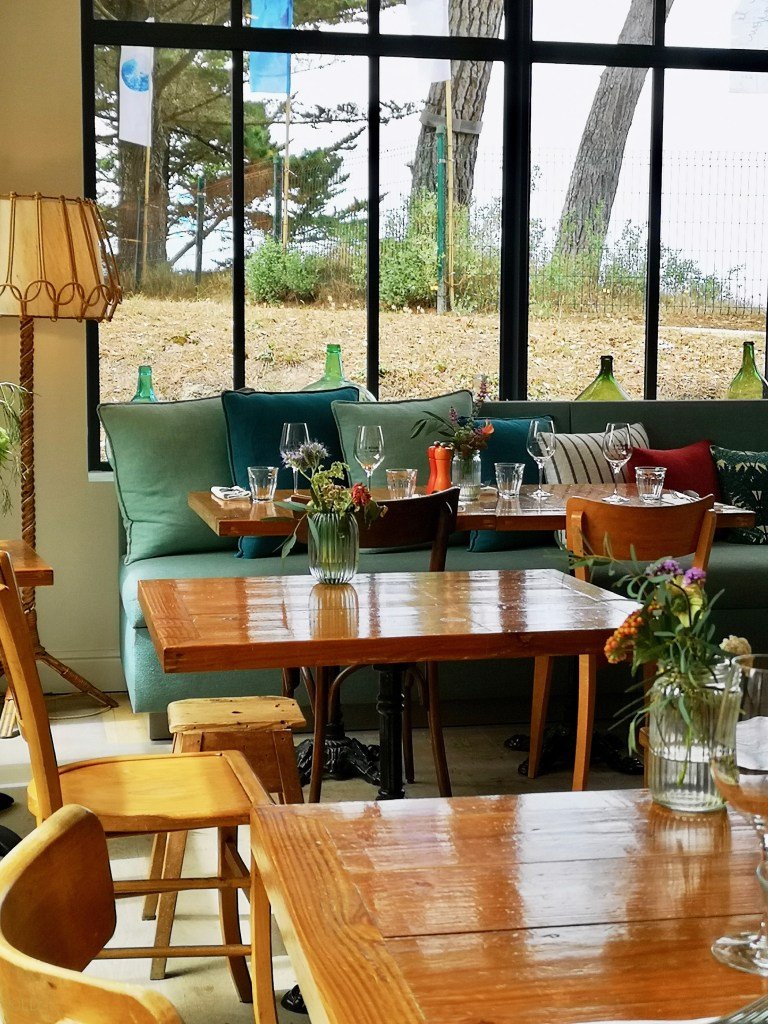
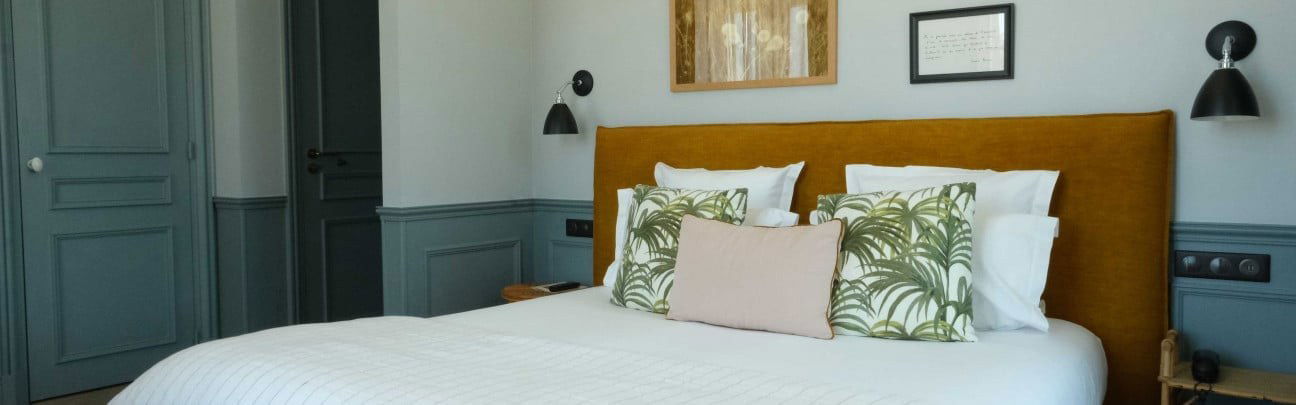
Vintage glamour with clean pastel interiors, warm Breton welcome, and serene sea-facing terrace atmosphere.
Tags
Vibe
Best For
Experience
Amenities
View
Accessibility
About the Stay
- Rooms
- 17
- Check-in
- 17:00
- Check-out
- 11:00
- Property Style
- Chateau Style Family Friendly Retreat
- Design Style
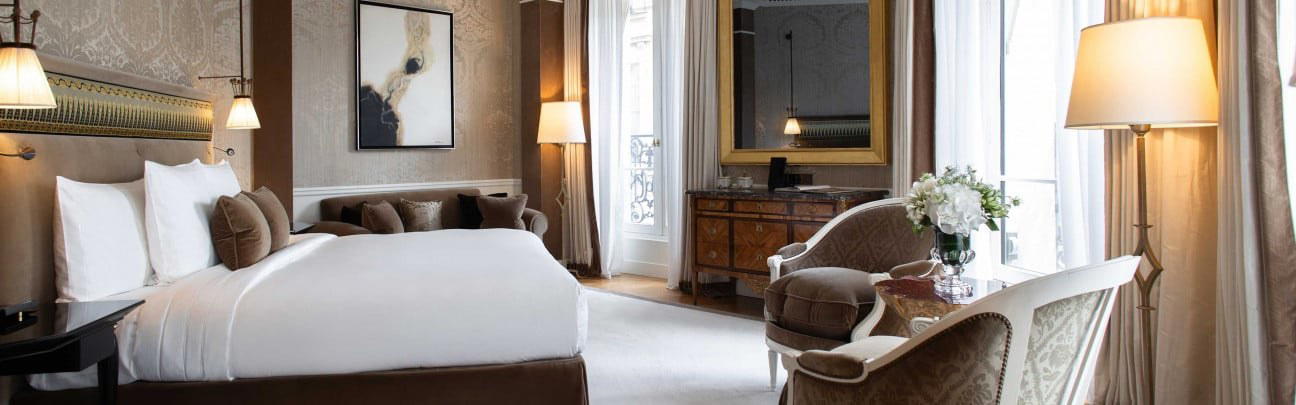
- Pastel Hued Vintage Glamour with Handpicked Furniture
Know before you go
Know Before You Go
- Getting there
- Le Nessay, Saint-Briac-sur-Mer
Planning details
Location
Le Nessay, Saint-Briac-sur-Mer · Directions
Recognition and awards

Also consider
Also Consider
- Emeria Dinard, Notable alternative
- Hôtel Barrière Le Grand Hôtel, Notable alternative
- Castelbrac, Notable alternative
- Villa Haute Guais, Notable alternative
- Le Grand Hôtel des Thermes, Notable alternative
Hotel context
How it compares with nearby coastal hotels
Le Nessay is the quieter Saint-Briac-sur-Mer choice in this set, better for travelers who want a smaller coastal base than a resort-style stay. Emeria Dinard and Le Grand Hôtel des Thermes are stronger cross-shops when facilities matter more than village-scale atmosphere.
For a more classic hotel experience, Hôtel Barrière Le Grand Hôtel is the safer comparison. For a more design-forward coastal stay, Castelbrac is the sharper rival. Le Nessay is the better fit when the goal is calm, compact, and rooted in Saint-Briac-sur-Mer rather than a larger destination hotel feel.
If availability is tight or the brief is a private-feeling stay, also check Villa Haute Guais. For value, compare final nightly rates and what is included before choosing: the right call here depends less on brand hierarchy and more on whether the trip needs services, space, or a quieter coastal mood.
Explore Saint Briac sur Mer
Around this place
Discover more on Pearl
Unlock the full Le Nessay guide in Pearl, including awards, comparisons, FAQs, planning details, and nearby places.
Compare Le Nessay
| Venue | Location | Awards |
|---|---|---|
| Le Nessay | Saint Briac sur Mer | 2026 Mr & Mrs Smith Luxury HotelsSmall Luxury Hotels Member 2025 |
| Emeria Dinard | Dinard | No published awards |
| Hôtel Barrière Le Grand Hôtel | Dinard | 2026 Virtuoso Luxury Hotel Collection2025 Michelin Selected Hotels2025 Gault & Millau Exceptional Hotel2025 Forbes 4-Star |
| Castelbrac | Dinard | 2026 Mr & Mrs Smith Luxury Hotels2025 Michelin 2 Keys2025 Gault & Millau Exceptional Hotel2024 Michelin 2 Keys |
| Villa Haute Guais | Dinard | 2025 Michelin 1 Key |
| Le Grand Hôtel des Thermes | Saint Malo | 2025 Michelin Selected Hotels2025 Gault & Millau Exceptional Hotel |






How Le Nessay Saint Briac sur Mer compares with similar nearby venues.
FAQ
Frequently Asked Questions
Is Le Nessay family-friendly?
Le Nessay is a venue in Saint Briac sur Mer with a smart casual dress code, Small Luxury Hotels of the World Member recognition, and the Mr & Mrs Smith Seal of Approval. Families should confirm room setup, policies, and services directly.
When is the best time to book Le Nessay?
How does Le Nessay compare to other recognized venues?
Le Nessay can be compared with Castelbrac, Emeria Dinard, Hôtel Barrière Le Grand Hôtel, Le Grand Hôtel des Thermes, and Villa Haute Guais. Key details for Le Nessay include its Saint Briac sur Mer location, smart casual dress code, Small Luxury Hotels of the World Member recognition, and Mr & Mrs Smith Seal of Approval.
Do loyalty programs work at Le Nessay?
Small Luxury Hotels of the World Member status and the Mr & Mrs Smith Seal of Approval are the named recognitions. Check any loyalty-program participation, points benefits, or booking benefits through the relevant booking channel before reserving.
Is Le Nessay good for business travel?
Le Nessay is a Saint Briac sur Mer venue with a smart casual dress code and hospitality recognition. Work-related needs should be confirmed directly.