
Château d'Isenbourg
Rouffach
Hotel in Rouffach, France
 Book with Pearl
The Read
Alsatian Vineyard Château
Why go
Château d'Isenbourg is worth considering if the goal is a quiet Rouffach base rather than a high-service city hotel. Its Gault & Millau Exceptional Hotel recognition gives it a useful trust signal, and easy booking makes it a sensible fallback when better-known Alsace properties are full or overpriced.
About Château d'Isenbourg
Château d'Isenbourg is a hotel option in Rouffach, with smart-casual dress guidance and confirmed Gault & Millau Exceptional Hotel recognition for 2025.
The case for Château d'Isenbourg is strongest for travelers who want Rouffach as their base and who are comfortable confirming practical details directly before booking. The available detail is limited, so the safest read is to compare current availability, rate, and official booking terms before committing.
Book for Rouffach, not for extras
Without confirmed room-category, dining, spa, price, or service-program detail in the record, the safer recommendation is to avoid paying for assumptions. Choose based on what the hotel itself confirms at the time of booking, and weigh any upgrade against the actual description, photos, and cancellation terms shown for your dates.
For a broader planning pass, start with Our full Rouffach hotels guide, then cross-check meals through Our full Rouffach restaurants guide. For daytime or evening planning, use current local resources and confirm details directly with each venue before building an itinerary.
Where it sits among regional hotel options
Château d'Isenbourg is one option to weigh against other regional stays, depending on the kind of trip you are planning. L'Esquisse Hôtel & Spa - MGallery, La Maison des Têtes, Le Chambard, L'Hôtel des Berges, and Hotel Schwarzmatt are useful comparison points when checking availability, style, and current rates. For dining in Rouffach, compare with other local dining rooms generically rather than assuming a specific restaurant program from the hotel record alone.
The main hook is direct: Château d'Isenbourg in Rouffach has Gault & Millau Exceptional Hotel recognition for 2025, with smart casual noted as the dress code. Beyond that, confirm any detailed expectations directly with the venue before booking.
Planning details
- Location
- 9-11 Rue de Pfaffenheim, 68250 Rouffach, France
- Website
- grandesetapes.com/chateau-hotel-isenbourg-alsace
- Phone
- +33 3 89 78 58 50
The take
The Take
The Vibe
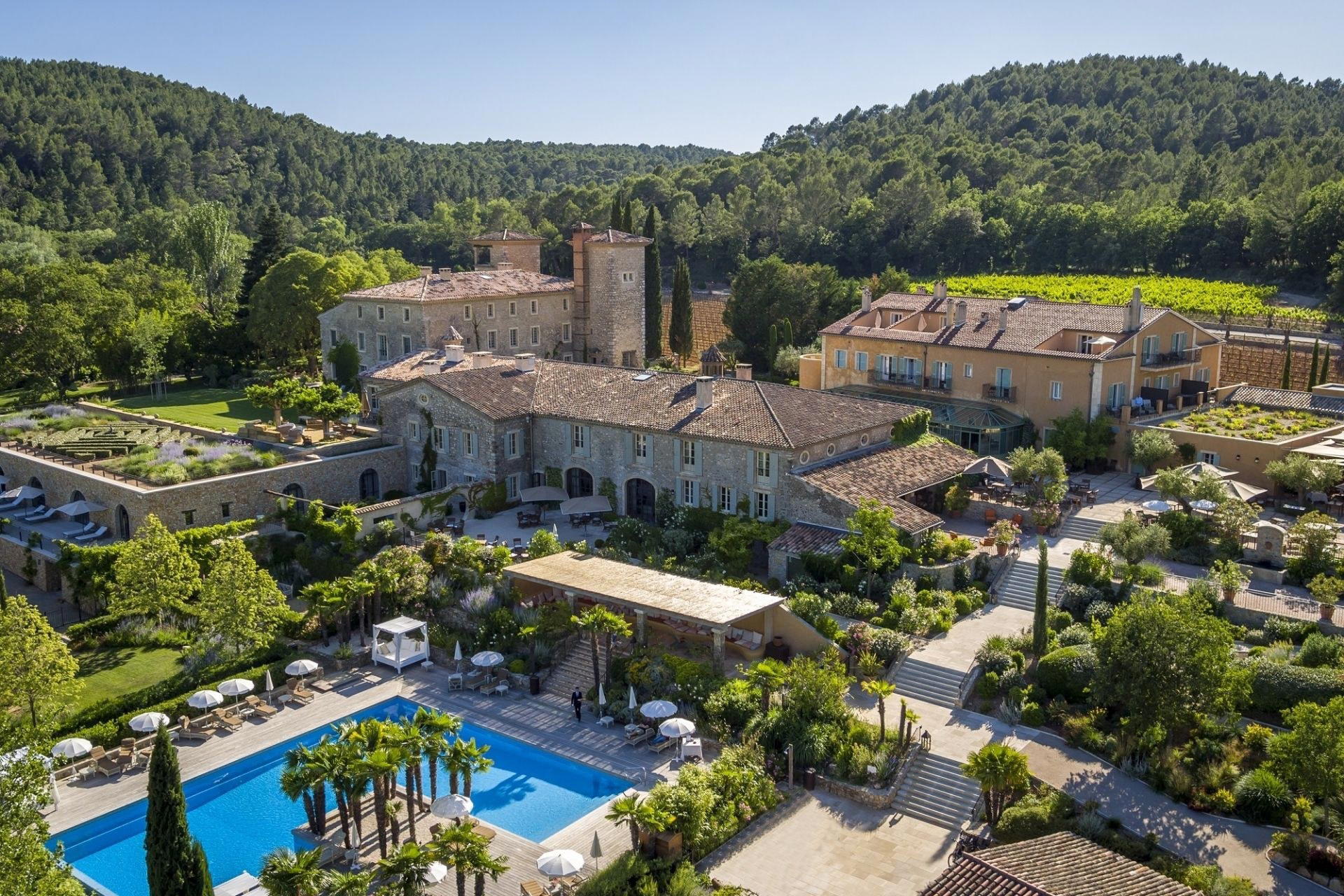
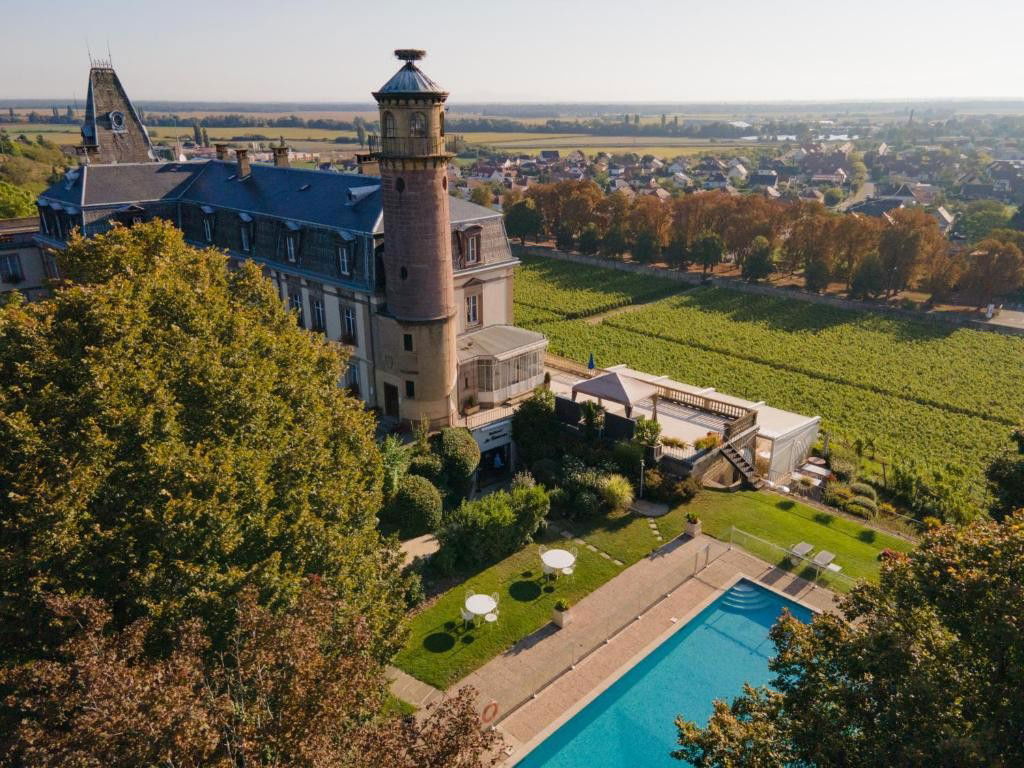
Château d'Isenbourg foregrounds architecture as the principal experience. The property reads as a layered document of Alsatian history: Romanesque stonework, Renaissance additions and classical interventions combine to create an ensemble where the building itself is the primary draw. Perched above Rouffach, the château’s silhouette announces a refined, rural presence — you arrive first at the outline on the hill and then at the details in the stone. The overall tone is quietly elegant and historically grounded; contemporary programming takes a supporting role to the palpable sense of place and accumulated craftsmanship.
Best For
This château suits travelers who prize setting and history as much as comfort. It is an excellent choice for romantic getaways and anniversaries that benefit from deliberately historic surroundings, and it fits weekend escapes where scope for exploring the Route des Vins is central to the visit. The property’s placement on the Alsace Wine Route also makes it appealing to visitors interested in vineyard landscapes and regional wine contexts. Recognition from Gault & Millau signals a hospitality standard that complements time spent enjoying the surrounding grand cru slopes and nearby villages.
Stay Tips
When booking, prioritize rooms that face the Rhine plain and the surrounding vineyard slopes to make the most of the château’s commanding orientation. Mention an interest in historic rooms or suites if you want to experience original fabric and period details; the building’s architectural layers are a primary feature. Given the hotel’s regional stature and recent Gault & Millau designation, plan and reserve well in advance, especially on weekends or during wine-season travel along the Route des Vins. Allow extra time for outdoor viewpoints and walks on the estate to appreciate the setting.
Venue details
Ambiance
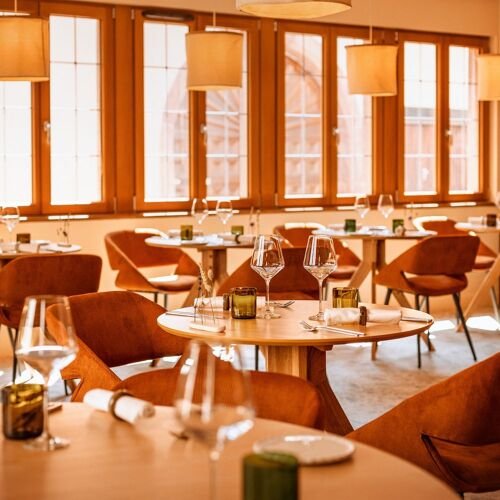
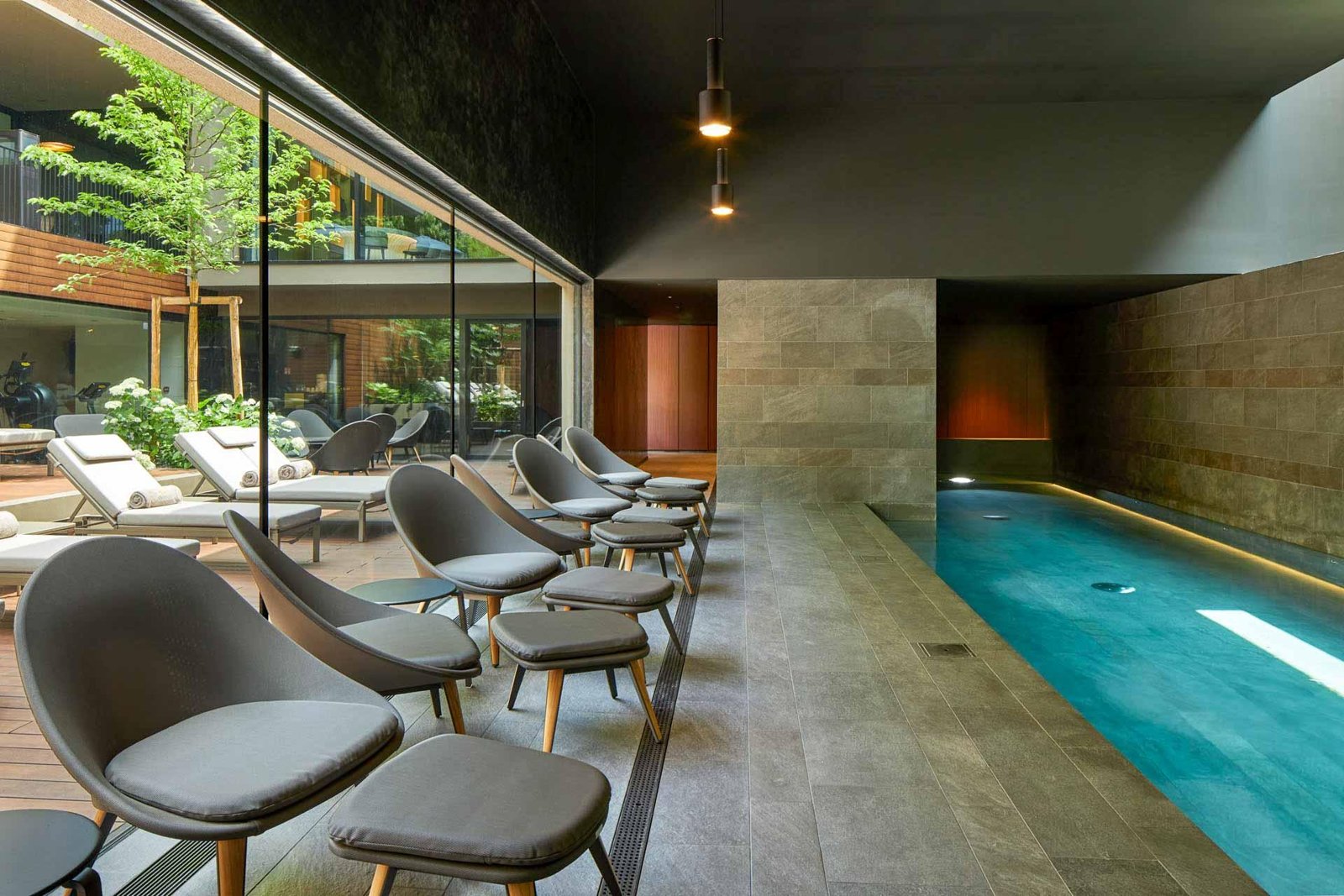
Elegant and relaxing castle atmosphere with panoramic views, cozy lounges, and a serene spa featuring soft lighting and wellness facilities.
Tags
Vibe
Best For
Experience
Amenities
View
Accessibility
About the Stay
- Rooms
- 41
- Check-in
- 15:00
- Check-out
- 12:00
- Property Style
- Historic Chateau Hotel in a Park Like Setting Surrounded by Vineyards
- Design Style
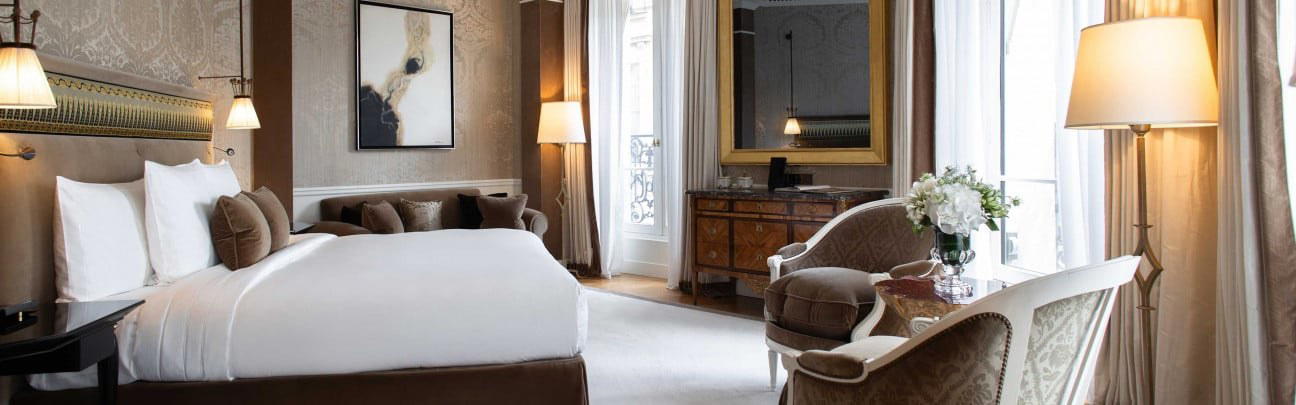
- Classic with Individual Room Furnishings and Traditional Architecture
Know before you go
Know Before You Go
- Getting there
- 9-11 Rue de Pfaffenheim, 68250 Rouffach, France
Planning details
Location
9-11 Rue de Pfaffenheim, 68250 Rouffach, France · Directions
Recognition and awards

Also consider
Also Consider
- L'Esquisse Hôtel & Spa - MGallery, Notable alternative
- La Maison des Têtes, Notable alternative
- Le Chambard, Notable alternative
- L'Hôtel des Berges, Notable alternative
- Hotel Schwarzmatt, Notable alternative
Hotel context
How it compares
Château d'Isenbourg is the calmer Rouffach pick: easier to book, better suited to a slower wine-country stay, and less dependent on a dense city setting. Choose L'Esquisse Hôtel & Spa - MGallery instead if you want a more polished urban hotel feel, or La Maison des Têtes if the brief is a historic town stay with a stronger destination-hotel signal.
For food-led trips, Le Chambard is the sharper cross-shop before committing here. For a fuller countryside escape, compare rates at L'Hôtel des Berges; it is the more natural fit when the hotel itself needs to carry more of the trip. Hotel Schwarzmatt works better when the itinerary leans cross-border or Germany-side.
The value question is simple: book Château d'Isenbourg when rates leave enough room in the budget for Alsace meals, tastings, and day trips. If the price rises close to the stronger destination peers, compare carefully before paying the premium.
Explore Rouffach
Around this place
Discover more on Pearl
Unlock the full Château d'Isenbourg guide in Pearl, including awards, comparisons, FAQs, planning details, and nearby places.
Compare Château d'Isenbourg
| Venue | Location | Awards |
|---|---|---|
| Château d'Isenbourg | Rouffach | 2025 Gault & Millau Exceptional Hotel |
| L'Esquisse Hôtel & Spa - MGallery | Colmar | 2025 Michelin Selected Hotels2025 Gault & Millau Exceptional Hotel |
| La Maison des Têtes | Colmar | Star Wine Lists 20262026 Relais Chateaux Hotels2025 Relais Chateaux Award2025 Michelin 1 Key2025 Gault & Millau Exceptional Hotel2024 Michelin 1 Key |
| Le Chambard | Kaysersberg | 2026 Relais Chateaux Hotels2025 Gault & Millau Exceptional Hotel2025 Michelin 1 Key2025 Relais Chateaux Award |
| L'Hôtel des Berges | Illhaeusern | 2025 Michelin 1 Key2025 Gault & Millau Exceptional Hotel2024 Michelin 1 Key |
| Hotel Schwarzmatt | Badenweiler | 2026 Relais Chateaux Hotels2025 Relais Chateaux Award |




How Château d'Isenbourg, Rouffach: Hotel Verdict compares with similar nearby venues.
FAQ
Frequently Asked Questions
Is Château d'Isenbourg good for business travel?
It may work for business travelers who specifically want a Rouffach base. The record includes Gault & Millau Exceptional Hotel recognition for 2025, but meeting facilities, business services, and transport details should be confirmed directly before booking.
Is Château d'Isenbourg family-friendly?
How is the location of Château d'Isenbourg?
Château d'Isenbourg is in Rouffach. If you are comparing regional stays, L'Esquisse Hôtel & Spa - MGallery, La Maison des Têtes, Le Chambard, L'Hôtel des Berges, and Hotel Schwarzmatt can be useful reference points for availability and trip fit.
Which room category is best at Château d'Isenbourg?
Choose based on the current descriptions, photos, rates, and cancellation terms provided by Château d'Isenbourg at the time of booking.