
The Hoxton, Rome
Salario, Rome
Hotel in Rome, Italy
 Book with Pearl
The Read
Neighbourhood-Rooted Urban Hotel
Why go
Choose The Hoxton, Rome if the rate undercuts the city's more formal luxury hotels and the goal is a relaxed, design-led base. It is better for couples and solo travelers than for guests seeking a grand Roman hotel experience, and peak-season dates should be planned early.
About The Hoxton, Rome
The Hoxton, Rome is a hotel in Rome with Michelin 1 Key (2024) and MICHELIN Guide, Hotels Selected (2025) recognition. For planning purposes, it is best considered a Rome hotel shortlist option, with specific facilities, room layouts, dining details, and guest services to be confirmed directly before booking.
For planning purposes, treat The Hoxton, Rome as a confirmed Rome hotel with a smart casual dress code. If specific facilities, room layouts, dining details, or guest services matter for your trip, confirm those directly before booking.
Book for recognition, then confirm the details that matter
The clearest grounded reason to keep The Hoxton, Rome on a shortlist is its confirmed Michelin 1 Key (2024) recognition and MICHELIN Guide, Hotels Selected (2025) status. Those accolades make it a credible Rome hotel to consider, but they do not verify specific claims about room size, service style, restaurants, bars, spa facilities, or family setup.
When comparing it with other Rome hotel options such as Baglioni Hotel Regina, Hotel Aldrovandi, Hotel Lord Byron, Leon's Place, or Parco dei Principi Grand Hotel & Spa, focus on the confirmed facts first and then check current rates, room categories, and on-property services directly with the hotel or booking channel.
Who should choose it on a first Rome trip
The Hoxton, Rome makes sense for travelers who want a Rome hotel with confirmed Michelin hotel recognition and who are comfortable verifying the practical details before committing. Use our full Rome hotels guide, plus our full Rome restaurants guide, our full Rome bars guide, our full Rome wineries guide, and our full Rome experiences guide. Hotel cross-shops include Baglioni Hotel Regina, Hotel Aldrovandi, Hotel Lord Byron, Leon's Place, and Parco dei Principi Grand Hotel & Spa.
Part of
The Hoxton30 locations on PearlInside The Hoxton, Rome
Planning details
- Location
- L.go Benedetto Marcello, 220, 00198 Roma RM
- Website
- thehoxton.com/rome
- Phone
- +39 06 9450 2700
The take
The Take
The Vibe
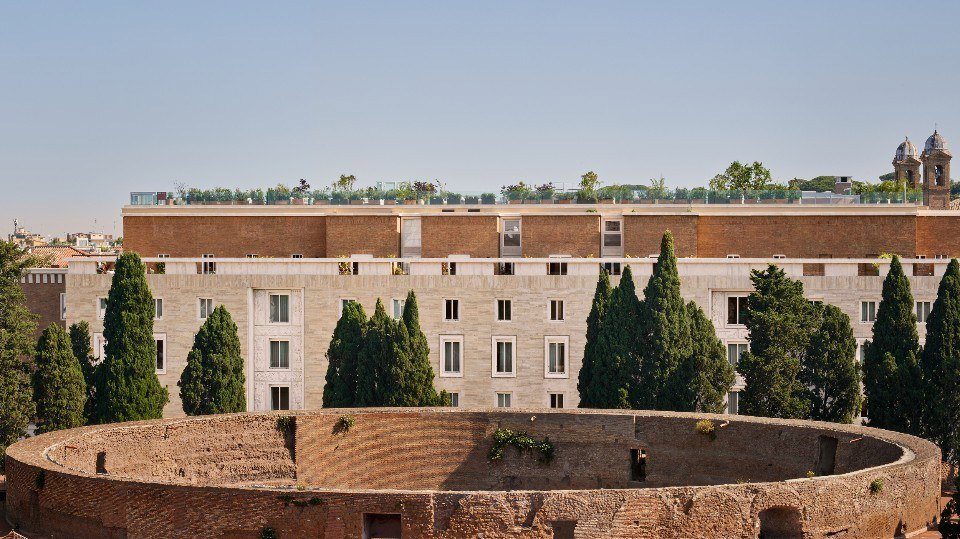
The Hoxton, Rome presents itself as a design-forward alternative to the city’s grand, heritage hotels. Housed in a palazzo in Parioli, the property leans into neighbourhood character and curated programming rather than ceremony, giving it an intimate, quietly distinctive personality. The hotel's smaller footprint and focus on coherent service, design intention and guest experience—recognized by a 2024 Michelin Key—make it feel considered rather than monumental. It reads as a modern boutique housed in a historic shell: attentive and curated, with an emphasis on local context and contemporary hospitality sensibilities instead of ornate tradition.
Best For
The Hoxton suits travelers who want a design-led stay rooted in a residential Roman neighbourhood rather than the tourist-packed centre. It works well for weekend escapes and romantic city breaks where guests value intimate scale, considered programming and a sense of place. The property’s recognition in the inaugural Michelin Key signals a high level of hospitality coherence, which also appeals to business travelers who prefer stylish, well-run boutique hotels. Guests seeking proximity to central sights while staying in a quieter, characterful quarter will find the hotel particularly appealing.
Venue details
Ambiance
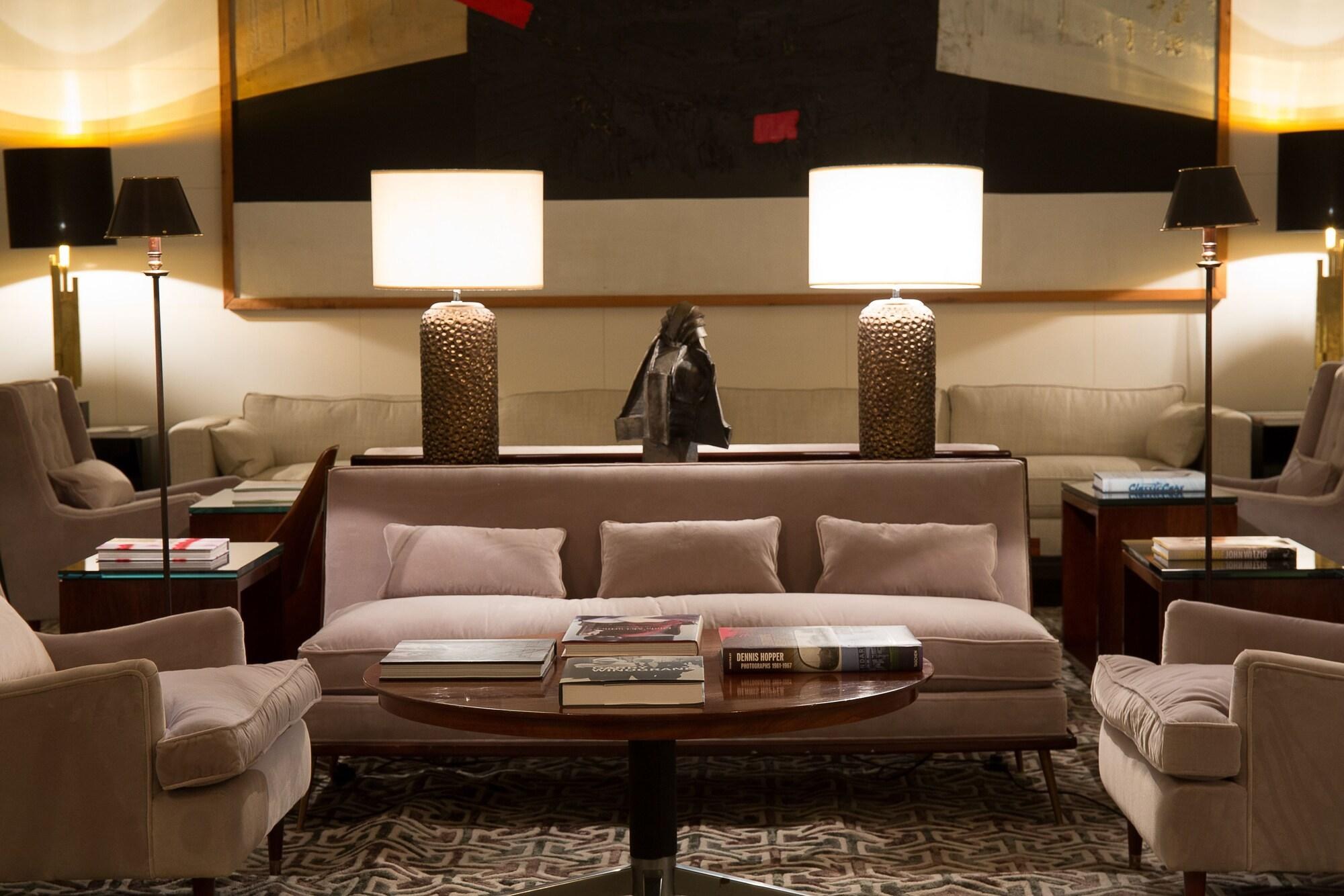
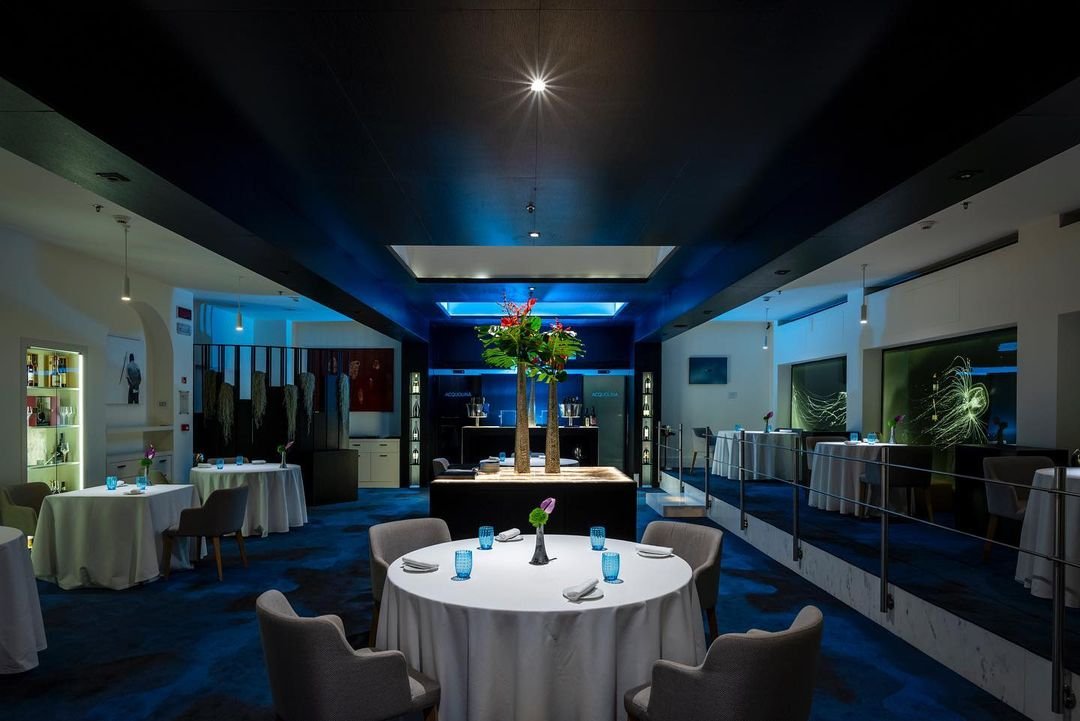
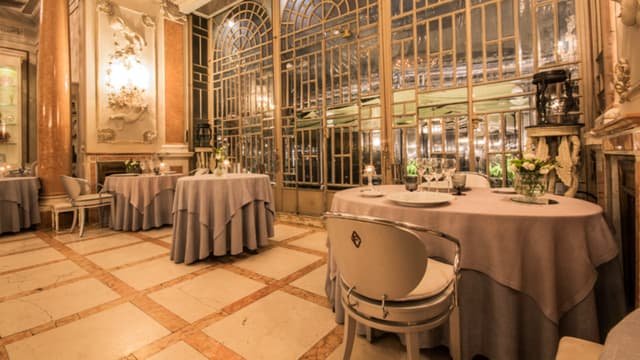
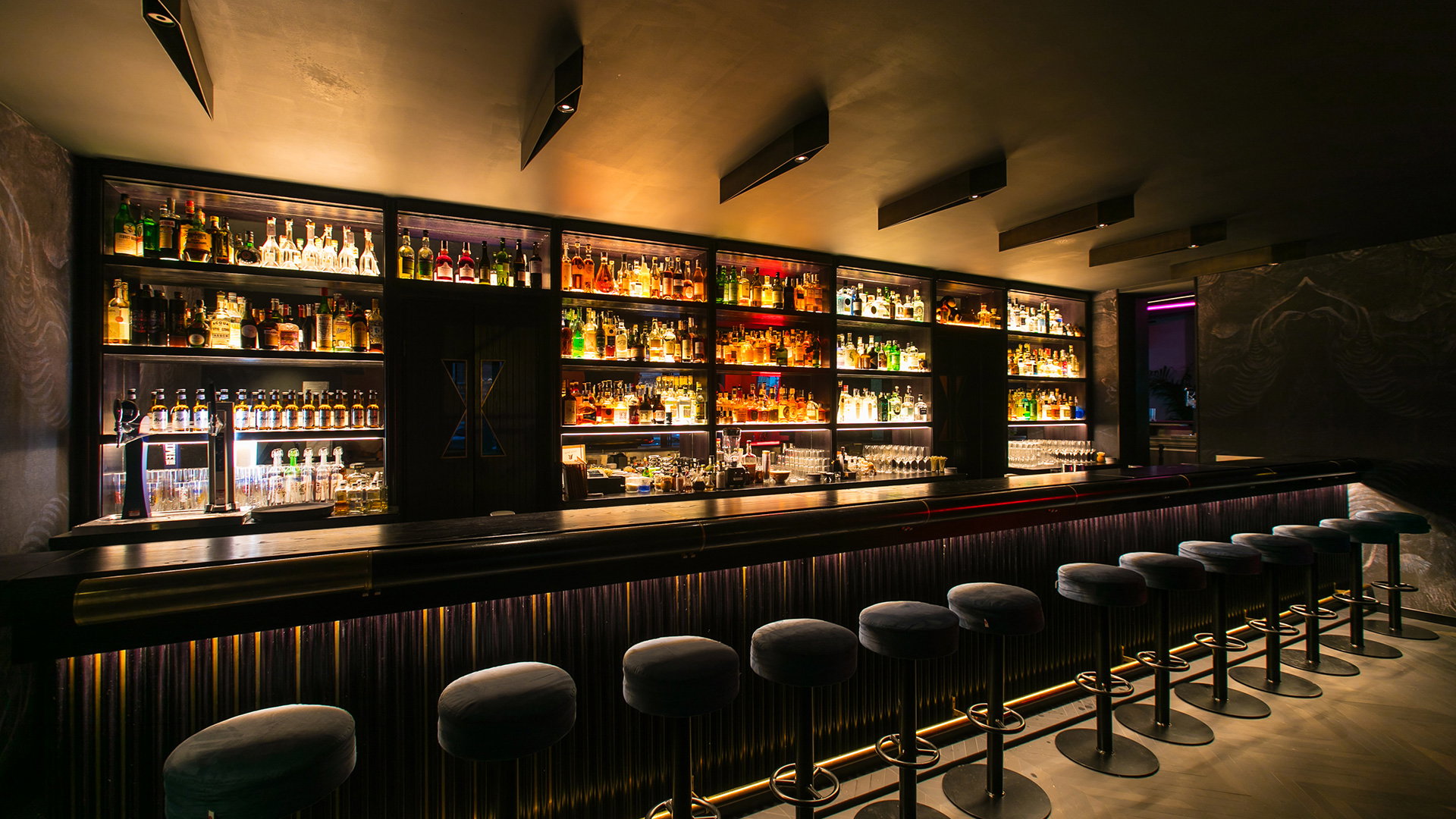
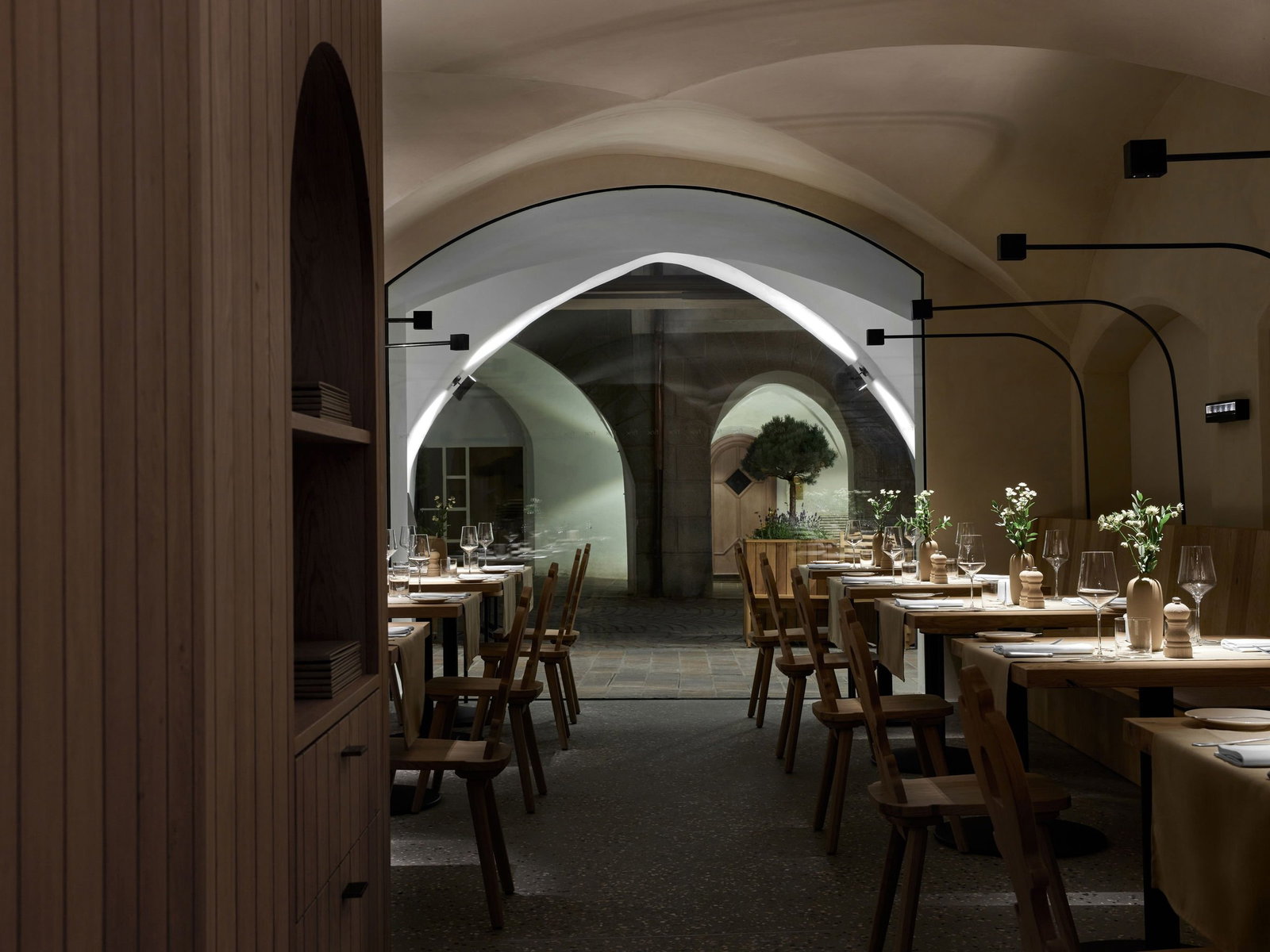
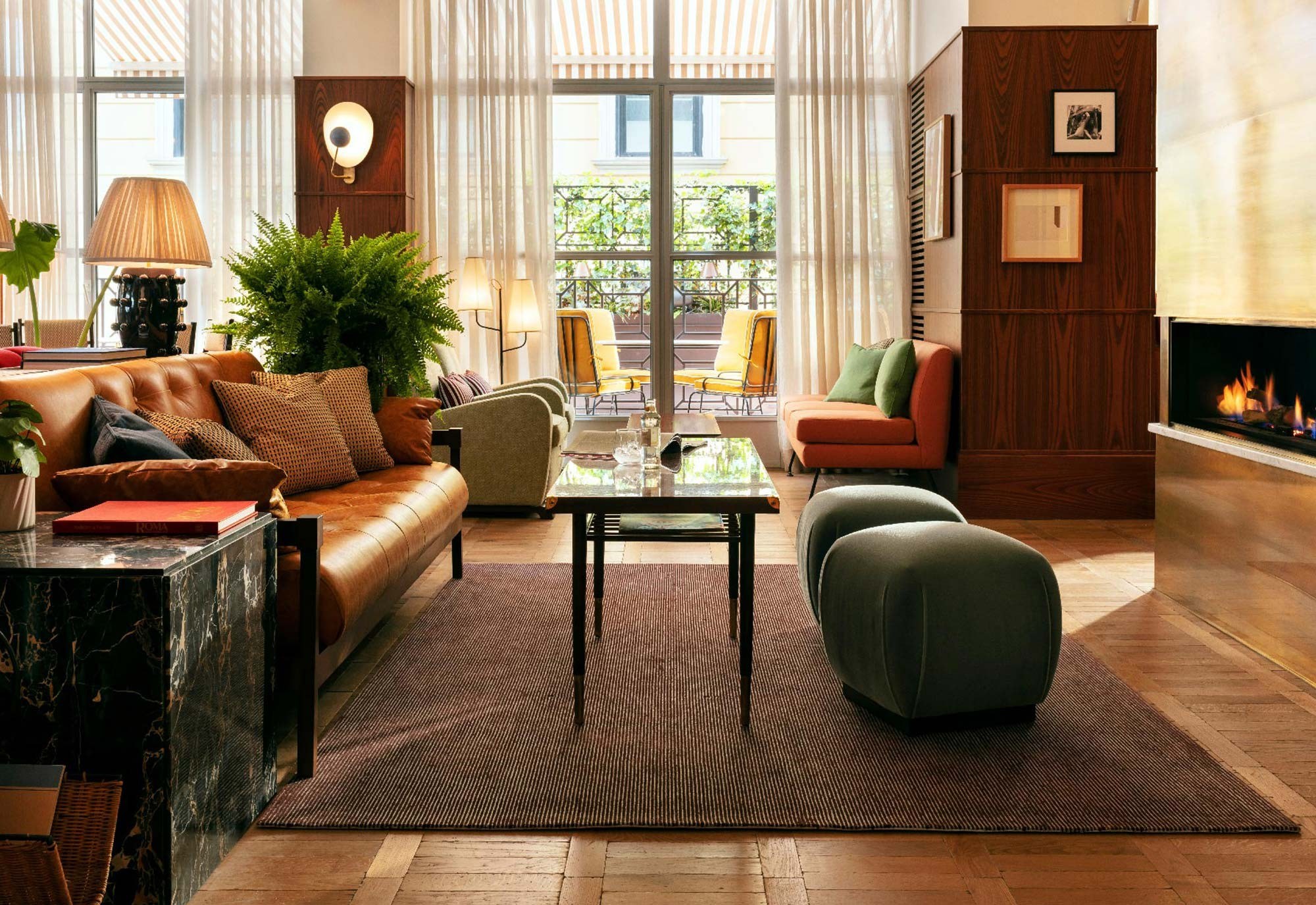
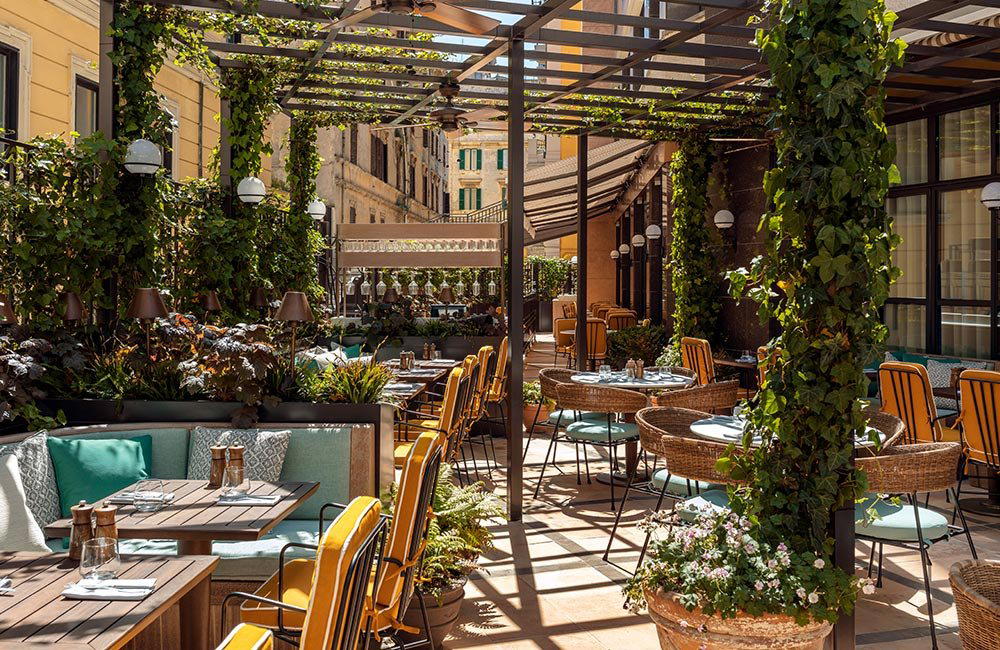
Light-flooded spaces with chic lounge areas, cool lighting, and a lively yet relaxed vibe popular for working by day and socializing by night.
Tags
Vibe
Best For
Experience
Amenities
View
Accessibility
About the Stay
- Rooms
- 192
- Property Type
- Design hotel
- Property Style
- Boutique Design Hotel with Mid Century Italian Influences and Vibrant Public Areas.
- Design Style
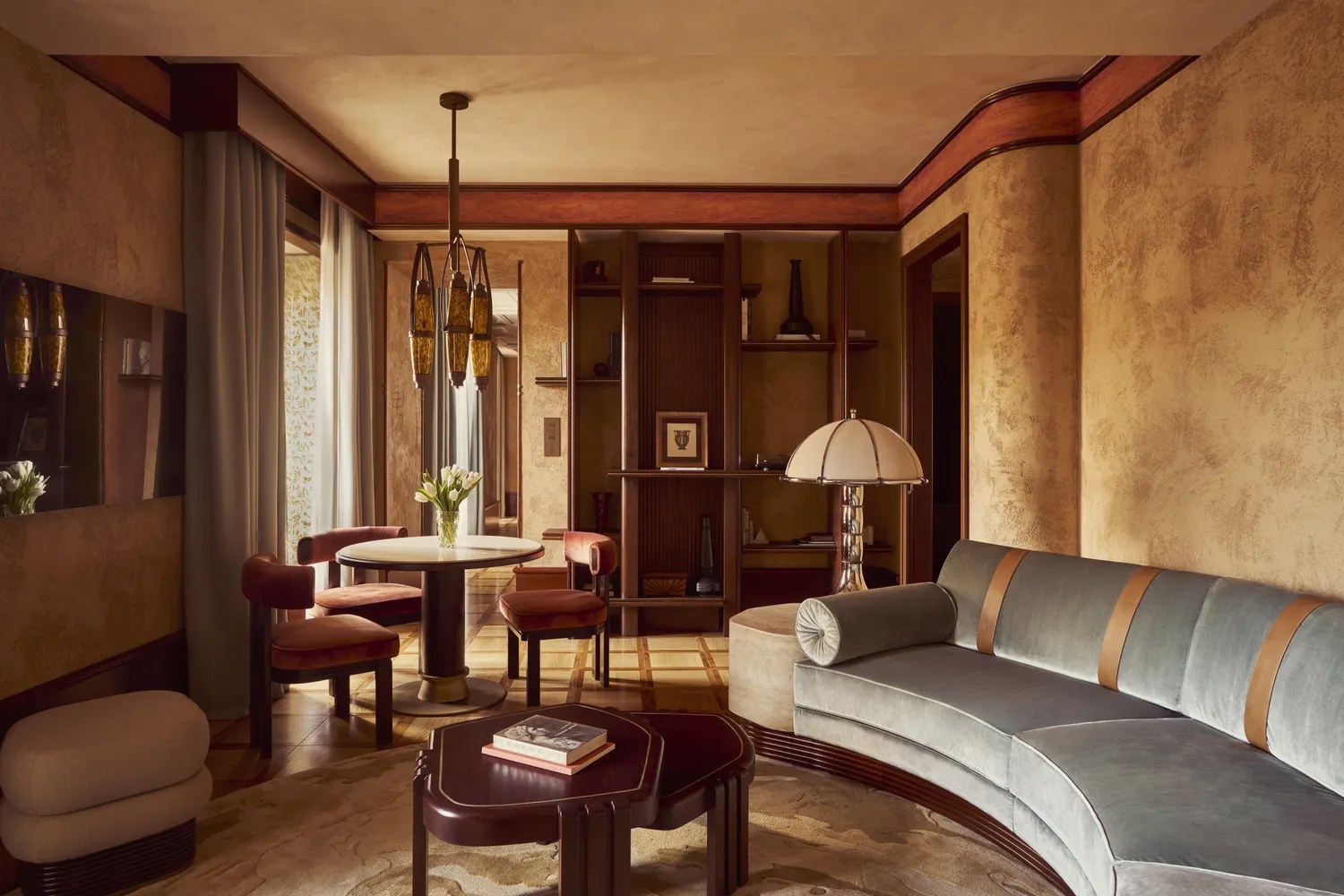
- Mid Century Modern with Parquet Floors, Bold Colors, Statement Headboards, and Nostalgic Cinema Inspired Bathrooms.
- Airport Transfer
- Available
- Pets
- Allowed
- Cancellation
- Flexible
Know before you go
Know Before You Go
- Getting there
- L.go Benedetto Marcello, 220, 00198 Roma RM
Planning details
Location
Recognition and awards
Also consider
Also Consider
- Parco dei Principi Grand Hotel & Spa, Notable alternative
- Hotel Aldrovandi, Notable alternative
- Leon's Place, Notable alternative
- Hotel Lord Byron, Notable alternative
- Baglioni Hotel Regina, Notable alternative
Hotel context
How it compares in Rome
Against Parco dei Principi Grand Hotel & Spa, The Hoxton, Rome is the more relaxed choice. Parco dei Principi is the better fit for travelers prioritizing a bigger-hotel feel and resort-style amenities; The Hoxton is the sharper pick when the rate gap is meaningful and the trip is built around the city rather than the hotel.
Hotel Aldrovandi and Hotel Lord Byron make more sense for guests who want a quieter, more traditional Roman stay. The Hoxton is better for a less formal mood, but it is not the automatic choice for travelers who equate Rome hotels with old-school service and heritage atmosphere.
If location and classic luxury signals matter more, compare closely with Baglioni Hotel Regina. If the goal is a smaller design-forward alternative, Leon's Place is the closer cross-shop. When The Hoxton is hard to secure, Leon's Place is the cleaner backup for style; Baglioni is the stronger backup for a more formal stay.
Around this place
Discover more on Pearl
Unlock the full The Hoxton, Rome guide in Pearl, including awards, comparisons, FAQs, planning details, and nearby places.
Compare The Hoxton, Rome
| Venue | Location | Awards |
|---|---|---|
| The Hoxton, Rome | Rome | 2025 Michelin Selected Hotels2024 Michelin 1 Key |
| Parco dei Principi Grand Hotel & Spa | Rome | 2026 Forbes RecommendedPreferred Hotels L.V.X. Collection 20252025 Forbes Recommended |
| Hotel Aldrovandi | Rome | No published awards |
| Leon's Place | Rome | No published awards |
| Hotel Lord Byron | Rome | Small Luxury Hotels Member 2025 |
| Baglioni Hotel Regina | Rome | 2026 Forbes Recommended2026 Virtuoso Luxury Hotel CollectionLeading Hotels of the World 20262025 Forbes 4-Star |






How The Hoxton, Rome compares with similar nearby venues.
FAQ
Frequently Asked Questions
Is The Hoxton, Rome family-friendly?
The Hoxton, Rome has Michelin 1 Key (2024) and MICHELIN Guide, Hotels Selected (2025) recognition. Families should confirm room size, bedding, and practical requirements directly before booking.
Which room category is best at The Hoxton, Rome?
The information does not identify a best room category at The Hoxton, Rome. Choose based on the room details available at the time of booking, and compare with options such as Baglioni Hotel Regina if you are weighing different Rome hotel styles.
When is the best time to book The Hoxton, Rome?
If you are considering The Hoxton, Rome because of its Michelin 1 Key (2024) and MICHELIN Guide, Hotels Selected (2025) recognition, check current availability and rates for your Rome dates before deciding.
How is the location of The Hoxton, Rome?
The Hoxton, Rome is in Rome. Travelers should check the current map position and transport needs before booking. For comparison, Hotel Lord Byron and Baglioni Hotel Regina are other Rome hotel options to consider.
How is the dining at The Hoxton, Rome?
Its confirmed hotel recognition is Michelin 1 Key (2024) and MICHELIN Guide, Hotels Selected (2025), but any restaurant, bar, menu, or service details should be checked directly before booking.