
The Goethe Hotel
Campo Marzio, Rome
Hotel in Rome, Italy
 Book with Pearl
The Read
Antique-Layered Tridente Base
Why go
The Goethe Hotel is a practical central Rome pick for travelers who want an easy-to-book boutique base on Via del Corso. Its 2025 Small Luxury Hotels of the World membership gives it a useful quality signal, but the decision should be rate-driven: book when it prices below heavier luxury peers, and cross-shop if dining, family facilities, or business amenities matter more.
About The Goethe Hotel
The Goethe Hotel is a hotel in Rome. It has a smart casual dress code and is listed as a Small Luxury Hotels of the World member for 2025. For specific public-facing details such as room categories, rates, dining, amenities, and service formats, travelers should confirm those directly before booking.
A Rome stay with a hotel signal
The clearest trust signal is The Goethe Hotel's 2025 Small Luxury Hotels of the World membership. That places it in a recognized hotel context, but it does not by itself confirm room types, facilities, prices, or on-property dining details. Use the membership as a starting point, then check the current booking terms and the details that matter for your trip.
Dress code is smart casual. Beyond that, specific guest-service details, restaurant information, room layouts, or amenities are not provided, so evaluate The Goethe Hotel through live availability, direct hotel information, and comparison with other Rome options.
Who should book, and who should cross-shop
Consider The Goethe Hotel if you want a Rome hotel with a Small Luxury Hotels of the World membership and a smart casual dress code. Cross-shop if you need firm information on room configuration, family setup, business facilities, dining, accessibility, or loyalty benefits before committing.
For broader planning, compare it within Pearl's Rome hotels guide, then add food and evening plans from the Rome restaurants guide and Rome bars guide. The hotel can be considered alongside Casa Fabbrini Boutique B & B, Grand Hotel Plaza, Portrait Roma, San Carlo Suite, and The First Roma Dolce when you are weighing other named options.
Planning details
- Location
- Via del Corso, 107, 00187 Roma RM, Italy
- Phone
- +39 06 6994 2219
The take
The Take
The Vibe
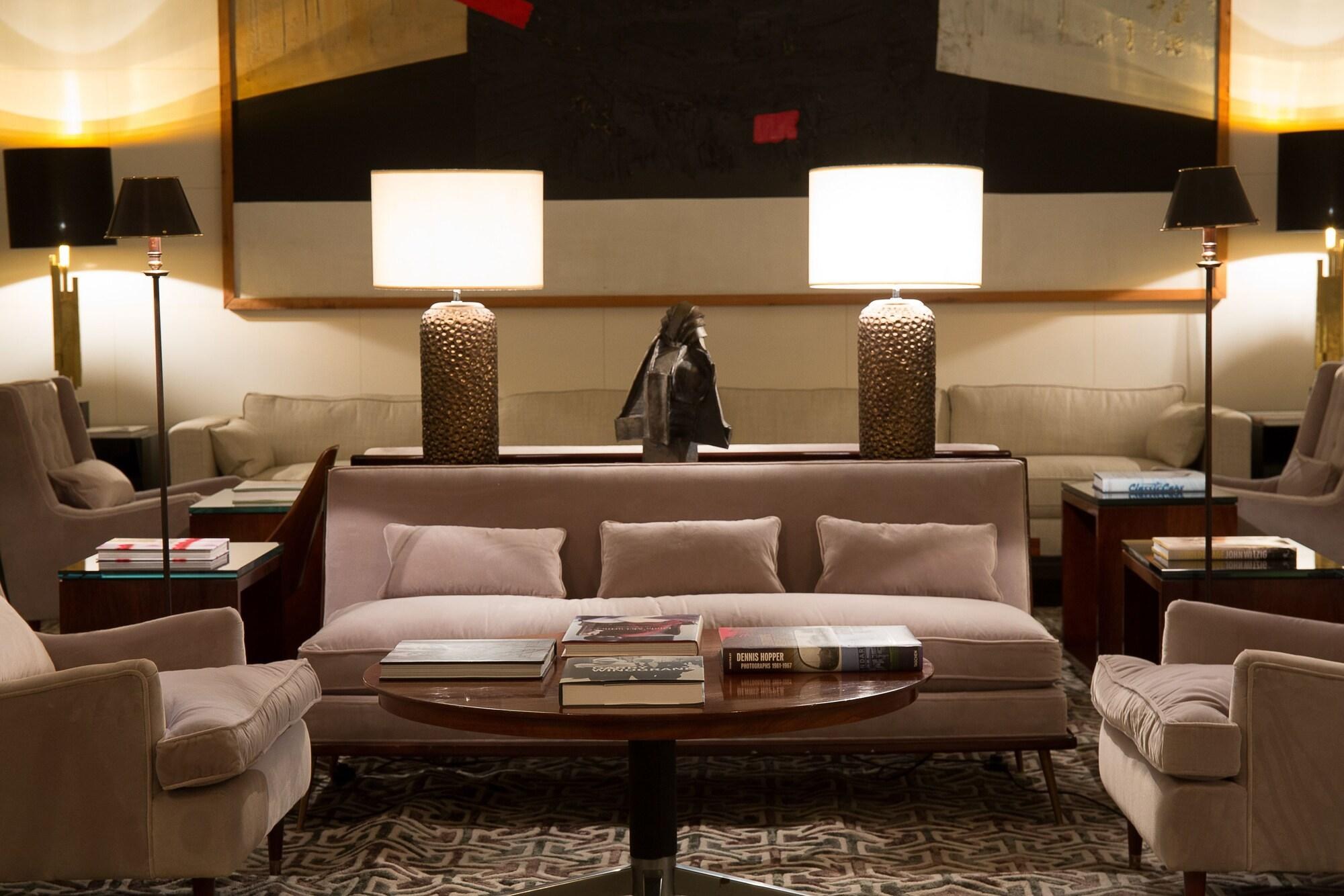
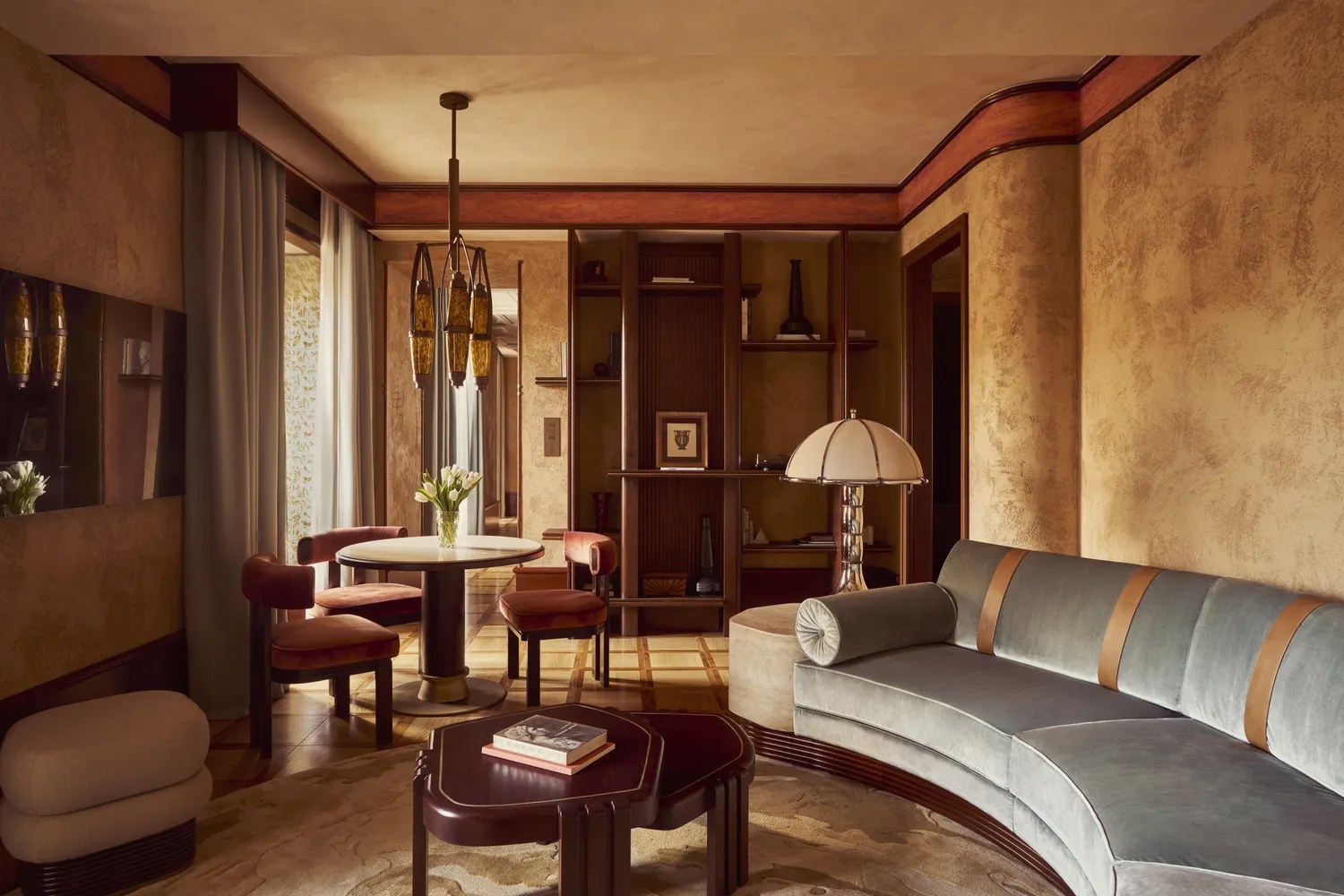
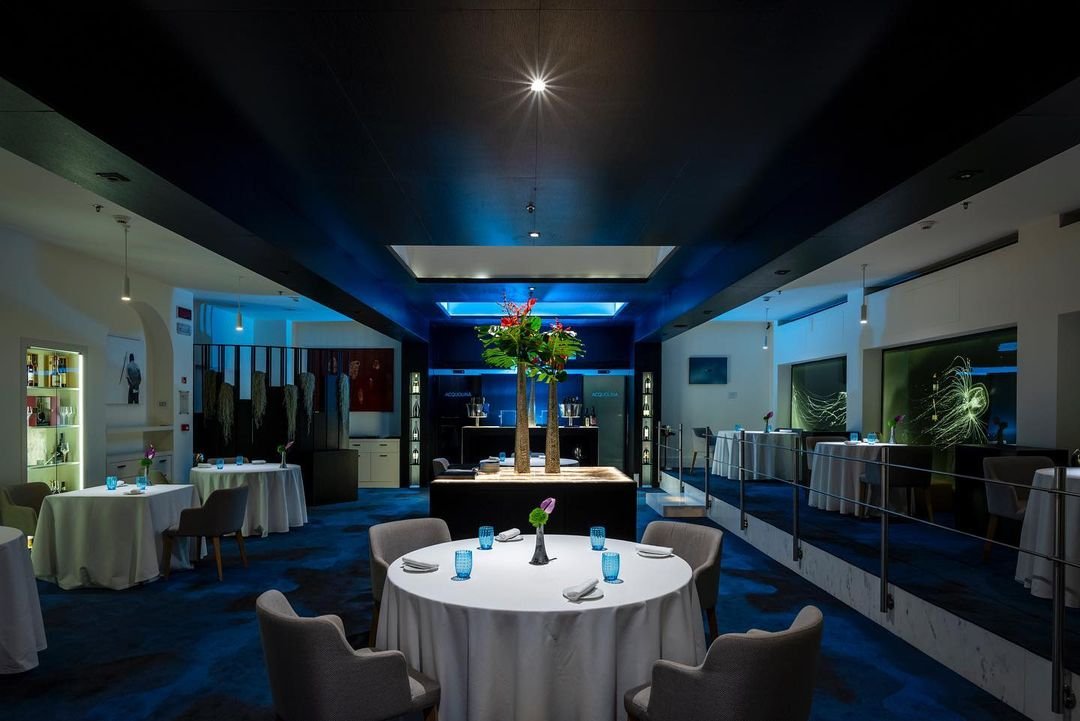
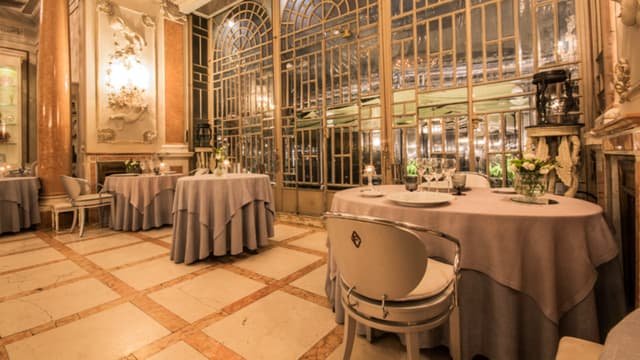
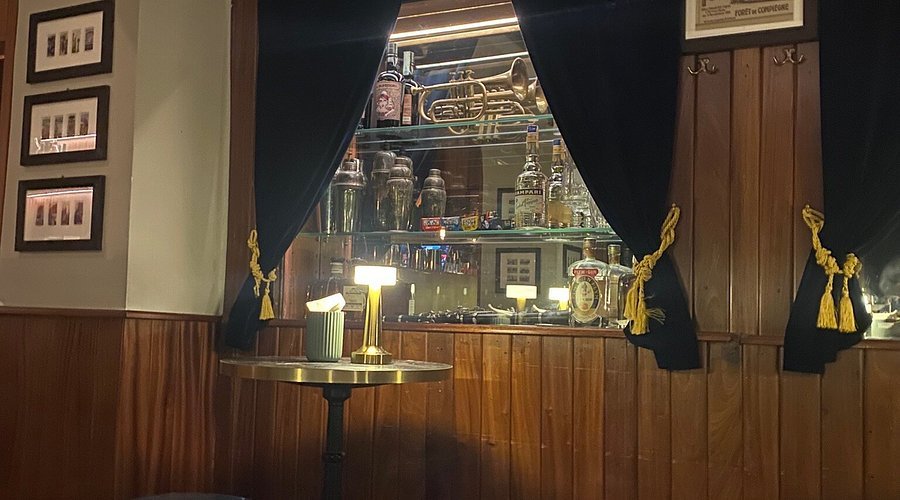
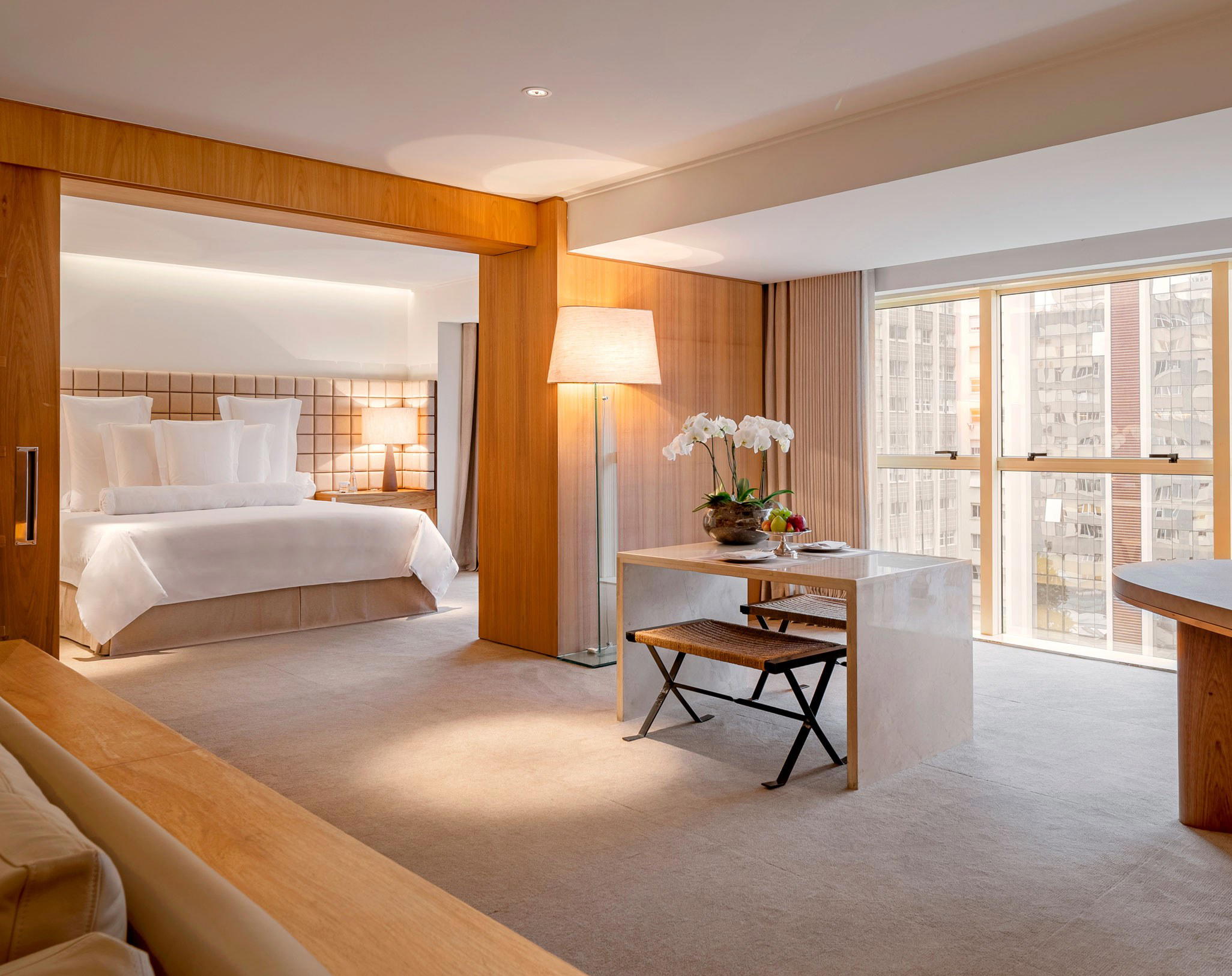
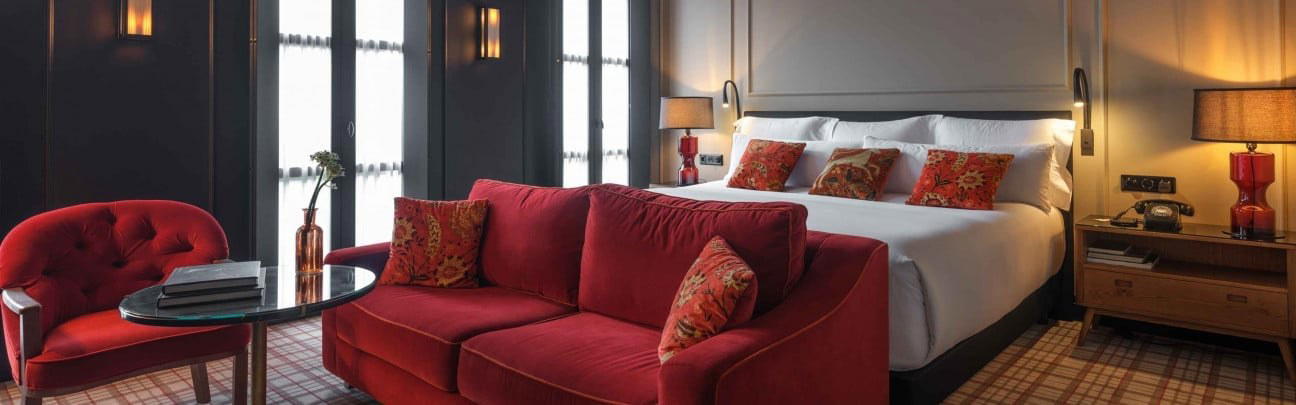
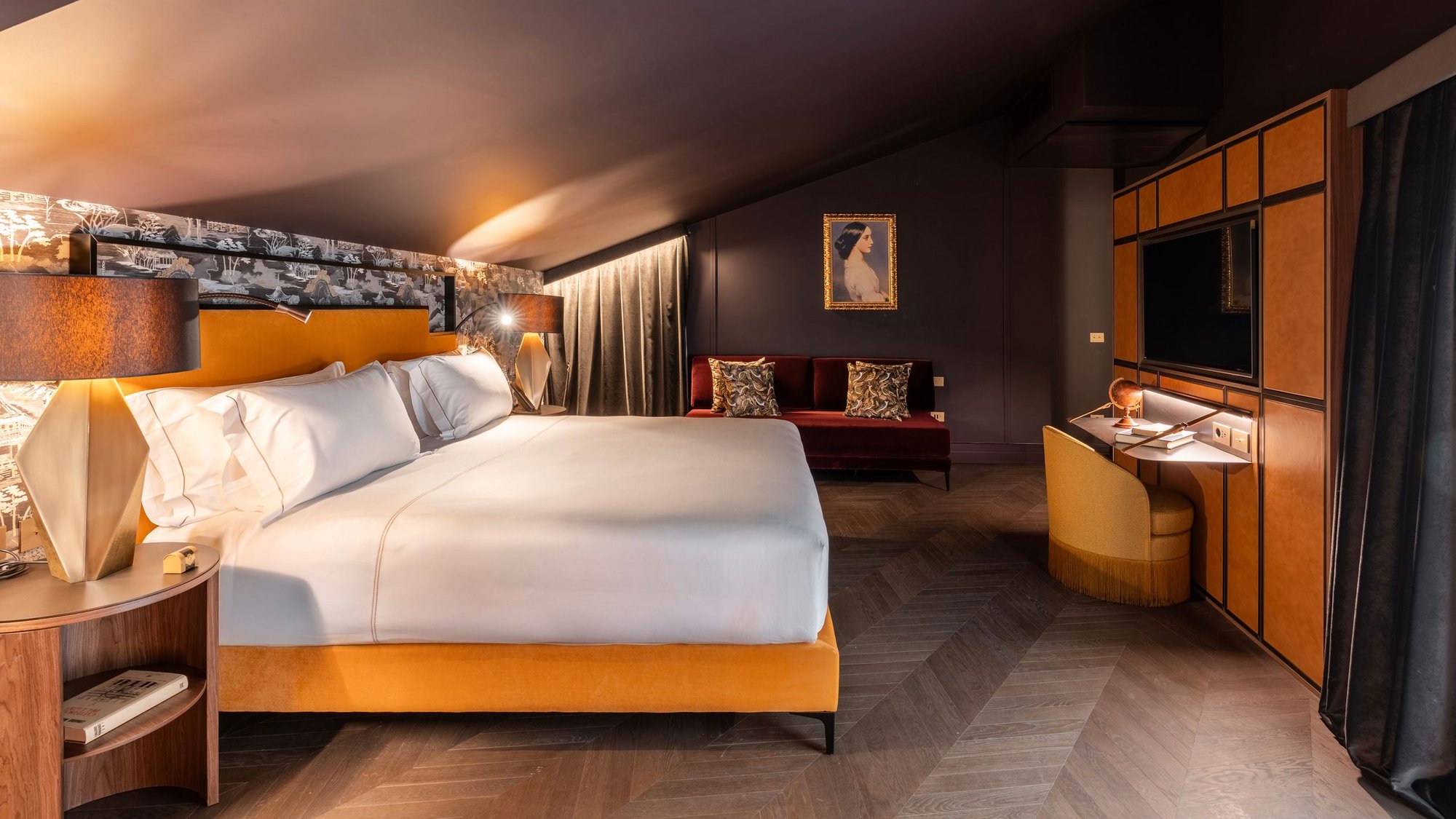
The Goethe Hotel sits directly on Rome's Via del Corso and balances the city's bustle with an interiors-led calm. Antiques, glimmering chandeliers and layered wallpaper give rooms and public spaces an accumulated, classic character; the design reads as deliberately lived-in rather than sleekly contemporary. Guests feel the energy of a major thoroughfare outside while moving into a cozy, characterful interior that privileges comfort and personality over corporate minimalism. The result is a boutique refuge that feels both rooted in Rome's long history and quietly intimate.
Best For
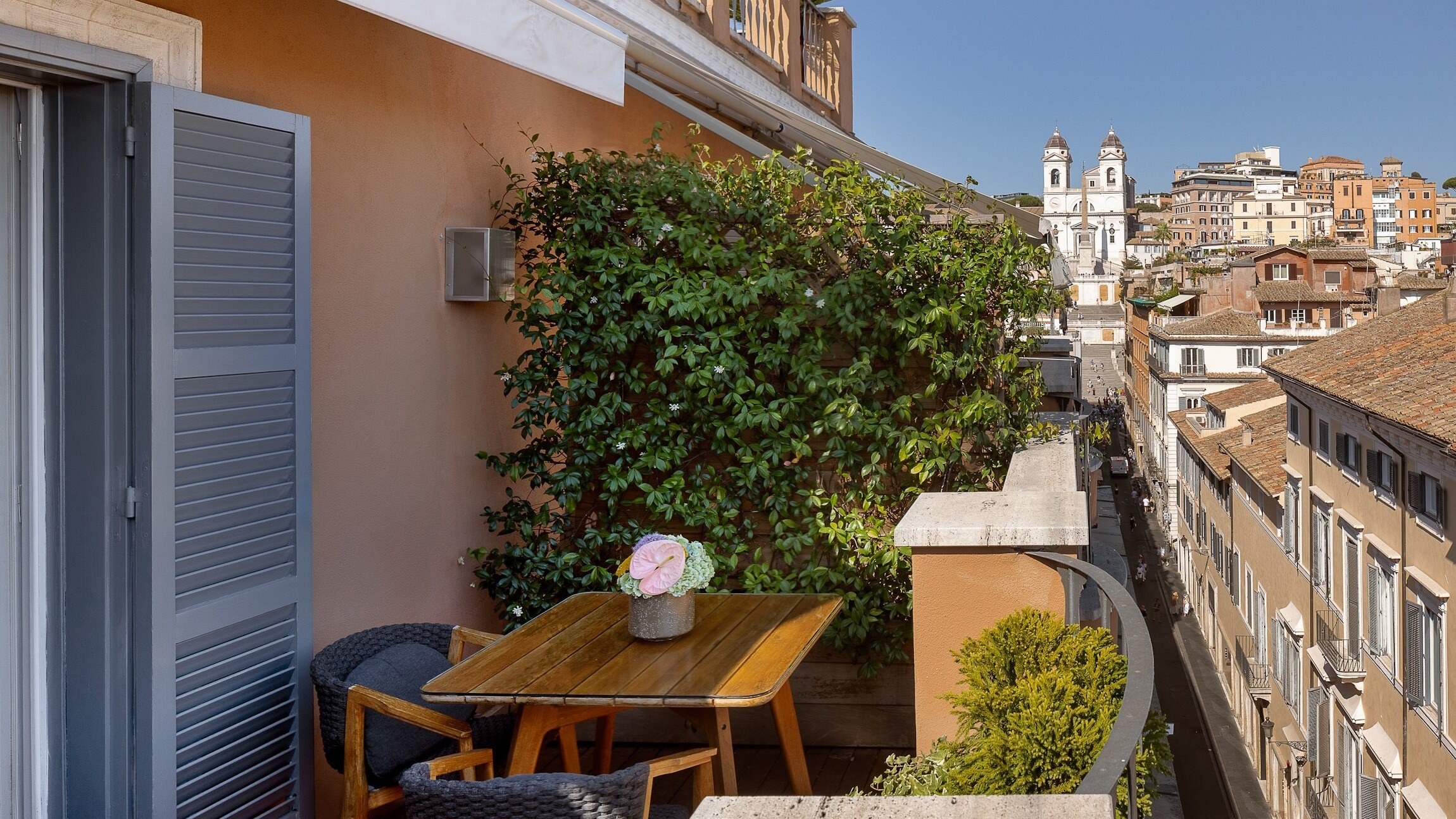
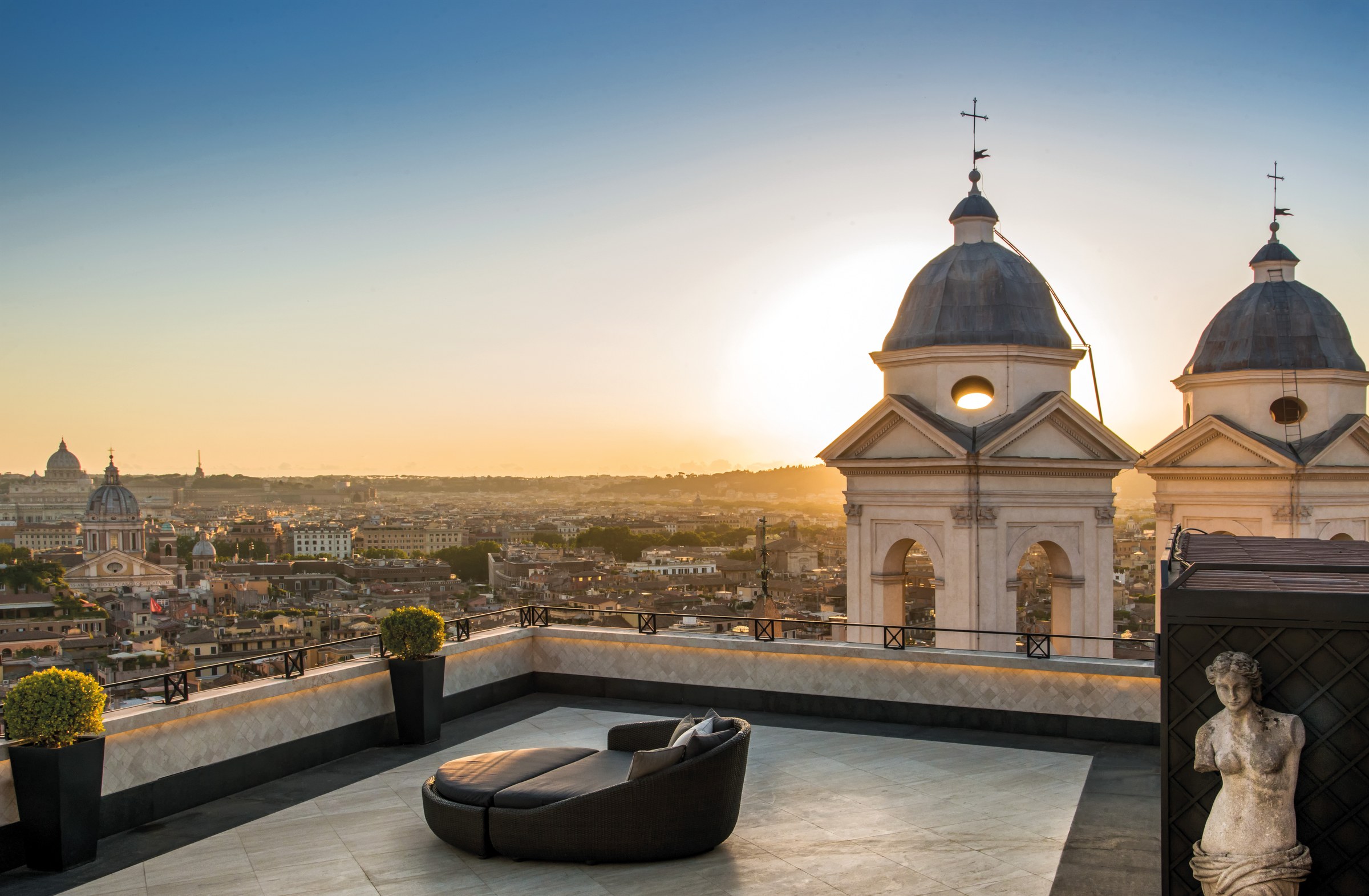
This is a strong pick for travelers who want a central base with personality rather than a formal palace hotel. Its address puts major sights like the Pantheon and the Spanish Steps within easy walking distance, making it convenient for first-time visitors and city walkers who plan to explore on foot. The Goethe appeals to couples and solo travelers who appreciate antique-filled interiors and a sense of place, and to anyone who values being in the middle of Roman street life while retreating each evening to a thoughtful, characterful hotel.
Venue details
Ambiance
Enveloping colors and relaxing atmospheres with soundproofed rooms, elegant marble bathrooms, and serene wellness-focused design promoting total relaxation.
Tags
Vibe
Best For
Experience
Amenities
View
Accessibility
About the Stay
- Rooms
- 27
- Property Type
- Boutique hotel
- Property Style
- Boutique Luxury Hotel Evoking the Grand Tour Era with Modern Comforts.
- Design Style
- Elegant Contemporary with Custom Italian Craftsmanship, Marble Bathrooms, and Artistic Details.
- Breakfast
- Included
- Spa
- Yes
- Pets
- Allowed
Know before you go
Know Before You Go
- Getting there
- Via del Corso, 107, 00187 Roma RM, Italy
Planning details
Location
Via del Corso, 107, 00187 Roma RM, Italy · Directions
Recognition and awards

Also consider
Also Consider
- San Carlo Suite, Notable alternative
- Grand Hotel Plaza, Notable alternative
- The First Roma Dolce, Notable alternative
- Casa Fabbrini Boutique B & B, Notable alternative
- Portrait Roma, Notable alternative
Hotel context
How It Compares
San Carlo Suite is the closest cross-shop for travelers who mainly want the Via del Corso area and a simple central base. The Goethe Hotel is the better choice when Small Luxury Hotels of the World membership matters as a quality filter; San Carlo Suite is the one to check if the rate is meaningfully lower and the stay is mostly about location.
Grand Hotel Plaza and Portrait Roma are stronger fits for guests who want a more formal luxury-hotel feel. Choose The Goethe Hotel when ease of booking and boutique scale are the priorities. Choose those peers when the budget allows a more service-led stay and the hotel itself needs to carry more of the trip.
The First Roma Dolce is the more obvious pick for travelers who want a design-forward, higher-touch stay, while Casa Fabbrini Boutique B & B makes more sense for a quieter townhouse-style stay. The Goethe Hotel sits between them: more polished than a purely functional base, less of a splurge statement than the heavier luxury options, and a good value play when the nightly rate stays disciplined.
Around this place
Discover more on Pearl
Unlock the full The Goethe Hotel guide in Pearl, including awards, comparisons, FAQs, planning details, and nearby places.
Compare The Goethe Hotel
| Venue | Location | Awards |
|---|---|---|
| The Goethe Hotel | Rome | Small Luxury Hotels Member 2025 |
| San Carlo Suite | Rome | No published awards |
| Grand Hotel Plaza | Rome | No published awards |
| The First Roma Dolce | Rome | 2026 Virtuoso Luxury Hotel CollectionPreferred Hotels L.V.X. Collection 2025 |
| Casa Fabbrini Boutique B & B | Rome | No published awards |
| Portrait Roma | Rome | 2026 Virtuoso Luxury Hotel Collection2026 Forbes 4-Star2026 Mr & Mrs Smith Luxury HotelsLeading Hotels of the World 20262026 La Liste Top Hotels2026 Michelin 1 Key2025 Michelin 1 Key2024 Michelin 1 Key |







How The Goethe Hotel Rome compares with similar nearby venues.
FAQ
Frequently Asked Questions
Which room category is best at The Goethe Hotel?
Room categories are not detailed here. Choose based on the current room descriptions, space, and booking terms shown by the hotel or booking channel for your dates.
Is The Goethe Hotel family-friendly?
Family-specific facilities and room configurations are not detailed here. Families should confirm room size, bedding, and any child-related services directly before booking. Casa Fabbrini Boutique B & B is another named option to compare during planning.
Is The Goethe Hotel good for business travel?
Business-specific facilities are not detailed here. The Goethe Hotel may still be worth considering as a Rome hotel with Small Luxury Hotels of the World membership, but travelers should confirm workspace, connectivity, meeting needs, and arrival logistics directly. Portrait Roma is another option to compare.
How is the dining at The Goethe Hotel?
Cuisine type, chef, restaurant format, or dining program are not detailed here. If dining is important to the trip, confirm the current offering directly and compare it with other Rome dining plans.
How does The Goethe Hotel compare to other options?
Comparison points for The Goethe Hotel include its Rome location, smart casual dress code, and 2025 Small Luxury Hotels of the World membership. For alternatives, compare it with Grand Hotel Plaza, Portrait Roma, San Carlo Suite, Casa Fabbrini Boutique B & B, and The First Roma Dolce based on the live details that matter for your stay.
When is the best time to book The Goethe Hotel?
Seasonal booking patterns or pricing for The Goethe Hotel are not detailed here. Book when the available rate, cancellation policy, and confirmed room details fit your Rome plans.
Do loyalty programs work at The Goethe Hotel?
The Goethe Hotel is listed as a Small Luxury Hotels of the World member for 2025, but specific loyalty benefits, points, or partner-program rules are not detailed here. Check the current booking channel or the hotel directly before relying on any loyalty perks. Grand Hotel Plaza and Portrait Roma are other named hotels to compare if loyalty benefits are a priority.