

The First Musica
Prati, Rome
Hotel in Rome, Italy
 Book with Pearl
The Read
Riverfront Prati Restraint
Price
$500–750per night
Why go
The First Musica is a good Rome pick for travelers who want a polished, centrally placed hotel with credible outside recognition and an easier booking profile than the city's headline luxury names. Book it as a refined base for a return trip, not as a dining-led or ultra-grand hotel stay.
About The First Musica
The First Musica has smart-casual dress guidance and external hotel recognition from Preferred Hotels L.V.X. Collection, Mr & Mrs Smith, and the MICHELIN Guide hotel selection. Beyond those points, the supplied data does not verify room details, service format, dining specifics, prices, or amenities, so travelers should confirm practical requirements directly before booking.
The decision case is strongest for guests who want a Rome hotel with third-party recognition rather than an claim about a particular restaurant, bar, or resort-style experience. In a city with many hotel choices, those external signals can help narrow the search while still leaving room to compare style, budget, and trip priorities.
A Rome base with hotel recognition
For a Rome stay, the appeal here should be framed around confirmed recognition and fit rather than unsupported detail. The First Musica appears in the Preferred Hotels L.V.X. Collection, carries a Mr & Mrs Smith Seal of Approval, and is listed in the MICHELIN Guide hotel selection. The dress code is smart casual.
Because the supplied data does not confirm specific amenities, room types, dining formats, prices, or service features, it is best to treat The First Musica as a hotel to shortlist and then verify against your own needs. For deeper hotel browsing, compare it against Our full Rome hotels guide, especially if budget, room size, or brand formality matters more than the recognition profile.
Who should book it, and who should cross-shop
Book here if the goal is a Rome hotel with clear third-party recognition and a smart-casual dress code. Cross-shop Bulgari Hotel Roma if the trip calls for a different hotel option, or Palazzo Ripetta if you want another Rome hotel to compare. The First Arte, Rome is another natural comparison for guests considering related Rome hotel options.
Skip making the decision on specifics such as a named chef, cuisine, price range, room count, or service format. For restaurants, bars, and experiences around the city, use Our full Rome restaurants guide, Our full Rome bars guide, and Our full Rome experiences guide.
Planning details
- Location
- Lungotevere dei Mellini, 26E - 27, 00193 Roma RM
- Website
- pavilionshotels.com/destinations/italy/thefirstmusica
- Phone
- +39 06 8620 5291
The take
The Take
The Vibe
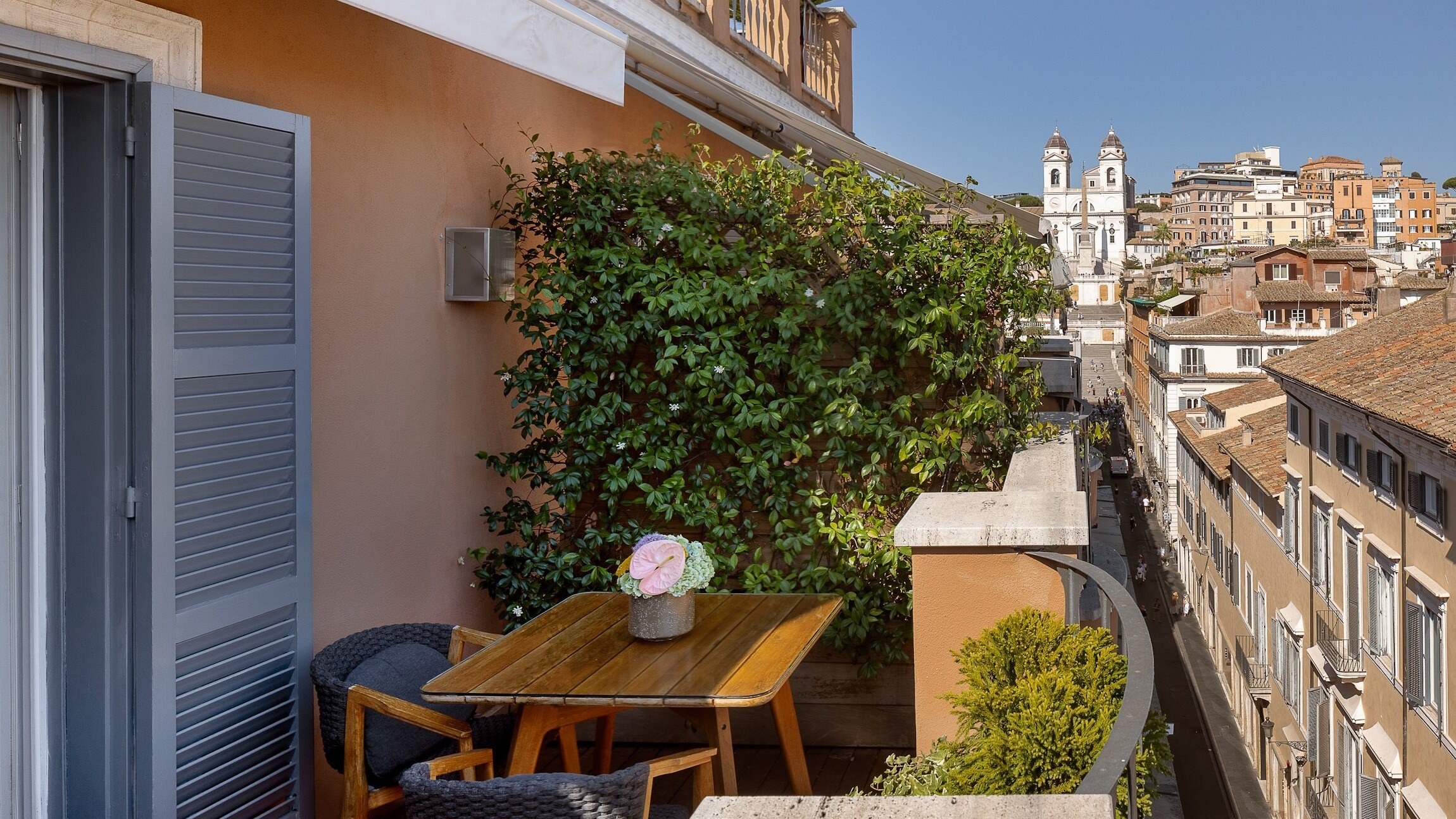
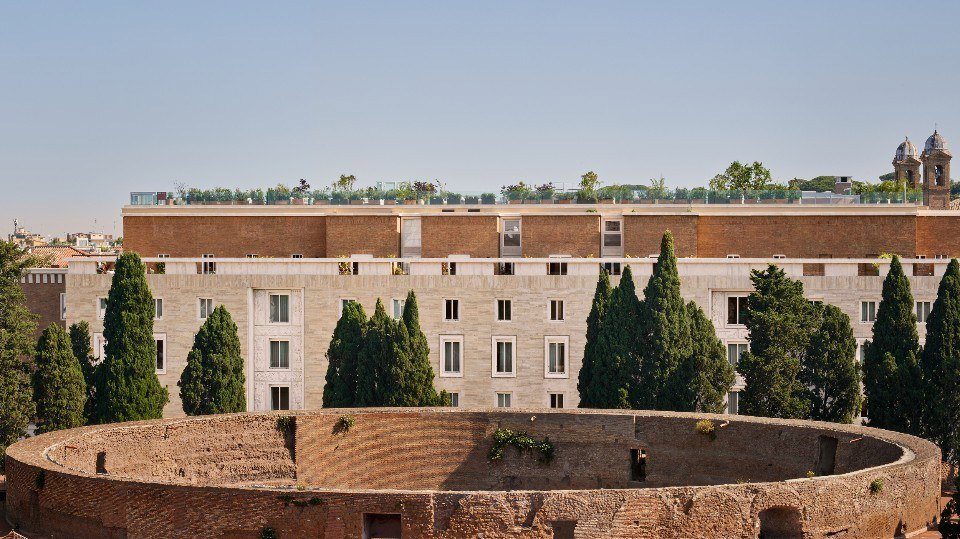
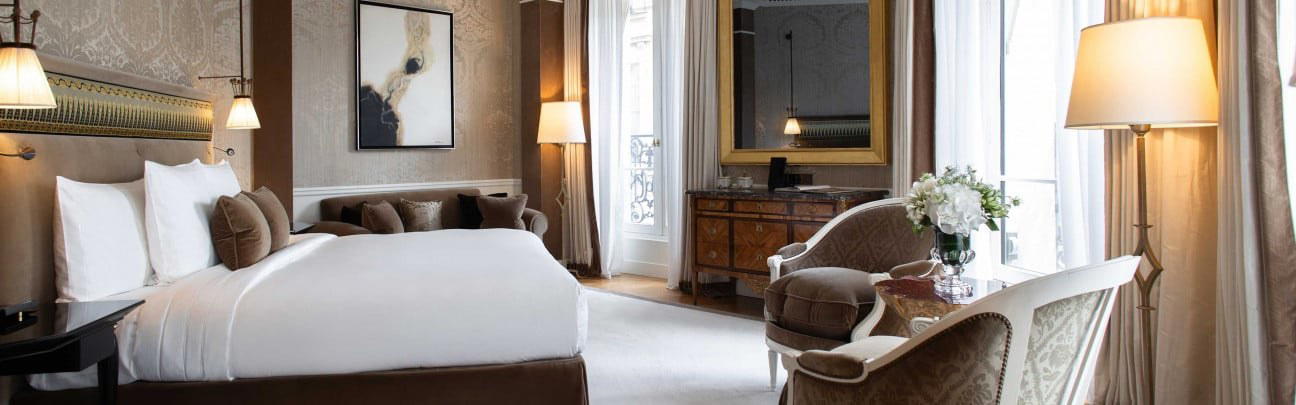
The First Musica reads as a deliberately small Roman refuge, operating at 24 rooms so every detail feels pared back and personal. It favors considered intimacy over theatrical scale, and the riverfront address supplies a soft, scenic counterpoint: morning river light and relatively calm evenings give the property a reflective rhythm that contrasts with Rome’s busier tourist hubs. Located in Prati, an orderly, residential grid north of the Vatican, the hotel combines discreet luxury with a low-key, charming profile that suits travelers who prefer proximity and attentiveness to pomp and spectacle.
Best For
This is a hotel that suits short, intentional stays: couples and solo travelers seeking a quietly luxurious base for a romantic getaway or weekend escape. Its small size and attentive scale make it well matched to celebrations that favor privacy and atmosphere rather than large parties. The lungotevere address also makes it practical for visitors who want easy walking access to the Castel Sant'Angelo and the Vatican while staying outside the busiest centro storico courtyards and trattoria circuits.
Stay Tips
Rooms are intentionally few, so plan ahead and book early to secure dates. When reserving, request a room with a river aspect if you value morning light and views along the Tiber: the property’s location is one of its clearest assets. Use the hotel as a calm launching point for on-foot exploration: the Castel Sant'Angelo and the Vatican are both within a roughly ten‑minute walk, which makes mornings and evenings ideal times for riverside strolls before the city fully wakes.
Venue details
Ambiance
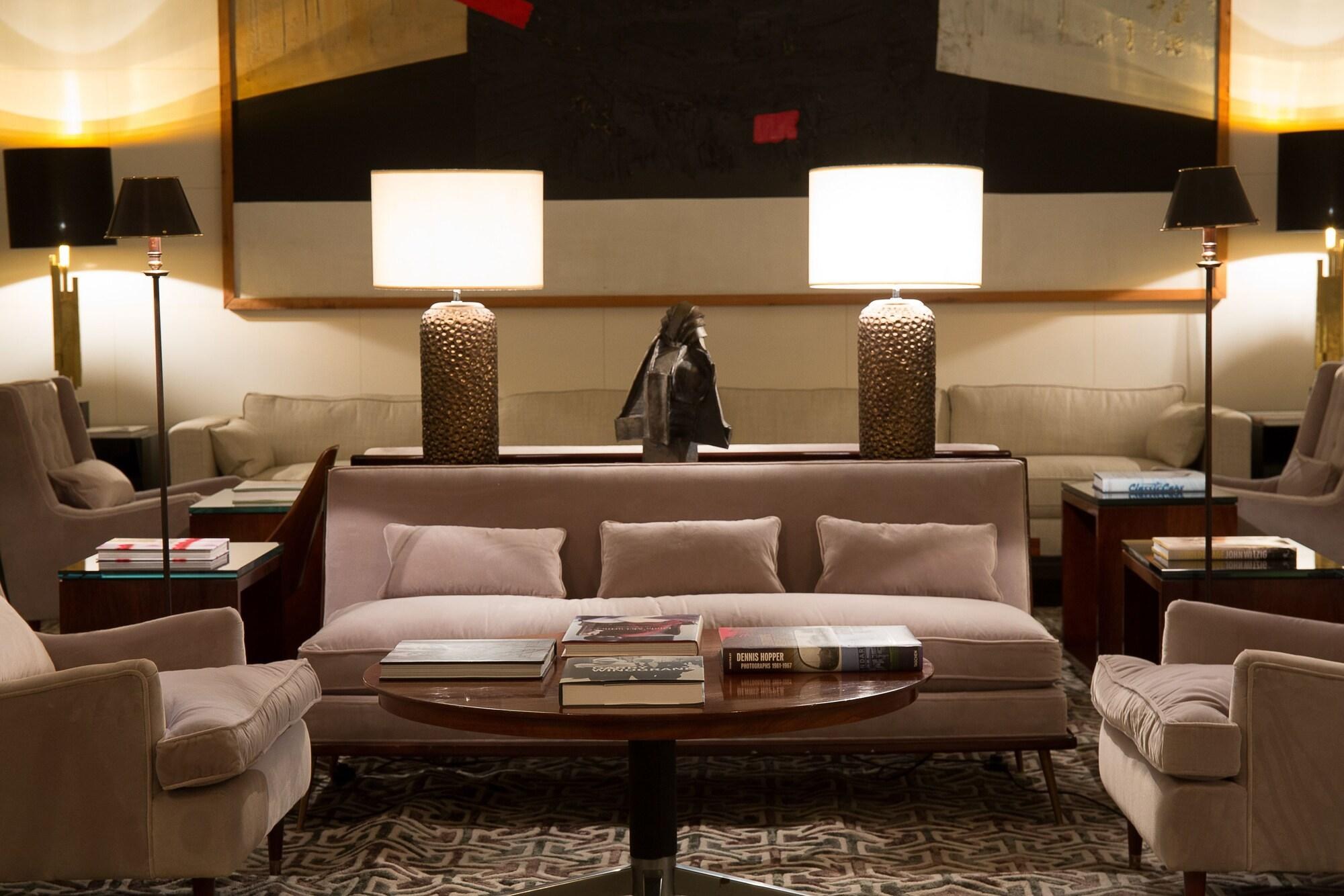
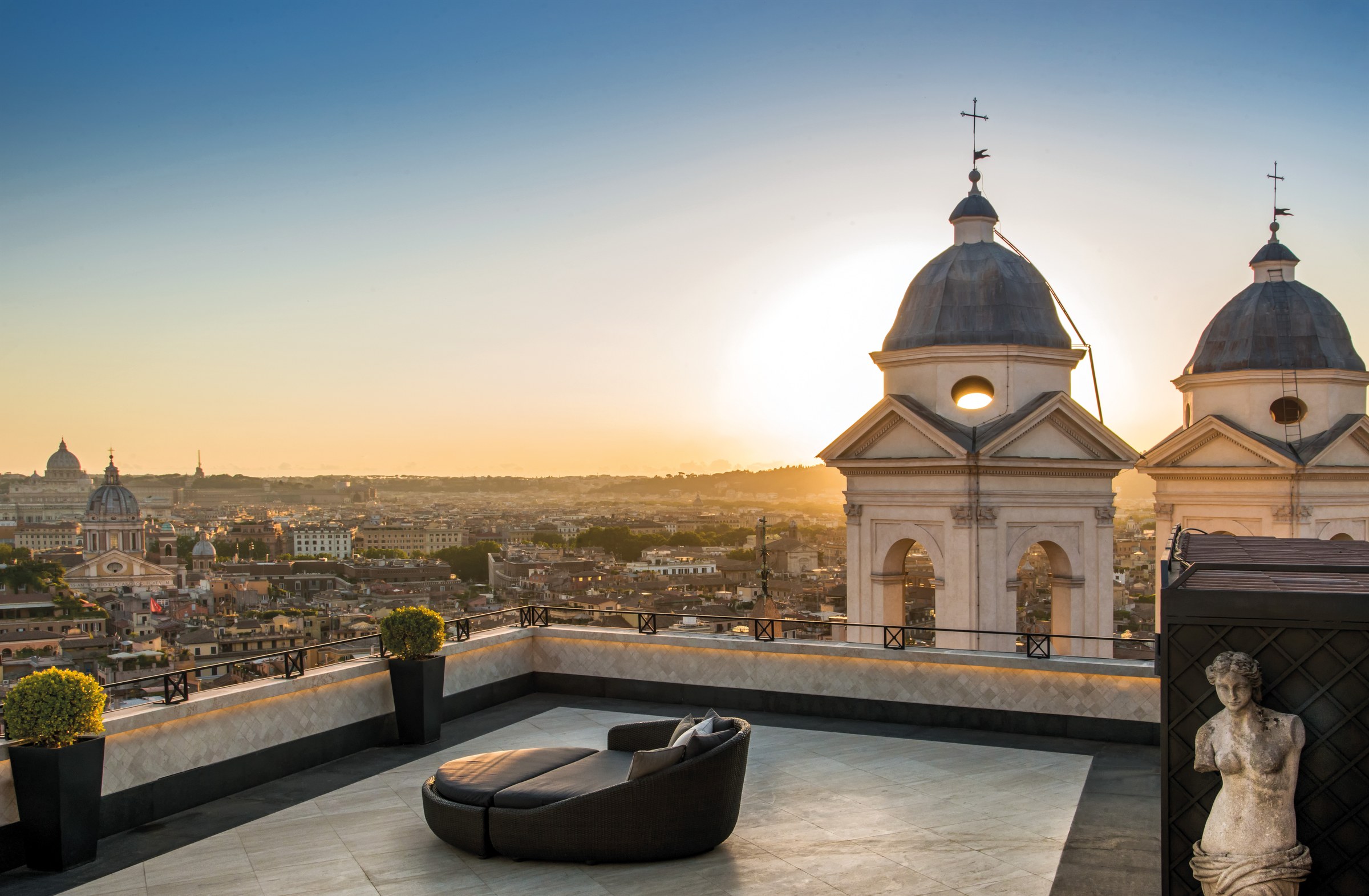
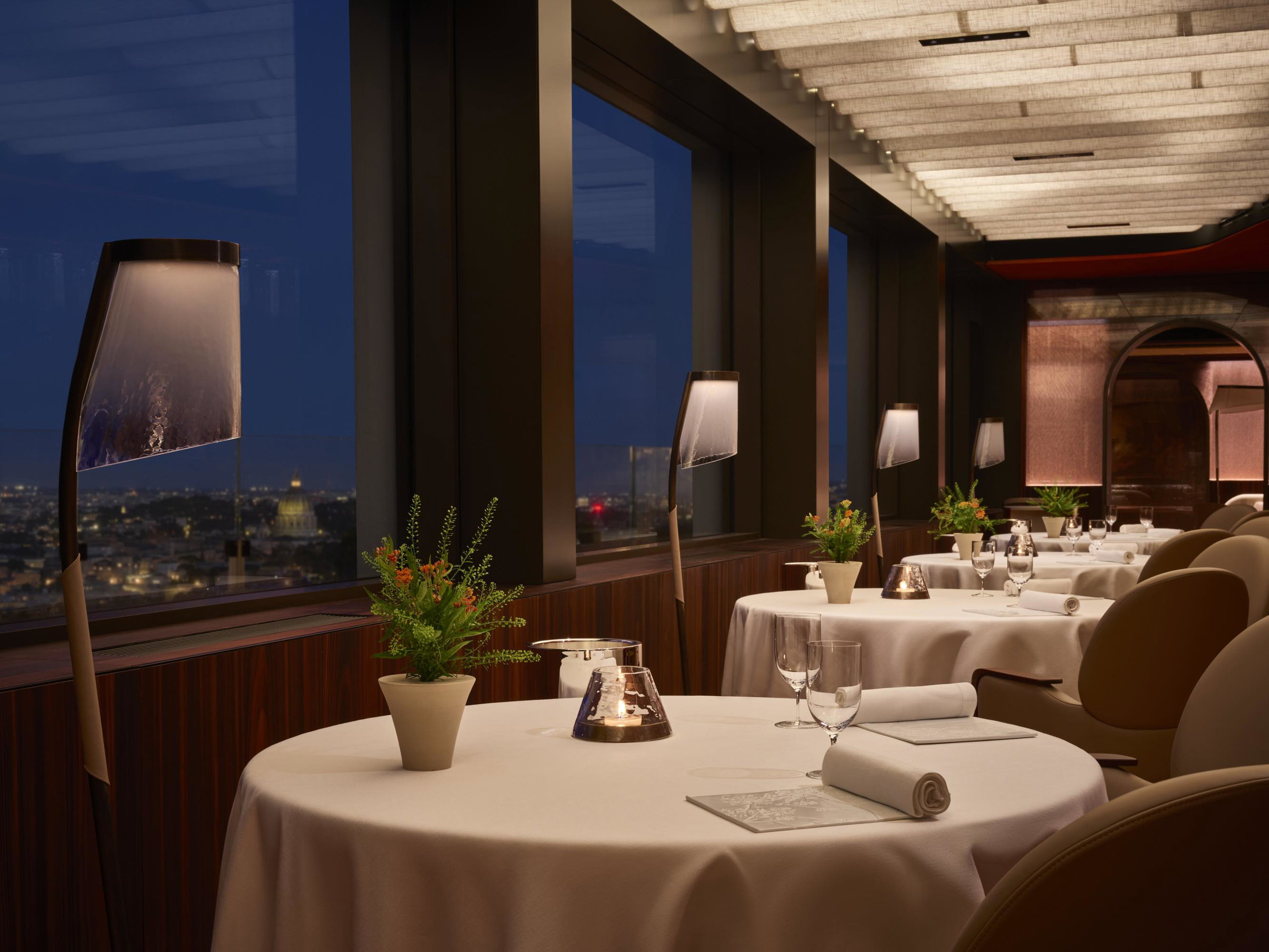
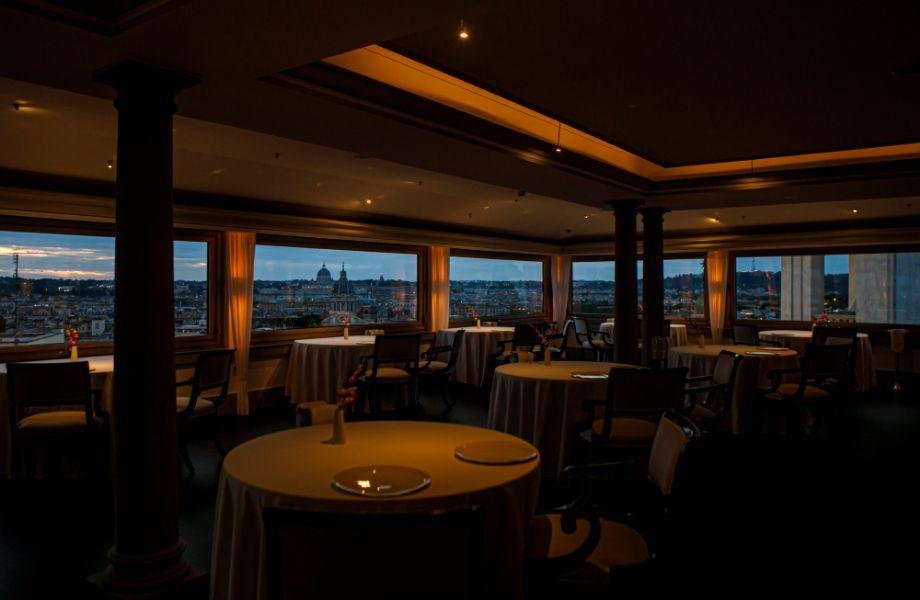
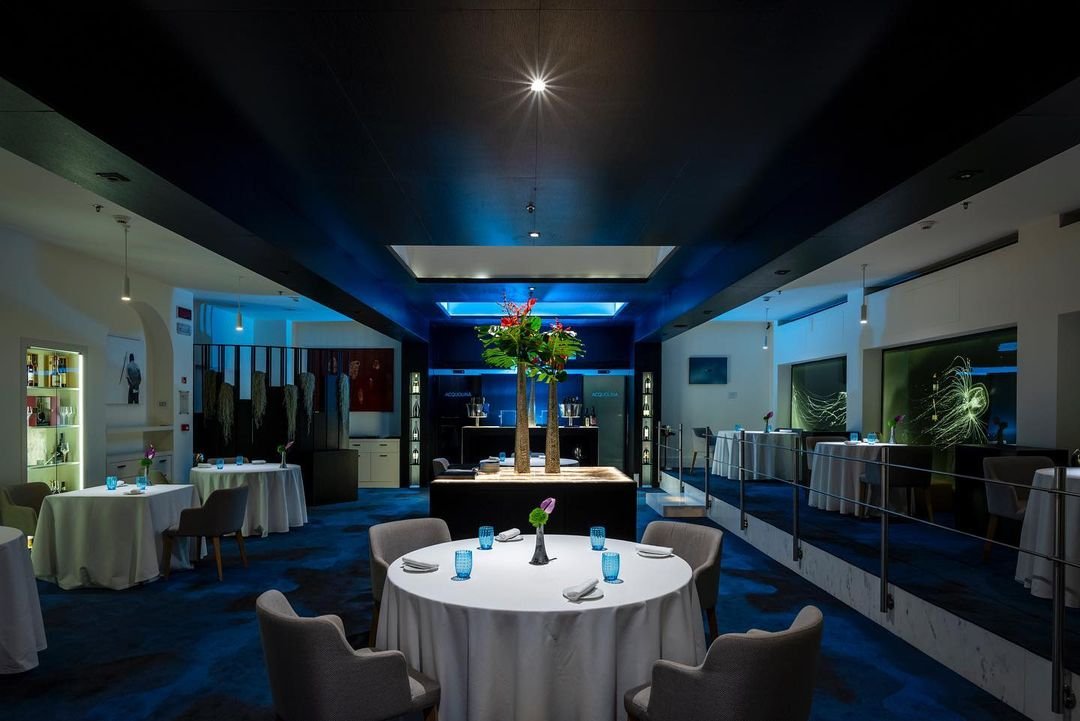
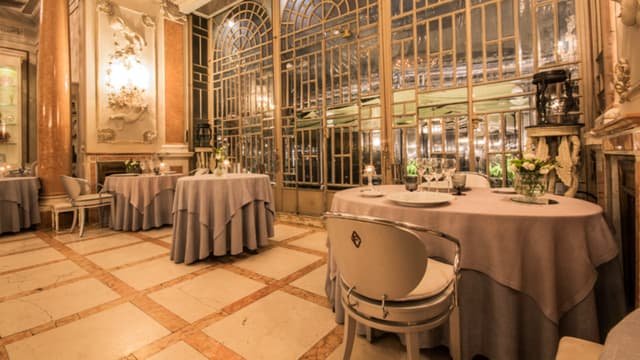
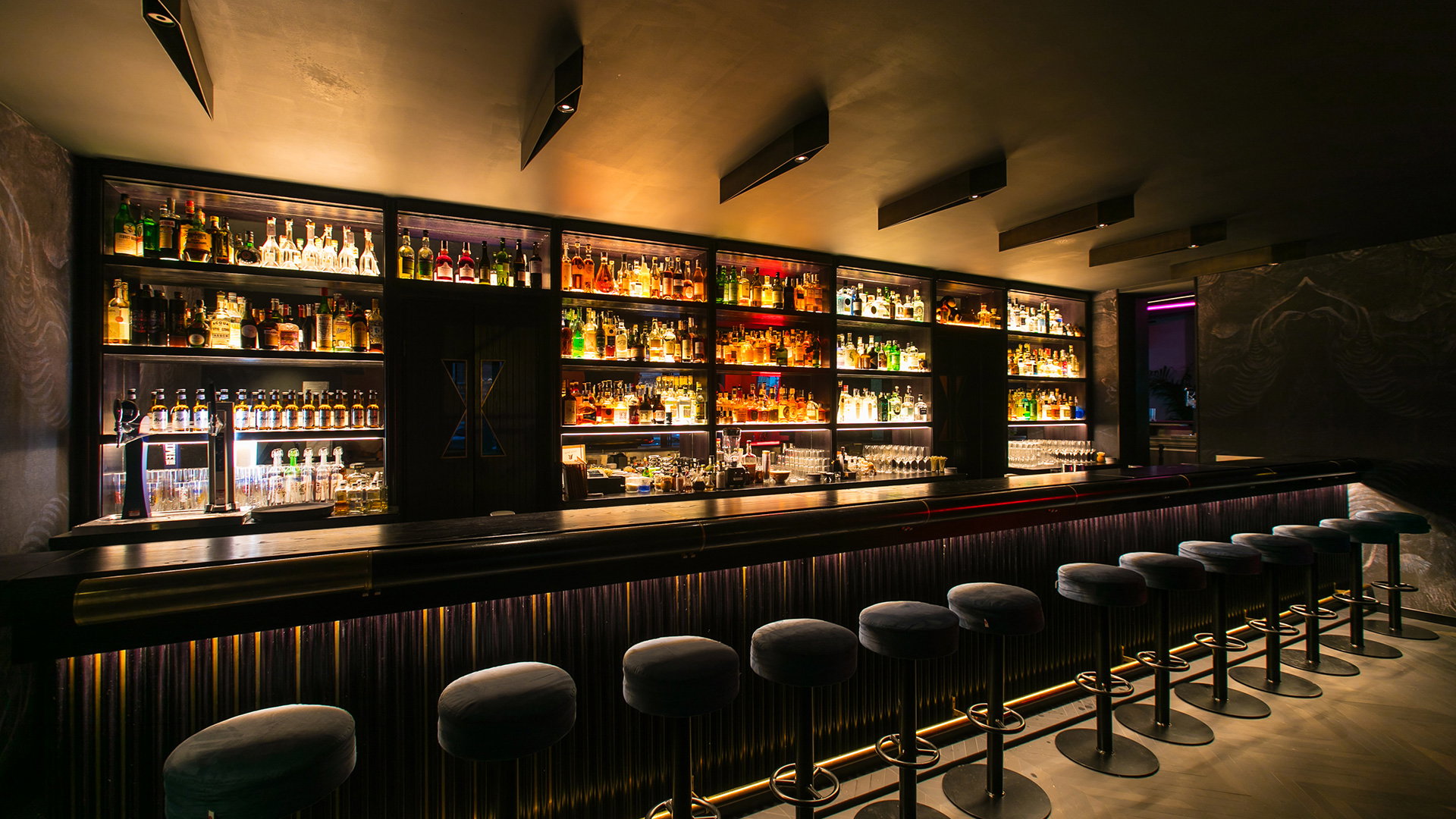
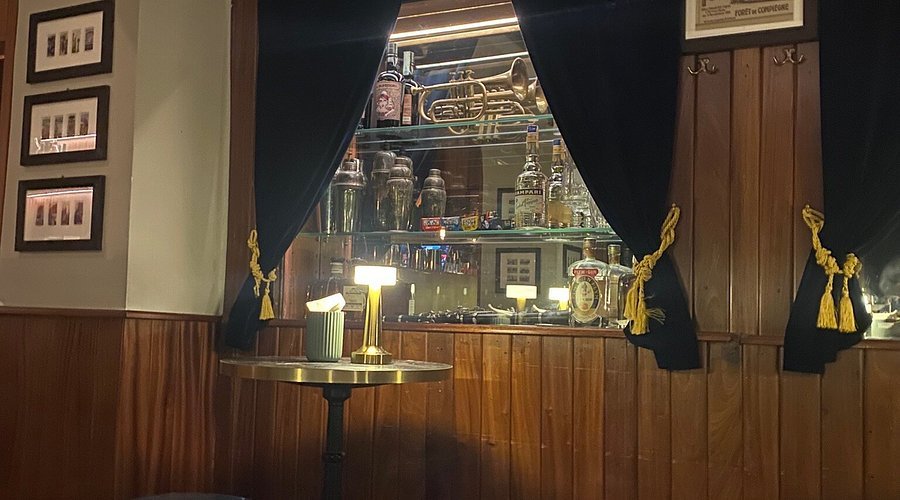
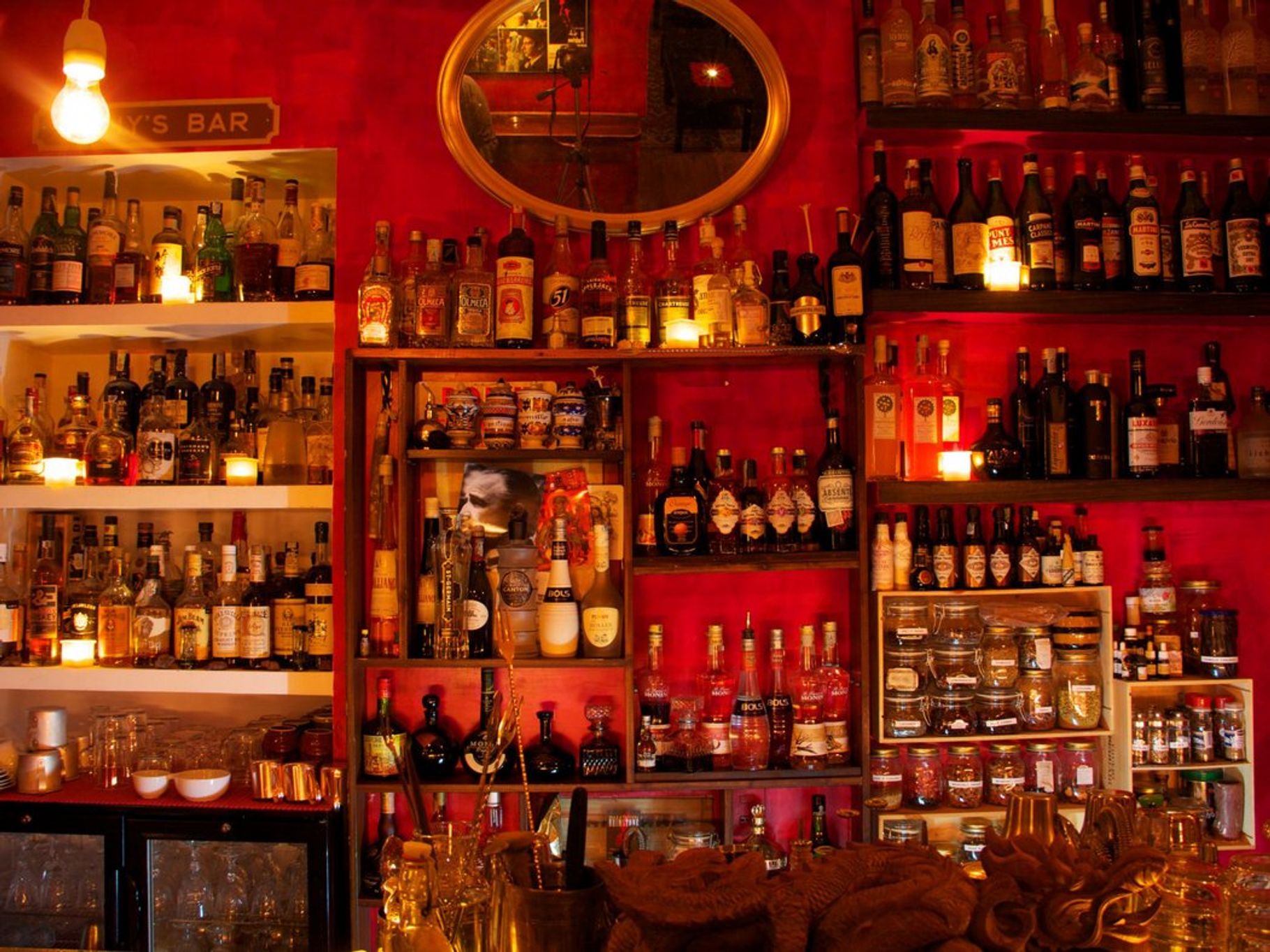
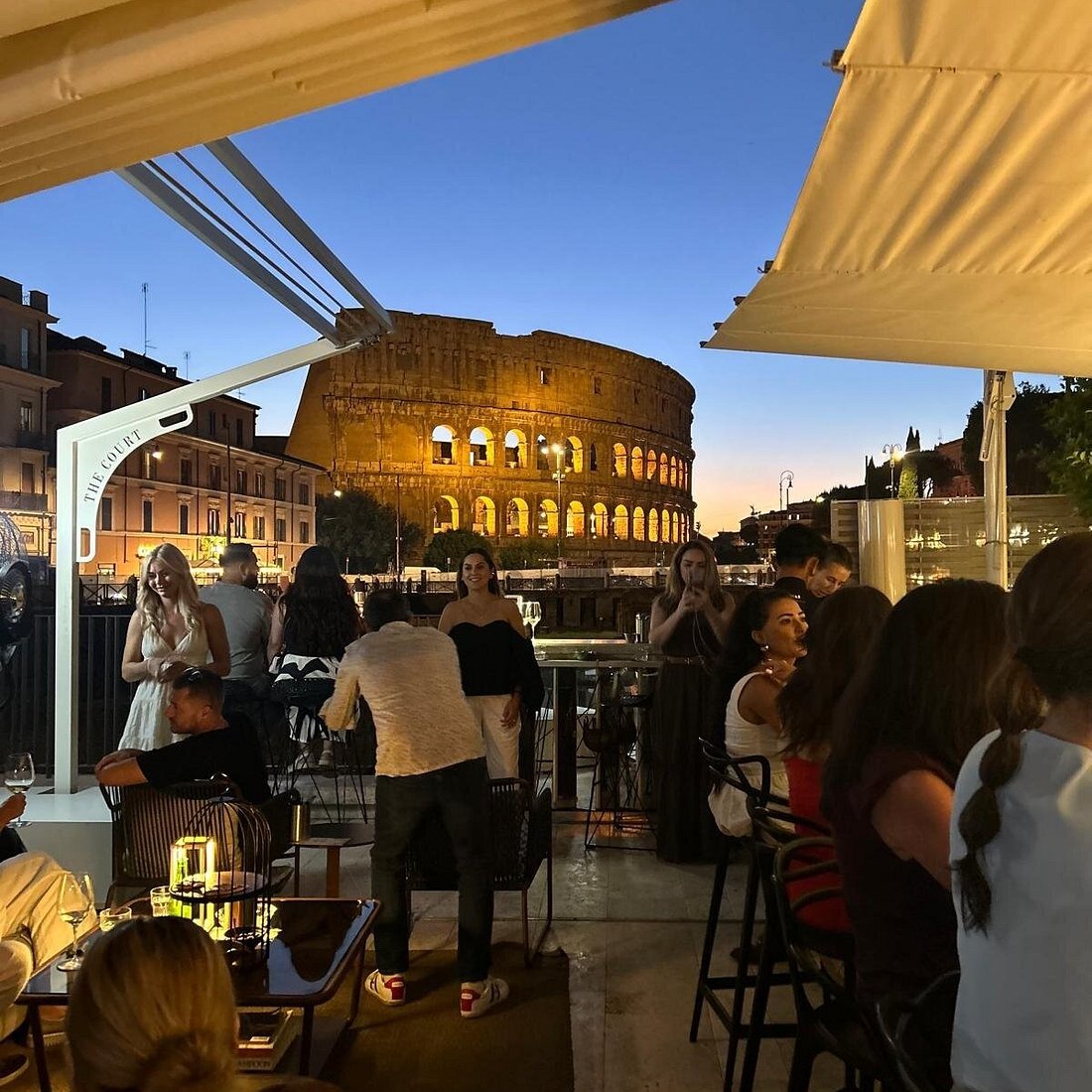
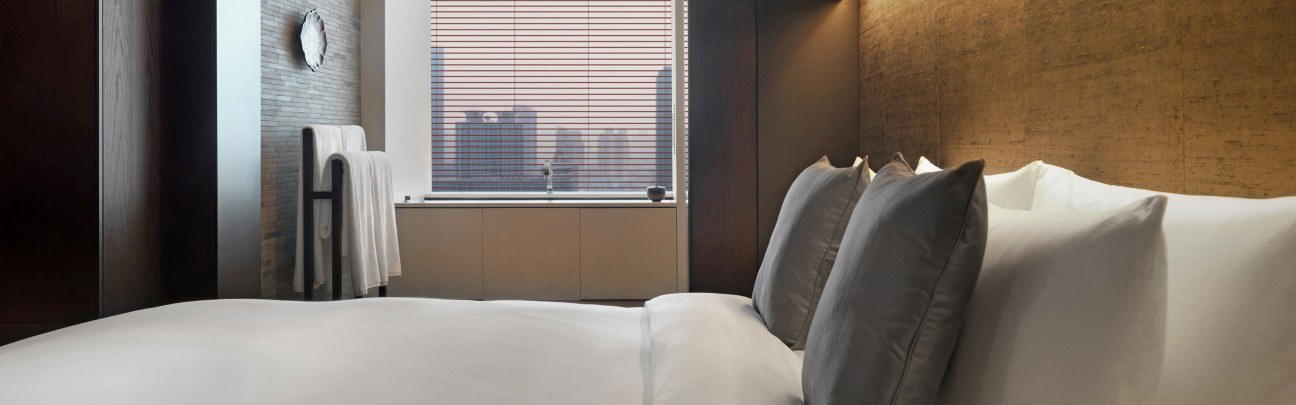
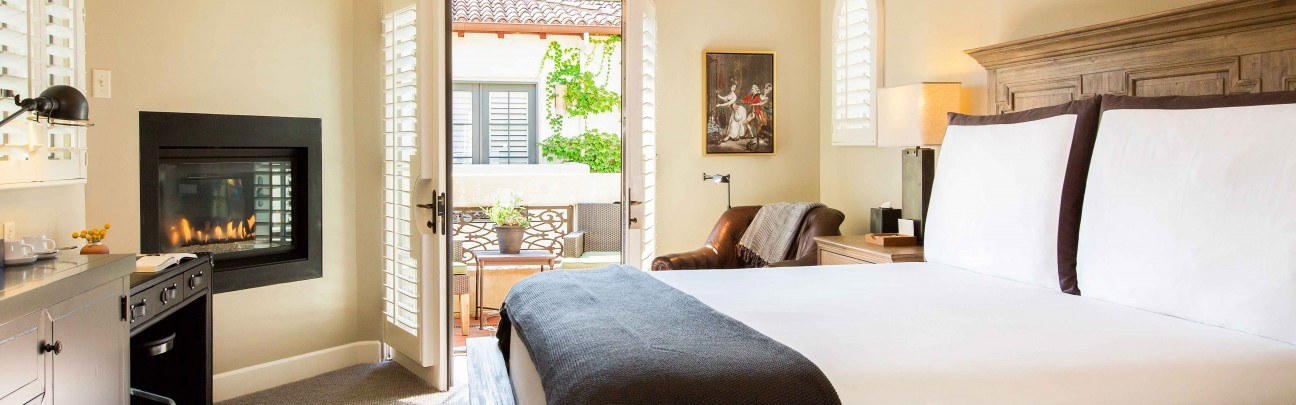
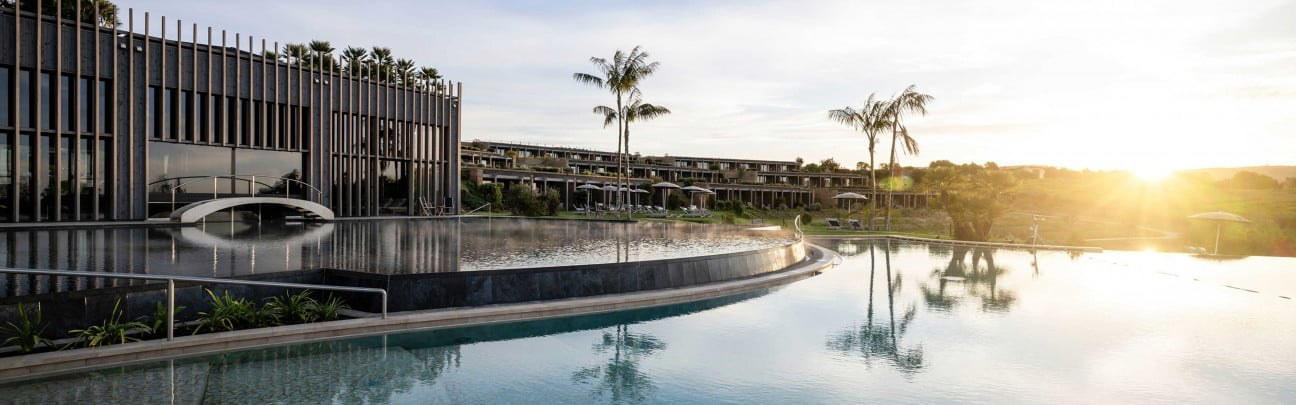
Contemporary and sophisticated with bright, airy spaces featuring floor-to-ceiling windows, warm brass and marble accents, and a lively rooftop atmosphere with panoramic city views.
Tags
Vibe
Best For
Experience
Amenities
View
Accessibility
About the Stay
- Rooms
- 24
- Check-in
- 15:00
- Check-out
- 12:00
- Property Type
- Boutique hotel
- Property Style
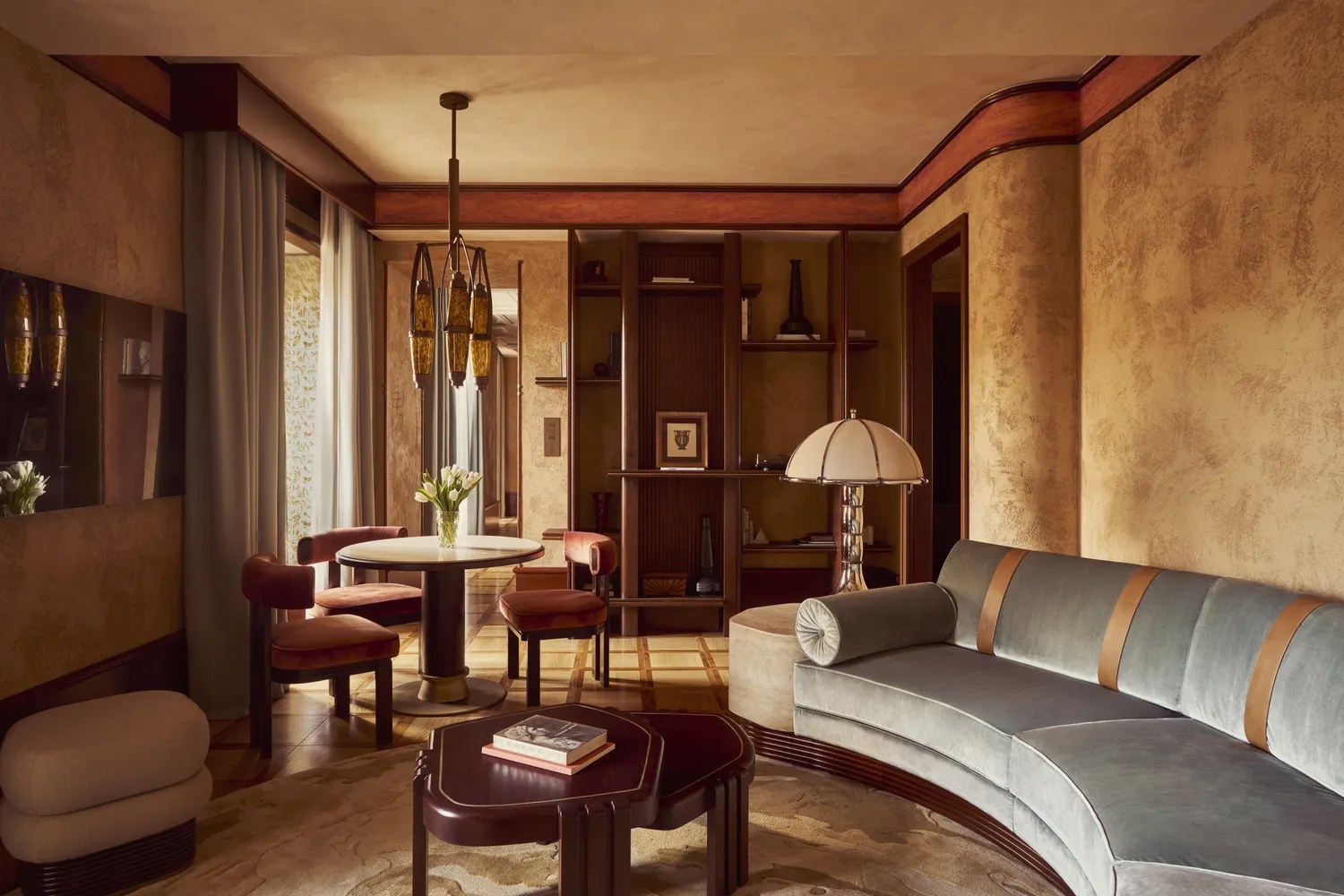
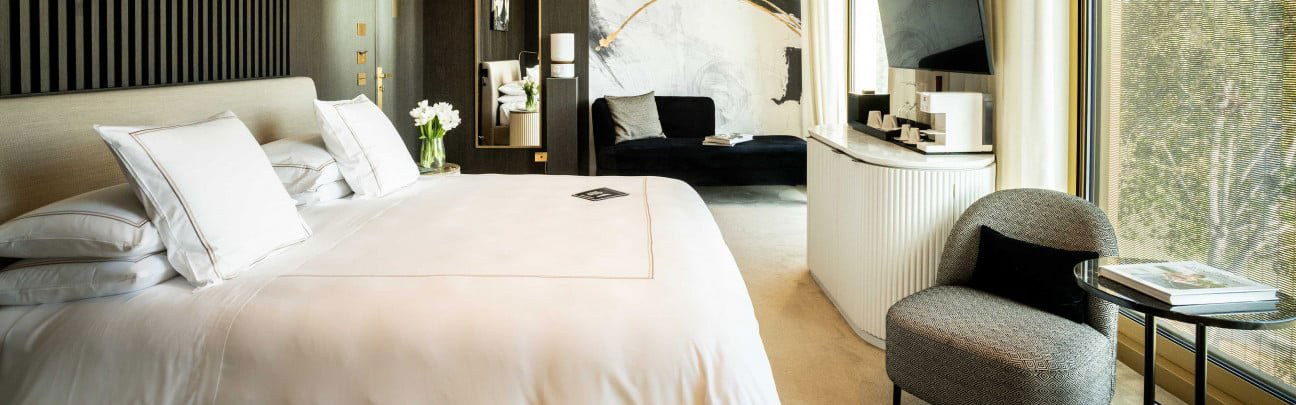
- Contemporary Luxury Boutique Hotel with Bold Design Elements and Artistic Flair, Positioned as a Sophisticated Urban Retreat.
- Design Style
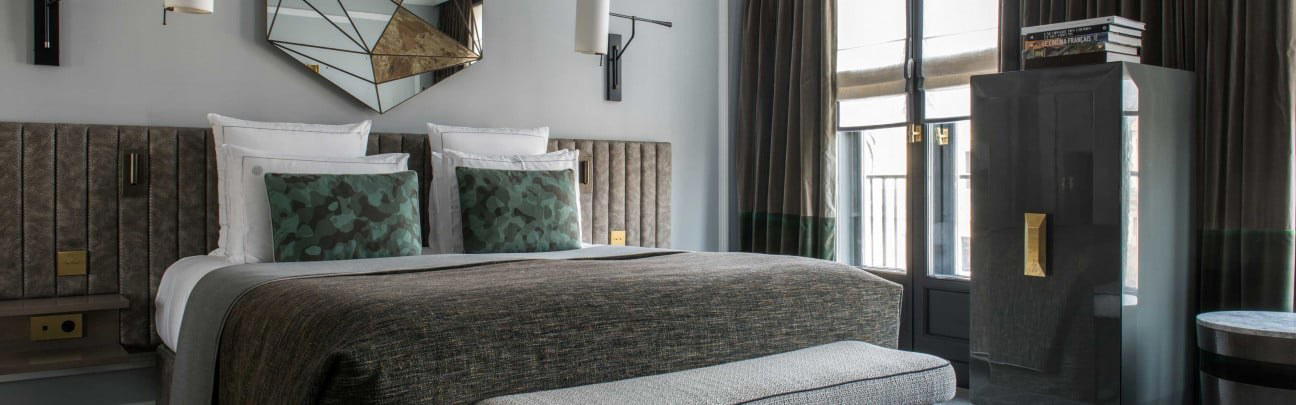
- Modern Minimalist with Warm Accents: Luxurious Woods, Loro Piana Fabrics, Calacatta Marble, Brass Details, and Gilt Splattered Wall Paintings Creating an Inviting Yet Refined Aesthetic.
- Airport Transfer
- Available
- Pool
- Yes
- Spa
- Yes
- Families
- Welcome
- Cancellation
- Moderate
Know before you go
Know Before You Go
- Getting there
- Lungotevere dei Mellini, 26E - 27, 00193 Roma RM
Planning details
Location
Lungotevere dei Mellini, 26E - 27, 00193 Roma RM · Directions
Recognition and awards
Also consider
Where to Look If This Is Full
If rooms are not available, try The First Arte, Rome first because it is the closest match in positioning. If the trip can absorb a higher-luxury move, Bulgari Hotel Roma is the stronger statement option.
Hotel context
How It Compares
Bulgari Hotel Roma is the stronger choice if the hotel itself is the splurge and the trip needs a high-gloss luxury statement. The First Musica is the more practical call if the room is a base for moving around Rome and the value question is about recognized quality rather than maximal ceremony.
The First Arte, Rome is the closest cross-shop because it sits in the same family conversation; choose between them based on which setting fits the trip better. Palazzo Ripetta leans more classic in feel, while The First Musica reads as the cleaner pick for travelers who want a contemporary stay near the river.
Boutique Hotel Anahì is the value-minded alternative to check when budget matters more than luxury recognition. ROMEO Roma is the better cross-shop for guests who want a more design-forward hotel decision and are willing to compare atmosphere before committing.
Around this place
Discover more on Pearl
Unlock the full The First Musica guide in Pearl, including awards, comparisons, FAQs, planning details, and nearby places.
Compare The First Musica
| Venue | Location | Awards |
|---|---|---|
| The First Musica | Rome | 2026 Mr & Mrs Smith Luxury Hotels2025 Michelin Selected HotelsPreferred Hotels L.V.X. Collection 2025 |
| Bulgari Hotel Roma | Rome | 2026 World’s 50 Best Hotels 1-50 · #32100 Most Incredible Hotels in the World · 20262026 Virtuoso Luxury Hotel Collection2026 Forbes 4-Star2026 Michelin 3 Keys2025 World’s 50 Best Hotels · #222025 Michelin 3 Keys2024 Michelin 1 Key |
| The First Arte, Rome | Rome | 2026 Virtuoso Luxury Hotel Collection2026 Michelin 1 Key2025 Michelin 1 KeyPreferred Hotels L.V.X. Collection 2025 |
| Palazzo Ripetta | Rome | No published awards |
| Boutique Hotel Anahì | Rome | No published awards |
| ROMEO Roma | Rome | 2025 Esquire Best New Hotels2025 Michelin Selected HotelsSmall Luxury Hotels Member 2025 |










How The First Musica Rome compares with similar nearby venues.
FAQ
Frequently Asked Questions
When is the best time to book The First Musica?
The supplied data does not verify a specific booking window. If The First Musica fits your Rome plans, check availability directly and compare it with other Rome hotels that match your dates and budget.
Is The First Musica good for business travel?
The supplied data does not verify business-specific facilities or services. It does confirm Rome as the location and recognition from Preferred Hotels L.V.X. Collection, Mr & Mrs Smith, and the MICHELIN Guide hotel selection, so business travelers should confirm any meeting, workspace, or transport needs before booking. ROMEO Roma is another Rome hotel to compare if you want a different option.
How does The First Musica compare to other Rome hotels?
It makes the most sense as a Rome hotel with third-party recognition rather than as a choice based on amenities or dining claims. Cross-shop Bulgari Hotel Roma for another hotel comparison, and The First Arte, Rome if you want another Rome hotel to consider.
How is the dining at The First Musica?
The supplied data does not list a cuisine type, chef, dining format, or price range, so it is safer to judge the hotel on recognition and overall fit rather than a specific food offer.