

Singer Palace Hotel
Colonna, Rome
Hotel in Rome, Italy
 Book with Pearl
The Read
Art Deco Rooftop Hospitality
Why go
Book Singer Palace Hotel if the goal is a polished central Rome stay for a celebration, business trip, or high-convenience city break. It is a stronger fit for location and occasion value than for a resort-style wellness program, so compare Six Senses Rome if spa depth is the priority.
About Singer Palace Hotel
For Singer Palace Hotel in Rome, the luxury signals are clear: it holds a Michelin 1 Key for 2024 and is listed as a Virtuoso Luxury Hotel Partner for 2026.
Singer Palace Hotel is worth considering if those recognitions matter to your hotel shortlist. Beyond the accolades and a smart-casual dress code, specific details about amenities, room types, dining, or service format should be checked directly with the hotel before booking.
A Rome stay with confirmed luxury recognition
The decision comes down to how much weight you place on recognition. Singer Palace Hotel has a Michelin 1 Key, which is the strongest quality signal available here, and its Virtuoso Luxury Hotel Partner status adds another luxury-travel marker.
For a special trip, use the hotel as one part of a wider Rome plan rather than relying on assumptions about on-property amenities. Use Our full Rome restaurants guide and Our full Rome bars guide if the hotel is the base rather than the whole itinerary. For broader trip planning, Our full Rome hotels guide, Our full Rome wineries guide, and Our full Rome experiences guide are more useful than choosing a hotel in isolation.
Who should book here instead of other Rome options
Book this if Singer Palace Hotel's recognition fits what you want from a Rome hotel stay. If you are still comparing, look at other Rome options such as Corso 281 Luxury Suites, Maalot Roma, Palazzo Roma, Six Senses Rome, and Umiltà 36, then confirm the current room, service, and amenity details directly with each property.
The practical advice: compare options before falling in love with a single property, and verify current policies, room categories, and services with Singer Palace Hotel before you commit.
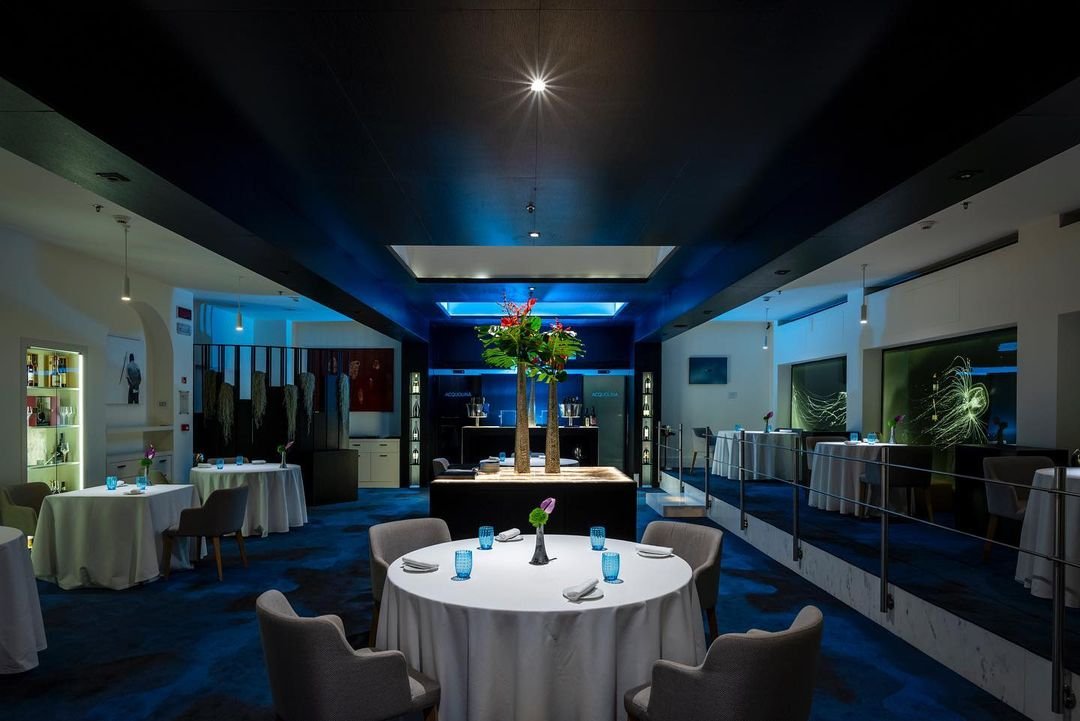
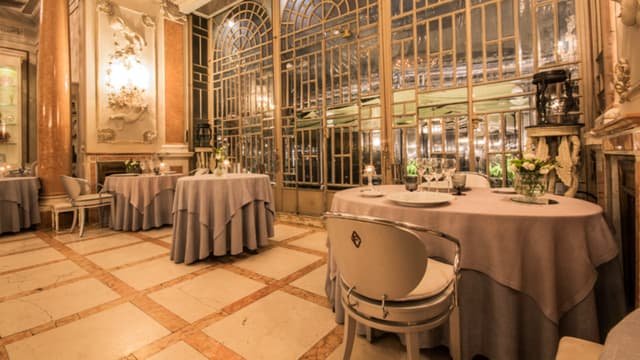
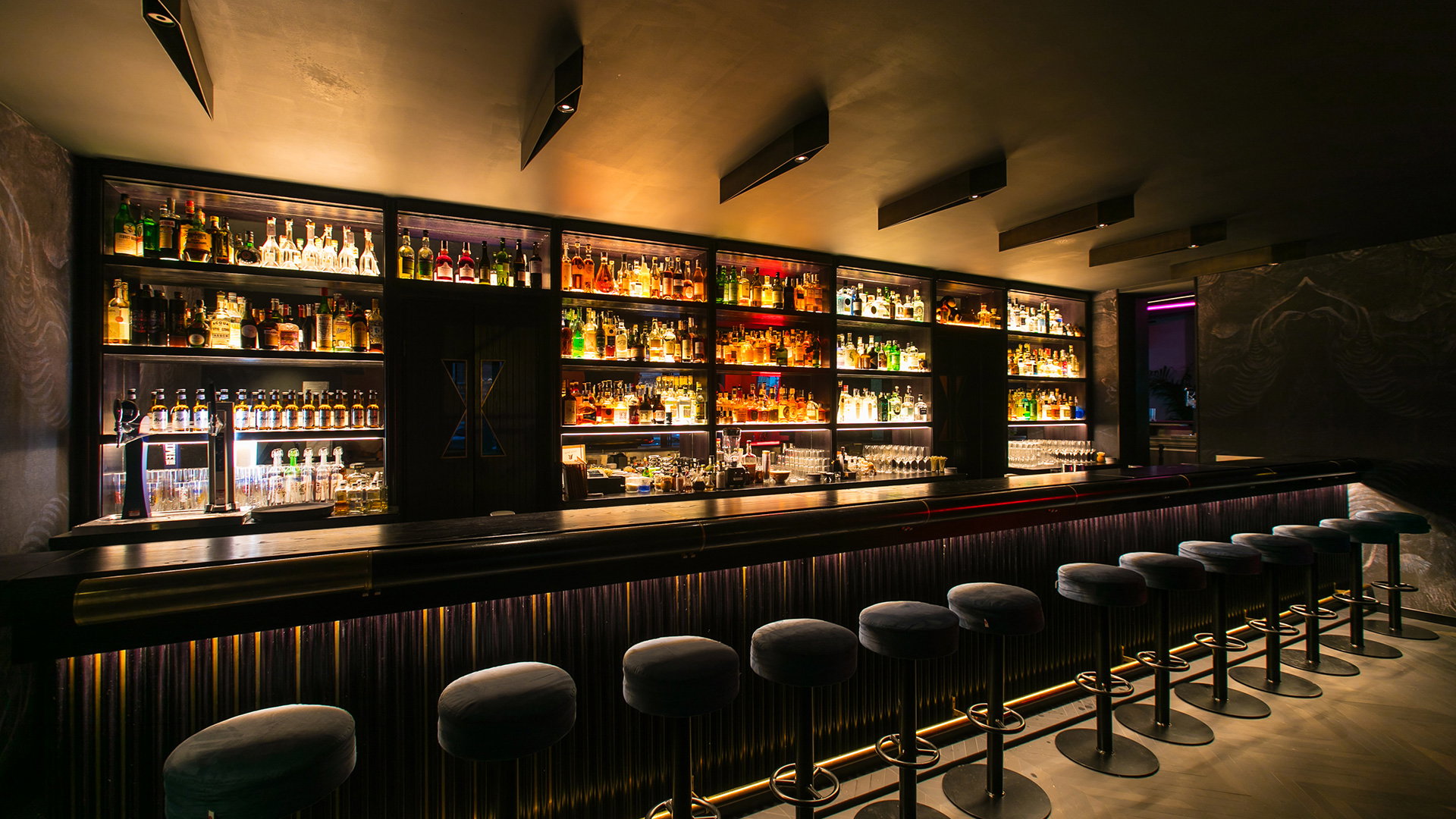
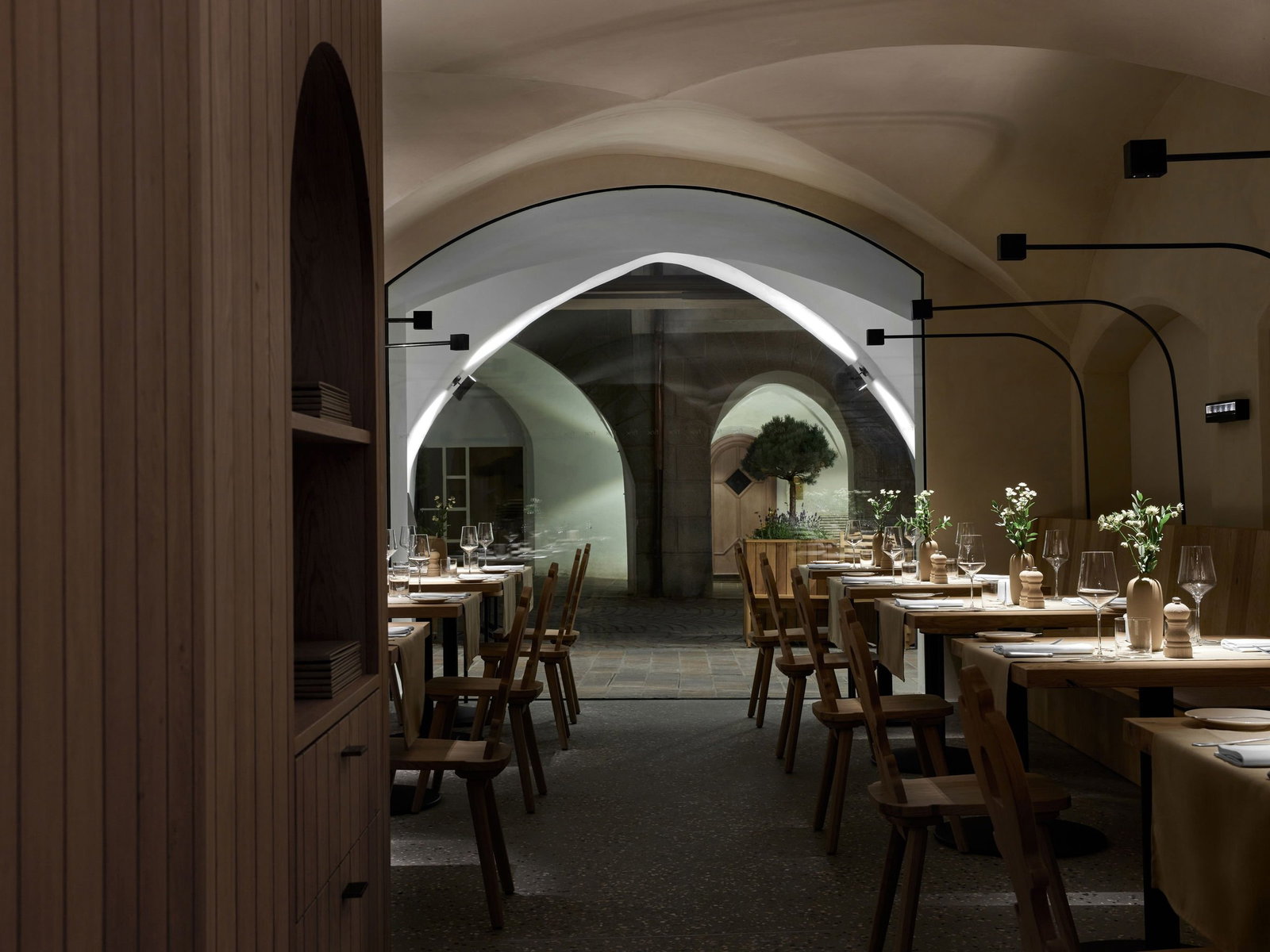
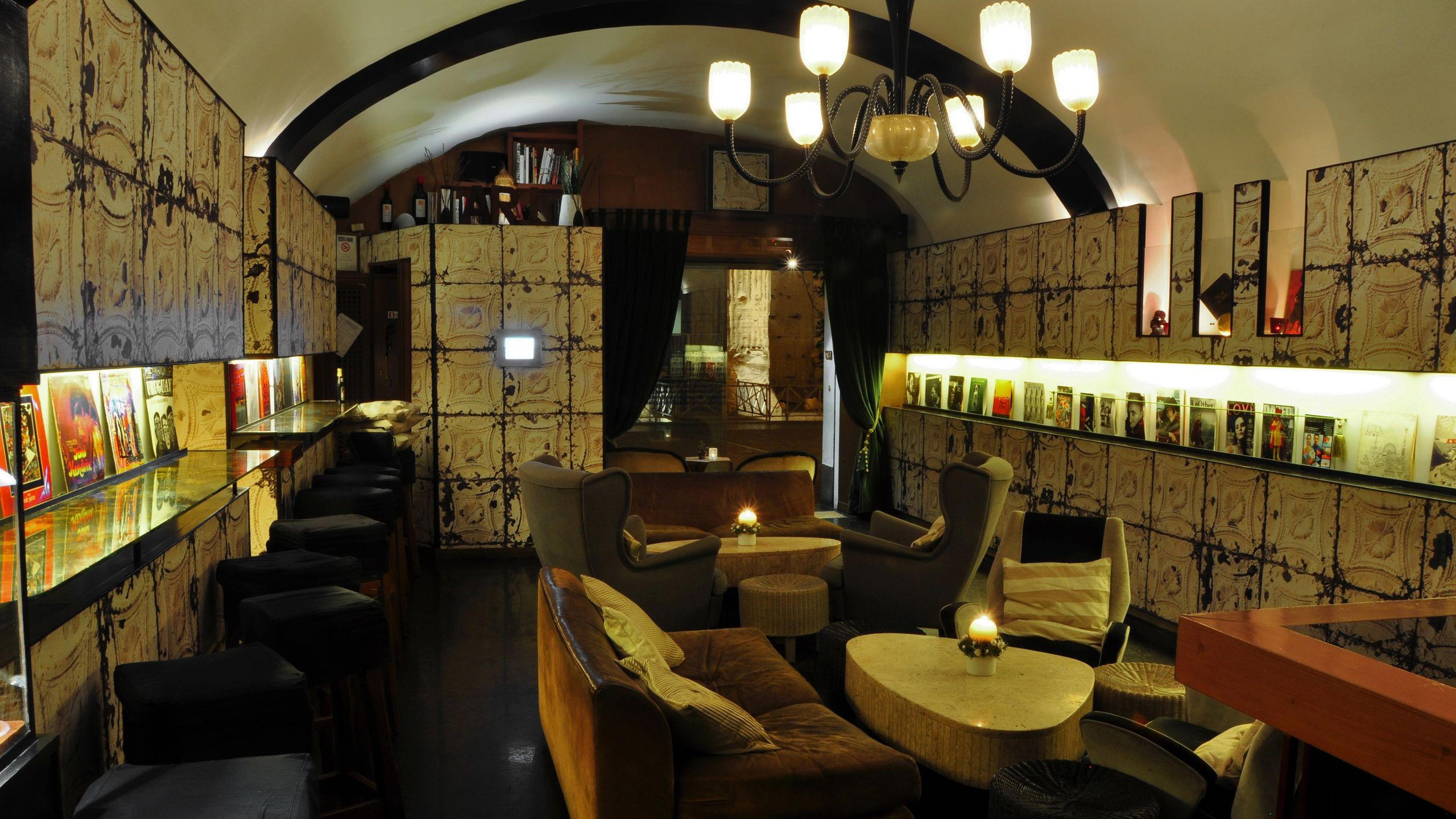
Inside Singer Palace Hotel
Planning details
- Location
- Via Alessandro Specchi, 10, 00186 Roma RM
- Website
- singerpalacehotel.com
- Phone
- +39 06 697 6161
The take
The Take
The Vibe
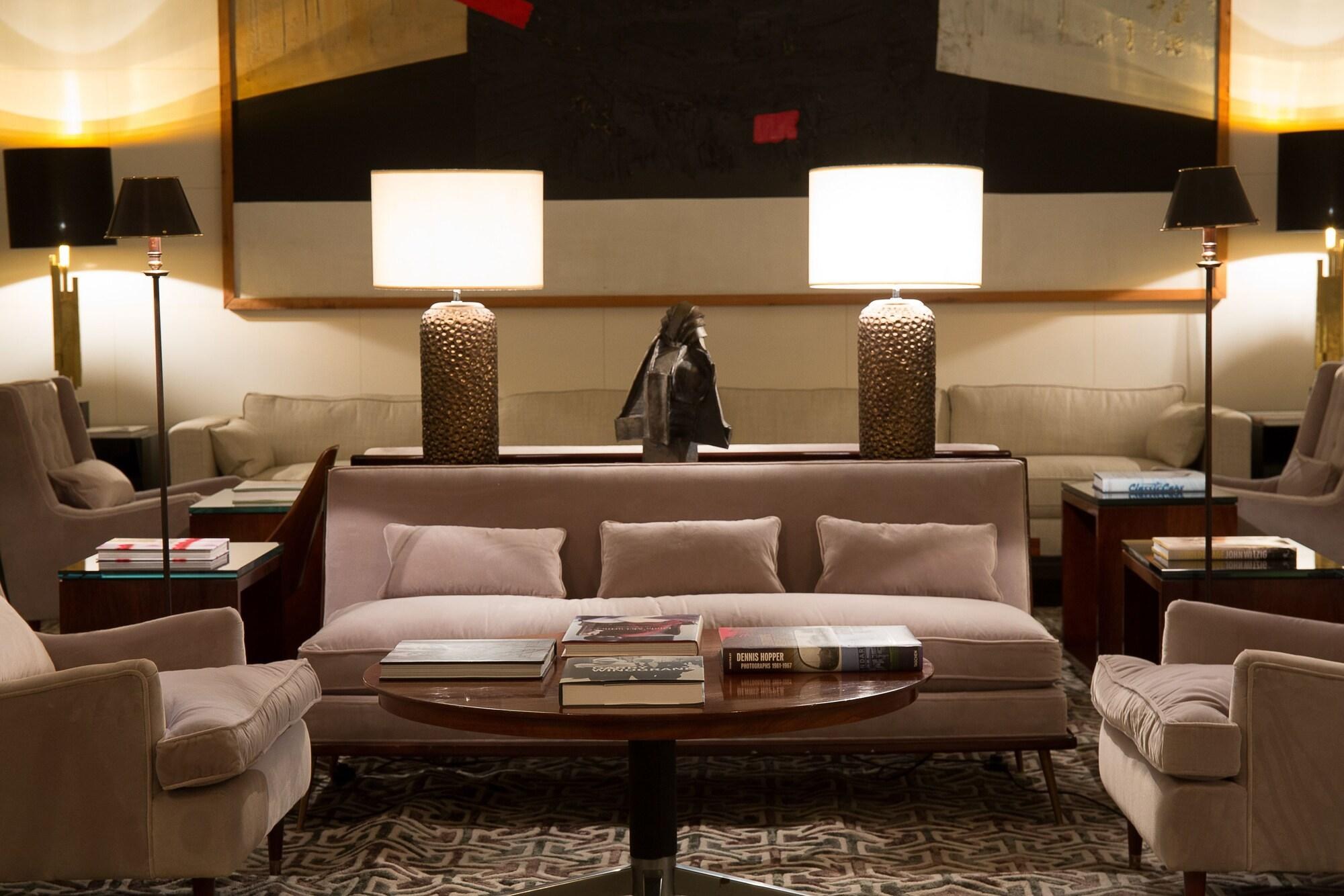
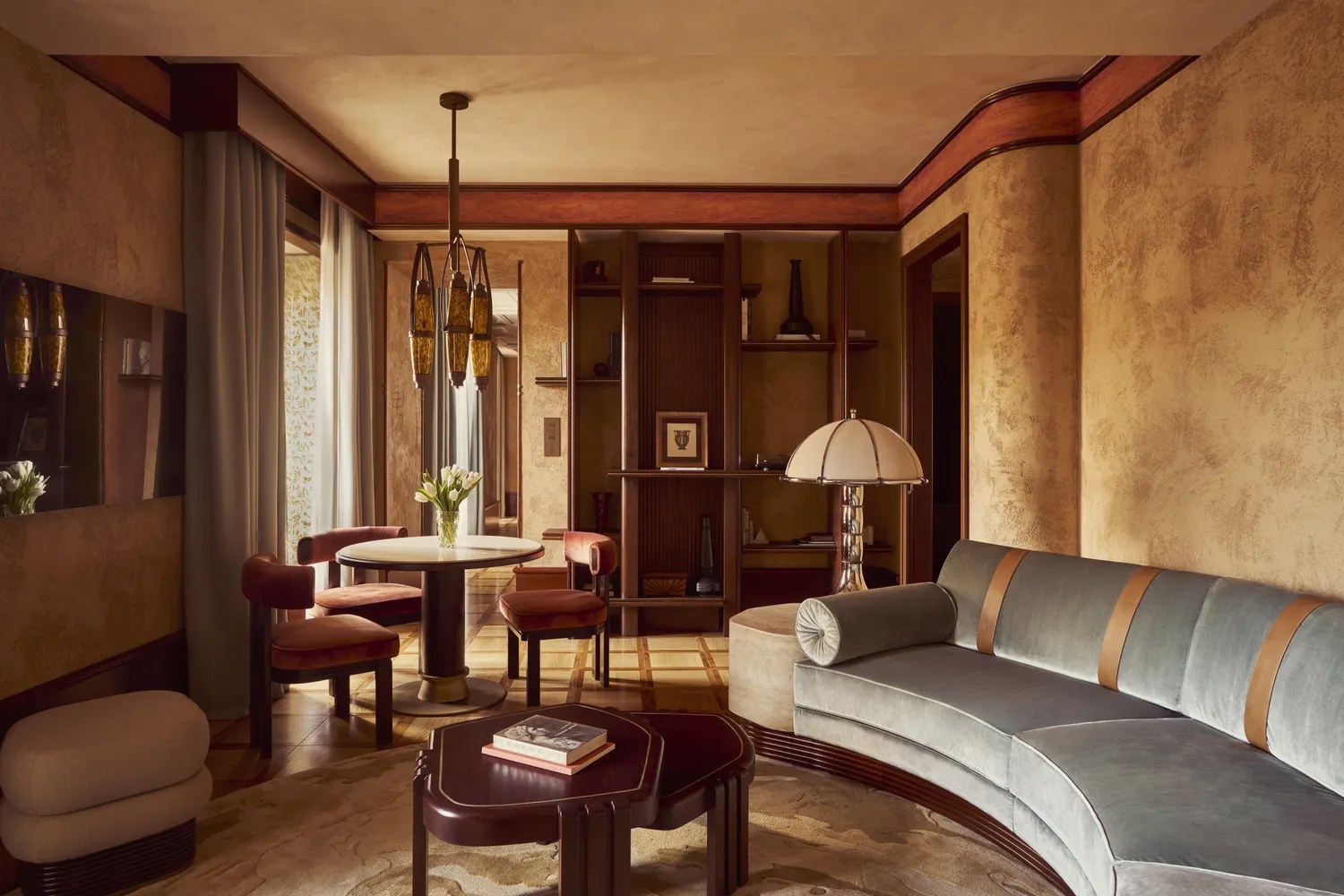
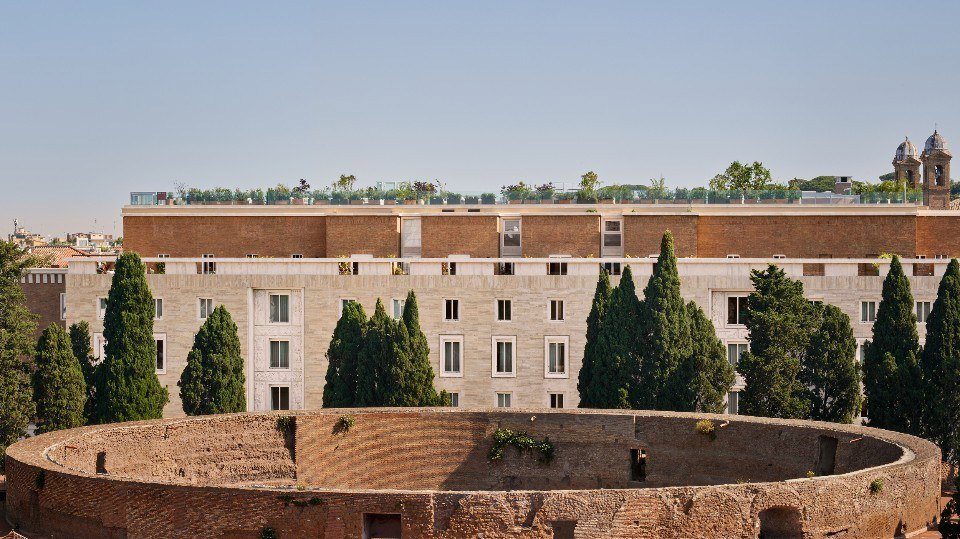
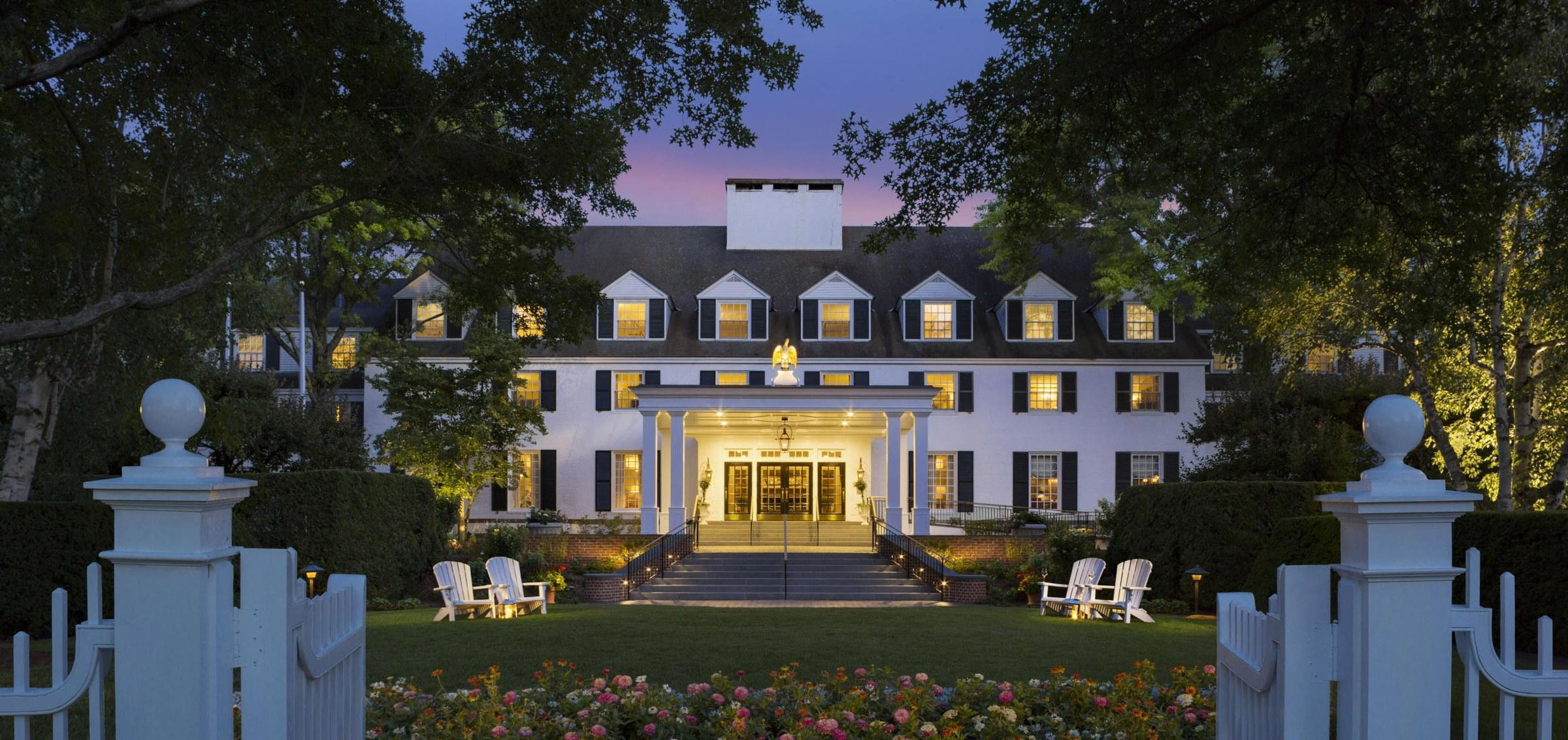
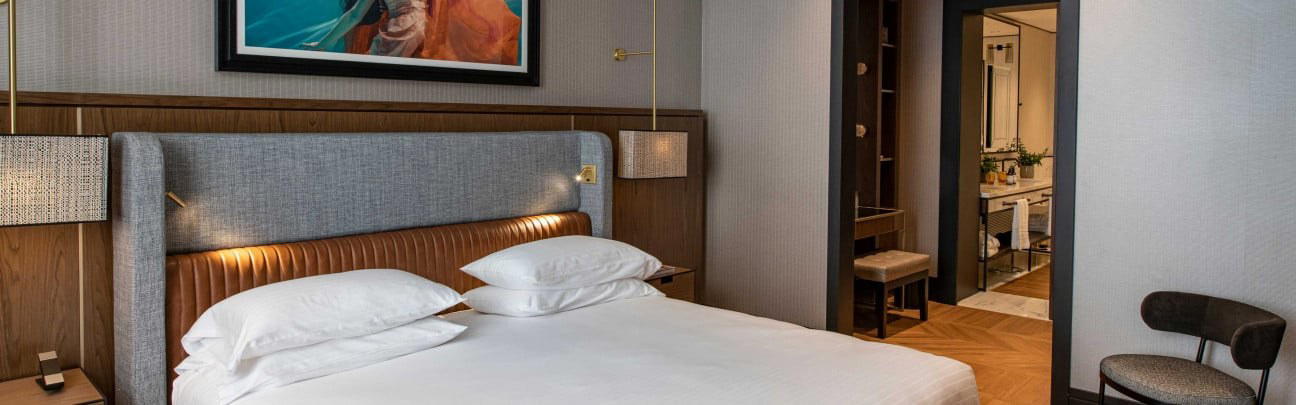
Singer Palace leans into its building as the primary character: an Art Deco palazzo with high ceilings, considered stonework and period proportions that read like a piece of urban history. The 2018 conversion layers contemporary furniture, parquet floors and marble bathrooms on top of those bones so that old and new coexist without one swallowing the other. With a compact room count and design-led interiors by local and Milanese collaborators, the hotel feels deliberately scaled and composed—historic in its fabric and refreshingly modern in its details—making the whole property feel like a refined, lived-in design statement.
Best For
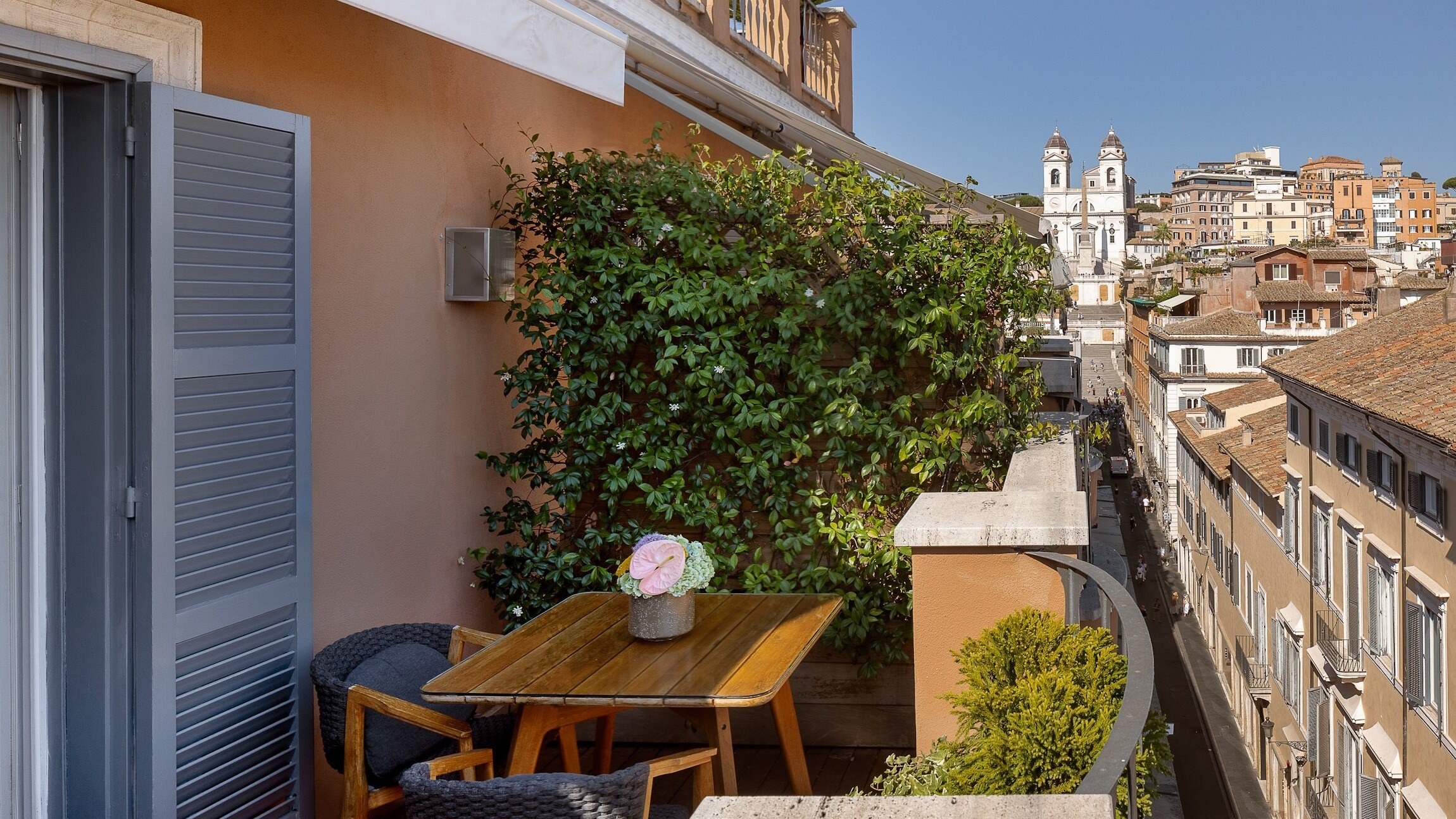
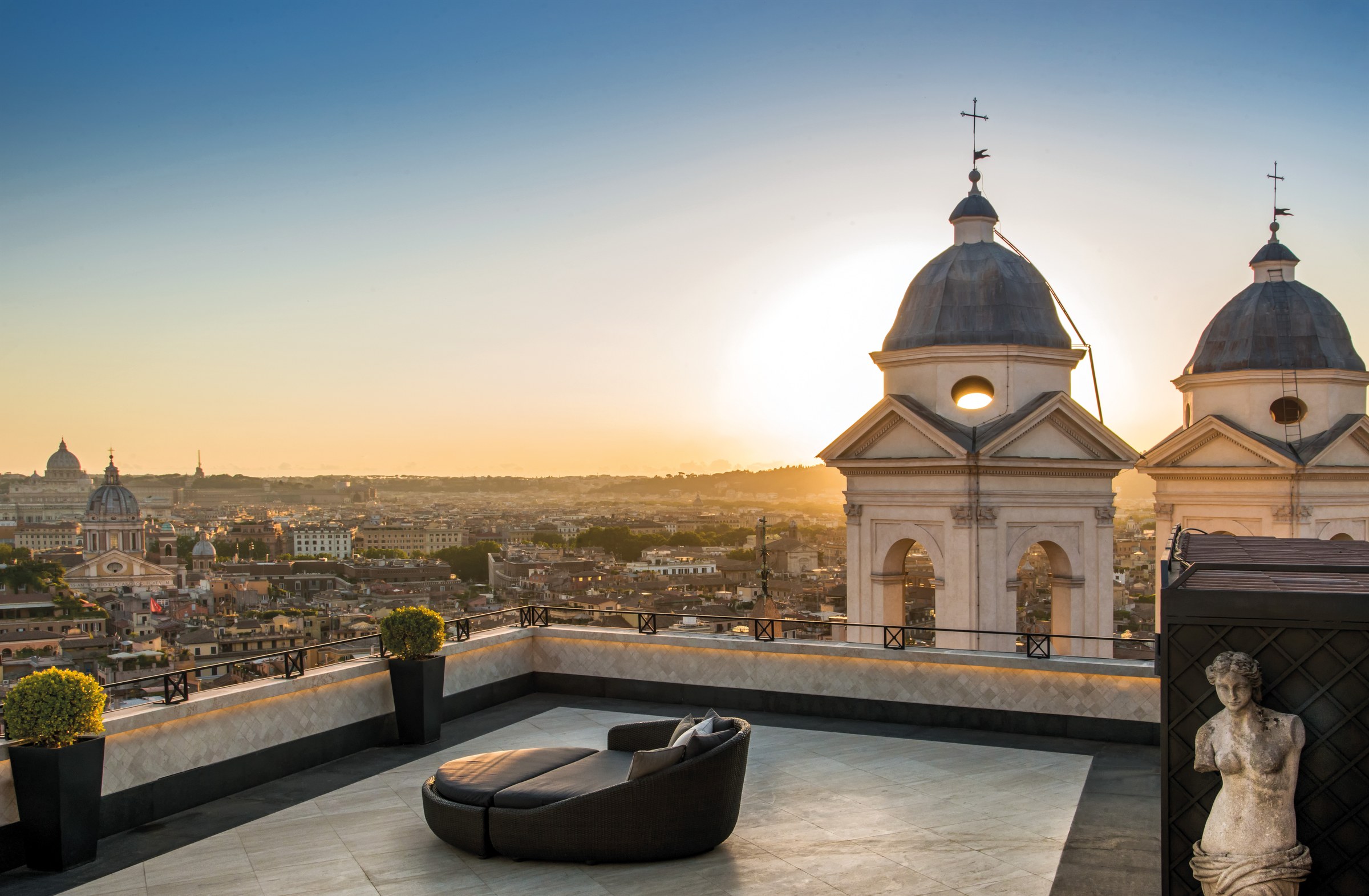
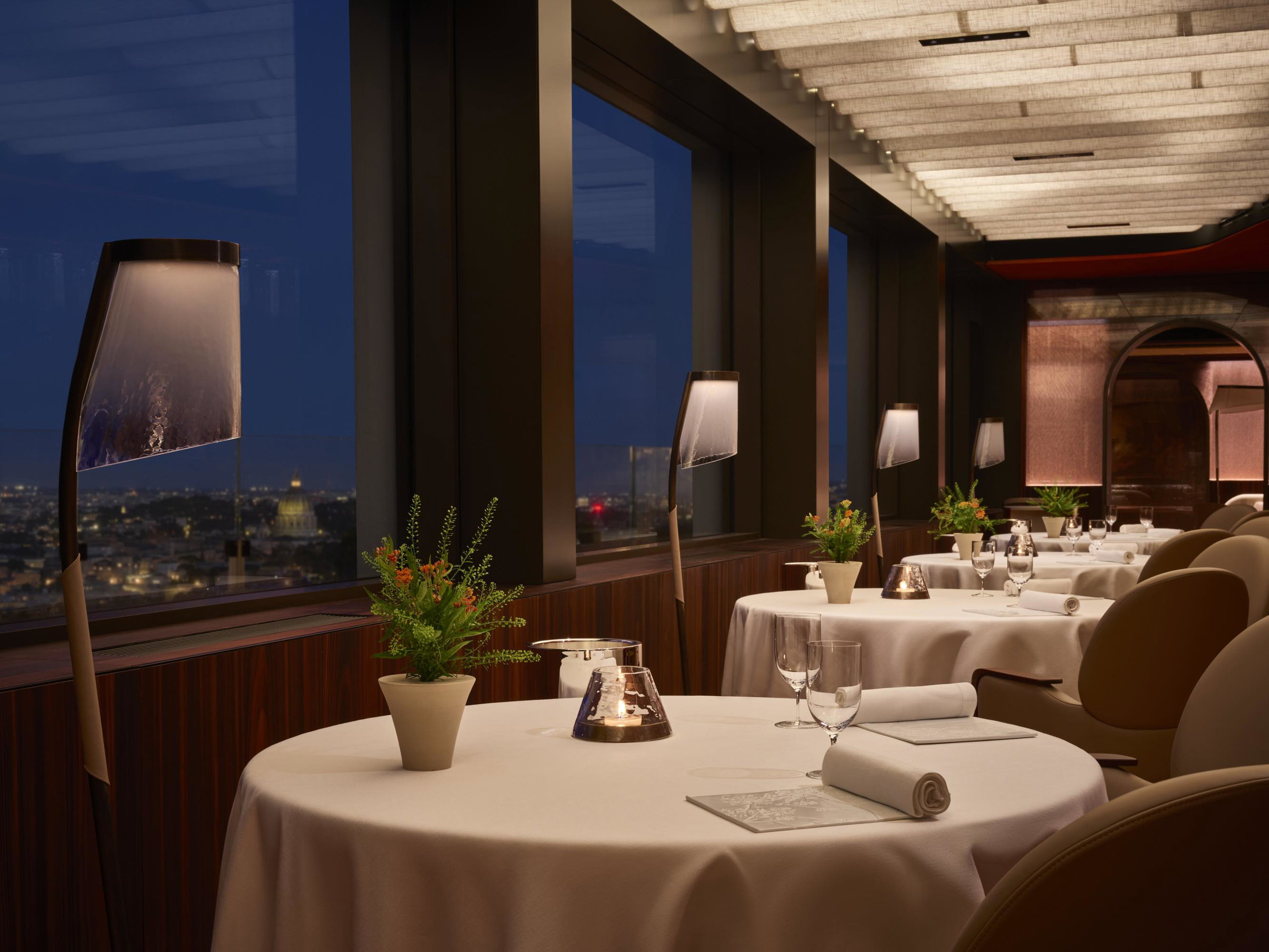
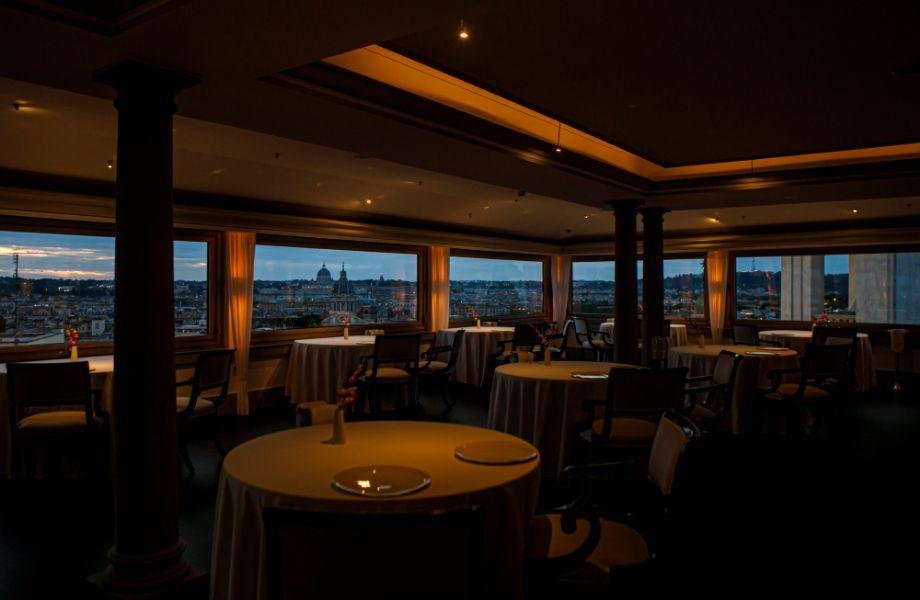
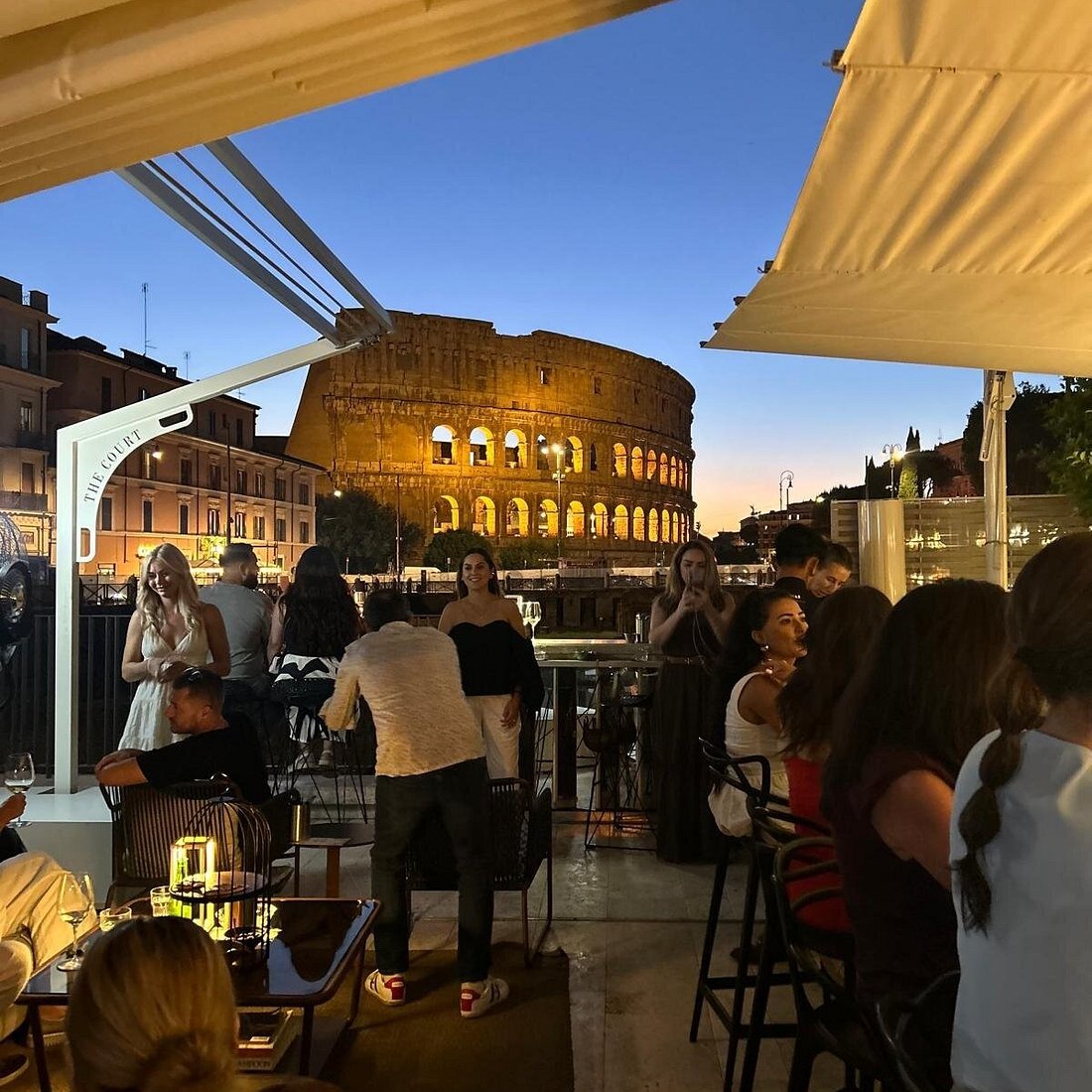
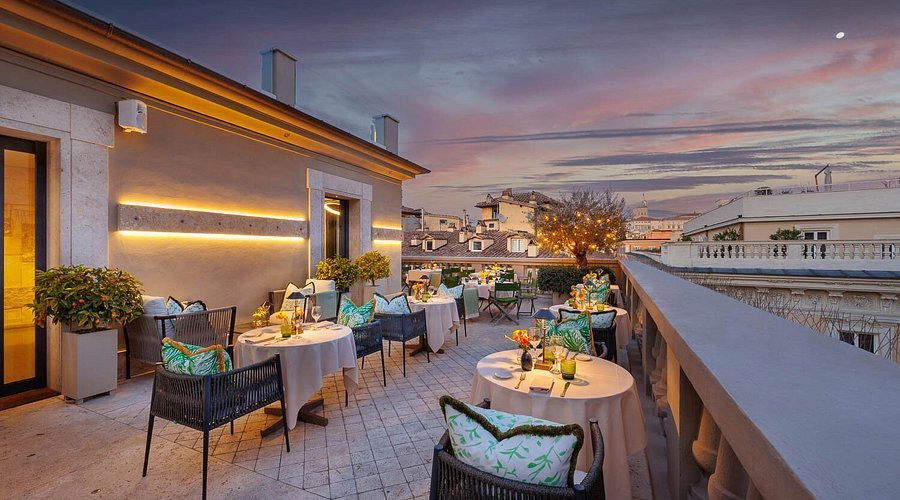
This is a boutique Rome stay built around its rooftop. With just 32 rooms and ten suites, Singer Palace suits travelers who prize architecture, design and views over anonymous scale. The rooftop restaurant and bar functions as the obvious draw — a reason to linger at breakfast, lunch or dinner — and the building’s central centro storico address puts guests within easy reach of the city’s major sights. The hotel naturally fits celebratory and romantic stays that make room for slow mornings, skyline-complemented meals and the intimacy of a small, carefully composed property.
Stay Tips
Plan to spend at least one meal on the rooftop terrace: the hotel explicitly serves breakfast, lunch and dinner there, and the vantage point over Rome’s domes and terracotta roofs is presented as a central selling point. The property’s limited key count and boutique scale mean mornings feel bright and quiet in the surrounding streets, while evenings on the terrace emphasize the city skyline. Given the hotel’s design focus, choose a room to appreciate the parquet and marble finishes and allow time to experience the rooftop as part of the stay.
Venue details
Ambiance
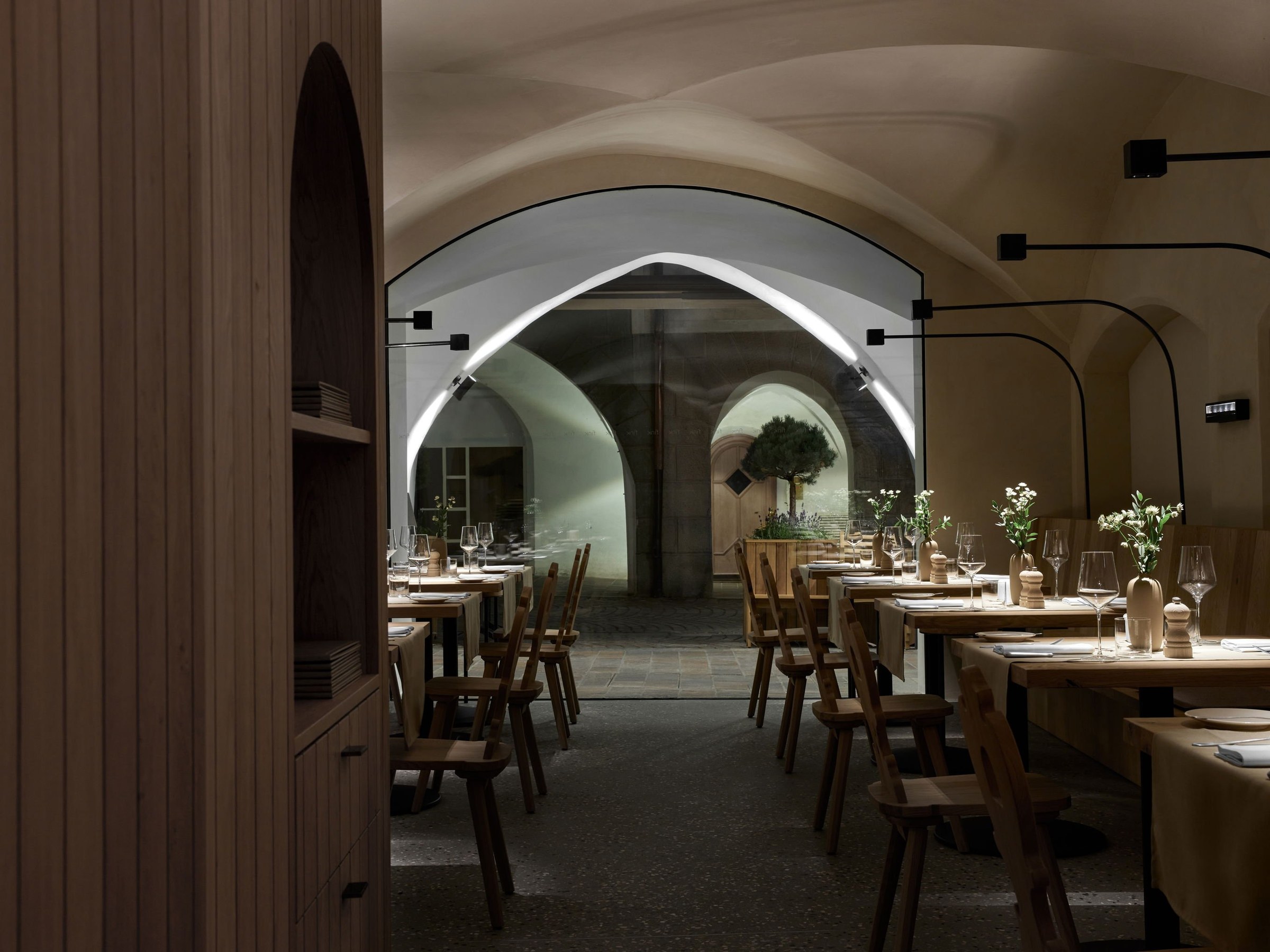
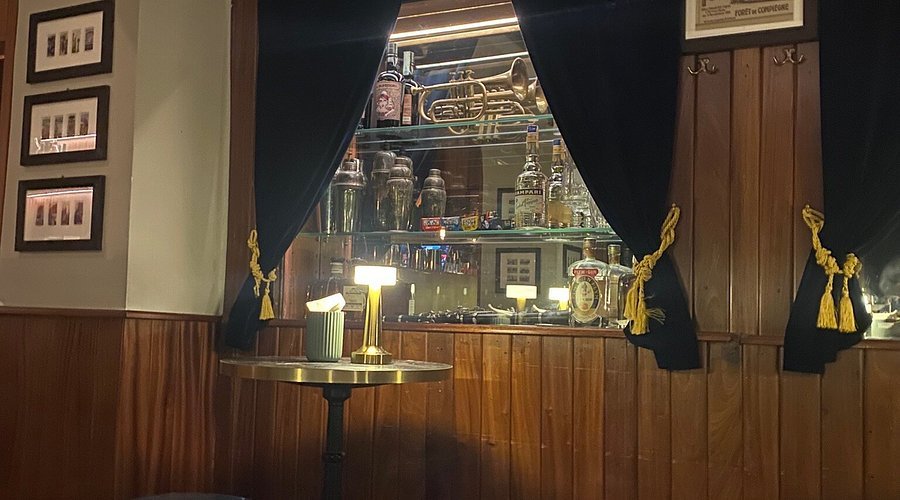
Intimate and elegant atmosphere with stylish Italian design, soft lighting, and a peaceful ambiance enhanced by soundproofed rooms and rooftop terraces.
Tags
Vibe
Best For
Experience
Amenities
View
Accessibility
About the Stay
- Rooms
- 30
- Check-in
- 14:00
- Check-out
- 12:00
- Property Style
- Boutique Luxury Hotel in a Historic Landmark Building Blending Art Deco Influences with Contemporary Italian Design.
- Design Style
- Contemporary Italian Design with Period Architecture, Modern Furniture, Parquet Floors, and Unique Interiors by Elisa Ferrari.
Know before you go
Know Before You Go
- Getting there
- Via Alessandro Specchi, 10, 00186 Roma RM
Planning details
Location
Recognition and awards

Also consider
If Singer Palace Hotel is unavailable, check Umiltà 36 for a similarly central Rome stay with a more contemporary feel. For a wellness-first trip, move directly to Six Senses Rome rather than compromising on amenities.
Hotel context
Singer Palace Hotel is the practical pick for travelers who want a refined central base without making wellness the whole point of the trip. Six Senses Rome is the better match for spa-led stays and a broader amenity package, while Singer Palace Hotel makes more sense when the room, location, and occasion feel matter more than spending long stretches inside the hotel.
Against Umiltà 36 and Maalot Roma, this is the calmer choice for a celebration or business stay. Those two are stronger if the brief is design energy and a more contemporary city mood. Palazzo Roma is the one to cross-shop if a more formal grand-hotel tone is the goal.
Corso 281 Luxury Suites is the better comparison for travelers who care about suite-style space and independence. For fixed-date trips, compare availability across all five early; central Rome luxury hotels become harder to secure during peak travel periods, and the right choice often comes down to which property has the room type that fits the trip.
Around this place
Discover more on Pearl
Unlock the full Singer Palace Hotel guide in Pearl, including awards, comparisons, FAQs, planning details, and nearby places.
Compare Singer Palace Hotel
| Venue | Location | Awards |
|---|---|---|
| Singer Palace Hotel | Rome | 2026 Virtuoso Luxury Hotel Collection2026 Michelin 1 KeyMichelin 1 Key 20252025 Michelin 1 Key2024 Michelin 1 Key |
| Six Senses Rome | Rome | 2026 Virtuoso Luxury Hotel Collection2026 Mr & Mrs Smith Luxury Hotels2026 Michelin 1 Key2025 Michelin 1 Key2024 Michelin 1 Key |
| Umiltà 36 | Rome | 2026 Mr & Mrs Smith Luxury Hotels2026 Michelin 1 Key2025 Michelin 1 KeyPreferred Hotels L.V.X. Collection 20252024 Michelin 1 Key |
| Palazzo Roma | Rome | 2026 Mr & Mrs Smith Luxury HotelsLeading Hotels of the World 20262026 Michelin 1 Key2025 Michelin 1 Key |
| Maalot Roma | Rome | 2026 Mr & Mrs Smith Luxury Hotels2026 Michelin 1 Key2025 Michelin 1 KeySmall Luxury Hotels Member 20252024 Michelin 1 Key |
| Corso 281 Luxury Suites | Rome | No published awards |




How Singer Palace Hotel Rome compares with similar nearby venues.
FAQ
Frequently Asked Questions
How does Singer Palace Hotel compare to other Rome hotels?
Choose Singer Palace Hotel if you want a Rome hotel with recognized quality: a Michelin 1 Key for 2024 and Virtuoso Luxury Hotel Partner status for 2026. If you are comparing alternatives, consider Corso 281 Luxury Suites, Maalot Roma, Palazzo Roma, Six Senses Rome, and Umiltà 36, then verify current services and room details directly with each property.
Is Singer Palace Hotel good for business travel?
It may suit a business trip if you want a recognized hotel in Rome, and its smart-casual dress code adds to the polished setting. Specific business facilities and services should be confirmed directly with the hotel.
Is Singer Palace Hotel family-friendly?
Family-specific services should be confirmed directly with the hotel. If you are traveling with children, contact Singer Palace Hotel to confirm room setup, policies, and any current family-related services before booking.
Which room category is best at Singer Palace Hotel?
The best choice depends on your party size, budget, and trip purpose, so confirm current room types and layouts directly with Singer Palace Hotel before reserving.