

Palm Suite
Monti, Rome
Hotel in Rome, Italy
 Book with Pearl
The Read
Eccentric Colosseum-Side Rooms
Why go
Book Palm Suite if the room is part of the occasion, not just a place to sleep. It makes the strongest case for couples or celebration trips wanting a quieter boutique stay near Rome's ancient core, with credible hotel recognition from Small Luxury Hotels of the World, Mr & Mrs Smith, and the MICHELIN Guide's hotel selection.
About Palm Suite
Palm Suite is a Rome venue with a smart casual dress code and several hotel-recognition signals: Small Luxury Hotels of the World Member (2025), Mr & Mrs Smith Seal of Approval (2026), and MICHELIN Guide, Hotels Selected (2025).
Evaluate Palm Suite as a Rome option whose strengths are its recognition profile and stated dress code, then confirm any stay-specific needs directly before booking.
Rome hotel recognition
Palm Suite is best considered for its recognition profile rather than for assumptions about facilities, exact location, dining, or service style. For a broader scan of the city's hotel field, use Our full Rome hotels guide.
Recognition from Small Luxury Hotels of the World, Mr & Mrs Smith, and the MICHELIN Guide's hotel selection gives it credible hotel-quality signals. Those signals should not be stretched into promises about amenities, views, food and beverage, or a particular hotel format unless those details are confirmed at booking.
Where the booking makes sense
Palm Suite is easiest to justify for travelers who value a recognized Rome hotel option and are comfortable confirming practical details directly. If the trip depends on specific amenities, dining, accessibility, loyalty benefits, or room features, confirm those points before committing.
For planning around the wider trip, pair the stay with Our full Rome restaurants guide and Our full Rome bars guide. If the itinerary is experience-led rather than hotel-led, Our full Rome experiences guide is the better starting point; wine-focused travelers can use Our full Rome wineries guide.
Planning details
- Location
- Via del Colosseo, 20, 00184 Roma RM
- Website
- palmsuiterome.com
- Phone
- +39 06 8351 2491
The take
The Take
The Vibe
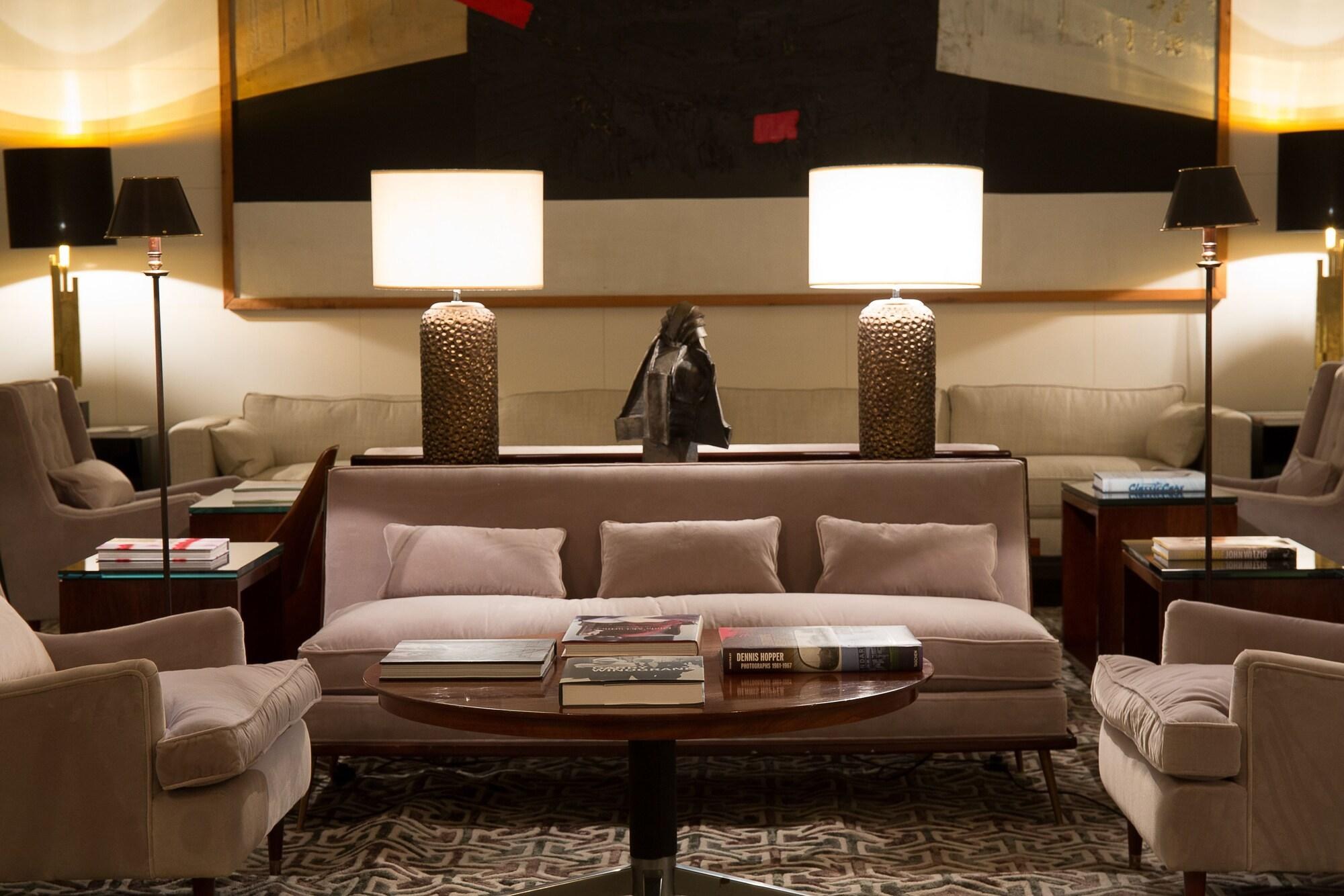
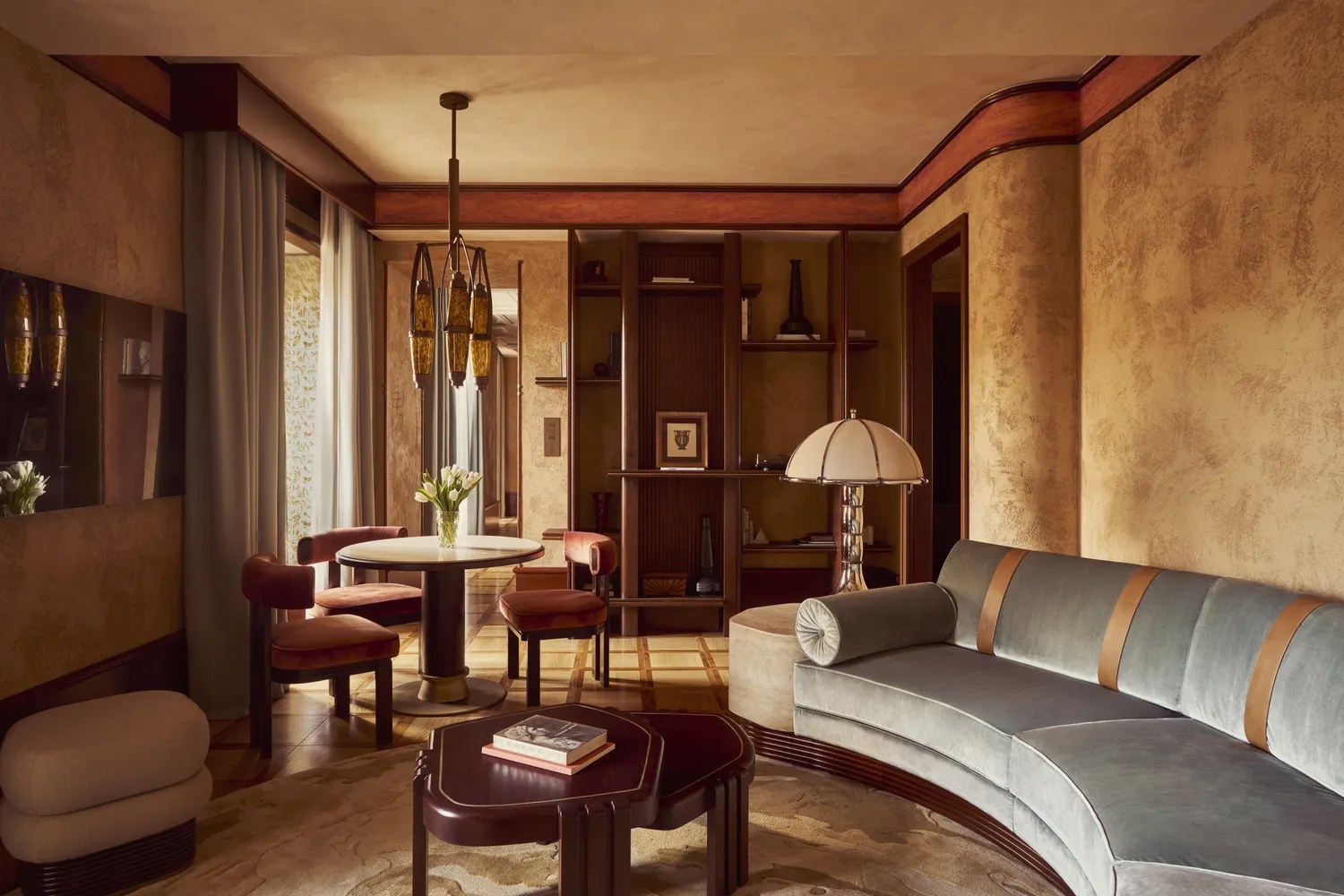
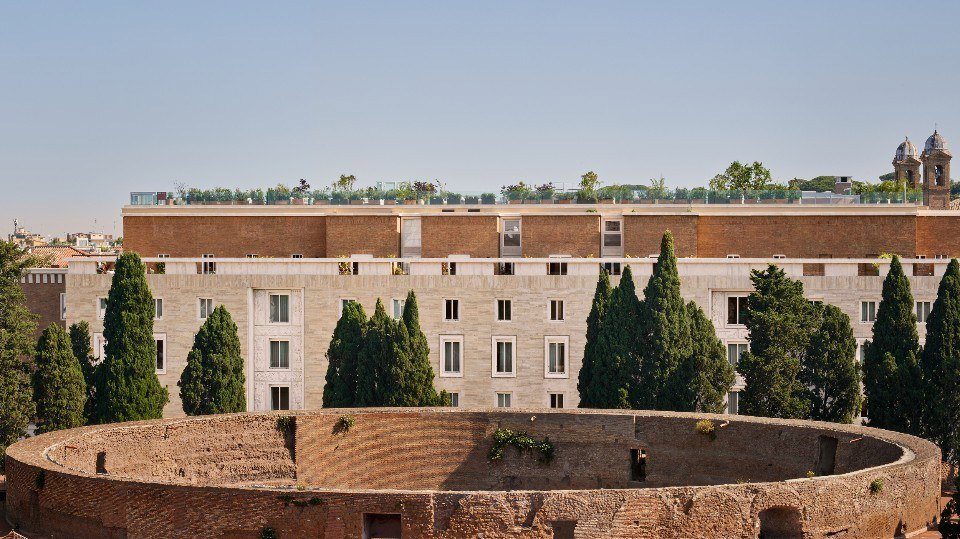
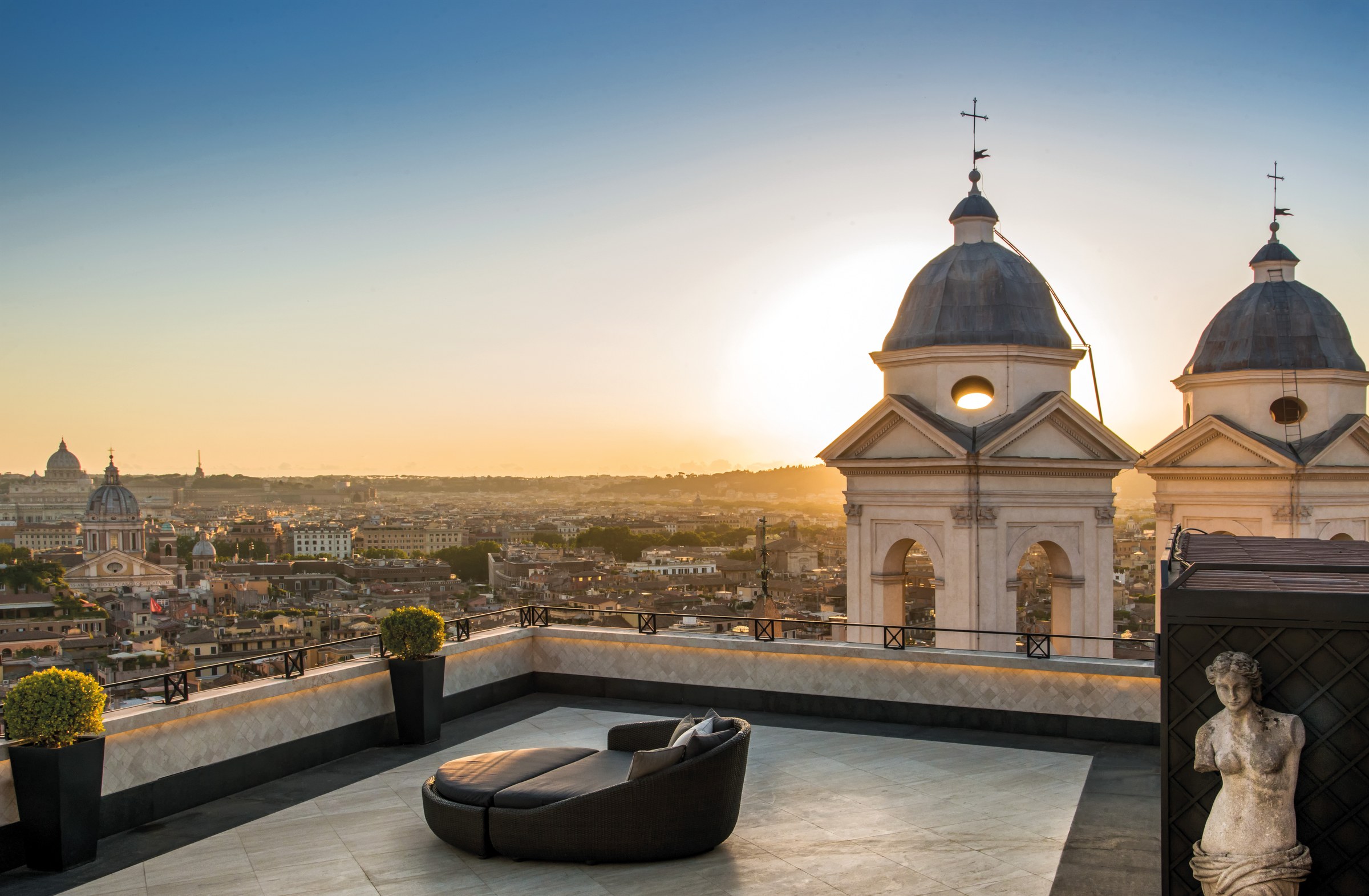
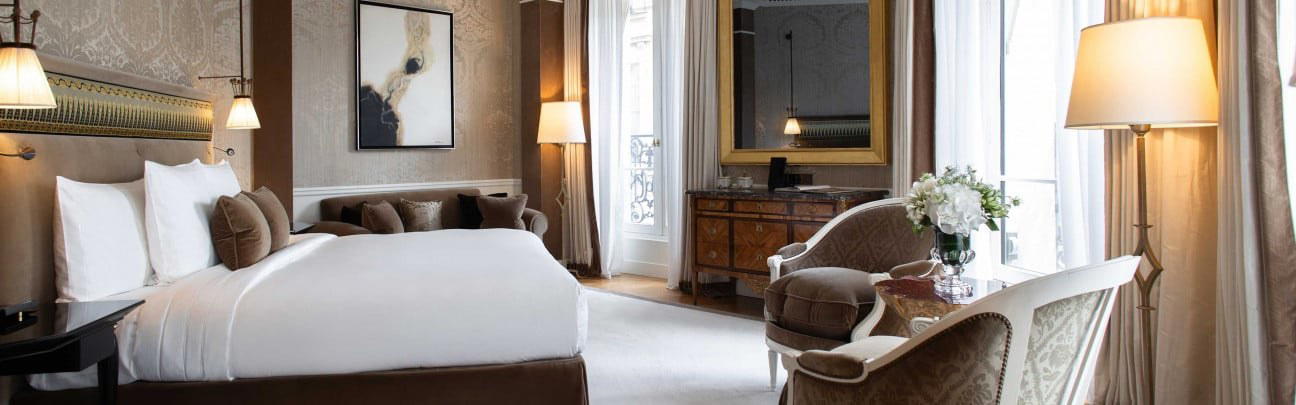
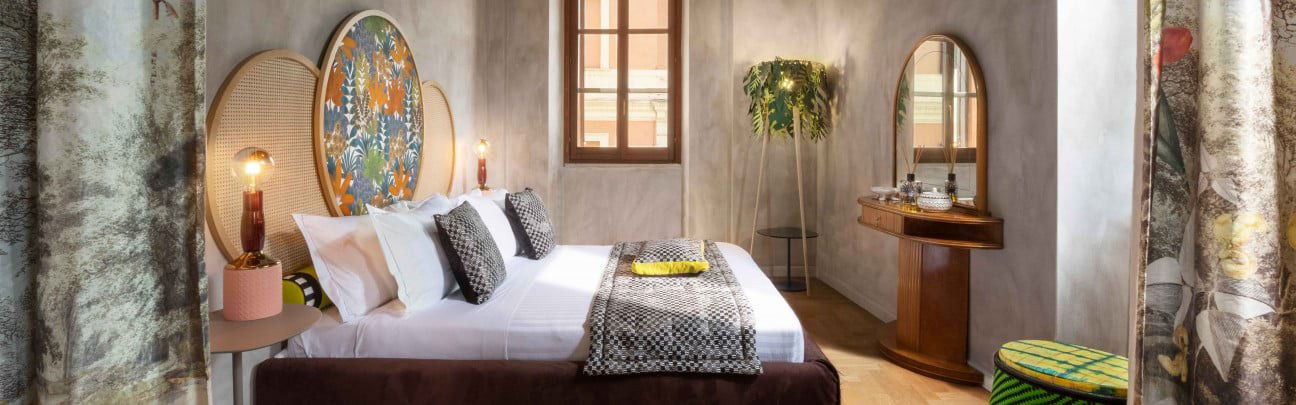
Palm Suite pairs an undeniably historic address with an idiosyncratic, decorative personality. The property occupies an 18th‑century building on Via del Colosseo, so the sense of place feels immediate: guests arrive with the Colosseum and the Forum literally in the sightline. Interiors steer away from neoclassical restraint and toward bespoke statements — a sculptural tiger in one suite, a golden palm lamp in another — creating a domestic, deliberately playful atmosphere. The result is a boutique stay that reads more like a private residence than a polished grand hotel, blending period bones with distinctive, character-driven design.
Best For
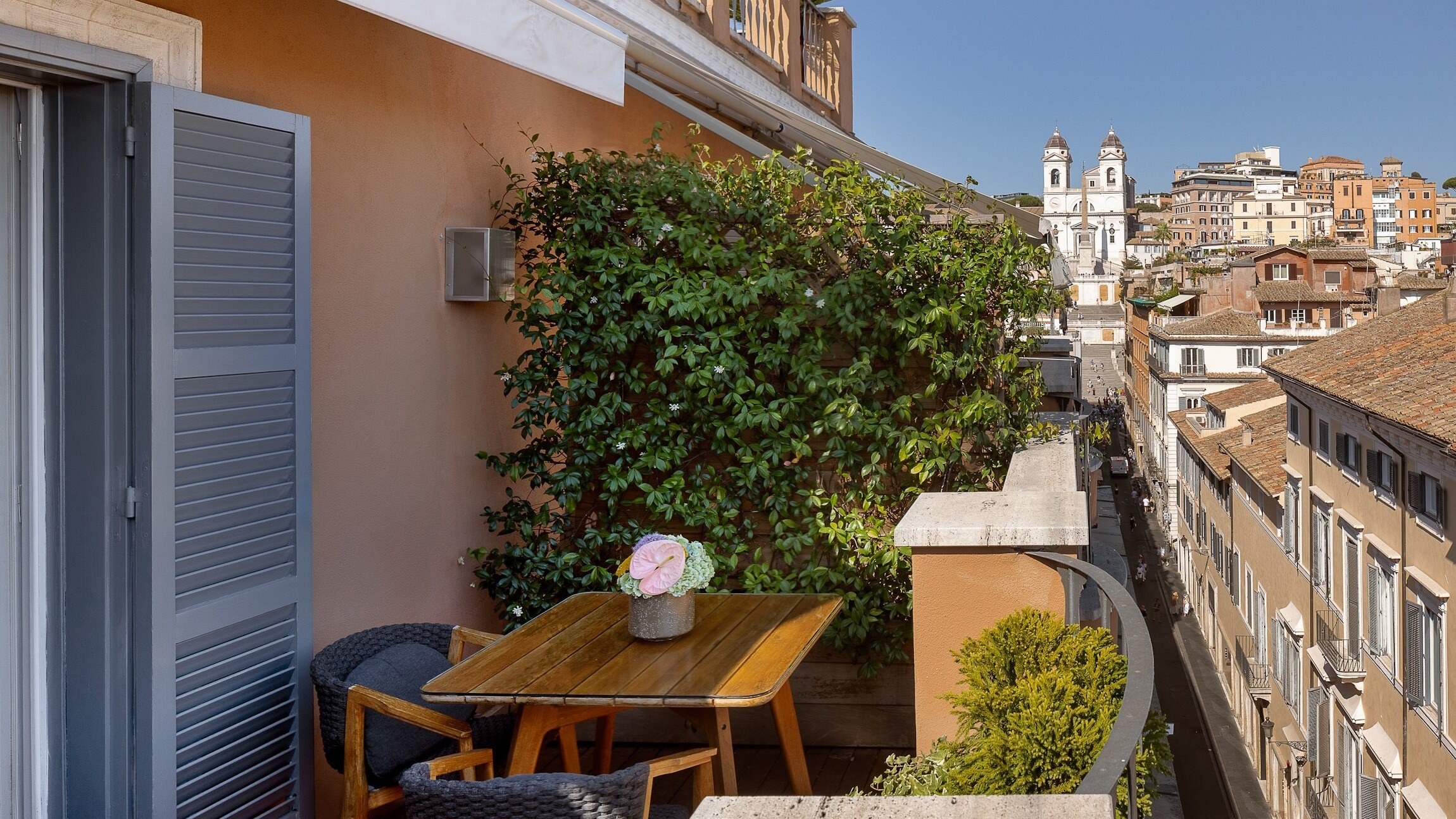
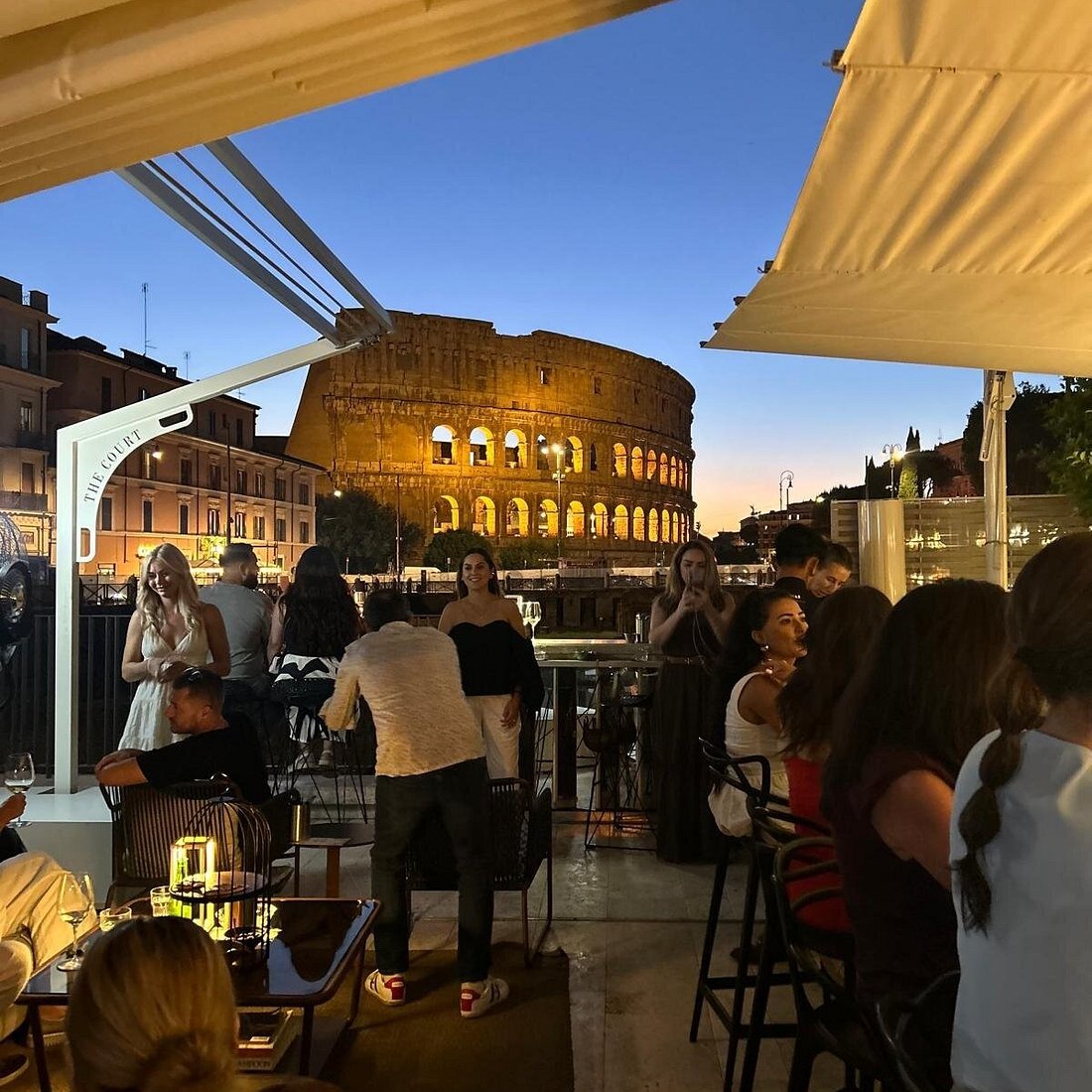
Palm Suite suits travelers who prize proximity to Rome’s ancient core and a boutique, personality-rich stay. Its address puts the Colosseum and the Forum within easy sight, and the Palatine Hill, Circus Maximus and Aventine are walkable, so it works well for people who plan to explore historical sites on foot. Because the surrounding Rione Celio moves at a quieter, more measured pace than busier tourist hubs, the hotel appeals to guests who prefer a calmer neighborhood base while remaining minutes from major monuments.
Stay Tips
When booking, ask which suite carries the particular decorative statement you want — the copy notes distinct individual identities, from a sculptural tiger to a golden palm lamp — so you don’t end up in a room whose aesthetic doesn’t match your taste. Also confirm which rooms enjoy the Colosseum/Forum sightlines if that view matters to you: the description emphasizes the property’s immediate proximity to those monuments, but sightlines can vary by room. Finally, plan walking routes to nearby sites (Palatine Hill, Circus Maximus, Aventine) from reception so you can make the most of the hotel’s historic location.
Venue details
Ambiance
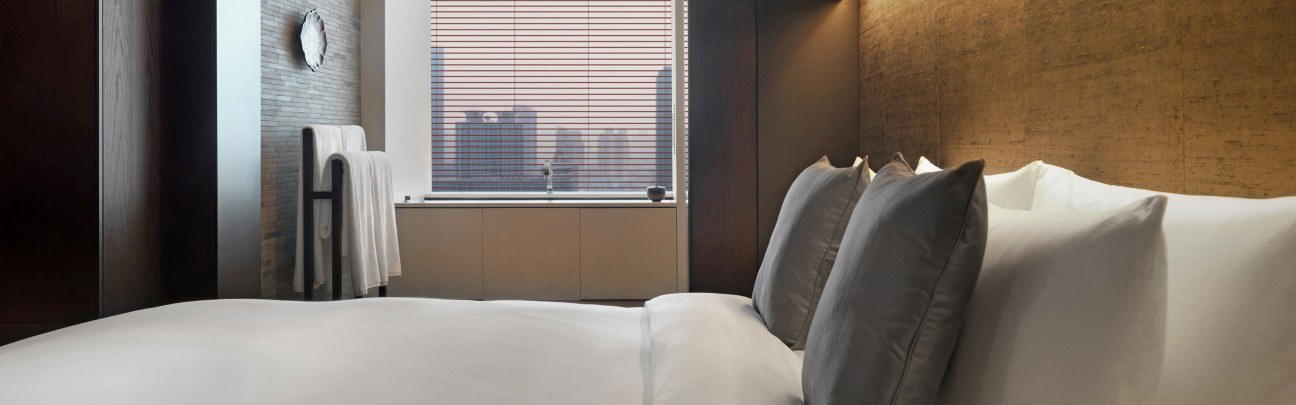
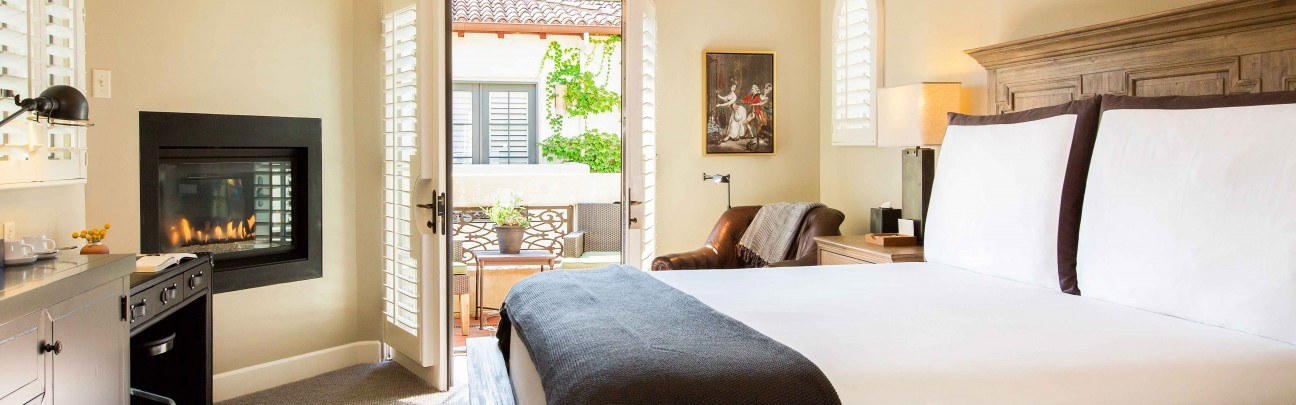
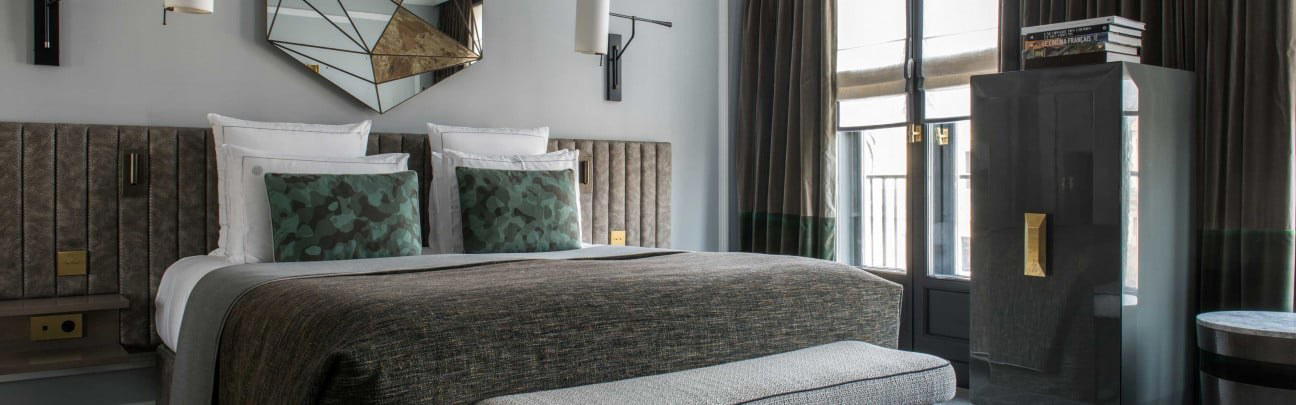
Whimsical and stylish with bold tropical patterns, eclectic decor, and a tranquil atmosphere enhanced by soundproofing.
Tags
Vibe
Best For
Experience
Amenities
View
Accessibility
About the Stay
- Rooms
- 0
- Check-in
- 14:00
- Property Style
- Eclectic Luxury Residences in Historic 18th Century Palazzo
- Design Style
- Whimsical Eclectic with Bold Patterns and Unique Furnishings
Know before you go
Know Before You Go
- Getting there
- Via del Colosseo, 20, 00184 Roma RM
Planning details
Location

Also consider
Where to look if Palm Suite is not the right fit
If the trip calls for a more dramatic Colosseum-facing splurge, cross-shop Palazzo Manfredi. If value and a practical boutique base matter more than a suite-led stay, start with Nerva Boutique Hotel or Condominio Monti.
Hotel context
How Palm Suite compares in Rome
Choose Palm Suite when suite-level privacy matters more than big-hotel breadth. Palazzo Manfredi is the stronger pick for a more overt splurge near the Colosseum, especially if the view-driven, high-touch hotel experience is the point. Palm Suite is the quieter alternative for travelers who want the ancient-core location without turning the stay into a production.
The Inn at the Roman Forum is the closer cross-shop for guests who want atmosphere and history in the same part of Rome. Nerva Boutique Hotel and Condominio Monti are better fits for travelers prioritizing boutique value and neighborhood convenience over a suite-led stay.
Casa Monti Roma is the better comparison if design energy and a Monti base matter more than privacy. Palm Suite is easier to justify for a date-weekend or anniversary; the Monti options make more sense for travelers planning to spend more time out than in the room.
Around this place
Discover more on Pearl
Unlock the full Palm Suite guide in Pearl, including awards, comparisons, FAQs, planning details, and nearby places.
Compare Palm Suite
| Venue | Location | Awards |
|---|---|---|
| Palm Suite | Rome | 2026 Mr & Mrs Smith Luxury Hotels2025 Michelin Selected HotelsSmall Luxury Hotels Member 2025 |
| The Inn at the Roman Forum | Rome | 2024 Michelin 1 Key |
| Nerva Boutique Hotel | Rome | No published awards |
| Palazzo Manfredi | Rome | 2026 Virtuoso Luxury Hotel Collection2026 Mr & Mrs Smith Luxury Hotels2025 Michelin Selected HotelsSmall Luxury Hotels Member 2025 |
| Condominio Monti | Rome | No published awards |
| Casa Monti Roma | Rome | No published awards |


How Palm Suite Rome compares with similar nearby venues.
FAQ
Frequently Asked Questions
How is the pool and spa at Palm Suite?
If pool or spa facilities are important, confirm directly with Palm Suite before booking and compare the practical fit with options such as Palazzo Manfredi.
Is Palm Suite good for business travel?
It may work for business travelers who want a recognized Rome hotel option. Confirm any business facilities you need, and compare practical requirements with The Inn at the Roman Forum or Nerva Boutique Hotel before booking.
How does Palm Suite compare to other hotels?
Palm Suite has recognition from Small Luxury Hotels of the World, Mr & Mrs Smith, and the MICHELIN Guide hotel selection. For comparison, travelers may also look at Palazzo Manfredi, Condominio Monti, Casa Monti Roma, Nerva Boutique Hotel, or The Inn at the Roman Forum depending on the style of stay they prefer.
What is check-in like at Palm Suite?
Confirm arrival timing and process directly with Palm Suite; travelers who prefer a more traditional hotel setup may also compare The Inn at the Roman Forum.
How is the dining at Palm Suite?
Do loyalty programs work at Palm Suite?
Palm Suite is a Small Luxury Hotels of the World Member (2025), and it also has MICHELIN Guide, Hotels Selected (2025) recognition. For loyalty earning, redemption, or benefit details, check the booking channel and program terms before reserving.